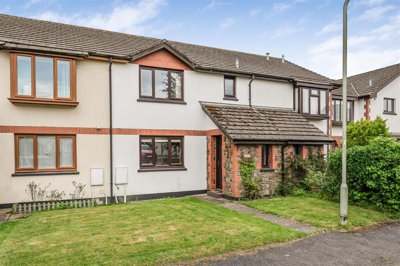
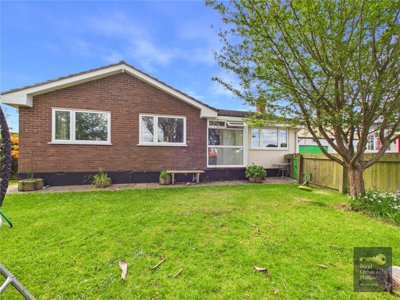
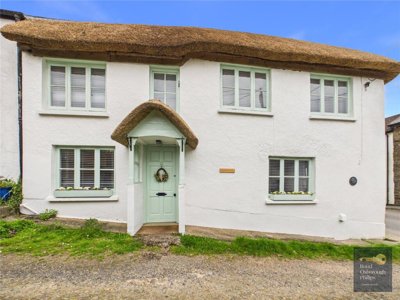
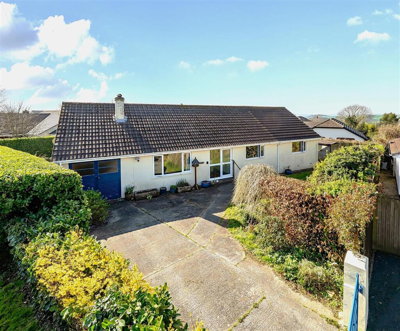
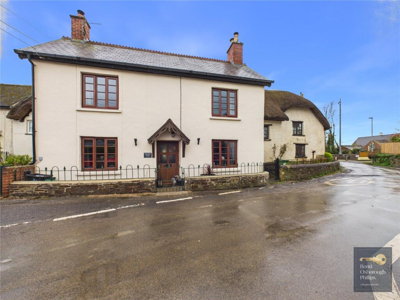
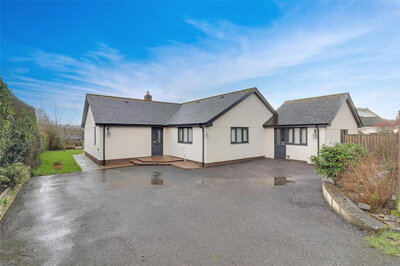
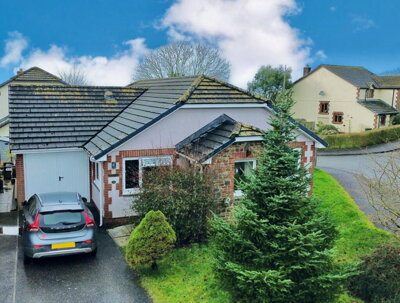
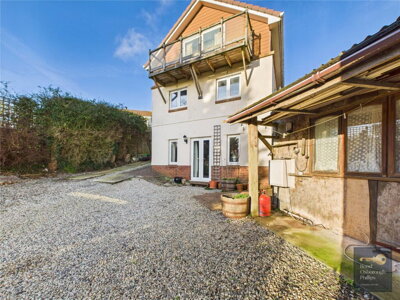
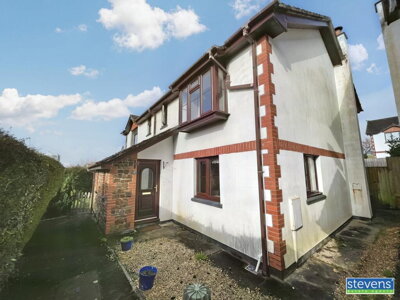
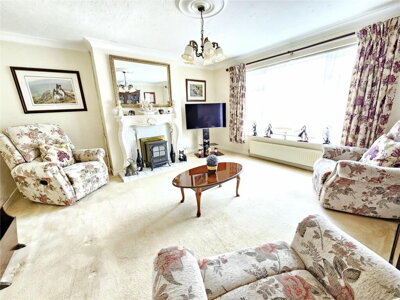
Browse 14 homes for sale in Dolton, Torridge from local estate agents.
Three bedroom properties represent a significant portion of the Dolton housing market, offering space for families with multiple reception rooms and gardens in many cases. Browse detached, semi-detached, and terraced options ranging from period character homes to contemporary developments.
£328k
2
0
137
Source: home.co.uk
Showing 2 results for 3 Bedroom Houses for sale in Dolton, Torridge. The median asking price is £327,500.
Source: home.co.uk
Detached
1 listings
Avg £290,000
Terraced
1 listings
Avg £365,000
Source: home.co.uk
Source: home.co.uk
Dolton’s housing market has shifted quite a bit over the last few years, with average prices now landing somewhere between £317,222 and £345,625, depending on which data set we look at. home.co.uk records put values around 4% lower than a year ago and roughly 25% below the 2022 peak of £421,733, which points to a softer market and may suit buyers who have been waiting for a better opening. homedata.co.uk shows a similar picture, with the average sitting at about £345,625 for homes sold through the platform. It is part of a wider rural trend, though Dolton still holds its own within North Devon.
Dolton’s stock is heavily weighted towards detached homes, and the EX19 8RH postcode area shows about 89% of transactions in that category. Current asking prices place detached properties at around £340,000 on average, while semi-detached homes come in at approximately £313,333. Terraced houses are more accessible at around £215,000, which can be the gentler way onto the Dolton ladder for those working to a tighter budget. Flats are scarce, because the village is made up mainly of houses and cottages rather than apartments or conversions.
On the eastern edge of Dolton, Kitchener Land and Planning has secured reserved matters planning approval for 25 new dwellings, so there is fresh supply on the way. Of those, 17 are open market homes and 8 are affordable housing, which broadens the choice for first-time buyers and for people looking for lower-cost tenures in the village. The site covers about 1.55 hectares, with homes to the north and west, Aller Road along the southern edge, and agricultural land to the east. That extra stock may nudge future values and will appeal to buyers who prefer modern build quality.

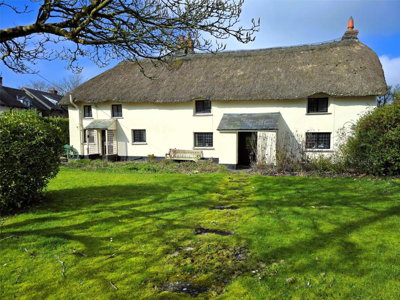
Dolton moves to a countryside rhythm, not an urban one. It sits on a low ridge between streams that feed into the River Torridge, which gives the village its valley setting and a long-established residential draw. People have lived here since at least the medieval period, the Church of St Edmund dates mainly to the 13th century, and Stafford Barton is a manor house with 12th century roots. The heritage shows in the 61 listed buildings scattered through the village, from large country houses to thatched cottages built from rendered cob walls with gable-ended roofs.
For day-to-day living, the village centre covers the basics. There is a primary school for local families, two public houses for meeting up, a village hall for events, and a recreation ground with a play area. The shop and butchers take care of everyday groceries, so residents do not need to head out constantly for the essentials. For a bigger shop, more entertainment, or specialist services, Bideford is about 7 miles away, while Barnstaple gives access to a wider choice still.
The North Devon countryside around Dolton is a strong part of the appeal, with walking routes, scenic drives, and plenty of outdoor space close at hand. The River Torridge also brings fishing and riverside walks, though the flood risk should not be ignored. Above 2.80 metres on the river gauge, flooding becomes possible, and Dolton sits within the River Torridge Lower flood warning area, which includes riverside spots and roads between Dolton and Bideford. Buyers looking near the river would be wise to check the risk properly and think through insurance and survey implications.

Education in Dolton centres on Dolton Church of England Primary School, which serves children from the village and the surrounding rural catchment. It provides primary education for ages 5 through 11, giving families a local option that cuts out the daily haul to a larger settlement. Church of England schools often keep close ties with their communities and can have smaller class sizes than bigger urban primaries, which many parents see as a plus in those early school years.
Secondary school pupils from Dolton usually travel to schools in nearby towns, so transport needs to be thought through early. Parents should check the catchment areas and admission arrangements for secondary schools in the Torridge district, because those details affect eligibility. School transport may mean bus services or family lifts, and buyers with children at secondary age should sort that out before making an offer. Ofsted ratings vary across the local area, so looking at each school individually helps families make a clearer choice.
For post-16 study, Barnstaple gives access to further education, while Exeter and Plymouth open up universities and specialist providers, though the journeys are longer. Many students commute from home in the early part of higher education, or stay local and take vocational routes at college. For families weighing up a move, mapping the full education path from primary to secondary and into further education makes it easier to judge whether Dolton works for the long term, not just for now.

Transport links reflect Dolton’s rural position in North Devon, and most residents will need a car for work, shopping, and services that are not available locally. The nearest major road access runs through Bideford, about 7 miles away, where the A39 Atlantic Coast Way carries traffic along the North Devon coast. From there, the A361 links to Barnstaple, then on towards the M5 at Bridgwater and onward to Bristol and the wider motorway network. By car, Barnstaple is usually 25-30 minutes away, while Exeter tends to take around 1-1.5 hours depending on traffic.
Public transport in Dolton is limited, which is fairly typical for a village of this size in rural Devon. Buses do run to surrounding towns, though the timetable suits the odd journey more than daily commuting. Rail access is available from Barnstaple and possibly other nearby stations, with services on to Exeter St Davids and the national network beyond that. Exeter Airport also gives access to domestic and limited international flights, which helps for work or holidays without the longer trip to a bigger airport. Buyers should take a hard look at how they travel before committing to the village.
For anyone working from home, Dolton’s rural setting is easier to manage than for those tied to daily travel. Reliable broadband becomes the key piece of infrastructure, not closeness to a rail hub or motorway junction. Plenty of buyers drawn to villages like Dolton are after the countryside lifestyle while keeping their jobs through remote working. The quieter setting, away from main roads, can suit focused work. If daily office time in Exeter, Plymouth, or further afield is part of the routine, that commute needs careful thought before buying.

Take a look at the current listings and recent sales in Dolton if you want a better feel for pricing and what fits your budget. home.co.uk shows homes across the range, from terraced cottages at around £215,000 to detached family houses at £340,000 or more. Knowing the local market helps you spot realistic opportunities and gives you a firmer footing when it is time to negotiate.
Before you book viewings in Dolton, it makes sense to have a mortgage agreement in principle in place from a lender. That shows how much you can borrow and tells sellers you are serious, with finance already lined up. At an average of around £345,625, most Dolton purchases will need a mortgage, so having that ready can save a lot of time once the right place turns up.
Once you are viewing, we recommend seeing homes in person so you can judge condition, position in the village, and how close they are to the school, village shop, and public houses. The age and build of each property matters, because Dolton has many historic homes with cob walls and thatch roofs that need a different approach to upkeep than a modern house. A viewing gives you the real feel of the place, not just the brochure version.
After your offer is accepted, a RICS Level 2 Survey is the next sensible step for a proper condition check. That matters especially in Dolton, where older buildings from the 17th century or earlier can hide damp, timber defects, or roof problems. Survey fees usually sit between £400-800, depending on the size and value of the property, and the report will flag issues that may need attention before or after completion.
We would also advise appointing a conveyancing solicitor to deal with the legal side of the purchase, from searches and contracts through to registration at the Land Registry. They will carry out local authority searches for Dolton, which should cover flood risk from the River Torridge and any planning issues affecting the property. They will also keep the lender, the seller’s solicitor, and the estate agents in the loop as the transaction moves towards completion.
Once the searches come back clean and the mortgage offer is in place, contracts are exchanged with the seller and the deposit is paid. On completion day, the balance is sent across and the keys to your new Dolton home are handed over. Simple in theory, though there is always a fair bit of paperwork behind the scenes.
Dolton properties need a careful eye, because the village has a strong mix of historic and listed buildings. Many homes here have features that call for specialist judgement. Thatch roofs, for example, bring their own upkeep and usually cost more to insure than standard houses. Rendered cob walls are attractive and traditional, but they can suffer from damp and weathering over time, so regular maintenance matters. A survey from a RICS qualified surveyor who knows older buildings can reveal a lot about these construction methods and the issues that may be hidden.
Flood risk is another point buyers should take seriously in Dolton. The village sits on a low ridge between streams that run into the River Torridge, so some properties, especially lower down or near watercourses, face a higher risk. If the river gauge goes above 2.80 metres, flooding can happen, and the River Torridge Lower flood warning area covers riverside locations and roads between Dolton and Bideford. Flood Risk searches should form part of the conveyancing process, and it is sensible to check whether resilience measures are already in place or might be needed. Homes at higher points in the village may reduce that risk while still giving you the same local amenities.
Planning controls in Dolton can affect what you do with a home after purchase, particularly where a property is listed or sits in a designated conservation area. With 61 listed buildings in the village, many homes are likely to carry some form of listing that affects alterations, extensions, and even maintenance. Listed building consent may be needed for work that would not trouble an unlisted house, and exterior changes are usually closely controlled. Knowing this before you buy helps avoid expensive surprises and keeps any plans within the planning rules.
The age of the housing stock also means that electrical and plumbing systems in many Dolton properties may be ready for updating. Homes from the 17th, 18th, and 19th centuries often have wiring and plumbing that no longer meet current expectations. A detailed RICS Level 2 Survey should highlight those issues, giving you time to budget for upgrades or take them into account when you make an offer. Buyers after a project may find character homes that leave room for renovation, but the risks need proper professional review before you go ahead.

According to homedata.co.uk, the average house price in Dolton is currently about £345,625, with home.co.uk recording around £317,222 and home.co.uk also showing £343,000. Detached homes average roughly £340,000, semi-detached properties come in at around £313,333, and terraced houses sit near £215,000. Prices are around 4% lower than last year and about 25% below the 2022 peak of £421,733, which may open the door for buyers looking to enter the market.
For council tax, Dolton properties fall under Torridge District Council. In the Torridge area, bands generally run from A through to F for larger detached homes in rural villages like Dolton. The exact band for a specific property can be checked on the Valuation Office Agency website, and your solicitor will normally confirm it during conveyancing searches as part of the local authority enquiries. Council tax bands are based on values as at April 1, 1991, and current charges for each band are published on the Torridge District Council website.
Dolton Church of England Primary School serves the village and surrounding area for children aged 5-11. Church of England primaries often keep a strong community feel, and the smaller class sizes can be helpful during those early school years. For secondary education, pupils usually move on to schools in nearby towns, with the catchment schools and Ofsted ratings varying according to the exact location within the Dolton catchment area. Parents should read the Ofsted reports and think through transport before settling on an education plan.
Public transport links from Dolton are limited, which fits its rural village setting. Buses do run, but the frequency is better suited to occasional trips than day-to-day commuting. Barnstaple and possibly other nearby towns have rail stations with connections to Exeter St Davids and the wider national network. Most people rely on a private car for everyday travel. Dolton is about 7 miles from Bideford and around 25-30 minutes’ drive from Barnstaple, where there are more transport options.
Dolton has some investment potential, and there are a few reasons for that. Kitchener Land and Planning has an approved application for 25 new dwellings, which shows development interest in the area. Prices have eased from the 2022 peak, so entry can look better value than it did a few years ago. The rural North Devon lifestyle keeps drawing buyers who want village life away from the towns, which helps support demand for well-kept homes. Even so, investors should think about the small rental market and whether a property will appeal to families or to people looking for a rural retirement move.
For a standard residential purchase, stamp duty land tax is charged at 0% on the first £250,000, 5% on £250,001 to £925,000, 10% on £925,001 to £1.5 million, and 12% above £1.5 million. First-time buyers get relief on the first £425,000 at 0%, with 5% applying from £425,001 to £625,000. At Dolton’s average price of around £345,000, a first-time buyer would pay no stamp duty, while someone buying again would pay about £4,750 on a £345,000 home.
Because so many Dolton homes are old and built in traditional ways, arranging a RICS Level 2 Survey before you complete is a sensible move for any buyer. The housing stock includes a sizeable number of historic buildings from the 17th century and earlier, with rendered cob walls and thatch roofs that are very different from modern construction. A RICS Level 2 Survey gives a detailed condition assessment, picking up defects, damage, or areas that need attention, so you can make a better decision or renegotiate if needed.
Survey reports on Dolton properties often pick up damp penetration in cob walls, which can be vulnerable to weathering without regular upkeep, as well as timber defects such as rot or woodworm in structural parts. Roof condition is another common issue, especially with thatch. Older village homes also frequently have outdated electrical systems and plumbing, because many have never been fully modernised. Our inspectors know the traditional building methods used across North Devon and understand the maintenance needs of historic properties.
A RICS Level 2 Survey for a Dolton property usually costs £400-800, depending on size, value, and complexity. Larger houses, and those with non-standard construction such as cob or timber frame, can attract higher fees. It is an upfront expense, but it can save far more by flagging problems before purchase that might otherwise lead to costly repair work. Many buyers in Dolton find the survey good value when they are taking on a home in this historic village.

Contact Us
Choosing the right mortgage matters when you are buying in Dolton. Compare rates and terms from trusted lenders.
From £499
We handle the legal side of Dolton property purchases, from searches and contracts through to registration.
From £350
Our property surveys help assess the condition of Dolton homes, especially older properties with traditional construction.
From £60
Energy Performance Certificate for your Dolton property. Needed for all sales and rentals.
It helps to understand the full cost of buying in Dolton so there are no financial shocks part way through the deal. Stamp duty land tax is the main tax to plan for, and it applies to purchases above £250,000 at standard rates. On a typical Dolton home at around £345,625, a buyer who is not a first-time buyer would pay stamp duty at 5% on the amount above £250,000, which works out at £4,781.25. That amount is usually due within 14 days of completion and needs to sit alongside the deposit and other fees in your budget.
First-time buyers in Dolton may benefit from stamp duty thresholds that remove this cost entirely or cut it down. Relief applies at 0% on the first £425,000 of purchase price, then 5% applies between £425,001 and £625,000. Since average Dolton prices of around £345,625 sit entirely within the relief band, a qualifying first-time buyer would pay no stamp duty on that purchase. That can make a meaningful difference to the total funds needed at completion compared with someone who has owned a property before.
There are other costs to think about as well, including mortgage arrangement fees, which usually range from £500-2,000 depending on the lender, and mortgage valuation fees, which often cost £300-700 based on the property value. A RICS Level 2 survey for a Dolton property typically runs from £400 to £800, with older homes sometimes costing more because of their build type. Conveyancing fees for a standard purchase usually start from around £499 for basic legal work, and rise where the transaction is more complex. Buildings insurance needs to be in place from completion, and solicitors will order local authority searches, drainage and water searches, flood risk searches for the River Torridge area, and planning searches. Taken together, these extra costs usually add £2,000-4,000 to the purchase price, so it pays to budget for them alongside the deposit.
Properties for Sale In London

Properties for Sale In Plymouth

Properties for Sale In Liverpool

Properties for Sale In Glasgow

Properties for Sale In Sheffield

Properties for Sale In Edinburgh

Properties for Sale In Coventry

Properties for Sale In Bradford

Properties for Sale In Manchester

Properties for Sale In Birmingham

Properties for Sale In Bristol

Properties for Sale In Oxford

Properties for Sale In Leicester

Properties for Sale In Newcastle

Properties for Sale In Leeds

Properties for Sale In Southampton

Properties for Sale In Cardiff

Properties for Sale In Nottingham

Properties for Sale In Norwich

Properties for Sale In Brighton

Properties for Sale In Derby

Properties for Sale In Portsmouth

Properties for Sale In Northampton

Properties for Sale In Milton Keynes

Properties for Sale In Bournemouth

Properties for Sale In Bolton

Properties for Sale In Swansea

Properties for Sale In Swindon

Properties for Sale In Peterborough

Properties for Sale In Wolverhampton

Enter your details to see if this property is within your budget.
Loans, cards, car finance
Estimated property budget
Borrowing + deposit
You could borrow between
Typical borrowing
Monthly repayment
Est. at 4.5%
Loan-to-value
This is an estimate only. Your actual budget may vary depending on interest rates, credit history, and personal circumstances. For an accurate affordability assessment, speak to one of our free mortgage advisors.
This calculator provides estimates for illustrative purposes only and does not constitute financial advice. Your home may be repossessed if you do not keep up repayments on your mortgage. Estimates based on 4.5% interest rate, repayment mortgage. Actual rates depend on your circumstances.
Homemove is a trading name of HM Haus Group Ltd (Company No. 13873779, registered in England & Wales). Homemove Mortgages Ltd (Company No. 15947693) is an Appointed Representative of TMG Direct Limited, trading as TMG Mortgage Network, which is authorised and regulated by the Financial Conduct Authority (FRN 786245). Homemove Mortgages Ltd is entered on the FCA Register as an Appointed Representative (FRN 1022429). You can check registrations at NewRegister or by calling 0800 111 6768.

We use cookies to show you personalised content and improve your experience of our website. Find out more in our Privacy policy and Cookie policy.