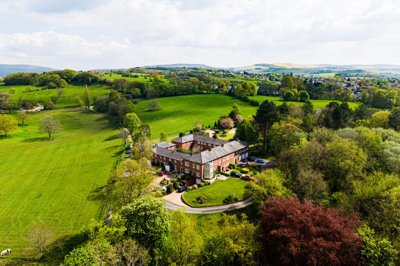
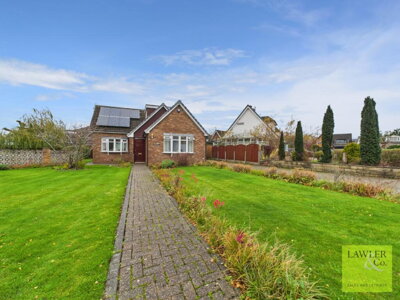
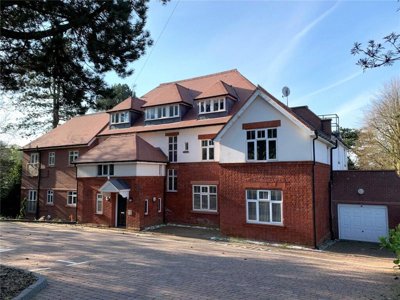
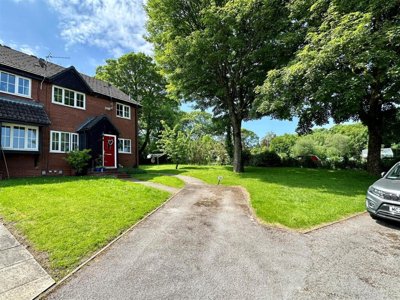
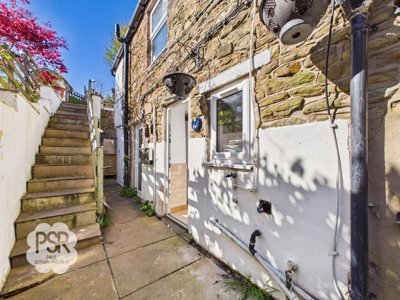
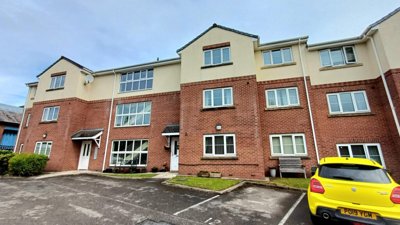
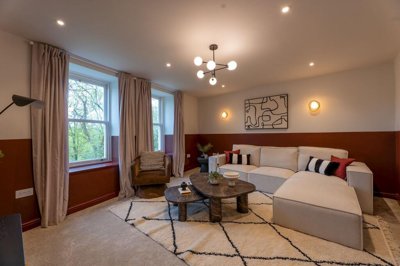
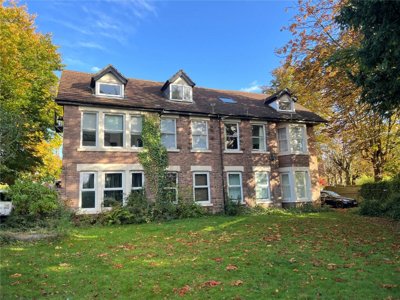
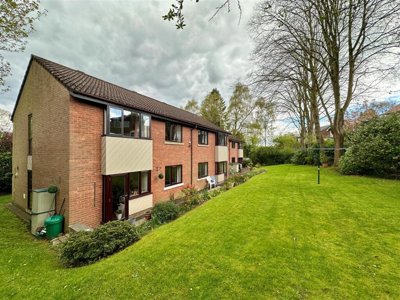
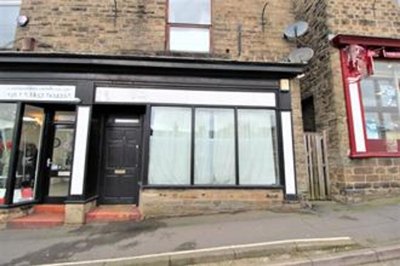
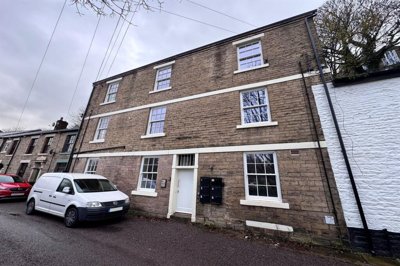
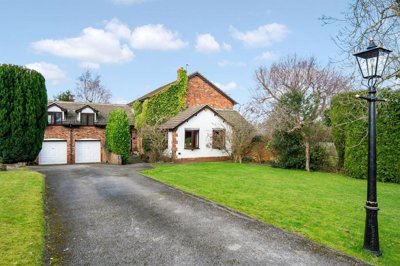
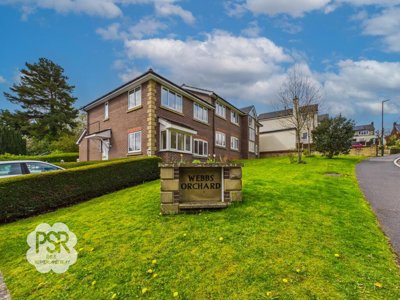
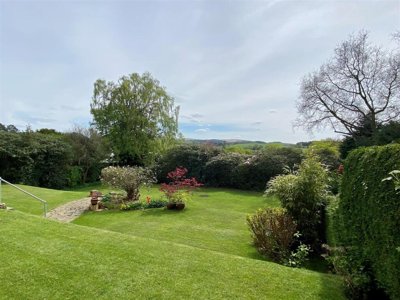
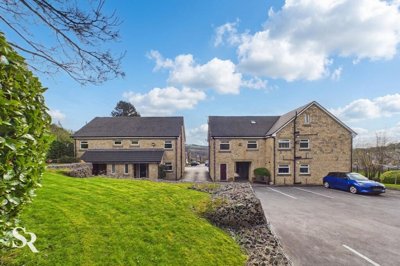
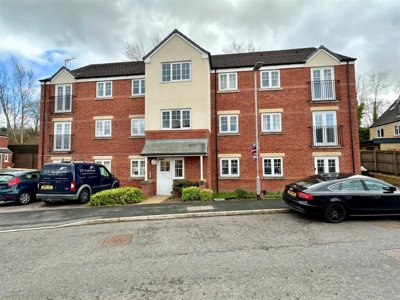
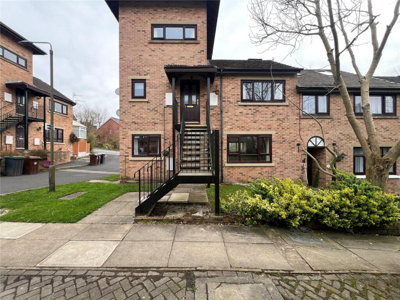
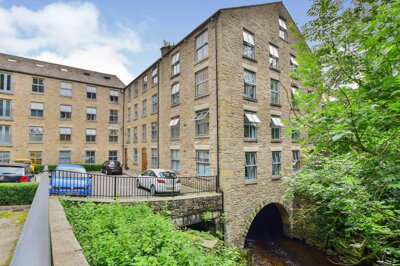
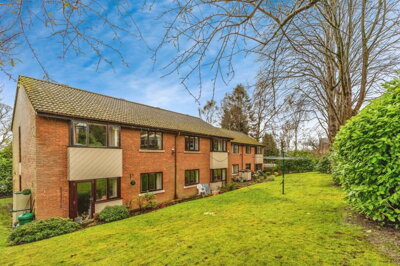
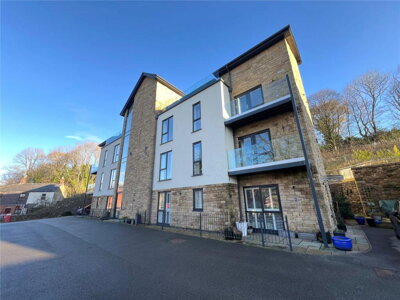
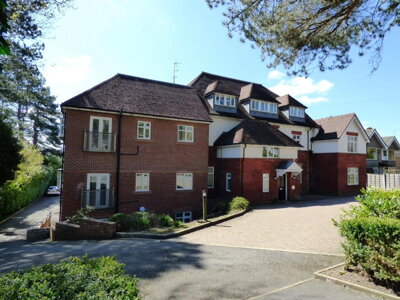
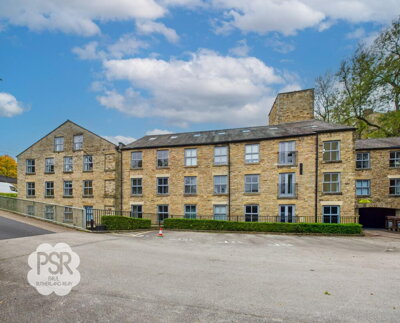
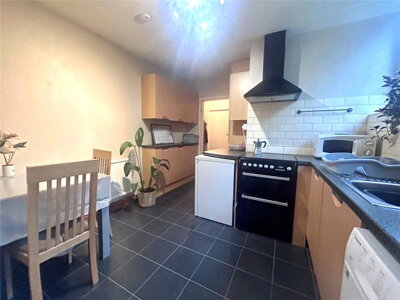
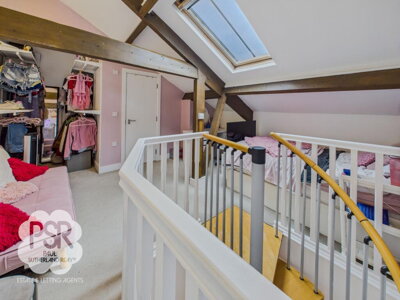
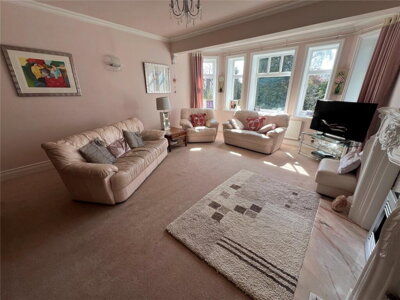
Browse 25 homes for sale in Disley, Cheshire East from local estate agents.
Studio apartments feature open-plan living spaces without separate bedrooms, incorporating sleeping, living, kitchen, and bathroom facilities. The Disley studio market includes properties in modern apartment complexes, converted Victorian and Georgian buildings, and purpose-built developments.
£225k
3
1
73
Source: home.co.uk
Showing 3 results for Studio Flats for sale in Disley, Cheshire East. 1 new listing added this week. The median asking price is £225,000.
Source: home.co.uk
Flat
3 listings
Avg £206,667
Source: home.co.uk
Source: home.co.uk
Disley's property market has shown steady, consistent growth over the last twelve months, with overall prices up by 1.9% according to recent data. That modest rise points to the ongoing demand for homes in this semi-rural spot, where commuters value the link to Manchester and Stockport without giving up quality of life. The housing stock is broad enough to suit different budgets and tastes, from affordable terraced houses through to sizeable detached family homes. Detached properties sit at the top of the local market, with the average around £724,528, which reflects just how highly space and privacy are prized in this attractive village setting.
Semi-detached houses are strong value for families hoping to buy in Disley, with typical prices of around £339,345. Many were built during the post-war expansion and offer generous gardens plus flexible accommodation over two floors. Terraced properties, averaging £239,000, give a more accessible route into Disley life and are a favourite with first-time buyers and young professionals. Flats are less common here because the housing mix is mainly suburban, but they do appear at lower price points, averaging £193,571. New build activity in the immediate Disley area remains limited, with most of the development taking place in nearby settlements such as Poynton and High Lane.
Disley's property types mirror the village's history and character. Census data shows that 38.5% of homes are detached, 30.2% are semi-detached, 20.1% are terraced, and 11.2% are flats or apartments. That balance gives a decent range of choices for different household types, while keeping the area firmly residential in feel. The age profile of the stock is mixed too, with a healthy number of pre-1919 character homes alongside post-war development, so the streetscape offers period detail as well as modern convenience.

There is something unusual about life in Disley, the way countryside calm and urban access sit side by side. The village has a population of around 4,800 residents across roughly 2,000 households, so it keeps that close-knit feel while still covering the everyday essentials. In the centre, there are independent shops, cafes, and traditional pubs, including places that have been part of local life for generations. To one side lies the western edge of the Peak District, and Lyme Park brings a large National Trust estate to the doorstep, with a historic house, gardens, and wide stretches of moorland.
Disley's setting gives the village much of its character. The local geology is made up of sandstones and shales from the Carboniferous period, while glacial till deposits have formed the clay-rich soils that influence both garden layouts and building styles. Many traditional properties use local gritstone, a material that gives homes a distinctive look and ties the village visually to the wider Peak District. The River Goyt runs close by, which adds to the scenery, though buyers should still think about flood risk in certain spots.
Community life in Disley shows up in the number of local organisations, sports clubs, and events held during the year. There are several churches, community centres, and recreational spaces, including playing fields and tennis courts. The cultural interest goes beyond Lyme Park as well, with historic buildings gathered within the designated Conservation Area, mostly around the village centre and the approach to the estate. Many of those buildings are listed, which gives the area real architectural weight and makes Disley especially appealing to buyers who like period homes and historic surroundings.

Families with children at different stages of education often find Disley a practical choice, especially if they want a semi-rural lifestyle alongside solid schooling. Primary provision is well covered in the village, with Disley Primary School serving the local community and regularly earning positive feedback for its standards and nurturing feel. Its position at the edge of the Peak District also means outdoor learning is easy to build into the week, thanks to nearby countryside and the National Trust estate. Smaller class sizes than you might find in urban schools also help, giving children more individual attention, something many parents value highly.
For secondary education, residents usually look to schools in surrounding towns, and many families travel to Stockport, Macclesfield, or nearby Poynton. Grammar school provision is available across the wider area, so academically selective pupils do have options. School bus services run from Disley to a number of nearby schools, which helps with the daily routine. Parents should check school performance data, Ofsted ratings, and admission arrangements with care, because catchment areas and oversubscription rules can make a big difference to where a child can actually get a place.
Outside formal schooling, Disley and the surrounding area give children and teenagers plenty of room to develop other interests. Local groups run everything from sports clubs and music lessons to uniformed organisations and youth activities. For further and higher education, Manchester is within reach and offers a wide range of universities and colleges for older students. Good schools at every level also feed into the local housing market, with homes close to stronger schools often selling faster and achieving premiums over similar properties in less well served areas.

Transport is one of Disley's biggest strengths, and it has helped make the village a sought-after commuter base. Disley railway station offers regular services to Manchester Piccadilly, with journeys taking around 30 minutes, so day-to-day travel into the city is perfectly realistic. Stockport is about 15 minutes away by train, which opens up further work and leisure options. Parking is available at the station too, so people who prefer to drive part of the way can do so. With services running through the day, commuters with different working patterns have a fair amount of flexibility.
Road access is just as useful. Disley sits close to the A6 corridor, giving routes north to Stockport and Manchester and south towards Buxton. The M60 ring road is easy to reach as well, linking the village into the wider motorway network, including the M6, M1, and M62. That makes driving straightforward for people who work in Manchester, across the North West, or further afield. Bus services also run through Disley and into neighbouring towns, so public transport remains an option for those who want to leave the car at home.
For cyclists, the National Cycle Network runs through or close to Disley, which gives access to traffic-free routes for leisure rides and some commuting trips. The Peak District's broad network of bridleways and footpaths also creates excellent opportunities for walking and cycling in the surrounding countryside, and many local residents make good use of those routes for exercise as well as transport. Manchester Airport is around 30 minutes away by car, so the village works well for people who travel regularly for business or holidays. Put together, those connections mean Disley offers semi-rural living without cutting residents off from work, study, or leisure across the region.

Speak to a mortgage broker and get an agreement in principle before you begin looking seriously. Once the finances are in place, offers carry more weight and sellers can see that we are serious buyers.
We use Homemove to browse current listings and get a feel for price ranges across different property types. It helps to become familiar with the local stock, from characterful period homes to modern family properties, so we can spot the areas and styles that match what we need.
Arrange viewings for homes that fit the brief. While you are there, take in the condition of the property, but also the street, the schools, transport links, and local amenities. It is often worth going back at different times of day too, so we can judge noise levels and the general atmosphere properly.
After an offer is accepted, a RICS Level 2 Survey is a sensible next step to check the condition of the property in detail. That is especially useful in Disley, where a sizeable share of homes were built before 1980, because it can pick up issues such as damp, timber defects, or possible subsidence linked to the local clay soils.
Choose a conveyancing solicitor to deal with the legal side of the purchase. They will carry out searches, raise enquiries, and handle the contracts and registration stage. For properties near the River Goyt or in places with historical mining activity, specific flood risk and mine workings searches will be needed.
Once the searches are clear and contracts are agreed, deposits are exchanged and the purchase becomes binding. Completion usually follows within days or weeks, and that is when the keys to the new Disley home are handed over and village life can begin.
Buying in Disley calls for a bit of extra thought, because several local factors can affect both day-to-day ownership and long-term value. The geology means some locations are exposed to shrink-swell risk from clay soils, especially where large trees stand close to foundations. That can lead to subsidence or heave, both of which need professional scrutiny and can mean costly repairs. A RICS Level 2 Survey is important for spotting structural issues before you commit, and for older homes a RICS Level 3 Building Survey may be the better choice because traditional construction can be more complex.
Flood risk is another matter we would look at closely in Disley, mainly because of the River Goyt and the local topography. Homes right by watercourses or in lower-lying spots may face higher fluvial risk, while surface water flooding can also happen in heavy rain across different parts of the village. Insurance costs and mortgage availability can both be affected, so it is sensible to understand the specifics of any property before moving ahead. The Environment Agency's flood risk maps are helpful here, and our solicitor should also obtain drainage and flood risk searches during conveyancing.
Disley's Conservation Area status, along with its many listed buildings, brings extra rules for buyers to think about. Homes within the Conservation Area may have restrictions on alterations, extensions, or external changes, with consent needed from the local planning authority. Listed buildings, from Grade II up to the Grade I listed Lyme Park, come with even stricter controls over maintenance and any work that could affect their character. That can limit what can be changed or modernised, so it is worth understanding the implications before buying. Traditional materials such as gritstone, red brick, and slate also mean upkeep can differ from newer homes, with roofs, pointing, and external joinery often needing more regular attention.

The average house price in Disley is currently around £456,662 according to recent market data. Prices vary quite sharply by type, with detached homes averaging about £724,528, semi-detached properties around £339,345, terraced houses at £239,000, and flats near £193,571. Over the last twelve months, values have risen by 1.9% overall, which points to a stable, healthy market supported by steady demand from commuters and families who want semi-rural living with good transport links.
Council tax bands in Disley are set by Cheshire East Council and depend on the property's value and type. Buyers can check the specific band through the Valuation Office Agency website, although most homes in the village sit in bands B through E. The actual yearly charge depends on the band and the council's current tax rates, so it makes sense to get that information during conveyancing. Homes in higher bands, or with higher rateable values, naturally come with larger annual council tax bills.
Disley Primary School is the main primary option within the village itself and serves the local community. It benefits from its village setting and teaches children up to age 11, with many pupils later moving on to secondary schools in Stockport, Poynton, and Macclesfield. Secondary choices differ by address because catchment areas vary, so parents need to check which schools cover the property they are considering. Looking at school performance data, Ofsted reports, and admission policies is essential for families with school-age children so they can match their plans to the reality on the ground.
Public transport in Disley is excellent, which is why commuters are so often drawn here. The railway station runs regular services to Manchester Piccadilly in about 30 minutes and to Stockport in around 15 minutes, with good frequency through the day and into the evening. Bus routes connect Disley with nearby towns and villages, which helps those without a car. By road, both the A6 corridor and the M60 motorway are easy to reach, which further improves access to the wider region. That mix of rail and road links makes Disley a strong fit for people working in Manchester or other major employment centres who still want semi-rural living.
Disley has a good track record for property value growth and strong rental demand, which makes it an appealing place for investors. Its commuter appeal means there is usually a steady pool of tenants looking for decent rental homes with good transport links. Around 60 properties sold in the area over the past twelve months, which points to healthy transaction levels and reasonable market movement. With limited new build supply in the village and demand remaining firm from buyers who want the semi-rural Disley lifestyle, the case for property as an investment stays strong. Even so, anyone buying to let should still do the homework and think about rental yields, void periods, and possible changes to private rental rules.
Stamp Duty Land Tax applies to all property purchases in England, including homes in Disley, and the rate depends on the purchase price. On standard purchases, there is no SDLT on the first £250,000 of the price, then 5% is charged on the part between £250,001 and £925,000. First-time buyers can receive relief on the first £425,000, and they pay 5% only on amounts between £425,001 and £625,000. Homes above £925,000 attract higher rates, while those over £1.5 million face a 12% rate on the amount above that figure. Our solicitor will calculate and submit the SDLT return as part of the conveyancing process, and Homemove offers conveyancing services to support every stage of the purchase.
Flood risk in Disley depends very much on location, with homes near the River Goyt facing the highest fluvial risk. Surface water flooding is a broader concern in several parts of the village, particularly in heavy rainfall when local topography and drainage capacity are put under pressure. Before buying in Disley, it is wise to review Environment Agency flood risk maps and make sure our solicitor orders the right drainage and flood risk searches. Homes in higher-risk areas may attract bigger insurance premiums or extra mortgage conditions, so those implications need to be clear. The survey report should also note any sign of previous flooding or water damage that might point to a higher risk.
There is historical coal mining activity around Disley, so some locations may carry the risk of ground instability linked to old mine workings. Many mines have long since closed, but the legacy of extraction can still affect the ground and needs checking during a purchase. A mining report, often called a Con29M search, is usually a good idea for Disley properties because it can identify recorded mine workings, shafts, or adits that could matter. Clay soils add another layer of risk, with shrink-swell movement capable of affecting foundations, especially in dry spells or where large trees are nearby. Our RICS survey should look for visible signs of subsidence or structural movement, and any concerns may need a structural engineer to investigate further.
From 4.5% APR
Compare mortgage rates and find the best deal for a Disley property purchase
From £499
Expert solicitors to handle your Disley property purchase
From £450
RICS Level 2 Homebuyer Report for a Disley home, ideal for standard properties
From £600
RICS Level 3 Building Survey for older homes and period properties
Working out the real cost of buying in Disley goes well beyond the sale price, so careful budgeting matters if you want to avoid surprises. Stamp Duty Land Tax is one of the biggest extra costs, and the standard £250,000 threshold means no SDLT is due on purchases below that figure. Most Disley homes sit above that level, so the tax is usually charged at 5% on the portion between £250,001 and £925,000. First-time buyers buying homes up to £625,000 can benefit from relief that raises the zero-rate threshold to £425,000, which can save several thousand pounds.
Survey costs depend on the property type and how much investigation is needed. For a typical three-bedroom semi-detached home in Disley, RICS Level 2 Surveys usually fall somewhere between £450 and £700, depending on the surveyor and the specific property. Detached homes with more complex construction or a larger floor area may sit at the upper end of that range, or even above it. For period properties, listed buildings, or homes with obvious defects, a RICS Level 3 Survey may be the better choice despite the higher fee, because it gives a fuller view of construction, condition, and possible problems.
Conveyancing fees in Disley usually start from around £499 for straightforward transactions, although more complex matters can push costs up quite a bit. Extra disbursements include local authority searches, drainage and water searches, environmental searches, and, where needed, mining or flood risk reports for the Disley area. Those searches matter because they highlight issues that could affect enjoyment or investment, and together they often add up to several hundred pounds. Mortgage arrangement fees, valuation fees, and broker charges increase the total, and buildings insurance has to be in place from completion. As a starting point, budgeting for total buying costs of roughly 3-5% of the purchase price is sensible, although higher-value homes or titles with complications can cost more.

Properties for Sale In London

Properties for Sale In Plymouth

Properties for Sale In Liverpool

Properties for Sale In Glasgow

Properties for Sale In Sheffield

Properties for Sale In Edinburgh

Properties for Sale In Coventry

Properties for Sale In Bradford

Properties for Sale In Manchester

Properties for Sale In Birmingham

Properties for Sale In Bristol

Properties for Sale In Oxford

Properties for Sale In Leicester

Properties for Sale In Newcastle

Properties for Sale In Leeds

Properties for Sale In Southampton

Properties for Sale In Cardiff

Properties for Sale In Nottingham

Properties for Sale In Norwich

Properties for Sale In Brighton

Properties for Sale In Derby

Properties for Sale In Portsmouth

Properties for Sale In Northampton

Properties for Sale In Milton Keynes

Properties for Sale In Bournemouth

Properties for Sale In Bolton

Properties for Sale In Swansea

Properties for Sale In Swindon

Properties for Sale In Peterborough

Properties for Sale In Wolverhampton

Enter your details to see if this property is within your budget.
Loans, cards, car finance
Estimated property budget
Borrowing + deposit
You could borrow between
Typical borrowing
Monthly repayment
Est. at 4.5%
Loan-to-value
This is an estimate only. Your actual budget may vary depending on interest rates, credit history, and personal circumstances. For an accurate affordability assessment, speak to one of our free mortgage advisors.
This calculator provides estimates for illustrative purposes only and does not constitute financial advice. Your home may be repossessed if you do not keep up repayments on your mortgage. Estimates based on 4.5% interest rate, repayment mortgage. Actual rates depend on your circumstances.
Homemove is a trading name of HM Haus Group Ltd (Company No. 13873779, registered in England & Wales). Homemove Mortgages Ltd (Company No. 15947693) is an Appointed Representative of TMG Direct Limited, trading as TMG Mortgage Network, which is authorised and regulated by the Financial Conduct Authority (FRN 786245). Homemove Mortgages Ltd is entered on the FCA Register as an Appointed Representative (FRN 1022429). You can check registrations at NewRegister or by calling 0800 111 6768.

We use cookies to show you personalised content and improve your experience of our website. Find out more in our Privacy policy and Cookie policy.