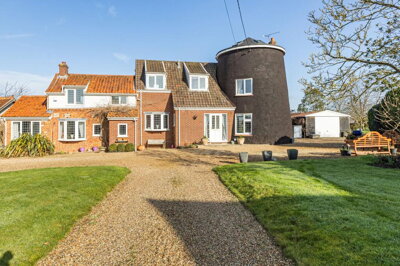
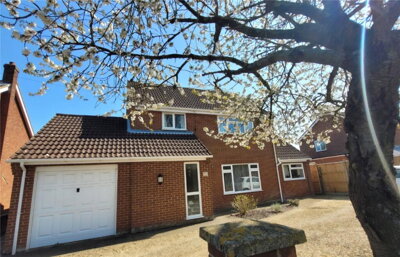
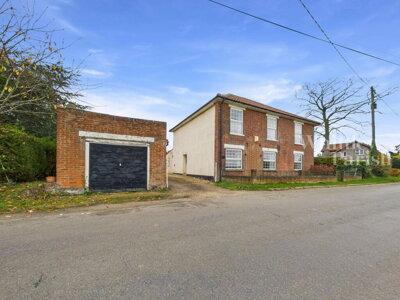
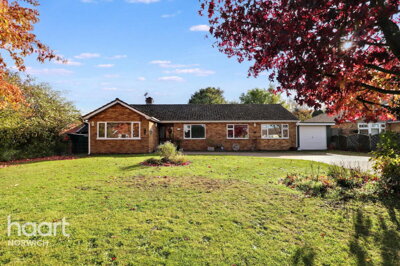
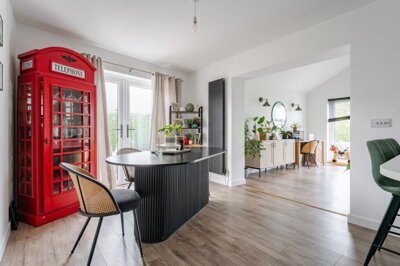
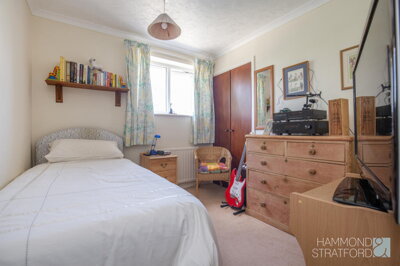
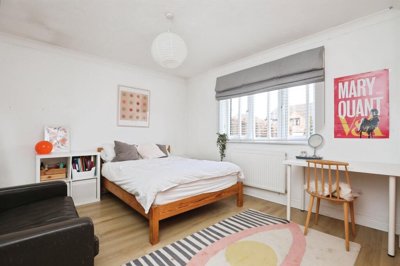
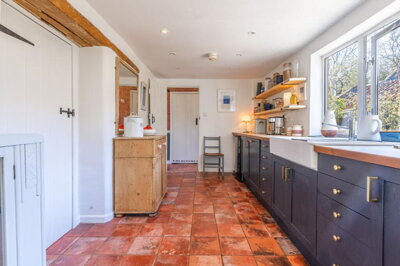
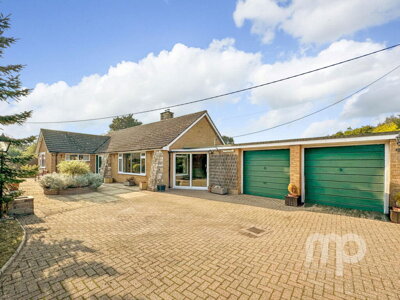
Browse 13 homes for sale in Deopham, South Norfolk from local estate agents.
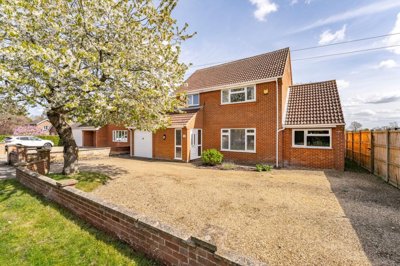
The larger property sector typically features multiple bathrooms, substantial reception space, and private gardens or off-street parking. Four bedroom houses in Deopham span detached, semi-detached, and occasionally terraced configurations, with styles ranging from period properties to modern executive homes.
£425k
1
0
185
Source: home.co.uk
Showing 1 results for 4 Bedroom Houses for sale in Deopham, South Norfolk. The median asking price is £425,000.
Source: home.co.uk
Detached
1 listings
Avg £425,000
Source: home.co.uk
Source: home.co.uk
£402,667
Average Price
6
Properties Available
£445,000
Detached Average
£280,000
Semi-Detached Average
-1.8%
12-Month Change
472
Village Population
Deopham’s property market mirrors the village itself, rural, small, and a little distinctive. Detached homes sit at the top end, averaging £445,000 and giving the kind of space and privacy countryside buyers tend to prize. Semi-detached houses offer a lower entry point, around £280,000 on average, and suit families who want village life without paying the premium attached to larger detached plots. Compared with villages nearer Norwich or Cambridge, the pricing here is still relatively accessible, which is part of the appeal.
That market has also nudged down over the last twelve months, with average prices falling by approximately 1.8%. For buyers, that can open a door, especially where supply is tight and choice is thin. Deopham recorded just 6 property sales in the past year, which tells its own story about how rarely homes come up here. We would expect buyers to move quickly when something fits, particularly with limited new-build activity nearby and steady interest from people wanting an authentic Norfolk countryside setting.
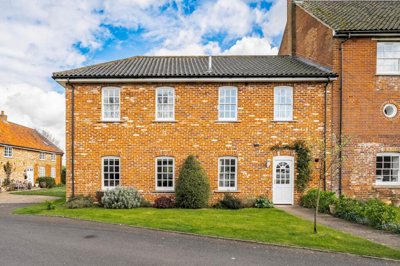
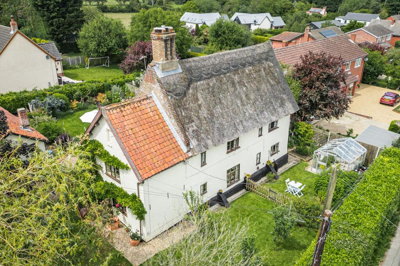
Most of the housing stock in Deopham is made up of detached and semi-detached homes, which suits its rural feel. There is a blend of traditional Norfolk properties, often built from regional materials, and newer homes put together to modern standards. Older houses may show red brick, knapped flint, and render, all of which give the village its familiar look, while newer places usually bring cavity wall insulation and contemporary construction methods. For buyers, that means a choice between period character and lower-maintenance living, depending on budget and taste.

Daily life here follows the pace of the Norfolk countryside, and that slower rhythm is part of what draws people in. Deopham sits in the Breckland district, with heathland, farmland, and woodland pockets shaping the landscape for generations. The local geology is made up of glacial sand and gravel over chalk bedrock, with boulder clay in some areas, which gives the land its gentle rise and fall across this part of South Norfolk. Traditional materials such as red brick, flint, and render reinforce that sense of place, especially in the older properties.
Community life in Deopham tends to revolve around shared events and practical support. The parish church is a natural focal point through the year, and the village hall hosts everything from seasonal gatherings to clubs and societies. Local amenities are modest, which is exactly what many people expect in a village of this size, but day-to-day services are easy enough to reach in nearby market towns. Attleborough and Wymondham are both close by, and Norwich is about 15 miles to the east for a broader choice of shops, healthcare, and supermarkets.
For anyone who likes being outdoors, the surrounding countryside is a strong draw. Walking, cycling, and wildlife watching are all well supported by the local landscape, and the wider Norfolk environment is home to varied birdlife and protected species. The nearby Brecks, with its unusual combination of forest and heathland, extends into parts of South Norfolk and adds another layer of interest. Public footpaths and bridleways run through the farmland around Deopham, giving miles of routes to explore on foot, by bike, or on horseback.

Families looking at Deopham will find education options within a sensible drive. Primary schooling is available in nearby villages and towns, and many younger families are drawn to the community values that rural Norfolk schools often bring. With such a small population, class sizes can be more favourable, which gives teachers more room to offer individual attention than is often possible in larger urban schools. It is still wise to check catchment areas and admission rules carefully, as they vary and may affect which homes suit a family best.
Several of the surrounding primary schools have achieved good or outstanding Ofsted ratings, and they serve children from Deopham and nearby villages. In Attleborough, including schools within the Heart of Norfolk Education Trust, families can find established primary provision with solid academic foundations. Wymondham offers options too, and some households prefer that direction because of its wider amenities and community facilities. The drive is usually under 20 minutes, so these schools remain accessible while village life in Deopham stays very much intact.
Secondary education across South Norfolk is also well served, with respected schools in Attleborough, Wymondham, and nearby towns. Attleborough Academy Norfolk offers education through to sixth form, with a broad range of GCSE and A-level subjects. For families with particular needs, including faith-based education or a specific curriculum, it pays to look into availability and admission criteria well ahead of any purchase. Local sixth form provision means students can stay in the area for longer, which many families value during the teenage years.

Road connections are a real strength here, especially for a village of this size. Deopham sits neatly between the A11 and A47, two of Norfolk’s key routes, so travel across the region is straightforward enough. The A11 gives a direct line to Norwich, about 15 miles east, and also runs towards Thetford and Cambridge. The A47 links Deopham east and west, reaching King’s Lynn and Norwich, and regular bus services run along these corridors too.
For rail travel, Norwich station is the main point of access, with services to London Liverpool Street taking roughly two hours. That makes commuting or regular business trips to the capital workable for some. The station is in the city centre, and can be reached via the A11 or by taking the more scenic route through the Norfolk countryside. Cambridge and the wider East Anglia region are also accessible by road, even without a direct motorway link. A trip from Deopham to Cambridge usually takes about an hour to ninety minutes by car, depending on route and traffic.
Inside the village, most day-to-day life still depends on a car, though Deopham is compact enough that many local destinations are within easy walking or cycling distance. The church and nearby amenities can usually be reached on foot from most properties, which helps keep the village feel close-knit. Parking is rarely a headache, as off-street space is common in rural Norfolk homes. Bus services to Attleborough and Wymondham do run, but frequencies are limited and suit occasional use rather than daily reliance.

Before we start a search in Deopham, we always advise getting a mortgage agreement in principle from a lender. It confirms how much can be borrowed and shows sellers that the buyer is financially prepared. In a rural market with limited stock, being organised from the outset can make all the difference when a good property appears. There are mortgage brokers in Norwich and across South Norfolk who understand rural property and can point buyers towards suitable products.
We would also study the local market properly before offering on anything, looking at recent sales, price movement, and what sort of homes are actually available. With only 6 sales in the past year, the detail matters. Local estate agents can be especially useful here, because they often know about properties coming to market before they are listed more widely. In South Norfolk villages, that early warning can be a real advantage when stock is tight.
Viewings should go beyond the house itself, because the surrounding area matters just as much. Flood risk needs attention, since some parts of Deopham have medium to high surface water flooding potential. We would also look closely at the property’s age, construction, and any signs of structural movement, especially where clay geology is present. Seeing a place at different times of day and in different weather can reveal details that a single visit simply misses.
Once an offer is accepted, a RICS Level 2 Survey is a sensible next step. For homes over 50 years old, which make up a significant part of Deopham’s stock, it can pick up damp, roof defects, timber decay, or subsidence risks linked to local clay soils. Survey fees in the Norfolk area typically sit between £400 and £900, depending on size and type. It is money well spent if it uncovers problems before purchase becomes final.
Our next recommendation is to appoint a solicitor with experience in rural Norfolk transactions. They will handle local authority searches, check for planning restrictions, and make sure the title is clear. If the property is listed or in a flood risk area, extra checks may be needed. Any solicitor handling a Deopham purchase should look carefully at flood risk designations and planning history, because both can matter a great deal here.
After the survey comes back satisfactorily and the legal searches are complete, contracts are exchanged and the deposit is paid. Completion usually follows soon after, and then the keys to the new Deopham home are handed over. Stamp duty, solicitor fees, and any immediate renovation work found during the survey should all have been budgeted for. On completion day, the move can begin and village life starts properly.
Buying in Deopham means giving proper attention to issues that matter in rural Norfolk. Flood risk is one of them. The village is generally low risk from river and sea flooding, but certain areas around the centre and along minor watercourses do face medium to high surface water flooding potential. We would always expect buyers to review Environment Agency flood maps and any historical records before committing, and solicitors should raise these concerns during conveyancing. Homes in higher-risk spots may also need specific insurance arrangements.
Older homes in Deopham can bring the usual maintenance issues that come with traditional rural construction. Solid walls, older foundations, and period features often need more looking after than modern equivalents. Clay soils in the wider area can also lead to subsidence or heave, particularly where foundations are shallow and weather conditions have been extreme, wet or dry. A RICS Level 2 Survey should check these elements carefully, and buyers should keep some budget aside for remedial work. Properties built before the 1970s may also have wiring and plumbing that need updating.
Listed buildings, including properties linked to St. Andrew’s Church, need special care because planning restrictions are there to protect historic character. Any alteration, extension, or major renovation will require consent from the local planning authority, which adds both complexity and cost. If a listed property is on the shortlist, we would allow for extra survey input and accept that future changes may be limited. Original fireplaces, sash windows, and exposed timbers bring real charm, but they also come with responsibilities.
Traditional Norfolk materials are common in Deopham, especially red brick, knapped flint, and render. Each one has its own upkeep points. Brickwork can suffer mortar erosion, flint panels can be damaged by impact, and render may conceal problems beneath if it has not been maintained properly. It can also need re-rendering from time to time. Knowing what a property is made from helps with both the purchase decision and the long-term maintenance plan.
The village’s housing stock reflects a long history, with properties ranging from old farmhouses to modest twentieth-century homes. Older dwellings usually follow traditional Norfolk methods, with solid brick or flint walls rather than the cavity insulation found in newer houses. That gives them a different feel, with plenty of thermal mass, but often weaker insulation performance and higher heating costs. Red brick, knapped flint, and rendered exteriors are all part of Deopham’s look, and each finish comes with its own maintenance implications.
Homes built before the 1930s often need more regular attention than newer ones. Damp penetration through solid walls and issues with older roof structures can crop up over time. The wider Breckland geology, including Deopham, is made up in places of glacial till and boulder clay over chalk bedrock, so shallow foundations can be vulnerable to shrink-swell movement during prolonged dry or wet spells. Newer additions to the village are few, but they usually bring cavity wall insulation, double glazing, and modern standards that reduce maintenance demands.
Understanding how a property is built is essential when setting a maintenance budget. Some modern homes may use timber frame construction, although that is less common than the brick and flint methods typical of the village. A RICS Level 2 Survey gives a proper look at construction type, the materials used, and any defects or maintenance issues linked to that style. In Deopham, we would pay particular attention to foundations and any signs of movement or cracking because clay-related subsidence can be a concern.

The current average property price in Deopham is £402,667. Detached homes average £445,000, while semi-detached properties are typically around £280,000. Over the last 12 months, prices have fallen by 1.8%, and with only 6 sales recorded in that period, buyers should expect limited choice and possible competition when the right home appears. We would suggest registering with several estate agents active in South Norfolk so new listings are spotted quickly.
Deopham falls under South Norfolk Council. Council tax bands run from Band A through to Band H, depending on the value and characteristics of each property. Many homes in the village are likely to sit in the lower to middle bands, which is typical for rural Norfolk, even as values have edged up. Buyers should check the exact band through the Valuation Office Agency website or via their solicitor during conveyancing, and South Norfolk Council’s current rates are available on its official website.
Because Deopham is a small village, primary education usually means travelling to schools in nearby villages and towns. Good or outstanding primary schools can be found in the surrounding area, with Attleborough and Wymondham both serving the wider community. Secondary options are available in those same towns, with sixth form provision allowing students to stay local for longer. Parents should always check current Ofsted ratings and admission catchment areas, as these affect eligibility directly. Schools such as Attleborough Academy Norfolk and those within the Wymondham College area have established records.
Private transport is essential in Deopham for most everyday routines. Bus services do run to nearby towns such as Attleborough and Wymondham, although they are limited compared with urban routes. Norwich railway station, with mainline links to London Liverpool Street, is about 15 miles away and offers journey times of around two hours, which can suit regular commuting. The A11 and A47 give strong road access for commuters, though reaching rail services or major cities still usually means using a car first.
There is investment potential in Deopham, though this is a niche market and it needs a clear-eyed approach. Its appeal rests on rural character, a settled community atmosphere, and strong road links to employment centres including Norwich and Cambridge. Limited new-build activity and a constrained supply of homes should keep demand from countryside buyers steady. Even so, the small size of the market can mean slower capital growth than in busier areas, and homes may take longer to sell in quieter periods. Rental demand is likely to stay modest, so investor plans need to be realistic.
Stamp Duty Land Tax rates from April 2024 are as follows, no tax on properties up to £250,000, 5% on the portion between £250,001 and £925,000, 10% on the portion between £925,001 and £1.5 million, and 12% on any amount over £1.5 million. First-time buyers may claim relief on homes up to £625,000, paying 0% on the first £425,000 and 5% on the remainder up to that limit. With the average Deopham property priced at £402,667, a first-time buyer purchasing at that level would pay no stamp duty at all under the current thresholds.
Deopham has a number of listed buildings, and St. Andrew’s Church is one of the village’s most recognisable heritage features. Listed status brings planning controls designed to protect historic character, so alterations, extensions, and significant renovations need consent from the local planning authority. That does add complexity and cost to future work, but it also protects a character that modern building cannot copy. Anyone thinking about a listed property here should allow for extra survey checks and accept that changes in future may be restricted.
River and sea flooding risk in Deopham is generally low because the village is inland, although some areas still need proper investigation before purchase. Parts of the centre and areas along minor watercourses can face medium to high surface water flooding potential in heavy rain. We would advise checking Environment Agency flood maps and any historical flood records as part of due diligence. Solicitors should also raise flood risk during conveyancing, and higher-risk homes may need specific insurance or extra surveys to clarify the position.
Budgeting for a Deopham purchase means looking well beyond the asking price. From April 2024, a property at the village average of £402,667 would attract no tax on the first £250,000 and 5% on the remaining £152,667, which comes to £7,633.35. First-time buyers have the higher threshold, paying nothing on the first £425,000, so a first-time buyer purchasing an average-priced Deopham home would pay no stamp duty under the current relief rules.
There are also the routine transaction costs to keep in mind. Solicitor fees in Norfolk typically range from £500 to £1,500 for a standard purchase, although listed buildings or unusual tenure arrangements can push that higher. A RICS Level 2 Survey usually costs somewhere between £400 and £900 depending on the property’s size and type, with larger detached homes often sitting at the top end. Mortgage arrangement fees of around £1,000 to £2,000 are also common, though some lenders will let those be added to the loan.
Removal costs will vary with the amount being moved and the distance involved, and buildings insurance needs to be in place from completion to protect the new home. Searches and title registration fees usually add a few hundred pounds to the bill, and it is sensible to leave room for any extra surveys recommended after the initial RICS Level 2 assessment. We always suggest keeping a contingency fund back, so any issues uncovered during the survey process can be dealt with without putting strain on the move itself.

Properties for Sale In London

Properties for Sale In Plymouth

Properties for Sale In Liverpool

Properties for Sale In Glasgow

Properties for Sale In Sheffield

Properties for Sale In Edinburgh

Properties for Sale In Coventry

Properties for Sale In Bradford

Properties for Sale In Manchester

Properties for Sale In Birmingham

Properties for Sale In Bristol

Properties for Sale In Oxford

Properties for Sale In Leicester

Properties for Sale In Newcastle

Properties for Sale In Leeds

Properties for Sale In Southampton

Properties for Sale In Cardiff

Properties for Sale In Nottingham

Properties for Sale In Norwich

Properties for Sale In Brighton

Properties for Sale In Derby

Properties for Sale In Portsmouth

Properties for Sale In Northampton

Properties for Sale In Milton Keynes

Properties for Sale In Bournemouth

Properties for Sale In Bolton

Properties for Sale In Swansea

Properties for Sale In Swindon

Properties for Sale In Peterborough

Properties for Sale In Wolverhampton

Enter your details to see if this property is within your budget.
Loans, cards, car finance
Estimated property budget
Borrowing + deposit
You could borrow between
Typical borrowing
Monthly repayment
Est. at 4.5%
Loan-to-value
This is an estimate only. Your actual budget may vary depending on interest rates, credit history, and personal circumstances. For an accurate affordability assessment, speak to one of our free mortgage advisors.
This calculator provides estimates for illustrative purposes only and does not constitute financial advice. Your home may be repossessed if you do not keep up repayments on your mortgage. Estimates based on 4.5% interest rate, repayment mortgage. Actual rates depend on your circumstances.
Homemove is a trading name of HM Haus Group Ltd (Company No. 13873779, registered in England & Wales). Homemove Mortgages Ltd (Company No. 15947693) is an Appointed Representative of TMG Direct Limited, trading as TMG Mortgage Network, which is authorised and regulated by the Financial Conduct Authority (FRN 786245). Homemove Mortgages Ltd is entered on the FCA Register as an Appointed Representative (FRN 1022429). You can check registrations at NewRegister or by calling 0800 111 6768.

We use cookies to show you personalised content and improve your experience of our website. Find out more in our Privacy policy and Cookie policy.