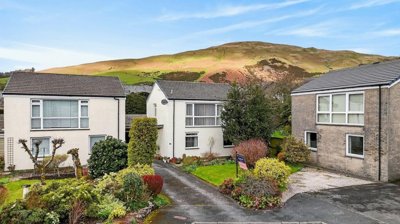
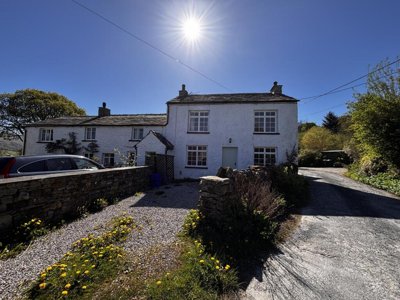
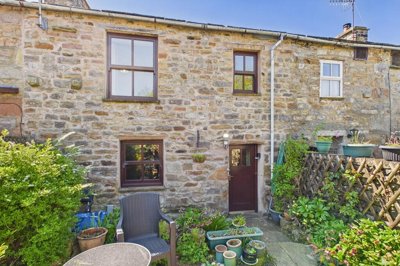
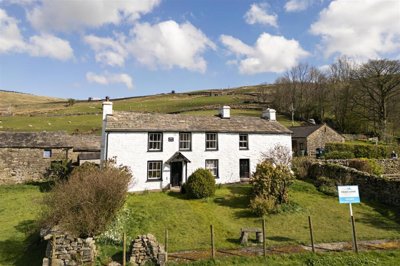
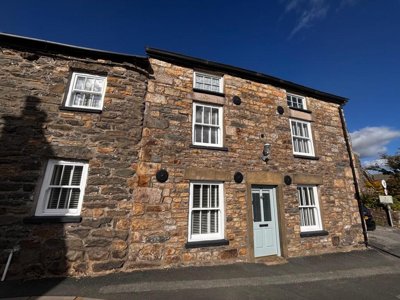
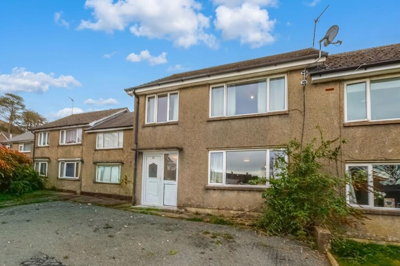
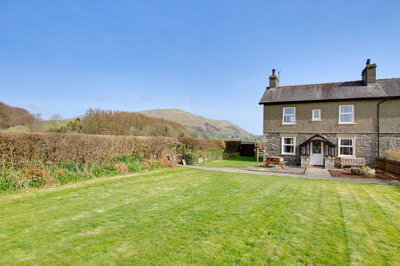
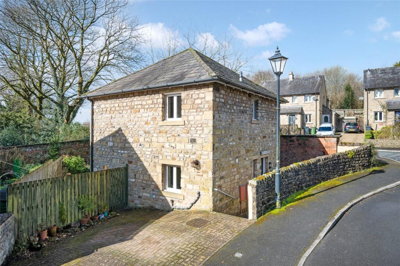
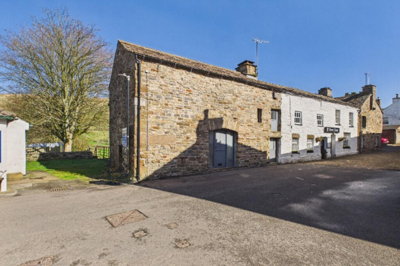
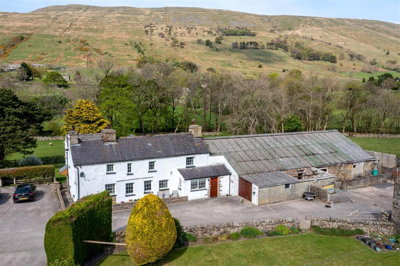
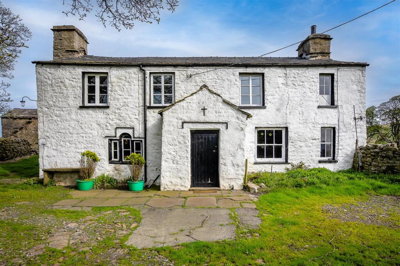
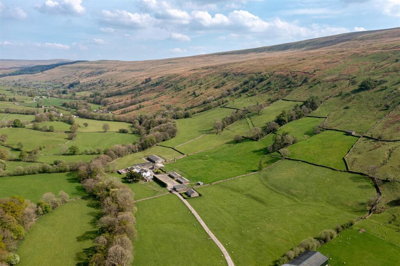
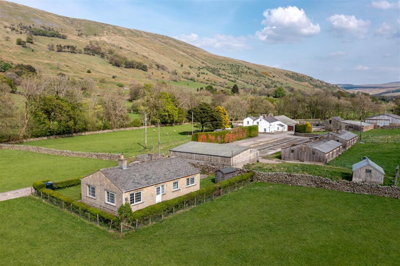
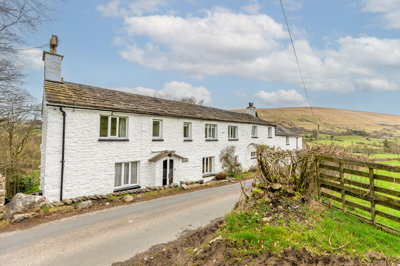
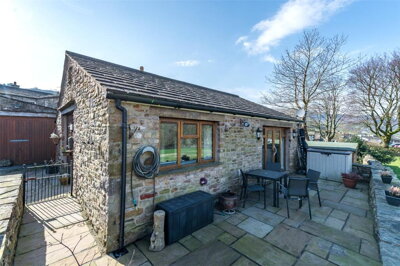
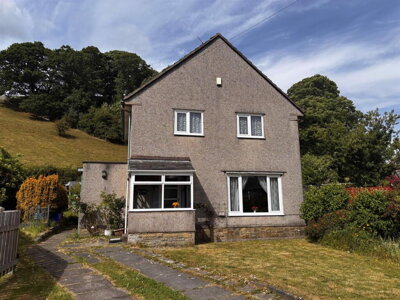
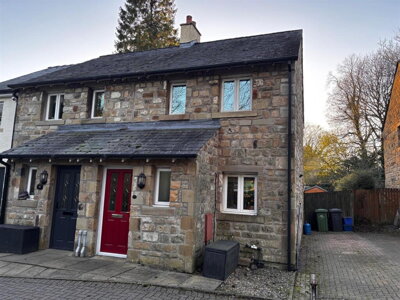
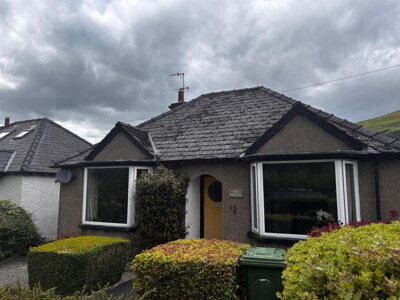
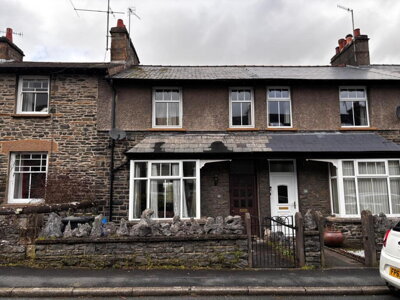
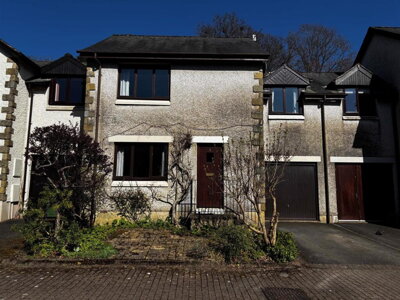
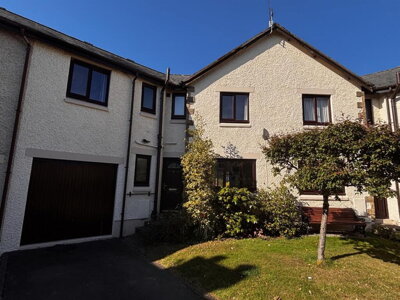
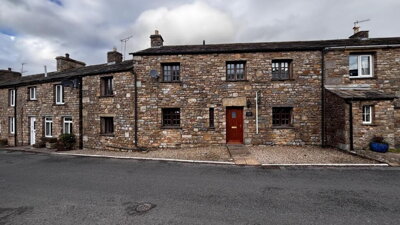
Browse 55 homes for sale in Dent, Westmorland and Furness from local estate agents.
The Dent property market offers detached, semi-detached, and terraced houses spanning various price ranges and neighbourhoods. Each listing includes detailed property information, photographs, and direct contact with the marketing agent.
£243k
4
0
135
Source: home.co.uk
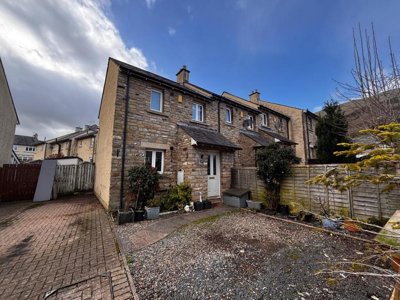
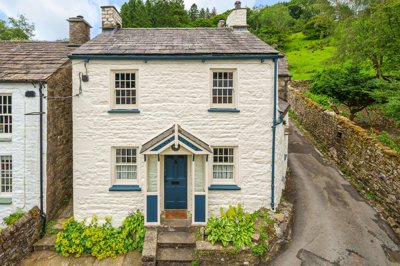
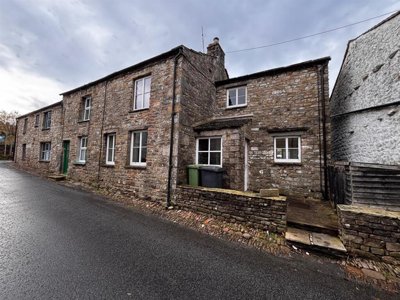
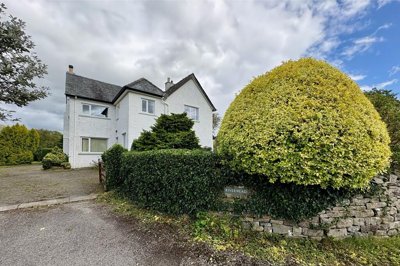
Showing 4 results for Houses for sale in Dent, Westmorland and Furness. The median asking price is £242,500.
Source: home.co.uk
Terraced
2 listings
Avg £242,500
Detached
1 listings
Avg £550,000
Semi-Detached
1 listings
Avg £195,000
Source: home.co.uk
Source: home.co.uk
Dent’s property market has held up strikingly well in recent years. In the last twelve months, house prices in this Cumbrian village have risen by 4%, taking the average sold price to £520,000. Set against the wider Cumbria picture, that stands out even more, with the county average at £230,000 after a 5.8% fall over the same period. Demand for rural homes in the Yorkshire Dales remains strong, particularly among buyers looking for a lifestyle shift and the draw of living in a national park.
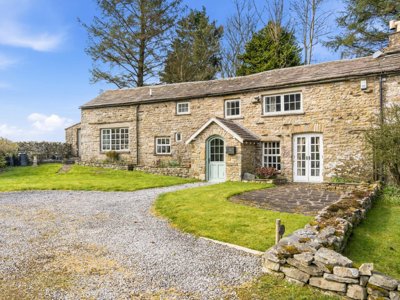
What shapes the Dent market most is the mix of scarce supply and steady appetite for character homes. Listings are often led by traditional dales cottages from the late 17th and 18th centuries, commonly built in local stone and finished with slate roofs. Buyers are usually drawn to the details that have survived, inglenook fireplaces, thick stone walls and other original features, with the added benefit of natural insulation. There are no active new-build schemes in the LA10 postcode area, so with little fresh stock coming forward, period homes continue to attract competitive interest from buyers well beyond the village itself.
From an investment angle, Dent has been hard to ignore. A 23% rise on the 2023 peak of £421,385 points to strong capital growth, and the Yorkshire Dales setting gives values a degree of built-in protection because planning restrictions inside the national park curb new development. Homes here do not come onto the market often. That shortage means well-presented properties can achieve premium prices and move fairly quickly when the asking figure is sensible. We help buyers read that competitive landscape properly before making decisions in a close-knit village market.
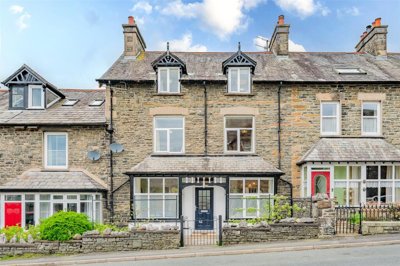
Traditional period housing dominates in Dent, with stone-built dales cottages, terraced houses and bungalows making up much of the stock. Inside, it is common to find original features such as inglenook fireplaces, exposed beams and flagstone floors. Detached family homes are less common and tend to be especially sought after. Flats and new-build homes are in very short supply because of national park planning restrictions, so anyone wanting a more modern setup may need to look at renovation opportunities or widen the search towards places such as Kendal or Sedbergh.

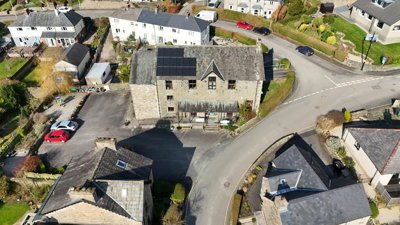
Dent sits in a beautiful valley in the southern Howgill Fells, and daily life here is closely tied to the landscape and to the village itself. Its cobbled main street climbs sharply up from the River Dee, giving Dent one of the most distinctive village scenes in the Yorkshire Dales. For day-to-day needs there is a traditional pub, a village shop and a primary school, all within walking distance for many homes. The place has a strong community feel too, with regular events and the kind of welcome that helps newcomers settle quickly.
Step outside and the landscape does most of the talking. Around Dent, residents have direct access to footpaths, bridleways and open moorland suited to walking, cycling and horse riding. The Howgill Fells rise to more than 600 metres and give experienced walkers something more demanding, while the surrounding valleys and meadows offer easier routes for families. Lower down, the River Dee runs through the parish and brings both fishing opportunities and attractive riverside walks. For many buyers, that immediate access to the outdoors is a big part of the appeal of living here.
There is plenty of heritage in Dent, and you can see it clearly in both the buildings and the way the village is set up. The parish church stands above the village, and the views across the churchyard add to the historic atmosphere. A village hall supports community life through the year with local events and activities. Although Dent feels remote, connections to nearby market towns are still practical, with Kendal roughly 30 minutes away by car for bigger shops, appointments and extra services. We can help you weigh up properties that suit different ways of living, from village-centre convenience to a quieter spot elsewhere in the parish.
Schooling in Dent begins with Dent Primary School, the small rural primary serving the village and the surrounding countryside. Its size is often part of the attraction, as smaller classes can mean more personalised attention and better scope for individual support from teachers. For families moving into the area, it meets local primary needs well and gives children a solid start in a nurturing village setting. Being in the village centre also makes it straightforward to reach from most parts of the community.
Secondary education usually means travelling beyond the village. Most pupils go to schools in Kendal or Sedbergh, both reached by bus services serving the Dent community. Sedbergh School is a well-known independent boarding and day school for secondary education, while Kendal offers several state secondary choices. Catchment areas and transport arrangements need careful checking before a move, because journey times can be significant in a rural location like this. Westmorland and Furness Council provides school transport, but routes and timetables should always be confirmed before you commit to a purchase.
For older students, further education options include colleges in Kendal and Lancaster, with a mix of academic and vocational courses. Access to higher education is helped by Dent’s position relative to the Lake District and the transport links onwards to Lancaster and Manchester. Families who place education high on the list should visit schools and pin down transport arrangements before going ahead with a purchase. We can talk through the local options and help you target properties in the right place for your family’s schooling plans.
Getting in and out of Dent is mainly a matter of road travel. The village lies off the A684, which runs through the Yorkshire Dales, and the drive to Kendal is around 30 minutes. Lancaster is about 45 minutes away by car. For buyers commuting further, the M6 is reached via Kendal and opens up routes towards Manchester, Liverpool and beyond. In practical terms, most residents need a car, though many would say the drive is part of the attraction given the scenery through the Dales.
Public transport is limited, but it does the job for some trips. Bus services link Dent with Kendal and other nearby towns, although frequencies are low, so they tend to suit occasional journeys more than everyday commuting. The nearest rail access is from Kendal and Oxenholme, where stations connect into the West Coast Main Line for direct trains to London Euston, Birmingham and Glasgow. For people splitting time between home and city work, several days of home working each week can make Dent far more workable. We can help assess that balance by finding homes that fit your distance needs in relation to key transport hubs.
Cycling has a strong following in Dent. Quiet lanes, steep climbs and mountain terrain make the area appealing for both leisure rides and more serious sport cycling, and the village often suits buyers who want that on the doorstep. The Howgill Fells bring especially testing routes for experienced riders, while roads through the valley are easier for family cycling. For anyone trying to combine rural living with city employment, the transport setup takes planning, but it is increasingly possible to make it work.
Dent’s housing stock reflects building methods used across this part of Cumbria for centuries. Most homes are built from local limestone or slate, and properties from the 17th and 18th centuries often have solid load-bearing walls around 400-600mm thick. Those walls can help with thermal mass and natural humidity regulation, but they also call for a different approach to upkeep than modern cavity wall construction. We always suggest buyers get to grips with those traditional methods early, because they shape both maintenance needs and ongoing budgets.
Roofs in older Dent homes are usually slate on timber rafters, though some of the oldest properties may have stone slates or other locally quarried materials. These roof structures can last for centuries, but they still need regular inspection and timely maintenance. We can point out the things worth checking when you view homes with different roof types, so potential defects are easier to spot before they turn costly. The steep pitches typical of dales cottages reflect the heavy rainfall in this area, and details such as coping stones and lead flashing deserve close attention during viewings.

Before you start viewing, it helps to know what the local market is really doing. In Dent, the average sold price is £520,000, and the annual rise of 4% gives a useful guide to what different property types are likely to cost in this Yorkshire Dales village. Recent sales data matters here, especially because period homes with original features often command a clear premium. Stock in the LA10 postcode area is limited, so buyers who have done the homework are usually in a better position to move quickly when the right place appears.
One of the smartest early steps is getting an agreement in principle from a lender. In Dent, where period homes can attract quick interest, that can make a real difference when you come to offer. Sellers and agents usually take a buyer more seriously when the finances are already lined up. We can also put you in touch with mortgage advisers who know the rural market and understand lending on homes in this price bracket.
Spend proper time in the village before committing. Visit at different times of day and on different days of the week, check the amenities, try the journey to work or school, and get a sense of how the place feels in practice rather than on paper. We usually suggest at least 2 visits, along with conversations with current residents where possible, because that gives a clearer picture of everyday life in Dent. It is also worth weighing practical details carefully, from supermarket access and medical provision to social life in the village.
After you find a suitable property, book a viewing and then arrange a RICS Level 2 Survey, especially given the age of so many Dent homes. Older stone cottages can hide issues with damp, roof condition or ageing electrics that need a professional eye. We work with surveyors who understand traditional dales construction and know the defects that turn up regularly in period property. Where a house shows heavier wear or looks likely to need major renovation, a RICS Level 3 Building Survey is often the better choice for fuller structural detail.
A good conveyancing solicitor matters here, and ideally it should be one with experience of rural Cumbrian property. They will deal with searches, local authority enquiries and the paperwork needed for your Dent purchase. We usually recommend someone familiar with national park homes and listed building rules, because both can add extra layers to the legal process. Drainage searches, environmental checks and confirmation of planning permission for recent alterations should all form part of the work.
Once the searches are clear and the finances are in place, contracts can be exchanged and a completion date agreed. Your solicitor then transfers the funds and registers ownership with the Land Registry. We usually advise a final walkthrough shortly before completion, just to confirm the property’s condition is as expected. Completion day is the point at which the home becomes yours, and life in Dent can begin properly.
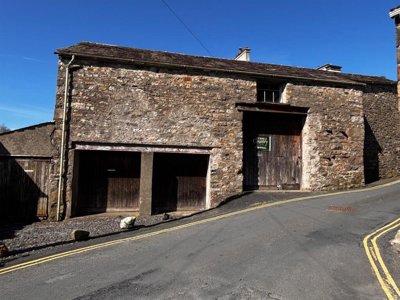
Condition matters in Dent, perhaps more than in many places, because so much of the housing stock is traditional. Most homes are built in stone with slate roofs, methods that were standard centuries ago but can bring particular challenges now. During a viewing, pay close attention to the roof, as slate can become brittle and replacement is not always cheap. In older cottages, signs of damp are especially worth checking for in ground floor rooms and basements. Thick stone walls are usually durable, but the pointing and mortar joints still need inspection for deterioration and any sign of water getting through.
Flood risk is another point to look at carefully, especially for homes close to the River Dee or in the lower parts of the village. No specific flood risk data was found for Dent, but a river valley setting still makes extra checks sensible where a property sits near a watercourse. Surface water drainage in rural areas can also be less resilient than in towns, so it is worth looking closely at gutters, downpipes and drainage arrangements during a viewing. Buildings Insurance may cost more in flood-prone locations, and getting quotes before purchase can help avoid surprises later.
Dent’s historic character means listed buildings are quite likely to feature in the local stock. If the property you choose is listed, any alterations or improvements needing consent will be subject to planning authority restrictions. A lot of homes here are old enough to come with dated electrics, single-glazed windows and limited insulation, so renovation costs should be built into the budget from the outset. It is also sensible to clarify service charges and maintenance responsibilities for any shared areas, particularly in converted buildings or flats within the village.

Buying in Dent brings costs beyond the agreed price, and SDLT is usually the biggest of them. On the current average property price of £520,000, a standard buyer who is not a first-time buyer would pay £13,500 in SDLT, calculated as 5% on £270,000 above the £250,000 threshold. A first-time buyer would pay £4,750, because the first £425,000 is tax-free under the current relief. Figures like these are why we always advise buyers to budget for the full transaction, not only the headline purchase price.
Survey and legal costs need factoring in as well, especially in a village where many homes are older. A RICS Level 2 Survey starts from around £350, depending on the property’s size and complexity. For an older stone cottage, a Level 3 Building Survey may be the more suitable option if you want a fuller assessment of structural issues. Conveyancing fees generally begin at about £499 for a standard transaction, although complexity can push that higher. You should also allow for Land Registry fees, search fees and teleport charges for your solicitor. We work with surveyors and conveyancers who understand period property in the Yorkshire Dales.
After completion, the regular outgoings start. Council tax, utility bills, buildings insurance and maintenance all need to be accounted for, and in Dent the age and construction of many properties can push insurance premiums up. Period homes also tend to need more careful upkeep, sometimes involving specialist tradespeople familiar with traditional materials and methods. Some properties may carry service charges too, particularly where there is shared ownership or communal space. We always encourage buyers to set those ongoing costs against mortgage repayments so the property remains manageable over the long term.
Over the last 12 months, the average sold price in Dent has been £520,000. That reflects a 4% increase year-on-year and a 23% climb from the 2023 peak of £421,385. Compared with the wider Cumbria average of £230,000, Dent sits at a clear premium, which says a lot about the appeal of this Yorkshire Dales village and the limited number of homes available. With supply still tight and demand from lifestyle-led rural buyers staying strong, well-presented village properties are likely to keep their values firm.
For council tax, properties in Dent fall under Westmorland and Furness Council. Banding across the village varies according to age, size and value, though many traditional stone cottages and other period homes tend to sit in bands C to E. The exact position of any individual property should still be checked through the Valuation Office Agency website. As a guide, annual council tax charges in these bands are around £1,500 to £2,200 depending on the final allocation.
Families in the village are served by Dent Primary School, which covers education up to age 11. It is widely appreciated for small class sizes and a more personalised style of teaching. After that, most pupils travel to Kendal or Sedbergh for secondary education, with school bus transport operated by Westmorland and Furness Council. Sedbergh School provides an independent option and has a strong academic reputation, although boarding places involve fees and places are subject to entry requirements.
Travel by public transport from Dent is possible, but not especially frequent. Bus links run to Kendal and other nearby towns, though some routes have only a handful of services per week, so they are better suited to occasional trips. For rail travel, the nearest stations are Kendal and Oxenholme on the West Coast Main Line, with connections to cities such as London, Birmingham and Glasgow. In day-to-day terms, most residents will find car ownership close to essential in a rural location like this, and that should form part of any buying decision.
Dent has recorded strong price growth, with values up 23% on the 2023 peak and 4% over the last year. Its position within the Yorkshire Dales National Park limits new supply through planning restrictions, which helps support prices. That shortage, together with continued interest from buyers chasing a rural lifestyle, gives the village a case for long-term capital growth. Even so, this is a small market, so liquidity can vary from one property to the next and sellers may face longer marketing periods if a quick sale is needed. Rental demand is also likely to be modest, given the nature of the housing stock and the local employment base.
For 2024-25, SDLT rates are 0% on the first £250,000, 5% on £250,001 to £925,000, 10% on £925,001 to £1.5 million, and 12% above £1.5 million. First-time buyers pay 0% up to £425,000, then 5% on £425,001 to £625,000. On Dent’s average price of £520,000, that means a standard buyer would pay £13,500 in SDLT, while a first-time buyer would pay £4,750 using the current relief. These rates can change with government policy, so they should be checked again close to the purchase date.
Many Dent properties date from the 17th and 18th centuries, so buyers need to look closely at roof condition, damp ingress and electrical systems. Cracks in stonework, failing mortar pointing and ageing slate tiles all deserve attention, particularly where replacement materials may be hard to source. Some homes will still have single glazing, limited insulation and older services such as cast iron waste pipes and dated fuse boards. If a property is listed, renovation budgets should reflect conservation-compliant work using traditional materials and approved contractors. Before purchase, we strongly recommend a RICS Level 2 Survey.
Across Dent, the market is still led by period homes, especially stone-built dales cottages, terraced houses and bungalows. Many come with the features buyers hope to find here, including inglenook fireplaces, exposed beams and flagstone floors. Detached family houses are harder to find and usually attract a notable premium over similar terraced homes. Flats and new-build accommodation remain scarce because of national park planning restrictions, so buyers wanting something more modern may need either to take on a renovation project or broaden the search to nearby towns.
Properties for Sale In London

Properties for Sale In Plymouth

Properties for Sale In Liverpool

Properties for Sale In Glasgow

Properties for Sale In Sheffield

Properties for Sale In Edinburgh

Properties for Sale In Coventry

Properties for Sale In Bradford

Properties for Sale In Manchester

Properties for Sale In Birmingham

Properties for Sale In Bristol

Properties for Sale In Oxford

Properties for Sale In Leicester

Properties for Sale In Newcastle

Properties for Sale In Leeds

Properties for Sale In Southampton

Properties for Sale In Cardiff

Properties for Sale In Nottingham

Properties for Sale In Norwich

Properties for Sale In Brighton

Properties for Sale In Derby

Properties for Sale In Portsmouth

Properties for Sale In Northampton

Properties for Sale In Milton Keynes

Properties for Sale In Bournemouth

Properties for Sale In Bolton

Properties for Sale In Swansea

Properties for Sale In Swindon

Properties for Sale In Peterborough

Properties for Sale In Wolverhampton

Enter your details to see if this property is within your budget.
Loans, cards, car finance
Estimated property budget
Borrowing + deposit
You could borrow between
Typical borrowing
Monthly repayment
Est. at 4.5%
Loan-to-value
This is an estimate only. Your actual budget may vary depending on interest rates, credit history, and personal circumstances. For an accurate affordability assessment, speak to one of our free mortgage advisors.
This calculator provides estimates for illustrative purposes only and does not constitute financial advice. Your home may be repossessed if you do not keep up repayments on your mortgage. Estimates based on 4.5% interest rate, repayment mortgage. Actual rates depend on your circumstances.
Homemove is a trading name of HM Haus Group Ltd (Company No. 13873779, registered in England & Wales). Homemove Mortgages Ltd (Company No. 15947693) is an Appointed Representative of TMG Direct Limited, trading as TMG Mortgage Network, which is authorised and regulated by the Financial Conduct Authority (FRN 786245). Homemove Mortgages Ltd is entered on the FCA Register as an Appointed Representative (FRN 1022429). You can check registrations at NewRegister or by calling 0800 111 6768.

We use cookies to show you personalised content and improve your experience of our website. Find out more in our Privacy policy and Cookie policy.