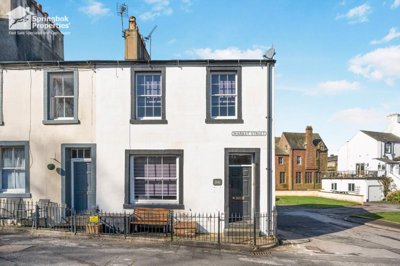
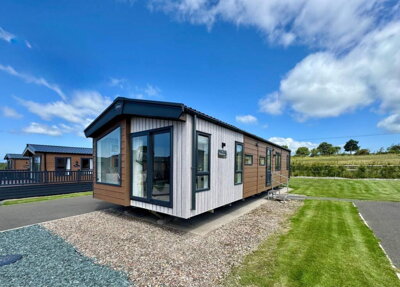
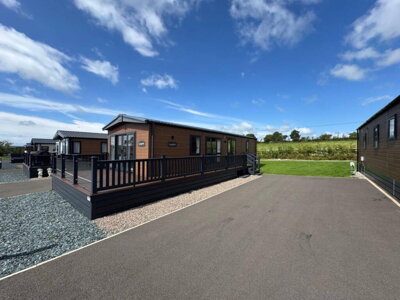
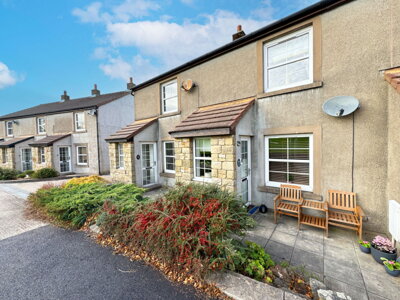
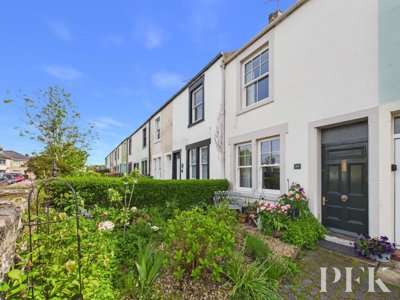
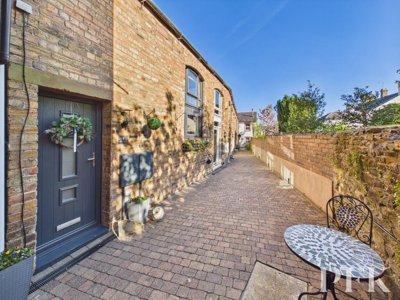
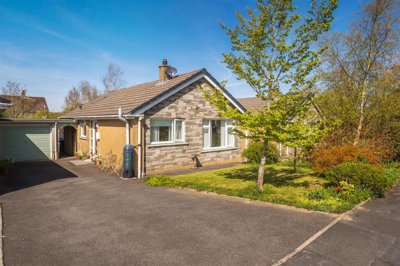
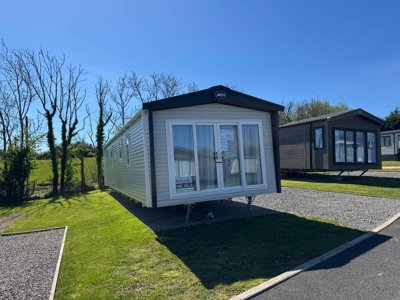
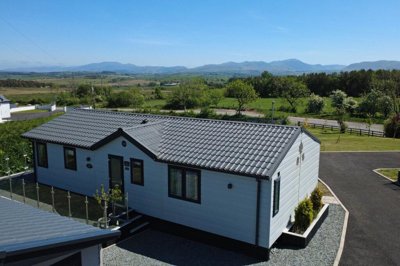
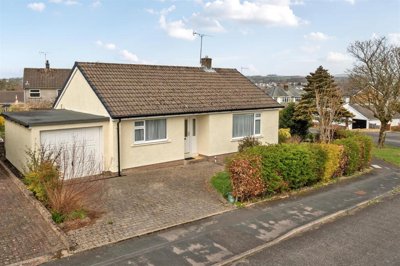
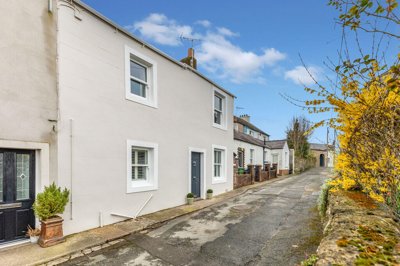
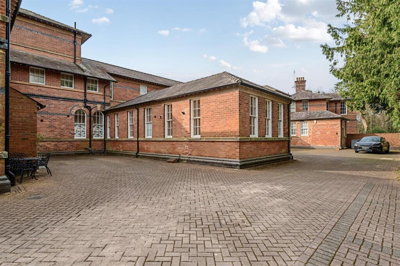
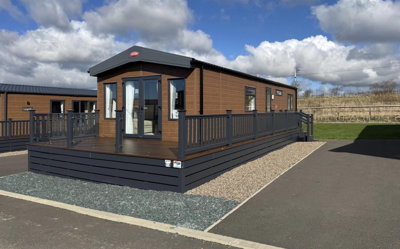
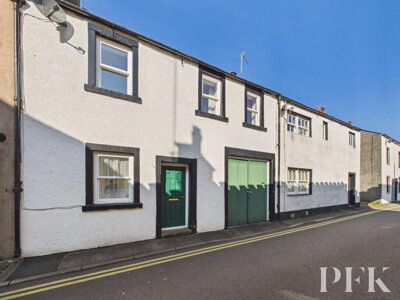
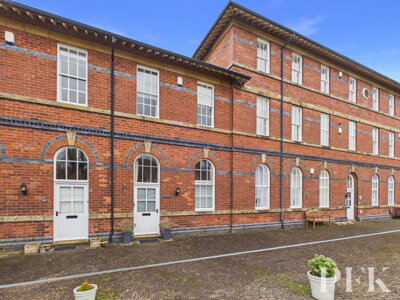
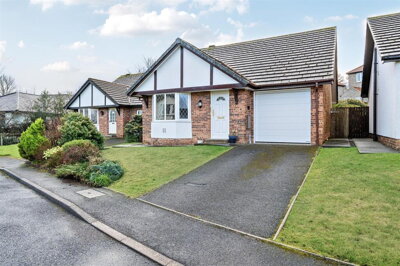
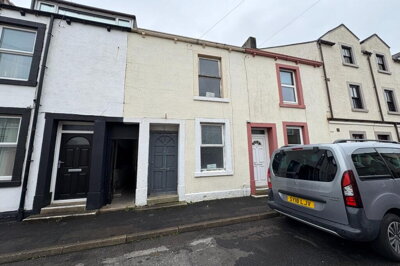
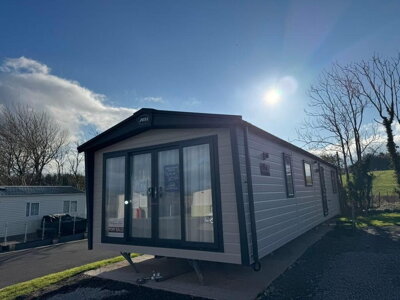
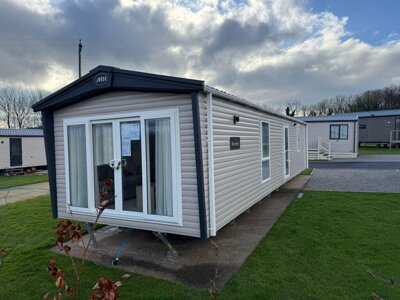
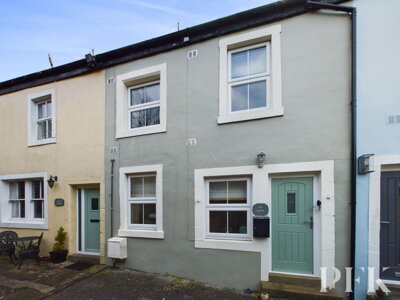
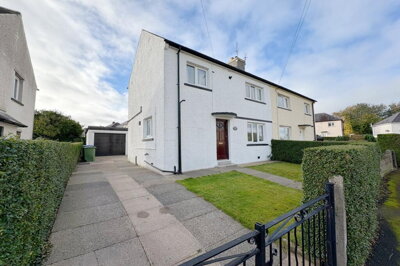
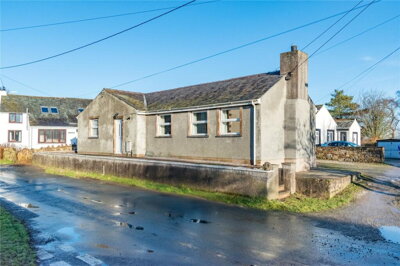
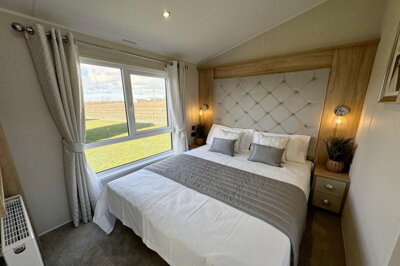
Browse 28 homes for sale in Dean, Cumberland from local estate agents.
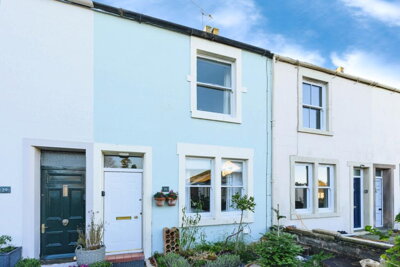
The 2 bed house market features detached, semi-detached, and terraced properties with two separate bedrooms plus living spaces. Properties in Dean range from Victorian and Edwardian period homes to modern new builds, with pricing varying across different neighbourhoods.
£0k
0
0
0
Source: home.co.uk
Showing 0 results for 2 Bedroom Houses for sale in Dean, Cumberland.
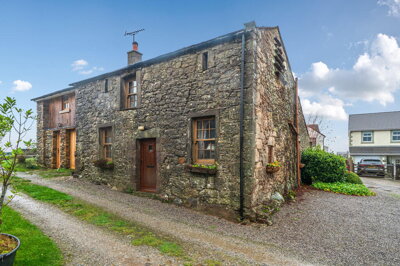
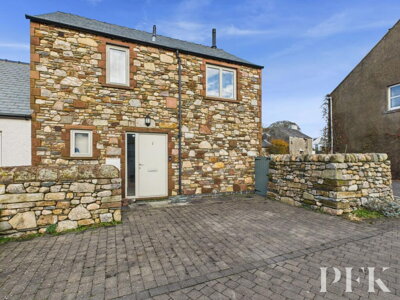
Dean's property market mirrors what we see across rural Cumberland villages, with a housing mix that usually includes traditional sandstone cottages, period farmhouses, and a handful of newer developments built to sit comfortably beside the existing village architecture. In this price range, homes often come with generous plots, exposed beams, stone fireplaces, and the kind of solid build you expect from historic Cumbrian properties. Buyers who value character and authenticity over modern gloss are often drawn here, although plenty of houses have been updated with contemporary living in mind while keeping their original charm.
Values in rural Cumbrian villages such as Dean are generally easier on the budget than in the more tourist-led spots nearer the Lake District itself, which makes the area appealing for buyers wanting more space for their money. We see interest from a broad mix of people, from those moving out of larger Northern cities for a better work-life balance, to retired couples ready to downsize from farms or bigger homes, and young families hoping to bring children up in a supportive community. Traditional stone cottages in Cumberland usually attract premium prices because they are scarce, well built, and full of the sort of character modern homes rarely match. Many also come with agricultural outbuildings or land, which adds appeal but also brings extra upkeep to think about.
Since the pandemic, the wider Cumberland area has seen steady demand for rural homes, as buyers place more value on space, access to outdoor recreation, and the chance to work remotely from a setting with some character. Dean sits in a part of the county where local employment has long been linked to agriculture, small-scale manufacturing, and services that support rural life, although improved broadband connectivity has opened the door to remote workers and digital nomads who want an inspiring base.

Dean has that classic Cumbrian village feel, with stone-built houses, quiet lanes, and a landscape that changes sharply with the seasons. Spring and summer bring wildflowers, newborn livestock in the fields, and long evenings that suit time outdoors. Autumn turns the deciduous woodland into a wash of colour, while winter often leaves the village under snow, creating the kind of scene that brings visitors from across the region to see traditional rural England at its most atmospheric.
Strong local traditions still shape life in Dean, and village events, fetes, and social gatherings give residents regular chances to meet. Amenities are usually modest, often limited to a village pub, a historic church, and perhaps a village hall that acts as the centre for community activity. For shopping, healthcare, and leisure, people head to nearby market towns such as Carlisle, Penrith, or Workington, all within a reasonable drive. The village is also well placed for the Cumbrian coastline and the eastern edges of the Lake District, so there is plenty of variety on the doorstep.
From Dean, residents can reach both coastal and mountain scenery without a long drive, which is one of the area’s quieter strengths. The Solway Coast to the north offers beaches, salt marshes, and birdwatching at reserves such as Campfield Marsh, while the western side of the Lake District opens up some of England's best-known scenery. The Eden Valley, crossed by the River Eden, brings walking and cycling routes through rolling countryside that has stayed largely untouched by heavy tourism traffic.

Families moving to Dean will find several primary schools in the surrounding rural area, and many small village primaries serve local communities with a genuinely supportive, community-focused ethos. Smaller class sizes are common, teachers and pupils tend to know each other well, and the curriculum often makes good use of the countryside around the village. That setting creates natural opportunities for outdoor learning, environmental education, and activities that would be difficult to copy in a more urban school.
Across rural Cumberland, primary schools are often small, close-knit places where every child is known by name and class sizes stay deliberately low so pupils get individual attention. Teachers frequently make use of the landscape around them, taking lessons outside when the weather allows and folding local geography, history, and ecology into the day-to-day curriculum. Because schools and villages tend to be closely linked, performances, activities, and fundraising events often involve the wider community too, which helps strengthen those bonds early on.
Secondary education is usually found in nearby market towns, where several well-regarded secondary schools and academies serve the wider Cumberland area. Parents should look carefully at catchment boundaries and admissions rules when they are considering Dean, as catchment areas can vary and some schools may involve transport arrangements. If education is a priority, visiting schools and checking the practical travel options is an important part of the search. There are also several independent schools in the broader region, giving families extra choice if they want a different approach to schooling.

Transport links from Dean reflect its rural village setting, so most residents depend on private cars for day-to-day travel. The village sits within a reasonable drive of major routes such as the A69, which links Carlisle and Newcastle upon Tyne to the east, while the A595 runs along the Cumbrian coastline to the west. The nearby M6, reached from junction 41 or nearby interchanges, connects the area to the wider motorway network, making Manchester, Liverpool, and Glasgow realistic weekend trips.
Public transport is thinner on the ground than in the towns, with local bus services providing routes to nearby settlements but not always at times that suit people who rely on them every day. In rural Cumberland, buses are often run by Arriva and Stagecoach, with services linking smaller villages to market towns where passengers can join broader transport networks. The nearest railway stations are in the larger towns, and places such as Carlisle offer direct trains to London, Edinburgh, Birmingham, and Glasgow on the West Coast Main Line.
Many people in rural Cumbrian villages like Dean now mix home working with the occasional commute to a larger centre, using the peace of the countryside for focused work and keeping flexibility in how they travel. The spread of broadband connectivity has made that way of life much more practical for those whose employers offer remote or hybrid working. Across Cumberland, broadband improvements have moved on a great deal in recent years, although anyone thinking of buying should still check the exact coverage and speeds at a specific property.

Before you book viewings, it pays to spend time in Dean at different times of day and on different days of the week, so you can judge the atmosphere, noise from nearby farms, and the availability of local amenities. Have a chat with people who already live there, and look into any planned development or infrastructure work that could affect the village. Road conditions deserve close attention too, especially in winter when rural lanes can be difficult, and it is sensible to note where the nearest schools and shops are.
Start with a mortgage broker so you know how much you can borrow, then get an agreement in principle before you begin your search. That puts you in a stronger position when you make an offer and shows sellers that you are prepared and serious about buying. Rural homes with land or non-standard construction can come with lender requirements or restrictions, so a broker who knows rural Cumbrian properties can be a real help.
Our team at Homemove can help identify properties that match both your criteria and your budget. View more than one home so you can compare properly before putting forward a competitive offer that reflects the market, the condition of the property, and your own position. With rural houses, keep an eye out for damp, older roof coverings, and any sign of structural movement that could mean spending later on.
Once an offer has been accepted, our advice is to instruct a RICS Level 2 survey so the property condition is properly assessed. That matters even more with older rural homes, where traditional construction, historic features, and ongoing maintenance needs can call for a specialist eye. In Dean, survey costs usually range from 380 to 630 pounds depending on property value and size, and older stone homes can attract extra fees because the construction is more complex.
Your conveyancing solicitor deals with searches, contracts, and the legal transfer of ownership. They will work with your mortgage lender, the seller's solicitors, and the relevant title registry so that completion moves along as smoothly as possible. With rural properties, searches can also cover flooding, drainage, and agricultural issues that do not usually arise in urban transactions.
After the legal work is finished and the funds have been transferred, contracts are exchanged and a completion date is set. On the day itself, you collect your keys from the estate agent and start settling into your new home in Dean. If you are moving from further away, careful planning helps, and it is wise to have utilities, council tax, and insurance sorted before completion.
Homes in rural Cumbrian villages often come with quirks that deserve proper attention during the buying process. Older stone-built properties may use traditional construction methods that differ from modern standards, with thicker walls, different insulation qualities, and systems that need specialist knowledge to maintain. It helps to understand the history of any property you are considering, including past renovations and improvements, because that gives you a better idea of future maintenance needs and costs.
Rural properties can also fall under different planning controls, including conservation area designations, listed building status, or agricultural occupancy conditions that limit who can live there. Cumberland has plenty of listed buildings, especially in long-established villages, and any listed home will need consent for alterations and comes with restrictions on permitted development rights. Buyers should go through those points carefully with their solicitor, and should also look at private water supplies, septic tank or drainage field arrangements, and the duties involved in maintaining private roads or lane access.
Traditional Cumbrian stone homes were built with local materials and techniques refined over centuries, and sandstone walls often need a different approach to insulation and modernisation than brick-built houses. Common things to watch for include penetrating damp through porous stone, the condition of lime mortar pointing compared with modern cement, and the state of original timber windows and doors. If a property includes agricultural outbuildings or land, there may also be extra responsibilities around boundaries, access rights, and any livestock or tenant farming arrangements already in place.

Dean and the surrounding rural Cumberland villages are generally more affordable than the tourist-led areas closer to the Lake District, although exact figures still depend on property type, size, and condition. Traditional stone cottages and period homes usually command premium prices because they are scarce and full of character, while modern houses tend to follow more predictable pricing based on specification and square footage. For up-to-date pricing, our home.co.uk listings give a useful overview of available homes and their asking prices.
Properties in Dean fall under Cumberland Council's jurisdiction, and council tax bands are set according to property value as assessed by the Valuation Office Agency. Bands run from A through to H, and most homes in rural villages sit within bands A to D. Homes with land or agricultural outbuildings can have different banding considerations, so buyers should check the specific band for any property either through the Cumberland Council website or with their solicitor during conveyancing.
The area around Dean is served by a number of primary schools in nearby villages and small towns, and many of them have good Ofsted ratings alongside the benefits of smaller class sizes. Primary schools here often serve several villages and are known for community involvement and outdoor learning opportunities. Secondary choices in the nearby market towns include maintained schools and academies, with some offering specialist subjects or outstanding facilities. Parents should look at school performance data and think about transport arrangements when weighing up options for their children.
Public transport around Dean is limited, which is exactly what you would expect in a small rural village. Buses do run in the area, but the frequencies may not suit anyone who depends on public transport for daily commuting. Some routes only run two to three times daily, mainly covering market days and school runs, so most residents find private car ownership almost essential. The nearest railway stations are in the nearby market towns, with access to the national rail network through stations such as Carlisle on the West Coast Main Line.
For buyers focused on long-term capital growth and rental demand, rural Cumbrian villages like Dean can offer worthwhile investment prospects, though the market is less liquid than in urban areas. Properties with real character, good access to outdoor recreation, and a position close to popular tourist destinations can see steady demand. Remote working has also lifted interest in homes that offer space, character, and connectivity for people working from home. There can be holiday let potential too, provided the property has enough appeal and access to local attractions, although that needs careful checking against planning permissions and local regulations.
Stamp Duty Land Tax applies to all property purchases in England. For residential purchases, the standard rates are 0% on the first 250,000 pounds, 5% on the portion from 250,001 to 925,000 pounds, 10% on the portion from 925,001 to 1.5 million pounds, and 12% on any amount above 1.5 million pounds. First-time buyers may qualify for relief on the first 425,000 pounds of properties worth up to 625,000 pounds, which can save up to 11,325 pounds against the standard rates. Your solicitor will work out the exact amount due from your circumstances and the purchase price.
From 4.5% APR
Find competitive mortgage deals with our panel of lenders
From 499 pounds
Expert legal services for your property purchase
From 380 pounds
RICS HomeSurvey for properties in Dean
From 85 pounds
Energy Performance Certificate for Dean properties
Buying in Dean involves more than the purchase price, because stamp duty, solicitor fees, survey costs, and other outgoings can add up to several thousand pounds. For most buyers, Stamp Duty Land Tax is the biggest extra cost, so working out the figure correctly against your purchase price and buyer status matters from the start. First-time buyers may benefit from reduced rates, while anyone purchasing an additional property or a buy-to-let investment will pay the higher rates that apply to second homes.
Conveyancing solicitor fees usually sit somewhere between 500 and 1,500 pounds, depending on how complex the transaction is and what sort of property is involved, and rural homes may need extra specialist searches. Those extra enquiries can include private water supplies, septic tank maintenance responsibilities, rights of way across the property, and any agricultural covenants that might affect how the land can be used. They add to both the cost and the time it takes to complete the legal process.
Survey costs, including a RICS Level 2 homebuyer report, generally range from 380 to 630 pounds depending on property value and size, and older stone homes may pick up extra charges because the construction is more complex. A RICS Level 2 survey gives a thorough check of condition and is particularly useful for older rural properties, where traditional building methods can hide defects that a lighter inspection might miss. Removal costs, possible repairs or renovations, and getting utilities and services set up all sit within the moving budget too. We recommend getting quotes for every service before you commit to a purchase so your total budget stays realistic and complete.

Properties for Sale In London

Properties for Sale In Plymouth

Properties for Sale In Liverpool

Properties for Sale In Glasgow

Properties for Sale In Sheffield

Properties for Sale In Edinburgh

Properties for Sale In Coventry

Properties for Sale In Bradford

Properties for Sale In Manchester

Properties for Sale In Birmingham

Properties for Sale In Bristol

Properties for Sale In Oxford

Properties for Sale In Leicester

Properties for Sale In Newcastle

Properties for Sale In Leeds

Properties for Sale In Southampton

Properties for Sale In Cardiff

Properties for Sale In Nottingham

Properties for Sale In Norwich

Properties for Sale In Brighton

Properties for Sale In Derby

Properties for Sale In Portsmouth

Properties for Sale In Northampton

Properties for Sale In Milton Keynes

Properties for Sale In Bournemouth

Properties for Sale In Bolton

Properties for Sale In Swansea

Properties for Sale In Swindon

Properties for Sale In Peterborough

Properties for Sale In Wolverhampton

Enter your details to see if this property is within your budget.
Loans, cards, car finance
Estimated property budget
Borrowing + deposit
You could borrow between
Typical borrowing
Monthly repayment
Est. at 4.5%
Loan-to-value
This is an estimate only. Your actual budget may vary depending on interest rates, credit history, and personal circumstances. For an accurate affordability assessment, speak to one of our free mortgage advisors.
This calculator provides estimates for illustrative purposes only and does not constitute financial advice. Your home may be repossessed if you do not keep up repayments on your mortgage. Estimates based on 4.5% interest rate, repayment mortgage. Actual rates depend on your circumstances.
Homemove is a trading name of HM Haus Group Ltd (Company No. 13873779, registered in England & Wales). Homemove Mortgages Ltd (Company No. 15947693) is an Appointed Representative of TMG Direct Limited, trading as TMG Mortgage Network, which is authorised and regulated by the Financial Conduct Authority (FRN 786245). Homemove Mortgages Ltd is entered on the FCA Register as an Appointed Representative (FRN 1022429). You can check registrations at NewRegister or by calling 0800 111 6768.

We use cookies to show you personalised content and improve your experience of our website. Find out more in our Privacy policy and Cookie policy.