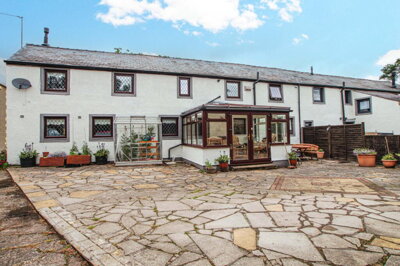
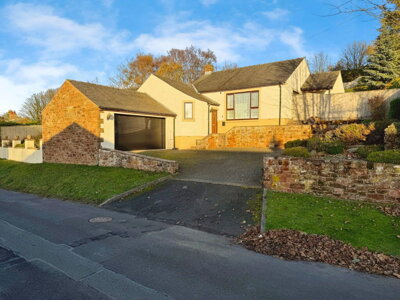
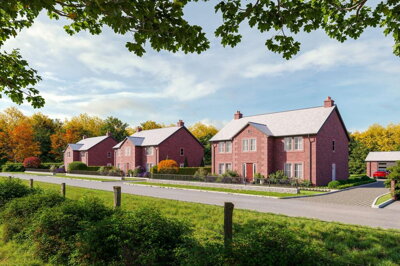
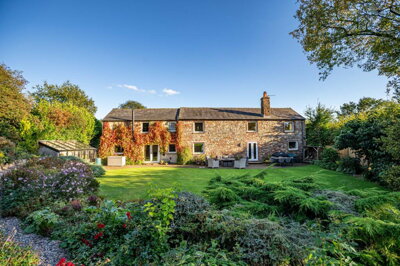
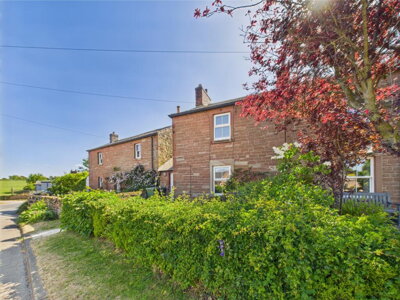
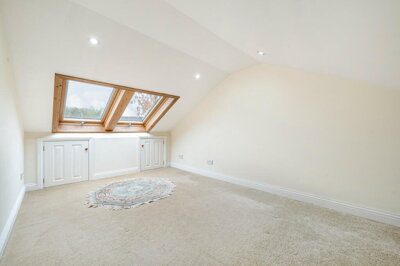
Browse 28 homes for sale in Cumwhitton, Cumberland from local estate agents.
£450k
1
0
30
Source: home.co.uk
Source: home.co.uk
Semi-Detached
1 listings
Avg £450,000
Source: home.co.uk
Source: home.co.uk
Cumwhitton’s market has the feel of a steady rural housing sector. Recent completed sales put the average house price at £330,000 across the CA8 9EX and CA8 9HB postcode sectors over the past twelve months, which gives buyers a useful benchmark for judging village values. Looking further back, this postcode sector reached a peak of £377,500 in 2021, and current averages are now described as approximately 6% above that earlier high watermark. Even with wider economic pressure in the background, the market has held up, and year-on-year comparisons point to a 38% reduction from the previous year, suggesting a correction that may open the door for well-prepared buyers.
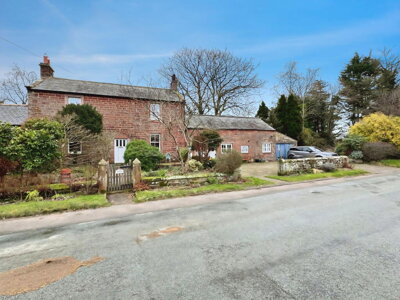
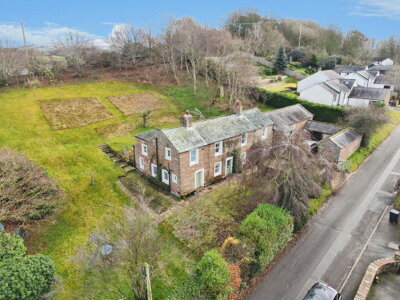
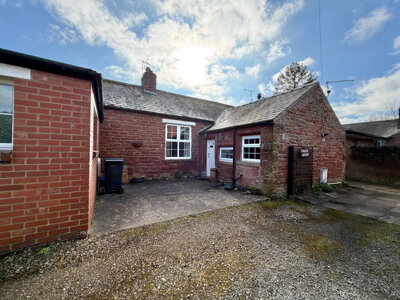
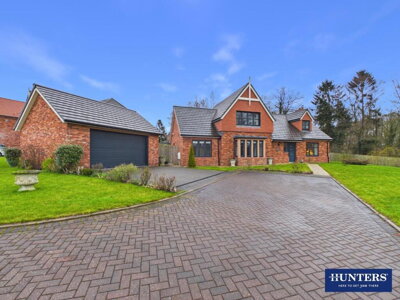
Buyers in Cumwhitton tend to find a mix that runs from smaller terraced cottages through to sizeable detached homes. Recent sales help set the tone, with the terraced Cottage, Cumwhitton changing hands for £330,000 in April 2025, a sign that traditional village homes still attract strong demand. At the upper end, detached houses have achieved markedly more, including Grange House at £640,000 in July 2024 and Piper Wicket at £575,000 in October 2023. Semi-detached stock does appear as well, for example The Old School at Piper Stile, sold for £235,000 in November 2016, although that date is old enough to suggest values are likely to have risen since then. No flat sales were recorded, which fits the village’s overwhelmingly houses-and-cottages housing stock.
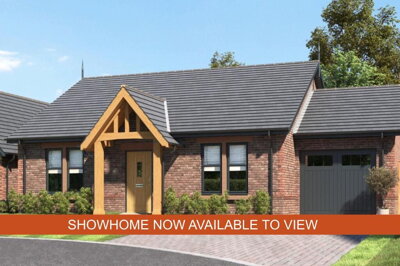
New build activity in Cumwhitton itself is still very limited, and available market data does not point to any live development within the village. home.co.uk and homedata.co.uk both include new-build homes as a search category, but no specific new build listings have been verified within the CA8 postcode sector. Anyone set on a brand new home may have better luck broadening the search to places such as Brampton, Haltwhistle, or Carlisle. Across Cumbria, the average for new build properties stands at approximately £284,000 according to home.co.uk, although that is a county-wide figure and may not translate directly to Cumwhitton, where land values and character properties can attract substantial premiums.

Life in Cumwhitton is rooted in the kind of village setting many buyers picture when they think of rural Cumbria. Set in the Eden Valley, it has a close community feel and sits against a backdrop of rolling countryside, historic sites, and easy access to outdoor pursuits. As part of the wider rural community in Cumberland, the village offers the quieter side of country living, peaceful surroundings, cleaner air, and long-established local ties, while still keeping larger towns within practical reach for work and day-to-day services. Even the name Cumwhitton comes from Old English, a reminder of how long this has been a settled agricultural landscape.
Agriculture still shapes much of the economy around Cumwhitton, but it is not the only influence. Farming across the Eden Valley remains important, with local land producing for regional markets and further afield, while tourism also plays a clear part thanks to the village’s position near the Pennines, the Hadrian's Wall corridor, and the northern edge of the Lake District. Services linked to both residents and visitors add another layer. Many people based in Cumwhitton also commute, especially towards Carlisle, which lies approximately 12 miles away and provides broader shopping, healthcare, and professional services.
For a small rural village, Cumwhitton is well placed rather than overprovided. Day-to-day essentials are found partly in the village and surrounding hamlets, with Brampton close by for supermarkets, independent shops, healthcare, and leisure centre facilities. Outside the built-up areas, the countryside does much of the heavy lifting, with walking and cycling routes, public rights of way, farmland, and moorland all contributing to local life. Community events, seasonal celebrations, and long-standing rural traditions still matter here, and that shapes the feel of the place as much as the scenery does.

Families looking at Cumwhitton will need to think across the wider area rather than just within the village itself. Primary and secondary provision is available nearby, and the village sits within catchment arrangements for local primary schools serving surrounding rural communities, covering children from early years to Year 6. One of the attractions of these schools is often their smaller class sizes compared with urban schools, which can mean more individual attention and a stronger community feel among staff and pupils. Catchments and admissions do change, though, so we would always check the current position with Cumberland Council.
For secondary education, most families in Cumwhitton look towards nearby towns such as Brampton and Haltwhistle. Some also consider selective options, particularly in Carlisle, where grammar school entry is based on academic selection. The Queen Elizabeth Grammar School in Penrith is another notable option within a reasonable travelling distance for families who want that route. Sixth form choices depend heavily on the school, with larger town-based settings often offering a wider A-level range, while smaller rural schools may concentrate on core subjects or vocational courses.
Early years provision is available locally, though not always in the village itself. Childminders and nurseries operate in nearby villages and towns, and because rural places can have limited capacity, it makes sense to register interest early, as waiting lists are not unusual. Families considering independent schools will also find options across Cumbria, with fees and admissions varying from one institution to another. Practicalities matter here, especially transport, and for children attending school outside Cumwhitton, travel arrangements should be part of any buying decision from the start.

Road travel is what really connects Cumwhitton. The village benefits from its position near key routes across Cumbria and the North East, most notably the A69 trunk road through nearby Brampton, which gives direct access west to Carlisle and east to Newcastle upon Tyne. Under normal driving conditions, Newcastle can be reached in approximately one hour, so the village can work for some commuters tied to the regional capital or the wider North East corridor. For longer north-south journeys, the A1(M) adds another layer of access, with the junction at Scotch Corner linking towards Darlington and Teesside.
Public transport is available, but it operates on rural terms. Bus services link Cumwhitton and neighbouring villages to market towns and larger employment centres, although frequencies are usually lower than they would be in urban Cumbria. For rail travel, many residents rely on Carlisle, where the main station has regular services to London Euston, Edinburgh, Birmingham New Street, and other northern cities. West Coast Main Line journeys to London take approximately three hours, which keeps business travel, and even occasional day commuting, within reach from a Cumwhitton base.
Anyone who prefers rail will usually head for Carlisle, the nearest station with the most substantial service pattern. From there, travellers can pick up cross-country services and trains to London, Glasgow, Edinburgh, Birmingham, and Manchester, while smaller local stations may suit shorter journeys only. Cycling is possible, and in the right weather it is a pleasure, but the network is mainly rural lanes and scenic routes, so the hilly Eden Valley terrain needs to be taken seriously by commuters. Parking in nearby towns is generally reasonable for a rural area, though we would still check it for any regular destination. For flights, Newcastle Airport and Manchester Airport offer the broadest choice, with Newcastle about one hour away by car.

Before arranging too many viewings, it is worth spending proper time in Cumwhitton itself. Try the village at different times of day and on different days of the week so you get a feel for atmosphere, traffic, and noise levels. Stop by local shops, pubs, and other amenities if you can, because that is often the quickest way to judge whether the community suits you. We would also check broadband speeds and mobile coverage early on, as both can make a big difference in a rural setting.
Sorting finance early can save a lot of wasted time. An Agreement in Principle from a mortgage broker or lender sets out how much can be borrowed and shows sellers that a buyer is serious and ready to proceed. With average values in Cumwhitton sitting around £330,000, many purchases will depend on substantial borrowing, so having that in place can strengthen an offer in a market that is often competitive despite its small scale.
Viewings in Cumwhitton are best approached with a critical eye rather than a romantic one. Property condition, deferred maintenance, and early signs of trouble all need noting, especially in older rural homes where issues with roofs, damp, electrics, or heating systems can be costly. We would pay particular attention to exactly those points. For properties over 50 years old, a RICS Level 2 Survey is often a sensible next step before moving ahead, as structural problems may be more common in this age bracket.
Once the right property turns up, the offer should go through the estate agent and be backed up with clear evidence of the buyer’s financial position. Cumwhitton is not a high-volume market, and in places like this, good relationships with local agents can help. Price discussions may still follow, particularly where survey findings, condition, or comparable local sales point towards room for negotiation.
After an offer is accepted, a conveyancing solicitor takes over the legal side of the purchase. That includes searches, contracts, and title checks, while also dealing with the seller’s solicitor, chasing any outstanding search results, and making sure everything is ready before completion. Legal fees, search costs, and title registration charges all need to be built into the overall budget from the outset.
Once searches have come back satisfactorily and finance is fully lined up, both sides sign and contracts are exchanged. At that point the purchase becomes binding, and a deposit, typically 10% of the purchase price, is normally paid. Completion follows later, usually within two to four weeks, and that is when ownership transfers and the keys are handed over. It sounds simple on paper, but those final arrangements and removals take planning.
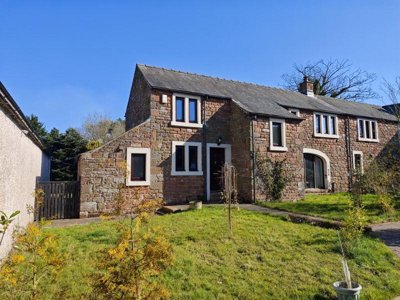
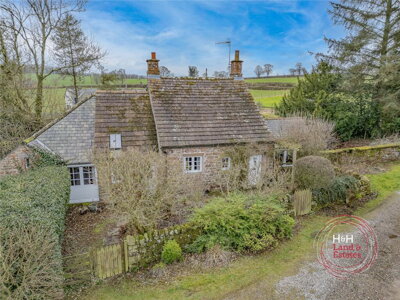
Housing in Cumwhitton is mostly shaped by traditional rural Cumbrian building styles. Many homes are built in local stone, brick, or render, usually beneath slate or tile roofs, and that construction mix deserves careful attention during viewings. We would be looking at how well the original methods have held up, and whether later alterations or signs of deterioration may need work. Older houses can also have solid walls rather than cavity walls, which has implications for insulation, warmth, and running costs. Knowing exactly what has been built, and how, helps us judge the likely cost of repairs or upgrades after purchase.
Living in open countryside brings trade-offs, and Cumwhitton is no exception. Nearby agricultural activity can mean periods of machinery noise, farm traffic, or smells, all of which are part of life in the Eden Valley’s active farming landscape. That same working countryside supports the local economy and gives the area much of its character. We would always ask buyers to think honestly about how close they want to be to farmland, and whether rural working patterns suit them. Planning controls can also be different here, with some homes affected by agricultural occupancy conditions or covenants that restrict use.
Flood risk should be checked carefully in any Cumbrian purchase, even though no specific flood data for Cumwhitton was identified in the research available here. We always recommend including a standard flood risk search in the conveyancing process and raising any concerns with the solicitor handling the file. Homes in low-lying spots or near watercourses deserve extra scrutiny, and insurance premiums can reflect how risk is perceived. Drainage matters too, because some rural properties rely on private sewage arrangements or boreholes rather than mains services.
Because many Cumwhitton properties are older, services inside the house can be just as important as the structure outside it. Electrical wiring, plumbing, and heating systems may need bringing up to current standards, and in rural homes it is not unusual to find ageing electrics, old boilers, or plumbing that still includes lead or galvanised steel pipes. A RICS Level 2 Survey should pick up the key defects, giving buyers the chance to price in remedial work or renegotiate if necessary. Where a property is listed, there is another layer to consider, as maintenance and alterations can be subject to tighter controls and specialist requirements.

The latest picture from recorded sales puts the average sold house price in Cumwhitton at £330,000 over the past twelve months. That covers transactions across the CA8 9EX and CA8 9HB postcode sectors, with homedata.co.uk showing 21 total sales in those areas. Detached homes sit at the top of the local price range, with Grange House selling for £640,000 and Piper Wicket for £575,000. Terraced homes have been changing hands at about £330,000, which points to solid demand for traditional village property. Even after wider market ups and downs, prices are still described as approximately 6% above the 2021 peak.
For council tax, Cumwhitton sits within the Cumberland Council area. Across Cumbria, bands run from Band A for lower-value homes through to Band H for the highest-value properties, and given local pricing and the village’s rural housing mix, many homes here are likely to fall into Bands C to E. That said, the exact band always depends on the individual assessment, so we would verify it with the local authority as part of normal checks. Those payments go towards core services such as education, waste collection, and highway maintenance.
School access is one of the practical points families need to pin down early in Cumwhitton. Primary schools serving the village are generally found in surrounding rural communities and nearby market towns, so current catchment details should be checked with Cumberland Council rather than assumed. For older children, Brampton and Haltwhistle provide the main secondary options, while selective grammar school routes in Carlisle and Penrith may appeal to academically able pupils. Because the village is small, transport can become a major factor, particularly at secondary level where the journey to a preferred school may be relatively long.
Non-car travel from Cumwhitton is possible, but the village’s rural location inevitably shapes what is practical. Bus services form the main public transport option and connect out towards places such as Brampton, where onward links to Carlisle can be picked up. Carlisle station then opens up the wider rail network, with services to London, Edinburgh, Birmingham, and other major northern cities, and journey times to London Euston of approximately three hours. In day-to-day terms, though, most residents will still find car ownership close to essential, even if the nearby A69 makes access to Carlisle and the North East fairly straightforward.
Cumwhitton can appeal to investors, but only certain types. For buyers focused on long-term capital growth in a desirable rural setting, average values around £330,000 may look relatively accessible beside some other parts of Cumbria and the wider North of England. Limited supply in villages of this size, together with steady demand from people who want a rural lifestyle, can help support prices over time. Rental demand is likely to be more limited because local employment and amenities are not extensive, so in practice Cumwhitton may suit owner-occupiers or holiday-home buyers more than those chasing high-yield rental returns.
Standard Stamp Duty Land Tax rules for residential purchases in England apply in Cumwhitton. On a main residence, there is no SDLT to pay up to £250,000, with 5% then charged on the portion from £250,001 to £925,000. Using the local average price of £330,000, a standard buyer would pay approximately £4,000 in stamp duty. First-time buyer relief changes the picture, with no SDLT on the first £425,000 for purchases up to £625,000 and 5% applying on the portion between £425,001 and £625,000, so a qualifying first-time buyer purchasing at £330,000 would pay no SDLT. Buyers of second homes or buy-to-let property also need to allow for the additional 3% surcharge.
The village housing mix is heavily weighted towards houses and cottages, and there are no recorded flat sales in Cumwhitton. Detached homes make up an important share of the stock and achieve the highest figures, with Piper Wicket at £575,000 and Grange House at £640,000 both illustrating the premium that larger family houses can command. At a lower entry point, traditional terraced cottages remain sought after, with The Cottage selling for £330,000 in April 2025. Semi-detached homes come up less often, though they do appear from time to time. Buyers wanting something newly built are likely to need to widen the search beyond the village, as there are no new build developments here.
We strongly advise getting a professional survey before buying in Cumwhitton. Much of the local housing stock is older, and traditional construction, especially solid walls, can bring issues around damp penetration and lower insulation performance by modern standards. A RICS Level 2 Survey can flag roof defects, timber decay, ageing electrics, and signs of movement that may not be obvious during an ordinary viewing. In a village where stock ranges from stone cottages to large detached farmhouses, each property needs to be judged on its own merits, which is exactly why a proper assessment matters.
From 4.5% APR
Our expert mortgage advice and competitive rates for a Cumwhitton property purchase
From £499
Professional legal services for your property transaction
From £350
Detailed property surveys for Cumwhitton homes
From £75
Energy performance certificates for your new home
Beyond the agreed price, buyers in Cumwhitton need to budget for a series of extra costs from the beginning. SDLT is usually the biggest of them, applying to residential purchases in England, including Cumwhitton and other Cumbrian villages. At the current average value of £330,000, a standard buyer purchasing a main residence would expect to pay approximately £4,000 in SDLT. That figure comes from charging 5% on the slice between £250,001 and £330,000, which produces £4,000 on a purchase price of exactly £330,000. First-time buyers paying up to £625,000 may qualify for relief that cuts or removes the SDLT bill altogether.
Legal costs are another key part of the budget. In Cumwhitton, conveyancing fees will often fall between £500 and £1,500, depending on how straightforward the transaction is and whether the property is freehold or leasehold. The solicitor’s work includes local authority, environmental, and drainage searches, all of which can reveal issues affecting the house or land, and those searches usually add around £250 to £400. Buyers should also allow for title registration fees, commonly about £150 to £300 depending on price, along with bank transfer charges raised by the mortgage lender.
Survey fees deserve a place in the budget as well. For most residential purchases, we would point buyers towards a RICS Level 2 Survey, formerly called a HomeBuyer Report, with prices typically starting at £350 for a standard property and increasing for larger or more complex homes. In Cumwhitton, that matters particularly for older stone-built houses over 50 years old, where a survey can uncover structural problems, damp, or roof defects that are common enough in rural Cumbrian property to take seriously. Mortgage buyers will also have a lender’s valuation carried out, but that is for the lender’s protection, not a detailed review of condition.
Removal costs are the last major item many buyers price in, and in Cumbria local firms often quote between £300 and £1,500 depending on distance and the amount being moved. Buildings insurance needs to start from exchange, with premiums influenced by value, construction, and risk. For a £330,000 property, annual buildings cover may sit between £200 and £500, depending on the insurer and the terms of the policy. Life insurance and contents cover are also worth factoring into the wider financial plan around a move.

Properties for Sale In London

Properties for Sale In Plymouth

Properties for Sale In Liverpool

Properties for Sale In Glasgow

Properties for Sale In Sheffield

Properties for Sale In Edinburgh

Properties for Sale In Coventry

Properties for Sale In Bradford

Properties for Sale In Manchester

Properties for Sale In Birmingham

Properties for Sale In Bristol

Properties for Sale In Oxford

Properties for Sale In Leicester

Properties for Sale In Newcastle

Properties for Sale In Leeds

Properties for Sale In Southampton

Properties for Sale In Cardiff

Properties for Sale In Nottingham

Properties for Sale In Norwich

Properties for Sale In Brighton

Properties for Sale In Derby

Properties for Sale In Portsmouth

Properties for Sale In Northampton

Properties for Sale In Milton Keynes

Properties for Sale In Bournemouth

Properties for Sale In Bolton

Properties for Sale In Swansea

Properties for Sale In Swindon

Properties for Sale In Peterborough

Properties for Sale In Wolverhampton

Enter your details to see if this property is within your budget.
Loans, cards, car finance
Estimated property budget
Borrowing + deposit
You could borrow between
Typical borrowing
Monthly repayment
Est. at 4.5%
Loan-to-value
This is an estimate only. Your actual budget may vary depending on interest rates, credit history, and personal circumstances. For an accurate affordability assessment, speak to one of our free mortgage advisors.
This calculator provides estimates for illustrative purposes only and does not constitute financial advice. Your home may be repossessed if you do not keep up repayments on your mortgage. Estimates based on 4.5% interest rate, repayment mortgage. Actual rates depend on your circumstances.
Homemove is a trading name of HM Haus Group Ltd (Company No. 13873779, registered in England & Wales). Homemove Mortgages Ltd (Company No. 15947693) is an Appointed Representative of TMG Direct Limited, trading as TMG Mortgage Network, which is authorised and regulated by the Financial Conduct Authority (FRN 786245). Homemove Mortgages Ltd is entered on the FCA Register as an Appointed Representative (FRN 1022429). You can check registrations at NewRegister or by calling 0800 111 6768.

We use cookies to show you personalised content and improve your experience of our website. Find out more in our Privacy policy and Cookie policy.