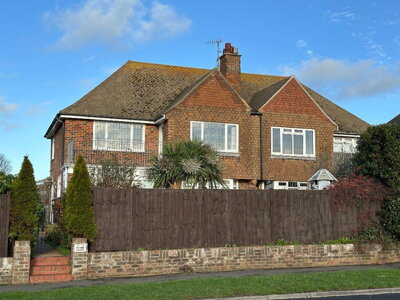
Browse 1 home for sale in Cuckmere Valley from local estate agents.
The 2 bed flat sector typically includes two separate bedrooms, dedicated living areas, and bathroom facilities. Properties in Cuckmere Valley span purpose-built blocks, converted period houses, and modern apartment complexes on various floors.
Recent years have seen the Cuckmere Valley market hold firm, and Alfriston has averaged £600,000 over the past twelve months. That is 57% up on the previous year, and 17% above the previous peak in 2022. Detached homes still lead the way at £900,000 on average, which speaks to the appeal of space, privacy and a rural outlook. Even with swings elsewhere, buyers here keep paying for those qualities.
For buyers keeping a closer eye on budget, Litlington is a useful counterpoint, with an average house price of £500,000. Detached properties there average £900,000, while semi-detached homes sit around £450,000, so the village can look good value against nearby places. The market has also grown steadily, with prices up 8.5% over the past year according to recent data. Friston brings another option, with average asking prices around £600,000 and terraced homes from approximately £215,000, which opens village living to a wider range of buyers. New build supply remains thin across the valley, although approvals such as the seven homes at King's Ride in Alfriston show some fresh stock coming through.

Few places in East Sussex offer the same pull for London and Southeast buyers. Rolling chalk downland, ancient woodland and the Cuckmere River shape the valley as it bends towards the sea. It is working countryside, so sheep on the South Downs Way, kestrels above the meadows and lanes bordered by summer wildflowers all fit the picture. Protection within the South Downs National Park has kept the valley largely unspoiled, and development stays tightly managed.
We see Alfriston as the main village centre, and people often call it the "biggest small village in England" for good reason. Independent shops, artisan cafes, traditional pubs with locally sourced food and a weekly farmers market give it a livelier feel than many rural places. The Tye, the village green, anchors events through the year. Litlington feels quieter, built around its medieval church, a popular tearoom and a village pub. Parish councils, village halls and clubs ranging from gardening to local history keep both communities connected.
The demographic picture suits people looking to rebalance work and lifestyle. Residents are generally older than the national average, and many families have stayed on into retirement after raising children locally. That gives the valley a settled feel, though younger families are coming in too, drawn by good schools and the outdoor setting. The coast is close enough for beach walks and watersports, while the South Downs cover walking, cycling and horse riding. Art galleries, music festivals and other events through the year add plenty beyond the landscape.
Families moving here have a decent spread of schools, though rural distances are longer than many expect. St Mary's Church of England Primary School in Alfriston covers the main village and nearby hamlets, taking children from reception through to Year 6. Catchments can be broad in the countryside, so homes in places such as Westdean may sit in different zones, and we would check this with East Sussex County Council before anyone commits to a purchase.
For secondary school runs, Eastbourne and Seaford are the usual options, both reachable by bus or car. Popular places are competitive, and admissions go through East Sussex County Council's coordinated scheme. For older pupils, sixth form provision is available at both Eastbourne College and Seaford Head School, with Bede's in Eastbourne also offering an alternative route. St. Andrew's in Hampden Park and Battle Abbey School in Battle are among the independent schools within a reasonable drive.
Early years provision comes from a mix of preschool settings and childminders registered with East Sussex County Council. In Alfriston and Litlington, spaces often exist, but families planning a move are wise to register early because availability moves around. Home education has a strong following too, supported by informal groups that meet for outings and activities. The South Downs Learning Network adds another layer, with environmental studies and countryside management taking advantage of the landscape on the doorstep.
Connectivity is better than the rural setting first suggests, although many day-to-day trips still call for a car. The A259 coast road passes through Alfriston, putting Seaford about 5 miles east and Eastbourne around 9 miles to the east along the coast. Brighton is roughly 15 miles away, so a day in the city is very doable, and central London is usually around two hours by car via the A27 and M25. By rail, the nearest stations are Polegate and Berwick, both with regular London Victoria services via Brighton, with journey times of around 90 minutes to two hours depending on connections.
Bus links are thin on the ground in the valley, which fits the rural character, but they do work for day-to-day travel. Compass Bus route 126 ties Alfriston to Eastbourne, Seaford and Newhaven, giving residents without cars a route to supermarkets, healthcare and other essentials. Anyone looking at a more isolated hamlet should think hard about transport, especially where commuting, school runs or regular shopping are involved. For London commuters, the station car parks at Berwick and Polegate make drive-to-station travel practical.
Cycling has become easier here in recent years, helped by National Cycle Route 2 running through parts of the valley and linking into the wider South Downs network. The valley floor is pleasantly flat, though the surrounding downland soon becomes a tougher test for less confident riders. Electric bikes are now common, opening up the hills to more people. For flights and ferries, Gatwick Airport is about 60 miles away via the M23, while Southampton Airport and Portsmouth Ferry Terminal add more overseas options.
We would start by deciding which of the Cuckmere Valley villages best fits the budget and day-to-day routine. Alfriston gives the most amenities but carries premium prices, while Litlington and Friston open up lower entry points. Commuting times, school catchments and each village's character are worth weighing before the search narrows.
Before any viewings, we would speak to a mortgage broker so the borrowing limit is clear from the outset. With average prices from £500,000 in Litlington to over £600,000 in Alfriston, an agreement in principle can make a real difference when the right place appears. Help-to-buy ISAs can still help first-time buyers in this price bracket.
We always suggest visiting the valley at different times of day and week, especially in Alfriston and Litlington, to get a proper feel for community life. Talk to local residents, try the pubs and shops, and walk the surrounding countryside on foot. The pace can stay relaxed, because the commitment is long term in a place like this.
Before contracts are exchanged, we would book a RICS Level 2 Survey to look at the property's condition. Many homes in the Cuckmere Valley are period properties, and age can hide issues linked to flint construction, thatch roofing or old services. Our survey partners can arrange a professional inspection suited to traditional rural homes.
Once the price is agreed, instruct a conveyancing solicitor with rural South Downs experience. They will deal with searches, contracts and registration. Exchange usually takes 4-8 weeks in a standard transaction, with completion following shortly afterwards.
Traditional construction runs through much of the valley, so buyers need to look closely at what sits behind the character. Flint walls, thatch roofing and timber-framed structures were common centuries ago, but they call for specialist maintenance knowledge. Our survey should cover those methods in detail, and we would set aside more for upkeep than for a modern home. Flints can loosen, thatch needs re-ridging every few decades, and timber frames may have old woodworm or rot treatment that ought to be checked.
Flooding deserves serious attention here, given how close some homes sit to the Cuckmere River and its tributaries. Properties beside the river or on lower ground can be exposed during heavy rainfall, and insurance often reflects that risk. We would ask for any previous flood damage, check the EA flood risk maps, and have the solicitor raise questions about flooding history and drainage. Planning controls inside the South Downs National Park matter too, because permitted development rights can be tighter than elsewhere. Extensions, outbuildings and alterations may need consent from the South Downs National Park Authority planning department.
Tenure varies across the valley. Some homes are freehold, while others are leasehold or share of freehold, and flats in converted historic buildings may come with service charges and management company obligations that need a close look. Ground rent on leasehold property also deserves scrutiny, because older leases can carry escalating clauses. Conservation area homes face extra controls over external alterations, so any future changes should be discussed with the local planning authority before a purchase is agreed.

Prices move around a lot between the villages that make up the valley. Alfriston has averaged £600,000 over the past year, which puts it among the most expensive villages in the South Downs National Park. Litlington is more accessible at around £500,000 on average, with detached homes at £900,000 and semi-detached homes around £450,000. Friston sits at approximately £600,000 for average asking prices, with terraced properties from £215,000. That spread comes down to property type, local amenities and how close each place sits to the coast.
For council tax, properties here fall under Wealden District Council and East Sussex County Council. Bands run from A through to H depending on value, and most period cottages and smaller village homes sit in bands C to E. Larger detached homes, especially in Alfriston and Westdean, often end up in F to H. We would check the exact band with Wealden District Council before working out ongoing costs, because council tax sits alongside mortgage payments and maintenance.
St Mary's Church of England Primary School in Alfriston covers the main village and the surrounding area. For secondary education, most families look to Eastbourne and Seaford, both easy enough by bus or car. Seaford Head School and Eastbourne Academy are well-used options, while Eastbourne College provides sixth form provision, including some scholarship opportunities. Several independent schools sit within a reasonable drive. In this rural part of Sussex, catchments can be broad, so parents should verify boundaries with East Sussex County Council admissions before buying.
Day-to-day transport is limited, but it does the job. The 126 bus route links Alfriston with Eastbourne, Seaford and Newhaven, so larger towns stay within reach for shopping and services. Rail travel comes via Polegate or Berwick stations, both with regular trains to London Victoria and journey times of 90 minutes to two hours. London commuters still need a car for the station run, since bus times do not always line up neatly with the trains. For local workers, the valley's position between Eastbourne and Brighton keeps both towns reasonably easy to reach by car.
As an investment, the Cuckmere Valley has a strong record, and Alfriston alone posted 57% price growth over the past year. Supply inside the South Downs National Park remains constrained by planning controls, which generally supports values over the longer term. Remote working has also added to demand for village homes, and rural living still has a strong pull. Liquidity is thinner than in urban markets, so sales can take longer, but holiday lets may work well, especially for distinctive homes near popular walking routes, subject to planning consent.
Stamp duty land tax for 2024-25 applies to every property in England, Cuckmere Valley included. Standard buyers pay 0% on the first £250,000, 5% on £250,001 to £925,000, 10% on £925,001 to £1.5 million, and 12% on anything above £1.5 million. First-time buyers get relief on the first £425,000, then pay 5% between £425,001 and £625,000, with no relief beyond that point. Because average prices here often pass £500,000, most buyers will pay stamp duty, so it needs to sit alongside the deposit and legal fees in the budget.
The valley brings together landscape, history and community in a way that sets it apart from other South Downs villages. The Cuckmere River's meanders, the closeness of the Seven Sisters cliffs and the protection of the South Downs National Park create a striking setting. Alfriston, as the largest village, offers more than many rural spots of this size, with independent shops, several pubs and a regular farmers market. On the South Downs Way, the valley attracts walkers and day visitors too, which supports village facilities without the pressures that come with larger-scale tourism.
Getting the numbers right on a Cuckmere Valley purchase means looking well beyond the asking price. Stamp duty land tax is one of the biggest extras, with 5% charged on the slice between £250,001 and £925,000 for standard buyers. Since most homes here sit above £400,000, stamp duty usually lands somewhere between £7,500 and £35,000 depending on the price paid. First-time buyers may get relief on the first £425,000, which can soften the cost on lower-priced village homes.
Conveyancing fees for a rural purchase usually start from around £499 for a basic transaction, though the figure rises where there is registered common land, unusual tenure or planning conditions attached to the property. In East Sussex, search fees generally fall between £200 and £400, depending on the local authority and environmental searches needed. The solicitor will also carry out drainage and water searches specific to the Wealden district, which can flag issues near the Cuckmere River. Survey costs depend on the level chosen, with a RICS Level 2 Survey starting from around £350 for a standard home, and more for larger or more complex period properties.
After completion, the running costs soon add up. Council tax in Wealden district is usually somewhere between approximately £1,400 and £2,800 a year, depending on the band. Buildings insurance for period homes in the valley tends to be higher than for modern property, often at £1,000 to £2,500 per year once rebuild costs and flood risk are factored in. We would set up a maintenance reserve straight away, because period houses often need prompt work on gutters, roofing or heating systems that previous owners have put off. A guide of 1-2% of property value each year is a sensible rule of thumb for traditional village homes.

From 4.5% APR
Compare mortgage deals from leading lenders
From £499
Expert property solicitors for Cuckmere Valley purchases
From £350
Professional survey tailored to Cuckmere Valley properties
From £75
Energy performance certificate for your new home
Properties for Sale In London

Properties for Sale In Plymouth

Properties for Sale In Liverpool

Properties for Sale In Glasgow

Properties for Sale In Sheffield

Properties for Sale In Edinburgh

Properties for Sale In Coventry

Properties for Sale In Bradford

Properties for Sale In Manchester

Properties for Sale In Birmingham

Properties for Sale In Bristol

Properties for Sale In Oxford

Properties for Sale In Leicester

Properties for Sale In Newcastle

Properties for Sale In Leeds

Properties for Sale In Southampton

Properties for Sale In Cardiff

Properties for Sale In Nottingham

Properties for Sale In Norwich

Properties for Sale In Brighton

Properties for Sale In Derby

Properties for Sale In Portsmouth

Properties for Sale In Northampton

Properties for Sale In Milton Keynes

Properties for Sale In Bournemouth

Properties for Sale In Bolton

Properties for Sale In Swansea

Properties for Sale In Swindon

Properties for Sale In Peterborough

Properties for Sale In Wolverhampton

Enter your details to see if this property is within your budget.
Loans, cards, car finance
Estimated property budget
Borrowing + deposit
You could borrow between
Typical borrowing
Monthly repayment
Est. at 4.5%
Loan-to-value
This is an estimate only. Your actual budget may vary depending on interest rates, credit history, and personal circumstances. For an accurate affordability assessment, speak to one of our free mortgage advisors.
This calculator provides estimates for illustrative purposes only and does not constitute financial advice. Your home may be repossessed if you do not keep up repayments on your mortgage. Estimates based on 4.5% interest rate, repayment mortgage. Actual rates depend on your circumstances.
Homemove is a trading name of HM Haus Group Ltd (Company No. 13873779, registered in England & Wales). Homemove Mortgages Ltd (Company No. 15947693) is an Appointed Representative of TMG Direct Limited, trading as TMG Mortgage Network, which is authorised and regulated by the Financial Conduct Authority (FRN 786245). Homemove Mortgages Ltd is entered on the FCA Register as an Appointed Representative (FRN 1022429). You can check registrations at NewRegister or by calling 0800 111 6768.

We use cookies to show you personalised content and improve your experience of our website. Find out more in our Privacy policy and Cookie policy.