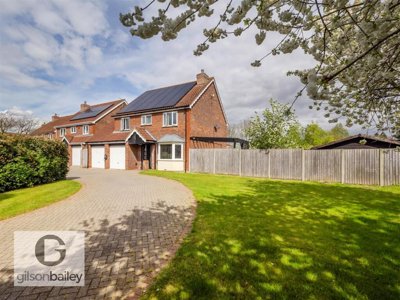
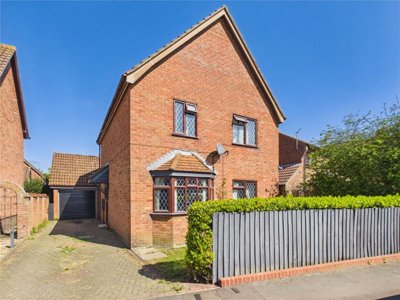
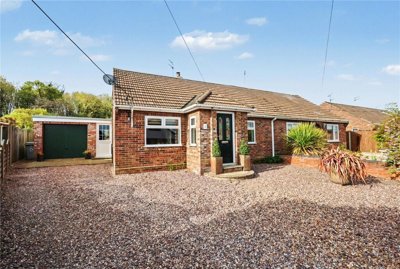
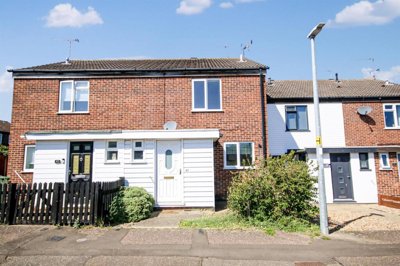
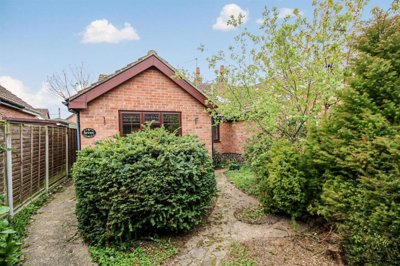
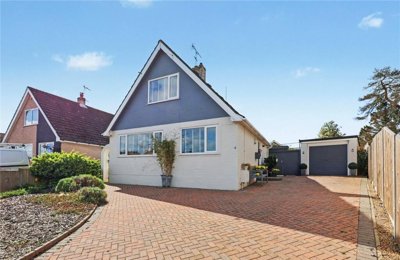
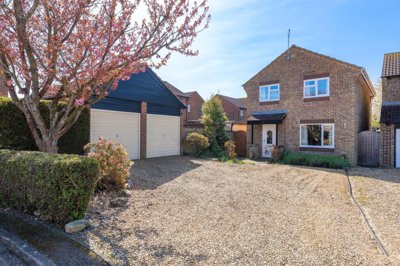
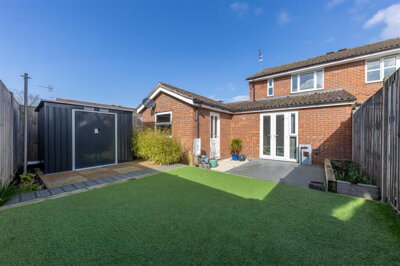
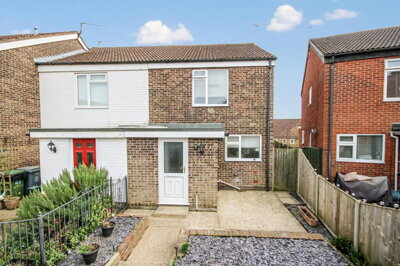
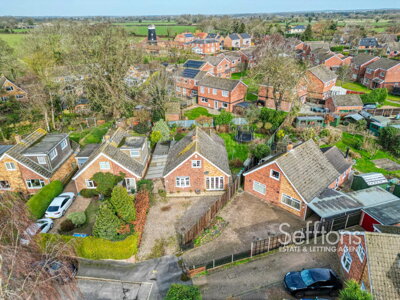
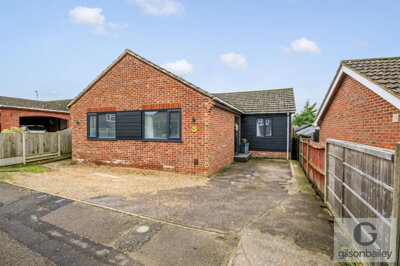
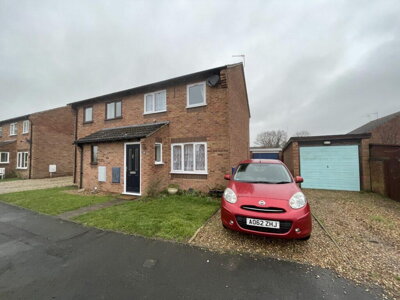
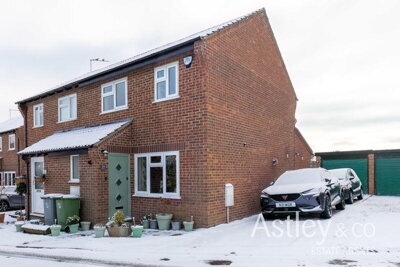
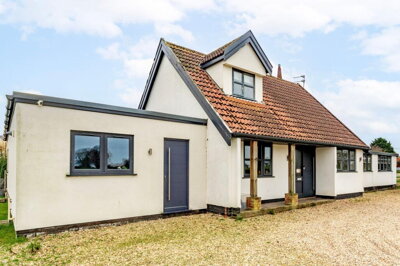
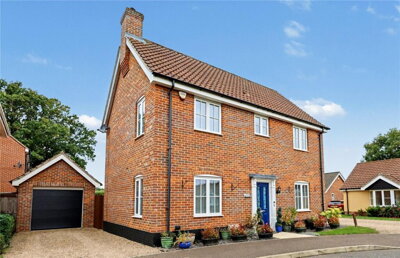
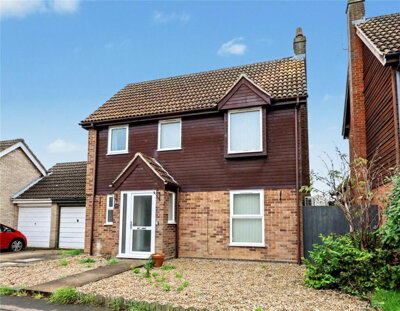
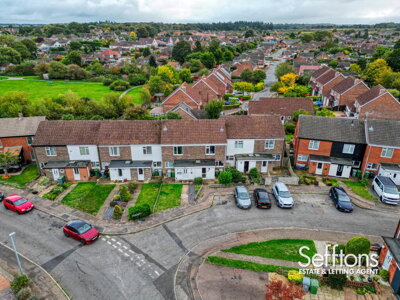
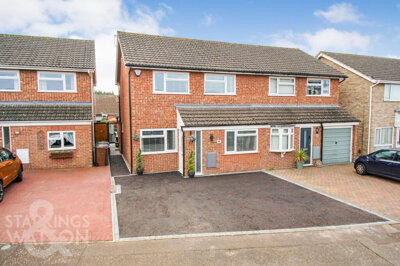
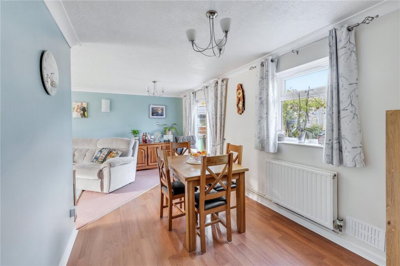
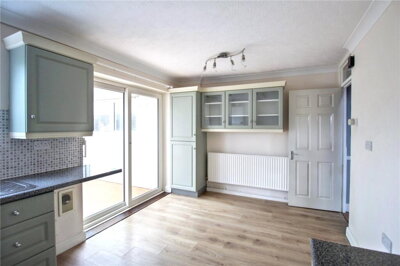
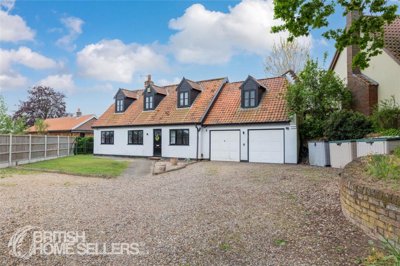
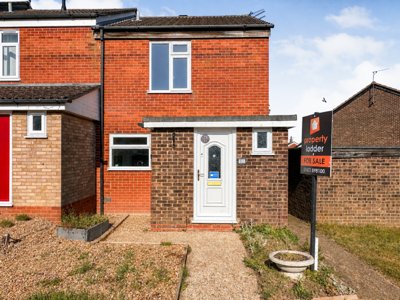
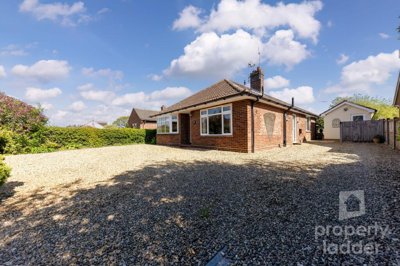
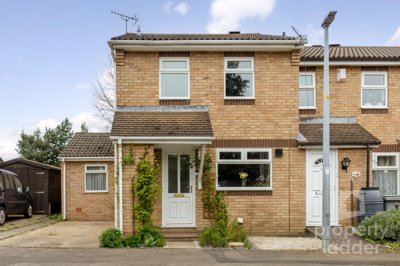
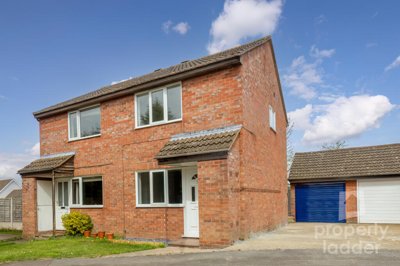
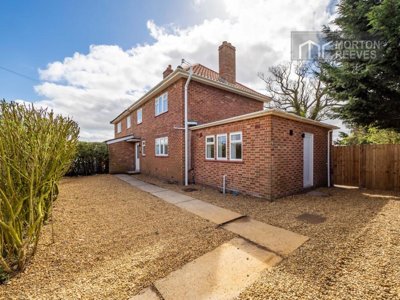
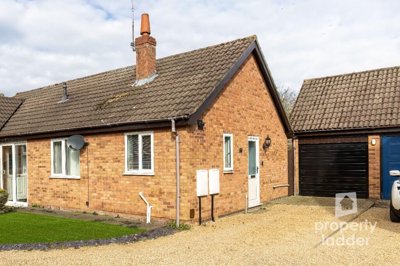
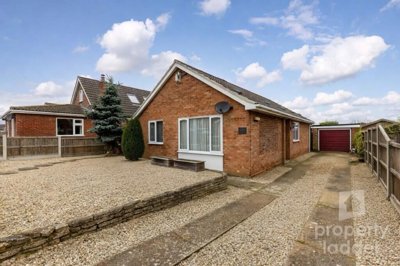
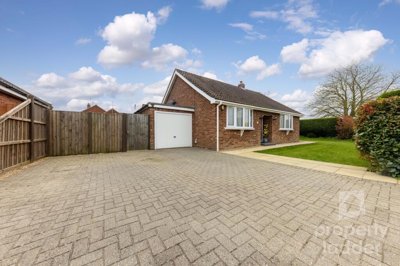
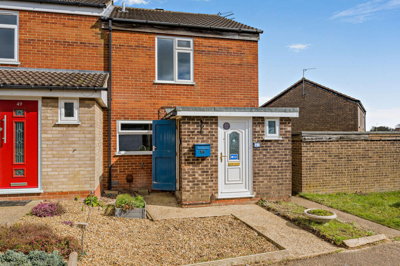
Browse 68 homes for sale in Crostwick, Broadland from local estate agents.
The Crostwick property market offers detached, semi-detached, and terraced houses spanning various price ranges and neighbourhoods. Each listing includes detailed property information, photographs, and direct contact with the marketing agent.
£0k
0
0
0
Source: home.co.uk
Showing 0 results for Houses for sale in Crostwick, Broadland.
Crostwick’s market is best described as small, selective, and house-led. Recent evidence points to a strong spread between property types, with a detached home in Hall Lane selling for £320,000 in July 2023, a detached bungalow for £635,000 in May 2023, and another detached bungalow for £650,000 in December 2022, while a semi-detached house sold for £184,000 in April 2022. That range shows why local condition and plot size matter so much in a village like this. Buyers comparing asking prices against sold evidence should focus on land, parking, garden space, and whether the home has been updated properly.
homedata.co.uk records show that NR12 7DE rose by 18% over the previous year and was 19% above the 2023 peak of £243,000 over the last year, which suggests a market that has remained firm rather than drifting back. A nearby Crostwick Lane, Spixworth sale average of £240,000 over the last 12 months gives a useful comparator, but that road sits in Spixworth, not Crostwick itself, so it should only be used as a nearby reference point. No verified new-build development was found specifically within the Crostwick postcode area, which means most buyers are looking at existing stock rather than a stream of fresh releases. That limited supply can support values when a well-kept property appears in the right position.
Detached homes and bungalows appear to be the most visible part of the local market, and that matters for families, downsizers, and buyers after single-storey living. home.co.uk’s live asking prices suggest that well-presented homes can reach the higher end quickly, especially when they offer parking, a decent plot, or a more private lane setting. Because the village is small, choice can feel patchy from week to week, so buyers often need to compare Crostwick with nearby Broadland locations to judge value properly. If your budget sits around the local median, you may find the best opportunity in a home that needs some cosmetic work rather than a fully renovated showpiece.

Crostwick feels distinctly Norfolk, with a landscape shaped by open fields, rural lanes, and a settlement pattern that spreads out rather than clustering into a dense village centre. The research points to a mix of brick, flint, timber-frame tradition, and red clay pantiles across East Anglia, which gives older homes a local identity that buyers often value. That construction mix is not just aesthetic, because it also tells you how a house may behave over time, especially where original materials, patch repairs, or later alterations are involved. Buyers who like character properties usually appreciate that Crostwick is not a place of identical modern estates.
East Anglia’s geology also matters here, because the county sits on chalk with flint embedded in the strata, and that influences how older homes were built. In practical terms, you may come across flint walls, brick repairs, and timber-framed sections that have survived because they were adapted carefully rather than stripped back. No specific shrink-swell risk was identified for Crostwick in the research data, but that does not remove the need to check ground conditions, drainage, and any signs of movement in older buildings. A good surveyor will look closely at these details, particularly where a house has had extensions or mixed-age materials.
Village living in Crostwick is best suited to people who want space, calm, and a more relaxed rhythm than a city suburb. There is no evidence in the research of a dense commercial centre, large retail park, or major employment hub on the doorstep, so most residents are likely to rely on nearby Norwich and Broadland services for everyday convenience. That creates a balance many buyers like, because home life feels quieter while essential amenities remain reachable by car. For families, downsizers, and remote workers, that mix can be especially appealing if they want a base that feels settled rather than busy.
The research pack does not name specific schools inside Crostwick itself, which is common for a small parish with a limited number of streets and a village-scale housing market. In practice, buyers usually look to nearby Broadland schools and Norwich schools, then check catchment maps carefully before they commit to an offer. That makes early research essential, because a home that looks ideal on paper may fall outside the admissions area you need. Families should always confirm the latest Ofsted reports, admissions rules, and transport options before they rely on a move.
For younger children, proximity matters as much as headline results, especially if school runs need to be fitted around commuting. Crostwick’s rural setting means you are more likely to consider nearby villages and the northern Norwich edge than a school immediately within the parish boundary. Older pupils may also look toward sixth-form and college options in Norwich, where the choice is naturally wider than it is in a small village. That broader educational footprint can be useful for families planning ahead, even if the first move is driven by a primary school catchment.
Buyers with children should also think about how school choice interacts with transport and daily routine. A village address can look attractive, but a longer school run can change the way mornings feel, especially in winter or at peak times. Because the research did not identify a specific school hierarchy for Crostwick, the safest approach is to shortlist homes first, then test the admissions position for each one. Our advice is simple: check the school websites, confirm the catchment boundary, and only then decide whether the property fits your family plan.
Crostwick works best for buyers who are comfortable with road-based commuting rather than depending on a village rail station. The research data does not identify a local station, so most journeys will start with driving to Norwich or another nearby transport hub, which is typical for a smaller Norfolk village. That can still suit plenty of buyers, especially if they travel a few days a week rather than every morning. Parking at home becomes a real advantage here, because a driveway or garage can make day-to-day life much easier.
Norwich is the key destination for most commuting and shopping patterns in this part of Broadland, and the village location keeps that connection realistic without putting you into an urban environment. Public transport details were not verified in the research pack, so buyers should check bus frequencies and evening services before assuming they can live without a car. Rural routes can be less frequent than city services, and that matters if you work shifts, study, or depend on regular appointments. A sensible viewing routine includes testing the route at school-run time and again during the evening peak.
Cycling can also be a practical option for some residents, though you will want to assess the quality of local lanes, lighting, and shoulder space before relying on it daily. Smaller villages often feel calm to drive through, but that same character can mean narrower roads and slower progress at busy times. If you are house hunting with commuting in mind, think about access to the wider Broadland road network as part of the value of the home itself. A property with easy exit routes and sensible parking often proves more useful than a slightly larger house with awkward access.

Start by deciding whether you want a true rural setting, access to Norwich, or a family home with more space. Compare Crostwick with nearby Broadland villages so you understand how much character, privacy, and convenience matter to you.
Arrange a mortgage agreement in principle before you book viewings, because small markets can move quickly and sellers want to know you are serious. Use that AIP to set a clear budget that includes deposit, SDLT, survey costs, and legal fees.
During each viewing, look beyond decoration and judge the plot, parking, garden orientation, and road access. Ask how old the house is, what has been replaced, and whether any extensions or alterations needed permission.
For a typical brick home in decent condition, a RICS Level 2 survey is often a sensible starting point, while older, altered, or unusual homes may need a RICS Level 3. In Crostwick, that matters because older Norfolk buildings can include flint, timber frame, and mixed materials.
Once your offer is accepted, choose a conveyancer straight away so searches, title checks, and enquiries can start without delay. Ask them to look closely at boundaries, drainage, and any restrictions that could affect a village property.
Move from survey and searches to exchange only when you are happy with the findings and your mortgage offer is in place. Completion then transfers the keys, and you can plan removals with confidence rather than guesswork.
Older Crostwick homes deserve careful inspection because local construction can include brick, flint, timber framing, and clay pantiles. That combination creates character, but it can also hide patch repairs, weathering, or previous changes that were made before modern standards. A survey should check roof condition, damp, timbers, and any movement around older openings or extensions. If a house looks traditional outside, do not assume the inside has been modernised to the same standard.
Flood risk was not specifically identified for Crostwick in the research data, yet drainage still deserves attention in any village setting. Ask the seller about standing water, runoff after heavy rain, and whether gutters, gullies, or soakaways have caused trouble in the past. No specific conservation area or concentration of listed buildings was identified in the parish, but any older home can still face planning or alteration limits if it has heritage value. Buyers who want to extend should check the planning position before assuming a loft or rear addition will be straightforward.
Flats are not a major feature of the Crostwick market, so most buyers will be dealing with freehold houses or bungalows rather than leasehold apartments. That said, if you do come across a converted property or a small development edge, review service charges, access rights, and maintenance responsibilities with care. The village market also means you may see homes that have been adapted over time, so ask whether windows, roofs, heating, and electrics have been updated properly. Good paperwork can save a lot of stress later, especially where older Norfolk fabric meets modern expectations.
homedata.co.uk records show a median sold price of £289,000 in NR12 7DE over the last year. Recent Hall Lane sales in Crostwick include £320,000, £635,000, £650,000, and £184,000, so the local market covers a wide range. A nearby Crostwick Lane, Spixworth figure of £240,000 should only be used as a comparison, because that road is not in Crostwick itself. If you want a sharper view of value, compare sold prices with live asking prices on home.co.uk.
Council tax bands vary by individual property, so there is no single Crostwick band that covers every home. The local billing authority is Broadland District Council, and the band is based on the home’s valuation rather than the postcode alone. Sellers and listings usually show the current band, but you should always confirm it before you make an offer. This matters because a bungalow, detached house, or converted home can sit in a different band even within the same lane.
The research data does not list specific schools inside Crostwick, so buyers should treat this as a catchment-checking exercise rather than a simple village-school search. Most families will compare nearby Broadland schools and Norwich schools, then look at Ofsted reports, admissions rules, and transport links. For older children, sixth-form and college options in Norwich widen the choice. The safest move is to check the exact address against the latest catchment map before you offer.
Crostwick is better suited to car users than commuters who need a rail service on the doorstep. No local station was identified in the research, so most trips will involve driving to Norwich or another nearby hub. Bus and evening service details were not verified, so you should check them before assuming you can live there without a car. That road-first setup is common in smaller Norfolk villages, but it is still worth testing your daily route before you buy.
Crostwick can work well for buyers who value limited supply, a village setting, and homes that appeal to both families and downsizers. homedata.co.uk records show NR12 7DE prices up 18% on the previous year, which suggests resilient demand in the local postcode. The trade-off is that the market is small, so resale timing and buyer depth can matter more than in a larger town. If you are investing, focus on practical homes with parking, good presentation, and broad buyer appeal.
For 2024-25, standard stamp duty is 0% up to £250,000, 5% from £250,000 to £925,000, 10% from £925,000 to £1.5 million, and 12% above that. On a £289,000 Crostwick purchase, a standard buyer would pay £1,950 in SDLT because the 5% band applies to £39,000 of the price. First-time buyers get 0% up to £425,000, so a first-time buyer at £289,000 would usually pay no SDLT. If you are buying with a second home surcharge or an unusual ownership structure, ask your solicitor to confirm the figure early.
Yes, especially if the property is older, built with mixed materials, or has been extended. A RICS Level 2 survey is often a sensible choice for a standard house in reasonable condition, while a RICS Level 3 survey suits older or more complex homes. Crostwick’s local building mix can include brick, flint, timber frame, and clay pantiles, so a survey can pick up damp, roof, or movement issues that a viewing will miss. That extra check is often money well spent in a village market where character can hide maintenance needs.
Stamp duty is one of the biggest costs to factor in once you have agreed a price on a Crostwick home. The current standard rates are 0% up to £250,000, 5% from £250,000 to £925,000, 10% from £925,000 to £1.5 million, and 12% above £1.5 million. A buyer paying £289,000 would usually face £1,950 in SDLT, which is a useful benchmark if you are comparing homes near the local median. First-time buyers get relief up to £425,000, so a lower-priced Crostwick purchase may carry no SDLT at all.
The tax is only one part of the bill, so it helps to plan for survey costs, solicitor fees, mortgage arrangement fees, and removals at the same time. Because Crostwick includes older houses, bungalows, and properties with character, many buyers choose a survey before they commit to exchange. That extra step can prevent expensive surprises with roofs, damp, drainage, or structural movement. A careful budget leaves room for everything, not just the deposit and the asking price.
If you are buying your first home, the local market still rewards speed and preparation. An agreement in principle, a clear solicitor quote, and a survey plan will make your offer look stronger when the right Crostwick property appears. Buyers who are already familiar with Broadland often move quickly when a well-kept home comes to market, especially if it has parking, a good plot, or a strong school position. Keeping your costs visible from the start makes the whole move feel more manageable.

Properties for Sale In London

Properties for Sale In Plymouth

Properties for Sale In Liverpool

Properties for Sale In Glasgow

Properties for Sale In Sheffield

Properties for Sale In Edinburgh

Properties for Sale In Coventry

Properties for Sale In Bradford

Properties for Sale In Manchester

Properties for Sale In Birmingham

Properties for Sale In Bristol

Properties for Sale In Oxford

Properties for Sale In Leicester

Properties for Sale In Newcastle

Properties for Sale In Leeds

Properties for Sale In Southampton

Properties for Sale In Cardiff

Properties for Sale In Nottingham

Properties for Sale In Norwich

Properties for Sale In Brighton

Properties for Sale In Derby

Properties for Sale In Portsmouth

Properties for Sale In Northampton

Properties for Sale In Milton Keynes

Properties for Sale In Bournemouth

Properties for Sale In Bolton

Properties for Sale In Swansea

Properties for Sale In Swindon

Properties for Sale In Peterborough

Properties for Sale In Wolverhampton

Enter your details to see if this property is within your budget.
Loans, cards, car finance
Estimated property budget
Borrowing + deposit
You could borrow between
Typical borrowing
Monthly repayment
Est. at 4.5%
Loan-to-value
This is an estimate only. Your actual budget may vary depending on interest rates, credit history, and personal circumstances. For an accurate affordability assessment, speak to one of our free mortgage advisors.
This calculator provides estimates for illustrative purposes only and does not constitute financial advice. Your home may be repossessed if you do not keep up repayments on your mortgage. Estimates based on 4.5% interest rate, repayment mortgage. Actual rates depend on your circumstances.
Homemove is a trading name of HM Haus Group Ltd (Company No. 13873779, registered in England & Wales). Homemove Mortgages Ltd (Company No. 15947693) is an Appointed Representative of TMG Direct Limited, trading as TMG Mortgage Network, which is authorised and regulated by the Financial Conduct Authority (FRN 786245). Homemove Mortgages Ltd is entered on the FCA Register as an Appointed Representative (FRN 1022429). You can check registrations at NewRegister or by calling 0800 111 6768.

We use cookies to show you personalised content and improve your experience of our website. Find out more in our Privacy policy and Cookie policy.