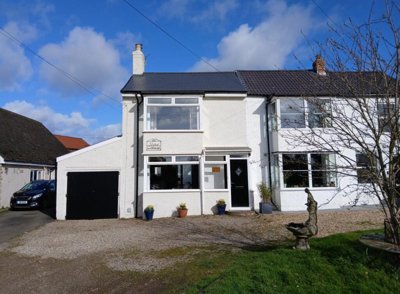
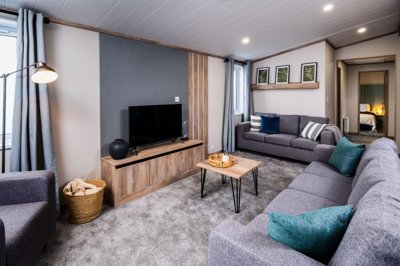
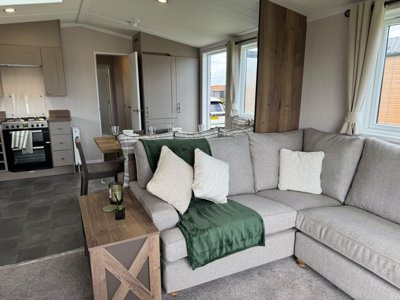
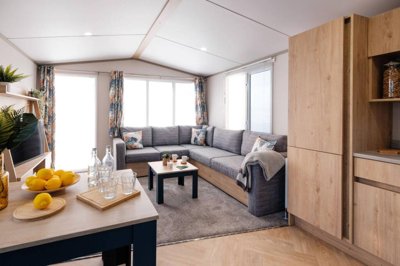
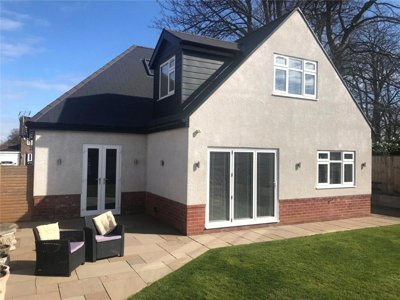
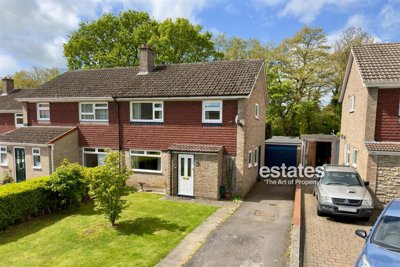
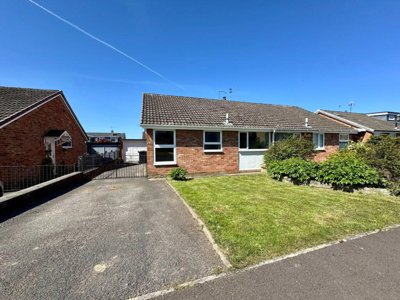
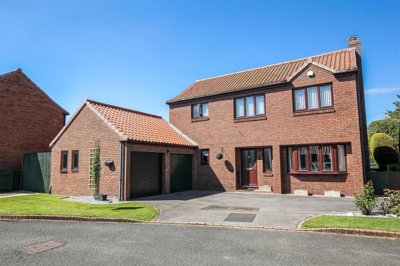
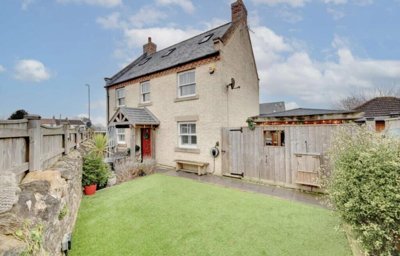
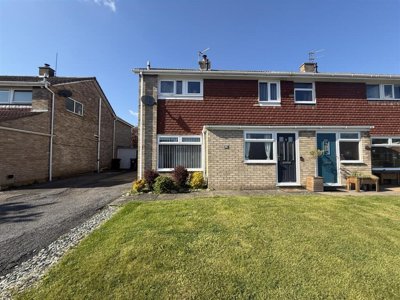
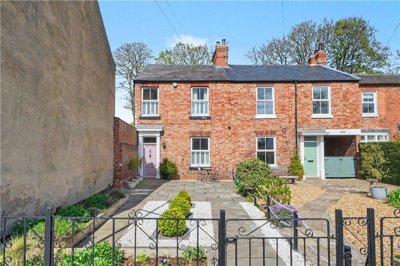
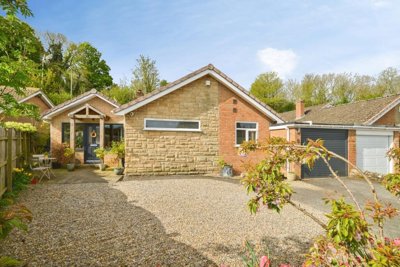
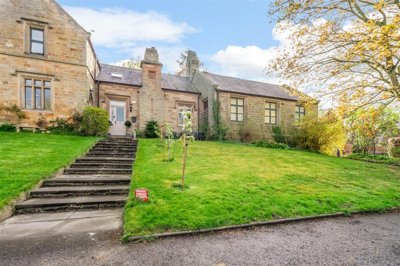
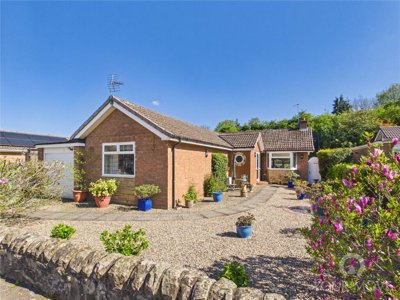
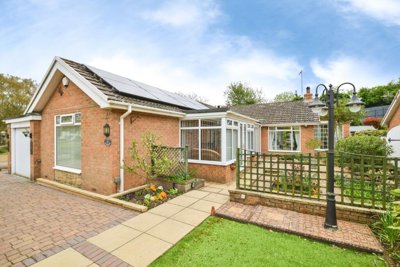
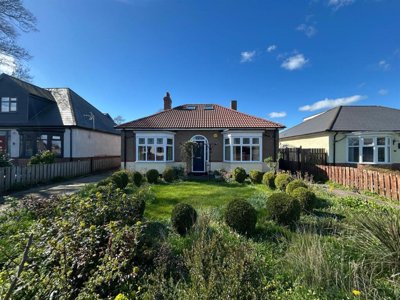
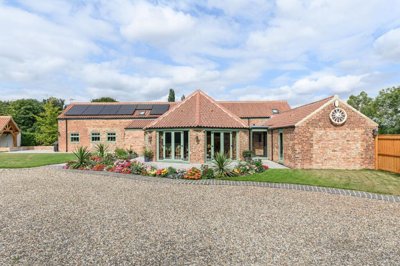
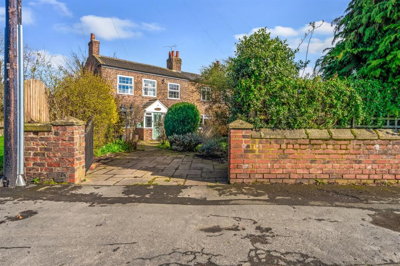
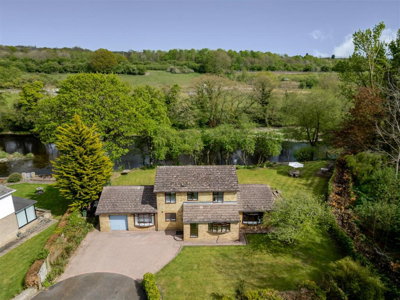
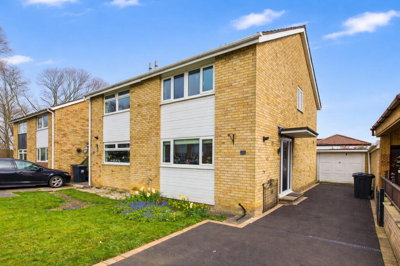
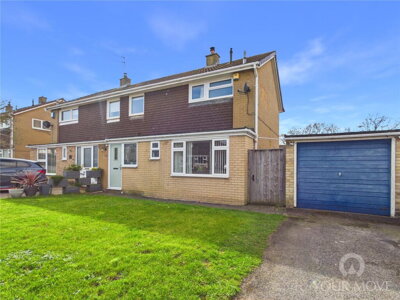
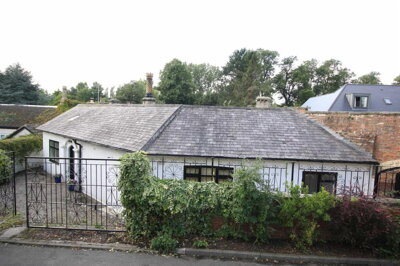
Browse 58 homes for sale in Croft-on-Tees from local estate agents.
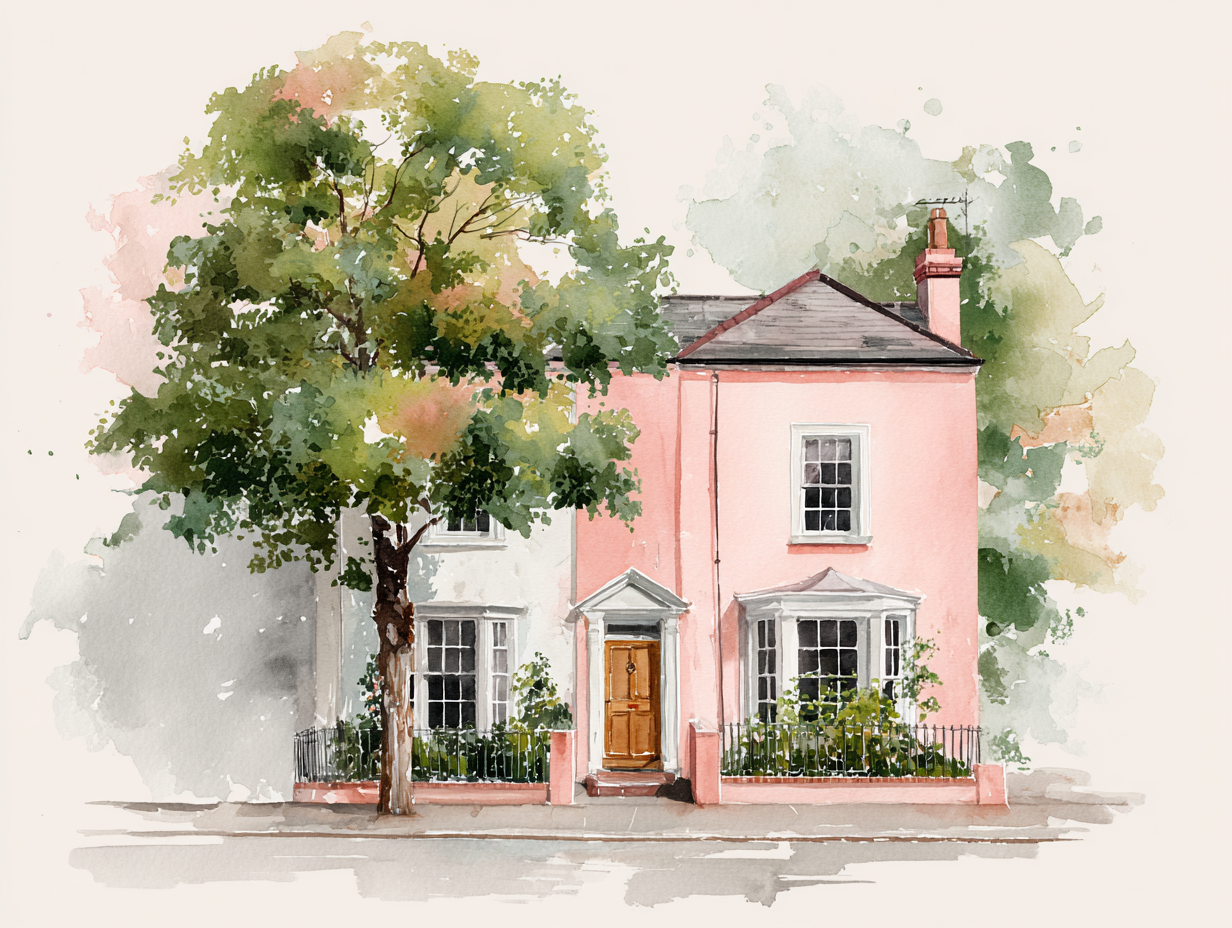
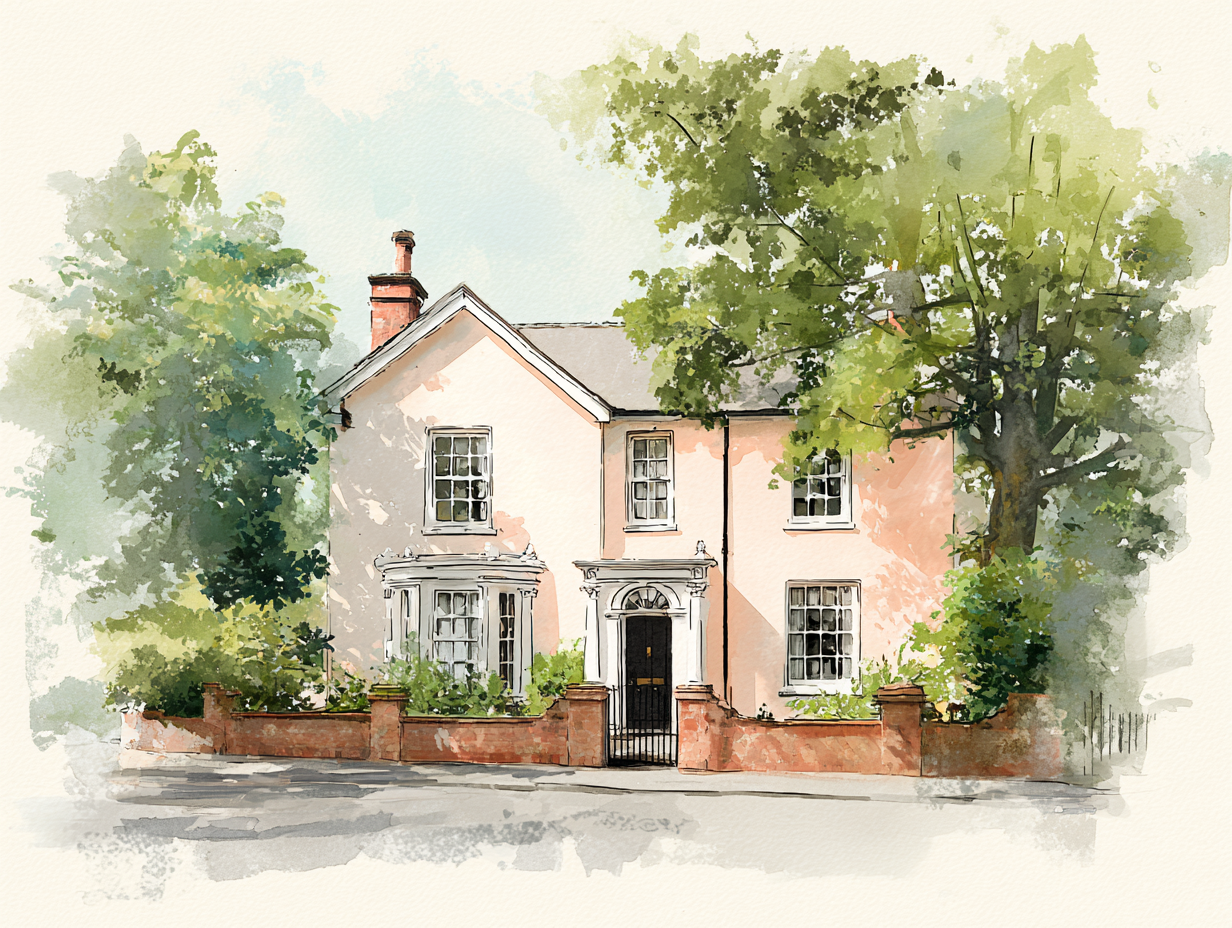
Croft-on-Tees has a clear rural feel, and the local market reflects that, with detached homes making up most of the available stock. home.co.uk and homedata.co.uk data point to detached properties averaging around £300,000, while semi-detached homes tend to sell for approximately £245,000. Terraced properties sit higher, at about £399,000 on average, which likely comes down to how few of them are around. Much of the village housing is made up of 17th and 18th-century houses, which give Croft-on-Tees much of its character, alongside newer developments that have broadened the choice over recent decades.
Prices in Croft-on-Tees have moved sharply over the last year. homedata.co.uk records a 27.5% fall in sold prices across the past 12 months, while home.co.uk listings data shows overall prices 40% down on the previous year and 58% below the 2011 peak of £748,875. On South Parade, for example, prices were 36% down on the previous year. Those adjustments bring the market to a level that feels more approachable for buyers who want village living without losing access to transport links. For anyone who missed the highs of earlier years, the current market offers a more grounded entry point into Croft-on-Tees.
There are about 162 properties listed in Croft-on-Tees, with sold prices recorded over the past year, so buyers do have a fair spread to look at. The housing mix runs from centuries-old farmhouses and cottages to more modern detached homes from later village expansion. That range gives first-time buyers, growing families, and anyone after a home with real heritage a chance to find something suitable. Local estate agents who know Croft-on-Tees well can be useful here, because the market has its own quirks and the right property is not always the most obvious one.

Modern homes are starting to appear in and around Croft-on-Tees too. Barratt Homes advertises 2, 3, 4, and 5-bedroom properties there, with prices from £133,000 to £429,995. For buyers who prefer new construction, there is a clear contrast with the period homes that dominate the village. Energy efficiency, lower upkeep, and a more contemporary layout tend to be the main pull.
One notable recent addition is the approved conversion at Dobbs Hall Farm. Planning permission was granted in July 2025 to turn an existing farm building into two residential units, a one-bedroom flat or maisonette and a four-plus bedroom house. The work includes internal refurbishments, new roof tiles with solar cells, and replacement windows and doors. It is the sort of sensitive project that keeps faith with the rural setting of Croft-on-Tees while still adding much-needed homes.
Rural North Yorkshire villages like Croft-on-Tees tend to appeal to buyers who want both sides of the ledger, modern comfort and countryside living. That said, new build premiums can still apply, so it makes sense to compare asking prices with older homes of a similar size, especially where character and larger plot sizes are part of the attraction. We list both new build and traditional homes, so it is easier to set one option against the other and judge what fits your priorities and budget.

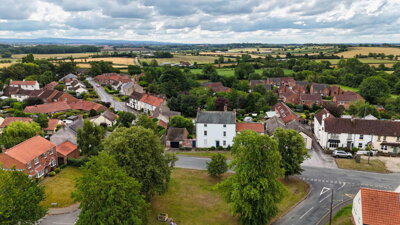
Life here moves at a gentle pace, with North Yorkshire countryside all around and larger towns still within reach. Croft-on-Tees sits on the south bank of the River Tees, which defines the northern and eastern edges of the parish and has shaped the village for centuries. It was once described as a picturesque little village of about 350 souls, and that close community feel still holds. You will find traditional pubs, village events, and the striking backdrop of St Peter's Church, a 14th-century style building with Anglo-Saxon origins that looks out over the river.
Red sandstone is one of the most visible threads in the village architecture, and it is the same material used for the ancient Croft Bridge. That Grade I listed bridge, dating from 1356, marks the historic boundary between North Yorkshire and County Durham and is still a real focal point. The 19th-century Croft Viaduct, built between 1837 and 1840, shows another local hallmark, dressed ashlar cream sandstone. Buyers drawn to period properties often find the setting compelling. The surrounding countryside is just as appealing, with good walking and cycling routes and the River Tees providing a scenic backdrop for time outdoors.
Across the river, Hurworth-on-Tees sits on the northern bank, and the two places are joined by the historic Croft Bridge. That gives Croft-on-Tees residents access to amenities in both North Yorkshire and County Durham, which stretches the local choice of services without having to travel far. Darlington is the nearest market town, about 8 miles away, and it brings shopping, healthcare, and entertainment within easy reach. Back in the village, community life centres on events, the local pubs, and St Peter's Church, which runs activities through the year and brings people together.

Families looking at Croft-on-Tees will find school options within a sensible travelling distance. The village falls within North Yorkshire Council, which oversees a wide network of primary and secondary schools across the area. Primary provision is available in nearby villages and towns, while pupils for secondary education often travel to Darlington, Newton Aycliffe, or other surrounding towns for a broader mix of GCSE and A-Level subjects.
Selective grammar schools in nearby towns are a particular draw for some families. That makes Croft-on-Tees a practical base for those who want access to grammar school education and still prefer village living. Parents should check catchment areas, admission rules, and any proximity criteria directly with North Yorkshire Council and the schools themselves, because these can change each year and may alter the choices available. For sixth form and further education, Darlington has strong colleges and sixth form centres with a wide range of academic and vocational courses.
Getting to schools in Darlington is usually manageable for secondary-aged children, thanks to bus services linking the village and the town. Primary pupils often need transport arrangements, either through North Yorkshire Council school transport for those who meet the distance rules or through private means. Smaller primary schools in the surrounding villages can be attractive because of their community links and smaller class sizes. If we are helping with homes for sale in Croft-on-Tees, we suggest checking school performance data, visiting the schools, and looking closely at how transport would work day to day.

Croft-on-Tees is well placed for travel, which helps keep it connected while still feeling rural. The A167 passes through the village, linking it with Darlington to the north-west and giving access towards Middlesbrough and the A19 corridor to the east. Scotch Corner provides access to the A1(M) motorway, opening up fast north-south routes towards Newcastle, Leeds, and further afield. For Teesside commuters, the A66 offers a direct route to Middlesbrough, while the road through County Durham reaches the historic city of Durham in a fairly scenic way.
Darlington station, about 8 miles away, is the main rail hub for residents and gives strong national links. Direct trains run to London King's Cross, Edinburgh, Newcastle, Birmingham, and major regional cities, and Grand Central services add another high-speed option to the capital. Local buses do connect Croft-on-Tees with nearby towns and villages, although the timetable is far thinner than you would see in an urban area, so private transport matters for many day-to-day journeys. Cyclists need to be cautious too, because rural North Yorkshire lanes can be narrow and the road surfaces vary.
Most people commuting from Croft-on-Tees use a car to reach Darlington station or the nearby towns, although cycling is possible for some journeys when the weather and distances allow. The village sits between several important employment centres, which gives workers a bit of flexibility. Newcastle can be reached via the A1(M) in approximately 45 minutes to an hour, while Leeds is usually around an hour to 90 minutes through the A1(M) and A59. Teesside jobs are especially accessible along the A66, so Croft-on-Tees works well for professionals in Middlesbrough or the wider chemical industry zone. For regular commuters, that mix of rural surroundings and useful transport links is a major draw.

Spend some time getting to know Croft-on-Tees itself before you decide. Look at current property listings, recent sale prices, and market trends so your budget and expectations are set at the right level. It also helps to visit at different times of day and on different days of the week, so you can get a proper sense of village life and how much noise comes from the A167.
Before any viewings, speak to a mortgage broker or lender and get an Agreement in Principle. That gives estate agents and sellers a clear sign that you are ready to proceed, which can matter a lot in a competitive market. In a village with the range of property types seen in Croft-on-Tees, getting your finances in place first keeps the purchase process moving more smoothly.
Arrange viewings through local estate agents for the homes that fit your brief. Take the time to look at the property condition, any likely maintenance work, and how close the place is to the amenities and transport links you care about. For period homes in Croft-on-Tees, we would also suggest visiting during or after wet weather, so you can check for damp or water penetration that older buildings can sometimes show.
For any property you are seriously considering, especially older homes with 17th and 18th-century origins, commission a Level 2 Survey before you go any further. It can flag structural issues, damp, roof condition, and other problems that may not show up during a standard viewing. With so many historic properties in Croft-on-Tees, that kind of professional check is especially valuable.
Use a conveyancing solicitor with North Yorkshire property experience to handle the legal side, from local searches and contracts through to registration. Local knowledge can help when a property has heritage designations or unusual boundaries linked to the River Tees. That extra context can save time where the paperwork needs a closer read.
After the surveys, searches, and negotiations are all settled, your solicitor will exchange contracts and arrange completion. On completion day, the keys are handed over and the move to your new Croft-on-Tees home can begin. We would always arrange buildings insurance to start before completion, since lenders usually require it and it protects the property from day one.
Buying in Croft-on-Tees means weighing up a few area-specific points that can affect the long-term value of the home. Because the village lies on the south bank of the River Tees, flood risk should be near the top of the list for any buyer. We strongly suggest checking official government flood risk maps and asking estate agents and vendors about any past flooding in the property or nearby homes. Low-lying houses close to the river may face higher insurance premiums or mortgage restrictions because of flood exposure, so it pays to look closely before you commit.
Much of the housing stock is historic, so period properties can need more care than newer builds. Solid wall construction, common in 17th and 18th-century homes, gives good thermal mass but may need insulation upgrades if the aim is modern energy efficiency. Older houses may also have dated electrics, period features that need specialist restoration, or building methods that differ from today’s standards. A thorough RICS Level 2 Survey will pick up those issues before you buy, which could save thousands in unexpected repair bills. Heritage designations, including Grade I and Grade II listed buildings, may also limit what changes can be made, so check permitted development rights with North Yorkshire Council planning department before you proceed.
The local materials used in Croft-on-Tees matter when you are judging condition and future upkeep. Red sandstone, seen in places like Croft Bridge and St Peter's Church, was common in older local buildings and can weather and erode over time. Traditional brick homes, including those built from the former local brickyard near the Comet Hotel, may show mortar deterioration or structural movement that a professional survey can identify. Knowing how these buildings were made, and what they usually need over time, helps buyers budget properly for the upkeep of a new home.

Current market data puts the average house price in Croft-on-Tees at approximately £322,000 according to homedata.co.uk and £314,667 according to home.co.uk listings data. Detached properties average around £300,000, semi-detached homes about £245,000, and terraced properties sit higher at around £399,000. Prices have also corrected sharply, with homedata.co.uk property data showing a 27.5% fall over the past year, which brings values closer to the levels seen in the early 2000s.
Homes in Croft-on-Tees fall under North Yorkshire Council's council tax scheme. The band depends on the assessed value of the property, and most village homes usually sit in bands B through E. To check the band for a specific address, use the Valuation Office Agency website and search by property address. North Yorkshire Council also sets out the current rates, discounts, and exemptions on its official website.
Nearby villages and towns provide the primary school places used by Croft-on-Tees families, and there are several solid options within a short drive. For secondary education, many families look to Darlington, where comprehensive and grammar school choices are available depending on catchment and admission rules. We recommend using the North Yorkshire Council school admissions website and reading the latest Ofsted reports for individual schools so you can weigh up what suits your family best.
Bus services from Croft-on-Tees are limited, and the frequency is much lower than in urban areas, so private transport is often the practical choice for everyday life. Darlington is the nearest mainline rail station, about 8 miles away, with direct trains to London, Edinburgh, Birmingham, and other major cities via Grand Central and LNER. Road links are straightforward too, with the A167 giving access to surrounding towns and the A1(M) available via Scotch Corner for longer journeys. Middlesbrough is reachable via the A66 in around 30 minutes for those working in Teesside.
Croft-on-Tees will suit buyers who want a rural village setting but still need straightforward connections to larger employment centres. Prices have fallen back from the 2011 peaks, so the market is more accessible than it was at the top. The river setting, historic character, and heritage homes remain the village's biggest attractions for character buyers. At the same time, the limited number of homes for sale and the village's small scale mean growth may be steadier than in larger towns or commuter villages closer to major cities. Flood risk in some spots, along with the maintenance demands of period properties, can also shape future values.
From April 2025 onwards, stamp duty rates are 0% on the first £250,000 of property value, 5% on the portion from £250,001 to £925,000, 10% on £925,001 to £1.5 million, and 12% above £1.5 million. First-time buyers get improved relief, with 0% on the first £425,000 and 5% on the portion from £425,001 to £625,000, and no relief beyond that. On a typical Croft-on-Tees home priced at the village average of £322,000, a first-time buyer would pay no stamp duty, while other buyers would pay roughly £3,600.
New build homes are appearing in the Croft-on-Tees area, including Barratt Homes developments with 2, 3, 4, and 5-bedroom properties priced from £133,000 to £429,995. Another important addition comes from the approved conversion at Dobbs Hall Farm, where planning permission was granted in July 2025 to change an existing farm building into a one-bedroom flat and a four-plus bedroom house. These homes give buyers an alternative to the traditional period properties that dominate the village, especially where modern construction standards and energy efficiency matter most.
Flood risk is an important issue here, because Croft-on-Tees sits on the south bank of the River Tees, and the river forms the northern and eastern boundaries of the parish. Homes in lower-lying spots near the river may face higher insurance premiums or mortgage constraints because of exposure to flooding. We strongly recommend checking official government flood risk maps and asking estate agents and vendors about any historic flooding connected to particular properties. Homes that sit above river level usually have a lower risk, but a thorough survey can still reveal water damage or damp linked to the river's proximity.
Budgeting for a purchase in Croft-on-Tees means looking beyond the asking price. Stamp duty land tax is a major upfront cost, and from April 2025 the standard bands are 0% on the first £250,000, 5% on £250,001 to £925,000, 10% on £925,001 to £1.5 million, and 12% above £1.5 million. First-time buyers have higher thresholds, with 0% up to £425,000 and 5% on £425,001 to £625,000, although nothing is relieved above £625,000. For a typical Croft-on-Tees property worth around £322,000, a first-time buyer would pay no stamp duty under the current relief, while other buyers would be looking at about £3,600 in duty.
There are other buying costs to keep in mind too. Solicitor or conveyancer fees usually fall somewhere between £500 and £1,500 for the legal work, searches, and registration. A RICS Level 2 Survey is from around £350 depending on the size and value of the property, while an Energy Performance Certificate is from about £75. Mortgage arrangement fees vary by lender, from zero to around £2,000, and lender survey and valuation fees add to the total. Removal costs, along with decoration and furnishing, should also sit in your budget. Our recommended mortgage brokers and conveyancers can give detailed quotes matched to your purchase, so you can see the full financial picture before buying in Croft-on-Tees.
Older homes in Croft-on-Tees can also bring extra costs tied to maintenance and renovation. Where a property has listed building status, specialist tradespeople may be needed for certain works, and listed building consent can be required for some alterations, which adds time as well as expense. For period properties, a contingency fund of at least 10-15% above the purchase price is a sensible buffer against surprises once you own the place. Our team can put you in touch with local surveyors, conveyancers, and tradespeople who understand the needs of historic Croft-on-Tees homes.
From £350
We offer a detailed inspection of property condition, especially for traditional homes in Croft-on-Tees.
From 4.5%
Our mortgage advice is expert, with competitive rates for buyers in Croft-on-Tees.
From £499
We also work with specialist property solicitors for your Croft-on-Tees purchase.
From £75
Energy performance certificate for your new home
Properties for Sale In London

Properties for Sale In Plymouth

Properties for Sale In Liverpool

Properties for Sale In Glasgow

Properties for Sale In Sheffield

Properties for Sale In Edinburgh

Properties for Sale In Coventry

Properties for Sale In Bradford

Properties for Sale In Manchester

Properties for Sale In Birmingham

Properties for Sale In Bristol

Properties for Sale In Oxford

Properties for Sale In Leicester

Properties for Sale In Newcastle

Properties for Sale In Leeds

Properties for Sale In Southampton

Properties for Sale In Cardiff

Properties for Sale In Nottingham

Properties for Sale In Norwich

Properties for Sale In Brighton

Properties for Sale In Derby

Properties for Sale In Portsmouth

Properties for Sale In Northampton

Properties for Sale In Milton Keynes

Properties for Sale In Bournemouth

Properties for Sale In Bolton

Properties for Sale In Swansea

Properties for Sale In Swindon

Properties for Sale In Peterborough

Properties for Sale In Wolverhampton

Enter your details to see if this property is within your budget.
Loans, cards, car finance
Estimated property budget
Borrowing + deposit
You could borrow between
Typical borrowing
Monthly repayment
Est. at 4.5%
Loan-to-value
This is an estimate only. Your actual budget may vary depending on interest rates, credit history, and personal circumstances. For an accurate affordability assessment, speak to one of our free mortgage advisors.
This calculator provides estimates for illustrative purposes only and does not constitute financial advice. Your home may be repossessed if you do not keep up repayments on your mortgage. Estimates based on 4.5% interest rate, repayment mortgage. Actual rates depend on your circumstances.
Homemove is a trading name of HM Haus Group Ltd (Company No. 13873779, registered in England & Wales). Homemove Mortgages Ltd (Company No. 15947693) is an Appointed Representative of TMG Direct Limited, trading as TMG Mortgage Network, which is authorised and regulated by the Financial Conduct Authority (FRN 786245). Homemove Mortgages Ltd is entered on the FCA Register as an Appointed Representative (FRN 1022429). You can check registrations at NewRegister or by calling 0800 111 6768.

We use cookies to show you personalised content and improve your experience of our website. Find out more in our Privacy policy and Cookie policy.