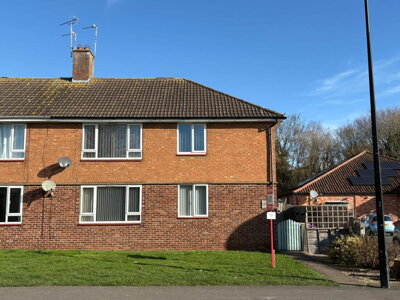
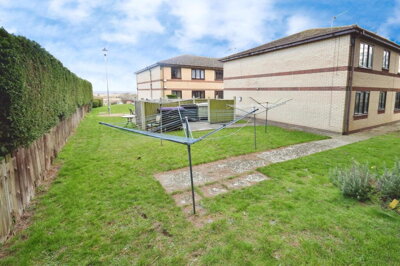
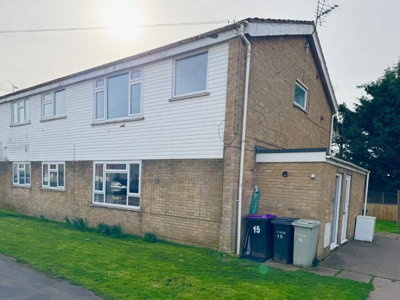
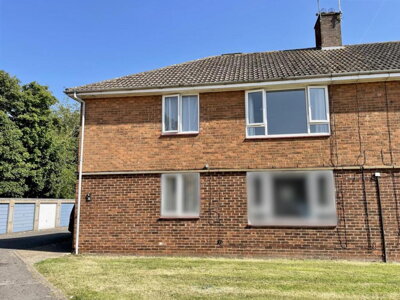
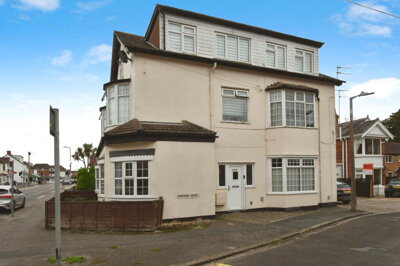
Browse 6 homes for sale in Croft from local estate agents.
The 2 bed flat sector typically includes two separate bedrooms, dedicated living areas, and bathroom facilities. Properties in Croft span purpose-built blocks, converted period houses, and modern apartment complexes on various floors.
Croft's property market covers a wide spread of homes, from detached houses and semi-detached family properties to plots of land for self-build buyers. We also see plenty of period stock, with red brick and pantile roofs giving much of the village its Lincolnshire feel. Croft Lane remains the priciest stretch, averaging £287,200 over the past year, which tells its own story about demand for larger family homes.
At Croft Lodge Farm, off Broughton Road, Bellway Strategic Land has submitted an outline planning application for up to 95 new homes, with 25% set aside as affordable housing. The First Homes element will offer 30-50% discounts on market value for eligible purchasers. Elsewhere, Croftmarsh Limited has planning approval for six detached houses on Gibraltar Road, and a plot on Croft Lane gives scope to finish two partly built three-bedroom semi-detached homes with planning permission already in place.
Prospective buyers should also take a look at Croft's building heritage. Many older properties use the distinctive red brick construction seen in places such as The Old Chequers Inn, an 18th-century Grade II listed public house, and Hollies Farmhouse, where red brick sits alongside painted stone dressings and pantile roofing. These methods are rooted in the Georgian and Victorian eras, and they help explain why Croft homes feel so characterful.
Looking further ahead, the proposed Skegness Gateway scheme, partly on land owned by Croftmarsh, is planned to deliver up to 1,000 new homes together with business and community facilities. If it goes ahead, the wider area's improved infrastructure and amenities could feed through to Croft too, with demand and long-term values likely to benefit.

Set at the mouth of the River Steeping, where the waterway meets the North Sea, Croft offers a very Lincolnshire coastal village setting. Salt marshes, coastal meadows and open skies shape the landscape, while the parish's 902 residents give the place a close-knit feel. All Saints, the Grade I listed church dating from the 14th century, acts as both a spiritual centre and a familiar landmark across the surrounding farmland.
Croft's home ownership rates sit well above national averages, which points to a stable community with long-term residents rooted in the area. The village has a strong run of historic buildings, including the Grade II listed Croft Windmill, The Old Chequers Inn from the 18th century, and Hollies Farmhouse. Built in tarred red brick with brick battlements, the windmill recalls the agricultural past that shaped the village, when farming and coastal activity, including salt production, formed the basis of local work.
Skegness is close enough to give residents access to shopping, healthcare, leisure attractions and wider amenities, yet Croft still keeps its village calm. Within the parish boundary, Gibraltar Point National Nature Reserve brings coastal walks, birdwatching and unspoiled beaches. From salt marsh habitats to varied bird populations, the area draws visitors from across the region and gives local residents striking scenery on the doorstep.
The flat Lincolnshire landscape around Croft makes walking and cycling a natural part of daily life, with coastal paths and rural lanes offering routes for exercise and weekend wandering. The village also shows a strong sense of community, with lower immigration rates than the wider East Lindsey district, suggesting people tend to stay put. That stability helps Croft feel welcoming, while keeping the traditional character that appeals to buyers after a slower pace of life.

Families looking at Croft will find schooling within a reasonable travelling distance. The village sits in East Lindsey District, where primary schools serve the surrounding rural communities. Catchment areas and admissions policies are worth checking carefully, because allocations can change depending on proximity and availability. The local education picture includes both maintained schools and faith schools, so there is a choice for different preferences and educational outlooks.
For younger children, primary schools in nearby villages and Skegness provide foundation stage education, and many families travel there each day from Croft to secure specific places. Journey times to schools in Skegness usually range from 15-25 minutes by car, which keeps the routine manageable for working parents. Schools across East Lindsey have also seen ongoing investment in facilities, and buyers should look at current Ofsted ratings to judge the quality of local provision.
Secondary choices include schools in Skegness and the surrounding market towns, and many students make the daily trip from nearby villages. Wainfleet St Mary Secondary School serves the local area, although larger secondary schools with broader curriculum options are based in Skegness. For sixth-form needs, bigger schools in Spilsby and Horncastle offer extended provision, and some students choose to board during the week to cut down on travel.
East Lindsey has seen continued investment in educational facilities, and buyers should contact the local education authority for the latest school performance tables, Ofsted ratings and admission arrangements for the current academic year. Parents with children who need specialist educational support should check what is available in the wider area, as rural provision can have fewer specialist resources than larger towns.

Croft has practical transport links that make commuting workable without losing its rural feel. The village sits on the A158, giving direct access to Skegness to the south and linking into the A16 for travel towards Boston and Spalding. The A158 also joins the wider Lincolnshire road network, so most residents rely on the car. For people working in bigger cities, the road links to Nottingham, Lincoln and Peterborough provide commuting routes, although journey times naturally reflect the village's rural location.
Bus services connect Croft to Skegness and surrounding villages, giving useful transport for those without a car. The X7 and Coastliner routes run along the A158 corridor, linking coastal communities with inland towns. Skegness railway station provides services to Nottingham via the Poacher Line and trains towards Lincoln, while direct intercity links to London and other major cities mean travelling on to larger hubs such as Nottingham, Grantham or Peterborough.
For air travel, Humberside Airport and East Midlands Airport both sit within reasonable driving distance and provide regional and international connections. Humberside Airport is around 45 minutes north of Croft and handles domestic flights plus some European destinations, while East Midlands Airport offers a wider choice of international routes. Cyclists and walkers also benefit from the flat Lincolnshire terrain, together with coastal paths and rural lanes that make active travel realistic for local journeys.

Start by checking current listings in Croft and getting to grips with local values. With an average price of £287,200 and detached properties averaging £470,000, a clear budget helps narrow the search quickly. We would also suggest speaking to a local estate agent who knows the village market and can flag new listings before they appear publicly. Croft Lane properties deserve particular attention, as they command a premium averaging £287,200, and location within the village has a real effect on pricing.
Before we view properties, it helps to secure a mortgage agreement in principle from a lender. That shows sellers and estate agents that you can buy, which strengthens your hand when making an offer. With homes ranging from £173,500 semi-detached houses to £470,000 detached properties, knowing the exact borrowing limit keeps the search realistic. A mortgage broker familiar with East Lindsey can also talk through the products available.
On viewings in Croft, pay close attention to where each home sits in relation to flood risk areas. Properties on Church Lane and Croft Road have experienced flooding historically. We would also look closely at the condition of older homes and think about how the coastal environment may affect maintenance over time. Check pantile roofs, red brick walls and any period details that may need specialist work.
Before you complete the purchase, arrange a RICS Level 2 survey to assess the property's condition. With Croft's large stock of period homes and listed buildings, that sort of check is important for spotting structural issues, damp or roof concerns. Survey costs usually fall between £400-£600 depending on property size and value, although older homes may bring extra charges. For listed buildings, allow another £150-£400 for specialist assessment requirements.
Choose a conveyancing solicitor to handle the legal side of the purchase. They will carry out searches, review contracts and deal with the transfer of ownership. Local knowledge of East Lindsey District Council procedures and any planning restrictions in the Coastal Conservation Area can help the transaction run more smoothly. Your solicitor should also look into any estate management company arrangements on newer developments.
Once the surveys, searches and legal work all come back satisfactorily, contracts are exchanged and the deposit is paid. Completion usually follows within days or weeks, after which the keys to the new Croft home are handed over. Buildings insurance needs to be in place from the point of exchange, especially for homes in flood risk areas.
Croft's coastal position brings a few local issues that do not affect every area. Flood risk is the main one, with the village sitting at the mouth of the River Steeping and vulnerable to flooding from several directions. The wider area around Croft is also at risk from the Little River Lymn and Cowcroft Drain, and homes on Church Lane and Croft Road have been hit during high-water events. When viewing, ask about previous flood history and the flood prevention measures already in place.
We would also make the survey cover ground floor levels and drainage systems, which matter a great deal in this coastal setting. Because the surrounding terrain is so flat, surface water drainage needs careful checking, especially for homes in low-lying spots near the River Steeping. East Lindsey follows a "Hold the Line" coastal defence policy, so the existing sea defences stay in place, but buyers still need to understand the residual risk from possible breaches.
Croft has a designated Coastal Conservation Area, and that brings planning restrictions affecting permitted development rights and exterior alterations. Listed buildings have extra consent requirements too, so any changes need careful checking. The village has several listed buildings, including All Saints Church (Grade I) and multiple Grade II buildings such as Croft Windmill, The Old Chequers Inn, and Hollies Farmhouse. Always speak to East Lindsey District Council planning department before committing to renovation or extension plans.
For homes in newer developments, read the terms of any estate management company and the related service charges closely. Croft's older houses also bring their own maintenance considerations, with red brick construction, pantile roofs and greenstone features common in the village's historic stock. Older properties may have out-of-date electrical systems, original single-glazed windows and period details that need updating while keeping the character intact.

homedata.co.uk shows that the average house price in Croft over the past year was £287,200. Detached properties sold for about £470,000 on average, while semi-detached homes averaged £173,500. Croft Lane itself averaged £287,200, which reflects the premium attached to that sought-after address. The local market has recorded a 3% rise on the previous year, yet prices are still 16% below the 2022 peak of £298,500, so buyers may still spot value.
Properties in Croft sit under East Lindsey District Council administration. Council tax bands across the area run from A to H, with the exact band depending on the property's assessed value. The Valuation Office Agency website can be used to check the band by address or postcode PE25. In East Lindsey, Band D properties typically pay around £1,800-£2,000 a year, though the East Lindsey District Council website has the exact amount for each property.
Croft falls within the East Lindsey education district, with primary schools serving the local village communities. For current school performance data and Ofsted ratings, parents should check the Ofsted website for schools in Skegness and the surrounding villages. Secondary schools in the area include institutions in Skegness, with sixth-form provision at larger schools in nearby market towns such as Spilsby and Horncastle. Catchment areas can affect admissions, so families with children should confirm school allocations before they buy.
Bus services link Croft to Skegness and nearby villages, giving residents practical public transport options. The X7 and Coastliner routes run along the A158 corridor and connect coastal communities. Skegness railway station offers services to Nottingham via the Poacher Line and links to Lincoln, although direct intercity journeys to London and other major cities require travel to larger stations. The A158 road is the main vehicle route, joining the A16 for wider Lincolnshire access to Boston and Spalding.
Croft has a few features that may appeal to property investors. The proposed Skegness Gateway scheme, partly on land owned by Croftmarsh, aims to deliver up to 1,000 new homes alongside business and community facilities, which could lift demand in the wider area. The village's high home ownership rates point to a stable population with long-term residents. New schemes, including the Bellway development with affordable housing provision, may also create rental demand from key workers looking for affordable local housing. Even so, flood risk and the rural location need careful thought, and rental yields may be lower than in urban areas.
Stamp Duty Land Tax rates from April 2024 are 0% on the first £250,000, 5% on £250,001 to £925,000, 10% on £925,001 to £1.5 million, and 12% on amounts above £1.5 million. First-time buyers receive 0% relief on the first £425,000, with 5% charged between £425,001 and £625,000. Given Croft's average property price of £287,200, many buyers at or below the median would pay little or no stamp duty, although detached homes averaging £470,000 would still attract SDLT charges.
Croft faces significant flood risk because of its coastal position at the mouth of the River Steeping. The village is exposed to flooding from several sources, including the Little River Lymn, Cowcroft Drain and tidal surges from the North Sea. Properties on Church Lane and Croft Road have flooded during high-water events. East Lindsey follows a "Hold the Line" coastal defence policy, but buyers still need to understand the residual risk from possible sea defence breaches. Your survey should check ground floor levels and drainage systems, and flood resilience measures need to be part of the budget for any purchase here.
Croft has a designated Coastal Conservation Area, which places planning restrictions on permitted development rights and exterior alterations so that the village character is kept intact. There are also several listed buildings in Croft, including All Saints Church (Grade I), Croft Windmill, The Old Chequers Inn, Hollies Farmhouse, and Bridge House, all Grade II. Listed building consent is needed for any alterations to these properties. Before you buy, always speak to East Lindsey District Council planning department about any restrictions that may affect the intended use or renovation plans.
Secure your financing with competitive mortgage rates
From 4.5%
Expert legal support for your property purchase
From £499
Professional property survey by qualified inspectors
From £400
Energy performance certificate for your property
From £60
Budgeting for a purchase in Croft means looking beyond the asking price. You will need to allow for Stamp Duty Land Tax, solicitor fees, survey costs and moving expenses. With the average property price at £287,200, most buyers at or below the median price benefit from the SDLT threshold and pay little or no stamp duty. Buyers of higher-value detached properties averaging £470,000 should still allow around £11,000 for SDLT charges.
Conveyancing fees in the Croft area usually run from £500 to £1,500, depending on how complex the transaction is and whether the property is freehold or leasehold. Your solicitor will carry out searches such as drainage and water searches, local authority searches through East Lindsey District Council, and environmental searches to assess flood risk and contamination. Homes in the Coastal Conservation Area, or those with unusual features, may also need extra legal work.
A RICS Level 2 survey typically costs between £400 and £600 for a standard three-bedroom property, with higher charges for larger homes or older period properties. Croft's stock of traditional red brick and pantile homes means older properties may need a fuller look. If you are buying a listed building, allow another £150-£400 for specialist survey requirements. Pre-1900 properties may attract a 20-40% surcharge on standard survey costs because of their more complex construction.
Extra costs include Land Registry fees for registering ownership, search fees from East Lindsey District Council, and removal costs. If you need a mortgage, arrangement fees vary between lenders and usually sit between £0 and £2,000. Getting a mortgage agreement in principle before you start searching helps you understand your true budget and move quickly when the right Croft home appears. Factor in buildings insurance from exchange of contracts too, especially with the flood risk in this coastal location.

Properties for Sale In London

Properties for Sale In Plymouth

Properties for Sale In Liverpool

Properties for Sale In Glasgow

Properties for Sale In Sheffield

Properties for Sale In Edinburgh

Properties for Sale In Coventry

Properties for Sale In Bradford

Properties for Sale In Manchester

Properties for Sale In Birmingham

Properties for Sale In Bristol

Properties for Sale In Oxford

Properties for Sale In Leicester

Properties for Sale In Newcastle

Properties for Sale In Leeds

Properties for Sale In Southampton

Properties for Sale In Cardiff

Properties for Sale In Nottingham

Properties for Sale In Norwich

Properties for Sale In Brighton

Properties for Sale In Derby

Properties for Sale In Portsmouth

Properties for Sale In Northampton

Properties for Sale In Milton Keynes

Properties for Sale In Bournemouth

Properties for Sale In Bolton

Properties for Sale In Swansea

Properties for Sale In Swindon

Properties for Sale In Peterborough

Properties for Sale In Wolverhampton

Enter your details to see if this property is within your budget.
Loans, cards, car finance
Estimated property budget
Borrowing + deposit
You could borrow between
Typical borrowing
Monthly repayment
Est. at 4.5%
Loan-to-value
This is an estimate only. Your actual budget may vary depending on interest rates, credit history, and personal circumstances. For an accurate affordability assessment, speak to one of our free mortgage advisors.
This calculator provides estimates for illustrative purposes only and does not constitute financial advice. Your home may be repossessed if you do not keep up repayments on your mortgage. Estimates based on 4.5% interest rate, repayment mortgage. Actual rates depend on your circumstances.
Homemove is a trading name of HM Haus Group Ltd (Company No. 13873779, registered in England & Wales). Homemove Mortgages Ltd (Company No. 15947693) is an Appointed Representative of TMG Direct Limited, trading as TMG Mortgage Network, which is authorised and regulated by the Financial Conduct Authority (FRN 786245). Homemove Mortgages Ltd is entered on the FCA Register as an Appointed Representative (FRN 1022429). You can check registrations at NewRegister or by calling 0800 111 6768.

We use cookies to show you personalised content and improve your experience of our website. Find out more in our Privacy policy and Cookie policy.