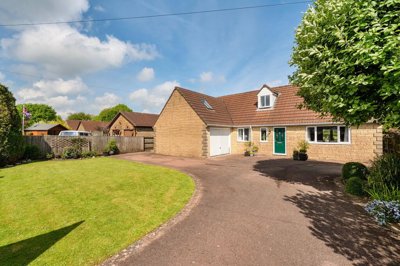
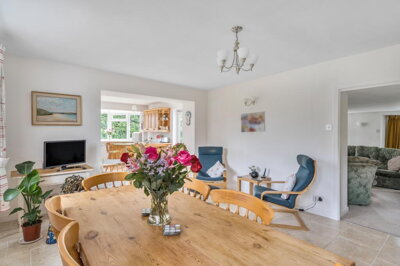
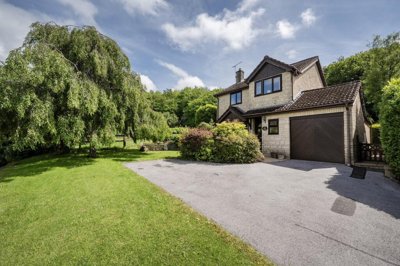
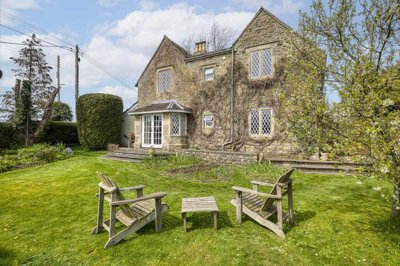
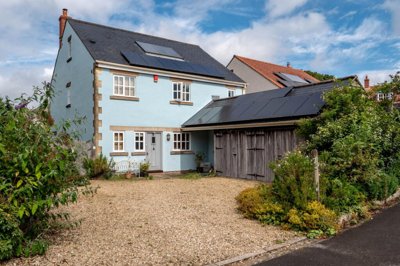
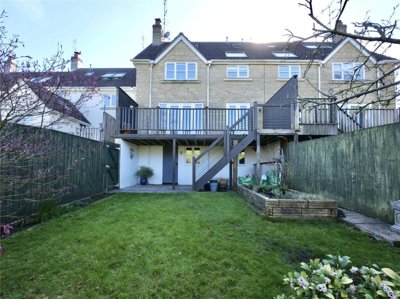
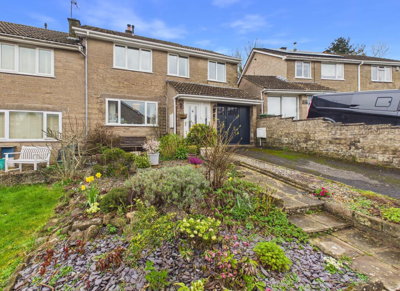
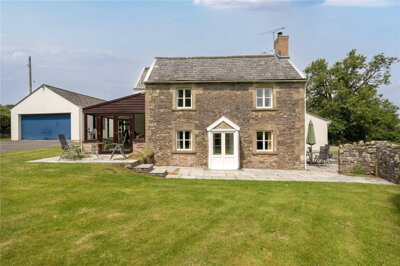
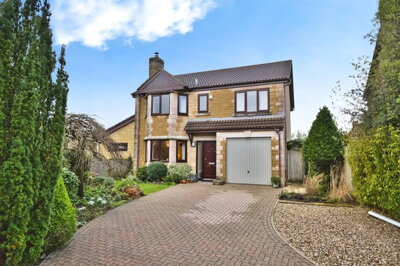
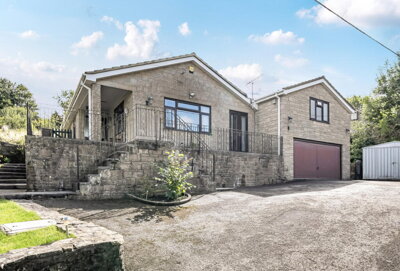
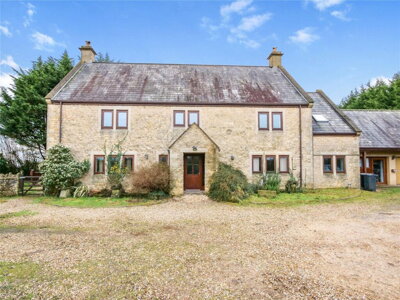
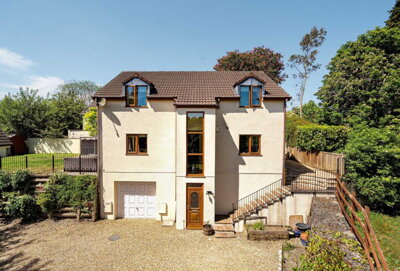
Browse 16 homes for sale in Cranmore, Somerset from local estate agents.
The larger property sector typically features multiple bathrooms, substantial reception space, and private gardens or off-street parking. Four bedroom houses in Cranmore span detached, semi-detached, and occasionally terraced configurations, with styles ranging from period properties to modern executive homes.
£668k
2
0
56
Source: home.co.uk
Showing 2 results for 4 Bedroom Houses for sale in Cranmore, Somerset. The median asking price is £667,500.
Source: home.co.uk
Detached
2 listings
Avg £667,500
Source: home.co.uk
Source: home.co.uk
Cranmore’s property market in Somerset has shown real strength over the past twelve months, with home.co.uk recording 126 successful sales in the local area. homedata.co.uk data adds a further 16 property sales in the immediate Cranmore vicinity, plus 28 transactions in the surrounding East Cranmore area. That level of activity points to a healthy market where homes are finding buyers fairly swiftly, backed by steady interest from local movers and people relocating from larger urban centres. With an overall average price of £595,714, Cranmore sits firmly in premium rural territory, although prices still compare well with similar villages in nearby counties.
Families and buyers looking for space will find Cranmore’s stock geared towards them. Detached homes sit at the top end of the market at approximately £806,250, while semi-detached cottages offer better value at around £305,000 and often come with original details such as exposed beams, inglenook fireplaces, and stone walls. There is little sign of major new-build activity at present, so most purchasers are choosing established homes with the character and solid construction associated with traditional Somerset buildings. That said, land with planning permission for a four-bedroom detached dwelling has appeared locally at Dean Street Farm, a modest sign of development interest alongside the existing housing stock.
Homedata.co.uk sold-price data for Cranmore shows the market has moved about, but the present 20% uplift over the past year points to fresh buyer confidence. Against the 2010 peak of £595,714, current values suggest a market that has recovered well and kept its long-term footing. For anyone weighing up an investment here, that points to resilience, with demand holding firm for character homes and larger plots that suit families wanting countryside living without losing access to employment centres.

Daily life in Cranmore, Somerset, follows a fairly traditional rural rhythm, and that is much of the appeal. The village has historic cottages alongside more modern family houses, so the streetscape feels layered rather than uniform. A welcoming pub is the sort of place where Sunday lunches and quiz nights pull people together, the village hall hosts craft fairs and amateur dramatics, and nearby farm shops sell produce from the surrounding fields. It is the kind of setting where people put down roots, especially families and those wanting something less anonymous than town or city living.
The surrounding Somerset countryside opens up plenty of chances to get outside. Public footpaths and bridleways thread through rolling farmland and past historic landmarks, while Cranmore’s position between the Mendip Hills Area of Outstanding Natural Beauty and the Somerset Levels gives residents easy reach of some of the county’s best-known landscapes. Somerset’s cider heritage also runs deep, with working orchards and cideries welcoming visitors for tastings and tours across the year. For day-to-day needs, Shepton Mallet has supermarkets, doctors’ surgeries, and independent shops, while Bath and Bristol bring wider retail, cultural, and entertainment options within reasonable driving distance.
Agriculture, small businesses, and commuters all feed into the local economy here. Quite a few residents travel to Bristol or Bath for professional work, making use of the road links while keeping the benefits of a countryside lifestyle. Older housing also means there is steady demand for traditional tradespeople, from builders and electricians to plumbers who know their way around period properties. Summer fetes, harvest festivals, and winter gatherings add to the village’s social life, and that regular calendar of events does a lot to hold the community together in Cranmore.
For families thinking about a move, Cranmore offers educational options from nursery age through to secondary school. Primary provision is well covered by village and small-town schools serving the surrounding area, and many benefit from good Ofsted ratings plus smaller class sizes that give teachers time to focus on each child. The rural setting often brings outdoor learning into the mix as well, so children spend time exploring nature as part of normal school life. Parents often mention that nurturing feel as a major reason for choosing villages like Cranmore.
Older pupils have a good spread of secondary choices in the wider area, including several well-regarded schools that serve the Shepton Mallet catchment and neighbouring villages. Students can move on to specialist subjects and activities such as sports, music, and drama, with provision that can hold its own against larger towns. Families wanting boarding or a different educational style can also look to independent schools elsewhere in Somerset. Sixth form colleges in nearby towns provide the next step between secondary education and university or vocational training, so moving to Cranmore does not mean giving up academic choice.
Anyone relocating to the Cranmore area should check school catchments carefully, because admission arrangements can shape which schools children can actually attend. Performance data, including examination results and Ofsted reports, is easy to find online and can be useful when deciding where to focus a property search. Many families prefer to look at homes in areas linked to the strongest-rated schools, while also weighing up commute times and the type of property they want. The compact BA4 postcode area gives a useful degree of flexibility, with several good schools within reach of Cranmore.

Transport links from Cranmore, Somerset, are better than many rural villages manage. The A37 runs through nearby Shepton Mallet, giving direct access to Bristol city centre in approximately 45 minutes to an hour, depending on traffic. The A361 connects the area towards Taunton and the M5 motorway, so routes to Exeter, Plymouth, or Birmingham are also within reach. Local bus services run by local companies link Cranmore with nearby villages and market towns, which is important for residents without a private car. Petrol stations and convenience services are easy to find in Shepton Mallet too.
For longer journeys, Bristol Temple Meads railway station links to London Paddington in approximately 90 minutes, while Bath Spa station gives access to the west country and regular services to the capital. Cranmore is also within under an hour of Bristol Airport, which keeps business and leisure travel fairly straightforward. The village itself stays calm and pedestrian-friendly, so daily errands can often be done on foot or by bicycle. Scenic cycling routes through the Somerset countryside connect with the national cycling network, and parking remains practical, with most homes offering off-street parking or garage spaces.
Commuters heading to Bristol tend to do particularly well from Cranmore’s location, because the journey is easier than from many more distant rural spots and can feel comparable with some suburban routes nearer the city. Those working in Bath can use the A37 and A39, with a pleasant drive through the Somerset countryside before reaching work. Working from home, now common across many professions, adds another layer of appeal. It means residents can enjoy village life without being tied to a long daily commute.
Before starting a property search, we would suggest getting a mortgage agreement in principle. It strengthens any offer and shows sellers that the buyer is serious and financially ready. Cranmore homes tend to attract strong interest, so being prepared can give you an edge over other buyers who have not yet sorted their funding. Speaking to a mortgage broker who knows Somerset properties can also open up the full range of finance options for rural homes.
Take a look at the current listings and recent sales data for Cranmore and the wider BA4 postcode area. Knowing the price trends, what kinds of properties come up, and how long homes usually take to sell makes it easier to spot value when it appears. The 20% rise over the past year shows a market worth watching, while the historical figures, sitting 12% below the 2010 peak, suggest long-term stability rather than wild swings.
We always recommend viewing matching properties in person, because that is the best way to judge their character and condition properly. Pay close attention to the age of the home, any original features mentioned in the listing, and the general upkeep of the surrounding area. Make notes and take photographs as you go, so comparing properties later is easier. Looking at several homes also helps set a realistic sense of value in the current Cranmore market.
Before you commit, book a RICS Level 2 Homebuyer Report so any structural issues, maintenance concerns, or hidden problems can be identified. Many Somerset homes are older, so a professional survey is especially useful for spotting defects that may not show up on a standard viewing. Properties in Cranmore may use traditional construction methods, which is exactly where surveyors with period-building experience prove their worth.
Appointing a solicitor with experience in Somerset property transactions is a sensible move. They will handle searches, review contracts, and work with the seller’s legal team to keep the transfer moving smoothly. Local knowledge can matter here too, especially when questions arise about flooding, drainage, or rights of way linked to rural properties.
Once the searches come back clean and the legal enquiries are settled, contracts are exchanged and the deposit is paid. Completion usually follows within days or weeks, after which the keys to the new Cranmore home are handed over and village life can begin in earnest. It is wise to allow time for utilities, broadband, and other services to be arranged, since rural set-ups can take longer than urban ones.
Buying in Cranmore, Somerset calls for a close look at a few area-specific points that may not be obvious at first glance. Many homes here are older, in some cases dating back several decades or even centuries, so details such as thatched roofs, stone walls, and timber beams are common. Those features give Somerset homes plenty of charm, but they also bring maintenance responsibilities and specialist care that should be budgeted for properly. Knowing the age and construction of the property helps you plan for upkeep and likely costs.
Even where a Cranmore property sits outside formal flood risk zones, it still makes sense to check drainage patterns and the history of any water-related problems at the specific home. Somerset’s clay soils can lead to movement over time, so thorough structural surveys are worthwhile to look for subsidence or signs of movement. Homes close to agricultural land can also run into issues with roots, drainage, or boundary disputes, all of which a professional survey may flag before purchase. Conservation rules may apply to some older properties, which can restrict permitted development rights and mean planning permission is needed for alterations, so checking that status is important.
Leasehold ownership is relatively rare in villages like Cranmore, where freehold homes make up most of the stock. Detached houses and cottages are usually sold freehold, giving owners control over the land and buildings without ground rent or service charges hanging over them. A few modern conversions or smaller developments may still have leasehold elements, though, and those need careful review. It also pays to look at access arrangements, parking, and garden boundaries, because those practical details shape day-to-day life in a village. Speaking with people who already live in Cranmore can tell you more than any listing ever will.
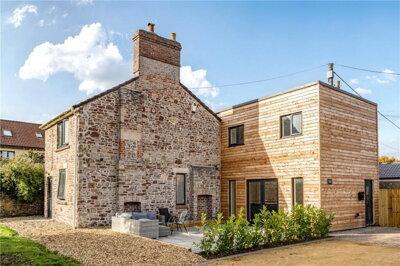
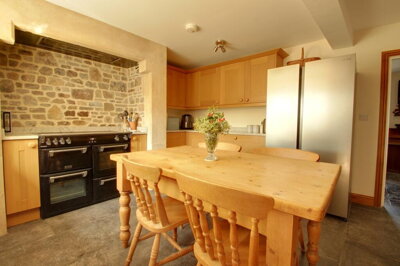
Cranmore’s homes mostly reflect traditional Somerset building methods that have been used here for generations. Semi-detached cottages often come with exposed beams, stone walls, and inglenook fireplaces, all of which show the workmanship of local builders from decades and centuries ago. These methods add a great deal to the appearance and character of village homes, but they also mean owners need to understand the maintenance that comes with period property. Stone walls, in particular, may be built from local Somerset stone that was readily available when the houses went up, giving the village a distinctive look from one street to the next.
Because there is little significant new-build development in Cranmore, many of the homes are established properties that deserve a thorough survey before purchase. Houses built before the mid-twentieth century may have solid walls rather than cavity walls, which affects insulation and changes the approach to renovation work. Electrical systems in older properties may also need updating to meet current standards, so rewiring costs should be part of the budget. The same applies to plumbing, since older materials can be superseded and may eventually need replacing to keep things reliable and avoid leaks.
Surveyors who know traditional Somerset construction should be handling professional inspections in the Cranmore area. Our team is familiar with the typical features and possible issues linked to period homes, from thatched roofs that need specialist repair to timber-framed structures showing movement over time. Traditional construction, combined with the local clay soil conditions, means these properties benefit from a careful eye and a proper understanding of how the warning signs fit together during inspection.
Buying in Cranmore, Somerset means looking well beyond the advertised asking price. Stamp Duty Land Tax is the main extra cost for most buyers, and the standard threshold begins at £250,000 for residential purchases in England. At Cranmore’s average price of £595,714, a standard buyer without first-time buyer status would pay SDLT on the amount above £250,000, which gives a tax liability of approximately £9,786 on the slice between £250,001 and £500,000, then 5% on the part above £500,000. First-time buyers purchasing homes up to £625,000 benefit from relief on the first £425,000, bringing their SDLT down to around £8,536, a meaningful saving for those entering the market.
Beyond stamp duty, buyers also need to allow for solicitor conveyancing fees, which usually sit between £500 to £2,000 depending on the complexity of the transaction and the property value. Local search fees charged by Somerset County Council and Mendip District Council cover planning, highways, and environmental enquiries, and they typically come in at between £200 and £400. Survey costs depend on the level of inspection chosen, with RICS Level 2 Homebuyer Reports starting from approximately £350 for standard homes. A mortgage arrangement fee of around 0.5% to 1.5% of the loan amount should also be factored in.
For buyers drawn to character properties in Cranmore, extra costs can arise from the specific needs of older Somerset buildings. Specialist surveys for listed buildings or homes in conservation areas are often pricier than standard inspections because they call for additional expertise. If a property has a thatched roof, historic stonework, or traditional construction methods, renovation work may need specialist tradespeople, and suitable materials can be harder to source. Land registry fees for registering title are usually modest, but they still belong in the calculations. A proper budget that covers these items helps avoid unwelcome surprises during the purchase and makes completion far less stressful.
Recent sales data puts the average house price in Cranmore, Somerset at approximately £515,000. Detached homes average around £675,000, while semi-detached properties are more accessible at approximately £435,000. The local market has performed strongly too, with prices rising 20% over the past twelve months, which points to healthy demand in this Somerset village. First-time buyers and families looking for character homes may want to note that bungalows and cottages are the more affordable entry points, including a 2-bedroom detached bungalow that sold for £425,000 in recent transactions.
Homes in Cranmore fall under Mendip District Council, which covers the BA4 postcode area and nearby villages including Shepton Mallet and the surrounding rural communities. Council tax bands depend on the property’s valuation, and most homes in rural Somerset sit within bands A through E. Anyone considering a purchase should check the specific band for the property, because that affects ongoing annual costs alongside water rates and any parish council charges that may apply to village residents. In the Mendip area, Band D properties usually pay around £1,800 to £2,000 a year in council tax.
Cranmore is served by several primary schools in the surrounding villages and small towns, and many have received good Ofsted ratings. For older children, the wider area includes well-regarded secondary schools with broad curricula and strong extracurricular provision in sports, music, and drama. Parents should check catchments and admission arrangements carefully, because those rules can determine which schools are actually available. Sixth form colleges in nearby towns then give older students a route into advanced qualifications before university or vocational training.
Public transport from Cranmore includes local bus services that connect the village with Shepton Mallet and the surrounding communities, which helps with day-to-day travel. Rail access comes via stations in Bath and Bristol, reached by car or bus, with direct services to London Paddington in approximately 90 minutes from Bristol Temple Meads. Road links are strong too, thanks to the A37 and A361, which give access to Bristol, Bath, Taunton, and the motorway network via the M5 at Taunton. That said, as with many rural villages, bus frequency is limited compared with urban areas, so private vehicle ownership is practical for most residents.
Cranmore’s property market has stayed solid, with prices up 20% over the past year and a long record of resilience even when the wider national market has wobbled. Historical data places current prices at roughly 12% below the 2010 peak of £587,000, which leaves room for future growth as recovery continues. Somerset remains popular with people relocating, new-build supply is limited, and village life still has strong appeal, all of which supports demand locally. Rural villages that sit within reach of major employment centres tend to hold their value well, and buyers and investors should weigh rental demand, capital growth, and the upkeep costs of period homes when judging the area.
Stamp Duty Land Tax applies to every property purchase in England, with standard rates starting at 0% on the first £250,000 of the purchase price and rising to 5% on the portion between £250,001 and £925,000. Above £925,000, the rate moves to 10% up to £1.5 million and 12% beyond that level. First-time buyers may qualify for relief on the first £425,000 of a purchase, which can reduce the overall cost quite significantly for eligible buyers within those price bands. With Cranmore’s average property price at £515,000, many purchasers would benefit from first-time buyer relief if they qualify, while higher-value purchases would face standard SDLT rates of approximately £12,500 for the portion between £250,001 and £500,000.
From 3.5% APR
Find competitive mortgage deals with rates from 3.5% APR
From £499
Expert solicitors to handle your Cranmore property purchase
From £350
Professional survey to identify any issues with a new Cranmore home.
From £80
Energy performance certificate for your Cranmore property
Properties for Sale In London

Properties for Sale In Plymouth

Properties for Sale In Liverpool

Properties for Sale In Glasgow

Properties for Sale In Sheffield

Properties for Sale In Edinburgh

Properties for Sale In Coventry

Properties for Sale In Bradford

Properties for Sale In Manchester

Properties for Sale In Birmingham

Properties for Sale In Bristol

Properties for Sale In Oxford

Properties for Sale In Leicester

Properties for Sale In Newcastle

Properties for Sale In Leeds

Properties for Sale In Southampton

Properties for Sale In Cardiff

Properties for Sale In Nottingham

Properties for Sale In Norwich

Properties for Sale In Brighton

Properties for Sale In Derby

Properties for Sale In Portsmouth

Properties for Sale In Northampton

Properties for Sale In Milton Keynes

Properties for Sale In Bournemouth

Properties for Sale In Bolton

Properties for Sale In Swansea

Properties for Sale In Swindon

Properties for Sale In Peterborough

Properties for Sale In Wolverhampton

Enter your details to see if this property is within your budget.
Loans, cards, car finance
Estimated property budget
Borrowing + deposit
You could borrow between
Typical borrowing
Monthly repayment
Est. at 4.5%
Loan-to-value
This is an estimate only. Your actual budget may vary depending on interest rates, credit history, and personal circumstances. For an accurate affordability assessment, speak to one of our free mortgage advisors.
This calculator provides estimates for illustrative purposes only and does not constitute financial advice. Your home may be repossessed if you do not keep up repayments on your mortgage. Estimates based on 4.5% interest rate, repayment mortgage. Actual rates depend on your circumstances.
Homemove is a trading name of HM Haus Group Ltd (Company No. 13873779, registered in England & Wales). Homemove Mortgages Ltd (Company No. 15947693) is an Appointed Representative of TMG Direct Limited, trading as TMG Mortgage Network, which is authorised and regulated by the Financial Conduct Authority (FRN 786245). Homemove Mortgages Ltd is entered on the FCA Register as an Appointed Representative (FRN 1022429). You can check registrations at NewRegister or by calling 0800 111 6768.

We use cookies to show you personalised content and improve your experience of our website. Find out more in our Privacy policy and Cookie policy.