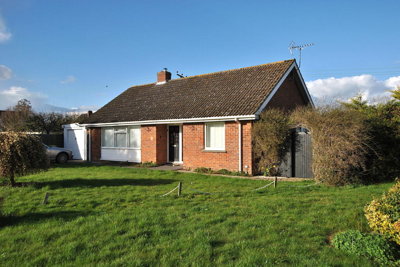
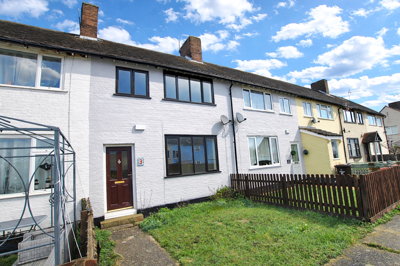
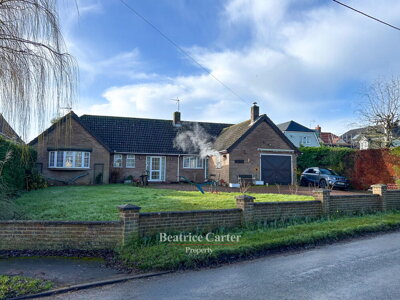
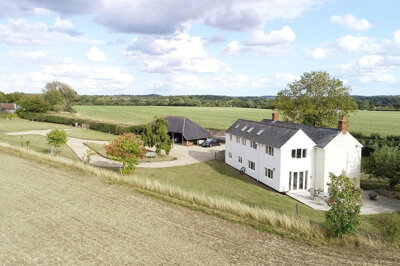
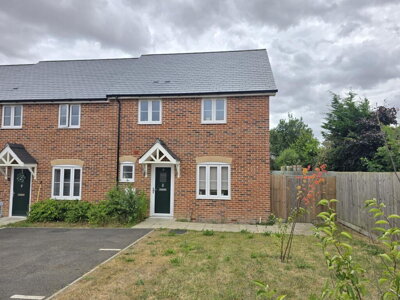
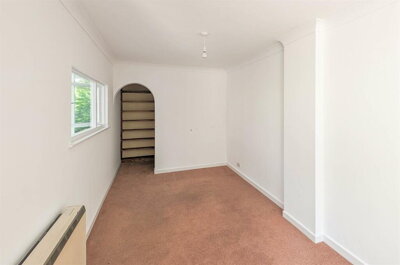
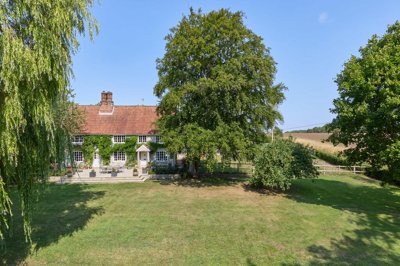
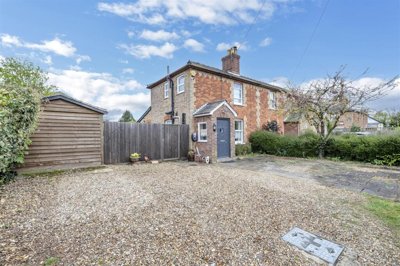
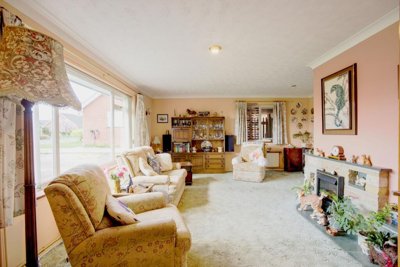
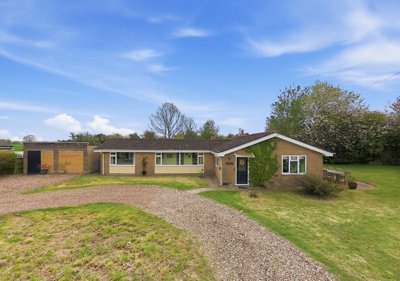
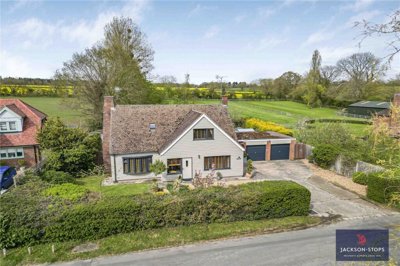
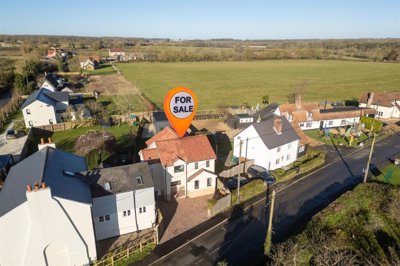
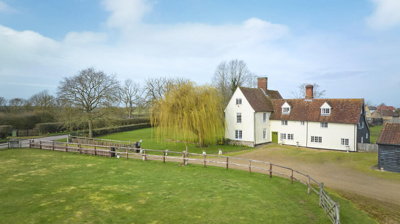
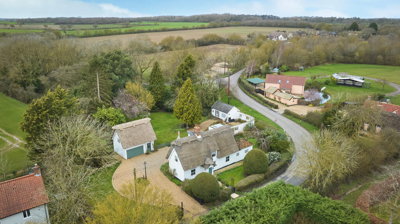
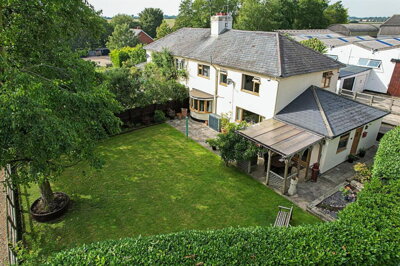
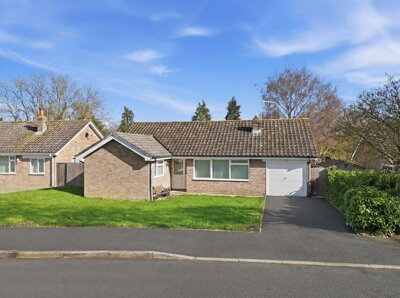
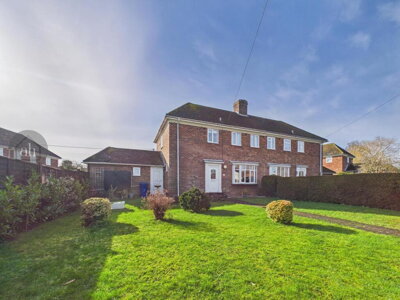
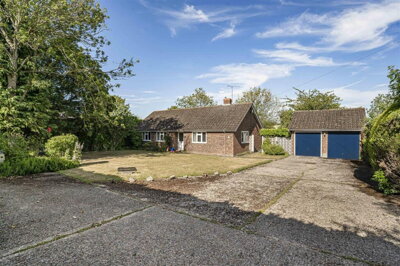
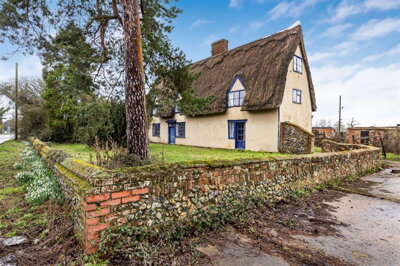
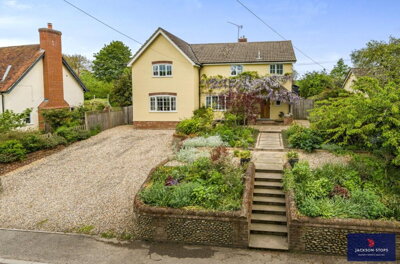
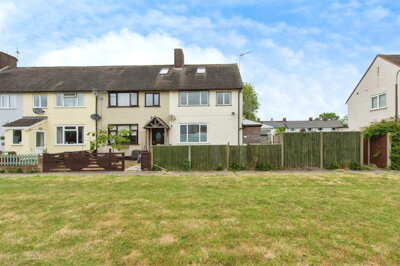
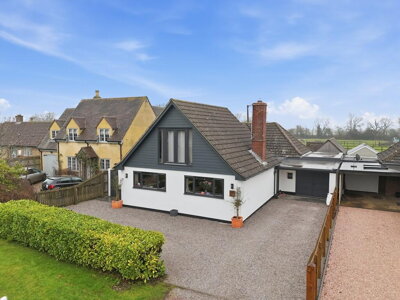
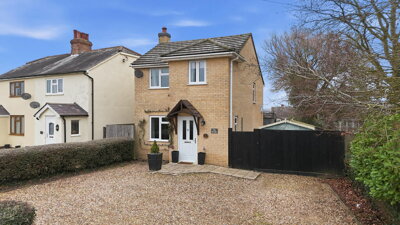
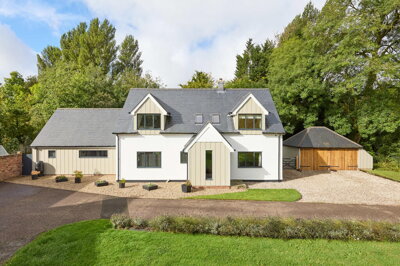
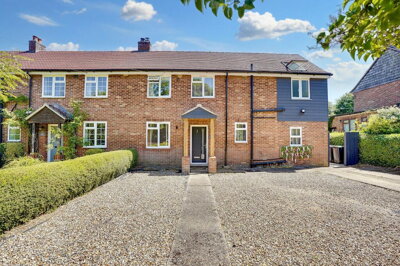
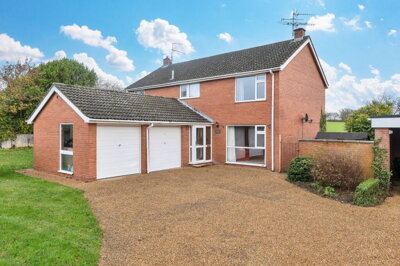
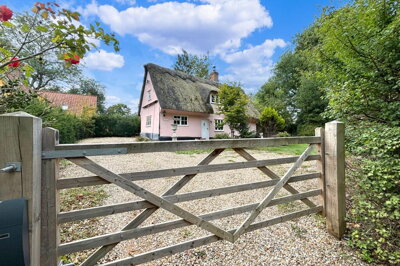
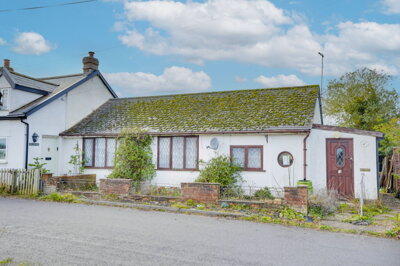
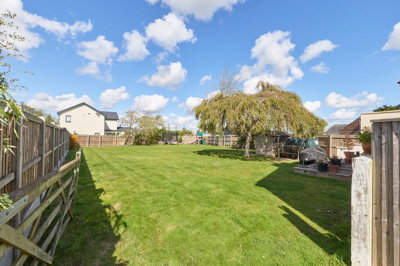
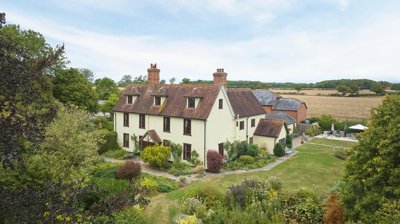
Browse 35 homes for sale in Cowlinge, West Suffolk from local estate agents.
The Cowlinge property market offers detached, semi-detached, and terraced houses spanning various price ranges and neighbourhoods. Each listing includes detailed property information, photographs, and direct contact with the marketing agent.
£1.20M
2
0
157
Source: home.co.uk
Showing 2 results for Houses for sale in Cowlinge, West Suffolk. The median asking price is £1,197,498.
Source: home.co.uk
Detached
2 listings
Avg £1.20M
Source: home.co.uk
Source: home.co.uk
Cowlinge’s housing market is still shaped by detached homes, which make up roughly 55-60% of the stock, and they sit at an average of £960,000. Semi-detached properties average £425,000, terraced homes come in at around £325,000, and flats are scarce at less than 5%, so anyone set on apartment living may need to widen the search to nearby towns. We usually suggest sorting a mortgage agreement in principle before viewing, because it shows agents and sellers that you are ready to move, helps frame a realistic budget in a market where detached homes average £960,000, and can strengthen an offer in a competitive village setting. On older homes, especially those built before 1980, we would book a RICS Level 2 Survey to check for structural defects, damp and roof problems, with typical costs in the CB8 postcode area ranging from £450-800 depending on size. That matters here, because around 60-70% of Cowlinge properties predate 1980. As of February 2026, the average house price stands at £616,250, with detached homes at £960,000, semi-detached at £425,000 and terraced at approximately £325,000, alongside 12-month growth of 3.5%, while homes in the conservation area or with strong period detail can achieve more. Buyers also need to budget beyond the purchase price. SDLT is charged at 0% on the first £250,000, 5% on £250,001 to £925,000, 10% on £925,001 to £1.5 million and 12% above £1.5 million. First-time buyers get 0% on the first £425,000 and 5% on £425,001 to £625,000, with no relief above £625,000. Using the average property price of £475,000 in Cowlinge, a first-time buyer would pay no SDLT, while an additional purchaser would pay about £11,250. We also flag the local chalk bedrock and clay-rich deposits, which create a moderate to high shrink-swell risk for shallow foundations, and that is another reason the £450-800 spent on a survey can be money well spent. For a purchase at the village average of £616,250, an additional-property buyer, or one without first-time buyer status, would pay roughly £11,250 in SDLT, calculated at 0% on £250,000 and 5% on the remaining £225,000, while a first-time buyer at that level would pay zero on the first £425,000 and 5% on the remaining £50,000, giving SDLT of £2,500. Survey costs can rise for homes built before 1919 or those in the conservation area, where a RICS Level 3 Building Survey may be the better fit, and detached houses often cost more to inspect than terraces or flats. Legal fees for a straightforward purchase generally start from around £499, but title complications or leasehold terms can push that higher, so we would also allow for registration fees, mortgage arrangement fees and removals costs when setting a full buying budget.
Cowlinge has a noticeably historic housing mix, with around 30-40% of homes dating from before 1919. That gives the village much of its appeal, from timber framing and period fireplaces to traditional Suffolk brickwork, but it also means buyers need to think carefully about upkeep and possible renovation. Beyond that, the stock is spread across 1919-1945 at 10-15%, post-war homes through 1980 at 20-25%, and more recent development from the last 4 decades at 20-25%. We found no active large-scale new build schemes in the Cowlinge postcode area, so most buyers are choosing from existing homes rather than fresh supply.
With only a small number of sales each year, Cowlinge can feel tight very quickly. Good houses tend to draw attention from buyers across the region, and homes within the conservation area often see especially strong interest because supply is restricted and their historic character is hard to replicate. We would be ready to move promptly here, and to book viewings as soon as new listings appear.

One of the clearest markers of Cowlinge’s character is the Grade I listed Church of St Margaret of Antioch. It dominates the skyline, belongs to the 14th century in origin, and includes later additions that show how tastes shifted over time. Together with the period properties inside the designated Conservation Area, it forms the historic centre that draws buyers looking for proper Suffolk character rather than a generic village setting.
Traditional rural Suffolk building methods are easy to spot in Cowlinge. Many older homes use Suffolk brick in warm reds and gault tones, while timber-framed construction with rendered or weatherboarded infill reflects the materials and skills local builders relied on for generations. Flint turns up regularly too, especially in boundary walls and outbuildings, and roofs finished in clay tiles, concrete tiles or slate complete the look that gives this part of East Anglia its distinct architectural reputation.
Buying within the Conservation Area means accepting a different planning framework. External alterations, extensions and some forms of development need approval from West Suffolk Council, and those controls are there to protect the historic appearance that sets Cowlinge apart. We always advise buyers to be clear on those limits before offering, because they can shape what is, and is not, possible with the property.

Cowlinge still feels rooted in rural Suffolk. Its agricultural background is visible in the landscape, and the village sits over gently undulating chalk bedrock that has helped shape both the terrain and the building conditions. As we walk the village with clients, what stands out is how the traditional materials sit naturally against the surrounding countryside. Agriculture remains part of the local economy, even though many residents now commute to larger employment centres and keep their working lives tied to places beyond the village.
Newmarket is close enough to matter, especially with its horse racing industry and training yards, and jobs are also drawn from Bury St Edmunds and Cambridge. That commuting pattern affects who moves here, with many professionals choosing Cowlinge for the quiet village setting while continuing careers in larger centres. By car, Cambridge is about 30-40 minutes away, which keeps daily travel workable for people based in the city or on its research and technology campuses.
Day-to-day community life tends to revolve around the village hall, where residents gather for parish meetings, seasonal events and other social occasions through the year. Church activities add another layer of involvement, and the village pub, where available, often acts as the more informal meeting place. The result is a stronger local identity than many buyers are used to finding in larger, more anonymous towns.

Families looking at Cowlinge should know there is no primary school in the village itself. The nearest options are in places such as Hartest and other surrounding villages, and parents often speak well of the local village primaries, with several holding good or outstanding ratings. Smaller rural schools can suit many families, not least because the community feel is often harder to find in larger urban settings.
For secondary education, families usually look towards the nearby market towns. There are comprehensive schools in the area, and some households also consider grammar school places where selective education is available. Bury St Edmunds has several secondaries serving the wider area, Newmarket adds further options in that direction, and Cambridge broadens the picture again for families considering independent schooling at different stages.
Post-16 study usually means travelling out of the village, most often to Bury St Edmunds, Newmarket or Cambridge. Between sixth form colleges and school sixth forms, students can access a broad mix of academic and vocational courses, plus extracurricular options to match different interests and career plans. Before buying, we would check current admissions and travel arrangements carefully, because catchment patterns and capacity can still affect places at popular rural schools.

Road travel does most of the work in Cowlinge. The village sits within practical reach of major A-roads linking Cambridge, Bury St Edmunds and Newmarket, while the A14 provides the main east-west route towards Felixstowe and across to the midlands. The A11 gives access towards Norwich via the Norfolk border. For Cambridge commuters, the drive is usually around 30-40 minutes, although traffic and the exact destination in Cambridge make a difference.
Rail users generally head for Newmarket or Cambridge. From there, there are services towards London Liverpool Street, and Cambridge North adds another useful connection. Cambridge station also links into Stansted Airport travel via the Stansted Express, while Bury St Edmunds, though a little farther away, provides cross-country services that complement the London routes available from Cambridge.
Public transport is available, but it is village public transport. Local bus routes link Cowlinge with nearby market towns, though frequencies are naturally more limited than in urban areas, so anyone without a car should think through the practicalities. Cycling is mixed. Some minor lanes work well for confident riders, while the busier roads need more caution. The quieter country lanes between Cowlinge and neighbouring villages are the better option for short local trips and leisure rides.

We always suggest spending proper time in Cowlinge before committing. Visit at different times of day, walk the centre, look at the nearby amenities and, if possible, chat to residents about what living here is really like. That helps far more than a single viewing when you are weighing up commute patterns and the general feel of the village. With only around 12 sales a year, it can also take several viewings before the right place appears.
Get a mortgage agreement in principle lined up before you start viewing. In Cowlinge, where detached homes average £535,000, that early step helps us judge what is realistic, shows sellers and agents that you are a serious buyer, and gives any offer more weight. In a market this small, being financially ready can make a real difference.
It helps to speak with several local estate agents rather than relying on one. Cowlinge only sees around 12 sales per year, so new instructions can attract attention quickly, and buyers who can view at short notice often put themselves in a stronger position. We would register interest widely and keep timing flexible so fresh listings are not missed.
On any older Cowlinge property, especially one built before 1980, we would usually arrange a RICS Level 2 Survey before going too far. It can pick up structural concerns, damp and roof issues that are common in older homes, and in the CB8 postcode area costs typically fall between £450-800 depending on size. With around 60-70% of the village’s homes dating from before 1980, that kind of survey is often well worth having.
Once an offer is accepted, we would appoint a solicitor to deal with the legal side of the purchase. Searches should cover flood risk, local planning history and any conservation area restrictions affecting the property, and that matters in Cowlinge because the village’s conservation area designation can influence how a home may be used or altered. We would want those planning conditions checked carefully before exchange.
After the survey work and legal checks are in order, contracts are exchanged and the deposit is paid, with completion often following 2-4 weeks later. The solicitor then handles the transfer of funds and the formal registration of ownership. In a village market as close-knit as Cowlinge’s, keeping a good relationship with local agents can still be useful long after the purchase is finished.
As of February 2026, the average house price in Cowlinge is £475,000. Detached homes average £535,000, semi-detached properties around £380,000, and terraced houses approximately £310,000. Over the last 12 months, prices have risen by 3.5%, which points to steady demand for rural Suffolk homes. Properties inside the conservation area, or those with especially strong period features, can still sit above those averages.
Cowlinge comes under West Suffolk Council for local authority purposes, and council tax depends on the valuation band attached to each home. In practice, rural Suffolk properties span a range of bands, with larger or newer detached houses often ending up higher. We always advise checking the exact band on any property being considered, because it forms part of the ongoing cost of ownership alongside the mortgage and maintenance. Heritage homes in the village can sometimes raise their own banding questions because of their historical character.
Schooling is one of the practical points families need to map out early. Primary provision is in nearby villages including Hartest, with several schools in the area holding good or outstanding ratings, while secondary options in nearby towns include comprehensive schools and grammar schools where available. Bury St Edmunds has several secondaries serving the wider West Suffolk area. Catchments in rural Suffolk can be competitive, so we would check both admissions and travel arrangements before settling on a property.
Cowlinge’s transport picture is typical of a rural village. Bus services to nearby towns are limited, the nearest railway stations are at Newmarket and Cambridge, and those provide routes including London Liverpool Street and cross-country services. By car, Cambridge is around 30-40 minutes away for many commuters, while Bury St Edmunds offers further work and shopping within reasonable driving distance. The A14 and A11 are the key road links towards Felixstowe, Norwich and the wider motorway network.
From an investment angle, Cowlinge has a few clear strengths and a few limits. Its position relative to Cambridge, Newmarket and Bury St Edmunds supports demand from commuters who want village living, and values have been rising at 3.5% annually. Supply is also naturally constrained by the mainly detached housing stock and the conservation setting. The trade-off is liquidity. With only 12 sales annually, the market is smaller and can move less freely than an urban one, so we would weigh that against long-term plans and lifestyle fit.
For standard purchases, SDLT is charged at 0% on the first £250,000, 5% on £250,001 to £925,000, 10% on £925,001 to £1.5 million and 12% above £1.5 million. First-time buyers get relief at 0% on the first £425,000 and 5% on the slice from £425,001 to £625,000, although no relief applies above £625,000. Using Cowlinge’s average price of £475,000, a first-time buyer would pay no SDLT, while an additional purchaser would pay about £11,250 in stamp duty.
Because around 60-70% of Cowlinge homes predate 1980, surveys carry more weight here than they might in a newer market. The older stock often shows familiar issues, damp linked to solid wall construction, deterioration to tiles and felt, and timber defects such as rot or woodworm. Local ground conditions matter too, as chalk bedrock with overlying clay-rich deposits creates a moderate to high shrink-swell risk that can affect shallower foundations. In the CB8 postcode area, a RICS Level 2 Survey usually costs £450-800 and can give us leverage for renegotiation or highlight problems that may be expensive to remedy.
The Conservation Area around Cowlinge’s historic centre affects what owners can change. Window replacements, door alterations, extensions and even boundary changes will often need consent from West Suffolk Council, and listed buildings come with tighter restrictions again where original fabric is concerned. Those controls help preserve the village’s character, but they do narrow a buyer’s options. If major works are part of the plan, we would speak to the local planning authority before committing to the purchase.
Cowlinge’s geology and the age of its housing stock create some very specific checks for buyers. The chalk bedrock below, together with clay-rich glacial deposits above it, brings a moderate to high shrink-swell risk, especially for older homes built on shallow foundations. When we inspect historic houses, we look closely for diagonal cracking, sticking doors or windows, and uneven floors, all of which can point to past movement and the need for specialist advice. Homes built before 1919 also tend to have solid walls rather than cavity walls, which affects both insulation and moisture behaviour.
Anyone buying in the historic centre needs to understand the planning position from the outset. The designated Conservation Area can restrict external alterations, extensions and some types of development, and listed status brings further responsibilities around original features and permitted changes. On listed buildings in particular, we would often favour a RICS Level 3 Building Survey over a standard Level 2, because the construction methods and heritage significance call for a more detailed look.
Flooding in Cowlinge is more likely to be a surface water issue than a river or coastal one, since the village is not close to major rivers or the coast. In periods of heavy rainfall, lower spots and plots with poor drainage can see water collect, so we would check the relevant flood mapping for the exact address and ask about the drainage history of the site. Pre-1919 homes also bring their own practical points, with solid walls, timber floors and older electrical systems all commonly found and sometimes needing upgrading to meet current expectations for safe occupation.
Traditional materials give Cowlinge homes much of their appeal, but they also shape maintenance costs. Suffolk brickwork is usually hard-wearing, though repointing may be needed over time, and timber-framed buildings need regular attention to keep moisture out of the structural frame. Clay tile and slate roofs can last well, but we would still inspect for slipped or damaged coverings that might let water through.

The purchase price is only one part of the budget. In Cowlinge, buyers also need to allow for SDLT, surveys, legal fees and removals. On a home at the village average of £475,000, someone buying an additional property, or purchasing without first-time buyer status, would pay about £11,250 in SDLT, using 0% on the first £250,000 and 5% on the remaining £225,000. A first-time buyer at the same £475,000 level would pay zero on the first £425,000 and 5% on the remaining £50,000, which gives SDLT of £2,500.
Survey fees deserve a close look in Cowlinge because of the age and type of stock on offer. In the CB8 postcode area, a RICS Level 2 Survey is usually £450-800, depending on size and complexity. For houses from before 1919, or for homes inside the conservation area, a RICS Level 3 Building Survey can be the wiser choice, although it comes at additional cost in return for more detail on construction, condition and specialist repairs. Detached houses often cost more to survey than terraced homes or flats simply because they are larger and more complex.
For a straightforward purchase, conveyancing fees often begin at around £499, although leasehold homes and titles with complications can increase that figure. In Cowlinge, we would want the solicitor to look carefully at planning conditions linked to the conservation area and to review any historic permissions or compliance issues affecting the property. It is also sensible to budget for ownership registration fees, mortgage arrangement fees where relevant and removals costs. A professional survey can then add real value by uncovering defects that support a price reduction, or by warning us about remedial work before completion.
Properties for Sale In London

Properties for Sale In Plymouth

Properties for Sale In Liverpool

Properties for Sale In Glasgow

Properties for Sale In Sheffield

Properties for Sale In Edinburgh

Properties for Sale In Coventry

Properties for Sale In Bradford

Properties for Sale In Manchester

Properties for Sale In Birmingham

Properties for Sale In Bristol

Properties for Sale In Oxford

Properties for Sale In Leicester

Properties for Sale In Newcastle

Properties for Sale In Leeds

Properties for Sale In Southampton

Properties for Sale In Cardiff

Properties for Sale In Nottingham

Properties for Sale In Norwich

Properties for Sale In Brighton

Properties for Sale In Derby

Properties for Sale In Portsmouth

Properties for Sale In Northampton

Properties for Sale In Milton Keynes

Properties for Sale In Bournemouth

Properties for Sale In Bolton

Properties for Sale In Swansea

Properties for Sale In Swindon

Properties for Sale In Peterborough

Properties for Sale In Wolverhampton

Enter your details to see if this property is within your budget.
Loans, cards, car finance
Estimated property budget
Borrowing + deposit
You could borrow between
Typical borrowing
Monthly repayment
Est. at 4.5%
Loan-to-value
This is an estimate only. Your actual budget may vary depending on interest rates, credit history, and personal circumstances. For an accurate affordability assessment, speak to one of our free mortgage advisors.
This calculator provides estimates for illustrative purposes only and does not constitute financial advice. Your home may be repossessed if you do not keep up repayments on your mortgage. Estimates based on 4.5% interest rate, repayment mortgage. Actual rates depend on your circumstances.
Homemove is a trading name of HM Haus Group Ltd (Company No. 13873779, registered in England & Wales). Homemove Mortgages Ltd (Company No. 15947693) is an Appointed Representative of TMG Direct Limited, trading as TMG Mortgage Network, which is authorised and regulated by the Financial Conduct Authority (FRN 786245). Homemove Mortgages Ltd is entered on the FCA Register as an Appointed Representative (FRN 1022429). You can check registrations at NewRegister or by calling 0800 111 6768.

We use cookies to show you personalised content and improve your experience of our website. Find out more in our Privacy policy and Cookie policy.