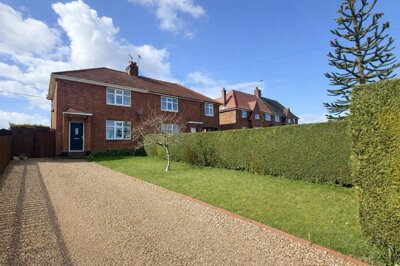
Browse 1 home for sale in Counthorpe and Creeton from local estate agents.
The 2 bed house market features detached, semi-detached, and terraced properties with two separate bedrooms plus living spaces. Properties in Counthorpe And Creeton range from Victorian and Edwardian period homes to modern new builds, with pricing varying across different neighbourhoods.
In Counthorpe and Creeton, the housing market tends to mirror the parish’s rural setting, with homes around Creeton Road changing hands at roughly £285,000 on recent sales evidence. That leaves the parish competitively placed within South Kesteven, and often better value than larger towns nearby. Turnover is usually modest, which is typical in smaller countryside communities where homes do not come up as often as they do in urban areas. A sensible first step is to browse our platform for homes for sale in Counthorpe and Creeton and across the wider NG33 postcode area. Keep the average price level of about £285,000 in mind, then narrow things down by the sort of property you want. Because stock is limited, the right place may take time to appear. We alert registered users as soon as new listings match their criteria. For anyone looking to buy in Counthorpe and Creeton, stamp duty land tax, SDLT, is not usually the main cost issue at current thresholds and local price levels. At around £285,000, first-time buyers and home movers buying without first-time buyer relief would pay zero SDLT, because the first £250,000 of a residential purchase attracts no duty. That keeps upfront costs lower than in pricier parts of the country, where SDLT can add thousands. Additional buying costs include
There are no active new-build schemes within the parish itself, so anyone buying here is generally looking at established homes rather than recently built stock. Many of them go back generations and were built with local Creeton limestone, quarried here since at least Roman times. You can see the durability of that material in the Church of St Peter in Creeton, a Grade I listed building from the late 12th century. It is a good sign for longevity, although older houses do usually bring a bit more maintenance as the years pass.
Housing in the parish is mainly detached and semi-detached, which fits the rural setting. Terraced homes and flats are still unusual here. The 2021 Census recorded 439 usual residents, so this is the sort of place where people tend to know their neighbours. Very little comes onto the market, and that makes any new listing worth a close look straight away. We keep our listings updated as properties appear, so you can move quickly when the right rural home turns up.

Life here moves to a quieter rural rhythm, and the parish is still small enough for most people to recognise one another. Counthorpe and Creeton sits in the NG33 postcode area, with the West Glen river tracing through a distinctive U-shaped valley with an alluvial floor. That setting gives you rolling farmland, limestone outcrops and pockets of woodland, much as it has for centuries. Even with the population rising from 97 in 2001 to 439 in 2021, the hamlet has kept its close, compact feel.
Farming remains central to the local economy, alongside limestone quarrying, which has left a long mark on the area. Creeton Quarry is known for Jurassic limestone, including Creeton silverbed, Creeton banded and Creeton hard white, all used in traditional buildings across Britain. It is part of the parish’s identity, but it does not overwhelm the calm character of the place. For everyday needs, residents usually look to nearby villages, while Grantham covers broader shopping, healthcare and leisure within straightforward reach.
The parish has seven listed buildings, which tells you a lot about the age and significance of the place. Its history reaches back to the Domesday Book of 1086. The Church of St Peter in Creeton, showing late Decorated work with traces of Norman fabric, is both a landmark and a community focus. The Old Rectory and other period houses add to that sense of continuity. For buyers who want somewhere that still feels genuinely rooted, Counthorpe and Creeton offers a notably unspoilt setting.

Families moving into Counthorpe and Creeton have primary schooling options in nearby villages across the South Kesteven area. Children here commonly attend schools in places such as Lound and Toft, while secondary pupils usually travel further to larger settlements. Grantham and the surrounding villages offer a wider mix of primary and secondary schools, including state and independent choices. Before committing to a purchase, we always suggest visiting likely schools and testing the journey from your preferred location to see how practical the daily run will be.
Secondary education is mostly centred on Grantham, and for many buyers the details matter as much as the house itself. Catchment areas can shape a decision, especially with grammar schools in the town selecting by academic ability. Parents should check the current position directly with Lincolnshire County Council because boundaries and admissions arrangements do change. The usual application window for school places opens in the autumn before the intended start date.
Some families are drawn to the area precisely because rural schools can feel more personal. Smaller classes often mean closer contact between teachers and pupils, and the landscape around Counthorpe and Creeton opens up useful outdoor learning. The limestone geology and the river valley are particularly relevant for geography and science. For older students, there are colleges in Grantham and further afield, as well as sixth form places attached to secondary schools locally. Lincolnshire’s education system is still putting money into school infrastructure, so facilities continue to be brought up to modern standards.

Getting around from Counthorpe and Creeton is mostly a matter of road travel. The A1 trunk road gives north-south access within reasonable driving distance, and the parish sits between Grantham to the north and Stamford to the south, both of which have rail links for longer trips. Bus services do link the village with neighbouring places, though they are not as frequent as urban routes. In practice, most residents treat car ownership as essential. The A607 through Corby Glen is also useful if you want an alternative way to reach the A1 and sidestep trunk road congestion.
For rail travel, Grantham station is the main draw. It sits on the East Coast Main Line, with regular trains to London Kings Cross taking about 75-90 minutes, which keeps commuting to the capital realistic for some buyers who would rather live rurally. Peterborough is another useful station by road, with onward services to Cambridge, Birmingham and the north. If you are flying, East Midlands Airport and Robin Hood Doncaster Sheffield Airport are both within workable driving distance. Booking rail journeys ahead of time often helps keep regular commuting costs down.
Quiet country lanes make cycling a popular choice for shorter local trips, and the area’s cycling provision is gradually improving. There are some gentle hills, thanks to the limestone landscape, so route planning matters a bit more than it would on flatter ground. Walking is one of the clear attractions here. Public footpaths run across farmland and beside watercourses, and the West Glen river valley is especially pleasant for longer outings. After heavy rain, though, lower ground near the river can flood. The local network also links into longer routes such as the Macmillan Way, opening up more of the Lincolnshire countryside.

Start with our platform if you want to see what is currently available in Counthorpe and Creeton and across the NG33 postcode area. The average price point to bear in mind here is around £190,000, and it helps to decide early which type of home suits you best. Market activity is limited, so the right property may not appear straight away. We send registered users an alert as soon as new listings fit their criteria.
Before you book viewings, it is worth securing a mortgage agreement in principle from your lender. Sellers and estate agents usually take that as proof that your finances are in order, which can strengthen your hand when bidding on rural homes. We can put you in touch with mortgage partners offering rates suited to different circumstances, and most agreements stay valid for 60-90 days.
Always see properties in person. It is the best way to judge condition, character and the wider setting for yourself. While viewing, look closely at any limestone construction, check whether the home is listed, and note how close it sits to the West Glen river. We can provide estate agent details for local properties and arrange viewings for you. With older stone houses in particular, the standard of upkeep tells you a great deal about likely future spending.
Because so many homes in Counthorpe and Creeton are older, we usually advise a Level 2 survey. It gives a solid overview of condition and often picks up the defects most commonly found in traditional stone buildings, including damp, roof problems and signs of structural movement. Our RICS-certified surveyors know the local building methods and are used to spotting issues linked to limestone construction.
Legal work is best handled by a solicitor who knows rural transactions well. They will deal with local authority searches, title checks and liaison with your mortgage lender, and they should also look into the area’s limestone quarrying history along with any planning restrictions that affect the property. Our conveyancing partners are familiar with South Kesteven homes and can advise on listed building responsibilities where relevant.
After the surveys, searches and legal checks are all in order, the next stage is exchange of contracts and payment of the deposit. Completion then usually follows within days or weeks, and that is when you get the keys to your new Counthorpe and Creeton home. We stay involved throughout, ready to answer questions and help keep the transaction on track.
Homes in Counthorpe and Creeton need to be judged with care, largely because of their age and the way they were built. Local Jurassic limestone, together with brick, gives the area much of its character, but traditional materials do not behave quite like modern construction over time. Stone walls expand and contract with changes in temperature, and they generally need breathable materials if they are to perform properly. A survey from someone who understands older buildings can reveal defects that a less experienced eye might miss.
Flood risk deserves proper attention here because the West Glen river runs through the parish and a number of smaller streams feed into it. Homes in lower spots near those watercourses may be vulnerable during heavy rainfall or snowmelt. Because the valley floor is alluvial, water can drain away slowly, which may extend the impact of any flooding. A RICS Level 2 survey should record signs of past water ingress or damp, and buyers can look into local flood history through the Environment Agency. It is also sensible to check insurance terms early if a property has a known flood record.
Listed status is an important point in this parish, as some homes will be listed in their own right. Ownership can bring real responsibilities over alterations and repairs. Grade I and Grade II listed buildings usually need consent for most changes, and conservation officer input may be needed before work starts. Even houses that are not listed themselves can face planning limits if they sit close to listed buildings and the setting needs to be protected. Your solicitor should confirm the position, and we would always suggest understanding the implications before you commit.
Creeton Quarry has been worked for centuries. Active quarrying is not the same as underground mining, but historic industrial use can still raise localised questions about ground stability. For that reason, a good survey should look carefully at foundations and any evidence of movement, especially if a house stands on or near a former industrial site. Standard conveyancing searches will usually pick up mining records. In general, the limestone geology here tends to provide firm support, and homes built on the local limestone outcrops often benefit from strong bedrock beneath them.
Traditional housing stock in Counthorpe and Creeton is largely defined by stone and brick walls beneath pantile and blue slate roofs. They are long-lasting materials, but they need different upkeep from newer build systems. Pantiles can let water in if individual tiles crack or slip, which is more likely after severe weather. On some houses, the so-called blue slate is actually local limestone rather than true slate, so it can be heavier and may weather more quickly than imported alternatives.
Damp is one of the recurring issues in older stone houses, especially near the base of the walls where splashback from paths or garden surfaces keeps the lower courses wet. These buildings were usually constructed with lime-based mortars, and that matters because lime lets moisture vapour move through the wall. If someone has repointed with hard cement-based mortar instead, moisture can become trapped and start damaging the stone itself. Our surveyors look at both the masonry and the mortar to judge whether repairs are likely to be needed.
Across the parish, Jurassic limestone is generally a durable building material, but age and exposure still take their toll. In more weather-beaten positions, you may see erosion where mortar joints have broken down. Homes closer to the bottom of the West Glen river valley can also face higher background moisture levels, so ventilation and damp proof courses deserve extra scrutiny. Soil conditions vary as well, with the organic alluvial soils on the valley floor behaving differently under load from the limestone ground found elsewhere in the parish.
Given the age of much of the local housing, services are sometimes behind current expectations. Electrical installations and plumbing may need updating, and work of that sort in stone houses has to be planned carefully to avoid harming historic fabric. Using contractors who understand traditional buildings is usually the safest route. A RICS Level 2 survey covers electrical safety, plumbing and other building services, and it should flag work that may be needed for insurance or basic compliance.
Stamp duty land tax, SDLT, is not usually the biggest issue for buyers in Counthorpe and Creeton because local values tend to sit comfortably within current thresholds. At an average price of about £190,000, both first-time buyers and home movers purchasing without first-time buyer relief would pay zero SDLT, since the first £250,000 of a residential purchase carries no duty. That helps keep entry costs down compared with more expensive markets, where SDLT can add thousands to the total.
There are still several other costs to budget for. Conveyancing fees with a solicitor usually fall between £500 and £1,500, depending on complexity and on whether the home is freehold or leasehold. For the survey, we recommend a RICS Level 2 inspection because of the age of many local properties, and the national average is around £455, with typical prices ranging from £380 to £629 depending on value and size. An Energy Performance Certificate usually costs about £60 to £120, and it is a legal requirement before a property can be marketed for sale.
Mortgage arrangement fees can add another £500 to £2,000, although some lenders do offer fee-free products instead. Valuation fees are often wrapped into the mortgage offer and are used to confirm the property’s value for the lender. Buildings insurance needs to be in place from completion, with annual premiums varying according to value and risk. Near the West Glen river, flood exposure may push that figure up, so we suggest getting quotes before you complete. As a broad guide, buyers should allow roughly 3-5% of the purchase price for all additional costs on top of the agreed price.

Recent sales evidence from the Creeton Road part of Counthorpe and Creeton points to an average price of around £190,000. That sits comfortably with the parish’s rural nature and the traditional stone-built homes that make up much of its housing stock. Prices do vary, sometimes quite sharply, depending on condition, size and where exactly a property sits within the parish. Larger farmhouses and homes with substantial land will usually command more.
Counthorpe and Creeton falls within South Kesteven District Council for council tax purposes. Bands run from A to H, depending on the property’s value and characteristics, and they are set by the Valuation Office Agency using values from April 1991. In this parish, many homes tend to sit in bands A to D because values are relatively modest by wider standards, which helps keep annual council tax bills competitive against urban areas. Before buying, it is easy to check the band of any individual property through the Valuation Office Agency website.
For primary education, families in Counthorpe and Creeton generally look to nearby villages rather than the parish itself. Lound and Toft serve much of the immediate area, and some younger children attend provision in Corby Glen. Secondary choices are broader in Grantham, where both grammar schools and comprehensive schools serve wider catchments. There is no single best option for every household, as admission rules, family circumstances and each child’s needs all come into play. We usually advise speaking directly with Lincolnshire County Council education services before you finalise a purchase.
Public transport is limited here, which is what you would expect from a small village. Local buses do connect Counthorpe and Creeton with nearby communities, but frequencies are lower than in town and some routes only run on certain days. Grantham station is the main rail hub and is about 20 minutes away by car, with East Coast Main Line trains to London and northbound destinations. Day-to-day, though, most households find a car the practical option for shopping, healthcare and work.
Buyers are usually drawn to Counthorpe and Creeton for the lifestyle rather than for high rental returns. The village’s rural setting, historic feel and strong sense of community all add to its appeal. With so few homes available and no new-build developments coming through, existing character properties tend to attract steady interest when they do reach the market. Long-term values therefore look reasonably stable, even if capital growth is often slower than in urban locations. For anyone considering it as an investment, the balance between financial return and personal priorities is central.
From April 2025, stamp duty starts at zero on properties up to £250,000, then rises to 5% on the portion from £250,001 to £925,000. Above £925,000, the next slice is charged at 10%, and anything over £1.5 million is charged at 12%. First-time buyers get relief on purchases up to £625,000, paying zero on the first £425,000 and 5% on the remaining amount up to that threshold. At the local average of roughly £190,000, most buyers in Counthorpe and Creeton would pay no stamp duty, although higher-value homes would fall into the relevant bands.
The West Glen river passes through the parish, with several streams feeding into it, so flood risk is not something to brush aside. Low-lying sites near the water are the main concern, particularly those on the valley floor. Because that ground is alluvial, drainage can be slow and floodwater may linger longer than it would on freer-draining land. A RICS Level 2 survey should pick up signs of damp or earlier water damage, and Environment Agency flood maps show zones affecting parts of the parish. That can feed through into insurance pricing and even mortgage conditions, which is why we treat it as a key part of due diligence.
Anyone planning a renovation project in Counthorpe and Creeton needs to factor in the area’s historic controls. The parish has seven listed buildings, and listed homes usually need consent for most alterations. Unlisted properties near those buildings can also come under closer design scrutiny. On top of that, conservation area status brings extra restrictions on external changes so that village character is preserved. Before buying, we would suggest speaking with South Kesteven District Council’s planning department to understand the position on any particular property, and conservation officers can often clarify what may be acceptable under the current designations.
Our mortgage partners offer competitive rates for rural property purchases
From 3.84%
Specialist solicitors experienced in South Kesteven property transactions
From £499
Essential survey for traditional stone-built properties in the parish
From £380
Required energy performance certificate for property sales
From £60
Properties for Sale In London

Properties for Sale In Plymouth

Properties for Sale In Liverpool

Properties for Sale In Glasgow

Properties for Sale In Sheffield

Properties for Sale In Edinburgh

Properties for Sale In Coventry

Properties for Sale In Bradford

Properties for Sale In Manchester

Properties for Sale In Birmingham

Properties for Sale In Bristol

Properties for Sale In Oxford

Properties for Sale In Leicester

Properties for Sale In Newcastle

Properties for Sale In Leeds

Properties for Sale In Southampton

Properties for Sale In Cardiff

Properties for Sale In Nottingham

Properties for Sale In Norwich

Properties for Sale In Brighton

Properties for Sale In Derby

Properties for Sale In Portsmouth

Properties for Sale In Northampton

Properties for Sale In Milton Keynes

Properties for Sale In Bournemouth

Properties for Sale In Bolton

Properties for Sale In Swansea

Properties for Sale In Swindon

Properties for Sale In Peterborough

Properties for Sale In Wolverhampton

Enter your details to see if this property is within your budget.
Loans, cards, car finance
Estimated property budget
Borrowing + deposit
You could borrow between
Typical borrowing
Monthly repayment
Est. at 4.5%
Loan-to-value
This is an estimate only. Your actual budget may vary depending on interest rates, credit history, and personal circumstances. For an accurate affordability assessment, speak to one of our free mortgage advisors.
This calculator provides estimates for illustrative purposes only and does not constitute financial advice. Your home may be repossessed if you do not keep up repayments on your mortgage. Estimates based on 4.5% interest rate, repayment mortgage. Actual rates depend on your circumstances.
Homemove is a trading name of HM Haus Group Ltd (Company No. 13873779, registered in England & Wales). Homemove Mortgages Ltd (Company No. 15947693) is an Appointed Representative of TMG Direct Limited, trading as TMG Mortgage Network, which is authorised and regulated by the Financial Conduct Authority (FRN 786245). Homemove Mortgages Ltd is entered on the FCA Register as an Appointed Representative (FRN 1022429). You can check registrations at NewRegister or by calling 0800 111 6768.

We use cookies to show you personalised content and improve your experience of our website. Find out more in our Privacy policy and Cookie policy.