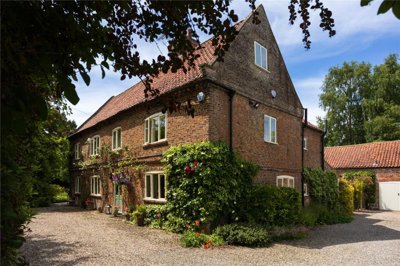
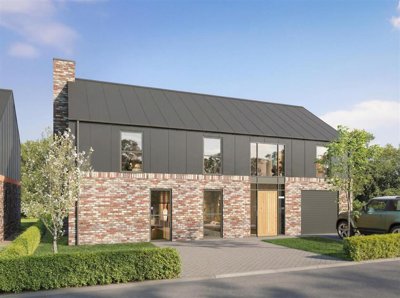
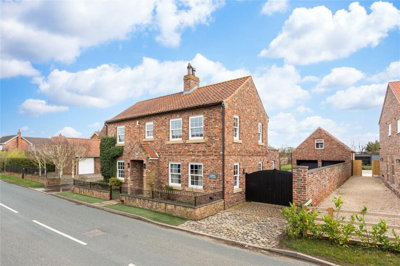
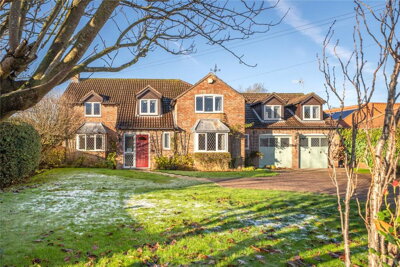
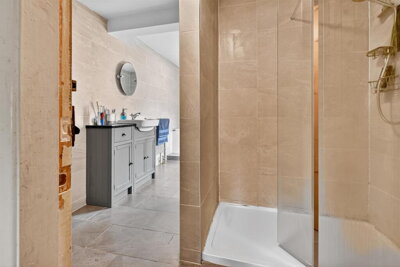
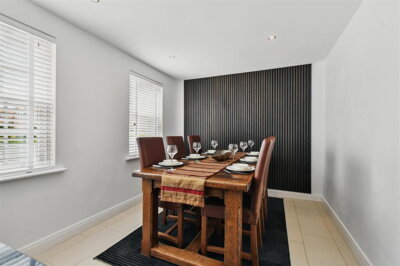
Browse 6 homes for sale in Cottingwith, East Riding of Yorkshire from local estate agents.
The larger property sector typically features multiple bathrooms, substantial reception space, and private gardens or off-street parking. Four bedroom houses in Cottingwith span detached, semi-detached, and occasionally terraced configurations, with styles ranging from period properties to modern executive homes.
£0k
0
0
0
Source: home.co.uk
Showing 0 results for 4 Bedroom Houses for sale in Cottingwith, East Riding of Yorkshire.
Cottingwith's market mirrors the wider East Riding of Yorkshire picture, where demand for rural homes with character has stayed firm despite national swings. Recent data puts average sold prices in the East Cottingwith area at £99,995, and home.co.uk reports an overall average of £99,995 over the past year. That difference between data sets is a reminder to look at each home on its own terms, because condition, garden size and its exact spot in the village all affect the price.
Detached houses make up most of the stock in Cottingwith, with semi-detached homes also part of the local mix. Detached properties average around £99,995, while semi-detached homes tend to sit near £99,995. Over the past year the market has adjusted by 15%, which has opened the door for buyers who are ready to move and want to take advantage of lower asking prices than those seen at the market peak in previous years.
Families wanting more room than city life usually offers, retirees looking to scale down, and professionals working remotely but wanting easy access to York or Hull all look at Cottingwith. Village charm helps, as do the road links via the A1079 and prices that are still more approachable than in some nearby places. Many homes here come with generous gardens and period features that speak to the village's heritage, giving them a level of character newer developments often miss.
Across the East Riding, Cottingwith is strong value compared with some of the more expensive villages nearer York. The YO42 postcode covers several neighbouring settlements, each with its own feel, so buyers can compare different village settings while staying within the same handy postcode area. We also find that local estate agents who know the village well can pick up homes that do not reach the national portals straight away.

Set in the East Riding of Yorkshire, Cottingwith offers that blend of traditional village life and access to modern amenities that many buyers are after. The village itself has the quiet countryside feel people look for, with stone cottages, historic properties and generous plots forming the core of the residential area. Village halls, parish events and the network of public footpaths all feed into daily life, giving people places to meet and plenty of scope for walking and fresh air.
Several neighbouring villages sit within the wider YO42 postcode area, and each one adds something to the local service offer and cultural identity. Traditional pubs, farm shops selling Yorkshire produce and churches that go back centuries all help create a rural English setting that feels properly rooted. Because the market towns of the East Riding are close by, supermarkets, healthcare and high street shopping stay within reach without sacrificing the calm of village living.
Walking and cycling around Cottingwith are especially good, with rolling farmland, old hedgerows and quiet lanes shaping the countryside. To the east, the Yorkshire Wolds are easy to reach and add even more scenic routes and outdoor options through the year. It is common for homes in the village to look out over open fields, with gardens that seem to run into the wider landscape that defines this part of Yorkshire.
There is a lively community side to Cottingwith too, helped by active parish council involvement and regular events that draw residents together throughout the year. The village hall acts as the centre for everything from quiz nights to craft fairs, while seasonal celebrations quickly become part of the rhythm of life for newcomers. For families in particular, that feeling of belonging matters, because support networks tend to grow naturally over time.

Families looking to move to Cottingwith will find a range of education options across the wider East Riding area. Primary schooling is provided by village and small-town schools in surrounding communities, and many of them have positive Ofsted ratings and close ties to their local parishes. Those smaller schools often suit parents of young children because they can offer more focused attention and a community-led approach to learning.
For secondary education, nearby market towns provide several choices within a sensible drive of the village. The East Riding has continued to invest in education, with academies and comprehensives offering a broad spread of GCSE and A-Level subjects. Beverley also has grammar schools for families who want academic selection, and those schools draw pupils from across the wider area while keeping competitive entry standards.
School transport in the East Riding is well established, with dedicated bus routes linking village communities to secondary schools in nearby towns. Anyone buying in Cottingwith should think about school transport times and availability as part of the search, especially if the chosen school is further away. Many families find the short school run becomes part of the routine, and the trade-off for countryside living feels worthwhile.
For early years childcare, the surrounding YO42 area includes nurseries and childminders operating from both village settings and nearby towns. It helps to line those arrangements up before the move, particularly where both parents work. Village life can also bring informal childcare support through local networks, which adds another useful layer to the community feel.

Cottingwith's transport position is typical of a rural East Riding village, so road travel is the main way most people get around. The A1079 runs through the nearby area and gives a direct route to York in the north and Hull in the east, linking residents to jobs and amenities in both cities. Local buses do run between villages, but as with most rural services the frequency is limited, so anyone relying on public transport for commuting should plan ahead.
For longer trips, York railway station is the key hub, with excellent links to London, Edinburgh and Birmingham, and Kings Cross can be reached in around two hours. Hull Paragon Interchange adds more rail options and coach services for journeys further afield. Because Cottingwith sits close to the Yorkshire Wolds, most residents prefer to use a car, and the country roads make for an attractive drive through some of England's best countryside.
For people commuting to York or Hull, Cottingwith works well as a base. The A1079 gives a dependable route that avoids the worst of city centre congestion for many workplaces. Journeys to York city centre usually take 30-40 minutes, while Hull city centre is generally 45-60 minutes away depending on the exact destination and the time of day. With village prices still lower than city prices, the savings can more than make up for commuting costs, particularly for those only travelling in a few days a week.
Leeds Bradford Airport and Robin Hood Doncaster Sheffield Airport are both reachable in reasonable driving time and provide international connections. Manchester Airport is also an option via motorway links and opens up more global destinations. For shorter trips, cycling is popular with residents, and the country lanes give relatively quiet routes compared with busier urban roads.

Before starting a search in Cottingwith, it pays to get a clear picture of local price trends and how far a budget stretches in this market. Detached homes average around £99,995 and semi-detached properties sit at approximately £99,995, so knowing the price bracket helps narrow things down quickly. It is also sensible to factor in solicitor fees, survey costs and stamp duty, then visit the village at different times of day and week to get a feel for the atmosphere and traffic.
An agreement in principle from a mortgage lender before viewings can make a buyer look much more serious. Speak to lenders or brokers to find out how much can be borrowed, then get written confirmation of eligibility. In a village market where properties may attract more than one interested party, that sort of document matters. Many brokers now offer evening and weekend appointments, so mortgage arrangements can move forward alongside work.
Once viewings start, we recommend looking at properties that match the brief in Cottingwith and across the wider YO42 postcode area. It is worth checking the home itself, of course, but also the neighbourhood, nearby amenities and the likely commute. Ask the estate agent about the property's history, any recent renovations and the local community. If the right home appears, be ready to act quickly, because desirable village properties can sell fast.
After an offer is accepted, a conveyancing solicitor should be instructed to handle the legal side of the purchase. We usually recommend a RICS Level 2 survey, especially for older village homes where structural problems are not always obvious at first glance. The solicitor will then carry out local authority searches for the East Riding of Yorkshire, including drainage and water authority enquiries, local land charges and environmental data relevant to the YO42 area.
Your solicitor will then work through the conveyancing, answering queries, checking that title deeds are in order and liaising with the mortgage lender. Once everyone is satisfied, contracts are exchanged and the deposit is paid. Completion follows, the remaining funds are transferred and the keys to the new Cottingwith home are handed over. On the day, collect the keys from the estate agent and take a little time to get to know the property while utility transfers and insurance are arranged.
Buying in a rural East Riding village such as Cottingwith means keeping an eye on issues that are particular to countryside locations. Some properties sit outside main sewerage networks and rely instead on private septic tanks or drainage systems that need maintenance and occasional emptying. It is also essential to understand the tenure for any shared parts of the property and who is responsible for ongoing upkeep before committing to the purchase.
Because many of the homes in Cottingwith are older, buyers should be especially thorough with surveys. Traditional building methods can differ from modern standards, and features such as thatched roofs, original timber frames or solid stone walls need specialist knowledge to assess properly. A detailed RICS Level 2 survey will highlight defects that need attention and can give negotiating room if repairs are needed before completion.
Flood risk should be part of the assessment for any East Riding property, given the area's river network and low-lying farmland. While specific flood risk data for Cottingwith was not immediately available, it is sensible to ask the estate agent about the property's history during heavy rainfall and to review Environment Agency mapping for context. Homes in lower-lying parts of the village may also need insurance considerations that should be built into the wider budget.
Rural homes often depend on oil or LPG rather than mains gas for heating, and that affects running costs as well as future planning permission for tank replacement. Electricity arrangements can differ from those in urban properties, and broadband speeds may vary quite a bit depending on how close the home is to the village cabinet. Checking those practical points before purchase helps avoid surprises after moving day and gives a clearer view of whether the property suits modern living needs.

Average house prices in the surrounding East Cottingwith area stand at approximately £99,995 according to home.co.uk listings data, while homedata.co.uk reports sold prices averaging £99,995 for the past year. Detached homes in the village usually command around £99,995, and semi-detached homes average closer to £99,995. The market has seen a 15% adjustment over the past year, which has created openings for buyers in this sought-after East Riding village location.
Properties in Cottingwith fall under East Riding of Yorkshire Council administration, and council tax bands are set on the basis of property valuations. Because the village is rural and the housing stock is mostly older, many homes sit in bands A through D. The exact band for any property can be checked through the East Riding of Yorkshire Council website or requested from the estate agent during the search.
The Cottingwith area offers solid primary education through village schools in nearby communities, and many of those schools hold positive Ofsted ratings. Secondary schools in the surrounding market towns cover the wider area, with several well-regarded choices within a sensible travel distance. Families looking for grammar school provision will find that Beverley schools attract pupils from across the East Riding and are known for strong academic reputations. Full catchment area and admissions information is set out on the East Riding Council website.
Cottingwith is a rural village, so road travel is the main transport option for most residents. Local bus services do connect the village with neighbouring communities, but the frequency is what you would expect from rural provision. The A1079 gives road access to York and Hull, while York railway station provides mainline services to London, Edinburgh and other major destinations. Anyone depending on public transport should plan journeys carefully, and many residents combine bus travel with rail from nearby towns.
Buyers continue to be drawn to the East Riding of Yorkshire for rural living, so demand for village homes like those in Cottingwith looks steady. That 15% market adjustment over the past year may create opportunities for investors and homebuyers who are ready to move. Homes with character, strong links to larger employment centres and easy access to attractive countryside tend to hold their value well here. Properties along the A1079 corridor benefit especially from the mix of rural charm and accessibility.
Stamp duty rates for 2024-25 begin at 0% on properties up to £250,000, then rise to 5% on the portion between £250,001 and £925,000. First-time buyers receive relief on the first £425,000, with 5% applying between £425,001 and £625,000. At the local average of around £99,995, a first-time buyer would pay no stamp duty, and an additional buyer would also pay approximately £0 in stamp duty.
Older village homes in Cottingwith may rely on private drainage systems, oil or LPG heating and construction details that are different from modern standards. A full RICS Level 2 survey before purchase helps identify defects that need attention. Roofs, timberwork and drainage installations all deserve close checking, as that information can support price negotiations or repair requests before completion. Your solicitor will also carry out local authority searches to uncover planning history or any enforcement notices affecting the property.
Conveyancing for properties in the East Riding normally takes between 8 and 12 weeks from offer acceptance to completion, although the timing depends on chain circumstances and how straightforward the transaction is. Newer homes with no chain often move faster, while older homes that need extra surveys or a closer look at title can take longer. Keeping in regular touch with the solicitor helps keep things moving as smoothly as possible.
The full cost of buying in Cottingwith goes well beyond the agreed purchase price. Stamp duty Land Tax applies to all transactions above £250,000 for standard buyers, with 5% charged on the portion between £250,001 and £925,000. On a typical village home priced around £99,995, the stamp duty bill works out at approximately £0 for those who are not first-time buyers. Factoring that in alongside the deposit and other fees gives a much clearer financial picture before going ahead.
First-time buyers in Cottingwith benefit from higher stamp duty thresholds, paying nothing on properties up to £425,000 and 5% only on the portion between £425,001 and £625,000. For most village homes in this price range, that means no stamp duty at all, which can be a meaningful saving. The money can then go towards furnishing the new home or building a stronger deposit buffer.
Additional buying costs include solicitor conveyancing fees, typically ranging from £500 to £1,500 depending on complexity

Properties for Sale In London

Properties for Sale In Plymouth

Properties for Sale In Liverpool

Properties for Sale In Glasgow

Properties for Sale In Sheffield

Properties for Sale In Edinburgh

Properties for Sale In Coventry

Properties for Sale In Bradford

Properties for Sale In Manchester

Properties for Sale In Birmingham

Properties for Sale In Bristol

Properties for Sale In Oxford

Properties for Sale In Leicester

Properties for Sale In Newcastle

Properties for Sale In Leeds

Properties for Sale In Southampton

Properties for Sale In Cardiff

Properties for Sale In Nottingham

Properties for Sale In Norwich

Properties for Sale In Brighton

Properties for Sale In Derby

Properties for Sale In Portsmouth

Properties for Sale In Northampton

Properties for Sale In Milton Keynes

Properties for Sale In Bournemouth

Properties for Sale In Bolton

Properties for Sale In Swansea

Properties for Sale In Swindon

Properties for Sale In Peterborough

Properties for Sale In Wolverhampton

Enter your details to see if this property is within your budget.
Loans, cards, car finance
Estimated property budget
Borrowing + deposit
You could borrow between
Typical borrowing
Monthly repayment
Est. at 4.5%
Loan-to-value
This is an estimate only. Your actual budget may vary depending on interest rates, credit history, and personal circumstances. For an accurate affordability assessment, speak to one of our free mortgage advisors.
This calculator provides estimates for illustrative purposes only and does not constitute financial advice. Your home may be repossessed if you do not keep up repayments on your mortgage. Estimates based on 4.5% interest rate, repayment mortgage. Actual rates depend on your circumstances.
Homemove is a trading name of HM Haus Group Ltd (Company No. 13873779, registered in England & Wales). Homemove Mortgages Ltd (Company No. 15947693) is an Appointed Representative of TMG Direct Limited, trading as TMG Mortgage Network, which is authorised and regulated by the Financial Conduct Authority (FRN 786245). Homemove Mortgages Ltd is entered on the FCA Register as an Appointed Representative (FRN 1022429). You can check registrations at NewRegister or by calling 0800 111 6768.

We use cookies to show you personalised content and improve your experience of our website. Find out more in our Privacy policy and Cookie policy.