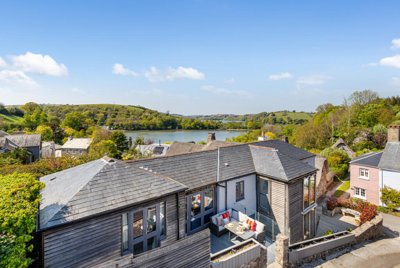
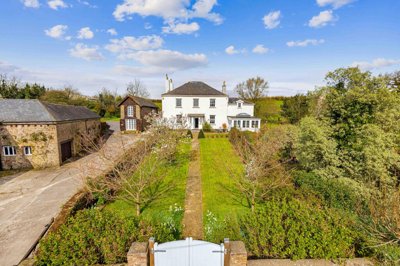
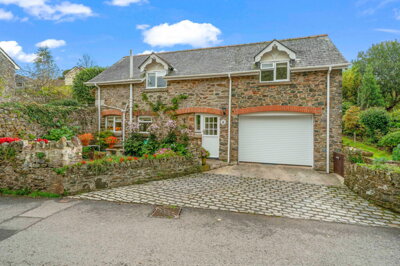
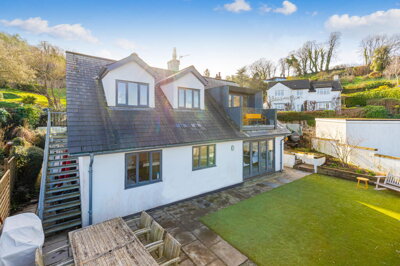
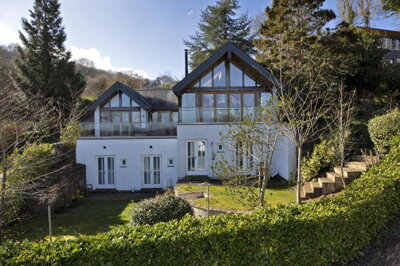
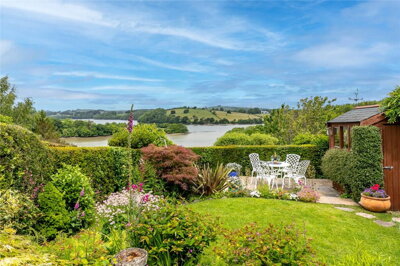
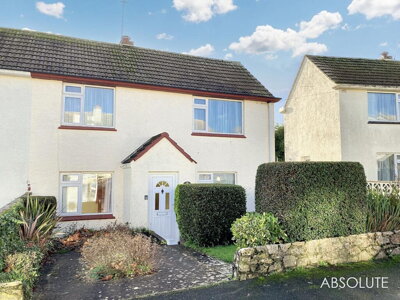
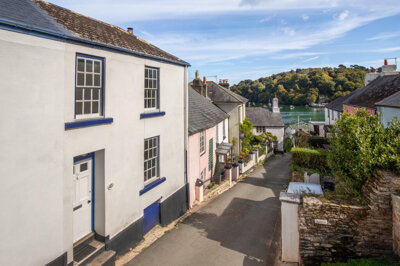
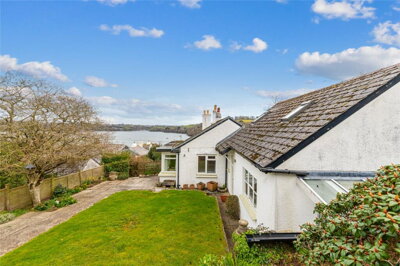
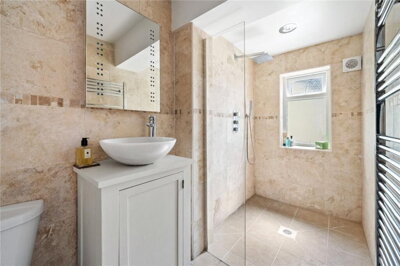
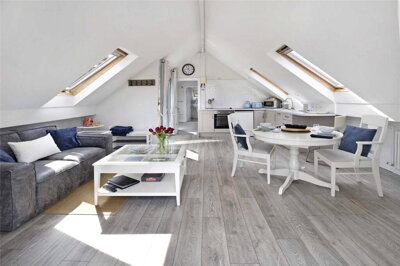
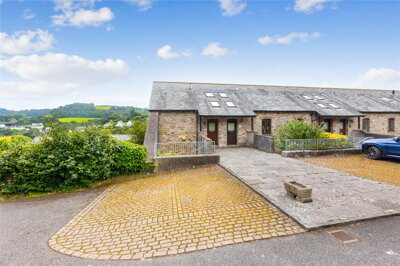
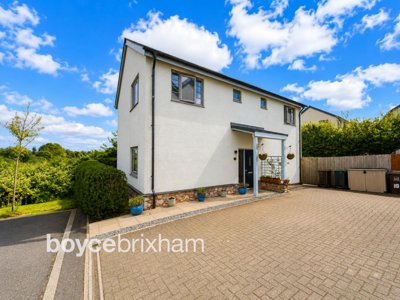
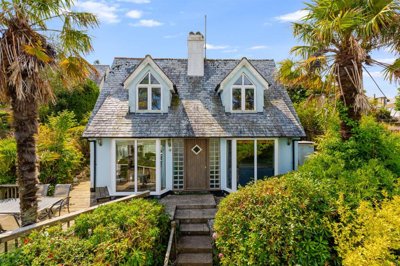
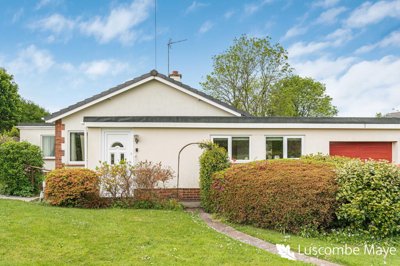
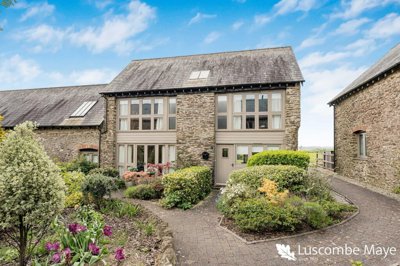
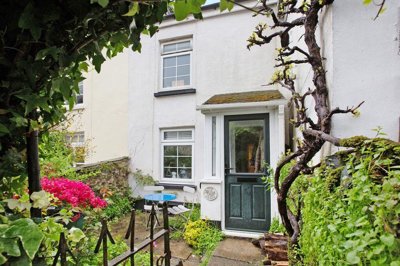
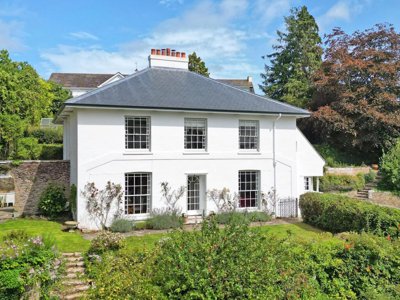
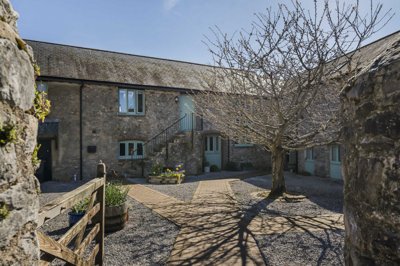
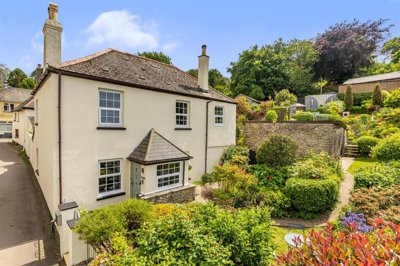
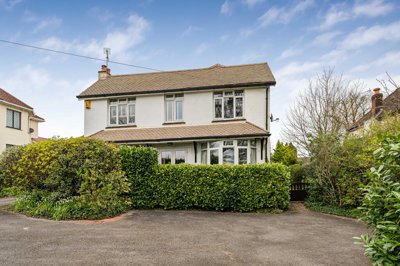
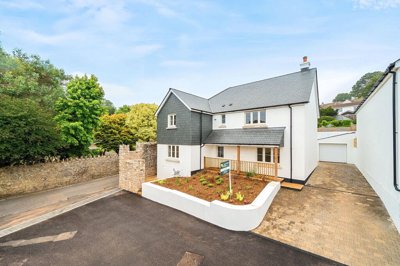
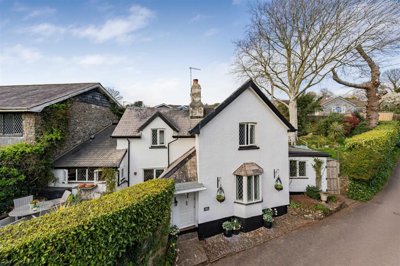
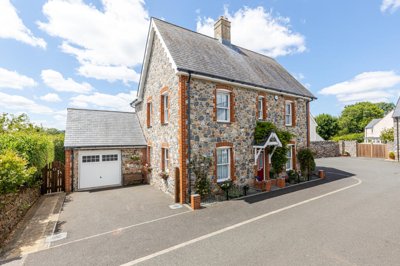
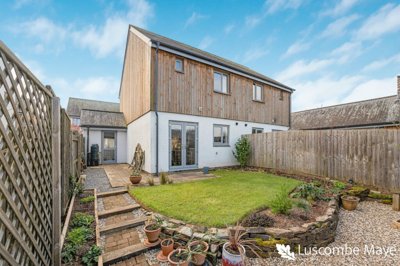
Browse 88 homes for sale in Cornworthy, South Hams from local estate agents.
The Cornworthy property market offers detached, semi-detached, and terraced houses spanning various price ranges and neighbourhoods. Each listing includes detailed property information, photographs, and direct contact with the marketing agent.
£925k
9
1
164
Source: home.co.uk
Showing 9 results for Houses for sale in Cornworthy, South Hams. 1 new listing added this week. The median asking price is £925,000.
Source: home.co.uk
Detached
7 listings
Avg £1.22M
Semi-Detached
1 listings
Avg £425,000
Terraced
1 listings
Avg £259,000
Source: home.co.uk
Source: home.co.uk
Cornworthy’s housing market is shaped by the village’s historic character, and recent sales show just how varied it can be. At one end, the semi-detached property at 1 Globe Cottages sold for £515,000 in January 2025, while the semi-detached house at 3 Green Close reached £457,500 in July 2024. A detached bungalow in Priory View is currently on the market with a guide price of £325,000. At the top end, larger homes such as Higher Gitcombe, a six-bedroom detached property, have achieved £1,750,000 in June 2021. Taken together, those figures give a clear picture of the range of homes and price points available to buyers here.
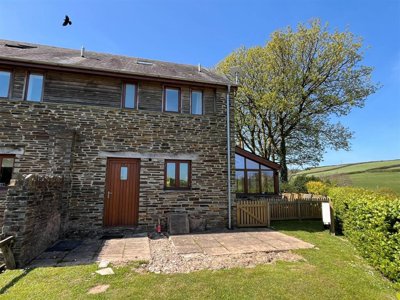
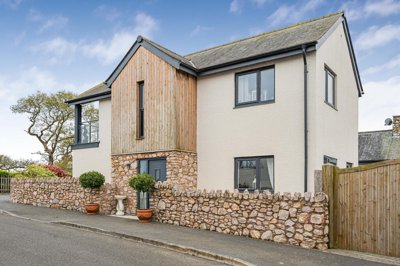
Cornworthy is unusual among South Devon villages in having no active new-build developments within the village boundary. Homes currently for sale are almost all existing properties, many of them period houses built in the area’s characteristic thin-bedded stone. That older housing stock gives the village a genuinely established feel, with traditional details and workmanship still very much in evidence. Buyers wanting something newly built will usually need to look towards Dartmouth, Blackawton, or Paignton, while Cornworthy itself remains firmly rooted in its unspoiled historic character.
With prices now 58% below the 2023 peak of £800,000, the current market correction may open the door for buyers keen to get into this sought-after South Hams village. First-time buyers and families looking for character homes at less daunting prices may see the best value in the bungalows and semi-detached properties, especially where they offer practical living space without the premium attached to Cornworthy’s larger period houses. We keep a close watch on activity in Cornworthy, Totnes, and across the surrounding South Hams area so our listings stay current and accurate.

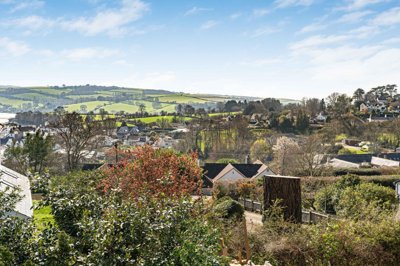
Life in Cornworthy has the feel of a proper Devon village, quiet, close-knit, and rich in historic detail. The settlement sits in an attractive part of the South Hams between two opposing valleys, with the main village centred on the Conservation Area established in October 1985. Its medieval planned form still shows through in the well-defined burgage plots and terraced earthworks, which give the place a layout unlike newer rural settlements. Across the village, houses and cottages commonly use the local thin-bedded stone, colour-washed straight onto the stone or applied over a render coat, giving that soft, warm finish so typical of traditional South Devon architecture.
For such a small rural village, Cornworthy manages to feel peaceful without being cut off. Totnes is about 5 miles away, so day-to-day essentials such as supermarkets, healthcare facilities, and the well-known Totnes Market are within easy reach. The River Dart is nearby, and Dartmouth is only a short drive, bringing sailing, coastal walks, and plenty of places to eat into the mix. Residents also have the wider landscape of the South Devon Area of Outstanding Natural Beauty on the doorstep, with footpaths and bridleways crossing the surrounding countryside.
Community life here is still closely tied to the parish and to local events that have deep roots in the area. Cornworthy Parish covers the main village as well as surrounding farmland and hamlets, and within that wider area are landmarks including the Grade I listed Church of St Peter and the scheduled Priory Gatehouse. The public footpath network is another strong part of village life, linking Cornworthy with neighbouring communities and the broader South Devon landscape. For buyers who like getting outdoors, it matters.
Employment in and around Cornworthy is still centred largely on agriculture, tourism, and commuters travelling to larger hubs such as Totnes, Exeter, and Plymouth. Because the local job base is limited, many working residents head out of the village each day, which is something to weigh up before moving. Even so, buyers continue to be drawn in by the scenery, the historic setting, and the sense of community that gives Cornworthy its distinct appeal.

Families looking at Cornworthy have a reasonable choice of schools within driving distance. The village sits within the South Hams area of Devon, where there is a mix of primary schools, secondary schools, and further education provision. Nearby villages and towns provide the main primary options, and several of those schools hold good or outstanding Ofsted ratings. Catchment areas and admissions criteria do change, so it is sensible to check the latest position carefully before choosing a property in a popular village location.
Older pupils from Cornworthy generally travel to Totnes, Dartmouth, or Kingsbridge for secondary education, with comprehensive schools and sixth form provision available across those centres. Rural Devon is used to this pattern, and school transport arrangements typically include bus services linking villages to market towns. Independent schools are also an option, with choices in Exeter and Plymouth within reasonable commuting distance. Before committing to a purchase, we always suggest confirming current placements and any proposed admission changes with Devon County Council.
Because Cornworthy has a small population, there is no primary school in the village itself. Families need to think early about transport to school, as children usually attend primary schools in surrounding villages and parishes within the same admissions catchment area. Travel times vary across the village, and homes nearer the main road can have easier access to bus routes. For secondary education, Totnes offers schools with strong academic records and broad facilities, all reachable through the regular school transport services that run across the South Hams.

Getting around from Cornworthy mostly means using a car, which fits the village’s rural setting, though local bus services do provide some support. Totnes is roughly 6 miles away and gives residents access to mainline trains for London Paddington, Exeter, and Plymouth. By road, the A381 is the key route in the area, linking Totnes with Dartmouth through nearby villages. Anyone relocating for work in Exeter, Plymouth, or farther afield should look closely at journey times before making the move.
Not everyone in Cornworthy relies on a car all the time, but public transport is more limited than it would be in a town. Bus routes connect the village with nearby towns and villages, though services are not especially frequent. The nearest mainline station is Totnes, where regular trains put London Paddington at approximately three hours away and Bristol at around two and a half hours. Exeter Airport, for domestic and European flights, is within approximately an hour's drive, and Dartmouth, only a few miles away, adds ferry links to Kingswear and access to the Dartmouth Steam Railway.
The main road connection for Cornworthy is the A381, which runs through the South Hams and links the village with surrounding communities. Heading towards Dartmouth, the route passes through Blackawton and Strete, with open views across countryside and towards the coast. Traffic is usually light by urban standards, but rural Devon roads bring their own challenges, including narrow lanes and occasional single-track sections. For those commuting to Exeter or Plymouth, the A38 Devon Expressway opens up the wider motorway network, although peak-time journeys of 45 minutes to an hour are quite normal.

It pays to spend a bit of time in Cornworthy before booking viewings in earnest. Walk around at different times of day and on different days of the week, try the local amenities, test the commute to work, and have a chat with residents if you can. We also recommend checking the Conservation Area boundaries and the location of any Listed Buildings, because both can shape what you may be able to alter or extend later.
Before viewing homes, it is sensible to speak to a mortgage broker and secure an agreement in principle. Sellers tend to take offers more seriously when financing is already in place, and that can matter in a village market where more than one buyer may be interested. At the current average price of £335,000, most standard mortgage products should be available, although Listed Buildings can sometimes call for more specialist lending.
Seeing several properties in Cornworthy side by side is one of the best ways to understand the market here. Styles, condition, and price can differ sharply, especially in a village with so many older homes and listed buildings. Viewings give buyers the chance to assess upkeep needs properly, rather than relying on photographs or particulars. We would pay close attention to the thin-bedded stone construction, the state of the roof, and any traditional features that may need specialist maintenance.
Most homes in Cornworthy are over 50 years old, which is why we strongly recommend a RICS Level 2 survey. It can highlight structural concerns, defects associated with older forms of construction, and areas likely to need attention before purchase. This part of Devon is also classed as a non-coal mining area, so the survey should cover any relevant checks for historic mining activity that could affect the property.
After an offer has been accepted, the next step is to instruct a conveyancing solicitor to deal with the legal transfer of ownership. In Cornworthy, that process can be more involved because of the number of Listed Buildings and properties inside the Conservation Area. Your solicitor will need to check for planning conditions, restrictions, and any other matters that might affect the house. Where heritage issues are likely to arise, solicitors with experience of listed building rules can be especially useful.
From there, the purchase moves forward through your solicitor, mortgage lender, and estate agent. Once completion day arrives, the keys are handed over and you can start settling into your new home in Cornworthy. One practical point not to leave late is buildings insurance, which should be arranged before completion, particularly where a period property uses traditional construction methods.
Traditional construction is a big part of what gives Cornworthy homes their appeal, and it also shapes the kind of maintenance they need. The main walling material across the village is thin-bedded stone, a defining part of South Devon geology and a major reason the local buildings look the way they do. Usually sourced from local quarries, the stone is laid in courses and often finished with colour-wash, either directly on the stone or over a render coat. That combination produces the warm, rustic appearance closely associated with older South Devon buildings.
Brick hardly features as a main building material in Cornworthy. Where it does appear, it is more often in window surrounds, door dressings, or corner quoins on a small number of historic buildings, and it generally belongs to later phases when brick was easier to obtain for decorative detailing. Because stone is so dominant here, owners often need to think more about stonework repair and long-term upkeep. In practice, that usually means finding skilled craftspeople with proper traditional stone masonry experience.
Roofs in Cornworthy’s older properties are commonly finished in slate or thatch, and both need informed care. Slate is often found on Georgian and Victorian additions to earlier buildings, where matching materials and correct fixing methods matter if repairs are carried out properly. Thatch, once widespread in rural Devon, brings its own obligations, including specialist insurance and routine maintenance by contractors who know the traditional methods. We can point buyers towards local craftspeople who work with these materials, which helps when weighing up the ongoing commitment that comes with period homes.
Buying in Cornworthy brings a few local considerations that buyers in more urban markets may not face. The village’s Conservation Area status means some alterations, extensions, and external changes are subject to planning restrictions. Anyone thinking about adapting a period property should speak to the South Hams District Council planning department early to find out what consents may be needed. On top of that, the number of Listed Buildings in the village means works to listed properties require Listed Building Consent from the local authority, which can make renovation plans more involved.
The building materials used in Cornworthy deserve close attention during any purchase. Thin-bedded stone is the defining material here, and homes built from it can need a different approach to maintenance than brick or concrete houses. Roof condition matters too, especially on older properties where slate repairs or replacement can be costly. If a house has a thatched roof, buyers should expect specialist insurance and regular care from experienced contractors. The area’s non-coal mining designation also points to historic mining activity in the wider region, so any subsidence concerns should be checked property by property at survey stage.
Utilities and drainage can be just as important as the building itself, particularly in an older village setting. Some properties may still rely on private water supplies, septic tanks, or oil-fired heating rather than full mains connections, and those arrangements come with their own running costs and maintenance duties. A thorough survey should flag any issues and set out what may need attention before purchase. We would also want the age of the electrical system checked carefully, because outdated wiring in older homes can mean rewiring is needed to meet current safety standards.
A flood risk check is sensible with any purchase, even though early research suggests there is no long-term area flood risk for Cornworthy properties and no coastal erosion risk because the village is inland. That said, survey work on the individual house is still useful for confirming drainage conditions and picking up any localised flooding issues. South Devon’s hills and valleys create changing microclimates and drainage patterns, so one property can behave quite differently from another nearby.
Buyers need to look beyond the agreed purchase price when budgeting for a move to Cornworthy. Stamp Duty Land Tax is one of the main extra costs, and at the current average price of £335,000 the bill for a standard buyer would be £4,250. First-time buyers purchasing below £625,000 may qualify for relief, meaning £0 on the first £425,000 and 5% on any remaining amount. We would still suggest confirming the final calculation with a solicitor or mortgage broker, as individual circumstances can change the outcome.
There are other buying costs to allow for as well. Mortgage arrangement fees usually run from £0 to £2,000, depending on the lender and the product selected. Survey charges are especially relevant in Cornworthy because of the older housing stock, with a RICS Level 2 survey costing around £455 nationally and rising to approximately £586 for homes valued above £500,000. Legal fees for conveyancing often start from £499 for a straightforward purchase, although Listed Building issues or Conservation Area complications can add to that. Buildings insurance needs to start on completion day, and removal costs should be part of the moving budget too.
Listed Building purchases often need a larger maintenance and renovation budget than standard homes. Repair work can involve specialist contractors, traditional materials, and heritage approvals, all of which may increase both cost and timescale. If planning or Listed Building Consent fees apply, those should be built into the figures from the start. For substantial period houses, specialist survey reports can also be a wise extra, giving a more detailed view of construction, condition, and any works likely to be needed before you proceed.

Over the last year, the average house price in Cornworthy was £335,000. That is 41% lower than the previous year and 58% below the 2023 peak of £800,000. Recent transactions include the semi-detached property at 1 Globe Cottages, which sold for £515,000 in January 2025, and the semi-detached house at 3 Green Close, which achieved £457,500 in July 2024. Buyers will find stock ranging from detached bungalows at around £325,000 in Priory View to larger detached homes above £1.5 million, with Higher Gitcombe standing out at £1,750,000 in June 2021.
Cornworthy comes under South Hams District Council for local authority purposes. Council tax bands here generally run from Band A for smaller homes up to Band H for the highest-value properties, with Band D often seen on a standard three-bedroom house. The exact band depends on the individual property, so it is best to verify it directly through the Valuation Office Agency website or ask your solicitor to confirm it during conveyancing. With period stone cottages and Listed Buildings, the banding may reflect the property’s market value as assessed by the Valuation Office.
There is no primary or secondary school in Cornworthy itself, which is typical of a village of this size. Children usually attend primary schools in nearby villages, and several of those have good Ofsted ratings. For secondary education, families generally look to Totnes, Dartmouth, and Kingsbridge, with school transport available. Catchment areas can be competitive, so parents should always check the latest position with Devon County Council. Sixth form provision is available in Totnes for students who want to continue their education locally.
Public transport in Cornworthy is available, but it is naturally more limited than in a town or city. Bus services link the village with Totnes and other nearby places, although the timetable is not especially frequent. Totnes railway station, approximately 6 miles away, is the nearest mainline stop and provides direct trains to London Paddington, Exeter, and Plymouth. In practice, most commuters will depend on a car, using the A381 to connect with the wider Devon road network. The village’s position between Totnes and Dartmouth does at least give residents options in both directions for services and amenities.
From an investment angle, Cornworthy has a few clear strengths. Its Conservation Area status and the concentration of Listed Buildings help protect the historic character that underpins long-term appeal and can support property values. With the average price now 58% below the 2023 peak of £800,000, recent price corrections may look attractive to buyers taking a longer view. The wider South Hams remains in demand thanks to its scenery, coastal access, and quality of life. The main caution is practical rather than aesthetic, as limited local employment means many residents commute to larger towns, so transport needs should form part of any investment calculation.
For 2024-25, Stamp Duty Land Tax is charged at 0% on the portion up to £250,000, 5% on the portion from £250,001 to £925,000, 10% on the portion from £925,001 to £1.5 million, and 12% on any amount above £1.5 million. First-time buyer relief applies up to £625,000, with 0% up to £425,000 and 5% from £425,001 to £625,000. On a typical Cornworthy purchase at the current average price of £335,000, a standard buyer would pay £4,250, while a first-time buyer would pay £0 under the current relief thresholds.
There are no Cornworthy-specific purchase restrictions for domestic buyers. What does matter is that the village includes a Conservation Area and a notable number of Listed Buildings, so some works will need planning permission or Listed Building Consent from South Hams District Council. Anyone buying a listed property, or a home within the Conservation Area, should get clear on those rules before moving ahead. For ordinary residential purchases, though, the legal framework is otherwise the standard one that applies under English property law.
Cornworthy lies within a non-coal mining area, which points to historical mining activity in the region other than coal extraction. That can be relevant during the buying process because lenders and insurers sometimes want extra checks where mining is recorded. A RICS Level 2 survey should include suitable investigations into any past mining activity that could affect the property. In some cases, buyers may also need specialist insurance or warranty cover for mining-related issues, and your solicitor should look into any records held by the Coal Authority or local archives.
From 4.5%
Specialist mortgage advice for Cornworthy properties, including rural and Listed Building lending.
From £499
Legal support for property purchases, including Listed Building and Conservation Area expertise.
From £350
Professional survey for properties over 50 years old, well suited to Cornworthy’s period housing stock.
From £600
Detailed building survey for complex or historic properties that need a closer assessment.
Properties for Sale In London

Properties for Sale In Plymouth

Properties for Sale In Liverpool

Properties for Sale In Glasgow

Properties for Sale In Sheffield

Properties for Sale In Edinburgh

Properties for Sale In Coventry

Properties for Sale In Bradford

Properties for Sale In Manchester

Properties for Sale In Birmingham

Properties for Sale In Bristol

Properties for Sale In Oxford

Properties for Sale In Leicester

Properties for Sale In Newcastle

Properties for Sale In Leeds

Properties for Sale In Southampton

Properties for Sale In Cardiff

Properties for Sale In Nottingham

Properties for Sale In Norwich

Properties for Sale In Brighton

Properties for Sale In Derby

Properties for Sale In Portsmouth

Properties for Sale In Northampton

Properties for Sale In Milton Keynes

Properties for Sale In Bournemouth

Properties for Sale In Bolton

Properties for Sale In Swansea

Properties for Sale In Swindon

Properties for Sale In Peterborough

Properties for Sale In Wolverhampton

Enter your details to see if this property is within your budget.
Loans, cards, car finance
Estimated property budget
Borrowing + deposit
You could borrow between
Typical borrowing
Monthly repayment
Est. at 4.5%
Loan-to-value
This is an estimate only. Your actual budget may vary depending on interest rates, credit history, and personal circumstances. For an accurate affordability assessment, speak to one of our free mortgage advisors.
This calculator provides estimates for illustrative purposes only and does not constitute financial advice. Your home may be repossessed if you do not keep up repayments on your mortgage. Estimates based on 4.5% interest rate, repayment mortgage. Actual rates depend on your circumstances.
Homemove is a trading name of HM Haus Group Ltd (Company No. 13873779, registered in England & Wales). Homemove Mortgages Ltd (Company No. 15947693) is an Appointed Representative of TMG Direct Limited, trading as TMG Mortgage Network, which is authorised and regulated by the Financial Conduct Authority (FRN 786245). Homemove Mortgages Ltd is entered on the FCA Register as an Appointed Representative (FRN 1022429). You can check registrations at NewRegister or by calling 0800 111 6768.

We use cookies to show you personalised content and improve your experience of our website. Find out more in our Privacy policy and Cookie policy.