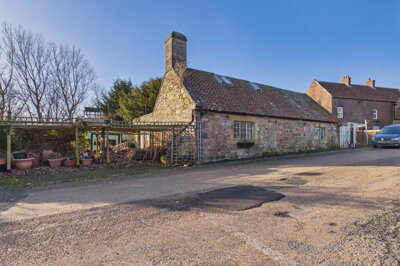
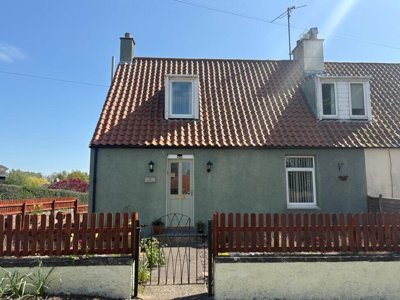
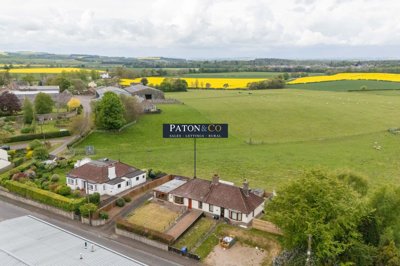
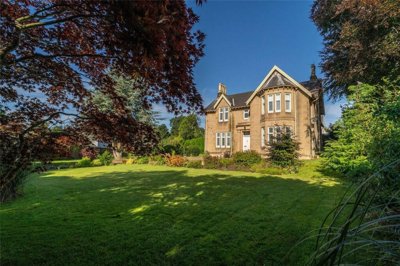
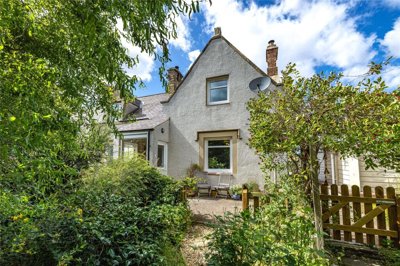
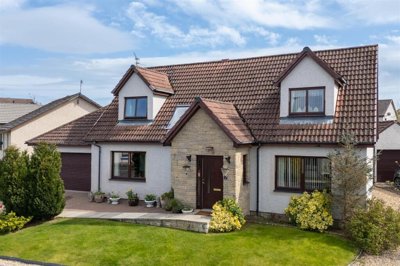
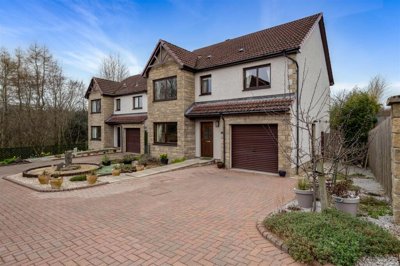
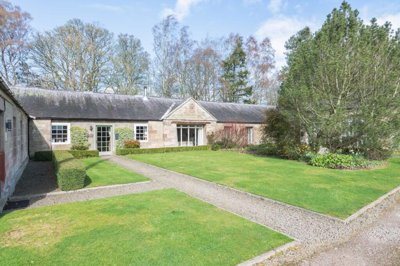
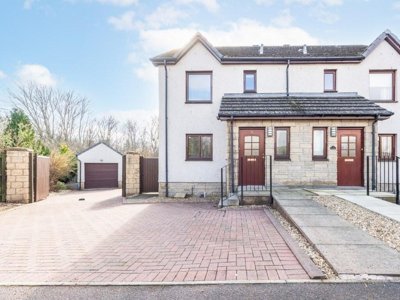
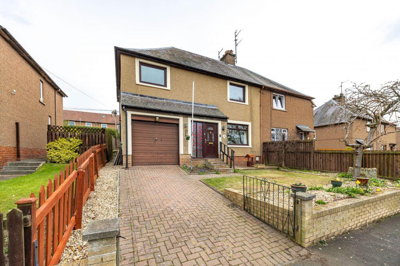
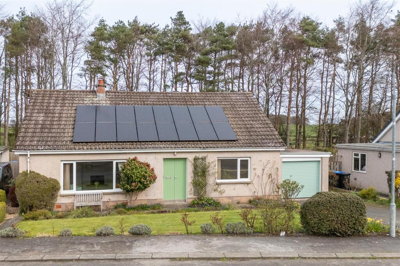
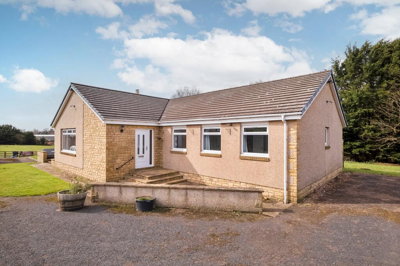
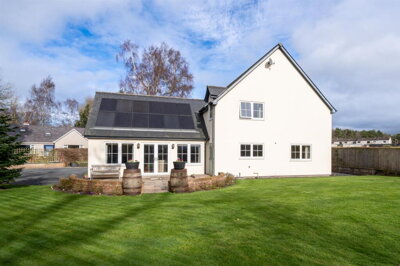
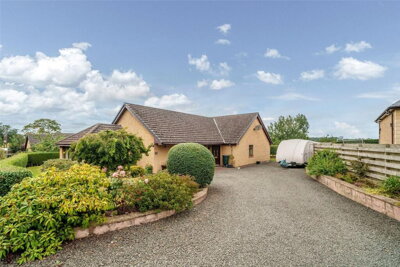
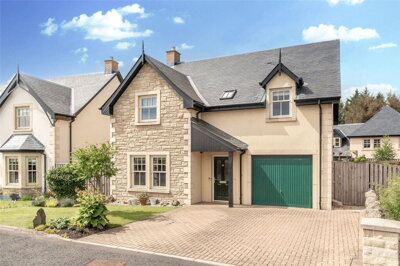
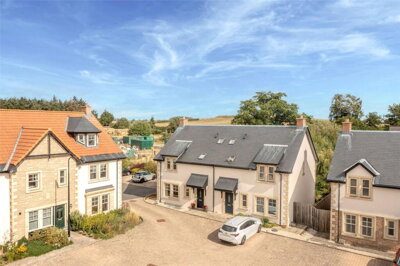
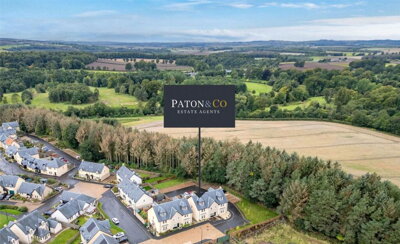
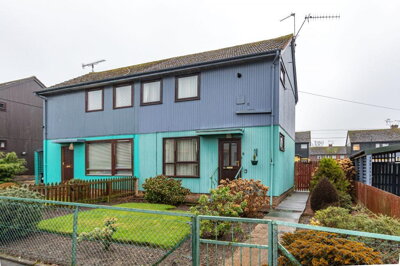
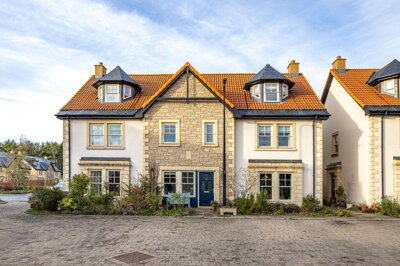
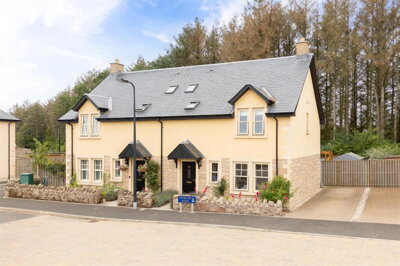
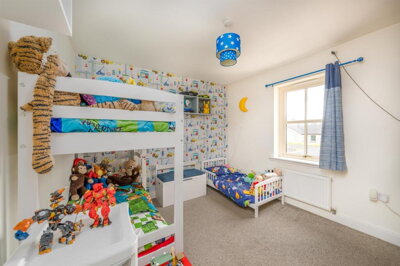
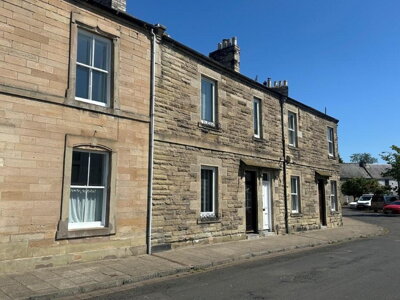
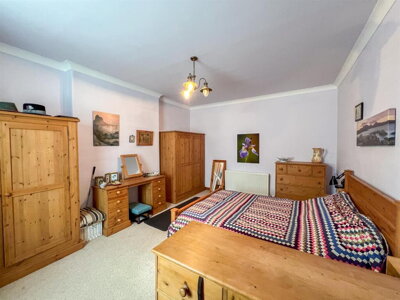
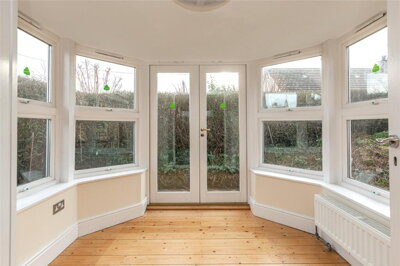
Browse 24 homes for sale in Cornhill-on-Tweed from local estate agents.
The Cornhill On Tweed property market offers detached, semi-detached, and terraced houses spanning various price ranges and neighbourhoods. Each listing includes detailed property information, photographs, and direct contact with the marketing agent.
Cornhill-on-Tweed’s property market mirrors the feel of this close-knit border village, and detached homes still sit at the top of the tree. homedata.co.uk data shows detached properties achieved an average of £281,250 over the past year, from four sales in that category, while semi-detached homes averaged £210,500 and give buyers a less costly route into the rural lifestyle. Prices have also eased back. Sold prices are down 25% on the previous year and sit 19% below the 2021 peak of £304,394, according to homedata.co.uk analysis. For buyers who had been priced out, that shift opens a door.
Terraced homes in Cornhill-on-Tweed can vary quite a bit depending on condition and setting, with homedata.co.uk recording an average of £224,000 from three recent sales. GetAgent puts the average selling price across all property types at £253,726, while asking prices have moved by around -2.1% over the past six months. Most of the housing stock dates from 1800 to 1911, which speaks to the village’s long agricultural past. Stone construction is common here, as it is across much of Northumberland and the Scottish Borders. Flats are almost unheard of in the village itself, because the stock is made up almost entirely of houses suited to families, couples, or anyone wanting more space.
TD12, which covers Cornhill-on-Tweed and Coldstream, has a property market shaped by tight supply and steady demand from people after a rural way of life. There have been no recorded flat sales in the past twelve months, and semi-detached transactions are also absent from the recent figures, so period houses and detached homes dominate. Bricks&Logic records show that Cornhill-On-Tweed alone contains 235 houses, built mainly between 1800 and 1911, a sizeable concentration of historic stock in one village. That age profile means buyers should allow for the upkeep that comes with traditional construction and period detailing.

Cornhill-on-Tweed owes much of its character to its life as a Northumbrian farming community that has gradually become a desirable place to live. The village sits in the valley of the River Till, a tributary of the Tweed that runs through some of England’s least disturbed countryside. Farming still shapes the setting, with working farms spread across the surrounding fells and fields. Even the name reflects the geography, marking the point where two old roads meet, links between England and Scotland that have carried travellers for centuries. Bricks&Logic records also show 351 total addresses on Cornhill-On-Tweed street alone, split between 235 houses and 116 other properties, which points to a settled place with deep historic roots.
Village life revolves around the parish church, the local pub, and the village hall, where residents meet for events through the year. Coldstream is close enough for day-to-day needs, with convenience shops, a pharmacy, and medical services. The wider area suits outdoor pursuits too, and walking, cycling, and shooting all remain part of local life. The River Tweed and its tributaries are well known for salmon and trout fishing, drawing anglers from far and wide to this celebrated game-fishing stretch. Heritage runs through the built environment as well, with B Listed and C Listed buildings adding to the conservation area character that residents work to protect. The village sits within a designated conservation zone, and planning controls help preserve the traditional stone-built look that gives the area so much of its appeal.
The surrounding countryside is a strong draw for walkers and anyone who likes getting outdoors, with the Cheviot Hills visible to the north-west and offering ground for hikers of all abilities. The Pennine Way national trail cuts through the region too, attracting those taking on sections of that famous long-distance route. History is never far away here, either, with medieval castles, monastic ruins, and battlefield sites from the long struggle between England and Scotland. Nearby Coldstream holds regular markets and still has a Georgian high street that keeps much of its old character. Agricultural shows and village fetes across the year reflect the farming heritage that remains important to local people.

Families moving to Cornhill-on-Tweed will find schooling centred on nearby towns, because the village is so small. Primary children usually travel to schools in Coldstream or the surrounding villages. Coldstream primary school serves the local community from Reception through to Year 6, giving younger children a solid start. For secondary education, Berwick-upon-Tweed is the main option, where pupils travel each day to attend the town’s comprehensive schools and grammar schools that serve the wider area. The bus links from Cornhill-on-Tweed make that possible, though parents still need to think through journey times when planning a move.
Independent schooling is also available within a reasonable drive, with several well-regarded private schools in Northumberland and the Scottish Borders. These include primary and secondary schools that regularly post strong academic results and run broad extracurricular programmes. Catchment areas and admission rules can change, so parents should check them directly with Northumberland County Council before making firm plans. The local education authority can also provide school performance data, Ofsted inspection results, and the admission policies that apply to this part of TD12. Because the village is rural, boarding may suit older children best, especially where GCSE or A-Level demands are heavy.
The school run matters here, so the journey from Cornhill-on-Tweed is worth weighing up early in the search. Secondary pupils heading to Berwick-upon-Tweed face a drive of around 25 minutes, and public transport can take longer depending on the bus timetable. Some families choose homes with school bus routes in mind, while others are happy to factor in the driving commitment that comes with daily runs. A number of local households also use the independent schools in the Scottish Borders, which can be reached by way of the A697 north of Coldstream.

Transport in Cornhill-on-Tweed reflects its rural Northumberland setting, so road travel does most of the heavy lifting for commuting and day-to-day access to services. The A697 trunk road runs through the area, giving a direct route north to Berwick-upon-Tweed and south to the A1 trunk road through Northumberland. Berwick-upon-Tweed is about 25 minutes away by car and its mainline station links to Edinburgh, Newcastle, and London King's Cross. Edinburgh is around 90 minutes by car, while Newcastle city centre is roughly one hour to the south. For anyone working in the capital, the Edinburgh run is possible, though many residents prefer local work or remote roles because daily long-distance travel is demanding.
Bus links are limited because the village is rural, with services to Coldstream and Berwick-upon-Tweed running on set routes and timetables. The nearest railway stations are at Berwick-upon-Tweed, Alnmouth, and Berwick, each with national rail connections at differing frequencies depending on the line. Edinburgh Airport is the most practical choice for international flights, whether to Europe or further afield, and it sits around 75 miles north of the village. Anyone considering a regular commute from Cornhill-on-Tweed should allow for fuel, maintenance, and travel time, because the area suits people who accept the realities of rural living in exchange for the lifestyle on offer.
Cornhill-on-Tweed sits in a useful position between Edinburgh and Newcastle, giving residents a flexibility that many rural places cannot match. The A697 offers a scenic route through North Northumberland and links the village to the wider road network without the need for motorway driving. For people working in either city who still want a rural home base, the village offers a workable middle ground between commute time and quality of life. Many residents also make good use of the rail links from Berwick-upon-Tweed, where the East Coast Main Line gives regular trains to Edinburgh, approximately 45 minutes away, Newcastle, approximately 1 hour away, and London King's Cross, approximately 4 hours away.

Start the search with home.co.uk listings to see what is currently available in Cornhill-on-Tweed and the nearby area. The market moves slowly here compared with urban centres, so buyers have time to think carefully. Prices tend to sit from around £210,500 for semi-detached homes to over £280,000 for detached properties, although the small number of sales means each transaction is its own case. With only 4 detached sales and 3 terraced sales in the past year, the market works quite differently from places where comparable transactions come up much more often.
Before arranging viewings, get a mortgage agreement in principle from a lender so the budget is clear and sellers can see the purchase is serious. With average prices around £245,000 to £270,000, most buyers will need mortgage finance. Our recommended mortgage advisors compare rates and help match the most suitable product to the circumstances. Getting pre-approved before viewings keeps the search focused on homes within reach, which matters even more now that asking prices have reduced by around 2.1% over the past six months, according to GetAgent data.
Viewings need to focus on the older stone-built homes that dominate the local stock. We would look closely for damp, roof condition, and any maintenance issues that may need attention after purchase. Proximity to the River Till also matters when judging flood risk, especially for homes in the lower-lying parts of the village. Because most properties were built between 1800 and 1911, traditional construction methods and period features should be expected, along with the upkeep they bring.
With most homes in Cornhill-on-Tweed built before 1911, a full survey is a sensible step before any commitment. The RICS Level 2 HomeSurvey report costs from £350 and highlights defects that commonly show up in period properties, including structural problems, damp, and outdated services. For older or listed homes, the more detailed Level 3 survey is worth considering. Our inspectors know traditional Northumbrian stone construction and understand the usual defect patterns in properties of this age, from solid walls and traditional roofs to original timber elements.
Our conveyancing solicitors handle the legal side of the purchase, from searches and contracts through to registration of title. Fees typically start from around £499 for standard purchases. They will carry out local authority searches to pick up planning or environmental issues affecting the property, including the conservation area restrictions that apply across Cornhill-on-Tweed village. Because B Listed and C Listed buildings are common in the area, title investigations may also uncover extra points to consider on listed property purchases.
Once the surveys are satisfactory and the legal questions have been cleared, the solicitor arranges exchange of contracts and sets a completion date. On completion day, the remaining funds move across and the keys to the new Cornhill-on-Tweed home are handed over. The village is small, so completions are usually quiet affairs managed by local solicitors who know this community well, with removals planned around the narrow country lanes serving many of the properties.
Much of Cornhill-on-Tweed’s housing stock is made up of period stone-built homes, so construction and condition deserve close attention. The common “period house built between 1800 and 1911” description means many properties still have traditional features that need ongoing care, including stone walls, slate or stone tile roofs, and original windows that may need restoring. Those features add charm, but they also call for a budget for maintenance that newer homes would not usually require. A full RICS Level 2 survey is strongly recommended before purchase, since rising damp, subsidence from ground movement, and roof condition are all issues commonly found in homes of this age.
Flood risk needs careful checking because the village sits in a river valley near the River Till and is also close to the River Tweed. Any specific flood zone information for Cornhill-on-Tweed should be verified through the Environment Agency and Northumberland County Council planning records before a purchase is agreed. Homes in the lower-lying parts near watercourses deserve particular scrutiny. The presence of B Listed and C Listed buildings means some properties may have listed status, which brings extra responsibilities for alterations and maintenance that buyers need to understand in advance. Conservation area planning controls will also limit permitted development rights and affect the changes owners can make.
Freehold ownership is the norm in Cornhill-on-Tweed, and most sales are houses rather than flats. That means buyers are unlikely to face the leasehold complications, ground rent, or service charge costs that are common in urban purchases. Even so, shared access arrangements, boundary disputes with neighbours, and rights of way across land still need to be checked during conveyancing. Rural homes can also carry obligations tied to shared lanes, drainage systems, or environmental agreements in the title. Our team can recommend conveyancing solicitors with experience of rural Northumberland properties who know how to handle those local points.
The age of the housing stock means that wiring, plumbing, and heating in many homes will need bringing up to modern standards. Original fuse boards, ageing pipework, and obsolete heating systems are all common in period properties from this era. Buyers should allow for possible re-wiring, plumbing replacement, and heating upgrades when working out the full purchase budget. Our RICS Level 2 survey will flag these concerns before commitment, so the decision can be made with proper information and the price can be negotiated if needed.

Average house prices in Cornhill-on-Tweed differ depending on the source, with homedata.co.uk showing £245,875 over the past year and homedata.co.uk indicating £269,700. GetAgent puts the average at £253,726, while homedata.co.uk notes lower figures after a sizeable market correction. Detached homes average around £281,250 from four recent sales, semi-detached properties around £210,500, and terraced homes approximately £224,000. The market has fallen 25% compared with the previous year and sits 19% below the 2021 peak of £304,394, which creates openings for buyers in this sought-after border village. With only seven property sales recorded over the past twelve months, every transaction is a little different and pricing can shift quite a lot depending on condition and features.
For council tax purposes, properties in Cornhill-on-Tweed sit under Northumberland County Council. Band valuations here generally reflect both the rural setting and the period nature of much of the housing stock. The exact band varies from property to property, with stone-built cottages and farmhouses sometimes assessed differently from newer conversions. Conservation area status and the presence of listed buildings can also affect valuations in some cases. Prospective buyers should check the council tax band for any specific property through the Valuation Office Agency website or by contacting Northumberland County Council directly, since the band affects annual running costs.
Cornhill-on-Tweed is a small village without its own primary school, so children usually go to schools in nearby Coldstream. The Coldstream primary school teaches from Reception through Year 6 and serves families across the TD12 postcode area. Secondary pupils generally travel to schools in Berwick-upon-Tweed, including grammar schools serving the wider north Northumberland area. Northumberland County Council can give current information on catchment areas and school performance data. There are also several independent schools within a reasonable drive in Northumberland and the Scottish Borders for families looking at private education, with some offering boarding for older students.
Public transport remains limited in Cornhill-on-Tweed because the village sits in the rural TD12 postcode area. Bus services run to Coldstream and Berwick-upon-Tweed on specific routes, with timetables shaped more by school runs and market day patterns than commuter demand. The nearest railway stations are at Berwick-upon-Tweed and Alnmouth, giving rail links to Edinburgh, Newcastle, and London. Berwick-upon-Tweed station offers journeys of around 45 minutes to Edinburgh and trains to London King's Cross in about four hours. Most residents depend on private cars for commuting and access to services, and Edinburgh is roughly 90 minutes away by car via the A697 and A1.
Cornhill-on-Tweed is better suited to lifestyle buyers than to anyone chasing a strong rental yield, because the village’s scale and rural character keep rental demand well below urban levels. The 351 addresses and the dominance of owner-occupied period homes point to a stable residential community rather than a rental market. The 25% fall in prices over the past year reflects wider market conditions, but it may give long-term buyers a way into the border village lifestyle. Stone-built period homes in desirable rural locations tend to hold value well where supply is tight. The area suits people looking for a main residence in an attractive border village, not those focused on rental returns or rapid capital growth.
Stamp Duty Land Tax rates for 2024-25 charge 0% on the first £250,000 of property value, 5% on £250,001 to £925,000, 10% on £925,001 to £1.5 million, and 12% on anything above £1.5 million. First-time buyers get relief on the first £425,000, with 5% applied between £425,001 and £625,000. For a typical Cornhill-on-Tweed home at around £245,000 to £270,000, most buyers would pay no stamp duty under standard rates, while first-time buyers would qualify for full relief under the current thresholds. The nil-rate band for standard buyers covers the whole average price range in this village, which makes Cornhill-on-Tweed especially accessible from a stamp duty point of view.
Many period properties in Cornhill-on-Tweed, built between 1800 and 1911 with traditional Northumbrian stone construction, need close inspection of the stone walls for cracking, weathering, or mortar deterioration, all of which are common in homes of this age. Roofs should be checked for missing, slipped, or damaged slate and stone tiles, because traditional materials are more vulnerable to storm damage than modern ones. Damp in ground floor rooms, basements, or cellars needs particular attention, given the solid wall construction and the closeness of watercourses. The condition of original windows, heating systems, and electrical wiring should also be checked, as older homes can have outdated services that need replacing. Any listed building status should be confirmed through the title documents, since listed status brings extra obligations over alterations and permitted development rights that are different from standard homes.
From 4.5%
We compare rates from leading lenders for Cornhill-on-Tweed purchases.
From £499
We provide expert legal support for property purchases, including local searches in Northumberland.
From £350
We arrange thorough surveys with inspectors who know period stone properties in Northumberland.
From £60
We can arrange an energy performance certificate for a Cornhill-on-Tweed property.
Buying in Cornhill-on-Tweed means looking beyond the sale price and allowing for stamp duty, legal fees, survey costs, and moving expenses. At the area average of around £245,000 to £270,000, standard rate buyers would pay no Stamp Duty Land Tax on the first £250,000, so most sales in the village attract zero SDLT. First-time buyers purchasing homes up to £425,000 would pay no stamp duty at all, which makes Cornhill-on-Tweed particularly accessible for those taking their first step onto the ladder. Once a property goes above £625,000, first-time buyer relief starts to taper and standard rates apply above that point.
Survey costs are a key budget item here because the dominant housing stock dates from 1800 to 1911. A RICS Level 2 HomeSurvey report usually starts from £350 for properties up to £500,000, with higher fees for larger homes. That outlay can flag defects before purchase and may save thousands in remedial work later. Our surveyors know traditional Northumbrian stone construction well and recognise the common defect patterns found in period homes of this age, including solid wall insulation issues, traditional roofing, and ageing building services.
Conveyancing fees for legal work, local authority searches, and registration usually start from £499 for standard purchases, although more complex transactions involving listed buildings or unusual title arrangements can cost more. Northumberland County Council local authority searches will show planning history, conservation area designations, and any planning enforcement matters affecting the property. Mortgage arrangement fees, valuation fees, and removal costs add to the upfront bill, so buyers should factor them in when calculating the total move cost to this attractive border village. Because the village is rural, removals can be pricier than average, especially where narrow country lanes mean careful logistics planning.

Properties for Sale In London

Properties for Sale In Plymouth

Properties for Sale In Liverpool

Properties for Sale In Glasgow

Properties for Sale In Sheffield

Properties for Sale In Edinburgh

Properties for Sale In Coventry

Properties for Sale In Bradford

Properties for Sale In Manchester

Properties for Sale In Birmingham

Properties for Sale In Bristol

Properties for Sale In Oxford

Properties for Sale In Leicester

Properties for Sale In Newcastle

Properties for Sale In Leeds

Properties for Sale In Southampton

Properties for Sale In Cardiff

Properties for Sale In Nottingham

Properties for Sale In Norwich

Properties for Sale In Brighton

Properties for Sale In Derby

Properties for Sale In Portsmouth

Properties for Sale In Northampton

Properties for Sale In Milton Keynes

Properties for Sale In Bournemouth

Properties for Sale In Bolton

Properties for Sale In Swansea

Properties for Sale In Swindon

Properties for Sale In Peterborough

Properties for Sale In Wolverhampton

Enter your details to see if this property is within your budget.
Loans, cards, car finance
Estimated property budget
Borrowing + deposit
You could borrow between
Typical borrowing
Monthly repayment
Est. at 4.5%
Loan-to-value
This is an estimate only. Your actual budget may vary depending on interest rates, credit history, and personal circumstances. For an accurate affordability assessment, speak to one of our free mortgage advisors.
This calculator provides estimates for illustrative purposes only and does not constitute financial advice. Your home may be repossessed if you do not keep up repayments on your mortgage. Estimates based on 4.5% interest rate, repayment mortgage. Actual rates depend on your circumstances.
Homemove is a trading name of HM Haus Group Ltd (Company No. 13873779, registered in England & Wales). Homemove Mortgages Ltd (Company No. 15947693) is an Appointed Representative of TMG Direct Limited, trading as TMG Mortgage Network, which is authorised and regulated by the Financial Conduct Authority (FRN 786245). Homemove Mortgages Ltd is entered on the FCA Register as an Appointed Representative (FRN 1022429). You can check registrations at NewRegister or by calling 0800 111 6768.

We use cookies to show you personalised content and improve your experience of our website. Find out more in our Privacy policy and Cookie policy.