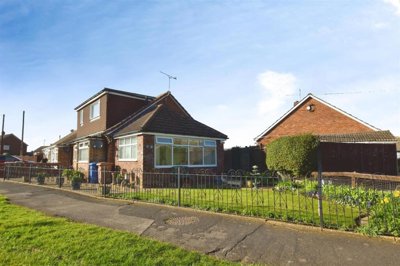
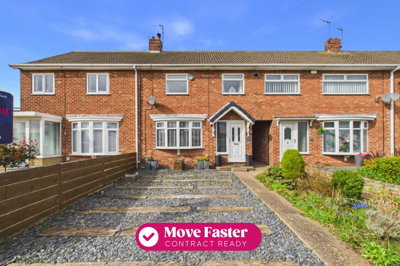
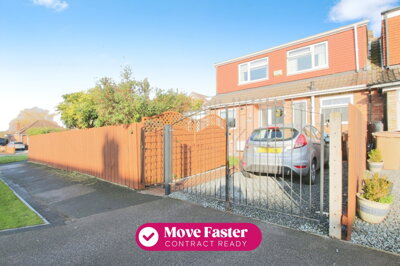
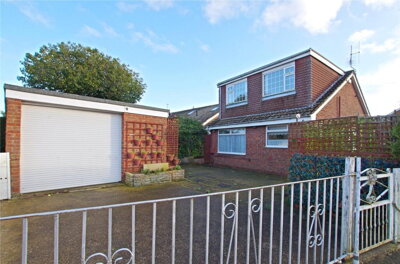
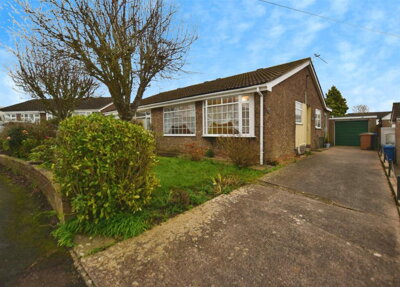
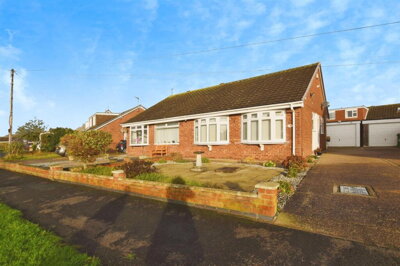
Browse 7 homes for sale in Coniston from local estate agents.
The 2 bed house market features detached, semi-detached, and terraced properties with two separate bedrooms plus living spaces. Properties in Coniston range from Victorian and Edwardian period homes to modern new builds, with pricing varying across different neighbourhoods.
The Coniston property market has demonstrated remarkable strength over the past twelve months, with home.co.uk reporting that sold prices increased by 21% compared to the previous year and now stand 19% higher than the 2023 peak of £240,000. homedata.co.uk and home.co.uk both record an overall average price of £285,000, while home.co.uk indicates an average of £250,000 based on transactions completed by early 2026. This upward trajectory reflects growing buyer interest in East Riding villages that offer value for money alongside genuine community atmosphere, positioning Coniston as an increasingly attractive alternative to more expensive towns in the region.
Property types available in Coniston primarily consist of detached homes and semi-detached houses, with detached properties commanding an average price of £320,000 and semi-detached homes averaging £250,000. The village also features bungalows, which appeal strongly to retirees and those seeking single-level living, as well as terraced properties that provide a more affordable entry point into the local market. homedata.co.uk listings show recent sales completed in February, April, and October 2024, demonstrating consistent transaction activity throughout the year rather than seasonal fluctuations.
New build activity within Coniston itself remains limited, with no active developments currently underway in the HU11 postcode area. However, broader searches across the East Riding reveal new housing developments in nearby towns such as Pocklington and Monks Cross near York, with major housebuilders including Gleeson Homes and Redrow operating in the wider region. Buyers specifically seeking brand-new properties may need to consider these surrounding areas, though off-plan purchases in nearby towns can offer attractive options for those willing to commute the additional distance.

Coniston exemplifies the East Riding village lifestyle, where agricultural traditions shape the local landscape and community rhythm. The village sits within the Holderness area, a region historically characterised by productive farmland that continues to define the character of the surrounding countryside. Local farming operations focus on arable cultivation, dairy production, and livestock including pigs and poultry, creating employment opportunities and maintaining the visual identity of rolling fields and farmsteads that define the approach to the village. This working landscape provides residents with fresh local produce and a tangible connection to Yorkshire's agricultural heritage.
The village maintains a population density of approximately 60 people per square kilometre, reflecting the spacious nature of rural East Riding living. This low density creates an environment where residential properties enjoy generous garden spaces, where country lanes replace busy urban roads, and where wildlife sightings from your doorstep are entirely normal. The peaceful atmosphere appeals particularly to families seeking room for children to play outdoors, professionals working from home who value a calm environment, and retirees looking to escape the noise and congestion of larger towns.
Community life in Coniston centres on traditional village activities and the shared appreciation of rural surroundings. The proximity to Hull city centre, just six miles away, means that cultural venues, restaurants, shopping centres, and healthcare facilities remain accessible for regular visits or when needed. This dual advantage of countryside tranquility within easy reach of urban amenities distinguishes Coniston from more isolated rural villages, allowing residents to enjoy the best of both worlds without committing to either extreme. The local economy's farming focus also means that agricultural shows, country markets, and seasonal events feature prominently in the community calendar.

Families considering a move to Coniston will find educational options available both within the village and in the surrounding area. The primary school provision serves younger children locally, with schools in nearby villages and towns catering to families preferring shorter journeys. Secondary education typically involves travel to larger settlements in the East Riding, with several schools offering solid academic records and good Ofsted ratings within reasonable commuting distance by school transport or car. Parents should research specific catchment areas and admission arrangements, as these can significantly influence school allocations and should be verified before making an offer on any property.
For families requiring early years childcare, the village and surrounding area offer various options including nurseries and preschool facilities. The East Riding of Yorkshire Council maintains information on registered childcare providers, including those offering funded hours for eligible two, three, and four-year-old children. Many rural villages in the region have established childcare arrangements, though availability may be more limited than in larger towns, making early enquiry advisable for families with specific scheduling requirements or those needing wraparound care.
Post-16 education options in the region include sixth forms at local secondary schools and further education colleges in Hull and surrounding market towns. The East Riding College and Hull College offer vocational qualifications and A-levels, providing pathways for young people pursuing higher education or vocational careers. The proximity to Hull means that university options including the University of Hull are accessible for older students, opening opportunities for higher education without requiring relocation to major cities. Apprenticeship opportunities in Hull and the surrounding area also provide alternative routes into various careers for young people not wishing to pursue traditional university paths.

Coniston enjoys a strategic position relative to major transport routes, making commuting to Hull straightforward for residents who work in the city. The village sits approximately six miles northeast of Hull city centre, with the journey typically taking 15-20 minutes by car depending on traffic conditions and the specific destination within the city. The A165 and A1035 roads provide direct routes into Hull, connecting Coniston with the city's employment centres, retail areas, and healthcare facilities. For those working in Hull but preferring countryside living, this commute distance represents an acceptable daily journey that many residents manage successfully.
Public transport options include bus services connecting Coniston with Hull and surrounding villages, providing alternatives to car travel for those who prefer not to drive or who wish to reduce their environmental impact. Hull Paragon Interchange serves as the main public transport hub, offering rail connections to destinations including Leeds, York, Sheffield, and London King's Cross. The rail journey from Hull to Leeds takes approximately 1 hour 20 minutes, making day trips and business travel to major northern cities entirely feasible from a Coniston base. Advance booking often secures cheaper advance tickets on these routes, making regular commuting more economical for those who plan ahead.
For residents commuting further afield, the A63/M62 corridor provides connections to the national motorway network, enabling access to Leeds, Sheffield, Manchester, and beyond. Humberside Airport near Hull offers domestic and limited international flights, while the Port of Hull provides ferry connections to mainland Europe for those requiring European travel. Cycling infrastructure in the area continues to improve, with country lanes offering scenic routes for confident cyclists, though the lack of dedicated cycle lanes on busier roads means that cycling for commuting requires careful route planning and appropriate equipment. The level terrain of the East Riding makes cycling more accessible than hilly areas, though weather conditions in winter months should be factored into commuting plans.

Start by exploring current property listings in Coniston and understanding price trends. With average prices around £285,000 and detached homes averaging £320,000, knowing what your budget buys will help you focus your search effectively on properties that meet your requirements. Use multiple property portals including home.co.uk, homedata.co.uk, and home.co.uk to build a comprehensive picture of available stock and recent sale prices in the HU11 postcode area.
Before arranging viewings, obtain a mortgage agreement in principle from a lender. This demonstrates to estate agents and sellers that you have financing secured, strengthening your position when making offers in what may be a competitive local market where several buyers are pursuing limited property availability. Having your mortgage decision in principle also helps you understand your true budget and avoids disappointment when viewing properties above your lending limit.
Schedule viewings of properties that match your criteria, taking time to assess the condition of each home and its suitability for your needs. Consider factors such as garden size, parking availability, proximity to neighbours, and the general state of repair that might require investment after purchase. Viewing properties at different times of day can reveal variations in noise levels, natural light, and neighbour activity that single visits may miss.
Once your offer is accepted, arrange a RICS Level 2 Home Survey before proceeding to exchange contracts. Given the age of many properties in East Riding villages, this survey identifies structural issues, roofing problems, dampness, and other defects that may not be apparent during viewings, allowing you to negotiate repairs or price adjustments. Our inspectors are experienced with traditional East Riding construction methods and will assess the specific risks associated with local geology and property age.
Choose a conveyancing solicitor to handle the legal transfer of ownership, including local searches, contract preparation, and registration with the Land Registry. Your solicitor will liaise with the seller's legal team and keep you informed throughout the process until completion day. Local solicitors with experience in East Riding transactions will be familiar with common issues affecting village properties in this area.
After satisfactory survey results and completed legal work, exchange contracts with the seller to commit to the purchase. Remaining funds are transferred on completion day, when you receive the keys and can begin moving into your new Coniston home. We recommend arranging buildings insurance before completion and scheduling utilities reconnections to ensure your new home is ready for occupation on moving day.
Properties in Coniston, like many East Riding villages, may be built on geological formations that include glacial till deposits with clay content, which can cause ground movement affecting foundations over time. When viewing properties, look for signs of subsidence such as cracks in walls, doors that stick or fail to close properly, and uneven floors. The Holderness area's geology can create shrink-swell risks for properties with clay subsoils, particularly those with trees or vegetation close to the building foundations where moisture fluctuations cause ground movement.
The age of housing stock in Coniston means that many properties will have solid walls rather than cavity wall construction, which affects insulation performance and moisture management. Check for signs of dampness including musty odours, discoloured walls, and peeling wallpaper, particularly in ground floor rooms and areas with limited ventilation. Older properties may also retain original electrical wiring and plumbing that will require updating to meet modern safety standards, so factor potential renovation costs into your overall budget alongside the purchase price. A thorough RICS Level 2 survey will identify these issues before you commit to purchase.
Rural properties in the East Riding often feature private drainage systems including septic tanks or cess pits rather than mains sewerage, which carries ongoing maintenance responsibilities and potential costs. Verify the location and condition of any private drainage systems and understand your legal obligations for their upkeep. Properties adjacent to farmland may also experience agricultural activities including noise, dust, and seasonal odours, which are normal features of countryside living rather than grounds for complaint. Understanding the agricultural calendar helps set realistic expectations about seasonal variations in rural neighbourhood activity.

The average sold house price in Coniston, East Riding of Yorkshire, is currently £285,000 according to homedata.co.uk and home.co.uk listings data, while home.co.uk reports £250,000 based on recent transactions. Detached properties average £320,000, with semi-detached homes around £250,000. The market has shown strong growth, with prices rising 21% year-on-year according to home.co.uk listings data, indicating healthy demand for property in this East Riding village location. This growth represents significant appreciation from the 2023 peak of £240,000, suggesting continued confidence in the local market.
Properties in Coniston fall under East Riding of Yorkshire Council's jurisdiction for council tax purposes. The village contains properties across various bands depending on property type and value, with many traditional cottages and bungalows falling into bands A through C, while larger detached homes may be in higher bands D or E. You can verify the specific band for any property through the East Riding of Yorkshire Council website using the property address or council tax reference number. Current East Riding of Yorkshire Council tax rates for 2024-2025 set Band A properties at approximately £1,300 annually before any discounts or exemptions apply.
Coniston itself offers primary education provision, with several good-rated primary schools in surrounding villages accessible by school transport. Secondary schools in the nearby towns of Hull and the wider East Riding provide additional options, with parents advised to check current Ofsted ratings and admission criteria for specific schools. The East Riding is home to several highly-rated schools, and researching catchment areas before purchasing is recommended for families with school-age children. Primary schools in nearby towns such as Beverley and Woodmansey often serve families from the Coniston area, with school transport arrangements managed through East Riding of Yorkshire Council.
Bus services connect Coniston with Hull city centre and surrounding villages, providing regular public transport options for residents without cars. Hull Paragon railway station, accessible via bus or car, offers rail connections to Leeds, York, Sheffield, and London, with journey times of approximately 1 hour 20 minutes to Leeds and 2 hours 30 minutes to London King's Cross. The village's position six miles from Hull city centre means car travel remains the most practical option for many daily journeys, though public transport alternatives exist for those who prefer them. Stagecoach and East Yorkshire services provide the main bus routes serving the HU11 area.
Coniston presents an interesting proposition for property investors, with strong recent price growth of 21% year-on-year indicating robust demand. The village's proximity to Hull, combined with relatively affordable average prices compared to Hull itself, suggests potential for continued appreciation as buyers priced out of the city look to surrounding villages. Rental demand may exist from commuters and those seeking rural lifestyles within easy reach of urban employment, though specific rental yields would require detailed local market analysis. The limited new build supply in the HU11 area may further support property values by restricting available stock.
Stamp Duty Land Tax applies to purchases above £250,000 in England. Standard rates are 0% on the first £250,000, 5% on £250,001 to £925,000, 10% on £925,001 to £1.5 million, and 12% on anything above that. First-time buyers benefit from relief on the first £425,000, paying 5% between £425,001 and £625,000. At the Coniston average price of £285,000, a first-time buyer would pay £0 in stamp duty, while an additional purchaser would pay £1,750 calculated as 5% on the £35,000 portion above the threshold.
Detached properties dominate the Coniston housing market, commanding average prices of £320,000 and appealing to families seeking space and privacy. Semi-detached homes averaging £250,000 provide more affordable options for first-time buyers and smaller households. Bungalows represent a significant portion of available stock, particularly attractive to retirees and those preferring single-level living without stairs. The village also features terraced properties offering the most affordable entry point into the local market, though these are less prevalent than detached and semi-detached styles typical of East Riding villages.
Coniston is situated inland within the Holderness area of East Riding, approximately six miles northeast of Hull city centre, which reduces exposure to coastal flooding risks affecting some coastal settlements in the region. Specific surface water flood risk for individual properties should be verified through the Gov.uk flood risk checker using the property address before purchase. Properties near watercourses or in low-lying areas of the village may carry elevated flood risk, and this should be investigated during conveyancing searches. Our surveyors will note any visible signs of previous flooding or water damage during property assessments.
Understanding the full cost of purchasing property in Coniston extends beyond the advertised asking price. Stamp Duty Land Tax represents a significant upfront cost that varies according to purchase price and your buyer status. At the current Coniston average price of £285,000, a first-time buyer qualifies for relief on properties up to £425,000, meaning no stamp duty would be due on this average-priced property. However, a purchaser who has previously owned property would pay £1,750, calculated as 5% of the £35,000 above the £250,000 threshold.
Additional buying costs include solicitor fees for conveyancing, which typically range from £500 to £1,500 depending on the complexity of the transaction and whether the property is freehold or leasehold. Local searches with East Riding of Yorkshire Council cost approximately £250-£300, while mortgage arrangement fees typically fall between £500 and £2,000 depending on the lender and product chosen. A RICS Level 2 survey costs between £350 and £600 for properties in this price range, providing essential protection against hidden defects in older village properties. Budgeting for these costs upfront prevents financial stress during the transaction process.
Moving costs should also be budgeted, including removal firm fees, potential temporary storage, and connection charges for utilities at your new property. Buildings insurance must be in place from completion day, and you may wish to budget for immediate purchases or renovations. Overall, buyers should anticipate spending approximately 3-5% of the purchase price on these additional costs, meaning a £285,000 property would require around £8,500 to £14,000 beyond the deposit and mortgage funds to cover all associated expenses. Setting aside a contingency fund for unexpected issues discovered during surveys or legal checks provides additional financial security during the buying process.

From £350
A detailed survey for properties in Coniston, identifying defects common in East Riding homes
From £500
Comprehensive building survey for older or complex properties
From £85
Energy performance certificate for your Coniston property
From £499
Expert legal services for your property purchase
Properties for Sale In London

Properties for Sale In Plymouth

Properties for Sale In Liverpool

Properties for Sale In Glasgow

Properties for Sale In Sheffield

Properties for Sale In Edinburgh

Properties for Sale In Coventry

Properties for Sale In Bradford

Properties for Sale In Manchester

Properties for Sale In Birmingham

Properties for Sale In Bristol

Properties for Sale In Oxford

Properties for Sale In Leicester

Properties for Sale In Newcastle

Properties for Sale In Leeds

Properties for Sale In Southampton

Properties for Sale In Cardiff

Properties for Sale In Nottingham

Properties for Sale In Norwich

Properties for Sale In Brighton

Properties for Sale In Derby

Properties for Sale In Portsmouth

Properties for Sale In Northampton

Properties for Sale In Milton Keynes

Properties for Sale In Bournemouth

Properties for Sale In Bolton

Properties for Sale In Swansea

Properties for Sale In Swindon

Properties for Sale In Peterborough

Properties for Sale In Wolverhampton

Enter your details to see if this property is within your budget.
Loans, cards, car finance
Estimated property budget
Borrowing + deposit
You could borrow between
Typical borrowing
Monthly repayment
Est. at 4.5%
Loan-to-value
This is an estimate only. Your actual budget may vary depending on interest rates, credit history, and personal circumstances. For an accurate affordability assessment, speak to one of our free mortgage advisors.
This calculator provides estimates for illustrative purposes only and does not constitute financial advice. Your home may be repossessed if you do not keep up repayments on your mortgage. Estimates based on 4.5% interest rate, repayment mortgage. Actual rates depend on your circumstances.
Homemove is a trading name of HM Haus Group Ltd (Company No. 13873779, registered in England & Wales). Homemove Mortgages Ltd (Company No. 15947693) is an Appointed Representative of TMG Direct Limited, trading as TMG Mortgage Network, which is authorised and regulated by the Financial Conduct Authority (FRN 786245). Homemove Mortgages Ltd is entered on the FCA Register as an Appointed Representative (FRN 1022429). You can check registrations at NewRegister or by calling 0800 111 6768.

We use cookies to show you personalised content and improve your experience of our website. Find out more in our Privacy policy and Cookie policy.