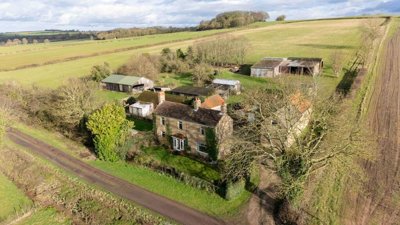
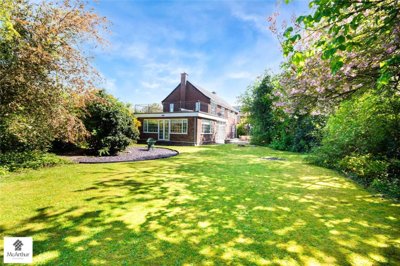
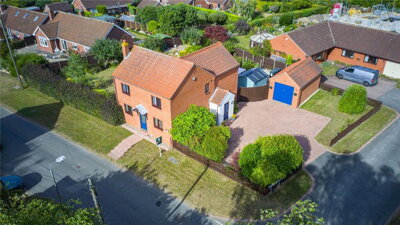
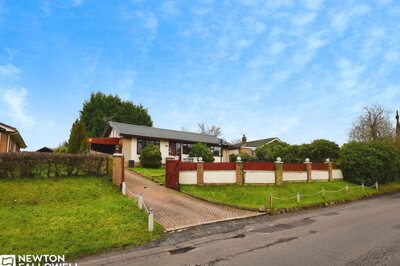
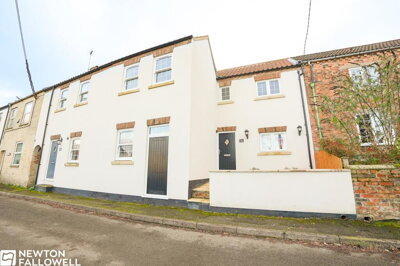
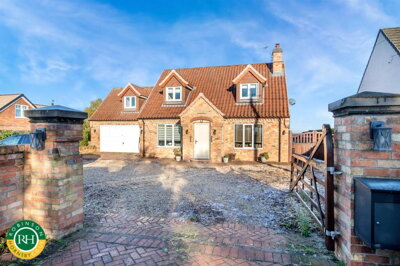
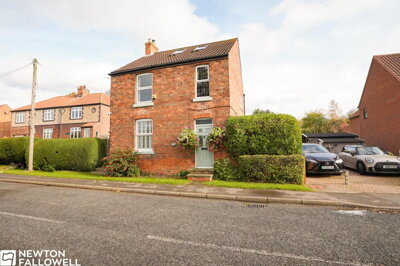
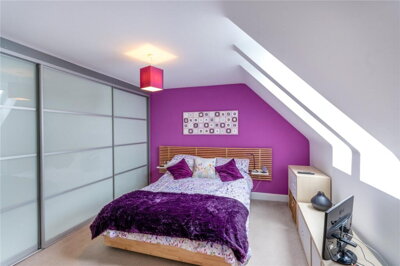
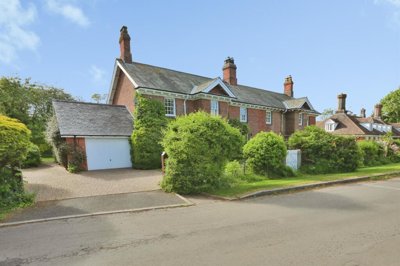
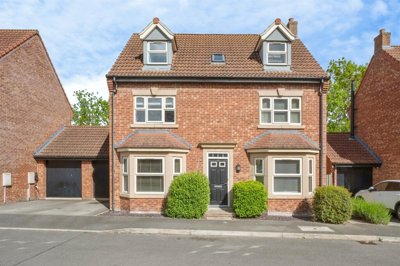
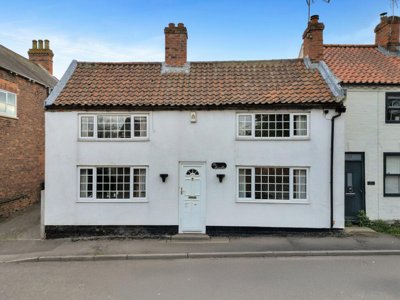
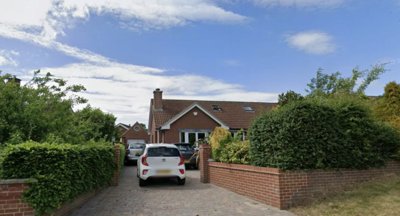
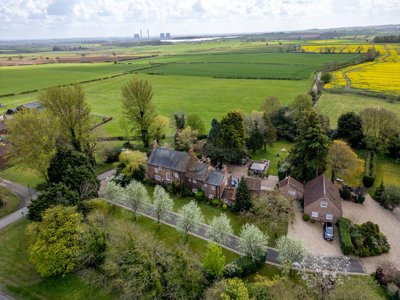
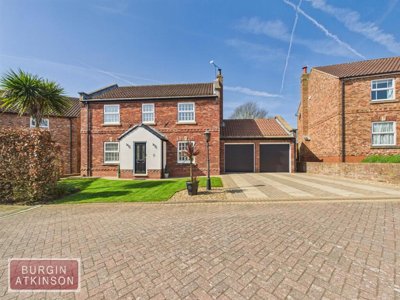
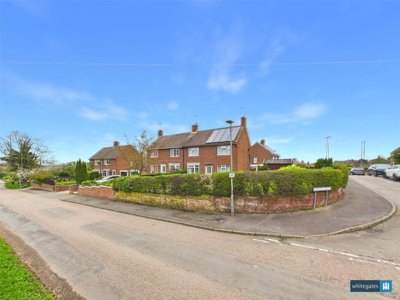
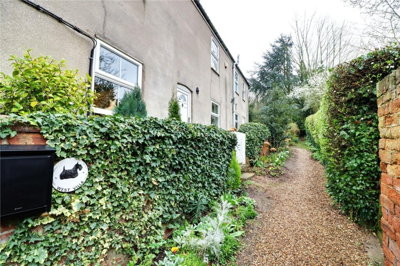
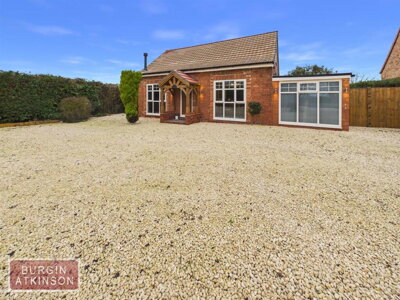
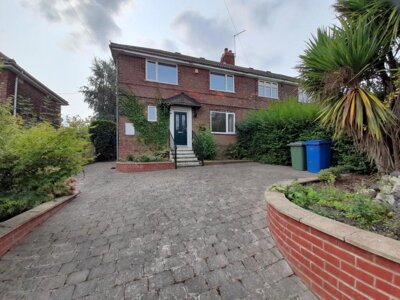
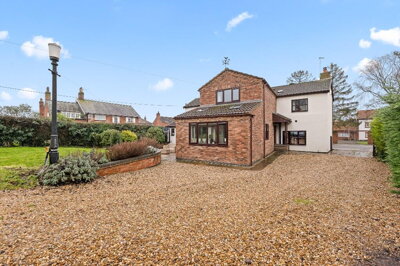
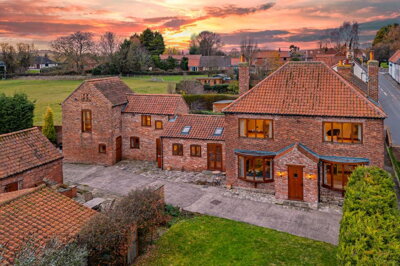
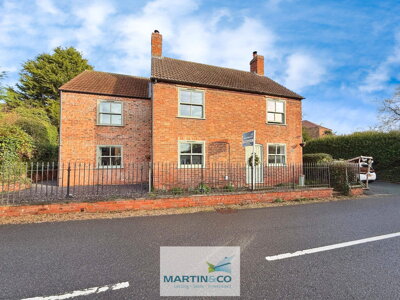
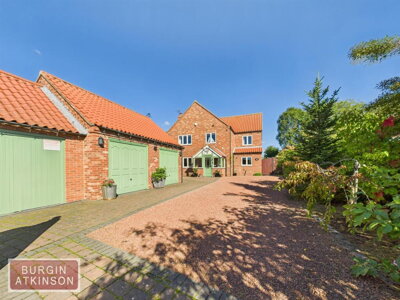
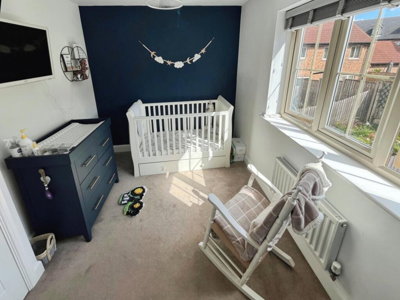
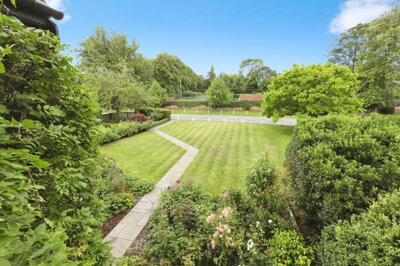
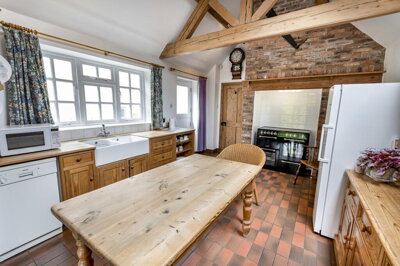
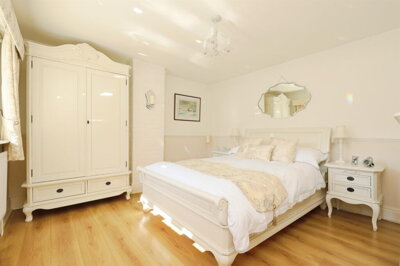
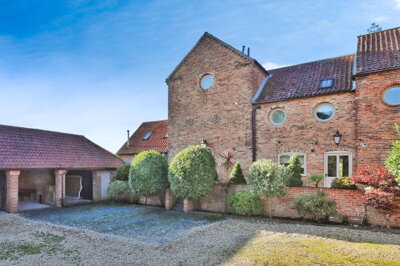
Browse 27 homes for sale in Clayworth, Bassetlaw from local estate agents.
The Clayworth property market offers detached, semi-detached, and terraced houses spanning various price ranges and neighbourhoods. Each listing includes detailed property information, photographs, and direct contact with the marketing agent.
£725k
1
0
233
Source: home.co.uk
Showing 1 results for Houses for sale in Clayworth, Bassetlaw. The median asking price is £725,000.
Source: home.co.uk
Detached
1 listings
Avg £725,000
Source: home.co.uk
Source: home.co.uk
Clayworth’s property market mirrors its place as a much-loved rural Nottinghamshire village. Our sold-price data across the village shows Town Street, the main route through Clayworth, averaging £466,429 from recent transactions. The figures point to strong demand for period homes here. 2 Hall Cottages on Town Street rose from £320,000 in August 2022 to £385,000 in November 2024, a clear jump over two years. 1 Hall Cottages moved from £267,500 in October 2021 to £320,000 in September 2024, which says a lot about the resilience of Clayworth’s market, even at the smaller end.
Traditional houses and bungalows make up most of the stock in Clayworth, which fits a village that has long been owner-occupied. The 2001 Census counted 112 owner-occupied houses here, and the housing mix reflects that older settlement pattern. With Conservation Area status and numerous listed buildings dating from the C12 through to the C19, the village is far more likely to offer period homes than new-builds. We list properties from local estate agents across Clayworth and the wider Bassetlaw area, so buyers can see the full spread of homes currently on the market.

Clayworth has exactly the kind of English village feel that keeps rural Nottinghamshire in demand. Its name comes from “enclosure on clayey ground”, a neat clue to the local geology that has shaped the place for centuries. The 2001 Census recorded a median age of 46 years, which reflects a settled community and a steady pace of life. Conservation Area designation helps protect that historic character, so any alterations or new development have to sit comfortably with the look and feel that makes Clayworth distinctive.
What stands out economically is a village made up largely of working professionals who have chosen rural life without giving up career prospects. Census data records 148 economically active employed residents, and 113 of them work in the tertiary or service sector. A further 93 residents are in managerial or professional roles, which shows the appeal Clayworth has for educated buyers. The average commuting distance is 26.24 km, so car travel is part of the routine for most people heading to jobs in nearby towns. That makes the village a sensible base for those splitting time between home working and office days in larger centres.
July 2024 marked an important step for the village, with the Clayworth Neighbourhood Area formally designated. A full Neighbourhood Plan has not yet started, but the designation shows that residents want a say in how the village develops. For buyers, that usually points to a community keen to protect Clayworth’s character, something that can support values over time. It also gives the parish a route into planning decisions, so people already living and owning here have a direct voice in how the village changes.

For families thinking about Clayworth, schooling is mostly found in the nearby towns and surrounding villages. Primary school options sit in the neighbouring settlements, while Retford offers a broader mix of primary and secondary provision. In Bassetlaw district, several primary schools have been rated Good or Outstanding by Ofsted, which offers some reassurance on local standards. Outwood Academy Retford is one of the main secondary choices, and it also provides sixth form places for pupils who want to stay in the area.
Clayworth’s closeness to Retford keeps school runs manageable without taking away the rural setting. In Nottinghamshire, secondary catchments generally work on a nearest-school basis, so buyers with children should check boundaries before deciding on a property. Grammar school education may mean looking further afield to Lincoln or Nottingham, though both involve longer journeys. For sixth form and further education, Retford or Gainsborough are usually the main options, with transport links helping those daily trips.

Daily life in Clayworth is shaped by transport, and in practice that means the car. The village is rural, so personal transport does most of the heavy lifting for commuting and everyday errands. Census data shows 118 residents travelling by motorcycle, car, or van, which underlines how important vehicle ownership is here. The A620 and A631 link the village to nearby market towns, and the A1 is within reach for journeys towards Sheffield, Nottingham, and Lincoln. By car, Retford is about 15 minutes away, while Sheffield city centre is around 45 minutes depending on traffic.
Rail access comes via Retford station on the East Coast Main Line, where direct services reach London King's Cross in under 90 minutes. The station also links to Sheffield, Lincoln, and Nottingham, so commuting to those cities is realistic. Bus services do run in the area, though rural routes are usually much less frequent than urban ones, which leaves most Clayworth residents relying on private vehicles. Cyclists can use the local road network too, and while the countryside is pleasant, some routes do involve modest hills.

Buyers who want to understand Clayworth’s homes properly should look at the way they were built. Most properties here use traditional methods and materials tied to the local geology and whatever was available when each building went up. The listed buildings in Clayworth show ashlar stone, dressed stone, snecked stone, and coursed rubble, all of which reflect skilled local craftsmanship. The British Geological Survey notes that clay soils dominate the area, which shaped both the village’s name and its building traditions, with pantile roofs appearing all over the village.
Those traditional materials need a different sort of care from modern construction. Red and orange clay bricks are common across the East Midlands, made from local clay and fired in the old way, which gives older properties their warm colour. Lime mortar is also widely used, rather than modern cement, so the walls can breathe and move more naturally. That matters when maintaining period homes, because the wrong repairs can do real harm to historic fabric. Anyone buying in Clayworth should expect to use specialist tradespeople who understand traditional building techniques.
Homes built before modern building regulations can also hide materials that need careful handling during work. Properties built before the 1970s may contain asbestos in walls, roofs, or insulation, so professional checks are needed before any renovation begins. We always suggest that buyers arranging surveys for Clayworth properties talk through the age and construction with their surveyor, because older homes often need closer inspection of the structure, roofing, and services. The traditional methods used here are part of the appeal, but they do come with ongoing maintenance costs.
Start by looking at the homes currently available in Clayworth through Homemove. Knowing the market helps, and the average price of around £466,429 on Town Street gives a useful benchmark. Because Clayworth sits in a Conservation Area, planning rules are different from those in standard residential streets, so it is sensible to get familiar with those restrictions early on.
Once a property catches the eye, arrange a viewing through the estate agent named in the listing. Before you make an offer, get a mortgage agreement in principle from a lender so your buying position is clear. Clayworth’s rural setting and older housing stock can mean some lenders ask for fuller valuations, so having finances in order can help when it comes to negotiations.
When the right Clayworth home comes along, put your offer in formally through the selling agent. If it is accepted, instruct a conveyancing solicitor to handle the legal transfer. With so many older properties and listed homes in the village, solicitors who know period property and Conservation Areas are particularly useful.
A RICS Level 2 Survey is a sensible step for properties built before 1890 or homes showing obvious signs of age-related wear. Clayworth’s clay-rich soils mean subsidence needs proper professional scrutiny. Listed buildings may call for specialist surveys beyond the usual Level 2. The report should set out any defects that need attention, or points to raise with the seller.
Once searches, surveys, and the mortgage offer are all in place, your solicitor can move to exchange of contracts. On completion day, the balance is transferred and the keys to your new Clayworth home are handed over. Ownership is then registered with the Land Registry, and the new address should be updated with the relevant organisations.
Buying in Clayworth calls for a closer look at a few local issues that are not as pressing in standard urban searches. The village’s clay-rich soils, which are hinted at by the place name meaning “enclosure on clayey ground”, bring a shrink-swell risk that can lead to subsidence or movement in the structure. Homes should be checked carefully for cracks in walls, uneven floors, or doors that do not close properly. Trees on or near a property can make soil movement worse during dry spells, or after tree removal, so the relationship between the building and nearby vegetation really matters.
Much of the village falls within a Conservation Area, so planning controls go beyond the usual property purchase. External alterations, extensions, or major landscaping works may need Conservation Area consent rather than standard planning permission. For listed buildings, including the Church of St Peter and many Town Street properties, Listed Building Consent is needed for any work that affects character. Buyers should confirm whether a property is listed and understand what that means in practice. Service charges and maintenance obligations can also be higher for period properties, especially where shared structures or communal areas are involved.
Older Clayworth homes often show the sorts of defects that come with traditional building methods, and buyers should know what to look for. Damp is common, whether rising damp in properties without modern damp-proof courses or penetrating damp from faulty gutters and roofs. Timber decay can also appear, including dry rot or wet rot linked to moisture getting in. Outdated electrical systems may not meet current safety standards. Roofs need close attention too, as missing tiles, sagging lines, and poor insulation are frequently found. We would always advise budgeting for repairs and improvements, because the character of Clayworth’s housing stock brings maintenance duties that modern homes often do not.

Recent transactions back up the strength of the market, with the average sold price for homes on Town Street, Clayworth, reaching £466,429. Some cottages have shown clear growth too, rising from around £267,500 in 2021 to £320,000 in 2024. Heritage status and a limited supply of period homes help support values across the village, whether it is detached houses or traditional cottages. Prices here usually reflect both the Conservation Area setting and the rural Nottinghamshire location.
For council tax, Clayworth sits within Bassetlaw District Council. The district uses the standard Nottinghamshire valuation bands from A through H. Most period homes in Clayworth, because of their age and character, tend to fall in bands C through E, though the exact band depends on the assessed value of each property. Buyers can check any specific band through the Valuations Office Agency or Bassetlaw District Council’s online records at bassetlaw.gov.uk.
Clayworth itself has only limited schooling provision, so younger children usually go to schools in nearby villages or in Retford. Retford is the main educational centre for Clayworth families, with several primary schools and Outwood Academy Retford for secondary education. Nottinghamshire’s admissions system works on catchment areas, so buyers with children should check which schools cover a preferred property before they commit. Schools in the Retford area have achieved Good or Outstanding Ofsted ratings, which gives parents a degree of confidence in local provision.
For everyday life, Clayworth is a village where a car is more or less essential. Bus services do operate, but the rural timetable means they are not enough for most residents on their own. Retford station on the East Coast Main Line gives rail access, with direct trains to London King's Cross in under 90 minutes. Retford is around 15 minutes’ drive away, so the town’s amenities and transport links are within easy reach. Commuters should factor in vehicle use, as 118 of the 148 economically active residents travel by car, van, or motorcycle according to census data.
There is quite a bit here to appeal to buyers and investors looking for long-term value. The village’s Conservation Area status keeps new development in check, which helps the balance between supply and demand. Period homes in Nottinghamshire villages have usually appreciated steadily, especially when they are well cared for and sensibly priced against the local market. Proximity to Retford and the A1 keeps Clayworth accessible, while the village still feels properly rural. That said, homes in villages can take longer to sell than urban properties, so buyers should think carefully about timescales and finance.
Stamp Duty Land Tax applies to every property purchase in England. For standard residential purchases, no SDLT is due on the first £250,000 of the price. Between £250,001 and £925,000, the rate is 5%, then 10% applies to the portion between £925,001 and £1.5 million, and 12% above £1.5 million. First-time buyers may claim relief with no SDLT on the first £425,000, and 5% between £425,001 and £625,000. With Clayworth’s average price around £466,429, most buyers would pay SDLT on the amount above £250,000, while first-time buyers could pay no SDLT on most purchases at this level.
The true cost of buying in Clayworth goes beyond the purchase price and includes Stamp Duty Land Tax, solicitor fees, and survey costs. At the village average of £466,429, a standard residential buyer would pay SDLT on £216,429 at the 5% rate, which comes to £10,821 in Stamp Duty. First-time buyers at this price point would likely get full relief under the higher threshold, so they could save that full SDLT amount. Homes above £625,000 do not qualify for first-time buyer relief, so standard SDLT rates apply from the first pound over that figure.
There are other costs to plan for as well, including solicitor conveyancing fees, which usually run from £500 to £1,500 depending on how complex the purchase is and whether the property is leasehold or comes with a mortgage. In Clayworth’s period properties, searches can throw up extra matters that need legal attention. Survey fees vary by property type and value, with RICS Level 2 surveys typically costing £400 to £600 for homes in the Clayworth price range. Listed buildings or non-standard construction can attract higher survey fees. Land Registry registration fees and local search fees add roughly £300 to £500 more. Budgeting for those costs alongside the mortgage deposit gives a far clearer picture of the total investment needed in Clayworth.

From 4.5%
Expert mortgage advice for Clayworth buyers
From £499
Specialist conveyancing for Clayworth properties
From £350
Professional survey for Clayworth homes
From £60
Energy performance certificate
Properties for Sale In London

Properties for Sale In Plymouth

Properties for Sale In Liverpool

Properties for Sale In Glasgow

Properties for Sale In Sheffield

Properties for Sale In Edinburgh

Properties for Sale In Coventry

Properties for Sale In Bradford

Properties for Sale In Manchester

Properties for Sale In Birmingham

Properties for Sale In Bristol

Properties for Sale In Oxford

Properties for Sale In Leicester

Properties for Sale In Newcastle

Properties for Sale In Leeds

Properties for Sale In Southampton

Properties for Sale In Cardiff

Properties for Sale In Nottingham

Properties for Sale In Norwich

Properties for Sale In Brighton

Properties for Sale In Derby

Properties for Sale In Portsmouth

Properties for Sale In Northampton

Properties for Sale In Milton Keynes

Properties for Sale In Bournemouth

Properties for Sale In Bolton

Properties for Sale In Swansea

Properties for Sale In Swindon

Properties for Sale In Peterborough

Properties for Sale In Wolverhampton

Enter your details to see if this property is within your budget.
Loans, cards, car finance
Estimated property budget
Borrowing + deposit
You could borrow between
Typical borrowing
Monthly repayment
Est. at 4.5%
Loan-to-value
This is an estimate only. Your actual budget may vary depending on interest rates, credit history, and personal circumstances. For an accurate affordability assessment, speak to one of our free mortgage advisors.
This calculator provides estimates for illustrative purposes only and does not constitute financial advice. Your home may be repossessed if you do not keep up repayments on your mortgage. Estimates based on 4.5% interest rate, repayment mortgage. Actual rates depend on your circumstances.
Homemove is a trading name of HM Haus Group Ltd (Company No. 13873779, registered in England & Wales). Homemove Mortgages Ltd (Company No. 15947693) is an Appointed Representative of TMG Direct Limited, trading as TMG Mortgage Network, which is authorised and regulated by the Financial Conduct Authority (FRN 786245). Homemove Mortgages Ltd is entered on the FCA Register as an Appointed Representative (FRN 1022429). You can check registrations at NewRegister or by calling 0800 111 6768.

We use cookies to show you personalised content and improve your experience of our website. Find out more in our Privacy policy and Cookie policy.