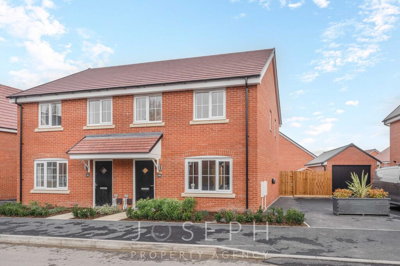
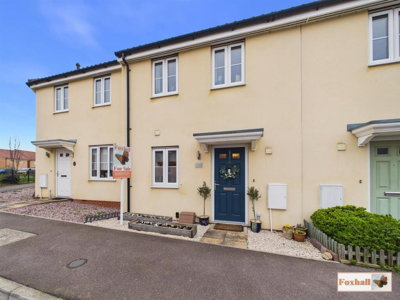
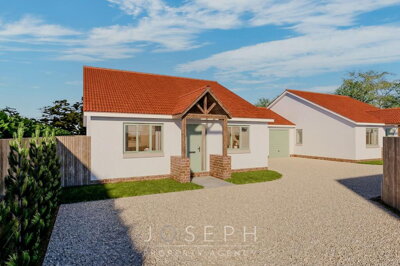
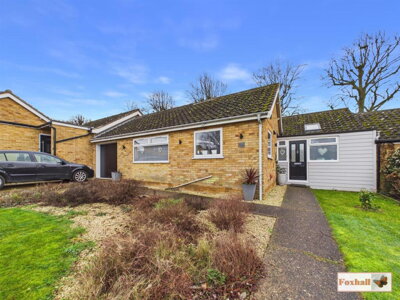
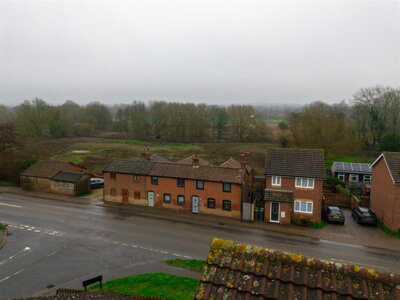
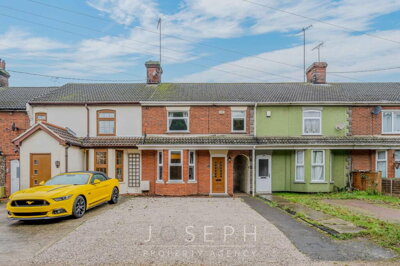
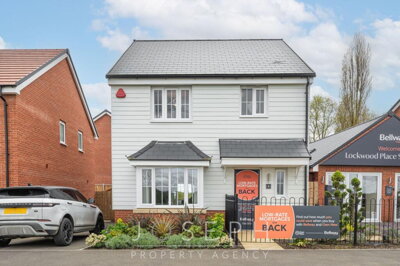
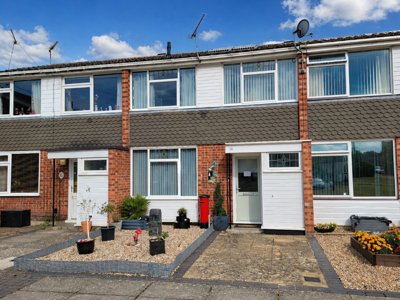
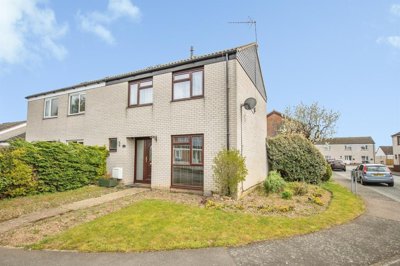
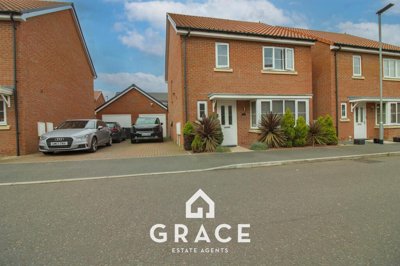
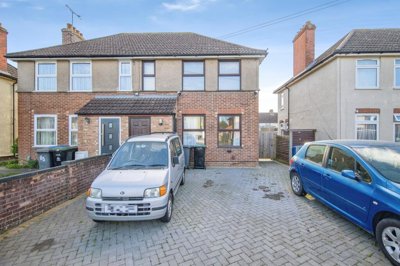
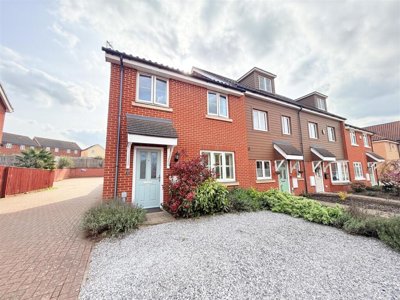
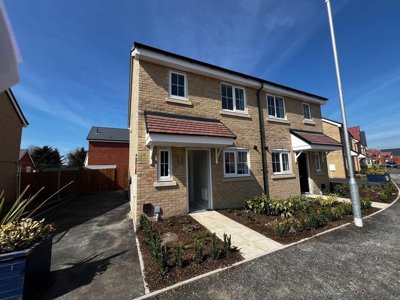
Browse 112 homes for sale in Claydon, Mid Suffolk from local estate agents.
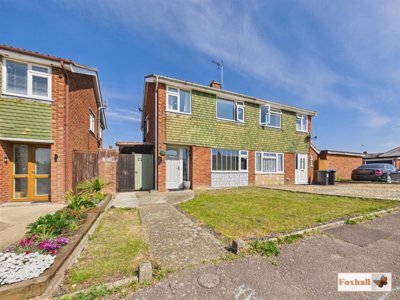
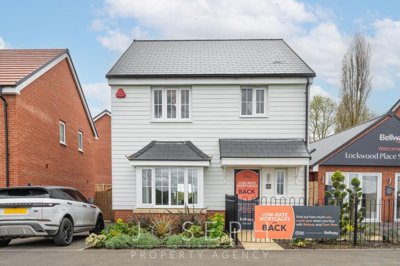
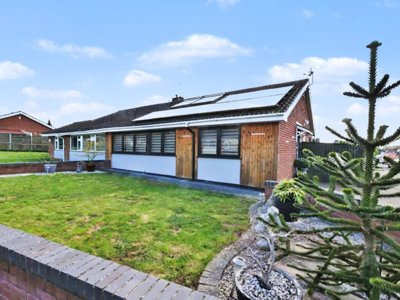
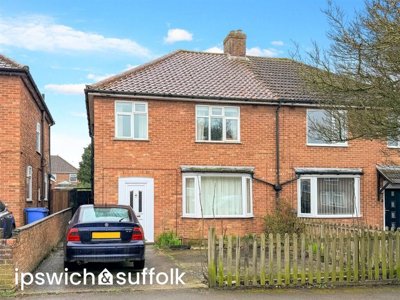
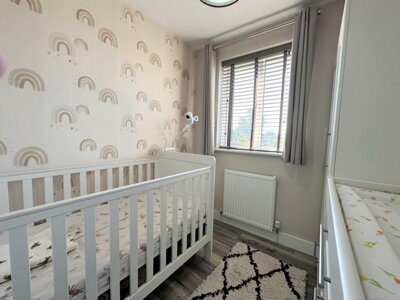
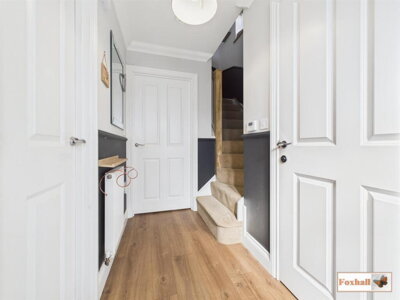
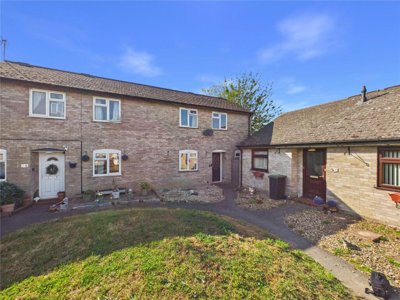
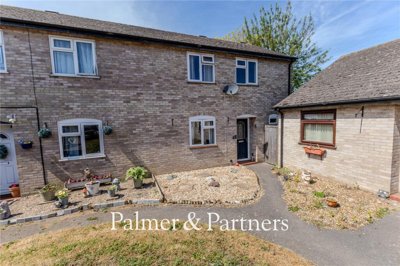
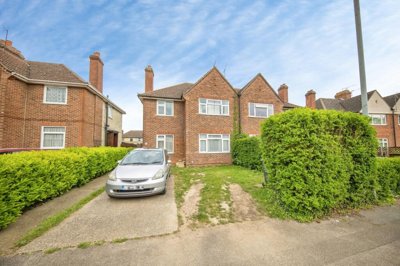
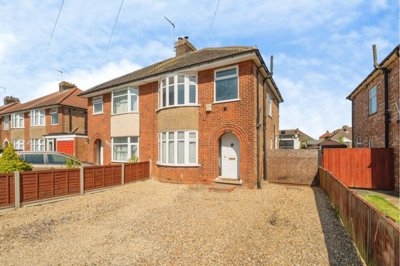
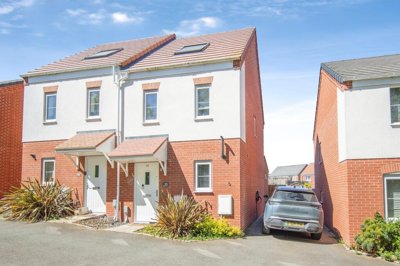
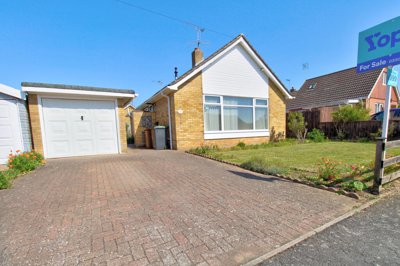
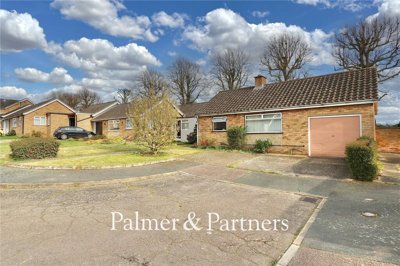
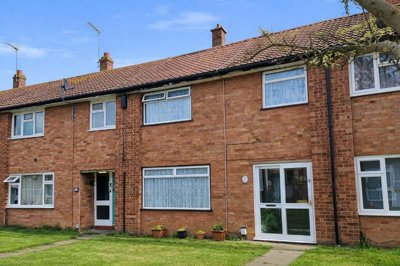
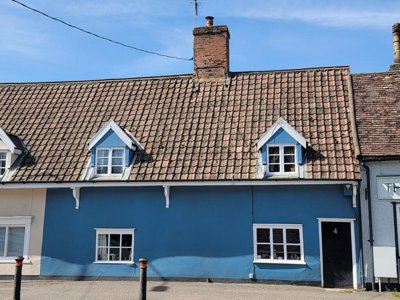
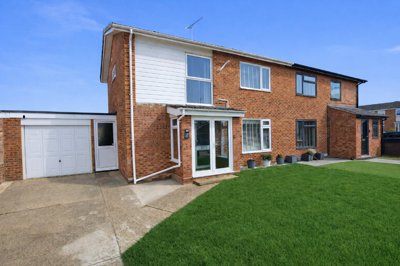
Three bedroom properties represent a significant portion of the Claydon housing market, offering space for families with multiple reception rooms and gardens in many cases. Browse detached, semi-detached, and terraced options ranging from period character homes to contemporary developments.
£235k
6
2
33
Source: home.co.uk
Showing 6 results for 3 Bedroom Houses for sale in Claydon, Mid Suffolk. 2 new listings added this week. The median asking price is £234,998.
Source: home.co.uk
Semi-Detached
4 listings
Avg £242,500
Detached
1 listings
Avg £280,000
Terraced
1 listings
Avg £239,995
Source: home.co.uk
Source: home.co.uk
Claydon's market is driven by established homes rather than a large pipeline of named new-build schemes, so the village keeps a settled, lived-in character. homedata.co.uk records show 657 sales in Claydon and Barham over the last 10 years, which suggests a market that trades steadily rather than in big waves. Countywide sales in Suffolk fell 14.1% over the last 12 months, so buyers can expect a little more breathing room than in busier periods. Well-presented homes with sensible pricing, good parking and a strong Energy Performance Certificate still stand out quickly.
The mix of homes also matters when you are setting a budget. Suffolk's latest sales split was 35.8% detached, 28.9% semi-detached, 27.5% terraced and 7.8% flats, and Claydon follows that broader family-home pattern. home.co.uk data places detached homes at £411,912, semis at £299,846 and terraces at £205,833, giving first-time buyers, upsizers and downsizers clear reference points. County house prices were up 2.6% year on year and average property values rose by £1.7k over the last twelve months, so the local market has shown resilience even with fewer sales completing.

Claydon feels like the kind of village where daily life is practical, familiar and easy to settle into. The exact parish demographics were not published in the research pack, but the housing profile points to a market that attracts households looking for family homes, gardens and a quieter pace than a town centre. In that sense, Claydon sits neatly within the wider Suffolk pattern of owner-occupier family housing. Buyers who like a straightforward, grounded village lifestyle usually find the area easy to understand after one or two visits.
The local landscape is typically Suffolk in feel, with open countryside, gentle rural edges and the sort of roads that suit dog walks and weekend wandering. Specific geology data for the parish was not included in the research, although parts of Suffolk can have clay soils, so older homes and extensions deserve a careful eye for movement or settlement. Claydon does not read as a place built around tourist attractions, which is part of its appeal for buyers who want a proper home base rather than a visitor hotspot. Day-to-day life is shaped by nearby essentials, green space and easy access into Ipswich for bigger shops, services and leisure.
School hunters in Claydon usually start with the local primary options serving the village and the secondary choices on the wider Ipswich fringe. The research we have does not publish a Claydon-only Ofsted table, so the safest approach is to check the latest inspection report and admissions map before you make a decision. Claydon High School is the name most buyers tend to ask about, and families often compare it with nearby schools in neighbouring parishes and Ipswich. Catchment lines can shift, so a home that looks ideal in isolation can still land outside your preferred school zone.
Education decisions in a village like Claydon are often about routine as much as reputation. Travel time, wraparound care and the reliability of the school run can matter more than a single inspection headline, especially for households balancing work and childcare. Older students have wider choices in Ipswich for sixth form and further education, which helps keep the area attractive for growing families. Buyers planning a long-term move should ask the agent for the current catchment position and think about whether the street layout feels easy on busy weekday mornings.

Claydon works well for buyers who put road access first. The A14 is the key route for commuting across Suffolk and beyond, with straightforward links towards Ipswich, Bury St Edmunds, Felixstowe and the wider East Anglian network. For rail travel, most residents head into nearby Ipswich for direct services to London Liverpool Street and other major destinations. That setup suits hybrid workers who want a village address without giving up practical weekday travel.
Public transport in a village setting is naturally more limited than in a larger town, so bus frequency and journey reliability deserve a close look. Parking can be a real selling point here, with driveways, garages and decent on-street space adding everyday value for households that rely on one or two cars. Cyclists can make use of quieter rural lanes and local links into neighbouring villages, although darker winter routes need proper planning. When you view a home, check school-run congestion, access to the main road and how easy the property is to use after a long day at work.
Start with the street layout, the A14 access and the amenities you will use most often, then compare asking prices on home.co.uk with sold prices from homedata.co.uk. That gives you a much clearer sense of value in Claydon than a price tag on its own.
Secure a mortgage agreement in principle before you book viewings, because sellers and agents will treat your offer more seriously. This is also the moment to set aside money for legal fees, survey costs, moving costs and stamp duty.
Visit at different times of day so you can judge parking, traffic and any school-run pressure around the street. In a village market, the feel of the immediate road can matter almost as much as the room layout.
A RICS Level 2 survey is a smart choice for many conventional homes, while older or altered properties may justify a deeper inspection. Claydon buyers should pay extra attention to roofs, walls, drainage and signs of movement in any property with age.
Bring a conveyancer in early so searches, title checks and leasehold questions do not slow the transaction later. Flats and maisonettes need special attention on service charges, ground rent and the shared responsibility for building upkeep.
Once mortgage, survey and legal checks are in place, agree a completion date that works for removals and any chain above or below you. Keep time for insurance, utilities and final meter readings so moving day feels orderly rather than rushed.
Claydon buyers should begin with the checks that matter in any Suffolk village: drainage, roof condition, boundaries and the age of any extensions. The research did not identify parish-wide flood hotspots or a specific conservation area concentration, so each address should be checked on its own merits rather than by assumption. Clay soils can sometimes increase movement risk in older homes, which makes cracks, sticking doors and patch repairs worth a closer look. A solid survey will separate normal age-related wear from something that needs a real budget.
Leasehold flats deserve particular attention because service charges, building insurance and ground rent can change the true monthly cost of ownership. Freehold houses are usually simpler to budget for, but shared driveways, rights of way and garden boundaries still need to be confirmed in writing. If the home sits near a protected feature or within a conservation setting, planning rules may be stricter on windows, roof changes and outbuildings. Ask for paperwork on permissions, warranties and previous works so you know exactly what you are buying before contracts are exchanged.

home.co.uk places the average asking price in Claydon at £325,013, while homedata.co.uk records show average sold prices around £290,940. That difference is useful because it shows the gap between what sellers hope to achieve and what buyers have actually paid. Detached homes average £411,912, semis £299,846 and terraces £205,833, so the right budget depends on the type of property you want. Prices also rose over the last year, with sold values up 5.8%, which has kept the village market moving.
Claydon falls under Mid Suffolk District Council for council tax billing, but the actual band is set by the individual property. Homes in the village can sit in different bands depending on size, age, extensions and historic valuation. You should check the listing, the seller's paperwork or the council record before you make an offer. That matters because council tax can change your monthly budget almost as much as a small shift in mortgage rate.
Claydon High School is the main secondary name most buyers ask about, alongside the nearby primary options serving the village and surrounding parishes. The research pack does not include a live Ofsted table, so it is wise to check the latest report and the current admissions map for your exact address. Families often compare a few schools before deciding because catchments and bus routes can alter the day-to-day routine. For a long-term move, the school run can be just as important as the size of the kitchen.
Claydon is better connected by road than by rail, which is typical for a Suffolk village of this type. Most commuters use the A14 and then head into nearby Ipswich for trains, including direct services to London Liverpool Street. Bus links may cover local trips, but they are unlikely to replace a car for every household. If commuting matters, test the route at the time you would normally travel rather than relying on a map alone.
Claydon can work well for long-term buyers because it has steady family appeal and a relatively limited pool of homes. homedata.co.uk shows 657 sales in Claydon and Barham over the last 10 years, which points to a market that is active but not overbuilt. Suffolk prices were up 2.6% year on year, while county sales fell 14.1% over the last 12 months, so quality stock still matters. Investors should still judge rental demand, maintenance costs and exit liquidity before they commit.
For 2024-25, standard stamp duty is 0% up to £250,000, 5% from £250,000 to £925,000, 10% from £925,000 to £1.5 million and 12% above that. On a £325,013 home, a standard buyer would usually pay about £3,750 because the 5% band only applies to the amount above £250,000. First-time buyers get 0% up to £425,000, so a purchase at that price or below can mean no SDLT at all. It is still worth checking the exact calculation before exchange because second-home and higher-rate rules can change the figure.
Claydon is more of a house market than a flat market, which fits the wider Suffolk sales profile. In the latest county data, flats made up just 7.8% of sales, far behind detached homes, semis and terraces. That usually means fewer apartment choices than you would see in a town centre. If you do find a flat, check service charges, lease length and any planned works before you commit.
First-time buyers should get their mortgage agreement in principle sorted before they start serious viewings, because it helps you move quickly when the right home appears. The village market rewards buyers who understand the street, parking and travel setup as well as the room sizes. A terrace at around £205,833 can be a realistic entry point, while semis around £299,846 sit a little higher in the price ladder. Budget for survey and legal fees too, because the purchase price is only part of the real cost.
Buying costs in Claydon follow the national stamp duty rules, but the village price points make the calculation fairly straightforward. Standard SDLT is 0% up to £250,000, then 5% from £250,000 to £925,000, 10% from £925,000 to £1.5 million and 12% above that. At a typical Claydon asking price of £325,013, a standard buyer would usually pay about £3,750 in stamp duty. First-time buyers are in a stronger position because they get 0% up to £425,000, which can remove SDLT entirely on many homes in the village.
Your full budget should also include solicitor fees, survey costs, removals, mortgage charges if they apply and the expense of moving services on completion day. A chain can add timing pressure, so it helps to have your agreement in principle, deposit plan and legal funds lined up before an offer is accepted. Buying a terrace at about £205,833 or a semi at roughly £299,846 changes the SDLT picture, so it is worth running the numbers early rather than waiting until exchange. That way you know whether the home you love also fits comfortably once the real moving costs are added in.
Properties for Sale In London

Properties for Sale In Plymouth

Properties for Sale In Liverpool

Properties for Sale In Glasgow

Properties for Sale In Sheffield

Properties for Sale In Edinburgh

Properties for Sale In Coventry

Properties for Sale In Bradford

Properties for Sale In Manchester

Properties for Sale In Birmingham

Properties for Sale In Bristol

Properties for Sale In Oxford

Properties for Sale In Leicester

Properties for Sale In Newcastle

Properties for Sale In Leeds

Properties for Sale In Southampton

Properties for Sale In Cardiff

Properties for Sale In Nottingham

Properties for Sale In Norwich

Properties for Sale In Brighton

Properties for Sale In Derby

Properties for Sale In Portsmouth

Properties for Sale In Northampton

Properties for Sale In Milton Keynes

Properties for Sale In Bournemouth

Properties for Sale In Bolton

Properties for Sale In Swansea

Properties for Sale In Swindon

Properties for Sale In Peterborough

Properties for Sale In Wolverhampton

Enter your details to see if this property is within your budget.
Loans, cards, car finance
Estimated property budget
Borrowing + deposit
You could borrow between
Typical borrowing
Monthly repayment
Est. at 4.5%
Loan-to-value
This is an estimate only. Your actual budget may vary depending on interest rates, credit history, and personal circumstances. For an accurate affordability assessment, speak to one of our free mortgage advisors.
This calculator provides estimates for illustrative purposes only and does not constitute financial advice. Your home may be repossessed if you do not keep up repayments on your mortgage. Estimates based on 4.5% interest rate, repayment mortgage. Actual rates depend on your circumstances.
Homemove is a trading name of HM Haus Group Ltd (Company No. 13873779, registered in England & Wales). Homemove Mortgages Ltd (Company No. 15947693) is an Appointed Representative of TMG Direct Limited, trading as TMG Mortgage Network, which is authorised and regulated by the Financial Conduct Authority (FRN 786245). Homemove Mortgages Ltd is entered on the FCA Register as an Appointed Representative (FRN 1022429). You can check registrations at NewRegister or by calling 0800 111 6768.

We use cookies to show you personalised content and improve your experience of our website. Find out more in our Privacy policy and Cookie policy.