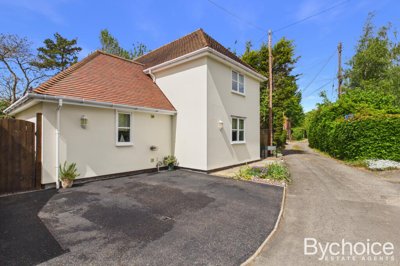
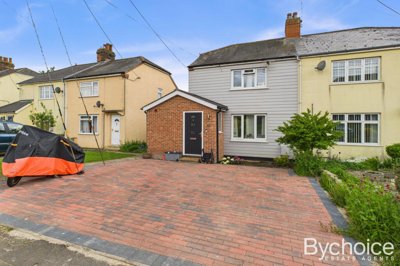
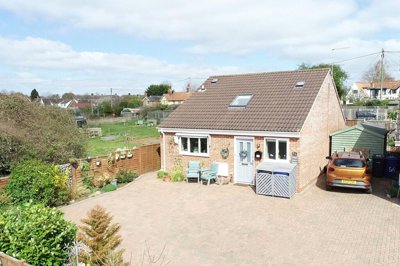
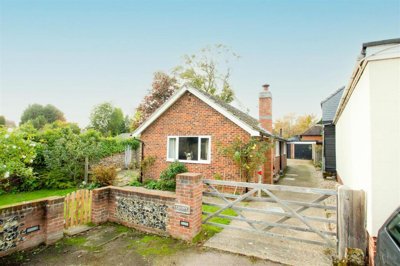
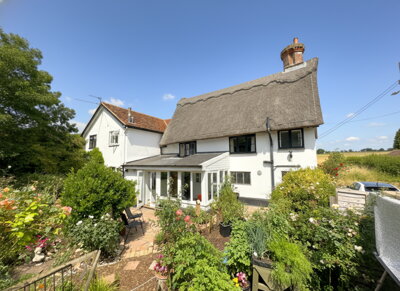
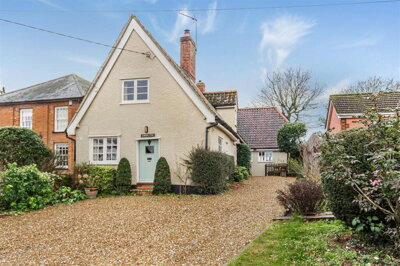
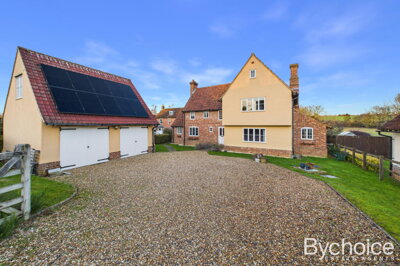
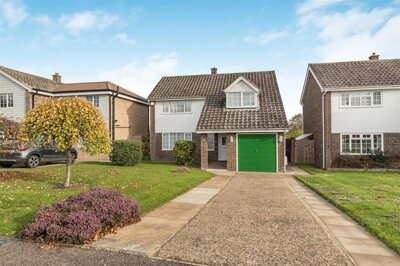
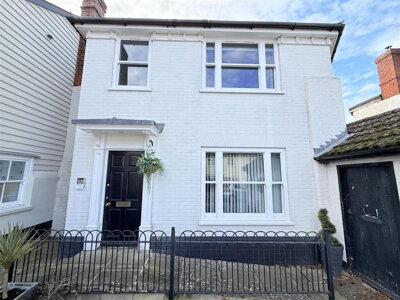
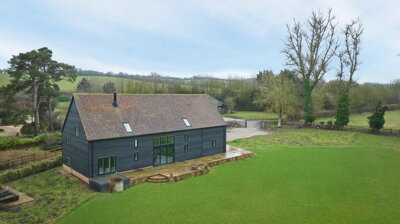
Browse 58 homes for sale in Clare, West Suffolk from local estate agents.
£375k
21
3
148
Source: home.co.uk
Source: home.co.uk
Detached
7 listings
Avg £733,571
Cottage
3 listings
Avg £371,665
Apartment
2 listings
Avg £217,500
Semi-Detached
2 listings
Avg £287,500
Terraced
2 listings
Avg £277,500
Town House
2 listings
Avg £575,000
Chalet
1 listings
Avg £550,000
Flat
1 listings
Avg £225,000
Semi-Detached Bungalow
1 listings
Avg £250,000
Source: home.co.uk
Source: home.co.uk
Clare's property market has stayed resilient, even as wider national figures have moved around. Over the last year, prices in the area have seen a 12.4% adjustment compared with previous levels, although that follows a pronounced peak in 2022, when average prices reached £430,416. The CO10 8 postcode area, which covers Clare and nearby Great Cornard, has also seen house prices grow by 10.8% in the past twelve months alone, so buyer interest in this part of West Suffolk looks to be returning. Taken together, the signals point to a market that is settling after a period of correction. Over the last decade, around 364 properties have changed hands in the Clare area according to recorded sales data, which shows steady activity in this sought-after village location.
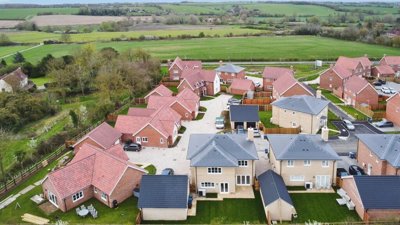
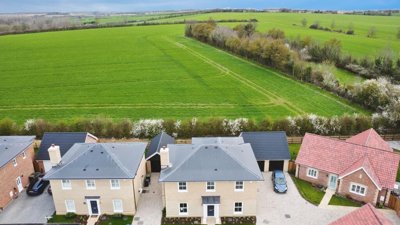
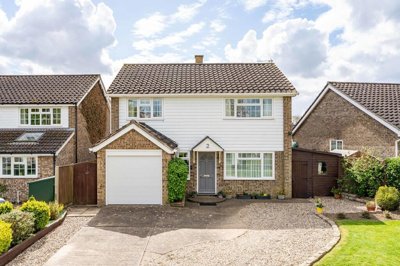
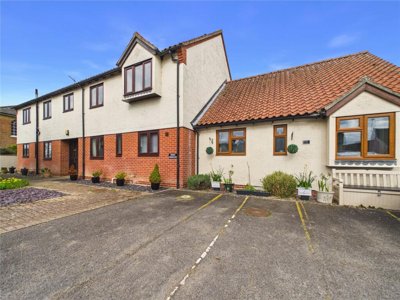
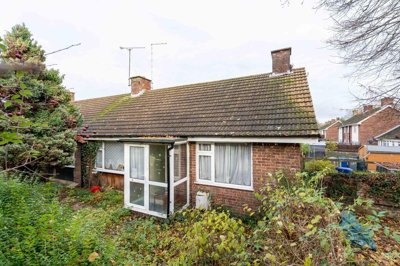
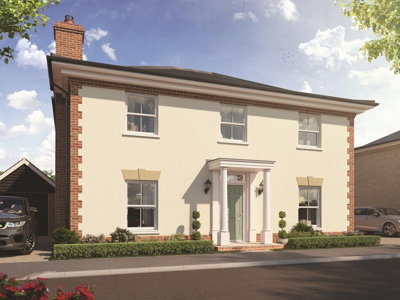
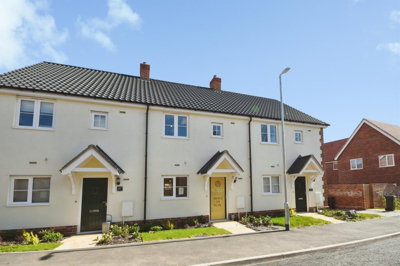
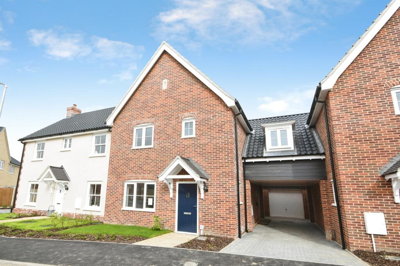
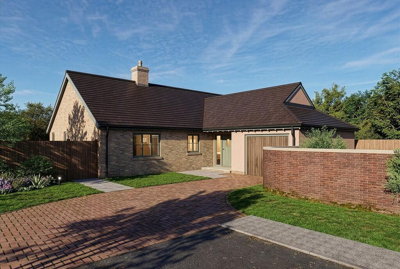
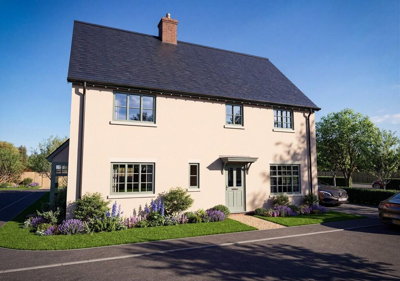
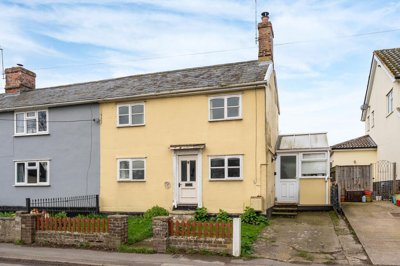
There is a broad mix of homes in Clare, and that helps different budgets and plans. Detached properties command the highest prices, at around £642,500, which reflects the space and privacy they bring. Semi-detached homes sit at approximately £298,999, while terraced properties start from around £325,000. Flats are available from approximately £225,000, so the village remains within reach for first-time buyers and investors too. New build stock adds more choice, from contemporary two-bedroom terraced homes on Cavendish Road to four-bedroom Georgian-style detached houses with modern touches such as EV charging points. On Weavers Way, one individual three-bedroom link-attached property includes integrated appliances, flooring, gardens, a car port and an EV charging point in the specification.
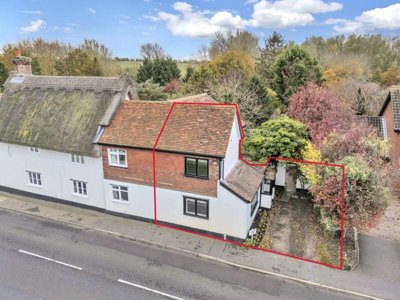
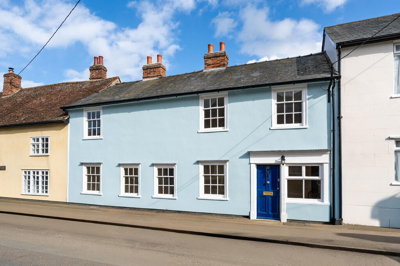
Most properties sold in Clare during the last year were detached homes, which fits the preference for space and privacy in a countryside setting. Even so, the market is varied. Compact period cottages suit first-time buyers, while larger family houses appeal to those moving up from urban areas. Grade II listed townhouses and older homes bring even more variety to the stock, with notable examples backing onto the Country Park and Castle ruins on streets such as Nethergate Street. It means buyers at different stages of life, and with different budgets, can usually find something that works.

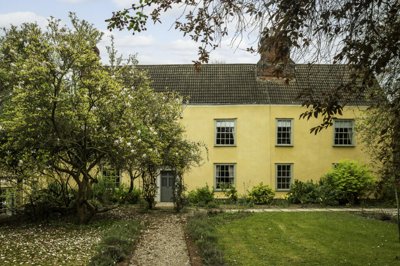
Heritage is obvious in Clare from the moment you arrive. The village centre has a pleasing mix of period properties, many of them Grade II listed, including historic townhouses and character cottages along the main streets. Nethergate Street is a good example of the architectural quality here, with three-storey townhouses and traditional cottages showing the standard of construction found across the village. Clare Castle ruins dominate the local landscape, now part of a country park with open green space for walks and time outdoors. The River Stour runs nearby too, and homes backing onto the stream are especially prized for their quieter setting and views.
Day-to-day life is supported by a handful of local amenities that cover the basics well. A long-standing fish and chip shop has become something of a village fixture, and the independent businesses around it add to Clare's lively feel. Community life is strong, with regular events and activities that bring residents together. Local listings even mention a fish and chip shop business with adjoining living accommodation, which hints at real opportunities for anyone hoping to work locally. The village may feel rural, but connections to larger towns are still practical, so commuting and wider services remain within reach. That mix of old buildings, green surroundings and a welcoming atmosphere is a big part of Clare's appeal.
Clare suits people who want Suffolk market town living without losing the practical side of life. Independent shops, pubs and eateries serve residents and visitors alike, and they do their bit for the local economy as well. Weekend markets and village events keep social life ticking over and support local producers. The surrounding countryside brings plenty of walking and cycling routes, with public rights of way linking Clare to nearby villages and the wider Suffolk landscape. For those working from home, or simply wanting a calmer base, broadband connectivity is good enough for modern working requirements.

For families thinking about a move to Clare, schooling matters early on. The village is served by primary schools for younger children, with several decent options within easy reach. Parents should check current Ofsted ratings and catchment areas before making any decision, as these can change. The closest primary schools include provision in Clare itself and in nearby settlements, giving families a sensible spread of choices. A visit in person, along with a chat with headteachers, can tell you far more about each school's ethos than a brochure ever will.
Older children have more choice a little farther out. Nearby towns offer secondary schools, and several respected grammar schools serve the wider West Suffolk area, drawing pupils from across the region. Sudbury, around 8 miles from Clare, has secondary options including non-selective schools for a range of abilities. Haverhill adds further provision within a reasonable drive. Families focused on grammar school places will also find several highly regarded selective schools in the wider Suffolk area that take students from the CO10 postcode area, although admission rules and catchment distances should always be checked with each school before a purchase is agreed.
Clare's position near Sudbury and Haverhill also opens up sixth form and further education options. Sudbury has further education provision, while Cambridge colleges and universities are accessible for older students willing to commute or move for higher study. The village has a good stock of period and listed buildings, so families moving into older homes should be ready for maintenance and, in some cases, renovation work that may need extra investment. That said, the character those properties bring is hard to beat. We advise families to visit schools directly and speak to local education authorities so they have the latest view of provision and any planned changes in the area.

Getting around from Clare is a fairly workable balance of country roads and useful links. The village sits in the CO10 postcode area, with the nearest rail stations in surrounding towns offering connections to Cambridge, Bury St Edmunds and London. Audley End station, around 20 miles away, has direct services to London Liverpool Street, while Cambridge station links to London King's Cross. Drivers tend to appreciate the flexibility of having a car in this setting. The A1317 connects Clare to Sudbury to the south and Haverhill to the north, and the route also gives access to wider road networks, including the A14 corridor.
Bus services do connect Clare with nearby towns, although they are not as frequent as you would find in an urban area. The route to Sudbury and Haverhill runs at intervals that suit shopping trips and medical appointments, but daily commuters may still find public transport awkward. People working in Cambridge or Bury St Edmunds often choose to drive, and the journey is manageable, with Cambridge reachable in approximately 45 minutes by car via the A1017 and A1307 or the M11 corridor beyond. Bury St Edmunds is around 20 miles away and usually takes 35-40 minutes by car, depending on the route. For London, the rail links from surrounding stations provide an option, although the trip will usually involve a drive to the station first.
Cycling is possible here, though the lanes can be narrow and uneven in places. The Suffolk countryside gives riders some lovely leisure routes and occasional commuting options, with paths linking Clare to neighbouring villages. Parking in the village centre is generally adequate, which helps residents who rely on the car. Many homes also have off-road parking, a real bonus on narrow village streets. Anyone thinking about moving here should factor car ownership into their plans, because limited public transport means private vehicle access is close to essential for most everyday tasks.

Current listings in Clare and the surrounding West Suffolk area give a useful picture of what is available at different budgets. Our platform shows homes across the range, from flats starting around £225,000 to substantial detached houses exceeding £430,416. It is also worth keeping an eye on CO10 8 postcode area trends, including the recent 10.8% annual price growth that points to renewed buyer interest in this part of West Suffolk.
A mortgage agreement in principle is worth sorting before viewings begin. It strengthens your position when offers go in and shows sellers that the finance is already lined up. With average property prices around £430,416 in Clare, most buyers will need mortgage funding, and having a Decision in Principle letter ready can make a real difference in a competitive village market.
Speak to the estate agents handling Clare properties so viewings can be arranged. Make time to walk the village, check the local amenities and get a proper feel for the community before you commit. Period and listed homes deserve extra attention, because their age and construction methods call for a careful eye. Viewing at different times of day, and in different weather, can reveal things a single visit might miss.
Once an offer is accepted, a RICS Level 2 Survey should be high on the list. Clare's strong stock of period and listed buildings makes this especially useful for spotting issues with damp, roofing or outdated electrics. Homes with solid walls, timber frames or traditional construction methods benefit a great deal from a professional survey before completion.
The legal side matters just as much. A conveyancing solicitor will carry out searches, review the contracts and deal with the transfer of ownership for you. Local knowledge of Clare and West Suffolk Council procedures can be helpful when we are dealing with historic properties and the extra steps they often bring.
After that, it is mostly a question of finalising the mortgage, paying stamp duty and completing the purchase. Your solicitor will coordinate with the other parties so the keys can be handed over smoothly. Budget carefully for the extra costs too, including SDLT, which on a typical Clare property of around £430,416 may mean approximately £9,021 in stamp duty for standard buyers.
Grade II listed homes are one of Clare's defining features, but they do come with conditions attached. They bring plenty of character, yet changes and renovations are restricted. Any work on a listed building may need consent from the local planning authority, so buyers should build those limits into their plans. The village's concentration of listed buildings also means Clare either is or contains conservation areas, which can add further planning requirements and limits on alterations. Homes on historic streets such as Nethergate Street often fall within these designations, so a bit of research before buying is essential.
Many of Clare's older houses were built using traditional methods, and that shows in the fabric of the buildings. Solid walls, timber frames and local brick or stone are all common in Suffolk properties from earlier centuries. Those construction types bring their own challenges, and they are not the same as modern cavity-wall homes. Solid wall properties, which are typical in period cottages and townhouses, can be more prone to penetrating and rising damp, so damp-proof courses and ventilation need careful checking. Timber framed buildings, while long established in East Anglia, should be inspected for woodworm, rot or structural movement that may have developed over the decades or even centuries.
Flood searches are sensible for homes that back onto streams or other watercourses, and Clare has a few of those. Specific flood risk data for the village was limited in the research available, so buyers should request searches and think about how close any stream is to the property they are considering. Homes near water should be checked for past flooding, drainage arrangements and the state of any flood defences or barriers. Parts of Suffolk also sit on clay deposits, which can mean a risk of shrink-swell subsidence during dry spells or periods of heavy rain, especially where trees or large shrubs are close to the foundations.
Some homes are listed as needing "some updating", and they can look like value, but the work can be substantial. Roof repairs, rewiring and damp proofing all come up regularly, especially with the older construction methods found in solid-walled and timber-framed properties. An independent survey is a good idea before committing to a purchase. A professional survey usually costs from around £350 for a standard property, yet it can uncover defects that would cost far more to put right later. Budgeting for renovation on top of the purchase price is essential where period homes have been vacant for any length of time, or where wear and tear is already visible.

The latest picture from home.co.uk puts Clare's average house price at approximately £430,416, while homedata.co.uk reports a similar figure of around £419,795 for properties sold in the last 12 months. home.co.uk also shows an average price of £350,000 as of January 2026. Prices have adjusted by 12.4% compared with previous levels, although the CO10 8 postcode area saw 10.8% growth in the past year after the 2022 peak of £430,416. Detached properties command the highest prices at around £642,500, while terraced homes and flats offer more accessible entry points from £325,000 and £225,000 respectively. Most properties sold in Clare during the last year were detached homes, which fits the village setting.
West Suffolk Council oversees Clare, taking on responsibilities after the merger of Babergh and St Edmundsbury district councils. Council tax bands vary according to the valuation band assigned by the Valuation Office Agency, from Band A for the lowest valued properties through to Band H for the most expensive homes. Clare's mix of period cottages, Victorian terraces and modern detached houses means the village spans a wide spread of bands. Buyers should check individual listings or contact West Suffolk Council for the current band and the costs attached, as these are set annually and can change after council tax reviews.
Primary education is available in and around Clare, with several schools in the village and nearby areas serving younger children. Being set between Sudbury and Haverhill gives families access to primary schools in both towns, which helps when choosing the right part of the village to live in. Secondary school options include schools in nearby towns, with Sudbury around 8 miles away offering non-selective choices and Haverhill providing more within a reasonable drive. The wider West Suffolk area also has well-regarded grammar schools that draw pupils from across the region, including the CO10 postcode, although admission depends on examination results rather than distance. Parents should check current Ofsted ratings and catchment areas before buying, because these can have a big effect on schooling options and may change over time.
Bus routes run through Clare to nearby towns, including Sudbury and Haverhill, but frequencies are limited compared with urban areas, usually hourly or less on weekdays and with reduced weekend services. The nearest rail stations are in surrounding towns and link to Cambridge, Bury St Edmunds and London, with Audley End station around 20 miles away offering direct services to London Liverpool Street. Many residents find a car is practically essential in this countryside setting, given the limited bus services and the distances involved in reaching everyday amenities. Those working locally, or from home, may find the transport links adequate, especially if their job or business can be handled mainly from the village.
For investors, Clare has a few points in its favour. New build activity on Cavendish Road and Weavers Way shows there is still development interest in the area. The CO10 8 postcode has posted 10.8% price growth in the past year, which suggests active demand and possible capital appreciation. Rental demand may come from people who want a rural lifestyle within commuting distance of larger job centres such as Cambridge, and the village's character and amenities add to the appeal. Investors should still think about the smaller rental pool in a village, the risk of void periods between tenancies in rural areas and the upkeep that period homes can bring when they work out net returns. New builds with modern features such as EV charging points may also command stronger rents from tenants looking for contemporary rural living.
Stamp duty land tax in England works the same in Clare as it does elsewhere. For residential purchases, there is no stamp duty on properties up to £250,000. The 5% rate applies between £250,001 and £925,000, 10% is charged between £925,001 and £1.5 million, and 12% applies above that threshold. First-time buyers benefit from relief on properties up to £425,000, paying 5% between £425,001 and £625,000. Given Clare's average price of around £430,416, many properties sit within the zero or reduced SDLT bands, with first-time buyers potentially paying no SDLT at all on homes at or below £425,000. Higher-value detached homes priced above £450,000 may trigger more significant SDLT, and a property at £642,500 would attract approximately £19,625 in stamp duty for standard buyers.
From 3.84%
Compare competitive mortgage rates from trusted lenders
From £499
Expert legal services for your property purchase
From £350
Property surveys for Clare's period homes
From £80
Energy performance certificate for your new home
Getting the full cost picture is just as important as the asking price when buying in Clare. Beyond the purchase price, buyers need to factor in stamp duty land tax, which applies to all property purchases in England. On a typical Clare home at the current average price of £430,416, most buyers would pay no stamp duty on the first £250,000, while the remaining £180,416 would attract a 5% charge of approximately £9,021. First-time buyers purchasing homes under £425,000 may benefit from first-time buyer relief, which can cut their SDLT bill sharply or remove it entirely for properties priced below £250,000.
Solicitor fees, survey costs and an EPC all sit on top of the purchase price. Conveyancing usually starts from around £499 for standard transactions, although leasehold homes, complicated titles or historic properties can push the fee higher because they need extra investigation. Clare's many period and listed buildings often mean more legal work too, especially where title restrictions, planning conditions or Listed Building Consents need to be checked. Survey costs matter in this older housing stock, with a RICS Level 2 Survey starting from approximately £350 for standard properties and more for larger or more complex historic buildings. An EPC assessment is mandatory for all sales and costs from around £80.
Mortgage arrangement fees, valuation fees and land registry charges also need to be built into the budget. Arrangement fees typically range from £0 to £2,000, depending on the lender and product selected. Many lenders offer free valuations for remortgages, although purchases may still need a valuation fee that varies by property value. Buyers taking a mortgage should also think about broker fees if they use a mortgage adviser, though many brokers are fee-free and receive commission from the lender instead. In Clare, the total extra costs on a purchase can run from £3,000 to £10,000 or more, depending on the property value, mortgage requirements and what the survey turns up. We suggest getting detailed quotes from solicitors and surveyors before committing, so there are no nasty surprises once the transaction is under way.

Properties for Sale In London

Properties for Sale In Plymouth

Properties for Sale In Liverpool

Properties for Sale In Glasgow

Properties for Sale In Sheffield

Properties for Sale In Edinburgh

Properties for Sale In Coventry

Properties for Sale In Bradford

Properties for Sale In Manchester

Properties for Sale In Birmingham

Properties for Sale In Bristol

Properties for Sale In Oxford

Properties for Sale In Leicester

Properties for Sale In Newcastle

Properties for Sale In Leeds

Properties for Sale In Southampton

Properties for Sale In Cardiff

Properties for Sale In Nottingham

Properties for Sale In Norwich

Properties for Sale In Brighton

Properties for Sale In Derby

Properties for Sale In Portsmouth

Properties for Sale In Northampton

Properties for Sale In Milton Keynes

Properties for Sale In Bournemouth

Properties for Sale In Bolton

Properties for Sale In Swansea

Properties for Sale In Swindon

Properties for Sale In Peterborough

Properties for Sale In Wolverhampton

Enter your details to see if this property is within your budget.
Loans, cards, car finance
Estimated property budget
Borrowing + deposit
You could borrow between
Typical borrowing
Monthly repayment
Est. at 4.5%
Loan-to-value
This is an estimate only. Your actual budget may vary depending on interest rates, credit history, and personal circumstances. For an accurate affordability assessment, speak to one of our free mortgage advisors.
This calculator provides estimates for illustrative purposes only and does not constitute financial advice. Your home may be repossessed if you do not keep up repayments on your mortgage. Estimates based on 4.5% interest rate, repayment mortgage. Actual rates depend on your circumstances.
Homemove is a trading name of HM Haus Group Ltd (Company No. 13873779, registered in England & Wales). Homemove Mortgages Ltd (Company No. 15947693) is an Appointed Representative of TMG Direct Limited, trading as TMG Mortgage Network, which is authorised and regulated by the Financial Conduct Authority (FRN 786245). Homemove Mortgages Ltd is entered on the FCA Register as an Appointed Representative (FRN 1022429). You can check registrations at NewRegister or by calling 0800 111 6768.

We use cookies to show you personalised content and improve your experience of our website. Find out more in our Privacy policy and Cookie policy.