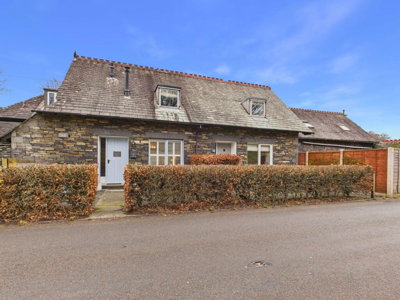
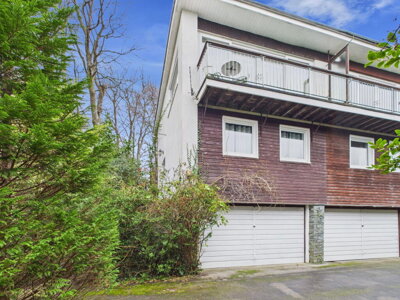
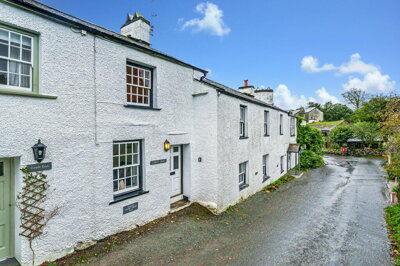
Browse 4 homes for sale in Claife, Westmorland and Furness from local estate agents.
The 2 bed house market features detached, semi-detached, and terraced properties with two separate bedrooms plus living spaces. Properties in Claife range from Victorian and Edwardian period homes to modern new builds, with pricing varying across different neighbourhoods.
£385k
1
0
233
Source: home.co.uk
Showing 1 results for 2 Bedroom Houses for sale in Claife, Westmorland and Furness. The median asking price is £385,000.
Source: home.co.uk
Terraced
1 listings
Avg £385,000
Source: home.co.uk
Source: home.co.uk
Claife’s property market is shaped by the parish’s Lake District setting, where housing is scarce and National Park planning rules keep new supply tight. Recent transactions on Claife Close have averaged £330,000, up 18% from the 2022 peak of £280,000, which underlines how resilient values have been here. In the LA23 postcode area, semi-detached homes have been changing hands at around £330,000 in late 2025, with terraced properties closer to £300,000. It is a quieter market than you would find in a larger town, yet prices stay firm because homes are few and National Park living carries real appeal.
Claife has a surprisingly mixed housing stock, from roughcast stone cottages with slate roofs dating back to the early 17th century to newer homes that sit comfortably within the local vernacular. Historic farmhouses, period houses, converted barns and a smaller number of purpose-built homes all sit within the parish, and most pre-date 1919. Flats, including those recorded on Claife Avenue, give a lower-cost way in at about £140,000, while terraced family homes usually begin around £240,000 and detached period houses with land or lake views climb well beyond that. New building remains rare, because the National Park policy favours keeping the existing character intact.
Supply is limited and demand stays lively, so buyers can find themselves in a fast-moving patch of the market, especially where a property is well presented and well placed. home.co.uk currently lists 7 available properties on Claife Close and 34 on nearby Claife Avenue, figures that shift over time but still point to the restricted stock typical of National Park villages. For sellers, that scarcity is a strength. For buyers, it means moving quickly when the right home appears, because properties here seldom sit around for long.

Claife has a strong pull for anyone who wants to live close to water and open countryside, because the parish sits on the western shore of Windermere, England's largest lake, which runs for over 10 miles through the Lake District. It falls within Westmorland and Furness and had a population of approximately 298 residents at the 2011 census, so the atmosphere is close-knit rather than busy. Rolling farmland, old woodland, tarns and mires define the landscape, all of it shaped by long agricultural use and careful conservation. Low Loanthwaite Farmhouse, dating from the early 17th century, speaks to that farming past, while Wray Castle adds a distinctly Victorian note.
The National Trust has a visible presence in Claife, with responsibility for places such as Wray Castle, the Claife Viewing Station and Hill Top, Beatrix Potter’s former home, which draws visitors from far and wide. Those assets protect the area’s character and help support the local economy through tourism, while also keeping the scenery that makes Claife so sought after. There is a public house and some village facilities, but for wider shopping, healthcare and schooling people usually head to Windermere or Ambleside. Families, retirees and anyone after a quieter pace often find the mix of heritage, landscape and community hard to beat.
Agriculture and tourism sit at the centre of Claife’s local economy, with the National Trust a major employer in the parish. Many residents work in visitor-facing roles that feed the Lake District economy all year, while others run smallholdings and farms that keep the rural character alive. Nearby Windermere also offers work in hospitality, retail and healthcare, giving Claife residents short commutes where needed. Remote workers have found the area increasingly attractive too, thanks to the peaceful setting and reliable internet connections that make home working more practical.

For families, school options are within reasonable travelling distance, with primary provision in the surrounding villages and secondary schools in Windermere and Ambleside. Because Claife sits within the LA23 postcode area, it falls into primary catchments serving the Windermere community, and these schools are usually rated favourably by Ofsted for children from Reception through Year 6. Windermere School is the main secondary option people often look at, offering education from ages 3 to 18 and a long-standing academic and extracurricular record. We would still check current catchment maps and admissions criteria with the local education authority, as these can change.
There are also alternative routes for families who want something different, with independent schools and specialist settings available elsewhere in the Lake District. Older pupils can look to further education colleges in Kendal and Carlisle, and the University of Lancaster is reachable for higher education. The rural setting does mean that transport planning matters, particularly if school runs are part of day-to-day life. Even so, the surrounding area, and the chance to grow up in a safe natural environment, makes Claife appealing to families who are comfortable planning around journey times.
Getting to school from Claife usually means using the A591, the scenic road that follows Windermere’s eastern shore and links into Windermere town and its schools. For many families, a car is essential for the school run, although some choose to move nearer their preferred school during the primary years and settle into the village community later on. School hours in the Windermere area are planned with rural transport in mind, and buses serve outlying places, including parts of the Claife parish.

Road access is the main way in and out of Claife, with the A591 acting as the principal route along the eastern shore of Windermere and connecting the parish to Windermere town to the north and Ambleside to the north-west. The A592 gives a route south towards Newby Bridge and the Furness Peninsula, and the M6 can be reached via the A590, putting Claife about 45 minutes from junction 36 and around an hour from junction 37. Driving here can be slow in peak tourist season or bad weather, with single-track roads and heavier traffic needing patience and proper planning. The scenery more than makes up for it, though anyone commuting daily should think carefully about the journey.
Public transport is much thinner on the ground than it would be in a town, which is exactly what you would expect in a rural parish spread across the Lake District. Bus routes link Claife with Windermere and Ambleside, giving access to railway stations and wider transport networks, although the timetable is built around local needs rather than commuter habits. Windermere railway station has direct services to Manchester Piccadilly and other major destinations on the Windermere branch line, but it sits across the lake from Claife, so a road trip is still needed to reach it. People commuting to larger cities generally use their own cars, while remote working has allowed many to keep a professional job and still enjoy village life.
Cycling works well for shorter trips, and the roads around Windermere are popular with both leisure riders and those heading to work. The hills of Cumbria make some stretches demanding, yet the views and the fresh air are part of the appeal for anyone fit enough to tackle them. For flights, Manchester Airport and Liverpool John Lennon Airport are the most practical major options, each about two hours away by car and both offering wide-ranging global connections.

We would suggest browsing current listings on Homemove to get a feel for property types, price ranges and what is actually available in Claife. Because stock is limited and National Park rules matter, it pays to begin early so you can move swiftly when the right home comes up. Only a handful of properties are usually on the market at any one time, so buyers need patience as well as persistence.
As soon as a property catches your eye, book a viewing without delay, because desirable homes in the Lake District often move quickly. Having a mortgage agreement in principle before you start viewing shows sellers you are serious and gives you a clear sense of budget. We would also speak to a local mortgage broker who knows Lake District properties, since older homes and non-standard construction can raise lending questions.
A RICS Level 2 Survey is a sensible next step, because it will check for damp, structural movement and timber defects that often affect older Lake District homes. With so many historic buildings and traditional construction methods in the area, a proper survey matters. A surveyor who knows National Park properties will understand roughcast stone walls, historic slate roofs and the damp issues that can build up in houses that have stood for centuries.
We recommend using a conveyancing solicitor with experience of Lake District and National Park property work to handle the legal side of the purchase. They will carry out searches, manage the contracts and deal with planning restrictions that apply within the National Park. National Park searches are especially important here, because the rules can be strict about what can and cannot be done with a property.
Once the searches come back clean and the mortgage is in place, contracts are exchanged and the deposit is paid. Completion usually follows within weeks, when the keys to the new Claife home are handed over. In a rural market with fewer transactions, completion can take longer than in busier areas, simply because the chain is often more complex to coordinate.
Buying in Claife means getting to grips with the particular nature of Lake District housing from the outset, especially the reliance on traditional construction and historic materials. Roughcast stone walls and slate roofs are common across the parish, and although they give the area much of its character, they can call for specialist maintenance and may bring issues such as damp penetration or structural movement over time. Many homes are old enough that buyers should set aside funds for repair or renovation when working out the real cost of purchase. A detailed building survey from a qualified surveyor who knows historic properties is strongly advised before anyone commits.
Claife’s position on the western shore of Windermere brings flood risk into the picture, particularly for homes near the lake and nearby watercourses that may be vulnerable during extreme weather or long spells of rain. The parish also includes tarns and mires, which can create surface water issues when rainfall is heavy. Buyers should look closely at flood risk assessments for any specific property and think about how close it lies to these landscape features. Homes higher up in the parish may be better protected and still enjoy the same views and lake access. The Environment Agency’s flood maps are the best place to check the detail for any location.
Because Claife sits entirely within the Lake District National Park, planning controls are strict and can limit extensions or alterations to existing homes, so we would always advise speaking to the National Park Authority before making decisions based on development potential. Listed building consent is also needed for alterations to the many Grade II and Grade II* buildings in the parish, which adds another layer for buyers considering older homes. Four buildings in the parish have Grade II* status, including Wray Castle and High Wray Farmhouse, so works to those properties face especially tight controls. The planning regime can feel restrictive, but it also protects the character of the area and helps support the value of homes here.

With 45 listed buildings across the parish and most homes dating from before 1919, buying in Claife means buying into a heritage-heavy landscape where traditional building methods and National Park planning rules shape almost every decision about a property.
Separate average house prices for Claife civil parish are not published on their own, but recent sales data from nearby streets in the LA23 postcode gives a good guide. Properties on Claife Close have sold at an average of £330,000 over the past year, which is 18% above the 2022 peak of £280,000. Sales on Claife Avenue include flats at around £140,000, terraced homes from £240,000, and semi-detached houses between £265,000 and £275,000. Because transactions are limited and property types vary so much, prices can move around depending on condition, size and proximity to the lake. A small number of sales can skew the average, so street-level data is often more useful than parish-wide figures.
Claife falls within Westmorland and Furness, and properties are placed into council tax bands that reflect their value. It is a rural area with a blend of historic and more recent housing, so the bands cover the full range. Most stone cottages and farmhouses sit in bands A to D, while larger detached homes and properties with substantial improvements can be placed higher up. Before buying, prospective owners should check the exact band in the Westmorland and Furness council tax database, because historic properties are sometimes banded differently if there is grounds to challenge the valuation.
Primary schooling is available through establishments serving Windermere, and pupils usually reach them from Claife via the A591. Windermere School offers education from ages 3 to 18 and is well regarded locally, with primary, secondary and sixth form provision under one roof. Which school serves a particular home depends on catchment boundaries set by the local education authority, and those can be checked directly. Families also have several independent schools across the wider Lake District, while Kendal and Carlisle provide further education routes for older students.
Public transport in Claife is limited, which reflects both its size and its rural setting. Bus routes connect the parish with Windermere and Ambleside, opening up access to railway stations and further services. Windermere railway station has direct trains to Manchester Piccadilly and other major cities. Even so, the service pattern is not built around commuting, so most residents depend on private cars for routine travel. The road network links Claife to the A591 and then to the M6 in about 45 minutes, making car ownership close to essential for anyone needing to commute or reach services outside the village.
For investors, Claife has a few clear advantages, starting with the shortage of available homes and the cachet of National Park living, both of which keep buyer interest steady. Properties can command premium prices because supply is so thin, and the tourism economy can support short-term letting opportunities, although National Park policies may limit some uses. Against that sit higher purchase prices than in surrounding areas, maintenance costs for historic homes and the need to work within strict planning rules. We would usually suggest using a local agent who knows the Lake District market well, because these transactions are not quite like standard ones.
Claife sits on the western shore of Windermere, England's largest lake, so flood risk needs to be part of any purchase decision in lower-lying parts of the parish. There are also tarns and mires within the parish that can lead to surface water flooding during heavy rainfall. Anyone looking at a house near the lake or close to watercourses should commission a detailed flood risk assessment and check the Environment Agency’s flood maps for the exact site. Higher ground may offer a better margin of protection while still giving access to the same scenery and lake setting. Insurance can also be more expensive where flood risk has been identified, so that should be built into the overall budget.
Stamp duty land tax applies to all purchases in England, with current thresholds set at 0% up to £250,000, 5% from £250,001 to £925,000, 10% from £925,001 to £1.5 million, and 12% above that. First-time buyers receive higher thresholds, paying 0% up to £425,000 and 5% from £425,001 to £625,000. Most Claife homes sell below the main threshold, so stamp duty is usually manageable, although larger homes can push into higher bands. At a typical price of around £275,000 for a semi-detached property, a standard-rate buyer would pay about £1,250, while first-time buyers would pay nothing on the first £425,000 of the purchase.
Claife contains 45 listed buildings recorded in the National Heritage List for England, and four of them have Grade II* status, including Wray Castle and High Wray Farmhouse. Anyone buying a listed property needs to know that external or structural changes require listed building consent from the Lake District National Park Authority, which can add cost and complexity to a renovation. There is a benefit too, because listed status helps protect the property’s character and may open the door to preservation grants for eligible work. We would always advise instructing a surveyor with listed building experience, because the upkeep attached to these homes can be substantial.
To get a proper handle on the total cost of buying in Claife, stamp duty land tax has to be weighed alongside solicitor fees, survey costs and any renovation work, which is especially relevant for historic Lake District homes. Most properties here fall into the lower stamp duty bands, with standard-rate buyers paying nothing on the first £250,000 and 5% on the portion between £250,001 and £925,000. On a typical Claife property priced around £275,000, stamp duty would come to £1,250, a relatively modest sum compared with higher-value areas. First-time buyers benefit from more generous relief, paying no stamp duty on the first £425,000 and 5% between £425,001 and £625,000, which can remove the charge altogether on some lower-priced homes.
Conveyancing fees usually sit somewhere between £500 and £1,500, depending on how complex the transaction is and whether the property is freehold or leasehold. Lake District searches can also bring extra checks for National Park planning, rights of way and environmental matters, all of which add to the legal bill. Survey costs are commonly around £350 to £600 for a RICS Level 2 Survey, while a full Level 3 Structural Survey is often the better choice for older homes or properties in poorer condition. Buyers should also allow for removals, possible renovation work on period properties and ongoing costs such as council tax, utilities and buildings insurance, which can be higher for older or more remote homes. Thinking through these figures at the start makes the purchase process smoother and gives a more realistic budget.
Buildings insurance in Claife can cost more than it would in an urban area, particularly for older stone houses, homes in flood risk zones or listed buildings that need specialist repairs. It is sensible to get buildings insurance quotes before completion, because insurers may set conditions or higher premiums for certain locations and construction types. Remote properties can also affect contents insurance costs and the cover available, so we would raise those questions with insurers early on in the process.

From 3.9%
Find competitive mortgage deals for your Claife purchase
From £499
We work with solicitors experienced in Lake District property transactions.
From £350
Essential survey for older Lake District properties
From £85
Energy performance certificate for your new home
Properties for Sale In London

Properties for Sale In Plymouth

Properties for Sale In Liverpool

Properties for Sale In Glasgow

Properties for Sale In Sheffield

Properties for Sale In Edinburgh

Properties for Sale In Coventry

Properties for Sale In Bradford

Properties for Sale In Manchester

Properties for Sale In Birmingham

Properties for Sale In Bristol

Properties for Sale In Oxford

Properties for Sale In Leicester

Properties for Sale In Newcastle

Properties for Sale In Leeds

Properties for Sale In Southampton

Properties for Sale In Cardiff

Properties for Sale In Nottingham

Properties for Sale In Norwich

Properties for Sale In Brighton

Properties for Sale In Derby

Properties for Sale In Portsmouth

Properties for Sale In Northampton

Properties for Sale In Milton Keynes

Properties for Sale In Bournemouth

Properties for Sale In Bolton

Properties for Sale In Swansea

Properties for Sale In Swindon

Properties for Sale In Peterborough

Properties for Sale In Wolverhampton

Enter your details to see if this property is within your budget.
Loans, cards, car finance
Estimated property budget
Borrowing + deposit
You could borrow between
Typical borrowing
Monthly repayment
Est. at 4.5%
Loan-to-value
This is an estimate only. Your actual budget may vary depending on interest rates, credit history, and personal circumstances. For an accurate affordability assessment, speak to one of our free mortgage advisors.
This calculator provides estimates for illustrative purposes only and does not constitute financial advice. Your home may be repossessed if you do not keep up repayments on your mortgage. Estimates based on 4.5% interest rate, repayment mortgage. Actual rates depend on your circumstances.
Homemove is a trading name of HM Haus Group Ltd (Company No. 13873779, registered in England & Wales). Homemove Mortgages Ltd (Company No. 15947693) is an Appointed Representative of TMG Direct Limited, trading as TMG Mortgage Network, which is authorised and regulated by the Financial Conduct Authority (FRN 786245). Homemove Mortgages Ltd is entered on the FCA Register as an Appointed Representative (FRN 1022429). You can check registrations at NewRegister or by calling 0800 111 6768.

We use cookies to show you personalised content and improve your experience of our website. Find out more in our Privacy policy and Cookie policy.