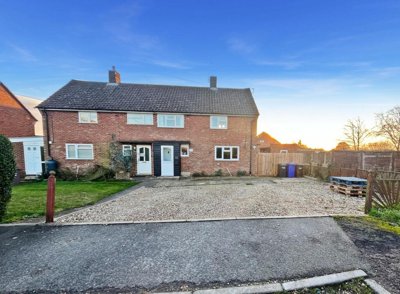
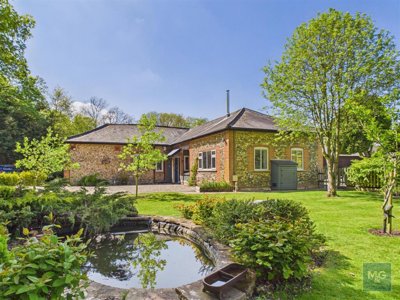
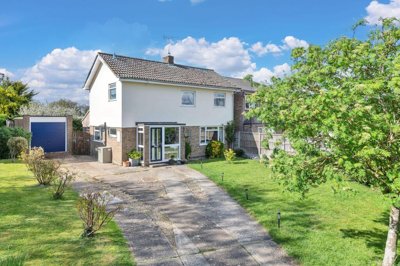
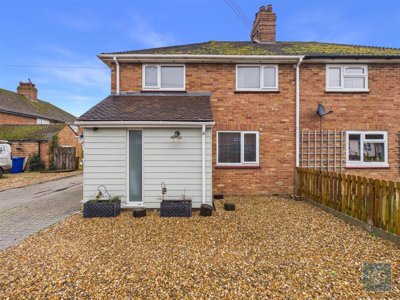
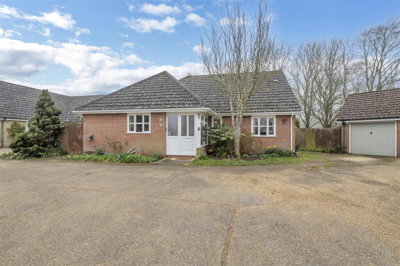
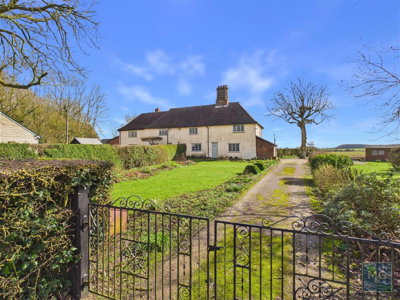
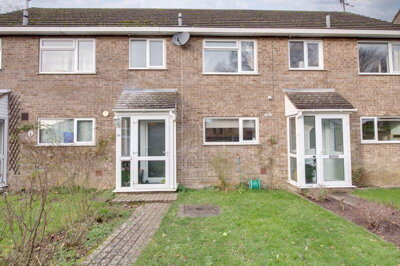
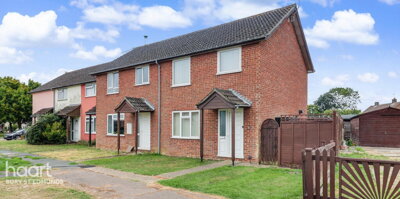
Browse 8 homes for sale in Chevington, West Suffolk from local estate agents.
Three bedroom properties represent a significant portion of the Chevington housing market, offering space for families with multiple reception rooms and gardens in many cases. Browse detached, semi-detached, and terraced options ranging from period character homes to contemporary developments.
£375k
1
0
26
Source: home.co.uk
Showing 1 results for 3 Bedroom Houses for sale in Chevington, West Suffolk. The median asking price is £375,000.
Source: home.co.uk
Detached
1 listings
Avg £375,000
Source: home.co.uk
Source: home.co.uk
Chevington’s property scene mirrors the wider rural Suffolk market, with detached homes averaging £461,825 over the past twelve months. Semi-detached houses have come in at £388,750, which gives buyers a slightly more accessible way into the village without giving up space. The overall average house price of £437,467 still looks strong value against nearby Bury St Edmunds, where comparable homes often fetch more. Prices have held up well too, sitting just 7% below the 2023 peak of £470,600 and posting annual growth of 2%.
New build supply in Chevington is thin on the ground because the village is treated as an infill settlement, so bigger schemes are off the table. On occasion, small developments of up to five homes can be brought forward inside the designated housing settlement boundary, and locals have seen infill work on sites such as Old Post Office Road. Anyone set on a new build will usually find more choice in Bury St Edmunds, while Chevington suits those drawn to character homes and established garden plots. The stock here leans heavily towards older houses with mature gardens rather than fresh-from-the-plan builds, which is part of the appeal for buyers wanting ready-made amenity rather than a blank canvas.
The Chedburgh and Chevington ward has 67 businesses registered at Companies House, and two of them employ ten or more people, so the local employment base is small but steady. A number of firms are run from home offices across the village, echoing the wider move towards remote and hybrid working that has made rural life more practical for knowledge workers. That pattern strengthens Chevington’s pull for professionals who can work flexibly and still enjoy village living. Agricultural firms, livery yards, and farm shops also help shape the local economy and keep useful services close to hand.

Community life in Chevington is built around close connections and the Suffolk countryside itself. Period homes, open farmland views, and public footpaths through fields and woodland give the village its familiar rural character. Residents have a village pub, a community hall, and a church to use, and the wider ward also supports 67 registered businesses at Companies House, with two employing ten or more people. With approximately 618 residents, the scale is intimate enough for real neighbourliness, where children can play safely and newcomers are usually drawn into local events without much fuss. That makes Chevington a sound fit for families and anyone wanting a calmer pace away from urban pressure.
Beyond the village, the landscape opens up quickly. The Suffolk Heartlands bring miles of walking and cycling routes across rolling farmland and ancient woodland, so there is plenty to do outdoors. Bury St Edmunds is only approximately five miles away, which gives residents easy access to the market town’s shopping, restaurants, and cultural life before heading back to the quiet of Chevington. Theatre productions, art exhibitions, and music festivals across the wider area add another layer for those who like a bit of activity now and then. It is a neat balance, rural peace without feeling cut off.
Chevington’s closeness to Bury St Edmunds makes day-to-day life straightforward, with major supermarkets, healthcare, and a broad choice of shops all within reach while the village keeps its quieter feel. A small local shop in the village or one of the nearby settlements usually covers the basics, and the market town takes care of larger shops or specialist purchases. The village pub is known for good meals built around local ingredients, while the community hall puts on regular events, from quiz nights to craft fairs, that keep people meeting through the year. For families, the surrounding countryside gives children room to explore and play, and the public footpaths link the village to the wider Suffolk landscape.

Families looking at Chevington will find schooling within easy reach, with several well-regarded schools serving the village and the surrounding area. Primary places are available at nearby village schools, several of which have good or outstanding Ofsted ratings and take children through to age eleven. Local families have long backed school events and activities, which has helped build strong links between the village and its education providers. In the wider West Suffolk area, secondary options include several popular schools with solid academic records, although parents should check catchment areas carefully before making decisions about where their children may be able to attend. School bus services usually handle transport for secondary pupils travelling to nearby towns.
For families with higher educational ambitions, Bury St Edmunds brings grammar school provision for academically selected pupils, along with sixth form college facilities and further education colleges offering vocational courses and apprenticeships. A number of the surrounding village primary schools are well liked for their nurturing feel and strong pastoral care, which matters to parents who want wellbeing to sit alongside academic progress. Anyone buying in Chevington with school-age children should confirm the current catchment boundaries with Suffolk County Council, as these can affect access to particular schools. Good schools within a sensible drive add a great deal to the family appeal of a place like Chevington.
Outside formal schooling, the Chevington area has plenty to keep children occupied, including youth clubs, sports teams, and cultural activities hosted through the community hall and other local venues. Parents often value the safe setting, where children can walk or cycle to friends’ houses and local amenities without the worries that come with busier urban streets. School fundraising events, sports days, and seasonal celebrations all benefit from that strong community spirit, and they tend to leave lasting memories for young people growing up in the village. Teenagers also have the market town nearby, so larger sports facilities, music tuition, and entertainment venues are not far away.

Transport from Chevington is a practical compromise between rural living and access to bigger employment centres and transport hubs. The village lies approximately five miles from Bury St Edmunds, where regular rail services run to Cambridge, Ipswich, and London Liverpool Street via the West Anglia Main Line. People commuting to Cambridge, approximately 35 miles away, often find Chevington workable despite the distance, especially when they compare it with Cambridge prices. Road links via the A143 and A14 connect the village to the wider Suffolk network, so travel for work or leisure is still manageable.
There are local bus services between Chevington and Bury St Edmunds, which helps those without a car get around. Those routes are useful for commuting, attending appointments, or reaching the wider range of shops and services in the market town. For flights, Norwich International Airport and London Stansted are both within reasonable driving distance, so domestic and international trips are covered. Cyclists can use the quiet country lanes that define the local road network, although the undulating Suffolk terrain does call for a decent level of fitness on longer rides. A car is still practically essential for most residents, but the village’s position near key roads does reduce the sense of isolation that comes with more remote Suffolk spots.
Bus frequency to Bury St Edmunds means residents without cars need to organise weekly plans around timetables, especially for evening appointments or weekend shopping. Healthcare visits to Bury St Edmunds Hospital, approximately six miles from the village, often mean using a private car or planning well in advance around the available buses. For those commuting to Cambridge, the trip usually means either the A14 or a drive to the station followed by rail travel, with journey times of approximately one hour to ninety minutes depending on traffic and connection times.

Start by looking through current Chevington property listings on Homemove, then check prices, property types, and what is actually available. It also helps to understand the local market, including the village’s infill settlement status and the usual price ranges for different homes, so your expectations stay realistic. A drive through the village at different times of day, plus a chat with residents, can tell you a great deal about the atmosphere and any local points that online research will miss.
Before arranging viewings, get a mortgage agreement in principle from a lender so your budget is clear and sellers can see you are serious. Our mortgage partners can talk you through rates and point you towards products that suit your circumstances. With financing sorted, you are in a better position when offers go in, especially in a village market where the right property can attract interest quickly.
Once you have a shortlist, book viewings and take time over each place. Condition matters, of course, but so does character and whether the home fits the way you live. Garden orientation, parking, and how close the neighbours sit are all worth checking. When you find the right one, put your offer in through the estate agent dealing with the sale, together with proof of your mortgage arrangement and your position in the chain, if you have one.
After an offer is accepted, our advice is usually to instruct a RICS Level 2 Survey so the property is properly assessed. The home buyer report picks up defects, structural concerns, and maintenance issues, and it gives you useful leverage if anything needs to be discussed again. In Chevington, where many homes are older, that kind of survey is especially worthwhile for spotting renovation work or problems that are not obvious at first glance.
Your solicitor takes care of the searches, property enquiries, and the transfer of ownership, with help from our conveyancing partners who know the local Suffolk market. Exchange of contracts is usually reached four to eight weeks after your offer is accepted, and that is when the purchase becomes legally binding. Completion generally follows two to four weeks later, which leaves enough time for the mortgage lender’s valuation and for everyone to sort their moving plans.
Chevington’s housing stock tells the story of a village that has grown from a medieval farming settlement into the present day. Properties cover several architectural periods and building methods, from Victorian and Edwardian farmworkers’ cottages along some of the lanes to post-war family houses and later infill homes inside the settlement boundary. The older cottages often have brick chimneys, original sash windows, and small private gardens that need regular care. Because of that range, buyers are best off looking at each home on its own merits rather than assuming rural character means the same thing in every case.
Traditional Suffolk building methods are common in Chevington, especially clay lump and flint construction, which suit the region and give the older homes a distinct look. Finishes vary from lime mortar render to painted brickwork, and some houses still have exposed beams, inglenook fireplaces, and quarry tile floors, all of which bring character but also need specialist maintenance. Timber-framed properties appear in the older parts of the village, especially those from the seventeenth and eighteenth centuries, and they may show historic movement or timber decay that a thorough survey will pick up. Knowing what the house is made of helps buyers plan for upkeep and any work they want to carry out.
Homes built in the mid to late twentieth century are generally more conventional, with brick and tile construction and cavity wall insulation, although survey checks should still confirm how effective that insulation really is. More recent small-scale schemes in the village have brought in modern building standards, but they remain unusual because the infill village classification rules out larger projects. Our surveyors tend to look closely at roof condition, any signs of subsidence linked to local soil conditions, the state of timber elements, and the single-glazed windows often found in period properties. Energy efficiency can matter a great deal in older homes, since better insulation and heating may be needed for comfortable modern living.
Buying in a rural Suffolk village like Chevington means keeping an eye on issues that are specific to both the location and the house type. Older properties can include historic features, and some have listed elements or traditional construction methods that call for specialist maintenance knowledge. It is sensible to check whether any planning conditions affect the property, especially if it sits near the village settlement boundary where permitted development rights may have been removed or altered. Conservation issues can also come up because there are listed buildings in the village, and understanding those limits helps you think ahead about alterations or improvements.
Homes near the historic moated site, or beside listed buildings such as Hollybush House, may face extra planning considerations that affect what can be changed. Some planning applications in the village have pointed to possible impacts on the historic landscape context, so properties with views over farmland or close to traditional field patterns can carry heritage sensitivities. It is wise to ask for the planning history of any home you are considering, particularly if it has notable historic features or sits near established listed structures. Our team can help you work through which properties may be affected before you commit.
Flood risk in Chevington needs to be looked at property by property, since rural drainage patterns can affect some plots more than others. Larger gardens also mean you should check boundary maintenance responsibilities and any shared arrangements with neighbours. For cottages and period homes, knowing who owns adjoining land or common areas can save trouble later. Because the village is classed as an infill settlement, major extensions or annexes may be limited, so buyers should be confident the house already meets their space needs rather than assuming there is plenty of room to grow. Service charges, ground rents, and leasehold terms can also apply to certain homes and should be checked before you go further.
Over the last twelve months, the average house price in Chevington has been £437,467. Detached properties have averaged £461,825, while semi-detached homes have come in at £388,750. Prices are up by 2% year-on-year, yet they still sit around 7% below the 2023 peak of £470,600. The picture is of a market that has steadied rather than surged, which still gives buyers sensible entry points against the recent high. Terraced homes and flats do not have readily available specific pricing data in Chevington, so local estate agents are the best place for current listings in those categories.
Most homes in Chevington sit within West Suffolk Council’s area, and the majority of residential properties fall into council tax bands A through D. Band A generally covers the lowest valuations, while band D includes higher-value homes, including larger detached properties and those with annexe potential. Anyone thinking of buying should check the exact band for the property in question, because council tax is a major running cost alongside the mortgage. The Valuation Office Agency website can confirm the band using the property address.
Primary schooling for Chevington families comes from surrounding villages and the wider West Suffolk area, where several schools have good or outstanding Ofsted ratings. Catchment areas should be checked with Suffolk County Council, as admissions depend on where you live and the boundaries can change from year to year. Bury St Edmunds adds secondary school choice, including grammar school provision for academically selected pupils, and the town has several options that serve families from across the district. Nearby primary schools also have strong reputations for nurturing care and solid pastoral support, which is why they remain popular with Chevington parents.
Public transport is limited in Chevington, with local bus services linking the village to Bury St Edmunds, approximately five miles away. From there, rail services run to Cambridge, Ipswich, and London Liverpool Street, so commuters can still get to work if they can travel within service hours. For most residents, car ownership is close to essential because of the rural setting, although being near the A143 and A14 does make access to nearby towns and villages more straightforward. Those working from home tend to feel the transport limits less keenly, and superfast broadband supports the remote-working habits many local people rely on.
Chevington suits buyers who care more about lifestyle than fast investment returns. Prices have been steady, with annual growth of 2%, and the village’s infill classification keeps new supply tight by blocking large-scale development. The Suffolk rural market usually moves in a measured way rather than a dramatic one, so Chevington is better suited to people planning to stay for the long term than to those chasing rapid capital growth. Proximity to Bury St Edmunds and decent road links help support values, and the limited number of homes for sale means well-priced properties tend to attract steady interest from buyers looking for village life in West Suffolk.
For 2024-25, stamp duty starts at 0% up to £250,000 and rises to 5% on the slice between £250,001 and £925,000. On a typical Chevington home at £437,467, a buyer moving from another property would pay around £9,373 in stamp duty. First-time buyers who qualify for relief can claim it on the first £425,000, which brings the stamp duty on the same home down to around £623. That shows the scale of the saving available to eligible first-time buyers, and it is well worth checking your status before you complete.
For most Chevington homes, our surveyors usually recommend a RICS Level 2 Survey, since it gives a thorough view of condition without the higher cost of a full building survey. Older properties with timber framing or clay lump walls are still covered well by the Level 2 Survey, which examines all accessible areas and flags any defects that need attention. Where a property has obvious issues, several extensions, or unusual construction, the more detailed RICS Level 3 Survey may be the better option, and our team offers that too. Nationally, a Level 2 Survey normally costs about £416 to £639, with higher-value homes and more complex properties tending to sit at the upper end.
Planning the full cost of a Chevington purchase helps you stay in control and avoid awkward surprises partway through the transaction. Stamp duty land tax applies to all purchases above £250,000 at the standard rates, so a buyer paying the village average of £437,467 would face a bill of around £9,373. First-time buyers who qualify for relief can claim it on the first £425,000, which brings the stamp duty on that same property down to around £623. Those figures make the potential saving clear, and they also show why it is important to check your eligibility before you complete.
Alongside stamp duty, buyers should also allow for solicitor fees, usually £500 to £1,500 depending on the complexity of the matter and the property value, mortgage arrangement fees of £0 to £2,000 depending on the product you choose, and valuation fees of £150 to £500 depending on property value and lender requirements. A RICS Level 2 Survey generally comes in at £400 to £600 for homes in the Chevington price range, and it can protect you from hidden defects. You should also factor in removal costs, mortgage exit fees from your current lender, and any repairs or renovation work. Building insurance needs to be in place before completion, and your solicitor will tell you about the land registry fees needed to register ownership. Getting each of these costs down on paper makes the whole purchase far easier to manage.
On a Chevington property priced at the village average of £437,467, the additional costs on top of the purchase price usually sit somewhere between approximately £12,000 and £15,000 once stamp duty, legal fees, survey costs, and mortgage arrangement charges are included. That assumes the buyer does not qualify for first-time buyer relief, since those who do would save around £8,750 on stamp duty alone. Removal charges can vary a lot depending on distance and how much you are moving, so getting quotes from at least three firms serving the Bury St Edmunds area is a sensible move. Our team can put you in touch with conveyancing providers and surveyors who know the local market and can keep the process moving.

From 4.5%
Expert mortgage advice and competitive rates for your Chevington purchase
From £499
Specialist solicitors to handle your legal work
From £350
Thorough condition report for your new home
From £80
Energy performance certificate for your property
Properties for Sale In London

Properties for Sale In Plymouth

Properties for Sale In Liverpool

Properties for Sale In Glasgow

Properties for Sale In Sheffield

Properties for Sale In Edinburgh

Properties for Sale In Coventry

Properties for Sale In Bradford

Properties for Sale In Manchester

Properties for Sale In Birmingham

Properties for Sale In Bristol

Properties for Sale In Oxford

Properties for Sale In Leicester

Properties for Sale In Newcastle

Properties for Sale In Leeds

Properties for Sale In Southampton

Properties for Sale In Cardiff

Properties for Sale In Nottingham

Properties for Sale In Norwich

Properties for Sale In Brighton

Properties for Sale In Derby

Properties for Sale In Portsmouth

Properties for Sale In Northampton

Properties for Sale In Milton Keynes

Properties for Sale In Bournemouth

Properties for Sale In Bolton

Properties for Sale In Swansea

Properties for Sale In Swindon

Properties for Sale In Peterborough

Properties for Sale In Wolverhampton

Enter your details to see if this property is within your budget.
Loans, cards, car finance
Estimated property budget
Borrowing + deposit
You could borrow between
Typical borrowing
Monthly repayment
Est. at 4.5%
Loan-to-value
This is an estimate only. Your actual budget may vary depending on interest rates, credit history, and personal circumstances. For an accurate affordability assessment, speak to one of our free mortgage advisors.
This calculator provides estimates for illustrative purposes only and does not constitute financial advice. Your home may be repossessed if you do not keep up repayments on your mortgage. Estimates based on 4.5% interest rate, repayment mortgage. Actual rates depend on your circumstances.
Homemove is a trading name of HM Haus Group Ltd (Company No. 13873779, registered in England & Wales). Homemove Mortgages Ltd (Company No. 15947693) is an Appointed Representative of TMG Direct Limited, trading as TMG Mortgage Network, which is authorised and regulated by the Financial Conduct Authority (FRN 786245). Homemove Mortgages Ltd is entered on the FCA Register as an Appointed Representative (FRN 1022429). You can check registrations at NewRegister or by calling 0800 111 6768.

We use cookies to show you personalised content and improve your experience of our website. Find out more in our Privacy policy and Cookie policy.