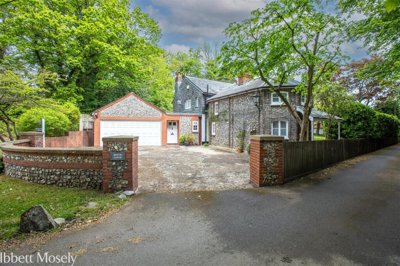
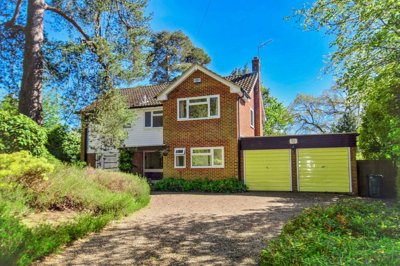
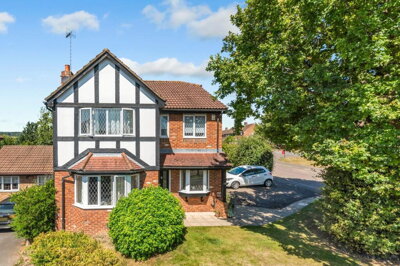
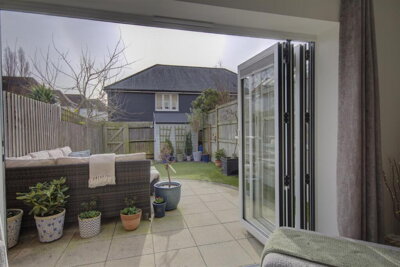
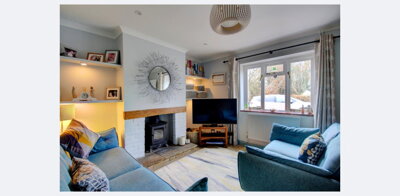
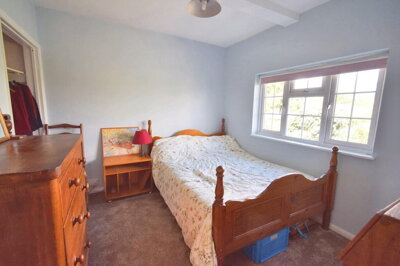
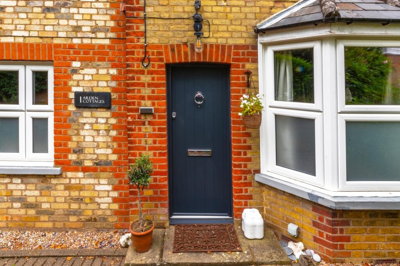
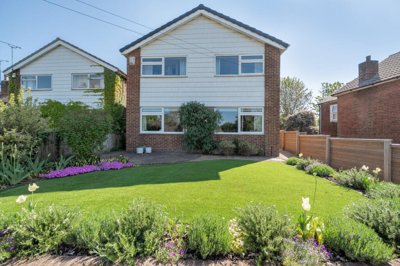
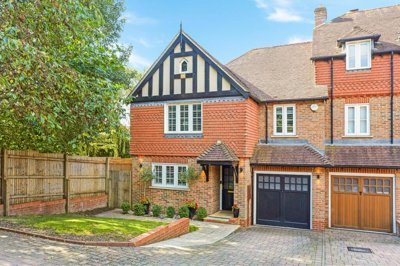
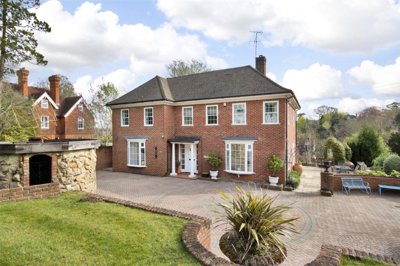
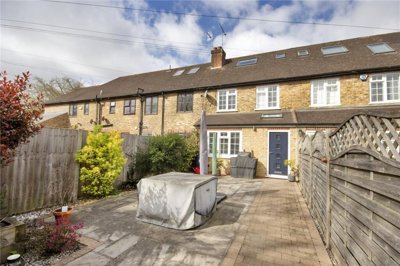
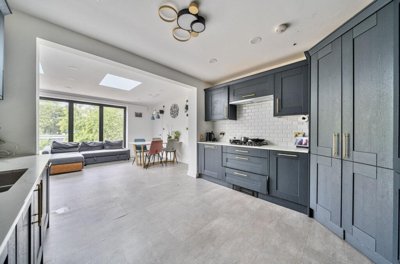
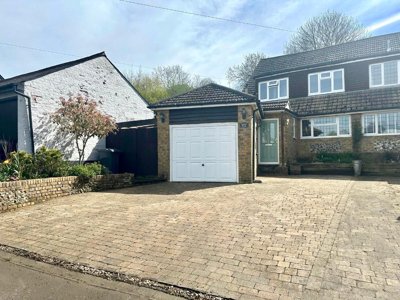
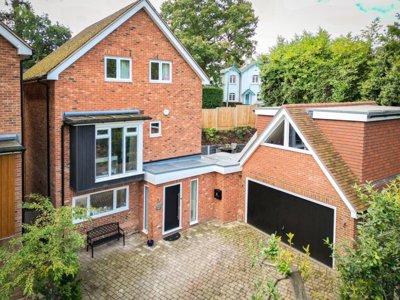
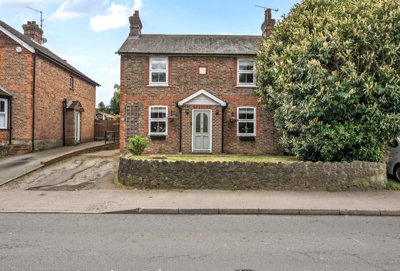
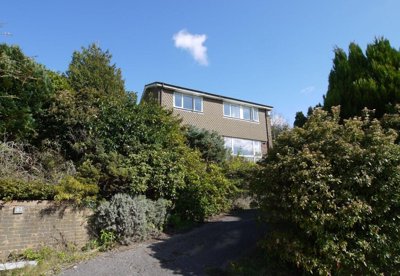
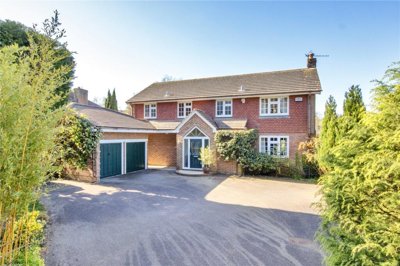
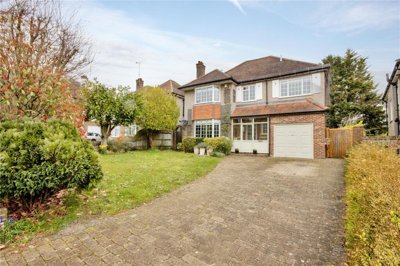
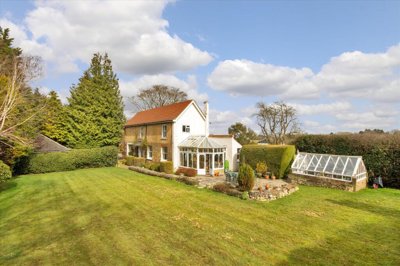
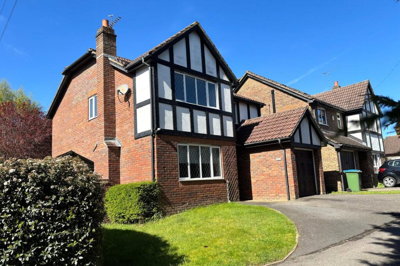
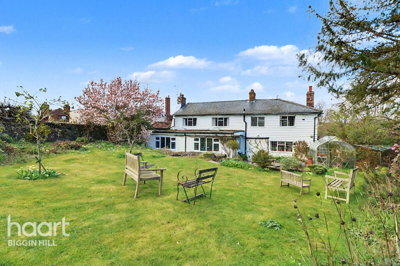
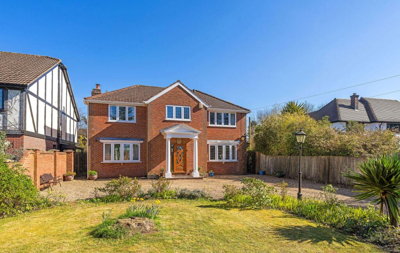
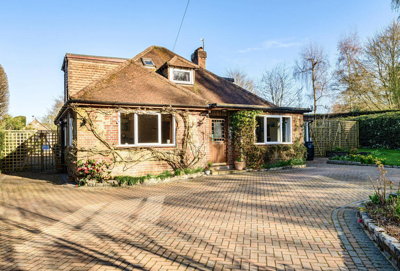
Browse 68 homes for sale in Chevening, Sevenoaks from local estate agents.
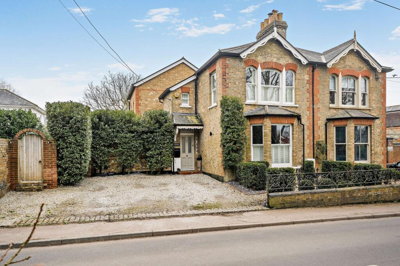
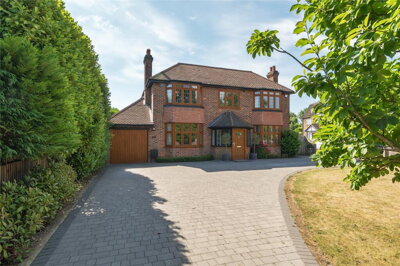
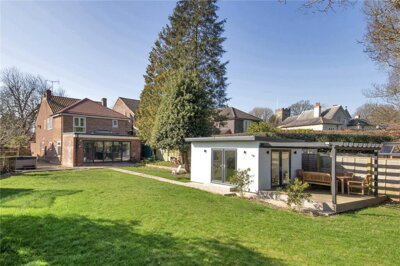
The larger property sector typically features multiple bathrooms, substantial reception space, and private gardens or off-street parking. Four bedroom houses in Chevening span detached, semi-detached, and occasionally terraced configurations, with styles ranging from period properties to modern executive homes.
£788k
4
0
92
Source: home.co.uk
Showing 4 results for 4 Bedroom Houses for sale in Chevening, Sevenoaks. The median asking price is £787,500.
Source: home.co.uk
Detached
3 listings
Avg £848,333
Terraced
1 listings
Avg £610,000
Source: home.co.uk
Source: home.co.uk
Chevening commands a strong market, helped by its limited supply and the area’s character. Along Chevening Road and across the parish, detached homes have recently averaged £1,178,211, semi-detached properties have reached £556,250 on certain roads, and terraced homes have sold for around £508,750, which gives buyers a less daunting route into this prized postcode. homedata.co.uk also puts the average for properties on Chevening Road in nearby Chipstead at £831,078, with values up 17% over the past year and now 6% above the 2023 peak of £714,250.
New building in Chevening parish is still extremely scarce, mainly because the village sits within the Metropolitan Green Belt and the Kent Downs AONB. That restraint on development helps hold property values while keeping the rural feel that draws people here in the first place. Buyers wanting newer homes tend to look to nearby postcodes such as Orpington, Sidcup, and Tonbridge, though those sit outside the Chevening parish boundary. With so few homes available, anything that does come to market in Chevening usually sparks keen interest from buyers after village life without giving up on quality or character.
Three linked factors keep Chevening properties in the premium bracket. First, the local demographic is affluent, with average household incomes nearly three times the national average, so demand remains steady among buyers able to meet the asking prices. Second, the Green Belt and AONB boundaries leave little room for fresh development, which means existing homes face limited competition. Then there is the village’s heritage appeal, with its conservation area and 73 listed buildings giving the place a value that tends to outlast market swings. In practice, homes here have a habit of keeping their worth through choppy economic periods, so Chevening works both as a sought-after address and a relatively steady investment.

We see Chevening village as an enviable place to live, shaped by English heritage and a genuinely green setting. The parish has 3,158 residents in 1,065 households according to the 2021 Census, and it still carries the feel of a traditional estate village originally built for workers and tenant farmers linked to Chevening House. The centre includes a designated Conservation Area of approximately 2.0 hectares, with 15 listed buildings protected within it, among them the striking Church of St Botolph and a run of historic estate cottages. Red brick walls with blue headers and rusticated stone quoins are common here, and they speak plainly of the craftsmanship that went into the village over earlier centuries.
The surrounding Kent Downs bring miles of footpaths, ancient woodland, and open countryside that suit anyone who likes being outdoors. The upper reaches of the River Darent run through the parish as well, adding riparian walks to the mix. Chevening House itself is close by, a Grade I listed early English Palladian mansion dating from 1617-1630, and its grounds lend the village much of its prestige. Nearby Chipstead and Sevenoaks provide the day-to-day shops, restaurants, and services, so residents can enjoy a quieter setting without feeling cut off.
Chevening’s estate roots show through the architecture. Many of the homes date from the 17th and 18th centuries, when they housed workers at Chevening House and on the surrounding farms. That background has left a streetscape built from vernacular Kentish materials, with traditional brick, flint, and local ragstone appearing in everything from modest cottages to sizeable manor houses. The conservation area status helps keep that history visible, and it guards the visual unity that gives Chevening such a clear identity among Kent villages.

Families are often drawn to Chevening because schooling in and around the parish is well regarded. Within easy reach, pupils can access a broad mix of primary and secondary schools, and the village’s position within Sevenoaks district means state and independent options are both on the table. Several primary schools nearby, including those in Chipstead, Shoreham, and Otford, have earned good or outstanding Ofsted ratings, which gives younger children a solid start. Secondary education is strong in Sevenoaks too, where several schools regularly perform above national averages.
Independent schooling is close at hand as well. The Sevenoaks area has a number of respected private schools covering nursery through sixth form, and they attract families from across Kent and South East England. Sevenoaks School offers extensive A-level programmes alongside its well-known international curriculum, while Further Cornwallis Academy and other nearby schools provide strong alternatives for families looking at grammar or independent routes. Sixth form provision is available nearby at colleges and schools too, with options extending to Knole College for vocational courses and higher education opportunities.
School places need a bit of planning in Chevening, because catchment areas and admissions rules can be competitive in a family-friendly area like this. Kent County Council handles state school admissions locally, and catchment lines are usually set by distance from the school. Families aiming for grammar places come into the Kent grammar school admission process, which uses the eleven-plus selection criteria. Early registration for school places is best built into any purchase timeline, especially where a particular school is a major reason for moving.

Rail links make commuting from Chevening very manageable. The village is within easy reach of several stations, and Sevenoaks mainline station offers regular services to London Bridge and London Cannon Street via the Southeastern network. Journey times to the capital usually sit between 30 to 45 minutes depending on the service, which is a strong draw for commuters who want regular access to the city but still prefer countryside living. Otford and Kemsing give residents a couple more station choices if they want different routes or departure times.
Road access matters too. The M25 is only a short drive away, linking Chevening to the wider motorway network and to Heathrow, Gatwick, and Stansted airports. The A25 gives direct access to Sevenoaks town centre and also ties into the M20 for trips towards the Channel ports. Bus services run between Chevening and Sevenoaks, which is useful for those without a car, although the timetable is not as frequent as an urban route. Cyclists have scenic Kent routes to choose from, although the hills call for a decent level of fitness, and the Darent Valley footpath offers a flatter option towards the river.
Parking in the village is mixed. Some homes come with generous off-street parking that suits the area’s larger houses and wider plots, while public parking for visitors is limited because the village is small. Many period properties have original outbuildings that have been converted into garages or parking spaces, although some will not take a modern car comfortably. When our team views property in Chevening, we always check the parking position closely, especially for terraced cottages and smaller period homes where there may be no off-street space at all.

Our home.co.uk listings make it plain why Chevening stands apart. With average household incomes of £89,100 and properties ranging from £508,750 to over £1,178,211, fixing a budget early will sharpen the search. Buyers then have a clearer choice, whether they want a period cottage in the conservation area, a detached family home on the edges of the village, or a property with land holdings that might carry development potential, subject to planning consent within the Green Belt.
A mortgage agreement in principle should be in place before viewings begin. It gives sellers confidence that finance is lined up when an offer lands on the table. In Chevening, many purchases will go beyond £556,250, which places them in the 5% SDLT bracket. Lenders at this level include major high street banks and specialist firms used to premium Kent property, though affordability checks can be stricter when the loan amount rises.
We always recommend visiting more than one property in Chevening so the contrasts are easy to see. Proximity to listed buildings, conservation area rules, and the village’s Green Belt status all matter when weighing up each home. Many properties here use traditional materials such as Kentish ragstone, flint, and historic brickwork, and those materials often call for a particular approach to maintenance. Different times of day can also show up changes in natural light, noise, and the feel of the surrounding streets.
For older homes in Chevening, a RICS Level 2 Survey (homebuyer report) is an important step before purchase. Because so many properties in the village are historic, survey costs typically fall between £400 to £600 depending on size and value. Our surveyors are used to period buildings and will look closely at defect patterns common in traditional Kent construction, including timber frame elements, historic roof structures, and lime-based mortars.
An experienced property solicitor should handle the legal side of the purchase, from searches and contracts through to final title registration. With Chevening’s conservation area status and its many listed buildings, our team would want any solicitor to look carefully at planning conditions, listed building consents, and the restrictions that may affect the property. Flood risk assessments near the River Darent should also be requested as part of the conveyancing work.
Once the searches are clear and the finances are confirmed, contracts are exchanged and a completion date is set. On completion day, the balance is transferred and the keys to the new Chevening home are handed over. With supply so tight in the village, completion can move quickly once a sale is agreed, especially where more than one buyer has shown interest. Having finances and legal paperwork ready makes that final stretch much smoother.
Chevening is not a standard purchase. The parish has an extensive conservation area and a large stock of listed buildings, including 2 Grade I, 2 Grade II*, and 68 Grade II listed structures, so strict planning controls can affect alterations, extensions, and even routine maintenance. Works that might otherwise fall within normal planning rights can need listed building consent, and unsuitable changes may lead to enforcement action from Sevenoaks Borough Council. Before committing to any home that needs significant work, buyers should ask for planning history and speak with the local planning authority.
Older materials deserve the right kind of care. Properties in Chevening often include Kentish ragstone, flint, and historic brickwork, all of which call for specific maintenance and insurance thinking. Traditional lime-based mortars and renders, common in period homes, let buildings breathe and should not be swapped for modern cement mixes that can trap moisture and cause damage. Timber frame elements, which appear in many of the older village properties, may show beetle activity or wood rot that needs specialist treatment. During any RICS Level 2 inspection, our surveyors will go through these elements carefully and flag anything that needs further investigation or specialist advice.
The upper reaches of the River Darent mean flood risk deserves proper attention, so buyers should request flood risk assessments during conveyancing. Chevening’s elevated position usually gives it better protection than lower-lying places, but homes near watercourses or in valley locations can still face some risk during periods of intense rainfall. Insurance for properties with a flood history may need a specialist provider, and any increase in premiums should be built into the budget. Where a property has large gardens or land holdings, maintenance costs, boundary duties, and any common land arrangements should also be clear before purchase.
The Metropolitan Green Belt designation across the whole parish shapes almost every development decision. Extensions to existing homes, outbuildings, and other structures need planning permission, and local authorities are usually reluctant to approve much within the Green Belt. Prospective buyers should speak with Sevenoaks Borough Council about any development idea before they proceed, so expectations are realistic. The Kent Downs AONB adds another layer of protection for the landscape, helping Chevening keep its rural character while limiting major changes to the appearance of prominent properties.

homedata.co.uk shows that the wider Chevening Road market still trades at strong levels. Detached homes have averaged £1,178,211, semi-detached properties have reached £556,250, and the overall average for the Chevening Road area sits at about £831,078. Prices are up 17% over the past year and remain 6% above the 2023 peak of £714,250. That sits neatly alongside the high average household income of £89,100 in the Sevenoaks West and Chevening area, where limited supply and demand from affluent buyers keep values firm even when the wider market softens.
Chevening falls under Sevenoaks Borough Council administration, with council tax collected by Kent County Council. Council tax bands run from A through H depending on property value, and most family homes in the village sit in bands D through F because prices are so high. Exact banding depends on the specific valuation, so buyers should check the current band with the local authority or on the government council tax website before they budget for ongoing costs. As a guide, band D properties in Sevenoaks district currently pay around £1,800 per year, with higher bands rising in proportion.
Chevening’s school offer is one of the reasons families look here. Primary schools in Chipstead, Shoreham, and Otford have achieved good Ofsted ratings, while secondary schools in Sevenoaks regularly outperform national averages. There is also access to respected independent schools such as Sevenoaks School, which offers both A-level and International Baccalaureate programmes. School performance and catchment details should always be confirmed with Kent County Council, because admission policies can change and places at the more popular schools are tightly contested in this affluent area.
Chevening still feels rural, yet the transport links are very usable. Sevenoaks mainline station runs regular services to London Bridge and London Cannon Street in roughly 30-45 minutes, and the quickest trains take just 32 minutes to London Bridge. Otford and Kemsing give residents more station choice, especially in the northern parts of the parish. Bus routes connect the village to Sevenoaks town centre, and the M25 is easy to reach for road travel, which is why commuters who want countryside living keep coming back to Chevening.
Chevening has clear investment appeal thanks to limited supply, affluent residents, and the protection offered by the Green Belt and Kent Downs AONB. With average household incomes nearly three times the national average and prices rising 17% year-on-year, demand for homes in the village remains strong. Heritage, rural surroundings, and good transport links all support interest from buyers after a premium Kent village address. Rental demand is likely to stay modest, though, because owner-occupiers dominate and the tenant pool is small in this mainly residential parish.
Stamp Duty Land Tax rates for 2024-25 are 0% on the first £250,000, 5% on £250,001 to £925,000, 10% on £925,001 to £1.5 million, and 12% above £1.5 million. Because most Chevening properties fall within the £508,750 to £1,178,211 range, SDLT calculations usually involve the 5% rate on the portion above £250,000. For a £750,000 property, that works out at £25,000 in SDLT. Buyers purchasing for the first time get relief on the first £425,000, with 5% applied between £425,001 and £625,000, which can save several thousand pounds compared with the standard rate.
Chevening sits on the upper reaches of the River Darent, so some homes near watercourses may carry flood risk, especially those in lower-lying positions along the valley. Even so, the village’s elevated setting and rural landscape usually offer better protection than lower areas nearer the river mouth. Buyers should still ask for a specific flood risk assessment during conveyancing and put suitable building insurance in place that covers flood events. Homes with large gardens that border watercourses deserve particular caution, as heavy rainfall can bring groundwater flooding.
The parish of Chevening holds a notable heritage stock, with 2 Grade I listed buildings, 2 Grade II* listed buildings, and 68 Grade II listed structures recorded on the National Heritage List for England. Among the best-known are Chevening House itself and the Church of St Botolph, both Grade I listed. Anyone buying a listed building in Chevening should expect works affecting the character of the structure to need listed building consent from Sevenoaks Borough Council, and poor alterations can trigger enforcement action. Repairs often call for specialist contractors who know traditional methods, and insurance can cost more than it would for a similar unlisted home.
From £350
Particularly useful for older homes built with traditional methods.
From £500
Comprehensive structural survey for period properties
From £85
Energy performance certificate required for sale
From £499
Property solicitors handling your legal transfer
Budgeting for a purchase in Chevening means allowing for stamp duty as well as the other upfront costs. The current SDLT thresholds for 2024-25 set the nil rate band at £250,000 for standard purchases, with 5% applying to the portion between £250,001 and £925,000. Since Chevening properties usually exceed £556,250, most buyers should budget for stamp duty somewhere between £12,500 and £33,750 depending on the final purchase price. Buyers purchasing for the first time may benefit from the increased threshold of £425,000, which can save several thousand pounds compared with standard buyer rates.
Beyond stamp duty, a Chevening purchase carries other costs too, including solicitor fees of £500 to £1,500 for conveyancing, survey costs of £350 to £600 for a RICS Level 2 Survey, and mortgage arrangement fees that vary by lender but often sit between 0% and 1.5% of the loan amount. Search fees, title registration costs, and removal expenses add to the bill. Buyers taking on period property in Chevening should also allow for specialist building surveys, as older homes can call for extra structural assessments.
When the total purchase cost is being worked out, ongoing maintenance needs to sit in the picture too, and they can easily outstrip those of a modern home. Traditional construction methods common in Chevening village, including lime mortar pointing, historic roof coverings, and period joinery, often mean specialist contractors whose rates are higher than standard building work. Buildings insurance for older and listed properties can also carry premium loading, so quotes should be checked before completion to avoid surprises. A contingency fund of 5-10% of the purchase price is sensible for immediate works and the unexpected extras that tend to come with period property.

Properties for Sale In London

Properties for Sale In Plymouth

Properties for Sale In Liverpool

Properties for Sale In Glasgow

Properties for Sale In Sheffield

Properties for Sale In Edinburgh

Properties for Sale In Coventry

Properties for Sale In Bradford

Properties for Sale In Manchester

Properties for Sale In Birmingham

Properties for Sale In Bristol

Properties for Sale In Oxford

Properties for Sale In Leicester

Properties for Sale In Newcastle

Properties for Sale In Leeds

Properties for Sale In Southampton

Properties for Sale In Cardiff

Properties for Sale In Nottingham

Properties for Sale In Norwich

Properties for Sale In Brighton

Properties for Sale In Derby

Properties for Sale In Portsmouth

Properties for Sale In Northampton

Properties for Sale In Milton Keynes

Properties for Sale In Bournemouth

Properties for Sale In Bolton

Properties for Sale In Swansea

Properties for Sale In Swindon

Properties for Sale In Peterborough

Properties for Sale In Wolverhampton

Enter your details to see if this property is within your budget.
Loans, cards, car finance
Estimated property budget
Borrowing + deposit
You could borrow between
Typical borrowing
Monthly repayment
Est. at 4.5%
Loan-to-value
This is an estimate only. Your actual budget may vary depending on interest rates, credit history, and personal circumstances. For an accurate affordability assessment, speak to one of our free mortgage advisors.
This calculator provides estimates for illustrative purposes only and does not constitute financial advice. Your home may be repossessed if you do not keep up repayments on your mortgage. Estimates based on 4.5% interest rate, repayment mortgage. Actual rates depend on your circumstances.
Homemove is a trading name of HM Haus Group Ltd (Company No. 13873779, registered in England & Wales). Homemove Mortgages Ltd (Company No. 15947693) is an Appointed Representative of TMG Direct Limited, trading as TMG Mortgage Network, which is authorised and regulated by the Financial Conduct Authority (FRN 786245). Homemove Mortgages Ltd is entered on the FCA Register as an Appointed Representative (FRN 1022429). You can check registrations at NewRegister or by calling 0800 111 6768.

We use cookies to show you personalised content and improve your experience of our website. Find out more in our Privacy policy and Cookie policy.