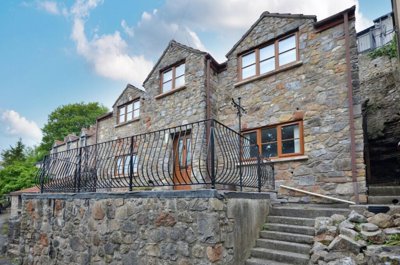
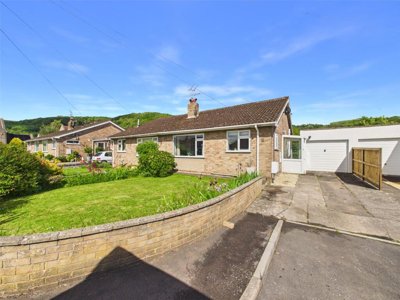
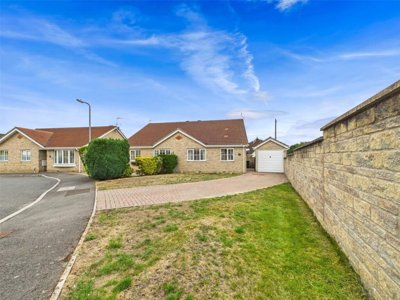
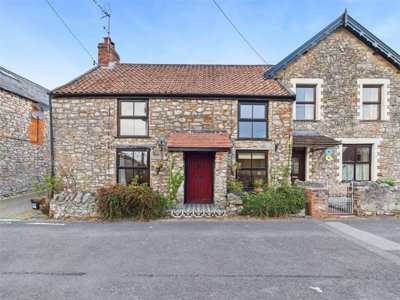
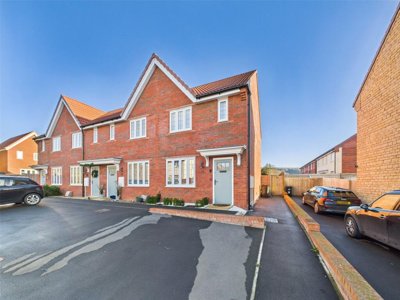
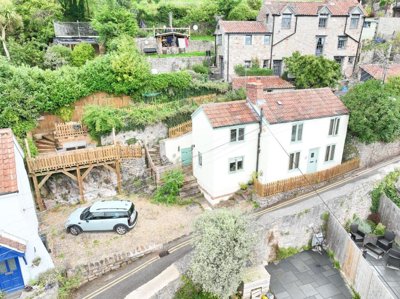
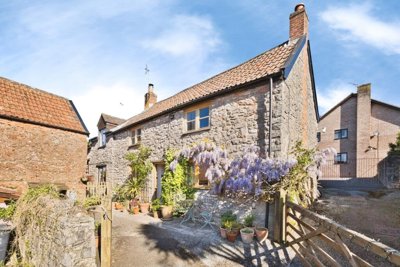
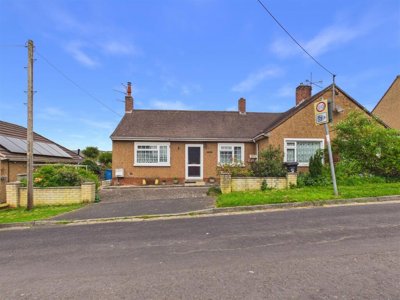
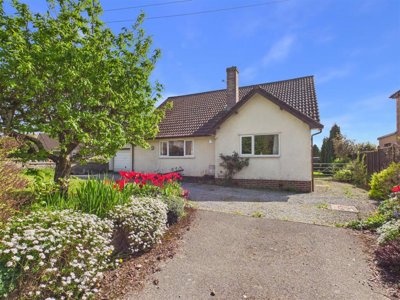
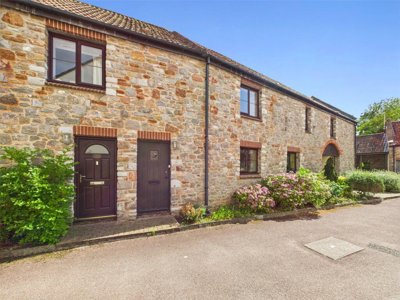
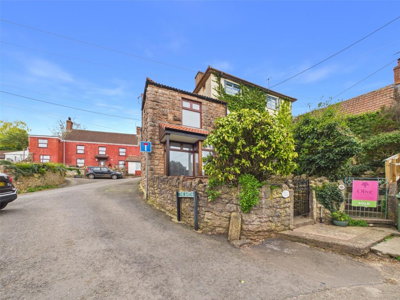
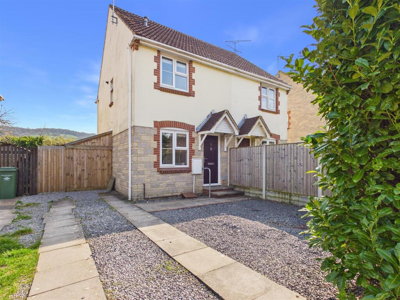
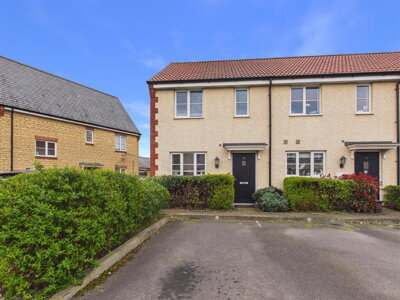
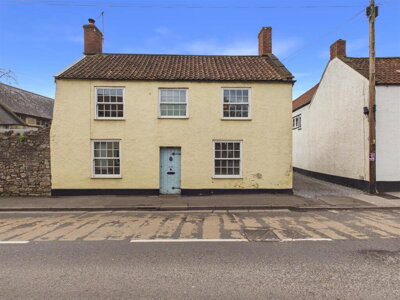
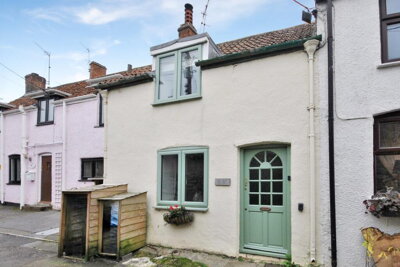
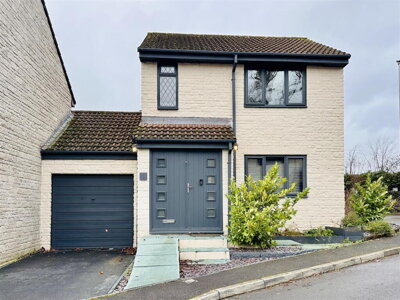
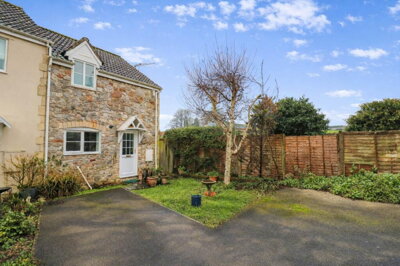
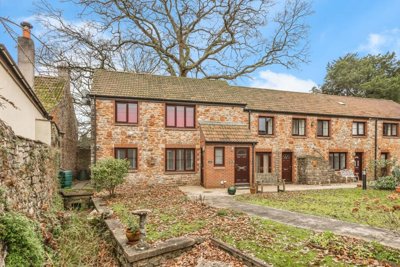
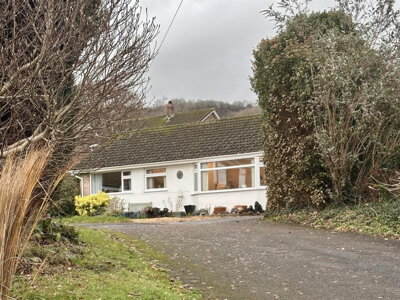
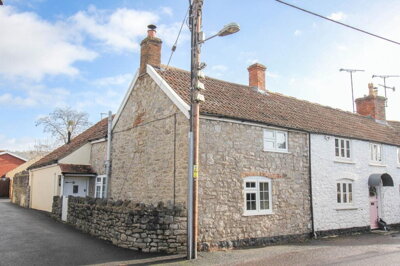
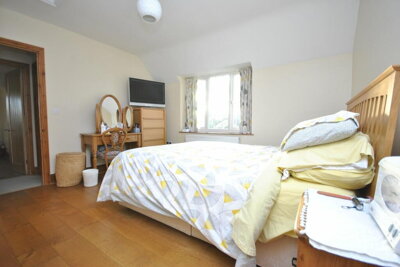
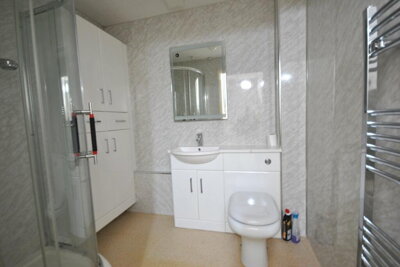
Browse 26 homes for sale in Cheddar, Somerset from local estate agents.
The 2 bed house market features detached, semi-detached, and terraced properties with two separate bedrooms plus living spaces. Properties in Cheddar range from Victorian and Edwardian period homes to modern new builds, with pricing varying across different neighbourhoods.
£303k
4
0
90
Source: home.co.uk
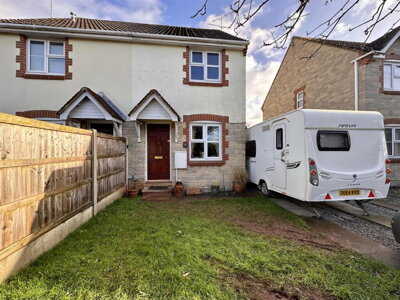
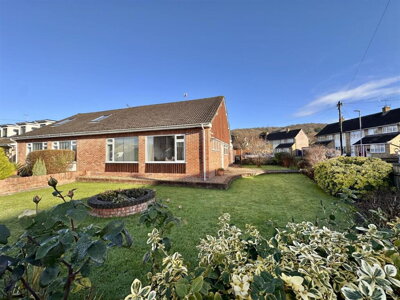
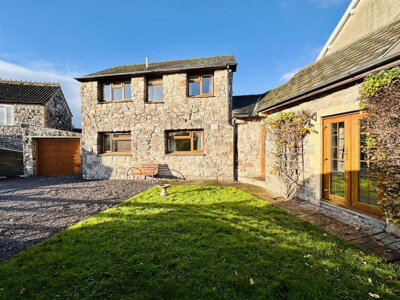
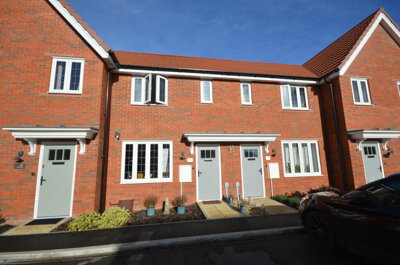
Showing 4 results for 2 Bedroom Houses for sale in Cheddar, Somerset. The median asking price is £302,500.
Source: home.co.uk
Detached
2 listings
Avg £337,500
Semi-Detached
1 listings
Avg £280,000
Terraced
1 listings
Avg £275,000
Source: home.co.uk
Source: home.co.uk
Cheddar has been quietly moving in the right direction, with average house prices up by approximately 3% over the past twelve months. That sort of steady performance says a lot about the village, people still want to settle here because it manages to pair heritage character with workable links to major employment centres. With a current average price of £445,941, Cheddar sits in an attractive position within the Somerset market, often giving buyers more space and personality than nearby urban areas while still offering solid capital growth prospects.
Across Cheddar, the housing mix tells the story of a place that has grown from a medieval market settlement into a well-established modern village. Detached homes sit at the top end, with average prices of around £649,945, and many come with sizeable gardens and wide views towards the Mendip Hills. Semi-detached houses account for approximately 35% of the local housing stock and average around £386,330, which is why they are often the sweet spot for families after three or four bedrooms in a village with good day-to-day amenities. Terraced homes average £216,250. Flats, at approximately £154,750, remain the most affordable route in, especially for first-time buyers or anyone wanting a smaller footprint.
Buyers looking for something new have 3 active developments to consider in Cheddar at the moment. Cheddar Gardens by Strongvox Homes on Upper New Road includes two, three, and four-bedroom homes priced from £300,000 to £550,000. On Station Road, The Cheddar Collection by Acorn Property Group offers houses and bungalows ranging from £325,000 to £600,000. Then there is David Wilson Homes' Cheddar View on Draycott Road, where the focus is on larger family houses with three, four, and five bedrooms priced between £380,000 and £700,000. In each case, the design is contemporary, but the materials nod to the local limestone look.

Set on the southern edge of the Mendip Hills Area of Outstanding Natural Beauty, Cheddar gives residents easy access to some of Somerset's boldest scenery. The heart of the village is centred on The Causeway and Union Street, and the conservation area there helps preserve the character of older homes built from local Mendip limestone. You see a real mix as you walk through, traditional stone cottages, Victorian red brick terraces, mid-century family houses, and newer schemes all sharing the same village. Even with a population of nearly 5,750, Cheddar still feels local rather than sprawling, helped along by annual events such as the well-known Cheddar Village Festival and regular farmers markets that pull in visitors from across the region.
The local economy in Cheddar still leans on the things that made the village famous in the first place. Agriculture remains part of the picture, and the Cheddar cheese industry has been operating here for over 800 years. Tourism is just as important, with Cheddar Gorge and the cave system drawing hundreds of thousands of visitors annually and supporting a busy hospitality trade of hotels, pubs, restaurants, and tea rooms. Day to day, though, Cheddar works well as a practical place to live, with independent shops including a butcher, baker, green grocers, and pharmacy, plus a supermarket for the basics. Local clubs, societies, and sports teams help keep the community side of village life strong.
For outdoor time, Cheddar has plenty going for it. The Mendip Hills open up walking, cycling, climbing, and caving on a scale that is hard to match nearby, while Cheddar Reservoir, managed by Bristol Water, adds watersports and fishing to the list. There are miles of public footpaths and bridleways around the village too. Families often rate the area highly because the scenery, schools, and generally safe streets all come together in one place. Everyday services are close at hand as well, including a doctors surgery, dental practice, and veterinary clinic, so most routine healthcare needs can be dealt with locally rather than in a larger town.
Cheddar tends to draw a broad spread of buyers rather than one single type. Young families come for the schools, retirees for the quieter pace and community feel, and both groups have helped support values over time. Prices here have generally stayed resilient, largely because new housing supply remains limited while demand is consistent. First-time buyers usually look first at flats and terraced homes. Families, meanwhile, often focus on semi-detached properties near the village centre or newer schemes on the edge of the village. The BS27 postcode area also keeps attracting movers from Bristol and other South West cities who want remote working flexibility without giving up village life.
Schooling in Cheddar covers children from nursery age through to secondary. Cheddar First School takes pupils aged 5 to 9 and is known locally for giving children a firm start in literacy, numeracy, and general confidence in learning. After that, pupils move on to The Kings of Wessex Academy in the nearby village of Winsham, which serves the Cheddar area and provides secondary education for ages 13 to 18. It has built a solid reputation for both academic results and extracurricular opportunities, and many students go on from there into further education and training.
Families wanting an independent option are not short of choice, although it does mean travelling. Well-regarded private schools can be found within reasonable commuting distance in Wells, Bath, and Bristol, all accessible by car if that daily journey suits. Back in the village itself, early years provision is strong, with several nurseries and pre-schools offering flexible childcare for working parents. That local provision matters, because it cuts down on long school runs and helps children form friendships within the same community from an early stage.
Older students also have straightforward access to colleges in Weston-super-Mare, Bridgwater, and Bath, with both vocational and academic routes available. For higher education, the University of Bristol and the University of Bath are close enough to keep strong options within reach without forcing a move to a far-off city. A lot of residents value exactly that balance, village life through school years, then clear links to university and career paths across the South West's larger urban centres.
Despite being a village, Cheddar is well placed for getting around the South West. It sits just off the A371, giving direct road access to Weston-super-Mare approximately 12 miles to the north-west and Wells approximately 10 miles to the south-east. For longer trips, the M5 is reached via junction 22 at Weston-super-Mare, opening routes towards Bristol, Exeter, and the wider motorway network. Bristol Airport is around 30 minutes away by car, which keeps the village practical for regular business travel as well as visiting family abroad.
Public transport is there, though it is not city-level frequent. Bus services run by First Bus and other local operators link Cheddar with Wells, Weston-super-Mare, and nearby villages, but journeys can be slow and weekend services are usually thinner. Rail is a bit less convenient, as the nearest stations are Weston-super-Mare and Worle, both around 15 miles from Cheddar, although they do provide onward connections to Bristol Temple Meads and further afield. In practice, many residents drive to a station and park. The lack of a direct rail link in the village is one of the limitations we would always suggest weighing up in advance.
For home workers and anyone not commuting every day, the location can be a real plus. There is less congestion than in larger towns, and the countryside is right on the doorstep. Cycling works well for shorter local trips too, thanks to the flatter ground around the village centre and cycle routes along some of the main roads. One thing to bear in mind, though, is seasonal traffic. The Mendip Hills draw plenty of leisure drivers and motorcyclists, and the village centre can become noticeably busier during peak tourist season.

One sensible first step is to look closely at what is currently on the market in Cheddar and match it against your budget. We bring together listings from major estate agents, so you can compare prices, property types, and locations across the village without hopping between multiple sites. It also helps to get a feel for local pricing before you view anything, including the current average price of £445,941 and the different ranges attached to each property type.
Before we book viewings, it makes sense to speak to a lender and secure an Agreement in Principle. Sellers take that seriously because it shows financing is lined up, and in Cheddar that can matter a great deal when a well-priced home attracts more than one buyer. Having your mortgage agreed in principle can put you in a stronger position the moment you decide to offer.
After that, contact estate agents and start arranging viewings for the homes that fit what you need. It is worth seeing a spread of locations, from the older conservation area around The Causeway to newer spots such as Cheddar View, because the feel can change quite a bit across the village. As you look around, keep an eye on practical details, schools nearby, general noise, parking, and the state of neighbouring properties can all make a difference once the novelty wears off.
Once an offer has been accepted, we would usually recommend a RICS Level 2 Survey. That is especially important in Cheddar because around 75% of properties were built before 1980, and many are traditional limestone buildings. A proper survey can pick up structural issues, damp, and repair needs before they turn into expensive surprises. In this area, we often look carefully for damp in older stone homes, roof condition, and any hints of ground movement.
At that stage, you will also need a solicitor to deal with the legal side of the purchase, from searches and contracts through to registration of the title. Conveyancers with local knowledge will already be alive to Somerset-specific issues, including conservation area controls and possible flood risk. They will carry out local authority searches, drainage and water searches, and environmental searches relevant to the Cheddar area.
Once the searches are back, the finance is confirmed, and everything is in order, contracts are exchanged and the deposit is paid. Completion usually follows within weeks. Then you get the keys and can start the move into your new Cheddar home. Building insurance should also be in place by this point, because it will be required before completion.
The ground beneath Cheddar matters more than some buyers realise. Across the village and the surrounding Mendip Hills, the main bedrock is Carboniferous limestone, which generally offers very good structural stability and is often reassuring for anyone worried about subsidence. There are exceptions, though. Along the River Yeo and in areas of alluvial deposits, clay can be present and may be prone to shrink-swell movement, especially where trees are nearby. A thorough survey should check for cracking or other signs of movement, and lower-lying properties near the river are the ones we would examine most closely on this point.
Flood risk is not uniform across Cheddar, so location really matters. Homes close to the River Yeo can face more of a question mark because the river runs through the village, and while major flooding events are uncommon, the Environment Agency does identify river and surface water flood risk in certain spots. Those maps are worth checking carefully for any address you are seriously considering. Higher ground away from the river valley usually means a much lower flood risk, although it can bring other trade-offs such as more exposure to wind or a longer walk into the village. Insurance premiums can also be higher in flood-risk zones, so budget for that from the start.
Living in Cheddar's historic core comes with a few extra rules. The conservation area protects much of the older centre, and that can mean tighter planning controls over alterations, extensions, and changes to the exterior than you would find elsewhere. There are also numerous listed buildings in the village, many of them Grade II listed, and those usually need Listed Building Consent for works that affect character or structure. The upside is obvious, the village keeps its distinct appearance and heritage value. The trade-off is that buyers need to think carefully about future plans before committing. Older stone homes can also cost more to maintain, with lime mortar pointing, stone repairs, and slate roof upkeep all part of the picture.

It helps to understand how Cheddar homes are built, because construction type often shapes both character and maintenance needs. Many of the older houses are made from local Mendip limestone, which gives them that familiar honey-colour appearance and adds plenty of visual appeal. Red brick Victorian and Edwardian homes are common too, especially along Union Street and The Causeway where the conservation area preserves the older street pattern. You will also see rendered finishes on both period and modern homes, and in some cases that render sits over older stonework that may still need attention in the background.
Age bands make the local housing stock easier to read. Pre-1919 homes account for approximately 25% of properties in Cheddar and are usually built with solid limestone walls and lime mortar construction, often with slate or clay tile roofs, original timber windows, and limited insulation by modern standards. Homes from the interwar period, 1919-1945, make up around 15% and tend to introduce cavity wall brick construction. The biggest share is post-war housing from 1945-1980 at approximately 35% of the stock, commonly with cavity brick or rendered walls and concrete tile roofs. Properties built since 1980 form the remaining 25%, generally offering more modern construction standards but often commanding higher prices.
Survey findings in Cheddar often reflect the age and build type of the homes here. Older stone properties regularly show rising damp, penetrating damp, or condensation, usually linked to traditional construction, age, and sometimes poor ventilation. Roofs on older houses can reveal slipped tiles, worn lead flashing, and heavy moss growth. In pre-1980s homes, timber can show woodworm or rot, particularly where damp is already present. Services are another common issue, with electrical and plumbing systems sometimes original or only partly updated, meaning they may fall short of current regulations. Around the BS27 area, chimney defects are also familiar, including failing mortar, leaning stacks, and flashing problems.
Buying in Cheddar involves more than agreeing the asking price, so it is worth setting out the full numbers early. Alongside the purchase figure, buyers need to budget for stamp duty, legal fees, surveys, and the other costs that come with moving. Under the current Stamp Duty Land Tax thresholds for residential purchases, most buyers in Cheddar will pay the standard rates, and on the average property price of £445,941 that works out at £9,797. First-time buyers purchasing up to £625,000 may qualify for relief, which can reduce that bill significantly and save thousands of pounds compared with buyers who are not eligible.
Survey costs are another line in the budget that should not be left until late. In the Cheddar area, a RICS Level 2 Survey will typically cost £450 to £650 for a standard three-bedroom semi-detached home, rising to £600 to £850 for a larger four-bedroom detached property. That spend is often worthwhile here because approximately 75% of the housing stock was built before 1980, so many homes are now over 45 years old. We commonly see reports flagging damp in older stone buildings, wear to slate and tile roofs, and electrical systems that no longer meet current regulations. Having that information before you commit can change the picture considerably.
Legal costs vary, but for a straightforward purchase in Cheddar, conveyancing typically starts from around £499. The figure can rise with transaction complexity and property value, and there is often more to check here than buyers first expect. Searches will usually cover drainage and water, environmental matters such as contamination or flood risk, and local authority issues including planning constraints. Because many Cheddar homes are either within the conservation area or listed, extra investigation may be needed around permitted development rights and any planning conditions tied to the property. On top of that, we would also allow for removals, possible estate agent fees if you are selling at the same time, and any immediate repairs or refurbishment.
Recent figures put the average house price in Cheddar at approximately £445,941. There is a fairly wide spread by property type, with detached homes averaging around £649,945, semi-detached properties approximately £386,330, terraced homes £216,250, and flats £154,750. Over the past twelve months, prices have risen by around 3%, which points to steady buyer demand. That demand is largely driven by the same mix Cheddar has offered for some time, character, useful amenities, and manageable access to major employment centres across the South West.
On the local government side, Cheddar falls within the area formerly covered by Sedgemoor District Council, which merged into Somerset Council in 2023 as part of local government reorganisation. Council tax follows the usual national bands from A to H, and most homes in Cheddar sit somewhere between B and E depending on size, age, and position. Higher-value detached family houses and homes in the conservation area often fall into the upper bands. If you need to confirm a specific property, the band can be checked through the Valuation Office Agency website or directly from the council tax bill.
For primary-age children, Cheddar First School is the main local option and is generally well regarded for its supportive atmosphere right in the village. Secondary pupils usually attend The Kings of Wessex Academy in Winsham, where education runs from ages 13 to 18 and examination results are solid enough to support progression into further education. There are also several nurseries and pre-schools in the village offering early years places and flexible childcare for working parents. Families looking beyond the state sector can travel by car to independent schools in Wells, Bath, and Bristol, with options running from preparatory stage through to A-level.
Getting in and out of Cheddar is fairly straightforward by road, a bit less so by public transport. Bus routes connect the village with Wells and Weston-super-Mare, although services are not as frequent as they would be in a town and can be more limited in the evenings and at weekends. For rail, the nearest stations are Weston-super-Mare and Worle, around 15 miles away, with connections to Bristol Temple Meads and the wider network. Drivers can reach the M5 at junction 22 by Weston-super-Mare for routes towards Bristol, Exeter, and the rest of the South West. Bristol Airport is approximately 30 minutes away by car. For many residents, a car is still essential for commuting, even though the village itself is easy to get around on foot.
From an investment point of view, Cheddar has a lot of the fundamentals buyers tend to look for. Property prices have shown consistent growth in recent years, and the village continues to benefit from its setting within the Mendip Hills Area of Outstanding Natural Beauty, its well-regarded schools, and its workable links towards Bristol. The local economy has a stable base too, with tourism tied to Cheddar Gorge and the cheese industry, while the limited supply of new housing stock helps support values over time. Period homes and properties in the conservation area often hold their value well, although anyone running the numbers should allow for the maintenance demands that can come with older stone buildings.
From April 2025, Stamp Duty Land Tax on residential property is charged at 0% on the first £250,000, 5% on the portion from £250,001 to £925,000, 10% from £925,001 to £1,500,000, and 12% above £1,500,000. On a typical Cheddar purchase at the average value of £445,941, the stamp duty bill would be £9,797. First-time buyers purchasing up to £625,000 may get relief, with 0% applying to the first £425,000 and 5% on the remaining amount within that limit. Once the price goes above £625,000, that relief falls away, so larger detached homes in Cheddar averaging £649,945 would be taxed at the standard rates.
In Cheddar, the conservation area covers The Causeway, Union Street, and Hannah More Road, and homes there face tighter planning controls over changes to the property. Alterations to windows, doors, roofs, and other exterior details may need permission or consent even where similar work might be allowed elsewhere without it. Listed buildings have a further layer of control, with Listed Building Consent usually needed for works affecting character or structure. Those restrictions are not necessarily a problem, but they do need factoring into any purchase, especially if you are already thinking about extending or making major alterations later on. We can talk you through how these designations apply across the Cheddar area.
Description
From 4.5% APR
Expert property solicitors handling your Cheddar purchase
From £499
Essential survey for older Cheddar properties built before 1980
From £450
Energy performance certificate for your Cheddar home
From £80
Properties for Sale In London

Properties for Sale In Plymouth

Properties for Sale In Liverpool

Properties for Sale In Glasgow

Properties for Sale In Sheffield

Properties for Sale In Edinburgh

Properties for Sale In Coventry

Properties for Sale In Bradford

Properties for Sale In Manchester

Properties for Sale In Birmingham

Properties for Sale In Bristol

Properties for Sale In Oxford

Properties for Sale In Leicester

Properties for Sale In Newcastle

Properties for Sale In Leeds

Properties for Sale In Southampton

Properties for Sale In Cardiff

Properties for Sale In Nottingham

Properties for Sale In Norwich

Properties for Sale In Brighton

Properties for Sale In Derby

Properties for Sale In Portsmouth

Properties for Sale In Northampton

Properties for Sale In Milton Keynes

Properties for Sale In Bournemouth

Properties for Sale In Bolton

Properties for Sale In Swansea

Properties for Sale In Swindon

Properties for Sale In Peterborough

Properties for Sale In Wolverhampton

Enter your details to see if this property is within your budget.
Loans, cards, car finance
Estimated property budget
Borrowing + deposit
You could borrow between
Typical borrowing
Monthly repayment
Est. at 4.5%
Loan-to-value
This is an estimate only. Your actual budget may vary depending on interest rates, credit history, and personal circumstances. For an accurate affordability assessment, speak to one of our free mortgage advisors.
This calculator provides estimates for illustrative purposes only and does not constitute financial advice. Your home may be repossessed if you do not keep up repayments on your mortgage. Estimates based on 4.5% interest rate, repayment mortgage. Actual rates depend on your circumstances.
Homemove is a trading name of HM Haus Group Ltd (Company No. 13873779, registered in England & Wales). Homemove Mortgages Ltd (Company No. 15947693) is an Appointed Representative of TMG Direct Limited, trading as TMG Mortgage Network, which is authorised and regulated by the Financial Conduct Authority (FRN 786245). Homemove Mortgages Ltd is entered on the FCA Register as an Appointed Representative (FRN 1022429). You can check registrations at NewRegister or by calling 0800 111 6768.

We use cookies to show you personalised content and improve your experience of our website. Find out more in our Privacy policy and Cookie policy.