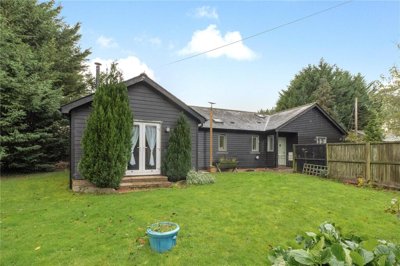
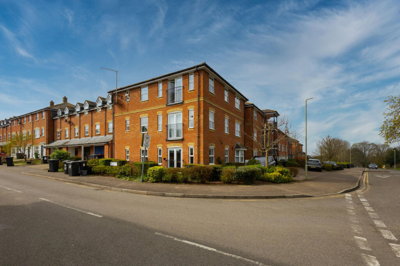
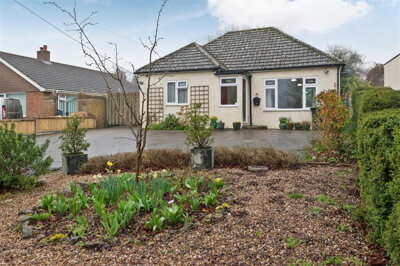
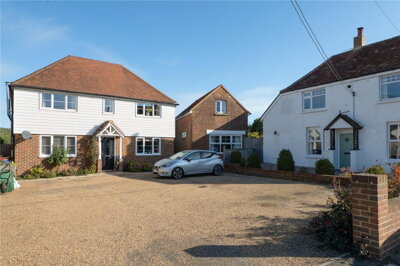
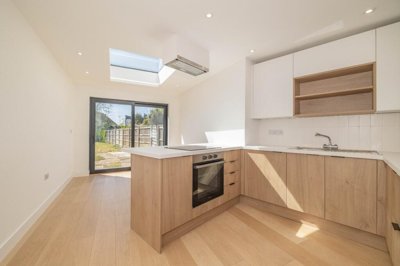
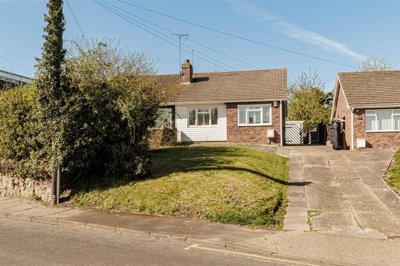
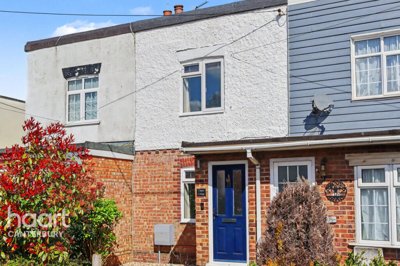
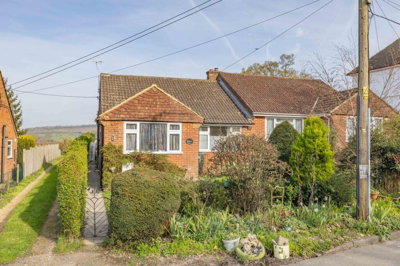
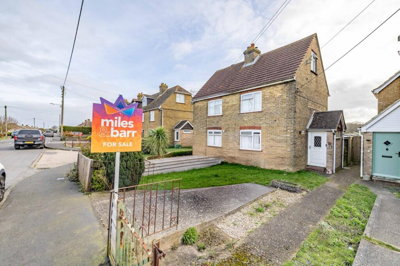
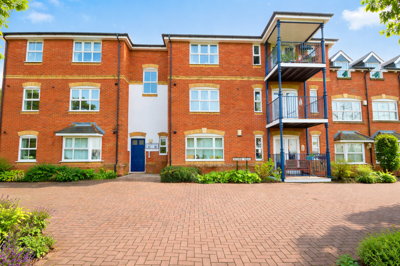
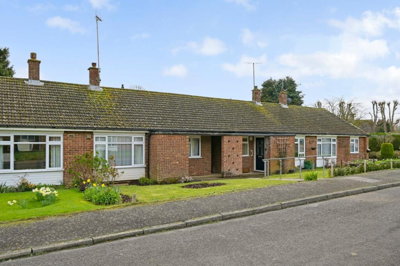
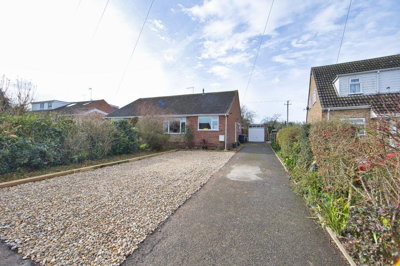
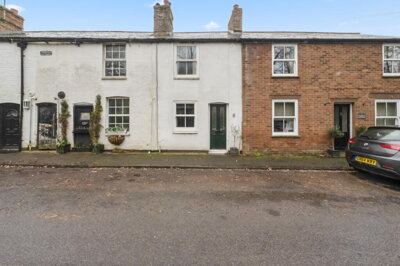
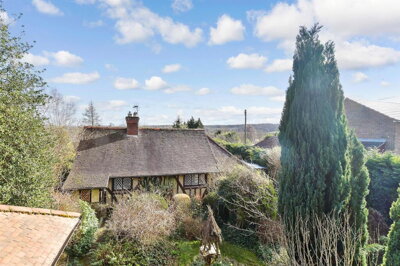
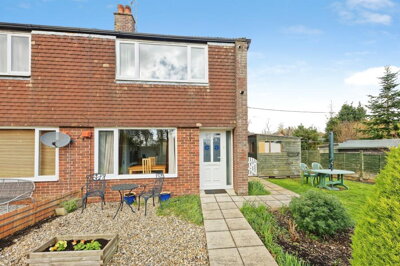
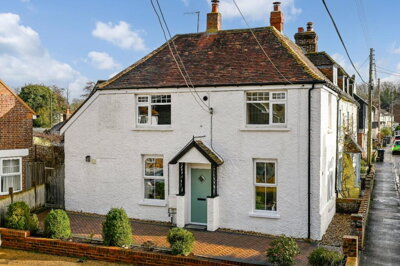
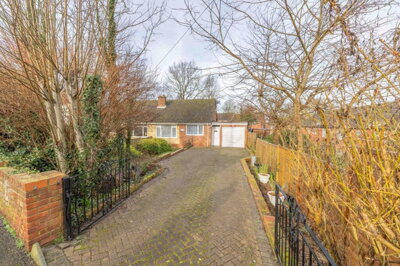
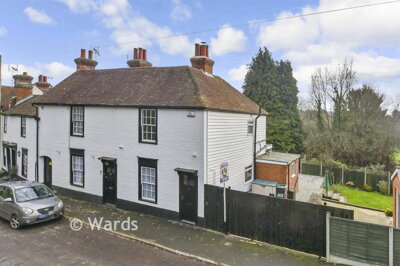
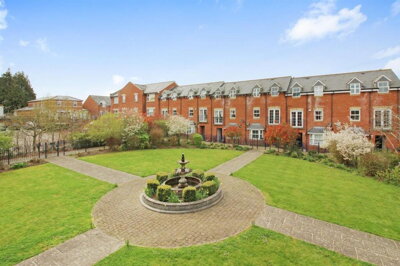
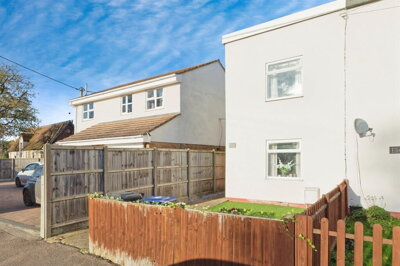
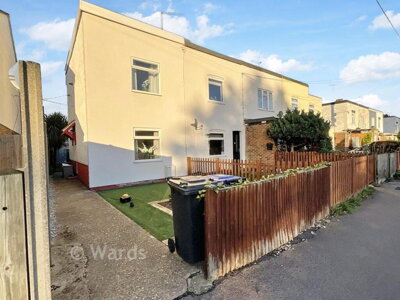
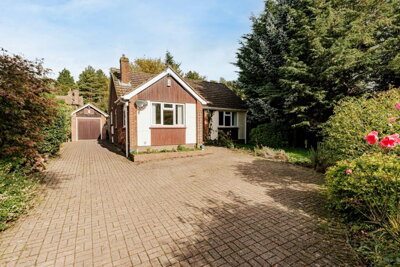
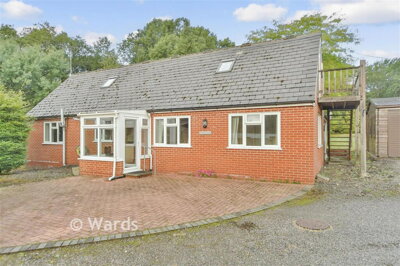
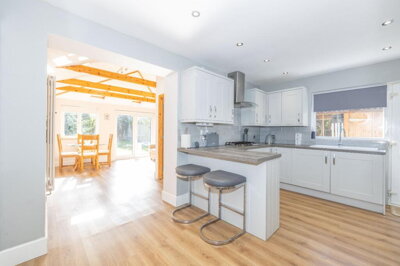
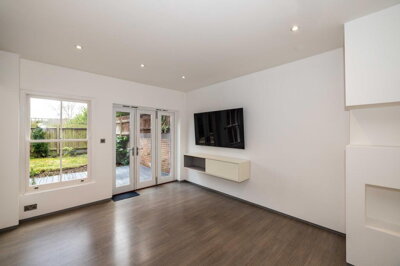
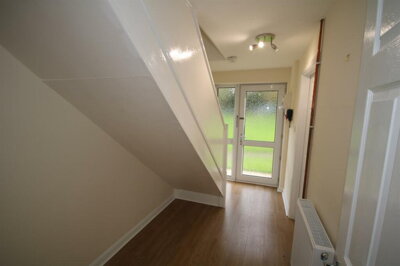
Browse 26 homes for sale in Chartham, Canterbury from local estate agents.
The 2 bed house market features detached, semi-detached, and terraced properties with two separate bedrooms plus living spaces. Properties in Chartham range from Victorian and Edwardian period homes to modern new builds, with pricing varying across different neighbourhoods.
£300k
3
0
52
Source: home.co.uk
Showing 3 results for 2 Bedroom Houses for sale in Chartham, Canterbury. The median asking price is £300,000.
Source: home.co.uk
Terraced
2 listings
Avg £290,000
Detached
1 listings
Avg £342,500
Source: home.co.uk
Source: home.co.uk
Chartham brings together traditional Kentish architecture and newer homes, so buyers can look across the lot rather than one narrow slice of the market. Detached properties sit at the top of the range at £835,396, which is hardly surprising when you factor in the extra space, privacy, and those bigger garden plots. Semi-detached homes average £400,000. Terraced houses come in at around £360,499, and flats start at about £185,625 for buyers after a smaller footprint or a buy-to-let purchase.
Prices in Chartham have eased by 2.4% over the last 12 months, so the market is a little less sharp than it was. Semi-detached homes saw the biggest move, down 4.9%, while detached properties slipped by 1.0%. That follows several years of steady growth, helped by Canterbury's pull and by Kent village life appealing to London commuters who want more for their money.
Two new-build schemes are underway in Chartham, adding choice for buyers who want modern construction and better energy performance. Barratt Homes' St Augustine's Gate on CT4 7NY has 2, 3, and 4-bedroom homes from £349,995, while Pentland Homes' Chartham Garden Village on Mystole Road offers 2, 3, 4, and 5-bedroom homes from £350,000. For families wanting a move-in ready home, both come with modern finishes and NHBC warranties.

Much of daily life centres on the historic core, where the Conservation Area around St Mary's Church and The Green protects the Kentish vernacular that defines Chartham. Older houses here often show traditional Kentish brick and timber construction, and some larger ones use locally quarried ragstone, the limestone found in this corner of Kent. Walk the centre and you pass period cottages, converted farm buildings, and pubs that have been part of village life for generations.
A convenience store, village pub, primary school, and recreation facilities cover the basics, while Chartham Paper Mill still brings in local jobs alongside the wider Canterbury economy. The River Stour runs through the village, making for easy riverside walks and the odd wildlife-spotting stop, though homes near the river and in lower-lying spots do carry some flood risk. Outside the village, Kent countryside opens out into walking and cycling routes through farmland and woodland, with the North Downs Way close by for longer outings.
Chartham's closeness to Canterbury gives it a practical edge, shifting it from quiet village to workable base for professionals, students, and families who rely on city jobs, shopping, and culture before heading back home in the evening. The University of Kent and Canterbury Christ Church University draw students and academic staff, which supports rental demand and feeds into the local economy. Kent and Canterbury Hospital adds healthcare jobs, while retail and tourism in Canterbury create work across a range of income levels.

Families looking at Chartham have a straightforward primary option, Chartham Primary School, which serves the village and teaches children up to age eleven. That is a real advantage for younger households, cutting out school runs to distant catchments. For secondary places, pupils usually head into Canterbury, where several schools keep up strong Ofsted results and exam performance.
Canterbury gives families a wide secondary choice, from grammar schools for able pupils to faith schools and non-selective schools with sixth forms offering A-levels. Catchment boundaries matter, though, and popular schools can be hotly contested, especially for families moving in from outside the city. The University of Kent and Canterbury Christ Church University both sit in Canterbury, with undergraduate and postgraduate courses that draw students from across the UK and overseas.
Further education is covered too, with Canterbury College offering vocational qualifications, A-levels, and university-level courses for school leavers and adults looking to retrain or add skills. That helps create a proper learning ladder, from school through to later-life study, which is part of the area's appeal for families who value education. From Chartham, getting to these places for the day is simple enough for older students who want to stay in the village while they study.

At Chartham railway station, Southeastern services run regularly to Canterbury, Ashford International, and London, so commuters can keep a foot in the city without giving up village life. Via Ashford, London St Pancras International is about one hour away, which keeps the capital within reach for people who split time between home and office. The station also works for local trips, with trains to Canterbury West giving easy access to the city centre and no parking hunt.
Bus routes link Chartham with Canterbury, giving commuters, students, and non-drivers an inexpensive alternative, usually in around twenty minutes depending on traffic. The A28 passes through the village, tying it to Canterbury and, via the A299, to the M2 and the wider Kent network, including the Channel ports. By car, Canterbury city centre is about ten minutes away, and the coast and seaside towns are close enough for a weekend drive.
Cycle links have improved, with dedicated paths now connecting Chartham and Canterbury, which makes sustainable commuting and leisure rides more realistic for residents. Out in the Kent countryside, quiet lanes carry cyclists towards neighbouring villages and the North Downs. Parking in the village is adequate for somewhere of this size, and Canterbury city centre has several public car parks for shopping or a day out.

We suggest speaking to a mortgage broker, or using Homemove's comparison service, to get an Agreement in Principle before you start viewing. It shows estate agents and sellers that the money is lined up, which can make all the difference when the right Chartham home appears. Having it ready also tells agents the buyer is serious and able to move fast.
Start by looking through current listings on Homemove and home.co.uk so you can see how pricing shifts between property types. We would view more than one style, from terraced starters to detached family houses, because the budget stretches differently in this village. It also helps to compare the older homes in the Conservation Area with the newer stock on the edge of Chartham, since each brings its own checks.
Viewings should be planned around the build materials you are likely to find in Chartham. The stock mixes older brick-and-timber houses with newer homes, and they often need different surveying and renovation approaches. On older places, we look for damp around windows and ground floors, the state of the roof coverings, and whether original features have been kept intact or altered beyond recognition.
Because over 60% of Chartham's homes were built before 1976, a detailed survey matters if you want to spot damp, subsidence linked to clay soils, or tired electrics that crop up in older Kentish houses. Our inspectors know the village well and understand the local build types, from ragstone and timber-framed cottages to post-war cavity wall houses. That local familiarity can be useful when you're weighing up repair costs.
We would appoint a solicitor with Kent property experience to handle the legal side, from local searches and drainage and water enquiries to any Conservation Area restrictions on the property. For homes inside Chartham's Conservation Area, the solicitor should also check planning conditions affecting permitted development rights and any obligations tied to the building's historic character.
Once the enquiries are cleared and the mortgage offer is in place, the solicitor arranges exchange of contracts with the seller's representative. Completion usually follows a few weeks later, when the keys are handed over and the move into your new Chartham home can begin. We like a final walkthrough on completion day so the condition matches what was agreed and nothing has changed at the last minute.
Chartham's housing stock brings a few clear challenges, which is why a professional survey matters before any purchase. With over 60% of homes dating from before 1976, traditional construction methods mean defects can sit out of sight during even a careful viewing. Our inspectors have been through hundreds of properties in Chartham and across the Canterbury area, so they know the local build techniques and the issues that crop up again and again.
Older Chartham houses often use solid walls in traditional Kentish brick or locally quarried ragstone, with timber-framed sections that can fall foul of rot and woodworm if maintenance has slipped. The geology adds another layer, because chalk bedrock sits under brickearth deposits that create clay soils prone to shrink-swell movement in drought or after heavy rain. Mature trees, common in larger gardens around Chartham, can make that worse as roots draw moisture from shrinkable ground and increase the chance of foundation movement.
Homes close to the River Stour need a particularly careful look, as the river's alluvial deposits create flood risk and related structural issues that should be properly checked. We look for signs of earlier flooding, review drainage, and pick up on damp caused by water penetration or poor sub-floor ventilation. For period homes in the Conservation Area around St Mary's Church and The Green, there can also be listed-status and planning restrictions to think about before any work is started.
In Chartham's historic core, the designated Conservation Area brings planning controls on alterations, extensions, and exterior changes, all aimed at protecting the village's architectural character. Buyers of period property should get to grips with those rules early and treat them as part of the purchase decision. Listed buildings within the Conservation Area need Listed Building Consent for most works, which can add both complexity and cost to renovation plans. Our surveyors look at the likely impact of Conservation Area status and can talk through the likely scope of permitted development at the property.
The local ground conditions matter too, because Chartham sits on chalk bedrock with overlying brickearth deposits that create clay soils prone to shrink-swell movement. Homes with mature trees, or properties built on weaker foundations, may show subsidence or heave after drought or heavy rainfall. We check for diagonal cracking around door and window openings, uneven floors, and signs of underpinning or structural repair already carried out. A thorough RICS Level 2 Survey will flag movement or foundation concerns, and buyers should study the findings carefully before going ahead.
Properties near the River Stour deserve a close look, because the alluvial deposits along the waterway can bring flood risk and associated concerns, especially in low-lying parts of the village where surface water can collect during heavy rainfall. Homes in those spots may face higher insurance premiums or lender requirements for flood resilience measures. Our research shows that Chartham includes areas marked as at risk of fluvial flooding, so getting insurance quotes before completion is a sensible step. Surveyors will note low-level damp, check existing flood resilience measures, and judge the property's wider exposure to water ingress.
Freehold and leasehold make a real difference here, especially for flat buyers, because many apartments in converted buildings are leasehold and come with service charges and ground rent. We always advise reading the lease in full and folding the ongoing costs into the budget. Houses are usually freehold, though new builds need checking one by one because some developers sell freehold titles with management company obligations. On schemes such as St Augustine's Gate and Chartham Garden Village, it is worth going through the title documents carefully so any estate management charges are clear.

The average property price in Chartham is £416,488, based on the latest data, with detached homes at £835,396, semi-detached houses at £400,000, terraced properties at around £360,499, and flats at roughly £185,625. Prices have slipped by 2.4% over the past twelve months, which has left conditions a touch more balanced for buyers in this sought-after Kent village. There were 50 property sales in the past year, a reasonable level of activity for a place of this size. This data comes from homedata.co.uk and covers transactions across all property types in the CT4 7 postcode area that includes Chartham and the surrounding rural homes.
For council tax, Chartham falls under Canterbury City Council. Bands run from A through H, with the exact band set by the Valuation Office Agency after looking at the property's value. Smaller terraced houses and semis often sit in bands A-C, while larger detached homes and some Conservation Area properties may land in D-F because of their size and setting. The Valuation Office Agency website lets you check the band for any listed home using the address, which is useful when you are budgeting for mortgage payments and bills.
Chartham Primary School serves the village itself and teaches children aged 4-11, which suits local families who can often walk rather than rely on transport. Across Canterbury, secondary options include several well-regarded schools, and some use the selective Kent grammar system for admissions across the wider area. Catchment areas and admission policies need a careful check, because places at popular schools can be tight for pupils living outside the immediate city, especially in the more sought-after parts of Canterbury.
Chartham railway station has regular trains to Canterbury and Ashford International, with London St Pancras reachable in about one hour on high-speed Southeastern services, so daily commuting to the capital is workable for people who are not in the office five days a week. Bus services run to Canterbury city centre through the day, giving commuters, students, and visitors an inexpensive alternative to driving. For international trips, the Channel ports and the Eurostar terminals at Ashford and Ebbsfleet sit within reasonable driving distance, which suits buyers who cross to continental Europe regularly.
For property investors, Chartham has a few appealing traits, not least its closeness to Canterbury, where the university drives steady rental demand from students and academic staff who want decent accommodation away from the city centre. The village feel and good transport links also pull in professionals who prefer a quieter base but still need to commute into Canterbury, giving the tenant pool a useful spread. Average rental yields in Canterbury usually sit around 4-6% depending on property type and location, though the figures for Chartham will vary with condition, parking, and station access. New schemes such as Chartham Garden Village may add supply and shift rental pricing as more homes come onto the market.
Stamp Duty Land Tax rates for 2024-25 sit at 0% on the first £250,000 of property value, 5% on £250,001 to £925,000, 10% on £925,001 to £1.5 million, and 12% above £1.5 million. On a typical Chartham home priced at £416,488, a standard buyer would pay £8,324 in SDLT, worked out by charging 5% on the value above £250,000. First-time buyers get relief on the first £425,000, so a £416,488 purchase would attract no SDLT for eligible purchasers who have never owned property, leaving more to spend on surveys, moving costs, or early improvements.
When we survey homes in Chartham, a few issues come up again and again, with damp among the most common in older properties across the village. Rising damp and penetrating damp are both seen in pre-war homes where original damp-proof courses have failed or been compromised by later alterations, especially around window frames and external doorways. Roofs also deserve close attention on period houses, because slipped tiles, worn felt underlay, and failing lead flashing can let in water and gradually damage ceiling timbers and plasterwork. On clay soils near mature trees, cracking around doors and windows may point to subsidence and call for a proper structural assessment.
From 3.5% APR
We compare mortgage deals from leading lenders to find the best rate for a Chartham purchase.
From £499
We recommend conveyancing solicitors experienced in Kent property transactions.
From £400
We arrange a professional survey covering all major defects in Chartham properties.
From £80
Energy performance certificate for your Chartham property
The full cost of buying in Chartham runs beyond the advertised price, so it is wise to account for Stamp Duty Land Tax, solicitor fees, survey costs, and moving expenses from the outset. At the current average price of £416,488, a standard buyer would pay £8,324 in SDLT under the 2024-25 thresholds, with 5% charged on the slice between £250,001 and £416,488. First-time buyers who have never owned property may qualify for relief that lifts the zero-rate band to £425,000, which could remove SDLT entirely on homes up to that level, covering most terraced houses and flats in Chartham.
Solicitors handling a Chartham purchase usually charge between £499 and £1,500, depending on how complex the transaction is, and those fees cover title checks, local searches, and contract administration. Local searches through Canterbury City Council bring together planning and building control records, highway and right of way details, and environmental information relevant to the village's geology and flood risk areas. Other costs can include title registration fees, mortgage arrangement fees, and lender valuation charges. Leasehold purchases also bring management information pack fees from the freeholder, which should be allowed for in the budget.
We strongly recommend a RICS Level 2 Survey for Chartham homes, given how much of the village's housing stock is older and how easily traditional construction can hide expensive defects. Survey costs usually sit between £400 and £700 depending on the property's size, age, and value, and that outlay can save a lot of trouble later. It is especially worthwhile for period homes in the Conservation Area, where specialist construction methods and possible historic building rules call for expert eyes. Remember to budget for moving costs, any early renovation work, and the first furniture and appliances for your Chartham home.

Properties for Sale In London

Properties for Sale In Plymouth

Properties for Sale In Liverpool

Properties for Sale In Glasgow

Properties for Sale In Sheffield

Properties for Sale In Edinburgh

Properties for Sale In Coventry

Properties for Sale In Bradford

Properties for Sale In Manchester

Properties for Sale In Birmingham

Properties for Sale In Bristol

Properties for Sale In Oxford

Properties for Sale In Leicester

Properties for Sale In Newcastle

Properties for Sale In Leeds

Properties for Sale In Southampton

Properties for Sale In Cardiff

Properties for Sale In Nottingham

Properties for Sale In Norwich

Properties for Sale In Brighton

Properties for Sale In Derby

Properties for Sale In Portsmouth

Properties for Sale In Northampton

Properties for Sale In Milton Keynes

Properties for Sale In Bournemouth

Properties for Sale In Bolton

Properties for Sale In Swansea

Properties for Sale In Swindon

Properties for Sale In Peterborough

Properties for Sale In Wolverhampton

Enter your details to see if this property is within your budget.
Loans, cards, car finance
Estimated property budget
Borrowing + deposit
You could borrow between
Typical borrowing
Monthly repayment
Est. at 4.5%
Loan-to-value
This is an estimate only. Your actual budget may vary depending on interest rates, credit history, and personal circumstances. For an accurate affordability assessment, speak to one of our free mortgage advisors.
This calculator provides estimates for illustrative purposes only and does not constitute financial advice. Your home may be repossessed if you do not keep up repayments on your mortgage. Estimates based on 4.5% interest rate, repayment mortgage. Actual rates depend on your circumstances.
Homemove is a trading name of HM Haus Group Ltd (Company No. 13873779, registered in England & Wales). Homemove Mortgages Ltd (Company No. 15947693) is an Appointed Representative of TMG Direct Limited, trading as TMG Mortgage Network, which is authorised and regulated by the Financial Conduct Authority (FRN 786245). Homemove Mortgages Ltd is entered on the FCA Register as an Appointed Representative (FRN 1022429). You can check registrations at NewRegister or by calling 0800 111 6768.

We use cookies to show you personalised content and improve your experience of our website. Find out more in our Privacy policy and Cookie policy.