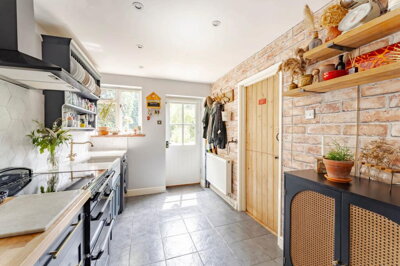
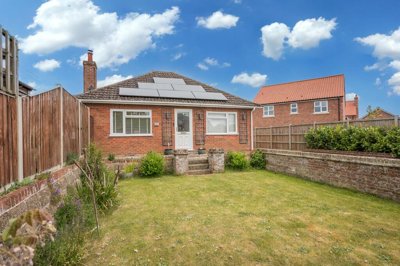
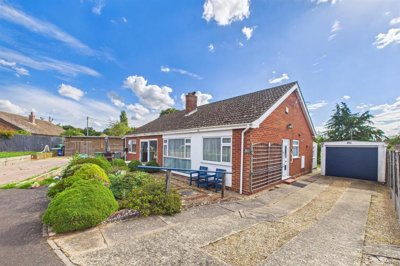
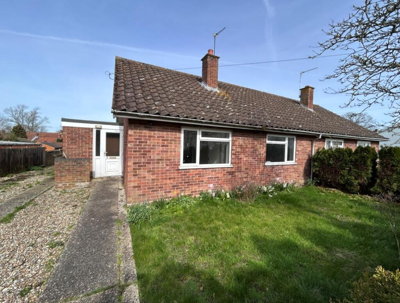
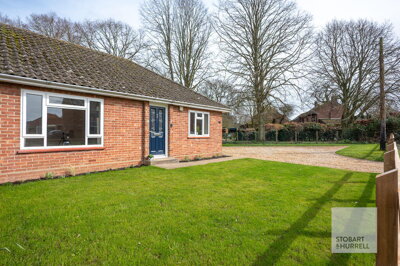
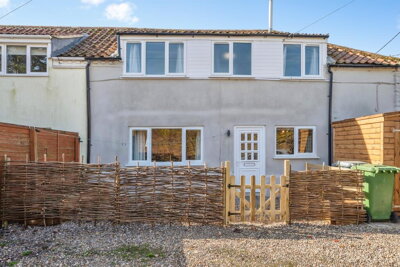
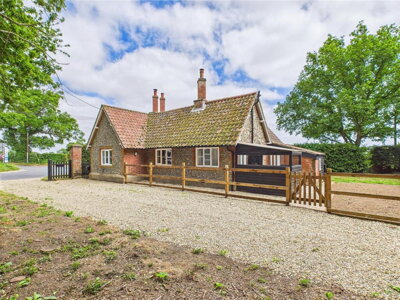
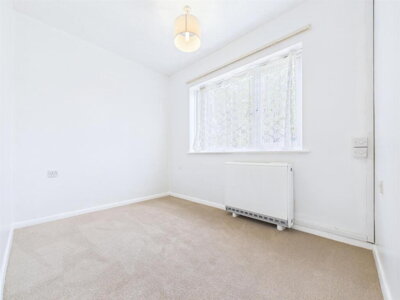
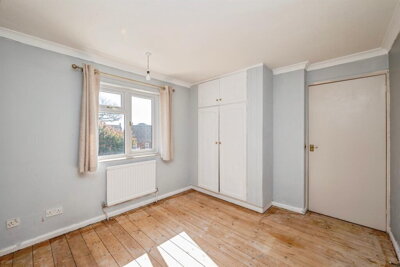
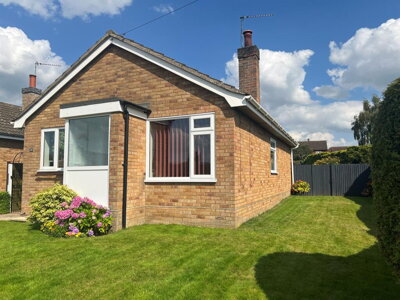
Browse 10 homes for sale in Cawston from local estate agents.
The 2 bed house market features detached, semi-detached, and terraced properties with two separate bedrooms plus living spaces. Properties in Cawston range from Victorian and Edwardian period homes to modern new builds, with pricing varying across different neighbourhoods.
£329,484
Average Property Price
24
Properties Sold (12 months)
£408,077
Detached Average
Cawston’s property market offers proper appeal for buyers after character homes in rural Norfolk. Detached houses currently average £408,077, a figure that reflects the steady demand for larger family homes with gardens. Semi-detached properties come in at £275,333, terraced homes sit around £206,667, and flats begin at about £145,000, so there is still a range of entry points into this sought-after village.
Prices have eased a little over the last twelve months, with the overall market down by around 2.2 percent across all property types. For buyers, that modest dip can mean a better chance of finding value. Detached homes slipped by 2.3 percent, semi-detached properties by 2.5 percent, terraced homes by 2.4 percent, and flats saw the sharpest fall at 3.3 percent. Even so, Cawston keeps its appeal for families and commuters, with strong underlying demand still in place.
There is fresh build activity too, led by Cawston Gardens from Orbit Homes off Aylsham Road near NR10 4BB. The scheme includes two, three, and four-bedroom homes, with prices from £280,000 to over £450,000, giving the village a more modern option alongside its older stock. That extra supply suits growing households and people wanting to downsize without leaving the area. Planning permission also exists for further land east of Gayford Road, so new investment is likely to continue.
Broadland’s housing make-up is dominated by detached homes at about 45 percent, followed by semi-detached at around 30 percent, terraced properties at roughly 15 percent, and flats at roughly 10 percent. Cawston’s village setting means it probably has an even stronger leaning towards detached and semi-detached homes than the district as a whole. That mix keeps a spread of price points available, while preserving the rural feel that draws buyers to Cawston in the first place.
Cawston has the look and rhythm of a classic Norfolk village, with around 1,500 to 1,600 residents living across 600 to 700 households. Its historic centre remains protected as a Conservation Area, created in 1979, and much of the architectural character comes from red brick, timber framing, flint work, and pantile or slate roofs. Curved Dutch gables appear on a number of properties as well, adding to the village’s distinctive appearance and its appeal to anyone wanting an authentic English setting.
Day-to-day life is supported by a solid cluster of local businesses and services. Cawston Primary School is at the centre of family life, while the village hall hosts events and activities through the year. Residents also have a food shop, The Bell Inn pub for a drink and a chat, and Woodrow Service Station for fuel and convenience. Broadland Winery gives the village a touch of local enterprise, and Station Yard and Chapel Street are home to a variety of businesses and jobs.
Beyond the village edge, Broadland’s countryside gives residents plenty of space for walking and unwinding. The ground here sits on glacial till over chalk bedrock, with moderately fine, poorly drained soils. Flood risk from rivers and the coast is low, although some lower-lying spots near minor watercourses can see surface water issues after heavy rain. There are good footpaths too, crossing farmland and linking Cawston with Brandiston and Swannington.
A large share of the housing stock dates from before 1919, especially around the village centre Conservation Area and the older farmsteads on the outskirts. Cawston was rebuilt after a great fire in 1685, which may explain why exposed timber-framed buildings are hard to spot, though some may sit hidden beneath later render. The mix was extended by post-war development from 1945 to 1980, and new build activity still helps keep the village attractive to buyers wanting modern living in a historic place.

Cawston Primary School is the main education anchor for the village and for families from the surrounding rural area. It sits within a village cluster that includes Brandiston and Swannington, which helps create the close-knit network parents value. For younger children, the local primary school gives a steady start before they move on to secondary schools in nearby market towns. For many households, that is a practical and reassuring setup.
Secondary schooling is available in nearby towns, and bus services connect Cawston with schools across the wider Broadland area. Anyone buying here should look closely at catchment rules and admissions criteria, as places in popular villages can be competitive. The presence of a well-regarded primary school is a big part of the appeal, especially for families wanting a rural Norfolk base with school options nearby. That blend works well for many parents.
Further education and university options are within reach in Norwich, around 12 miles from Cawston. The University of East Anglia and Norwich University of the Arts provide higher education routes, while colleges across the city offer vocational courses in a wide range of subjects. That makes the village a sensible base for families with children of different ages, from primary years through to sixth form and beyond. It gives people room to plan ahead.

Transport links from Cawston keep the village connected to work, shopping, and services across Norfolk and farther afield. Aylsham Road runs through the area, giving direct access to Aylmerton and onward connections into the wider road network. Norwich is about 12 miles to the south, reached via the A1067 and A140 corridors. That makes Cawston useful for commuters who want countryside living without losing access to city jobs.
Bus services link Cawston with nearby villages and towns, so residents without a car still have options. Local routes serve Aylmerton and other settlements, while more regular services reach Norwich and nearby market towns. Those links help with work, appointments, shopping trips, and days out, all without needing to drive every time. For many households, that level of access makes a real difference.
Cycling fits naturally here, with quiet Norfolk lanes offering scenic rides to neighbouring villages and towns. The flat Broadland landscape helps too, making the area suitable for a wide range of fitness levels and encouraging everyday active travel. For longer journeys, Norwich railway station provides links to London, Cambridge, and Birmingham through the East Anglian rail network. So residents can have the calm of rural life and still reach the national network with ease.

We always suggest spending time in Cawston before making a purchase. Visit at different times of day, look over the local amenities, speak to people who already live there, and get a feel for the commute to work. Our listings give the facts and figures, but they do not replace being in the place itself. A village event or an evening in the local pub can tell you plenty.
Before booking viewings, we would get a mortgage agreement in principle from a lender. It shows estate agents and sellers that the money is there, which can strengthen an offer straight away. Our mortgage comparison tool helps you review rates and find products that fit your circumstances. With that in hand, sellers know you are ready to move quickly.
We would then contact local estate agents and line up viewings for properties that match the brief. At each viewing, it helps to look closely at condition, spot any possible issues, and picture daily life in the house. Our platform lists current Cawston properties with prices, property types, and features. Photos and notes taken on the day make later comparisons much easier.
After an offer is accepted, we would instruct a RICS Level 2 Survey to check the property properly. In Cawston, where many homes are older or Listed, surveys usually cost between £400 and £700 depending on size and age. That survey can highlight defects not obvious at the viewing, which may help with negotiation if anything significant turns up. For Listed Buildings or properties in the Conservation Area, a more detailed RICS Level 3 Building Survey is often the better call.
Next comes the conveyancing solicitor, who handles the legal side of the purchase. They carry out searches, review the contract, and work with the seller’s solicitor so ownership can pass smoothly. Our conveyancing service introduces buyers to solicitors with Norfolk experience. Searches usually cover the local authority, drainage and water, and environmental matters linked to local soil conditions.
Then there is the final stretch, buildings insurance, mortgage checks, and moving arrangements. On completion day the keys change hands, and the new Cawston home becomes yours. We would also sort utilities, internet, and any planned work before moving day arrives.
As of February 2026, the average house price in Cawston is £329,484. Detached properties average £408,077, semi-detached homes are around £275,333, terraced properties sit at approximately £206,667, and flats start from £145,000. Over the last year, prices have softened by about 2.2 percent overall, which has opened up better value for buyers in this Norfolk village. There have been around 24 property sales in the past year, so activity has remained steady despite the slight easing in price.
Council tax bands in Cawston are set by Broadland District Council, within the wider Norfolk local authority structure. The banding depends on valuation and runs from Band A through to Band H. Most homes in the village fall into Bands A through D, while larger detached properties and Listed Buildings can sit higher because of their size and historic character. Buyers should always check the band for each individual home.
Cawston Primary School serves both the village and the surrounding communities, and it sits within the wider village cluster that includes Brandiston and Swannington. It is a key part of life for families living locally, and it helps give the area its settled feel. Secondary schooling nearby gives children a choice of options, with bus services linking Cawston to a range of schools across Broadland. Admissions rules and catchments are worth checking carefully against any property choice.
Bus services run from Cawston to nearby villages and towns, including Aylmerton and Norwich. The village’s position on Aylsham Road gives straightforward road access into the wider Norfolk network. Norwich railway station, about 12 miles away, offers links to London, Cambridge, and Birmingham via the East Anglian rail network. A car is the easiest option, but public transport still covers daily commuting and shopping for those who do not drive.
Cawston has solid investment appeal. Rural charm and close proximity to Norwich give it broad pull, especially with families and commuters. The Cawston Gardens development shows that new investment is still coming into the area. Homes in the Conservation Area and Listed Buildings may hold long-term value too, thanks to limited supply and their historic importance. Local amenities, including the school, shop, and pub, support the kind of village living that keeps demand ticking along.
From April 2025, stamp duty land tax starts at zero percent on the first £250,000 of residential purchases. It then moves to five percent on the slice between £250,001 and £925,000, ten percent between £925,001 and £1.5 million, and twelve percent above £1.5 million. First-time buyers get relief on the first £425,000, with five percent applied between £425,001 and £625,000. Against average Cawston prices of £329,484, most buyers would pay little or no stamp duty.
Much of Cawston’s housing stock dates from before modern construction standards, and a sizeable share is likely to be over 50 years old. Standard mortgage valuations do not inspect for defects or comment on condition, so a RICS survey matters. Our inspectors know traditional Norfolk homes well and understand the local construction methods, including red brick, flint work, and timber-framed structures. A survey can flag damp, roof condition, subsidence risk from local clay soils, timber defects, and outdated electrics, giving buyers room to negotiate on price or ask for repairs before completion.
Cawston is generally low risk for river and sea flooding because it sits inland in Broadland. Even so, the village has poorly drained soils, and low-lying areas near minor watercourses can see surface water flooding in heavy rain. We would always suggest a specific flood risk report through the Environment Agency checker for any home under consideration. Basements or ground-floor rooms in lower spots deserve particular attention, and buildings insurance may cost more where flood risk is identified.
From 4.5% APR
Compare mortgage deals from leading lenders
From £499
Expert solicitors handling your property purchase
From £400
Comprehensive condition report for standard properties
From £600
Detailed building survey for older and complex properties
Buyers in Cawston should take flood risk checks seriously, because the local soil conditions can lead to surface water problems in lower-lying areas. River and coastal flooding is limited by the village’s inland position, but heavy rainfall can still affect homes near minor watercourses and poor drainage. The poorly drained soils mean water can sit around for a long time, particularly in winter months. A specific flood risk report through the Environment Agency checker gives a clearer picture before any purchase goes ahead.
The number of Listed Buildings and Conservation Area properties in Cawston means the buying process needs a careful eye. St Agnes' Church, Cawston Manor, and a number of historic cottages on Chapel Street and High Street are protected buildings, so specialist surveys and sometimes restrictive renovation permissions may apply. Anyone buying one of these homes should allow for the extra costs and practical limits that come with a historically significant property. In many cases, a RICS Level 3 Building Survey is the better choice.
Materials commonly found in Cawston homes, including traditional brick, flint, and timber framing, all need proper assessment. The clay soils in the area mean foundations should be checked carefully, particularly in older properties that were not built to today’s standards. Signs of subsidence or ground movement, such as cracking, doors that do not hang right, or earlier foundation repairs, are worth noting. Mature trees close by need extra scrutiny too, because their roots can interfere with foundations in clay ground.
The older housing stock in Cawston often shows familiar defects. Damp can be an issue, especially rising damp in solid-walled properties without adequate damp-proof courses, while traditional pantile or slate roofs may suffer slipped tiles and failing leadwork. Timber problems such as woodworm and wet or dry rot can affect floor joists, roof structures, and window frames, particularly in homes with concealed timber frames dating from before the 1685 fire. Outdated electrical and plumbing systems are common as well, and many older houses still lack modern insulation, which pushes up heating costs and can cause condensation.
Knowing the full cost of buying in Cawston helps buyers set a realistic budget and avoid surprises later. On top of the purchase price, there are stamp duty land tax, solicitor fees, survey costs, and moving expenses to think about. For a typical Cawston home priced at £329,484, standard stamp duty for non-first-time buyers comes to £3,974 after the zero-rate threshold of £250,000. First-time buyers get relief on the first £425,000, so homes at this level may attract no stamp duty at all.
Survey costs in Cawston depend on the type of property and how complex it is. RICS Level 2 surveys usually run from £400 to £700 in this area, with larger detached homes and older houses costing more because they need a fuller inspection. Listed Buildings and homes in the Conservation Area may call for a RICS Level 3 Building Survey, which gives a more detailed look at construction and condition, but comes at a higher cost because of the specialist knowledge involved. Those extra fees reflect the character of Cawston’s historic stock.
Conveyancing solicitor fees in Norfolk generally sit between £500 and £1,500, depending on the property and the level of complexity. Solicitor search fees usually cover local authority searches, drainage and water searches, and environmental checks linked to the local soil conditions. Mortgage arrangement fees vary by lender and product, from zero percent to around one percent of the loan amount. It also makes sense to budget for removals, buildings insurance from completion day, and any urgent repairs or improvements, so the move into your Cawston home is smoother.

Cawston’s housing stock includes plenty of period homes built before modern construction standards. A RICS survey can pick up damp, roof problems, subsidence risk from local clay soils, timber defects, and outdated electrics. Our inspectors have extensive experience surveying traditional Norfolk properties and know the local building methods well.
Properties for Sale In London

Properties for Sale In Plymouth

Properties for Sale In Liverpool

Properties for Sale In Glasgow

Properties for Sale In Sheffield

Properties for Sale In Edinburgh

Properties for Sale In Coventry

Properties for Sale In Bradford

Properties for Sale In Manchester

Properties for Sale In Birmingham

Properties for Sale In Bristol

Properties for Sale In Oxford

Properties for Sale In Leicester

Properties for Sale In Newcastle

Properties for Sale In Leeds

Properties for Sale In Southampton

Properties for Sale In Cardiff

Properties for Sale In Nottingham

Properties for Sale In Norwich

Properties for Sale In Brighton

Properties for Sale In Derby

Properties for Sale In Portsmouth

Properties for Sale In Northampton

Properties for Sale In Milton Keynes

Properties for Sale In Bournemouth

Properties for Sale In Bolton

Properties for Sale In Swansea

Properties for Sale In Swindon

Properties for Sale In Peterborough

Properties for Sale In Wolverhampton

Enter your details to see if this property is within your budget.
Loans, cards, car finance
Estimated property budget
Borrowing + deposit
You could borrow between
Typical borrowing
Monthly repayment
Est. at 4.5%
Loan-to-value
This is an estimate only. Your actual budget may vary depending on interest rates, credit history, and personal circumstances. For an accurate affordability assessment, speak to one of our free mortgage advisors.
This calculator provides estimates for illustrative purposes only and does not constitute financial advice. Your home may be repossessed if you do not keep up repayments on your mortgage. Estimates based on 4.5% interest rate, repayment mortgage. Actual rates depend on your circumstances.
Homemove is a trading name of HM Haus Group Ltd (Company No. 13873779, registered in England & Wales). Homemove Mortgages Ltd (Company No. 15947693) is an Appointed Representative of TMG Direct Limited, trading as TMG Mortgage Network, which is authorised and regulated by the Financial Conduct Authority (FRN 786245). Homemove Mortgages Ltd is entered on the FCA Register as an Appointed Representative (FRN 1022429). You can check registrations at NewRegister or by calling 0800 111 6768.

We use cookies to show you personalised content and improve your experience of our website. Find out more in our Privacy policy and Cookie policy.