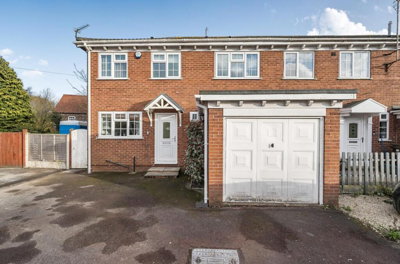
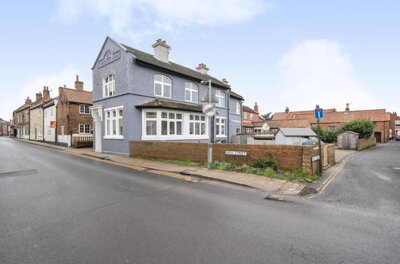
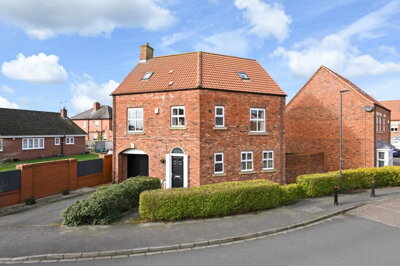
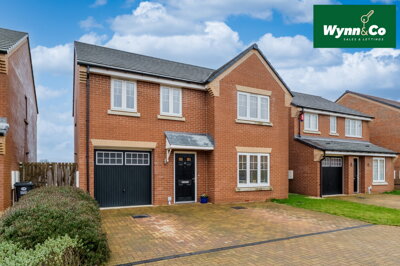
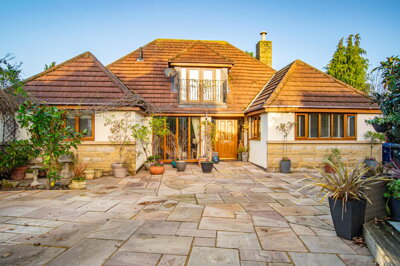
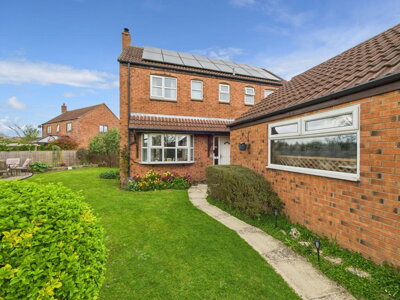
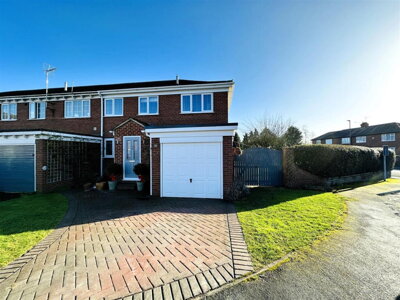
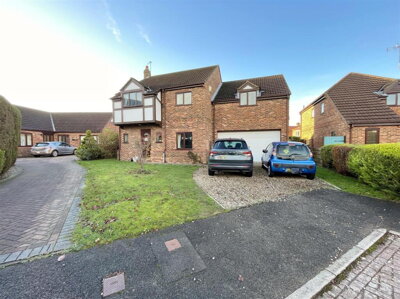
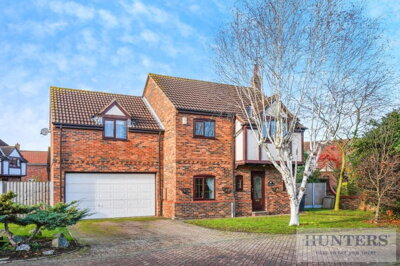
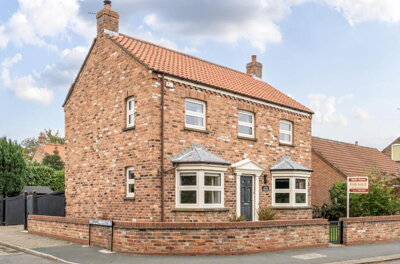
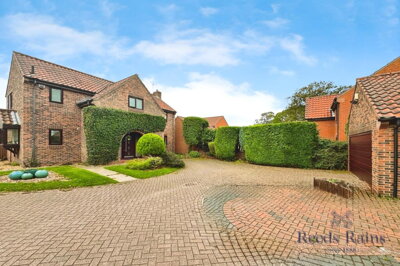
Browse 24 homes for sale in Cawood, North Yorkshire from local estate agents.
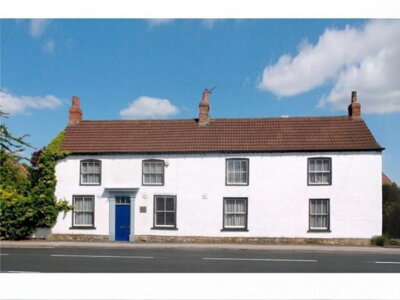
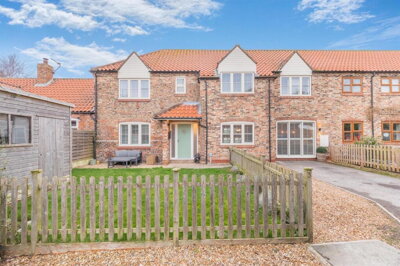
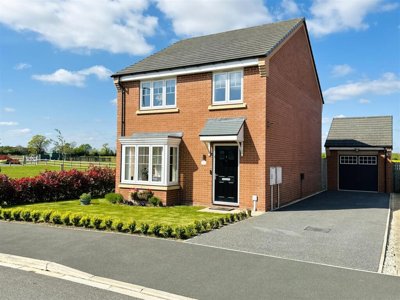
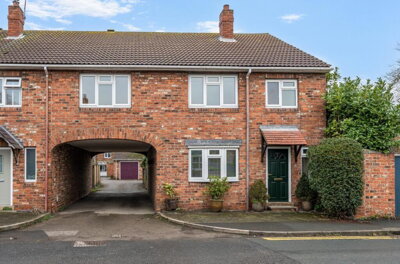
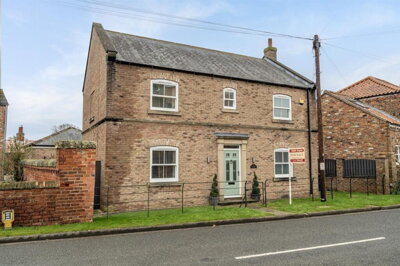
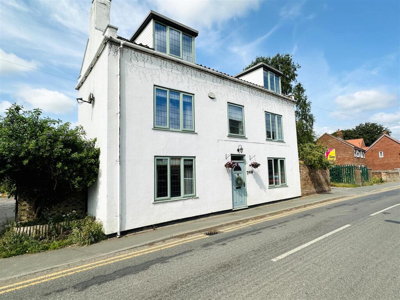
The larger property sector typically features multiple bathrooms, substantial reception space, and private gardens or off-street parking. Four bedroom houses in Cawood span detached, semi-detached, and occasionally terraced configurations, with styles ranging from period properties to modern executive homes.
£425k
5
0
117
Source: home.co.uk
Showing 5 results for 4 Bedroom Houses for sale in Cawood, North Yorkshire. The median asking price is £425,000.
Source: home.co.uk
Detached
3 listings
Avg £466,667
Semi-Detached
2 listings
Avg £362,500
Source: home.co.uk
Source: home.co.uk
Cawood’s property market has cooled a little in recent months, with homedata.co.uk sales data showing house prices falling by 8.1% over the past 12 months. Even after that adjustment, the village still looks appealing, and the current average sold price of £379,851 remains decent value for a place with this sort of location. Historical sold prices were 2% down on the previous year and 2% down on the 2020 peak of £382,856, so the market now seems to be settling into a steadier rhythm after the pandemic-era surge. That brings values back towards longer-term trends, and it may suit buyers who were priced out at the previous peak.
Detached homes still lead the way in Cawood, making up 33.3% of transactions in 2025 and averaging £478,631. Semi-detached houses have recently averaged £301,244, while terraced homes have proved popular too, at around £205,000. There is also plenty of character in the stock, including cottages dating back to the 17th century, which adds to the village’s appeal for anyone drawn to traditional Yorkshire architecture. homedata.co.uk data puts the overall average price in Cawood at approximately £379,851, which gives a useful benchmark when comparing individual homes with the wider market.
New-build activity has been limited in Cawood compared with some larger North Yorkshire towns, so buyers are mostly looking at the existing housing stock. That shortage of fresh stock helps preserve the village’s character, and it can also make well-kept homes more competitive when they appear. If a new build is the goal, the wider Selby area may need a broader search, but Cawood itself offers an established feel that newer developments sometimes miss. The YO8 3 postcode area, which covers Cawood and nearby villages, recorded 176 sales over the past 24 months, showing steady but measured activity locally.

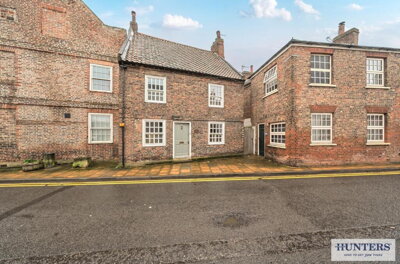
Cawood feels properly historic. The village has a designated green, a long run of old buildings, and a name tied to its position on the north bank of the River Ouse, where it once served travellers crossing the river. Much of that atmosphere survives today, helped by listed buildings including the Grade II Listed 17th Century "Butcher's Shop", a reminder of the village’s commercial past. Heritage properties like these encourage a conservation-minded approach to change, keeping the look and feel of the place intact. Homes within or close to any designated conservation area may face extra planning considerations, so buyers should check carefully.
Day to day, the village centre covers the basics, with a shop and pub meeting most local needs. For larger food shops, restaurants, and leisure options, people usually head to Selby, around 6 miles away, or make the trip on to York or Leeds. The River Ouse also gives Cawood a pleasant outdoor side, with walking, cycling, and wildlife spotting along the banks, plus footpaths through the surrounding countryside. Being in the Vale of York means residents have wide views, productive farmland, open fields, and the rural setting that so many people associate with North Yorkshire living.
There is a real community feel here, with events and social activity running through the village hall and local organisations. Families often come for the quieter streets, low traffic on residential roads, and the chance for children to grow up in a close-knit rural setting. The primary school serves local families, while older pupils travel to nearby towns for secondary education. That mix of rural charm, history, and practical everyday amenities makes Cawood attractive to buyers who value quality of life more than city convenience. It also sits within easy reach of jobs in York, Leeds, and Selby, which keeps it realistic for commuters as well.

Cawood Church of England Voluntary Controlled Primary School sits at the centre of local education. It takes children from Reception through to Year 6, and as a Church of England school it keeps close links with the parish while placing values-based education alongside the national curriculum. Small class sizes help teachers give children more individual attention, and the school has the sort of nurturing feel many parents want in a village setting. For families looking for faith-based education or a smaller school environment, this is a clear advantage of living here. Parents are encouraged to visit and speak directly with the school office about admissions.
For older children, Selby provides the main secondary options. Several schools serve the wider area, and students usually travel by bus, with journeys taking about 20-30 minutes depending on the school and traffic. Selby High School and other local secondary schools offer GCSE and A-Level courses, along with specialist subjects and extracurricular activities. Catchment areas and admissions rules do matter, so it is sensible to check both before settling on a home. School performance data and recent Ofsted reports can be found through the government's school comparison website.
Private schooling is also within reach. The wider North Yorkshire area has a number of independent primary and secondary schools, many with selective admissions and fee structures, although lots of families feel the facilities and outcomes justify the cost. York widens the picture further, with grammar schools in York city centre available to pupils who pass the entrance examinations. School catchment areas can make a real difference to property values and future resale prospects, so buyers in Cawood should check them as part of the search. Verifying placements before committing to a purchase is well worth the time.

Road links do most of the heavy lifting here. The A19 trunk road runs close by and gives direct routes to York, Selby, and the wider motorway network, while the A63 runs through the village itself and connects towards Leeds via the M62 corridor. For those working in York, the drive is usually around 25-30 minutes, which keeps Cawood practical for commuters who do not want to live in the city. The route through the Vale of York is a pleasant one, although traffic on the A19 can be heavier at peak times, so a little extra time is sensible. The A19 also links to the A1(M) for travel north or south.
Buses are more limited, which is typical for a village of Cawood's size. Services run to Selby and nearby settlements, though frequencies are lower than on urban routes. Anyone without a car may find daily commuting awkward, but the buses do give access to shopping and essential services. For rail travel, Selby railway station offers links to Leeds, York, Hull, and London via the East Coast Main Line, with London Kings Cross taking around two hours. The station is about 8 miles from Cawood, so it is workable by car or bus for regular rail users.
Cycling suits this part of the Vale of York. The land is flat, there are designated routes for both leisure and commuting, and the River Ouse corridor gives a scenic backdrop for rides. Quiet country lanes between villages are another plus, especially for anyone who prefers less trafficked roads. For people working from home or with flexible hours, the transport limits matter less, and the village’s calm setting becomes a real draw. Secure bike storage at home is a sensible idea for anyone planning to cycle regularly.

Cawood deserves a proper visit before anyone commits to a purchase. Go at different times of day and on different days, talk to residents, check the local amenities, and get a feel for how each street and neighbourhood sits within the village. The River Ouse means flood risk should be looked at carefully, and it is worth thinking through how each part of Cawood fits with daily routines and transport needs.
A mortgage agreement in principle should come first. It strengthens our position when making offers and shows sellers that finance is already lined up. We compare rates from multiple lenders to find the best deal for the circumstances, and mortgage advisors who know the local market can be especially helpful when structuring finance for homes in this price range.
We work with estate agents listing properties in Cawood to arrange viewings of homes that fit the brief. Seeing several properties side by side makes comparison easier, and it helps to ask about the property’s history, any renovations, and the surrounding neighbourhood. With period homes in particular, we would ask about the roof, timber elements, and any listed building status that could affect future alterations.
After an offer is accepted, a RICS Level 2 Survey is the sensible next step. Cawood’s older housing stock makes this especially important, because it can pick up structural issues, roof problems, damp, and listed building considerations that may affect the purchase. Surveyors who know North Yorkshire properties also understand the common construction methods and local environmental factors that can crop up here.
The legal side needs proper handling. We appoint a solicitor to carry out searches, review contracts, liaise with the seller’s solicitor, and manage the registration of title after completion. Searches should include drainage and water authority checks, local authority searches for the Selby area, and environmental searches because of the River Ouse nearby.
Once the searches are satisfactory and finance is confirmed, contracts are exchanged and the deposit is paid. Completion usually follows within 2-4 weeks, when the keys are handed over and ownership of the new Cawood home passes across. We recommend arranging buildings insurance from the point of exchange so the property is protected during that final waiting period.
Cawood’s homes cover several centuries. From 17th-century cottages to more recent additions to the village, the stock is varied, and period properties deserve close inspection. Original features such as thatched roofs, timber beams, and traditional joinery need particular attention. Older homes may ask for more maintenance than modern equivalents, so renovation costs should be built into the budget. Listed buildings in the village can also carry restrictions on alterations or improvements, and buyers need to understand that before committing. Significant changes to Grade II listed properties require Listed Building Consent, and missing that step can lead to enforcement action.
Flood risk matters here because of the River Ouse. Homes near the river or in lower-lying areas can be more exposed during periods of heavy rainfall or river spate, although not every property is affected. Buyers should ask about previous flooding, check flood risk maps, and think about whether flood resilience measures are already in place. Insurance can reflect that risk, so getting quotes before completion is sensible. The Environment Agency has detailed flood risk information for specific parts of Cawood.
Construction quality is mixed across the village stock. Specific shrink-swell clay soil conditions were not detailed in available research, but this is common across North Yorkshire and can affect homes with clay foundations. A thorough RICS Level 2 Survey should pick up subsidence indicators, drainage issues, or structural concerns that might not show at a standard viewing. If the property has been extended or renovated, we would check that planning permissions and building regulations approvals are in order. The seller should provide the paperwork, which can then be checked against Selby District Council planning records.
Older houses can hide dated services too. Original construction features may come with electrical systems or plumbing that no longer meet current standards, and a full survey will assess those systems and flag any safety concerns or work that needs attention sooner rather than later. Budgeting should allow for rewiring, extra insulation, or replacing old heating systems in period properties. Energy efficiency checks through an EPC can also point to improvements that may cut ongoing utility costs in a Cawood home.

Prices in Cawood sit around the same general level in both data sets. The average sold price over the past 12 months is approximately £379,851 according to homedata.co.uk property data, with home.co.uk showing a similar figure of £379,851. Values vary quite a bit by type, with detached homes averaging £478,631, semi-detached properties around £301,244, and terraced homes at about £205,000. The market has seen an 8.1% correction over the past year, which brings values closer to the 2020 peak of £382,856, while the YO8 3 postcode area as a whole recorded house price growth of 2.7% in the last year, suggesting demand is still solid despite broader adjustments.
Council tax for Cawood properties sits with Selby District Council. Bands run from A through to H depending on the property’s assessed value. Most terraced cottages and smaller semi-detached homes tend to fall into bands A to C, while larger detached properties and higher-value period homes often sit in bands D to F. Buyers should check the exact band for any individual home through the Valuation Office Agency website or by contacting Selby District Council directly. Council tax charges can also be checked by searching the council tax band for any address in England on Gov.uk.
Cawood Church of England Voluntary Controlled Primary School serves children from Reception through to Year 6 and keeps close ties with the parish community. Secondary choices are mainly in nearby Selby, where school bus services usually take around 20-30 minutes depending on traffic. For grammar school places, York city centre schools can be reached with extra travel time. Families often like the small class sizes and community-focused approach here, especially when raising children in a rural setting. Current catchment areas and admissions criteria should be confirmed directly with North Yorkshire County Council.
Public transport is thinner on the ground than in town. Bus services link Cawood with Selby and surrounding settlements, but frequencies are lower and there are fewer evening and weekend runs than on urban routes. Selby railway station, about 8 miles away, provides rail links to Leeds, York, Hull, and London, with the trip to the capital taking around two hours. Daily commuting without a car can be difficult, but for residents with flexible working patterns or weekend travel needs, the village’s rural charm often outweighs those limits.
For investors, Cawood has a steady but fairly contained market. The village’s historic character, limited new-build supply, and proximity to major employment centres in York and Leeds all support demand from buyers looking for village life. The recent 8.1% price correction may create opportunities, although rental demand within the village itself is likely moderate given its small size of 19 sales in 2025. Character homes or properties suited to holiday lets may perform better than standard residential investments. Investors should also allow for buy-to-let mortgage costs and landlord licensing requirements.
Stamp Duty Land Tax applies to property purchases in England. For standard buyers, the rate is 0% on properties up to £250,000, 5% on the portion from £250,001 to £925,000, 10% on the portion from £925,001 to £1.5 million, and 12% on any amount above £1.5 million. First-time buyers receive relief on homes up to £625,000, paying 0% on the first £425,000 and 5% on the portion from £425,001 to £625,000. With Cawood’s average property price sitting around £379,851, most buyers would pay stamp duty only on the amount above £250,000, which works out at roughly £6,500 at current rates for a standard buyer purchasing at the average price.
A survey in Cawood ought to focus on the quirks of older village housing. We look for damp, roof condition on period properties, the state of timber beams and structural elements, and any sign of flooding or water damage because of the River Ouse nearby. For listed buildings, we also check whether any alterations may have been made without Listed Building Consent. A RICS Level 2 Survey gives a thorough assessment at reasonable cost and is recommended for all properties in Cawood’s older housing stock. It should also look for subsidence, which can affect homes across North Yorkshire where clay soils are common.
Because Cawood sits on the banks of the River Ouse, flood risk cannot be ignored. Homes near the river or in lower-lying areas carry a greater risk, especially when water levels rise. Buyers should ask about any historical flooding, check the Environment Agency flood risk maps, and think about whether flood resilience measures are already in place. Insurance costs may be higher because of the river, and that ongoing expense needs to be built into affordability calculations. Raised electrical sockets and water-resistant flooring are among the measures that can soften the impact of future flooding events.
From 3.84% APR
Finding the right mortgage matters when buying in Cawood, so we compare rates from leading lenders.
From £499
Our solicitors handle all legal aspects of a Cawood property purchase.
From £350
For Cawood's older properties, we recommend an essential survey to spot defects before exchange.
From £80
An Energy Performance Certificate is required for all Cawood property sales.
Buying in Cawood means looking beyond the purchase price. Stamp Duty Land Tax is the main extra cost for most buyers, and at Cawood’s average price of £379,851 a standard buyer would pay roughly £6,493, calculated at 0% on the first £250,000 and 5% on the remaining £129,851. First-time buyers may benefit from relief, which cuts that cost significantly if the property price stays below £625,000.
There are several other costs to budget for as well. Solicitor conveyancing fees usually range from £500 to £1,500, depending on complexity and whether the property is freehold or leasehold. Search fees, including local authority, drainage, and environmental searches, tend to come in at £250-400. Survey costs for a RICS Level 2 HomeBuyer Report average £350-600, depending on the size of the property and the level of detail needed. Mortgage arrangement fees, if they apply, can run from nothing to 2% of the loan amount, so comparing the total cost of different mortgage products makes sense. Buildings insurance should be in place from exchange, and removals costs vary a lot with distance and the amount of furniture and boxes.
For a mortgage purchase, deposit requirements usually sit between 5% to 15% of the property value, with bigger deposits generally unlocking better interest rates. On Cawood’s average price of £379,851, a 10% deposit would be about £37,985. Buyers should also allow for ongoing costs including council tax, with bands varying by property in Cawood and confirmable through Selby District Council, buildings and contents insurance, utility bills, and any service charges if the property has shared facilities. It is wise to keep a contingency fund of 10-15% of the purchase price for unexpected costs that often crop up during the buying process, such as repairs discovered after moving in or solicitor fees for unexpected

Properties for Sale In London

Properties for Sale In Plymouth

Properties for Sale In Liverpool

Properties for Sale In Glasgow

Properties for Sale In Sheffield

Properties for Sale In Edinburgh

Properties for Sale In Coventry

Properties for Sale In Bradford

Properties for Sale In Manchester

Properties for Sale In Birmingham

Properties for Sale In Bristol

Properties for Sale In Oxford

Properties for Sale In Leicester

Properties for Sale In Newcastle

Properties for Sale In Leeds

Properties for Sale In Southampton

Properties for Sale In Cardiff

Properties for Sale In Nottingham

Properties for Sale In Norwich

Properties for Sale In Brighton

Properties for Sale In Derby

Properties for Sale In Portsmouth

Properties for Sale In Northampton

Properties for Sale In Milton Keynes

Properties for Sale In Bournemouth

Properties for Sale In Bolton

Properties for Sale In Swansea

Properties for Sale In Swindon

Properties for Sale In Peterborough

Properties for Sale In Wolverhampton

Enter your details to see if this property is within your budget.
Loans, cards, car finance
Estimated property budget
Borrowing + deposit
You could borrow between
Typical borrowing
Monthly repayment
Est. at 4.5%
Loan-to-value
This is an estimate only. Your actual budget may vary depending on interest rates, credit history, and personal circumstances. For an accurate affordability assessment, speak to one of our free mortgage advisors.
This calculator provides estimates for illustrative purposes only and does not constitute financial advice. Your home may be repossessed if you do not keep up repayments on your mortgage. Estimates based on 4.5% interest rate, repayment mortgage. Actual rates depend on your circumstances.
Homemove is a trading name of HM Haus Group Ltd (Company No. 13873779, registered in England & Wales). Homemove Mortgages Ltd (Company No. 15947693) is an Appointed Representative of TMG Direct Limited, trading as TMG Mortgage Network, which is authorised and regulated by the Financial Conduct Authority (FRN 786245). Homemove Mortgages Ltd is entered on the FCA Register as an Appointed Representative (FRN 1022429). You can check registrations at NewRegister or by calling 0800 111 6768.

We use cookies to show you personalised content and improve your experience of our website. Find out more in our Privacy policy and Cookie policy.