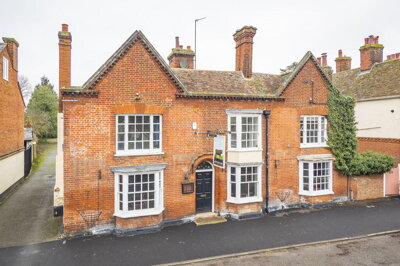
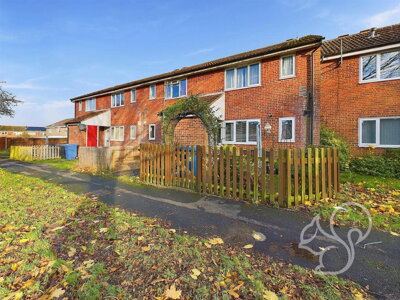
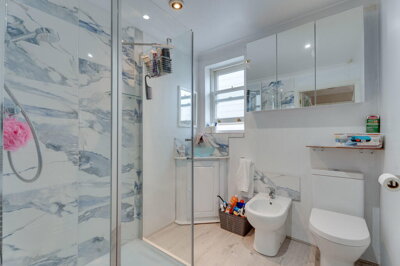
Browse 7 homes for sale in Cavendish, West Suffolk from local estate agents.
Studio apartments feature open-plan living spaces without separate bedrooms, incorporating sleeping, living, kitchen, and bathroom facilities. The Cavendish studio market includes properties in modern apartment complexes, converted Victorian and Georgian buildings, and purpose-built developments.
£0k
0
0
0
Source: home.co.uk
Showing 0 results for Studio Flats for sale in Cavendish, West Suffolk.
Cavendish's property market has shifted noticeably over the past year, which has opened a few doors for buyers ready to move quickly. home.co.uk puts the average house price at £368,333, down 14% year on year and 27% below the 2022 peak of £497,233. home.co.uk also shows sold prices easing 18.2% in the twelve months to February 2026, taking the village median to around £350,000. homedata.co.uk reports an average of £368,333, which reflects a slightly different methodology. For those who had found Cavendish out of reach, that correction matters, and terraced homes are now available from around £210,000 on home.co.uk listings data.
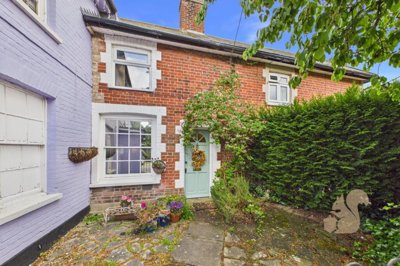
Different property types in Cavendish suit different budgets and household sizes. Detached homes average £517,857 on home.co.uk or £394,444 on homedata.co.uk, depending on the dataset. Semi-detached values also vary, with home.co.uk at £350,000 and homedata.co.uk at £415,833, a reminder that sampling can shift the numbers. Terraced cottages start from £210,000 on home.co.uk or £200,000 on homedata.co.uk, while flats are thin on the ground but can appear from roughly £195,000. It is a small market, so a thatched roof, original timber framing or a south-facing garden tends to draw attention fast. Over the past decade, 270 properties have changed hands in Cavendish, which tells its own story about demand in this Stour Valley village.

For buyers after modern space in a historic setting, Goldings Yard by Laragh Homes is the main new-build option in Cavendish. The homes are pitched in a traditional style so they sit comfortably within the village's Conservation Area, while still giving the cleaner lines and comfort many households now expect. Inside, there are open-plan kitchen, dining and living rooms, plus air source heat pumps and underfloor heating throughout. It is a neat mix of old-looking form and newer building standards, and that balance suits a village with Cavendish's architectural weight.
New homes here do not get a free pass on design. West Suffolk Council applies strict guidelines to keep Cavendish's protected character intact, so materials, proportions and external finishes all come under scrutiny. That matters for more than appearance, because the controls help preserve the value of the village as a whole. Buyers thinking about future changes should read the rules carefully, since permitted development rights can be tighter than in non-conservation areas. With limited new-build supply in Cavendish, Goldings Yard remains one of the rarer chances to buy modern construction in this setting.

Life in Cavendish has a particular rhythm, shaped by the village's architecture and the landscape around it. The centre turns around a traditional green, edged by distinctive thatched cottages, and the scene has changed very little for generations. Nearby, the River Stour brings riverside walks and wildlife, while the Suffolk countryside opens up routes for cycling and horse riding. There is a post office, a traditional pub and a village hall that keeps the calendar busy with community events. They are modest amenities, but they do the job.
The heritage runs deep here. Cavendish Hall shows early 19th-century white brick work, while Houghton Hall and Nether Hall Farmhouse use the timber-framed and plastered methods common in 16th-century Suffolk. The village has one Grade I listed building, one Grade II* listed building and 65 Grade II listed buildings, an extraordinary concentration for somewhere this size. St Mary's Church, the Grade I listed building, sits at the centre of the village's spiritual and architectural story. Living here means living with that history every day, and helping to look after it.
Community life tends to gather around the village hall, where quiz nights, craft markets and seasonal events bring people together. The local pub does a lot of the social heavy lifting too, with Sunday lunches, village meetings and those unplanned neighbourly catch-ups that villages do well. Clare is only a short drive away and adds independent shops, cafes and professional services to the mix. Cavendish still feels close-knit, much like the wider Stour Valley, where people tend to know one another and community spirit remains strong despite remote working and the pull of larger towns.

Families moving to Cavendish will find schooling across the wider West Suffolk area. Clare Primary School serves children from Cavendish and nearby parishes, with Reception through to Year 6. It is an Ofsted-registered primary, so families usually need transport or lift shares for the short trip into Clare. For secondary education, pupils generally head to Sudbury, where Ormiston Sudbury Academy and Thomas Gainsborough School cover the wider area and offer sixth-form provision. Catchment areas and admissions criteria can change, so parents should check the latest position with Suffolk County Council.
There are also independent schools within a reasonable drive. Bury St Edmunds, around twelve miles from Cavendish, has well-regarded preparatory and senior options, including King Edward VI School and St Mary's Junior School. For families focused on academic performance, those schools can be a strong alternative to the state system, although transport needs a bit of planning. Popular schools often fill early, especially where rural catchments are under pressure from growing communities. In practice, some Cavendish buyers choose their home with a particular school in mind.

Cavendish sits well for a village, even if it still feels rural. Sudbury is about seven miles away and offers rail services to London's Liverpool Street, usually taking around 80-90 minutes via Marks Tey. By road, the A1092 links Cavendish to Clare and then on to the A143, giving routes towards Bury St Edmunds and Cambridge. Day-to-day convenience is different here, though, and most residents rely on a car because bus services are limited to school runs and the odd market-day connection. For commuting, private transport is the norm.
Air travel is manageable too. Stansted Airport lies roughly 40 miles east and can be reached via the M11, which suits business travel or trips to see family overseas. Cambridge is another option for international routes, with the A14 and M11 giving straightforward access. Bury St Edmunds railway station has regular trains to Cambridge and Norwich for anyone prepared to drive to the nearest main station. Cyclists like the quiet lanes around Cavendish, although the Suffolk hills do ask for a bit of fitness. Parking in the village is usually straightforward, which is a relief if urban parking has ever tested patience.

Reliable internet matters for rural living, and Cavendish offers mixed broadband provision depending on the exact location. Homes in the village centre usually have access to superfast broadband, while properties on the edge can see speeds fall away. The Better Broadband Subsidy Scheme has helped extend coverage across many Suffolk villages, but buyers should still check actual speeds at a specific address before they commit. Working from home has become far more common here, with some professionals travelling to London only from time to time and doing the rest remotely.
Mobile coverage has improved as 4G networks have spread across Suffolk, although the signal can still change from one part of Cavendish to another, and it depends on the provider. EE, O2, Vodafone and Three all operate in the area, with EE often strongest in more remote rural spots. 5G remains limited in this part of Suffolk, even if expansion is continuing across the region. Anyone who depends on a strong mobile signal should test it at the property before committing, especially if working from home or if teenagers rely on mobile data for school and social life.

We would always suggest spending time in Cavendish at different times of day and on different days of the week. That gives a better feel for the village rhythm and whether it matches the way a household wants to live. Walk the Stour Valley paths, use the local amenities and speak to residents if the chance comes up. If a period property is on the shortlist, the Conservation Area guidance from West Suffolk Council is worth reading closely, because it sets out the rules for external alterations and extensions in this protected setting.
Before making an offer, it makes sense to speak to a mortgage broker and get an agreement in principle. SDLT thresholds currently give first-time buyers 0% on the first £425,000, while standard buyers pay nothing on the first £250,000. That kind of preparation strengthens a buyer's position in a market where well-kept village homes still attract interest. Local brokers who know Suffolk values can also give useful guidance on borrowing for period properties and homes with non-standard construction.
View more than one property in Cavendish if possible, because the differences can be significant. Compare features, condition and asking prices, and take note of where homes lean towards original period detail or have had modern updating. It also helps to spot conservation-related planning restrictions early, since they can affect what is possible later. With listed buildings and Conservation Area controls in play, that knowledge is useful. Goldings Yard offers traditional-looking modern construction, while older cottages bring period character and a different maintenance load.
Once an offer is accepted, we would book a RICS Level 2 HomeBuyer Report or Level 3 Building Survey, especially for older homes with timber framing or thatched roofs. Cavendish has plenty of heritage properties, so a proper survey helps uncover maintenance issues before completion rather than after the move. Our inspectors know Suffolk period buildings well and understand the typical defects found in timber-framed construction, thatch roofing and historic plasterwork. It is the sensible way to protect an investment and avoid unwelcome surprises.
A conveyancing solicitor should be instructed to deal with the legal checks, including drainage and water authority searches, local authority searches on planning history and the conservation area queries that apply here. They will also check for chancel repair liability, which affects some properties near St Mary's Church, and review any covenants attached to the title. Because Cavendish has so many listed buildings, searches should also cover listed building consents for any earlier alterations, so that previous work can be checked against the right permissions.
Your solicitor will move to exchange once the searches are clear and the finance is in place, and for Cavendish properties that usually takes 4-6 weeks from instruction to exchange. Completion dates are agreed between the parties, with keys normally handed over 2-4 weeks later on the agreed day. On completion day, the balance of the purchase price is sent to the seller's solicitor and the keys are collected from the estate agent. Building insurance needs to be active from the completion date, which matters all the more for older homes where defects can surface quickly.
Historic buildings and conservation rules mean properties in Cavendish deserve a careful eye. Thatched cottages are charming, but they need specialist maintenance and insurance, and both can cost far more than for standard homes. Surveys should look closely at the roof because re-thatching is a major expense and is usually needed every 20-30 years. Timber-framed houses also need watching for woodworm, rot and structural movement, especially in 16th-century buildings where the construction methods are very different from modern ones.
The Conservation Area designation changes permitted development rights, so works that might go ahead elsewhere can need planning permission here. Extensions, dormer windows and external alterations can all fall under that rule. An Article 4 Direction may tighten things further, particularly for doors, windows and exterior finishes, so homeowners should check the planning portal before starting anything that would normally be allowed without consent. Flood risk is another point to investigate because of the River Stour, and buyers should ask their solicitor for drainage and flood searches. Freehold homes predominate, although any shared facilities should still be checked for service charges and maintenance responsibilities.
home.co.uk records an average house price of £368,333 in Cavendish, with detached properties averaging £517,857 and terraced homes around £210,000. Prices have cooled sharply from the 2022 peak of £497,233, with a 14% decline over the past year according to home.co.uk listings data and 18.2% according to homedata.co.uk. homedata.co.uk also shows a slightly different average of £368,333, which comes down to the way the data is compiled. That correction has created more realistic entry points for buyers in this Conservation Village, even if demand for rural Suffolk homes still provides support. The last decade saw 270 properties change hands, so activity has stayed steady for a small settlement.
Cavendish falls under West Suffolk Council, and council tax bands run from A to H depending on the property. Most period cottages and village homes tend to sit in Bands C through E, which reflects their character rather than sheer size. The exact band depends on the individual house, so buyers should confirm it through the West Suffolk Council website or via their solicitor during conveyancing. Council tax here is still competitive by metropolitan standards, which helps keep the wider cost of living attractive.
Schooling in and around Cavendish is limited, so primary pupils usually attend Clare Primary School or schools in Sudbury, depending on catchment and transport. For secondary education, Ormiston Sudbury Academy and Thomas Gainsborough School in Sudbury serve the wider Stour Valley with full curricula and sixth-form provision. Families wanting private education have independent schools in Bury St Edmunds, around 12 miles away, including King Edward VI School for well-regarded secondary teaching. Admissions arrangements can change, so parents should confirm the latest position with Suffolk County Council, and popular schools tend to need early registration.
Public transport is thin on the ground in Cavendish, so most residents need a car for commuting and for getting to services outside the village. Bus links to Clare and Sudbury run less often, as is typical in rural Suffolk, and they are mainly geared towards school transport and occasional market-day journeys. Sudbury railway station, seven miles away, is the nearest rail link, with services to London's Liverpool Street via Marks Tey and journey times of 80-90 minutes. For regular commuting to major employment centres, many residents drive to Bury St Edmunds or Cambridge for stronger rail options, which suits those with flexible working patterns or jobs based largely from home.
Broadband speeds in Cavendish can vary a lot depending on the exact location and the infrastructure available nearby. Homes in the village centre are usually able to access superfast broadband, although speeds can drop noticeably on the outskirts or in more isolated spots. The Better Broadband Subsidy Scheme has extended coverage to many rural Suffolk properties, but buyers should still check actual speeds at the specific address before they buy. Mobile 4G has improved across the area, though 5G remains limited in this part of West Suffolk. For anyone working from home, we recommend testing connectivity during the viewing and checking Ofcom's broadband checker for historical speed data.
Cavendish offers a few different investment angles, but its Conservation Village status and the protection for 67 listed buildings matter most. Planning controls are tight, and that helps preserve the architectural character that keeps the village desirable, which in turn supports values over time. Capital growth has been modest by urban standards, and the correction from the 2022 peak shows that even protected villages still move with the market. Rental demand is limited because the village is small and the available homes sit at a premium, so capital appreciation usually takes priority. Renovation plans also need to work within conservation guidance, which can affect both scope and cost.
Standard SDLT rules apply in Cavendish, since it is not a first-time buyer relief zone. Buyers pay 0% on the first £250,000 of the price, then 5% on the portion between £250,001 and £925,000, with higher rates above that. First-time buyers receive relief on the first £425,000 and then pay 5% on the next £200,000 before the standard bands resume. As an example, a typical Cavendish home at £350,000 would attract £5,000 in SDLT for a standard buyer, while qualifying first-time buyers would pay nothing on the first £425,000, so many purchases at this level fall to zero stamp duty. The exact figure will depend on status and structure, and the solicitor will run the calculation.
Planning controls in Cavendish are tighter than in most places because of the Conservation Area status and the 65 listed buildings in the village. External changes such as window replacement, door changes, roof alterations and even exterior paint colours may need planning permission from West Suffolk Council, with Conservation Area consent required for works that affect the area's character. Listed buildings are under further control, both inside and out, and any work that affects character or historic features needs Listed Building Consent. An Article 4 Direction is likely to remove some permitted development rights too, so homeowners should check the planning portal or speak to West Suffolk Council before starting work that might otherwise go ahead without consent.
From 4.5% APR
Expert mortgage advice for Cavendish buyers
From £499
Specialist solicitors for Cavendish properties
From £350
Detailed inspection for modern homes
From £500
Comprehensive survey for period properties
It pays to understand the full purchase costs in Cavendish before the move begins. On top of the price, buyers should budget for SDLT, solicitor fees of typically £800 to £1,500 for standard conveyancing, and survey costs in the £350-600 range depending on property type and the level of inspection. Mortgage arrangement fees vary from £0 to £2,000, depending on lender, while lender valuation fees are usually £300-500 for homes in this price bracket. Building the total from the outset keeps the budget realistic and avoids awkward surprises later on.
For Cavendish purchases, SDLT depends on both buyer status and price. A first-time buyer buying a typical village home at £350,000 pays no stamp duty on the first £425,000, which is a useful position for anyone who qualifies. A standard buyer pays 5% on the £100,000 above the £250,000 threshold, so the bill comes to £5,000. There are other costs too, including Land Registry fees of around £200-300 for title registration and search fees of roughly £250-400 for local authority, drainage and environmental checks. Add removal costs, quotes from decorators or tradespeople if work is needed straight away, and building insurance from the completion date. With many Cavendish homes being older, it is wise to keep a contingency back for any repairs that surface after moving in.
Properties for Sale In London

Properties for Sale In Plymouth

Properties for Sale In Liverpool

Properties for Sale In Glasgow

Properties for Sale In Sheffield

Properties for Sale In Edinburgh

Properties for Sale In Coventry

Properties for Sale In Bradford

Properties for Sale In Manchester

Properties for Sale In Birmingham

Properties for Sale In Bristol

Properties for Sale In Oxford

Properties for Sale In Leicester

Properties for Sale In Newcastle

Properties for Sale In Leeds

Properties for Sale In Southampton

Properties for Sale In Cardiff

Properties for Sale In Nottingham

Properties for Sale In Norwich

Properties for Sale In Brighton

Properties for Sale In Derby

Properties for Sale In Portsmouth

Properties for Sale In Northampton

Properties for Sale In Milton Keynes

Properties for Sale In Bournemouth

Properties for Sale In Bolton

Properties for Sale In Swansea

Properties for Sale In Swindon

Properties for Sale In Peterborough

Properties for Sale In Wolverhampton

Enter your details to see if this property is within your budget.
Loans, cards, car finance
Estimated property budget
Borrowing + deposit
You could borrow between
Typical borrowing
Monthly repayment
Est. at 4.5%
Loan-to-value
This is an estimate only. Your actual budget may vary depending on interest rates, credit history, and personal circumstances. For an accurate affordability assessment, speak to one of our free mortgage advisors.
This calculator provides estimates for illustrative purposes only and does not constitute financial advice. Your home may be repossessed if you do not keep up repayments on your mortgage. Estimates based on 4.5% interest rate, repayment mortgage. Actual rates depend on your circumstances.
Homemove is a trading name of HM Haus Group Ltd (Company No. 13873779, registered in England & Wales). Homemove Mortgages Ltd (Company No. 15947693) is an Appointed Representative of TMG Direct Limited, trading as TMG Mortgage Network, which is authorised and regulated by the Financial Conduct Authority (FRN 786245). Homemove Mortgages Ltd is entered on the FCA Register as an Appointed Representative (FRN 1022429). You can check registrations at NewRegister or by calling 0800 111 6768.

We use cookies to show you personalised content and improve your experience of our website. Find out more in our Privacy policy and Cookie policy.