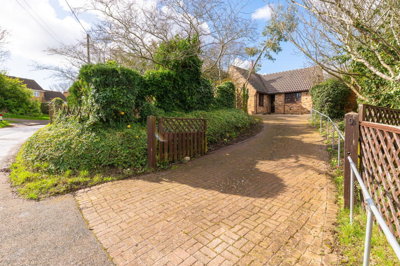
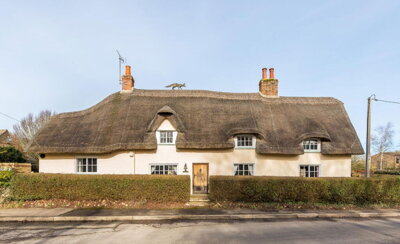
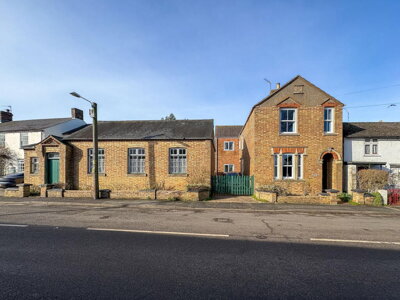
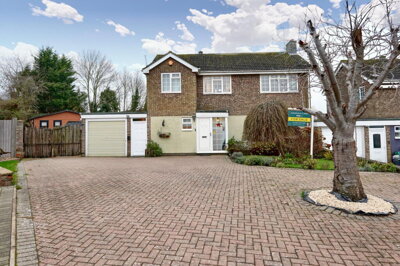
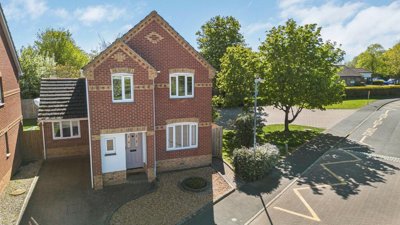
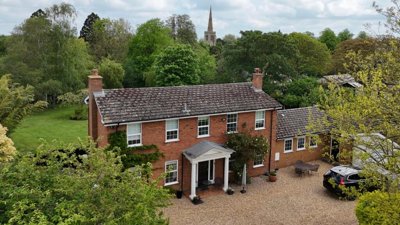
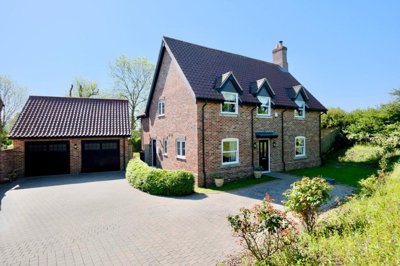
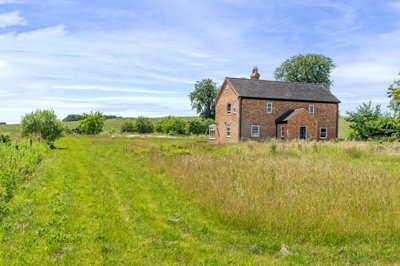
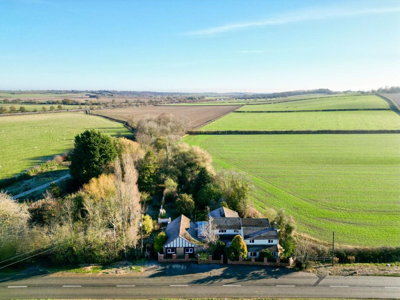
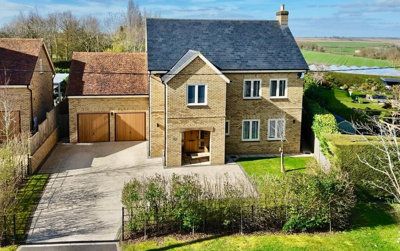
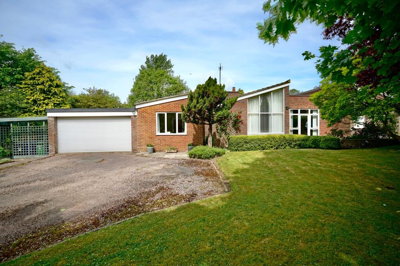
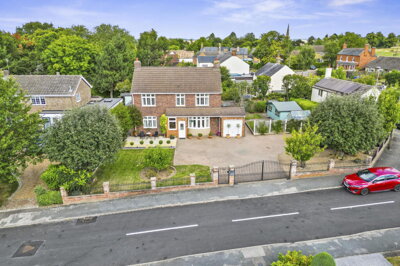
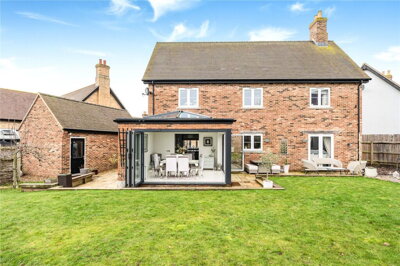
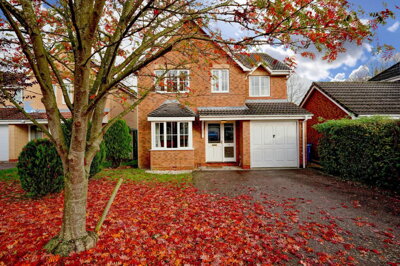
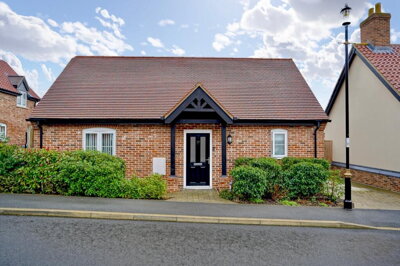
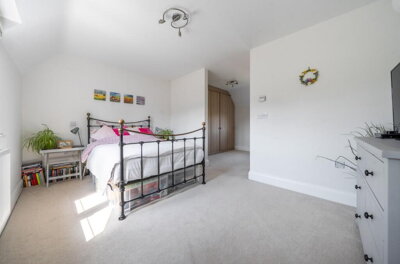
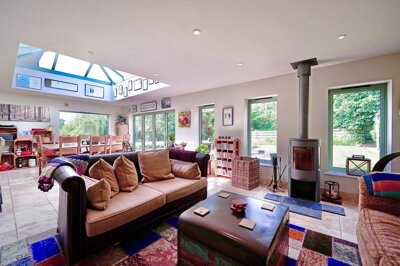
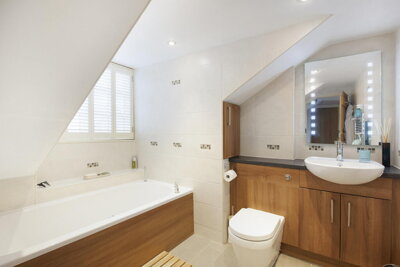
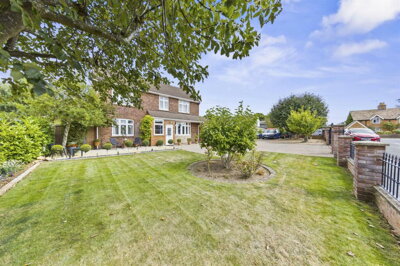
Browse 29 homes for sale in Catworth, Huntingdonshire from local estate agents.
The Catworth property market offers detached, semi-detached, and terraced houses spanning various price ranges and neighbourhoods. Each listing includes detailed property information, photographs, and direct contact with the marketing agent.
£625k
9
0
148
Source: home.co.uk
Showing 9 results for Houses for sale in Catworth, Huntingdonshire. The median asking price is £625,000.
Source: home.co.uk
Detached
9 listings
Avg £687,222
Source: home.co.uk
Source: home.co.uk
Catworth's property market has shown notable resilience and growth, with home.co.uk recording 98 property sales in the area over the past twelve months. Detached homes lead the way locally, averaging £624,000, and those on the High Street sit a touch higher at £639,400. That tilt towards larger detached houses fits a village that appeals to families wanting space, private gardens and a quieter pace of life. Demand is still strong, so well-presented family homes can draw keen competition.
Buyers working to a tighter budget can still find a way into Catworth, as terraced properties average around £467,000 according to recent data. On the High Street, terraced homes show a wider spread, averaging £313,714, which may come down to condition, size and period detail. Semi-detached homes average £384,250, giving a middle-ground choice for those who want more room than a terrace without paying detached-house prices. Flats in the PE28 postcode area average £111,790, although they are uncommon in this mainly village-style market where freehold homes are the usual norm.
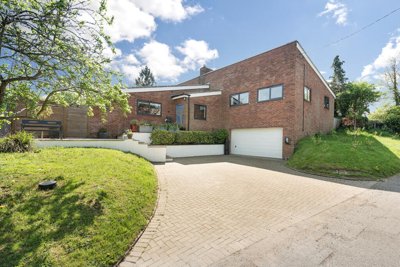
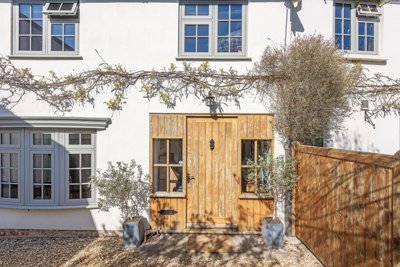
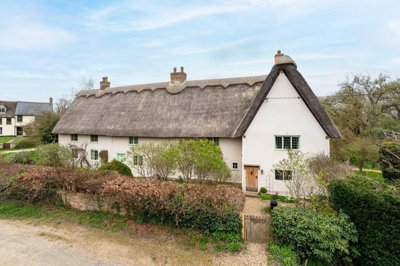
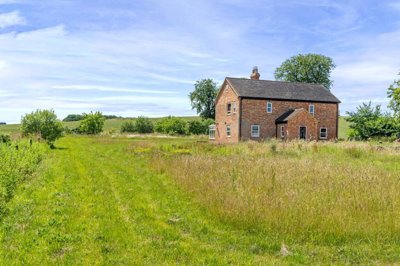
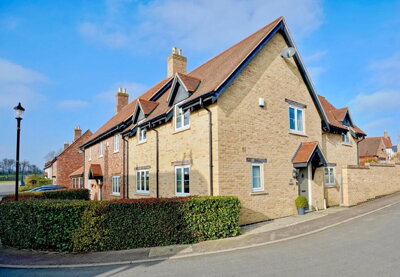
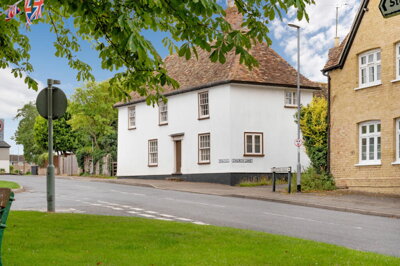
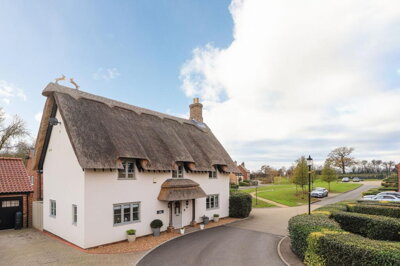
There are some lovely examples of traditional English architecture in Catworth, from brick and slate detached cottages to distinctive thatched homes. A number of properties also hold Grade II Listed status, which points to their historic and architectural importance. Purchasers need to approach these homes carefully, because Listed Building Consent from Huntingdonshire District Council is required for most alterations and renovations. That mix of old-world character and practical access has made the village popular with buyers who want charm without losing touch with London and Cambridge. homedata.co.uk reports a sold price average of £559,400 for Catworth properties over the same period, which shows the gap between asking prices and achieved sales.

Catworth suits people who want village life with a bit of depth to it, especially families and those drawn to the calm of the Cambridgeshire countryside. Its historic feel comes through in brick and slate houses, thatched cottages and village architecture dating back to the 19th century. A walk through the centre gives a clear sense of a community that has kept its rural roots intact while still supporting day-to-day living. The farm-to-table pub acts as a local meeting point, while the surrounding countryside brings a wide network of footpaths and bridleways. The parish church and village hall sit at the centre of community life, with events running through the year.
For outdoor time, the wider Cambridgeshire countryside opens up plenty of options, and Grafham Water is close enough for sailing, fishing and watching wildlife. The Grafham Water Nature Reserve draws visitors from across the region, with scenic walks around the reservoir and chances of spotting rare birds. Cyclists benefit too, since quiet lanes link Catworth with nearby villages such as Brington and Bythorn and make for easy-going rides through the rolling farmland of Huntingdonshire. Local bridleways give horse riders direct access to the countryside. Huntingdon and St Neots are nearby for wider leisure, with swimming pools, sports centres and golf courses among the facilities available.
Catworth still has a lively community rhythm, and that slower pace of life is part of the appeal for many residents. From summer fetes to winter gatherings at the village pub and parish hall, seasonal events keep people connected across the year. An active community group also plays its part, organising volunteer activity and local initiatives that help look after footpaths, verges and public spaces. Neighbouring villages contribute to the same social web, with halls, churches and pubs acting as meeting places across the rural area. For families, it offers something that city living rarely matches, countryside freedom alongside a proper community spirit.

Families looking at Catworth will find a strong mix of education options nearby. The village sits within the catchment for Hinchingbrooke School in Huntingdon, a respected secondary school with pupils from across the region. Its reputation for academic results and extracurricular activity makes it a popular choice among families in the surrounding villages. Kimbolton School is also within reach, giving parents an independent secondary option in the neighbouring village of Kimbolton. Set in a historic castle, it teaches from primary through to sixth form.
Primary school places are available in surrounding villages, and transport is usually arranged for younger children travelling beyond the immediate area. Schools in Great Staughton, Kimbolton and nearby communities all serve the Catworth catchment. Many families make use of the school transport run by Cambridgeshire County Council, which links village communities to primary schools across the district. For those who prefer private education, Kimbolton School includes junior school provision as well as its secondary school. Early years care is also well covered, with village nurseries and pre-schools giving young families childcare close to home.
Across Huntingdonshire, the education offer covers a broad range of ages and learning needs. Parents can choose between state schools, academies and independent schools, depending on what suits their children best. Sixth form options are available through nearby colleges and school sixth forms, with access to a wide spread of A-level subjects and vocational courses. Huntingdon also gives access to UTC Cambridge, which provides STEM-focused education for students aged 14 to 18. Before buying, it makes sense to check school catchments and admissions rules, since boundaries can shape placement decisions and popular primary schools in Cambridgeshire can be oversubscribed. Recent Ofsted ratings show that the county continues to invest in education and maintain good standards.

Commuters are well served in Catworth, and that is a major reason the village appeals to working professionals. Nearby Huntingdon and St Neots both have direct rail links to London, with services to London St Pancras and London Bridge from Huntingdon station. Those rail options make the village especially attractive for City workers who need capital access but still want the space and value of village living. Journey times usually sit between 45 minutes and just over an hour, depending on the service and any interchange, and the fastest trains from Huntingdon reach St Pancras in under 50 minutes.
Road access is another strength. The A14 gives straightforward links to Cambridge and to the wider motorway network beyond, while Catworth sits at a useful crossroads joining communities across Cambridgeshire and into Northamptonshire. From there, the A14 connects towards the M1 and M11, opening routes to Birmingham, London and the east coast. Bus services also run in the area for those who prefer not to drive, although most village residents still rely on private cars. Cambridgeshire County Council operates subsidised rural routes, but some services are limited, especially at weekends and in the evening.
Travel choices widen further thanks to London Stansted, Cambridge Airport and Luton Airport, all within reach for business and leisure trips. Stansted is accessible via the M11 and offers direct flights to European destinations and beyond. Cambridge Airport provides domestic flights and some international services, with easy access from the A14. Cycling has improved too, with quiet lanes giving commuters pleasant routes to nearby employment centres. The Sustrans National Cycle Network runs through the wider Cambridgeshire countryside and links to towns and villages across the region. For home workers, superfast broadband is available across most of the village, although speeds can vary by exact location within the PE28 postcode area.

We suggest spending time in Catworth and the surrounding villages before making a decision, so the property market, local feel and links to schools and transport become clearer. Try different times of day and different days of the week to get a proper sense of village life. Community events and a visit to the local pub can tell you plenty about the area and the people who live there.
Before starting viewings, speak to a mortgage broker or lender and secure an agreement in principle. That shows sellers and estate agents that the finances are in place, which helps in a competitive market where properties can move quickly. With the average property price in Catworth at £592,600, we would want the mortgage in principle to cover homes at or above that level.
Estate agents in the Huntingdonshire area can then be asked to arrange viewings of homes that match the brief. Take notes, ask about the condition of the property, and request details of any recent renovations or maintenance work. For listed properties, we would always ask whether any work has required Listed Building Consent from Huntingdonshire District Council.
After an offer is accepted, our advice is to instruct a qualified RICS surveyor to carry out a Level 2 Survey on the property. That inspection is a key step, because it can pick up defects, structural issues and maintenance problems that might not be obvious during a normal viewing. In Catworth, older homes from the 19th century and traditional brick and slate properties are especially worth checking for damp penetration, roof condition concerns and outdated electrical systems.
Next comes the legal side, so appointing a conveyancing solicitor is the right move to deal with local searches, title checks and contract preparation. Your solicitor will work with the seller's legal team to keep the transaction moving towards completion. Where a listed property is involved in Catworth, they should also look into any planning conditions or listed building consents that may affect the house.
Once the surveys, searches and legal work all come back satisfactorily, contracts are exchanged and the deposit is paid. Completion usually follows within weeks, and that is the point at which the keys are handed over and ownership of the new Catworth home transfers. It is sensible to budget for SDLT, legal fees, survey costs and moving expenses when planning the full purchase budget.
Buyers in Catworth should factor in a few local issues that can affect both condition and value. The village includes Grade II Listed homes, among them traditional thatched cottages, and those properties come with rules on alterations, renovations and maintenance. Anyone considering a listed property needs Listed Building Consent from Huntingdonshire District Council before most works can begin. They also demand a commitment to preserving historic character, and specialist contractors are often needed for period features, which can mean higher maintenance costs than for modern homes.
Traditional brick and slate construction is common in Catworth, and although it is usually solid, it still needs ongoing care to avoid slipped tiles and worn mortar. Older houses, including many from the 19th century and earlier, can show damp penetration, roof condition concerns and electrical systems that no longer meet current regulations. Because so many local homes are over 100 years old, buyers should leave room in the budget for renovation work when weighing up the real cost of purchase. A thorough RICS Level 2 Survey is especially useful here, since it can identify structural issues, rising damp and repairs before commitment to buy.
The PE28 postcode area includes Catworth, so flood risk data should be checked before any purchase. Environment Agency mapping does not place Catworth itself in a high-risk flood zone, but topography and drainage can vary from one part of the village to another. We recommend asking a conveyancing solicitor for an environmental search that covers flood risk, ground stability and other factors that might affect the property. Homes near watercourses or in lower-lying spots may carry different risk profiles from those on higher ground.
Leasehold arrangements also need a close look where they apply, because ground rent and service charges can have a big effect on running costs. In villages like Catworth, freehold homes are more common and most houses sell as freehold, but the tenure of any individual property still needs checking. Conservation restrictions in the village may limit certain exterior changes, so it is wise to understand what alterations are possible before planning renovations or extensions. The Planning Portal and Huntingdonshire District Council website offer guidance on permitted development rights and planning rules for rural Cambridgeshire villages.

The average house price in Catworth is £592,600 according to home.co.uk listings data, while homedata.co.uk reports a sold price average of £559,400 over the past twelve months. Prices have climbed sharply, with a 51% rise over the previous year, and values now sit 2% above the 2022 peak of £583,750. Detached properties average £624,000, High Street homes average £639,400, terraced properties come in at around £467,000 and semi-detached homes average £384,250. Flats in the PE28 postcode average about £111,790, though they are relatively rare in this village where detached family homes make up most of the sales.
For council tax, Catworth falls under Huntingdonshire District Council and sits within the Cambridgeshire County Council area for regional services. The exact band for a property depends on its valuation band, which is set by the Valuation Office Agency. Across the district, homes can fall into Bands A through H, although rural family houses in places like Catworth are often in Bands C through E. Cambridgeshire County Council sets the share of council tax that funds county services, while Huntingdonshire District Council sets the district element. Before buying, it is worth checking the band for the specific property, since annual costs vary from one home to the next depending on its valuation.
Catworth sits within the catchment for Hinchingbrooke School in Huntingdon, a well-regarded secondary school with a strong academic record and pupils from across the Huntingdonshire area. Parents can also look to Kimbolton School, an independent co-educational boarding and day school in the neighbouring village of Kimbolton that teaches from age 3 to 18. Primary schools in surrounding villages, including Great Staughton and Stilton, provide options too, with Cambridgeshire County Council arranging school transport for eligible pupils. The wider Huntingdonshire area gives broad coverage from early years through sixth form, with specialist schools also available for children with particular educational needs.
Catworth is rural, but transport links remain surprisingly good through the nearby towns. Huntingdon and St Neots both provide mainline rail services to London St Pancras and London Bridge, with regular daytime trains and journey times from 45 minutes to around an hour depending on the service chosen. Huntingdon station is roughly 15 minutes drive from Catworth village centre, while St Neots is a little further out. Bus services also link the village with the larger towns nearby, and Cambridgeshire County Council runs subsidised rural routes, though some are limited. Road access is strong too, with the A14 giving direct links to Cambridge and connections into the wider motorway network via the M11 and A1. It is a practical base for those who want public transport within reach without giving up countryside living.
Catworth has performed strongly in the local market, with prices rising 51% over the past year and sitting above previous peaks, a sign that demand for village homes in this part of Cambridgeshire remains solid. Buyers are drawn by the rural setting, the rail links to London via nearby Huntingdon and St Neots, and the schools that make the village practical as well as attractive. In the PE28 postcode area, detached family houses on the High Street tend to command premium prices because families still value space and village character. Grade II Listed properties add another layer of interest for buyers who like historic features and traditional architecture. As ever, long-term plans, mortgage rates and wider market conditions all deserve a careful look before any commitment is made.
For a Catworth purchase, Stamp Duty Land Tax rates for 2024-25 apply as usual, and standard buyers pay no tax on the first £250,000. Homes priced between £250,000 and £925,000 attract a 5% rate on the slice above £250,000, while values from £925,000 to £1.5 million are taxed at 10% above £925,000. Above £1.5 million, the rate rises to 12% on the portion over that threshold. With the average price in Catworth at £592,600, a standard buyer would pay around £17,130 in SDLT. First-time buyers get much better relief, with no SDLT on the first £425,000 and 5% only on the amount between £425,000 and £592,600, bringing the bill down to £8,375. The exact figure will depend on the buyer's circumstances and purchase price, so the solicitor or conveyancer will calculate it precisely.
Older Catworth homes, especially those from the 19th century, need a careful eye because period properties across Cambridgeshire often share the same issues. Brick and slate construction is generally sound, but it still needs maintenance to avoid damp penetration, slipped tiles and worn mortar joints. Thatched roofs, including Grade II Listed examples, call for specialist roofing contractors and may need re-thatching more often than modern roofs. Electrical systems in older houses often need updating to meet current standards, and a proper survey should pick up any concerns. For listed properties, it is wise to budget for specialist conservation contractors and allow time to obtain Listed Building Consent from Huntingdonshire District Council before starting work.
From 4.5% APR
Compare competitive mortgage rates from leading lenders
From £499
Expert legal services for your Catworth property purchase
From £350
RICS surveyors identify defects and structural concerns
From £80
Energy performance certificate required for all property sales
Getting to grips with the full cost of buying in Catworth is important if we want to budget properly and avoid surprises later in the process. Beyond the purchase price, buyers need to think about Stamp Duty Land Tax, which on an average-priced Catworth home at £592,600 applies at standard rates unless first-time buyer relief is available. Standard buyers pay nothing on the first £250,000, then 5% on the amount between £250,000 and £592,600, which comes to roughly £17,130 in SDLT. First-time buyers do better, paying nothing on the first £425,000 and 5% only on the amount between £425,000 and £592,600, bringing the SDLT bill down to £8,375.
Conveyancing usually starts from £499 for a straightforward transaction, although more complex purchases involving listed buildings, unusual tenure arrangements or properties with planning conditions may cost more. The solicitor handling the purchase will order local searches, including drainage and water searches, local authority searches and environmental searches, all of which give important information about the home and its setting. Search fees typically run from £250 to £400 depending on the searches needed and the provider chosen. A RICS Level 2 Survey, also known as a Homebuyer Report, starts from £350 and gives useful protection by highlighting defects that may not show during viewings, with the final cost depending on property value and the level of inspection required.
An Energy Performance Certificate is required for every property sale and costs from £80, with the EPC showing the home's energy efficiency rating and suggested improvements. Other costs include Land Registry fees for registering the title transfer, usually around £150 to £200, and mortgage arrangement fees where these apply. If a mortgage valuation is needed, the lender will also charge survey and valuation fees. Setting aside around 3-5% of the property price for these extras is a sensible way to budget for a Catworth purchase, so buyers of an average-priced home should allow an extra £18,000 to £30,000 beyond the purchase price for buying costs. Our partners can provide fixed-fee quotes for conveyancing, surveys and mortgages, which helps clarify total costs before a purchase goes ahead.

Properties for Sale In London

Properties for Sale In Plymouth

Properties for Sale In Liverpool

Properties for Sale In Glasgow

Properties for Sale In Sheffield

Properties for Sale In Edinburgh

Properties for Sale In Coventry

Properties for Sale In Bradford

Properties for Sale In Manchester

Properties for Sale In Birmingham

Properties for Sale In Bristol

Properties for Sale In Oxford

Properties for Sale In Leicester

Properties for Sale In Newcastle

Properties for Sale In Leeds

Properties for Sale In Southampton

Properties for Sale In Cardiff

Properties for Sale In Nottingham

Properties for Sale In Norwich

Properties for Sale In Brighton

Properties for Sale In Derby

Properties for Sale In Portsmouth

Properties for Sale In Northampton

Properties for Sale In Milton Keynes

Properties for Sale In Bournemouth

Properties for Sale In Bolton

Properties for Sale In Swansea

Properties for Sale In Swindon

Properties for Sale In Peterborough

Properties for Sale In Wolverhampton

Enter your details to see if this property is within your budget.
Loans, cards, car finance
Estimated property budget
Borrowing + deposit
You could borrow between
Typical borrowing
Monthly repayment
Est. at 4.5%
Loan-to-value
This is an estimate only. Your actual budget may vary depending on interest rates, credit history, and personal circumstances. For an accurate affordability assessment, speak to one of our free mortgage advisors.
This calculator provides estimates for illustrative purposes only and does not constitute financial advice. Your home may be repossessed if you do not keep up repayments on your mortgage. Estimates based on 4.5% interest rate, repayment mortgage. Actual rates depend on your circumstances.
Homemove is a trading name of HM Haus Group Ltd (Company No. 13873779, registered in England & Wales). Homemove Mortgages Ltd (Company No. 15947693) is an Appointed Representative of TMG Direct Limited, trading as TMG Mortgage Network, which is authorised and regulated by the Financial Conduct Authority (FRN 786245). Homemove Mortgages Ltd is entered on the FCA Register as an Appointed Representative (FRN 1022429). You can check registrations at NewRegister or by calling 0800 111 6768.

We use cookies to show you personalised content and improve your experience of our website. Find out more in our Privacy policy and Cookie policy.