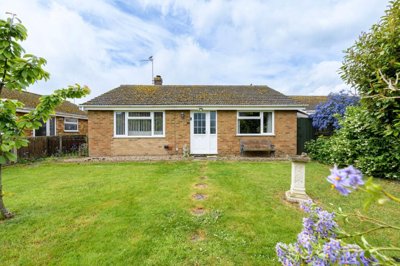
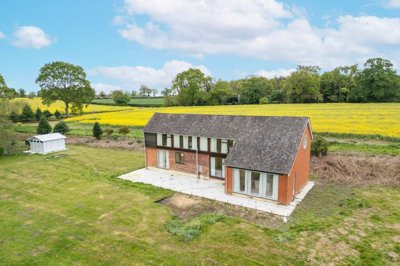
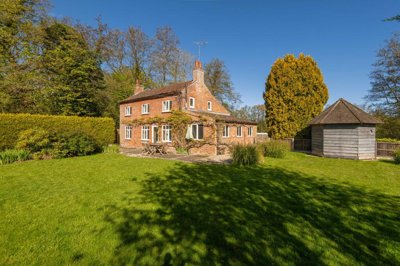
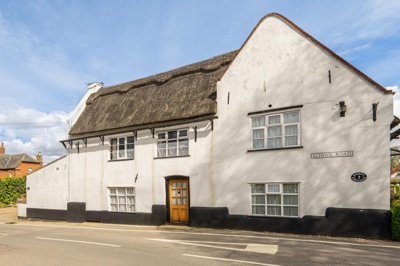
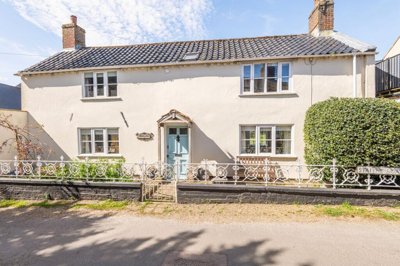
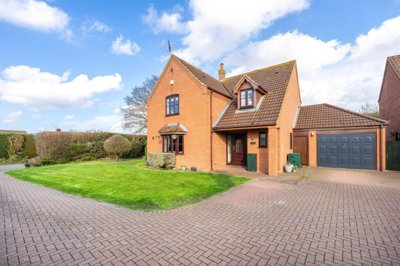
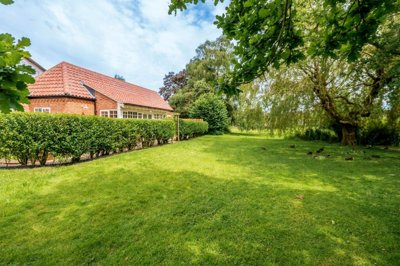
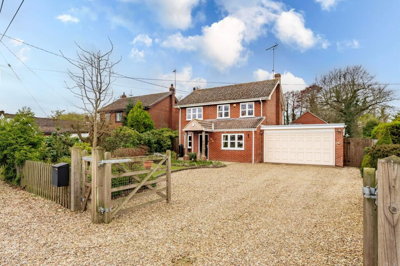
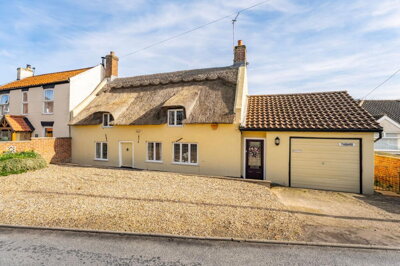
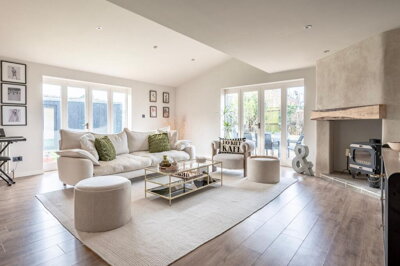
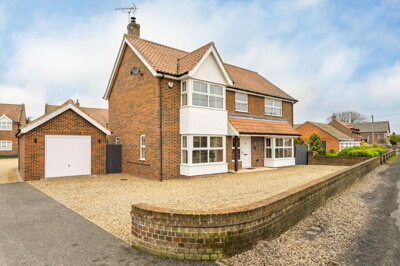
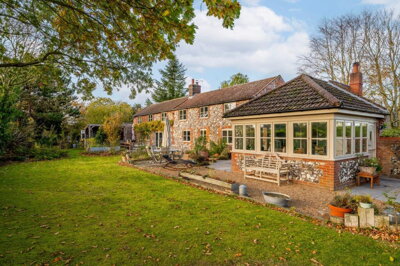
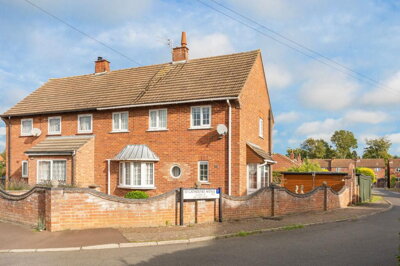
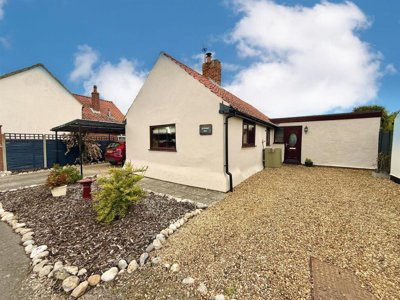
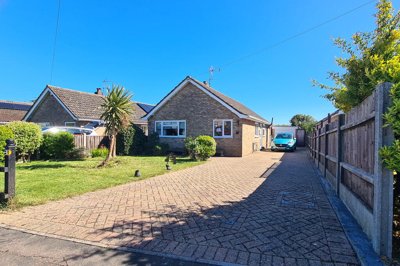
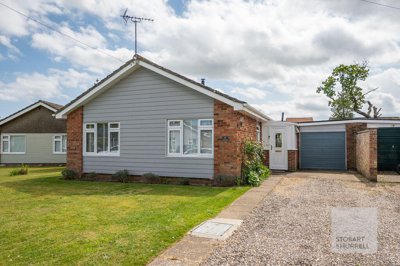
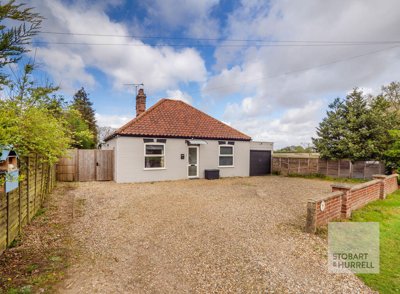
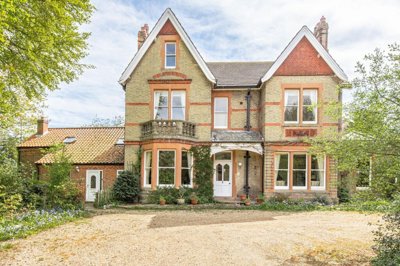
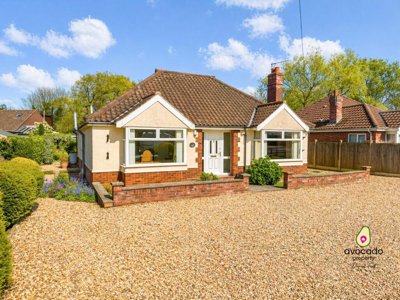
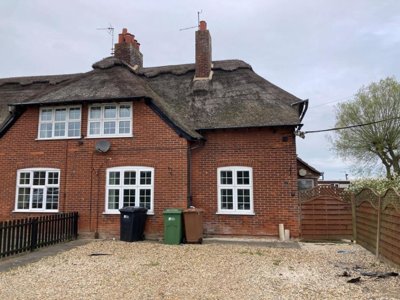
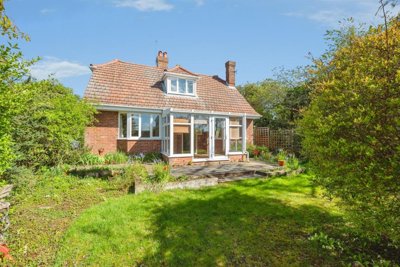
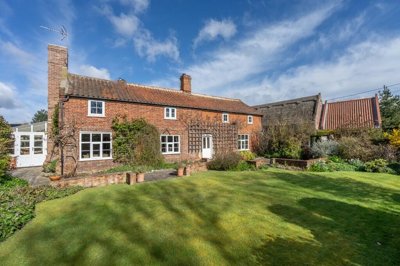
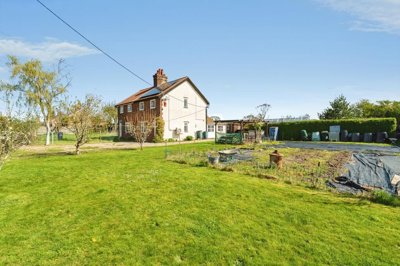
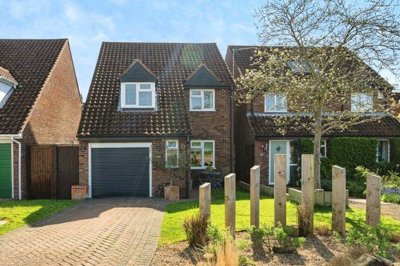
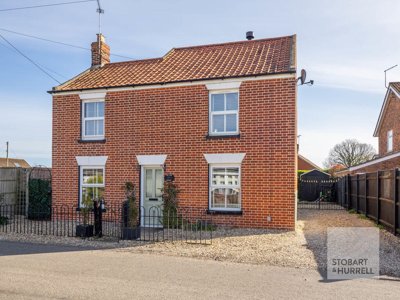
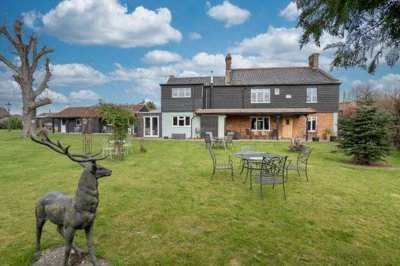
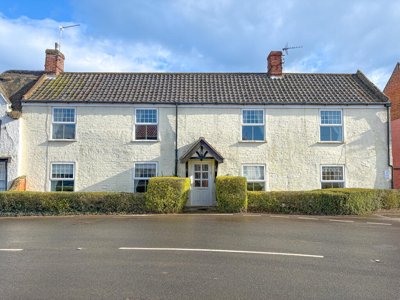
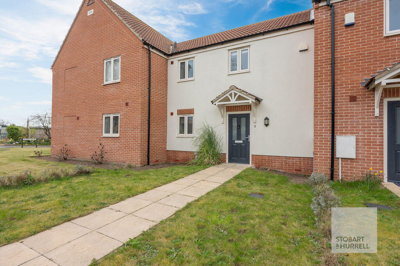
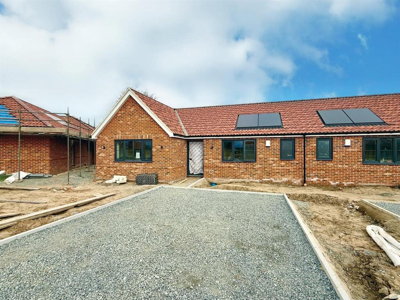
Browse 82 homes for sale in Catfield, North Norfolk from local estate agents.
£313k
12
1
168
Source: home.co.uk
Source: home.co.uk
Detached
4 listings
Avg £391,250
Detached Bungalow
3 listings
Avg £301,667
Semi-Detached
2 listings
Avg £525,000
Bungalow
1 listings
Avg £300,000
Cottage
1 listings
Avg £325,000
Semi-Detached Bungalow
1 listings
Avg £215,000
Source: home.co.uk
Source: home.co.uk
Catfield’s property market has proved resilient over the past twelve months, with house prices rising by 24 percent compared with the previous year. That rise mirrors the wider appeal of North Norfolk for buyers who want a rural way of life without losing access to major cities. Even after the recent jump, prices still sit around 15 percent below the 2023 peak of £318,633, so there is still a window for buyers before values potentially move higher again. The NR29 postcode area covering Catfield has remained active too, with the 15 active listings recorded across the past three decades showing steady demand for homes in this part of Broadland district.
Property types in Catfield cover a broad spread, so there is something to suit most budgets and preferences. Semi-detached homes average £325,000, which gives first-time buyers, or those coming down from a larger house, a realistic entry point. Detached properties in the village average £400,000 and tend to offer the extra room and garden space families want. Terraced homes, rather surprisingly, fetch the highest average price at £222,500, probably because many are historic workers' cottages that have been sympathetically updated in Catfield’s conservation areas.
Although our data shows no major new-build developments currently active within Catfield itself, the village does include modern offerings, such as next-generation detached homes built to current specifications. Property listings also point to barn conversions and substantial period homes alongside modern three-bedroom houses, which gives buyers plenty to consider. The market still has strong appeal for traditional construction too, with an 18th-century flint farmhouse appearing in recent listings as a good example of the architectural heritage found across the parish. Many houses along The Street and on nearby lanes date from the 18th and 19th centuries, built using traditional Norfolk methods.
Most of the properties sold in Catfield in recent years have been semi-detached homes, but the village also includes detached houses, terraced cottages and converted agricultural buildings. Pre-1919 housing stock is well represented, and those homes often draw buyers looking for character details such as original fireplaces, exposed beams and Norfolk pantile roofs. Post-1980 properties bring a different appeal, with modern layouts and stronger insulation standards for buyers whose priorities lean more towards age and condition.

Catfield offers that classic English village feel, with a slow pace of life set against Norfolk’s natural beauty. The village sits within the Broads Authority area, so residents have direct access to the unique wetland landscape of the Norfolk Broads, a national park known for navigable waterways, rich wildlife and its mix of marshland and woodland. Its location gives a useful balance, rural calm on one side, everyday amenities in nearby towns on the other. The catfields and marshes around the village support varied birdlife, which is why nature lovers and birdwatchers are so often drawn here.
The village community revolves around its historic church and traditional local pub, both of which act as meeting places for events and social occasions during the year. Residents also have access to scenic footpaths and bridleways through the surrounding countryside, ideal for dog walking, jogging or simply taking in the Norfolk landscape. Nearby Stalham provides day-to-day essentials, including a GP surgery, pharmacy and independent shops, all within a short drive of the village centre. In recent years the Stalham area has seen investment in local services, keeping it in place as the main service centre for communities across the northern Broads.
The wider North Norfolk area delivers an impressive quality of life, mixing coastal attractions, countryside pursuits and cultural amenities. The beaches at Happisburgh and Sea Palling are within easy reach, while Norwich gives you comprehensive shopping, dining and entertainment options about thirty minutes away by car. Catfield attracts people who value space, natural beauty and a strong sense of community, whether they are moving out of urban areas or looking for a quieter life in this desirable corner of England. The annual Norfolk Broads walking festival and local agricultural shows add to the social calendar and bring residents together throughout the year.
Recreation around Catfield is varied, with boating on the Broads waterways, cycling along country lanes and walking the network of public rights of way that cross the parish. The Rivers Ant and Bure open up opportunities for kayaking and sailing, while the wider Norfolk coast offers sandy beaches and coastal paths for day trips. Golf courses in the surrounding area cater to enthusiasts, and the North Norfolk coast’s attractions, including the seal colonies at Blakeney Point, remain popular with residents looking for somewhere to go at the weekend.

Families looking at Catfield will find school provision at both primary and secondary level within reasonable travelling distance of the village. Primary education is available at local village schools across the surrounding area, with several serving the communities around Stalham and the northern Broads. These schools usually take children from Reception through to Year Six, giving a solid grounding in core subjects in a caring village-school setting. Many Catfield families choose Stalham Primary School, which serves the local area and can be reached by the village road network.
Secondary education is available at Stalham High School, which serves students from the surrounding rural communities, including those living in Catfield and nearby villages. The school offers a broad curriculum and a range of extracurricular activities for students in Years Seven through Thirteen. Parents should always check current admission arrangements and catchments, as these can change and may affect eligibility for children living in outlying villages such as Catfield. In recent years the school has maintained good inspection results, which gives families moving to the area added confidence in educational standards.
For families who want an alternative route, the North Norfolk area has several independent schools offering education from primary level through to A-Level, with the private sector particularly well established across the county. Schools in Norwich and the wider Norfolk area also give families options if they are willing to travel further for independent education. Before buying in Catfield, parents should look closely at specific school catchments and admission arrangements, because rural catchments can vary and places at popular village schools may be limited. It is also sensible to confirm transport arrangements, since bus services may be needed for secondary-aged children.
Older students and adults can access further education with relative ease. Norwich has sixth form colleges and further education colleges offering a wide mix of academic and vocational courses. The University of East Anglia, also in Norwich, provides higher education opportunities for local residents. For children leaving school, apprenticeships and training programmes are available through Norfolk County Council’s education services, while adult learners can make use of distance learning options that work around rural living. Families should also factor school transport costs and journey times into relocation plans, especially where secondary or further education is involved.

Transport from Catfield is centred mainly on road travel, with the village set within easy reach of major routes serving North Norfolk and beyond. The A149 coast road runs through nearby Stalham, linking the village to Great Yarmouth to the east and the coastal towns of Cromer and Sheringham to the west. The A47 trunk road gives access to Norwich, which is roughly twenty miles southwest of Catfield, and there are regular bus services along this corridor for people without a private car. The B1140 offers another route towards the North Norfolk coast and is popular with those heading to Holt and the surrounding villages.
Rail links are available from nearby stations including Norwich, which offers direct services to London Liverpool Street with journey times of around one hour forty minutes. Great Yarmouth station gives further rail options, including connections to Norwich and services along the East Anglian coast. For anyone commuting to Norwich or reaching the wider motorway network, Catfield’s position in relation to the A47 provides workable access, though peak-hour journey times should be taken into account. The Norwich to London service is operated by Greater Anglia, with regular departures running through the day.
The village also has regular bus services linking Catfield with Stalham and the surrounding area, giving useful public transport options for anyone without a car. FirstGroup bus services run routes connecting North Norfolk villages to Norwich, with stops in Stalham for onward travel. Cyclists tend to enjoy the scenic country lanes that define the area, although the Norfolk landscape does bring some tougher stretches, including gentle hills and exposed coastal sections. National Cycle Route 30 passes through the wider North Norfolk area, offering traffic-free sections for more confident riders.
Parking is generally well catered for in the village, with space at the village halls and local pub car parks for residents and visitors. Those driving to Norwich should budget for the twenty-mile trip, which normally takes thirty to forty minutes outside peak traffic. Many people who work in Norwich choose to drive rather than rely on public transport, helped by the A47 dual carriageway sections that make access fairly straightforward. Norwich International Airport is also available for domestic flights and European connections, and it is around thirty-five minutes from Catfield.

Take a look at property listings on Homemove and register with local estate agents working across Catfield and the Stalham area. Getting a feel for current prices on semi-detached, detached and period homes helps set sensible expectations before the search begins. Agents who know the NR29 postcode area can also talk through recently sold properties and the local market conditions that shape pricing.
Speak to mortgage brokers and get an agreement in principle before you start viewing homes. With average prices at £318,633, most buyers will need a mortgage, and having the finance sorted shows sellers that you are serious when you make an offer. Brokers with experience of North Norfolk values can also give more accurate borrowing figures based on current market conditions.
Arrange to view a range of properties that fit your brief, and spend time checking the condition of older homes in particular. Garden orientation, outbuilding storage and how close the property sits to village amenities all matter when weighing up each place. In Catfield, period homes can look very different depending on the time of day, so viewing at different times can reveal natural light levels as well as any noise from nearby roads or the Broads.
For properties over 50 years old, or any with non-standard construction, a RICS Level 2 Survey gives an important assessment of condition. Catfield’s period homes, including flint-built examples, are best checked by professionals who can identify structural concerns or maintenance issues before purchase. With so much pre-1919 housing stock in the village, many homes will benefit from a thorough condition survey.
Choose a local solicitor with experience in rural property transactions to deal with the legal side of the purchase. They will carry out searches, review the contract and manage the transfer of ownership through to completion. Solicitors familiar with Broads Authority properties also understand any special issues affecting land within the national park area.
Once the searches are in order and the mortgage offer has been confirmed, your solicitor will exchange contracts and agree a completion date. On completion day, the remaining funds are transferred and the keys are released by the selling agent. It is wise to allow time for final walkthroughs and utility transfers when setting the moving date.
Homes in Catfield cover a wide span of ages and construction types, from historic flint-built cottages dating back to the eighteenth century to contemporary houses built in recent decades. When viewing period properties, give the flintwork and mortar joints close attention, since traditional construction methods need specialist maintenance knowledge. Look out for damp in older homes, especially in ground-floor rooms and cellars where moisture can make its way through traditional walls. Norfolk pantiles are common on roofs throughout the village, and their condition should be checked alongside any modern roof coverings.
The Norfolk Broads setting brings some specific issues for buyers, especially around flood risk and water management. Catfield itself is not in a designated flood zone, but the village sits within the wider Broads Authority area where water levels and drainage still need careful thought. Surveys should look at drainage systems, sump pump installations and any history of water penetration in the property. Homes near drainage channels or dykes need extra attention, and buyers should ask current or previous owners about any flooding or water ingress.
Garden boundaries deserve a careful look, because rural homes may come with substantial grounds that need year-round upkeep. It is also worth checking the orientation of outdoor space in relation to the house, together with the condition of outbuildings, fencing and gates. Properties inside or close to any potential conservation areas may be subject to planning restrictions on alterations or extensions, so your solicitor should confirm any designations that affect the home. Many Catfield properties include former agricultural buildings that could offer conversion potential, subject to planning permission.
Catfield’s building materials reflect the local traditions of North Norfolk. Flint, brick and pantile construction appear throughout the village, and some homes also feature timber-framed structures with infill panels. When buying older properties, it pays to use surveyors who understand traditional Norfolk construction, because specialist knowledge may be needed to spot hidden defects or deterioration. Any listed building status should also be checked, as Grade II listed properties come with specific maintenance obligations and permitted development restrictions.

The average house price in Catfield over the past twelve months is £318,633. Semi-detached homes average £325,000, detached properties £400,000 and terraced houses £222,500. Prices have risen by 24 percent year-on-year, yet they are still around 15 percent below the 2023 peak of £318,633, which points to possible value in the current market. The NR29 postcode area covering Catfield has recorded 15 active listings over the past three decades, showing steady market activity in this sought-after Broads village.
Catfield properties fall under Broadland District Council for council tax purposes. The exact band depends on valuation, but rural village homes usually sit somewhere between Band B and Band E, with larger period properties often in the higher bands. Buyers should check the band with the selling agent or via the local authority website, because council tax is part of the ongoing cost of owning a home. Broadland district covers a large part of Norfolk, including rural villages and market towns, and council tax helps fund local services and refuse collection.
The village has access to local primary schools serving the surrounding communities, with Stalham Primary School providing education for younger children in the nearby market town. Stalham High School serves the wider area at secondary level, with GCSE and A-Level courses for students from Catfield and nearby villages. Independent schooling options are available throughout North Norfolk, and Norwich offers a particularly strong choice of private schools from nursery through to sixth form. Families buying in Catfield should look closely at individual school catchments and admission criteria, because rural schools can have specific catchment zones that affect eligibility and transport may need to be arranged.
Catfield also benefits from regular bus services to Stalham and the surrounding villages, with onward links to Great Yarmouth and Norwich available from the market town. FirstGroup bus routes give access to Norwich city centre, with journey times of around forty-five minutes to an hour depending on stops. Rail services can be used from Norwich and Great Yarmouth stations, both offering direct links to London Liverpool Street, with the quickest services taking about one hour forty minutes. Private transport is still the most convenient choice for day-to-day commuting, but public transport options do exist for those working locally or heading to larger towns, and many Catfield residents use a mix of methods.
The Catfield property market has shown strong performance, with 24 percent annual price growth reflecting rising demand for North Norfolk rural homes. The Broads location, the relative closeness to the coast and the village character all appeal to buyers looking for quality of life, and demand remains steady from downsizers, families and people moving from urban areas. There are no guarantees in property investment, of course, but limited housing supply in rural villages and consistent demand suggest Catfield homes tend to hold value well. Properties in the NR29 postcode area have also shown long-term growth, with the 2024 average price of £318,633 representing clear growth from earlier years, even though it remains below the 2023 peak.
Stamp duty is charged at standard rates across England, zero percent on the first £250,000, five percent on £250,001 to £925,000, ten percent on £925,001 to £1.5 million, and twelve percent above £1.5 million. First-time buyers get relief on the first £425,000, with five percent payable between £425,001 and £625,000. With average prices around £318,633, most buyers in Catfield sit within the lowest stamp duty brackets, and a standard buyer purchasing at the average price would face a typical stamp duty bill of £3,432. First-time buyers purchasing at the average price would pay no stamp duty, because homes under £425,000 qualify for full first-time buyer relief on the first £425,000 of the purchase price.
From 4.5% APR
We compare mortgage rates from leading lenders so you can find the right deal for a Catfield purchase.
From £499
Our conveyancing solicitors handle the legal work efficiently and keep the purchase moving.
From £350
For period homes and older properties in Catfield, a professional survey is a sensible step before you commit.
From £60
An energy performance certificate is required for every property sale.
Buying a property in Catfield brings a few costs besides the purchase price, and stamp duty land tax is one of the biggest for most buyers. At current average prices of £318,633, a standard buyer using a mortgage would pay stamp duty on the amount above £250,000, which works out at £3,432 at the five percent rate. First-time buyers purchasing homes up to £425,000 pay no stamp duty at all, which makes the market more accessible for those taking their first step onto the ladder. Properties priced above £625,000 do not qualify for first-time buyer relief, so buyers at that level should budget for full stamp duty costs.
Extra costs include solicitor fees for conveyancing, which usually range from £500 to £1,500 depending on how complex the transaction is and whether the property is freehold or leasehold. Survey costs vary according to property type and the scope of inspection, with a RICS Level 2 Survey starting from £350 for a standard property and rising for larger homes or non-standard construction. Given the period properties and possible listed buildings in Catfield, a thorough survey gives useful protection before you commit to buying. The older construction methods common in Catfield call for that extra caution.
Other expenses to allow for include mortgage arrangement fees, which can reach £2,000 or more depending on the lender and product chosen. Removal costs, home insurance from the completion date, and any immediate repairs or furnishing purchases should also be part of the moving budget. Property search fees, local authority searches and land registry fees add a further few hundred pounds to the legal costs of buying your Catfield home. Search fees arranged through your solicitor usually cover drainage and water searches, local authority enquiries and environmental searches for flood risk and ground conditions, all of which matter for properties within the Broads Authority area.

Properties for Sale In London

Properties for Sale In Plymouth

Properties for Sale In Liverpool

Properties for Sale In Glasgow

Properties for Sale In Sheffield

Properties for Sale In Edinburgh

Properties for Sale In Coventry

Properties for Sale In Bradford

Properties for Sale In Manchester

Properties for Sale In Birmingham

Properties for Sale In Bristol

Properties for Sale In Oxford

Properties for Sale In Leicester

Properties for Sale In Newcastle

Properties for Sale In Leeds

Properties for Sale In Southampton

Properties for Sale In Cardiff

Properties for Sale In Nottingham

Properties for Sale In Norwich

Properties for Sale In Brighton

Properties for Sale In Derby

Properties for Sale In Portsmouth

Properties for Sale In Northampton

Properties for Sale In Milton Keynes

Properties for Sale In Bournemouth

Properties for Sale In Bolton

Properties for Sale In Swansea

Properties for Sale In Swindon

Properties for Sale In Peterborough

Properties for Sale In Wolverhampton

Enter your details to see if this property is within your budget.
Loans, cards, car finance
Estimated property budget
Borrowing + deposit
You could borrow between
Typical borrowing
Monthly repayment
Est. at 4.5%
Loan-to-value
This is an estimate only. Your actual budget may vary depending on interest rates, credit history, and personal circumstances. For an accurate affordability assessment, speak to one of our free mortgage advisors.
This calculator provides estimates for illustrative purposes only and does not constitute financial advice. Your home may be repossessed if you do not keep up repayments on your mortgage. Estimates based on 4.5% interest rate, repayment mortgage. Actual rates depend on your circumstances.
Homemove is a trading name of HM Haus Group Ltd (Company No. 13873779, registered in England & Wales). Homemove Mortgages Ltd (Company No. 15947693) is an Appointed Representative of TMG Direct Limited, trading as TMG Mortgage Network, which is authorised and regulated by the Financial Conduct Authority (FRN 786245). Homemove Mortgages Ltd is entered on the FCA Register as an Appointed Representative (FRN 1022429). You can check registrations at NewRegister or by calling 0800 111 6768.

We use cookies to show you personalised content and improve your experience of our website. Find out more in our Privacy policy and Cookie policy.