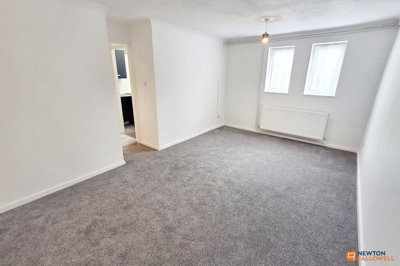
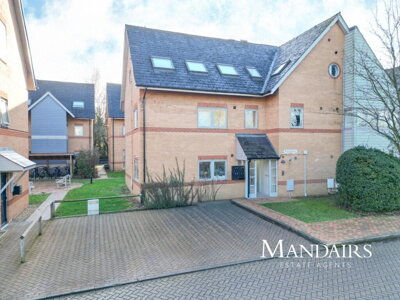
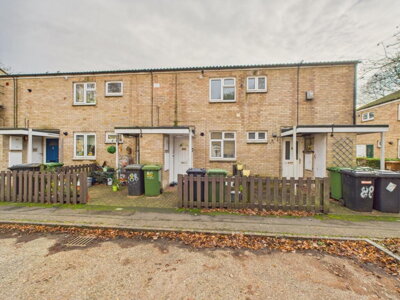
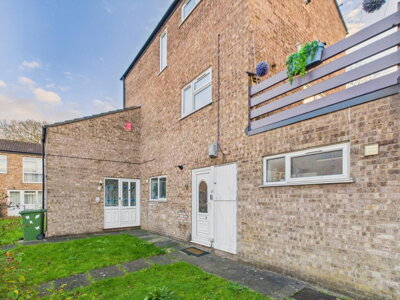
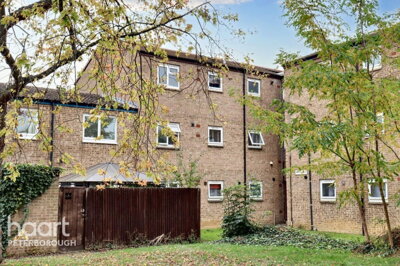
Browse 6 homes for sale in Castor, Peterborough from local estate agents.
The 2 bed flat sector typically includes two separate bedrooms, dedicated living areas, and bathroom facilities. Properties in Castor span purpose-built blocks, converted period houses, and modern apartment complexes on various floors.
£0k
0
0
0
Source: home.co.uk
Showing 0 results for 2 Bedroom Flats for sale in Castor, Peterborough.
Castor's property market has kept moving steadily, with house prices up by 6.3% over the past twelve months according to homedata.co.uk data. That kind of growth speaks to the pull of village life without losing access to day-to-day convenience. Detached homes still make up most transactions here, and recent sales data puts the median for that type at £771,667. Across the PE5 postcode area, which includes Castor and nearby villages, there were 48 property transactions over the last three years, so the market is active, but not overheated.
Castor's housing mix mirrors its history and rural setting. Semi-detached homes usually reach a median of £325,000, giving families and first-time buyers a more accessible way into the village. Terraced properties, from old workers cottages to period homes, have sold at a median of £300,000, while detached houses, often on generous plots with rural views, average £771,667 over the past three years in the wider PE5 area. New build activity in Castor itself is still limited, with most development taking place in the broader Peterborough area, so character homes remain keenly sought after.
Being on Peterborough's edge gives Castor an unusual market rhythm, buyers get village character without giving up connection. Church Lane and Peterborough Road sit close to the historic core, while Manor Farm Lane offers newer detached houses in a planned residential setting. That spread suits different budgets and tastes, from people after Grade II listed homes to families who want modern practicality in a traditional place.

St Kyneburgha Church anchors Castor, and the village around it offers the sort of rural pace many buyers are looking for. There is a real sense of community here, with the village hall hosting events through the year and local pubs filling up for evening meals and Sunday lunches. Beyond that, the Cambridgeshire countryside opens up quickly, with footpaths through farmland and woodland for walks, cycling, and other outdoor time.
Much of Castor's built form reflects its age, with locally quarried limestone walls, Collyweston slate roofs, and lime mortars that have lasted for generations. The Old Smithy on Peterborough Road, a Grade II listed home believed to date from the 1500s, is a good example of the craft on show, with its thatched roof, inglenook fireplace, and thick stone walls. That sort of streetscape is hard to find elsewhere in the region. The River Nene runs close by too, which adds to the setting, although buyers still need to weigh up flood risk in certain spots.
Year-round activity is part of the picture, with seasonal events drawing people together at the village hall on St Kyneburgha Close. Walks through nearby farmland link Castor with Ailsworth and Bainton, and the Castor heritage trail gives a waymarked route through the area's geological and archaeological story. Peterborough city centre, with its shops, restaurants, and cultural venues, is reachable in approximately fifteen minutes by car, so moving from quiet village streets to city amenities is straightforward.

For families, Castor has education within easy reach from nursery age through to further education. Primary schools in surrounding villages and on the edge of Peterborough give local choice, and the city itself adds several well-regarded schools to the mix. Ofsted ratings and admission catchment areas can vary sharply across the PE5 postcode, so we always suggest checking the detail for the exact address. Many residents simply travel into Peterborough for primary schooling, using the short journey and the broader choice available there.
The surrounding Cambridgeshire villages also provide primary options, with schools in places such as Bainton and Castor often appealing to families who want smaller class sizes and closer community links. For those working within the Peterborough catchment, schools in Bretton and Werrington have established reputations for academic achievement and pupil welfare. The application process runs through Cambridgeshire County Council for some schools and Peterborough City Council for others, depending on the exact location, so we would check the relevant admission authority before a purchase is finalised.
Secondary schooling is covered by Peterborough schools and academies, which offer both academic and vocational routes. Families looking for grammar school education can also reach selective schools in the wider region with strong academic reputations. Peterborough adds further education through colleges and training providers for school leavers and adults who want to retrain or upskill. That mix keeps Castor attractive for households that want rural living and academic opportunity in the same move.

On the transport side, Castor has a useful edge for a village. The location is close to the A47, with links on to the A1(M) for journeys north and south. Peterborough city centre, with its amenities, shopping, and transport hubs, can be reached in approximately fifteen minutes by car, so commuting and weekend trips are both straightforward. The A15 also gives good access to towns and villages across Cambridgeshire and Lincolnshire.
Peterborough railway station is the main rail hub nearby, sitting on the East Coast Main Line and offering fast trains to London King's Cross in under fifty minutes, alongside direct services to Leeds, Newcastle, Edinburgh, and other northern cities. For people commuting to London, the 48 minutes to the capital makes a daily journey realistic. Regular services run through the day, with peak-time trains suited to office hours, and Cambridge is around 45 minutes away for those heading to the university city or its technology clusters.
For flights farther afield, Stansted Airport is reachable in approximately ninety minutes by car, with Luton Airport and Birmingham Airport giving extra options for longer trips. Bus services connect Castor with Peterborough city centre, so daily commuting or shopping does not have to mean using the car. The Stagecoach X4 route runs regularly between Peterborough and the surrounding villages, with a stop available for Castor residents. Cycling is also getting easier, with National Cycle Routes passing through the region and giving environmentally minded residents another way to travel.

Start by looking at current property listings in Castor and across the PE5 postcode area. Price trends, the types of homes available, and how long properties tend to stay on the market will give you a more grounded idea of what to expect. It is worth separating village-centre homes with historic character from newer developments on roads such as Manor Farm Lane.
Before arranging viewings, we recommend securing a mortgage agreement in principle from a lender. Sellers tend to see that as a sign that financing has already been considered, which can strengthen an offer in a competitive village setting. Castor's property values sit above the wider Peterborough area, so matching borrowing capacity to local prices matters before the search begins.
Viewings should be unhurried, especially with older homes. Castor's historic stock includes many listed buildings and period properties, so we would check construction materials, roof condition, damp, and any sign of structural movement with care. A walk around the surrounding streets also helps, because it shows proximity to amenities, road noise, and any flood risk close to the River Nene.
Once an offer is accepted, we would instruct a qualified surveyor to carry out a Level 2 Survey (formerly Homebuyer Report). That matters especially in Castor, where older homes, traditional construction, clay soil shrink-swell issues, and listed building considerations are all part of the picture. The Jurassic period limestone geology can also create foundation challenges, and a professional survey should pick up any concern before commitment.
A conveyancing solicitor should then take over the legal side, handling searches, contracts, and registration. Local conveyancers who know Cambridgeshire properties can move matters along efficiently while flagging area-specific issues such as conservation area restrictions or listed building obligations, both of which affect many Castor homes.
After the mortgage is finalised and the legal work is complete, it is time to arrange the move itself. On completion day, the keys are collected and life in Castor begins, in one of Cambridgeshire's most charming villages with a rich heritage and a welcoming community. Utility providers, local authorities, and service companies will need the new address, and anyone new to the area should also register with local healthcare services.
Castor asks buyers to think about two things in particular, its historic buildings and the local geology. The Jurassic period limestone and clay common to the Peterborough area can create shrink-swell conditions in clay soils, and that can affect the foundations of older homes. Period properties with shallower traditional foundations are the ones where subsidence risk needs the closest look, and a thorough survey will show up any movement or structural concern that may need work.
The conservation character of the village means many homes are listed buildings or sit within designated areas with planning restrictions. Those designations protect Castor's historic fabric, but they also bring obligations around maintenance, alterations, and permitted development rights. We would always ask for the listing description and any planning constraints before a purchase is committed to. Homes with thatched roofs or Collyweston slate need specialist maintenance and insurance, and the River Nene means flood risk should be checked in lower-lying parts of the village, with suitable insurance and flood resilience measures considered as part of the decision.
Older Castor properties often show the kind of defects that come with period construction, so buyers need a clear eye. Rising damp can affect solid-walled homes built before modern damp-proof courses, while timber-framed sections may show woodworm or fungal decay if maintenance has slipped. Electrical systems in historic houses often need full rewiring to meet current standards, because the original installations may no longer be safe. Roof coverings such as Collyweston slate or thatch call for specialist repair and upkeep, and insurance usually costs more than it does for a conventional modern home.

Recent homedata.co.uk data puts the average sold house price in Castor at £603,889. Detached homes average £771,667, semi-detached properties sell for around £325,000, and terraced homes have reached median prices of £300,000. Prices have risen by 6.3% over the past twelve months, which shows sustained demand for village homes in this historic Cambridgeshire location. In the wider PE5 postcode area, covering Castor and neighbouring villages, the average property price stands at £553,000 according to homedata.co.uk.
For council tax, properties in Castor fall under Peterborough City Council. Bands run from A through to H, depending on value and type. Historic and period homes, including many listed buildings, often sit in the middle bands, although the exact band should be checked through the local authority or the government council tax valuation website when a specific property is under consideration. We would also check the Peterborough City Council rates for the current financial year before budgeting, since those charges feed into the ongoing cost of living in the village.
Families in Castor can access primary schools in nearby villages and across Peterborough, with several well-rated options within an easy commute. School choices include Bainton and the Werrington area of Peterborough, and parents can express preferences during the application process. Secondary education is available in Peterborough city, with grammar school options for academically selective pupils. Ofsted ratings and admission catchment areas matter here, and they can have a big effect on school placement. Castor to Peterborough takes around fifteen to twenty minutes by car, so that daily run is manageable, though it does need to be built into the routine.
Transport links are reasonable for a village of this size. Bus services connect Castor to Peterborough city centre, where mainline rail services are available, and the Stagecoach X4 route covers the surrounding area. From Peterborough station, direct trains to London King's Cross take under fifty minutes, while Leeds, Newcastle, and Edinburgh are all reached through the wider network. Road travel is straightforward too, with the A47 and links to the A1(M) opening up regional journeys beyond Cambridgeshire.
Castor has a few clear positives for investors. House prices have grown by 6.3% over the past year, and scarcity in this historic village helps support demand. New build development remains limited, so existing character properties hold their value, while Peterborough's proximity keeps interest high among buyers who want village living with city access. Listed buildings and conservation rules can curb development potential, but they also help protect values in this sought-after spot. The wider Peterborough housing market rose by 3.2% in the year to December 2025, pointing to continued momentum in the local sector.
Stamp Duty Land Tax applies to residential purchases in England, and the bands are fixed. For standard purchases, there is no SDLT on properties up to £250,000, then 5% applies to the portion between £250,001 and £925,000. First-time buyers get relief on properties up to £425,000, with 5% only on amounts between £425,001 and £625,000. Above £625,000, the standard rates apply whatever the buyer's status. On a typical Castor home at the village average of £603,889, standard SDLT comes out at approximately £17,694, while first-time buyers may qualify for relief that reduces the bill.
During viewings of period properties in Castor, we would look closely at stone walls and any cracking or bulging that could suggest structural movement. The condition of thatched roofs and Collyweston slate coverings also matters, since both need specialist maintenance and may show wear or damage. Damp in ground-floor rooms and basements should be checked carefully, especially where modern damp-proof courses are absent. The age of the electrical and plumbing systems should be established too, because older homes often need significant upgrades. For properties near the River Nene, flood resilience measures and any previous water ingress are well worth checking.
Many Castor homes are listed buildings or sit within a conservation area, so modifications and alterations can be restricted. Listed building consent is needed for works affecting the character or historic fabric of Grade I, Grade II*, or Grade II listed properties, both inside and out. Conservation area consent applies to external alterations in the designated area, including changes to windows, doors, roof materials, and boundaries. Permitted development rights may be narrower than in non-designated areas, so additions, extensions, and outbuildings may need planning permission. Before buying, we would check any existing permissions or enforcement notices and understand what they mean for the intended use of the property.
Budgeting for a purchase in Castor means looking beyond the headline price. For a typical home at the village average of £603,889, Stamp Duty Land Tax under standard rates would come to £17,694, with 5% charged on £353,889 above the £250,000 threshold. First-time buyers on properties under £425,000 may qualify for relief, which could reduce SDLT to £4,995. A financial adviser or mortgage broker can check the figures against individual circumstances and any exemption that may apply.
There are other buying costs to allow for as well. Solicitor fees for conveyancing usually sit somewhere between £500 and £1,500, depending on complexity and value. Survey costs matter in Castor because of the number of historic homes, with RICS Level 2 Surveys starting from around £350 for standard properties and rising for larger or more complex period houses. Search fees, title registration fees, and mortgage arrangement fees add more, so buyers usually need to budget an extra 2-3% of the purchase price for these expenses.
Ongoing costs in Castor can differ sharply from those for newer homes. Buildings insurance for period properties with thatched roofs or traditional construction can be much more expensive than standard cover, and specialist insurers are often needed. Limestone houses occupied for many years may also bring higher maintenance bills than modern equivalents, because traditional methods ask for more regular attention to roofs, gutters, and exterior joinery. Factor in removal costs, possible renovation spend on period homes, and recurring outgoings such as council tax, utilities, and building insurance, which can all be higher for older or listed properties. Speaking to a mortgage broker early in the process can help you understand borrowing power and have finance ready before committing to a purchase in this desirable Cambridgeshire village.

Properties for Sale In London

Properties for Sale In Plymouth

Properties for Sale In Liverpool

Properties for Sale In Glasgow

Properties for Sale In Sheffield

Properties for Sale In Edinburgh

Properties for Sale In Coventry

Properties for Sale In Bradford

Properties for Sale In Manchester

Properties for Sale In Birmingham

Properties for Sale In Bristol

Properties for Sale In Oxford

Properties for Sale In Leicester

Properties for Sale In Newcastle

Properties for Sale In Leeds

Properties for Sale In Southampton

Properties for Sale In Cardiff

Properties for Sale In Nottingham

Properties for Sale In Norwich

Properties for Sale In Brighton

Properties for Sale In Derby

Properties for Sale In Portsmouth

Properties for Sale In Northampton

Properties for Sale In Milton Keynes

Properties for Sale In Bournemouth

Properties for Sale In Bolton

Properties for Sale In Swansea

Properties for Sale In Swindon

Properties for Sale In Peterborough

Properties for Sale In Wolverhampton

Enter your details to see if this property is within your budget.
Loans, cards, car finance
Estimated property budget
Borrowing + deposit
You could borrow between
Typical borrowing
Monthly repayment
Est. at 4.5%
Loan-to-value
This is an estimate only. Your actual budget may vary depending on interest rates, credit history, and personal circumstances. For an accurate affordability assessment, speak to one of our free mortgage advisors.
This calculator provides estimates for illustrative purposes only and does not constitute financial advice. Your home may be repossessed if you do not keep up repayments on your mortgage. Estimates based on 4.5% interest rate, repayment mortgage. Actual rates depend on your circumstances.
Homemove is a trading name of HM Haus Group Ltd (Company No. 13873779, registered in England & Wales). Homemove Mortgages Ltd (Company No. 15947693) is an Appointed Representative of TMG Direct Limited, trading as TMG Mortgage Network, which is authorised and regulated by the Financial Conduct Authority (FRN 786245). Homemove Mortgages Ltd is entered on the FCA Register as an Appointed Representative (FRN 1022429). You can check registrations at NewRegister or by calling 0800 111 6768.

We use cookies to show you personalised content and improve your experience of our website. Find out more in our Privacy policy and Cookie policy.