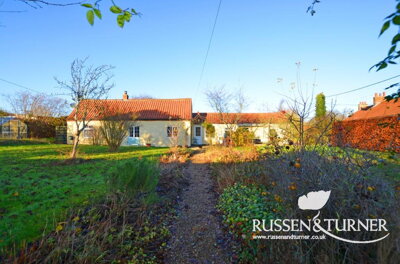
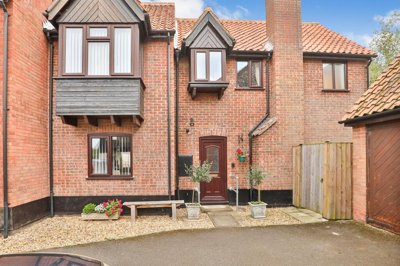
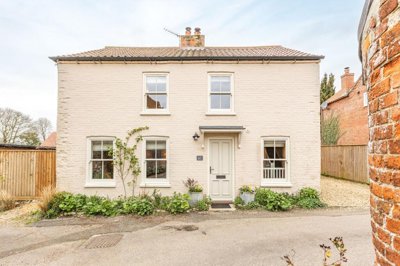
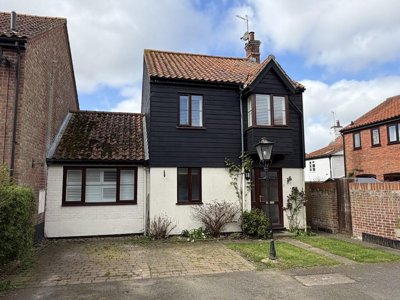
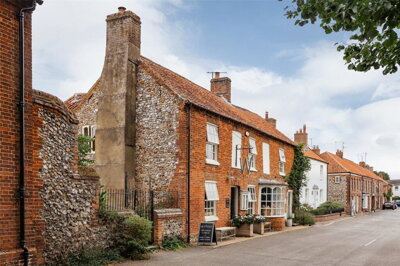
Browse 5 homes for sale in Castle Acre from local estate agents.
Three bedroom properties represent a significant portion of the Castle Acre housing market, offering space for families with multiple reception rooms and gardens in many cases. Browse detached, semi-detached, and terraced options ranging from period character homes to contemporary developments.
Castle Acre’s property market offers a broad spread of homes to suit different budgets and ways of living. Our data shows detached properties sit at the top end, with an average sale price of £637,500. Those larger family houses usually come with generous gardens and countryside views, which suits buyers who want room and privacy. Prices have also come back from the peak seen in 2022, when the village reached a high average of £619,750, so the premium end now feels more within reach than it did then.
Semi-detached homes make up the core of Castle Acre’s housing stock and account for most of the recent sales activity. They sold for an average price of £332,500, while current data shows a median of £525,000 across active listings. For first-time buyers and younger families, that mix often hits the sweet spot, with two bedrooms, a compact garden and the low-maintenance appeal that busy households tend to value. Terraced homes are there too, averaging £230,000, giving buyers on tighter budgets a clear route into the village.
Flat sales are thin on the ground, with the last recorded sale back in 2006 at £142,000, though the village does include smaller homes that may suit a more compact way of living. homedata.co.uk data points to a meaningful cooling over the past 12 months, with prices moving down. That correction, alongside Castle Acre’s character and the limited supply of homes, makes the market feel complicated but still interesting. Buyers here often lean towards period features, traditional construction and the quieter rhythm of village life rather than modern apartment living.
Prices in Castle Acre can differ sharply depending on the type of home, its condition and where it sits in the village. Detached houses close to the historic core, or those looking out towards the priory, tend to attract the strongest prices, while homes needing renovation are a more approachable way in. Our local market knowledge helps buyers work out which parts of the village represent good value, and which properties are likely to need money spent on modernisation or repair.

Castle Acre’s housing tells the story of centuries of building practice, with most homes made using methods and materials common to Norfolk’s historic villages. Brick and flint construction dominates the older stock, and that is a big part of the village’s Conservation Area character. Many of these solid-walled houses date from before 1919, and they were put together to last, using local Norfolk flint from the chalk bedrock and handmade bricks fired in nearby kilns. Knowing how they were built helps buyers understand both the charm and the upkeep they bring.
Across Castle Acre, roofs usually rely on timber rafters beneath clay tiles or slates, materials that have protected Norfolk homes for generations. Plenty of properties still have their original roof coverings, or early replacements, so buyers should look closely at condition and remaining lifespan before committing. Traditional brick and flint walls paired with timber roof structures give these homes real character, though they also call for regular maintenance to keep out water and limit movement. Our inspectors often pick up roof replacement needs in older village houses during survey work.
Older Castle Acre homes frequently need electrical upgrades before they match current standards or modern patterns of use. Anything built before the 1970s may still have fabric-covered cables or older consumer units, both of which merit proper inspection and, in some cases, replacement. Plumbing can also be a concern, especially where galvanised steel pipes or lead supply pipes remain in place, even if they still work. For anyone buying one of the village’s older houses, allowing for those possible costs is part of making a sensible offer.
Castle Acre gives off that classic English village feel, the sort of place many people imagine living in but very few actually manage. Its name comes from the medieval castle and priory that shape the landscape, so history is part of everyday life here rather than something kept at a distance. Much of the centre sits inside the Conservation Area, which helps preserve the Norfolk character and keeps new development in step with the existing streetscape. Walk around the village and you will see flint cottages, old manor houses and traditional brick homes, all evidence of long, uninterrupted occupation.
The village community in Castle Acre leans on shared events and neighbourly support, and that gives the place a genuine sense of togetherness. The village hall runs regular activities, from craft groups to workshops, while the local pub acts as a natural meeting point for social occasions and celebrations. Day-to-day essentials are close at hand, and for larger food shops or specialist purchases residents usually head to Swaffham or King’s Lynn, both within easy driving distance. Beyond the village edge, Norfolk’s countryside opens out into miles of footpaths through farmland and woodland, which keeps walking and cycling firmly on the agenda.
Castle Acre’s rural economy rests on agriculture, local services and the visitor spend drawn in by its historic sites. Castle Acre Priory and Castle Acre Castle bring people into the village all year round, which helps local businesses and supports the wider economy. A fair number of residents work from home or travel out to larger towns, enjoying the calm pace of village life while keeping their jobs elsewhere. Families and older couples are especially well represented, drawn by the community feel and the slower rhythm of rural Norfolk.
Just beyond the village, the Norfolk Brecks opens up another layer of outdoor life, with its mix of heathland, woodland and farmland. Local wildlife reserves and conservation areas give nature lovers plenty of chances to spot native species where they live. The seasons change the experience too, from spring wildflower walks to autumn harvest views that speak to the agricultural history of the surrounding countryside.

Families moving to Castle Acre will find schooling available both in the village and across the nearby area. Castle Acre Primary School serves the local community, taking children from reception through to Year 6. It has close links with village life and often plays a part in community events, which makes it an important institution for younger families. Parents should check current Ofsted ratings and admission arrangements directly with the school, as both can change and catchment areas may affect where a child is placed.
Secondary pupils usually travel to Swaffham or nearby villages for GCSE and A-Level study, so the wider market towns form part of everyday life for older children. Norfolk’s grammar school system also means some students may qualify for selective places if they meet the relevant entrance criteria. Parents should look at school performance data, exam results and travel arrangements before settling on an option, because the journey to secondary school becomes part of the household routine.
Colleges in King’s Lynn and Norwich give Castle Acre residents easy access to further and higher education, with both vocational and academic courses within reach. Many families value the primary school years in the village especially highly, because the small class sizes and close community atmosphere can support strong early development. Good schools within sensible travelling distance remain a major part of Castle Acre’s appeal, since the village mixes rural living with workable educational access. When planning a purchase, parents should also allow for the travel time and running costs of school runs to places outside the village.

Road links are the main transport strength here, and Castle Acre sits well within Norfolk’s rural but maintained highway network. The A1065 passes through the area, giving direct access north to Swaffham and south to Brandon. For longer trips, the A11 dual carriageway provides a quicker route towards Norwich and Cambridge, tying the village into major employment centres and international travel links. It is a useful balance, accessibility without losing the quiet isolation that defines rural Norfolk.
Public transport is modest, as you would expect from a small village, with bus services linking Castle Acre to nearby towns and villages. Timetables are limited compared with urban routes, so most residents treat car ownership as essential. Downham Market and Ely are the nearest railway stations, with services on to Cambridge, London and the wider national network. From those stations, London Liverpool Street is usually around 90 minutes to two hours away, so occasional commuting can work for those with flexible arrangements.
Norfolk suits cyclists and walkers well, thanks to a network of designated routes and country lanes that make active travel both practical and enjoyable. The flat terrain and open countryside are a big part of that appeal, and local journeys or leisure rides are easy to fit into daily life. Buyers thinking about Castle Acre should still weigh up their own transport needs, from commuting and school runs to access to healthcare. King’s Lynn and Norwich sit roughly equidistant from the village, so hospitals and major services are reachable, even if they are not on the doorstep.

Start with listings on home.co.uk and get a feel for Castle Acre’s price movements. With the median sitting around £525,000, the market ranges from terraced homes at £230,000 to detached properties at £637,500. It also helps to spend time in the village at different points of the day and talk to residents, so the atmosphere and practical realities become clearer. In the Conservation Area, older houses can carry more maintenance than newer builds, so the condition of each property matters.
Before viewing starts, we would recommend getting a mortgage agreement in principle from a lender. It shows estate agents and sellers that the finance is in place, which can strengthen a buyer’s hand in negotiations. Cash buyers still benefit from having everything organised, because it keeps the purchase moving more smoothly. At the current median price of around £525,000, mortgage lending is usually straightforward, although lenders will still look closely at the buyer’s circumstances and the property’s value and condition.
View more than one property, and do it across different types and price points so the comparisons are real rather than theoretical. Castle Acre’s stock runs from historic listed buildings in the Conservation Area to more recent semi-detached homes. Many properties are pre-1919, so it is worth taking time over condition. Damp, roof wear and the state of original features all matter, especially in older houses.
For older homes in particular, a RICS Level 2 Survey is a sensible next step before commitment. It can flag structural issues, damp concerns and repairs that may not show up during a viewing, which is especially useful in Castle Acre’s traditional brick and flint housing stock. Budget typically £400-900 depending on the property’s size and value, with the larger detached homes usually sitting towards the top of that range. Listed buildings may need specialist surveys as well.
Once the legal side begins, a conveyancing solicitor takes care of the searches, contract review and the back-and-forth with the seller’s side. That work keeps the transaction on track and helps avoid nasty surprises. In the Conservation Area, or with listed buildings, extra searches may be needed around planning restrictions and permitted development rights. A solicitor should also check for any covenants or restrictions that might limit how the property can be used or altered.
After the surveys, searches and legal checks come back satisfactorily, contracts are exchanged and the deposit is paid. Completion usually follows within weeks, and that is when the keys are handed over and ownership of the new Castle Acre home moves across. Removals costs, possible renovation work and any immediate maintenance should all be built into the move plan.
Buying in Castle Acre means thinking carefully about the realities of a historic Norfolk village. Homes inside the Conservation Area face planning restrictions on alterations and extensions, so buyers should check permitted development rights before they commit. Listed buildings bring extra duties too, with Listed Building Consent needed for most changes and maintenance standards that protect the historic fabric. Those rules can shape renovation budgets and future resale prospects, so the responsibilities need to be clear before the purchase goes ahead.
Much of Castle Acre’s housing stock is old enough to show the usual signs seen in older Norfolk homes. Brick, flint and timber make for beautiful period character, but they can also bring issues such as damp penetration, outdated electrics and solid walls that behave differently from modern construction. That is exactly where a thorough RICS Level 2 Survey earns its keep, because it can pick up problems missed at a standard viewing. Buyers should budget for improvement work and think about the cost of bringing a historic home up to modern living standards.
We did not find flood risk information that stood out specifically for Castle Acre, although surface water and river flooding can affect homes across Norfolk. Drainage and flood risk searches should still form part of conveyancing, especially where a property sits near a watercourse or in a lower-lying spot. Leasehold buyers also need to check service charges and ground rent, because those running costs can change the real affordability of a purchase. Freehold homes are the norm in the village, but tenure still needs to be checked carefully during the legal process.
Environmental factors in Castle Acre include its position away from the main flood risk zones, though each property still needs individual assessment for drainage and ground conditions. Norfolk geology means some places can suffer surface water pooling when rainfall is heavy, particularly in lower parts of the village. Our team can talk through the local issues that affect specific homes and parts of Castle Acre.

The average sold price for a property in Castle Acre over the last 12 months is £441,154, according to homedata.co.uk property data. PropertyResearch.uk reports a median price of £525,000 across active listings, which gives a fuller picture across different property types. home.co.uk shows an overall average of £441,154. Prices have eased sharply over the past year, opening the door a little wider for buyers across the market. The gap between average and median prices reflects the mix of homes sold, with higher-value detached properties likely pushing the average upwards.
Castle Acre sits within the King’s Lynn and West Norfolk Borough Council area. Council tax bands run from A through to H, although most traditional village homes are likely to fall in bands A to D because property values have historically been modest. Smaller terraced homes and semi-detached properties are often in bands A or B, while larger family houses may sit in bands C or D. Buyers should check the exact band either through the council’s online portal or during conveyancing, because it affects annual running costs and gives a useful clue to the home’s size and value.
Castle Acre Primary School serves the village and the surrounding area, educating children from reception through to Year 6. It sits at the centre of the community and offers the small class sizes and close-knit atmosphere many families look for when moving to a rural place. Secondary options across the wider area include schools in Swaffham and other nearby market towns. Some grammar schools may take Castle Acre pupils on the basis of catchment and exam results. Current Ofsted ratings, exam performance and transport arrangements all deserve a close look when families are weighing up their choices.
Public transport in Castle Acre is limited, which fits the village’s rural setting. Bus routes do link the village with nearby places such as Swaffham and Brandon, but frequencies are much lower than urban services and usually suit the occasional trip rather than daily commuting. Downham Market and Ely are the nearest railway stations, with onward links to Cambridge and London, and journeys to London Liverpool Street are generally between 90 minutes and two hours. Most residents depend on private cars for everyday travel, so driving is really part of normal life here. Those who work from home or keep flexible hours are likely to find the village more practical.
For property investors, Castle Acre has a few clear attractions, not least its Conservation Area status, limited new build supply and appealing village setting. The recent price correction, with values down 33.8% from the previous year, may create openings for those thinking medium to long term. That said, the village is small and its employment base is limited, so rental demand needs careful testing, as do likely yields. Homes needing renovation may offer scope for added value, while the village’s popularity with retirees and people seeking countryside living may support demand for smaller downsizing homes.
Stamp Duty Land Tax rates for 2024-25 are 0% on the first £250,000 of residential purchases, 5% on £250,001 to £925,000, 10% on £925,001 to £1.5 million, and 12% above £1.5 million. First-time buyers qualify for relief on the first £425,000, with 5% applied between £425,001 and £625,000. With Castle Acre’s median price around £525,000, many purchases sit mainly within the zero-rate threshold for standard purchasers.
Getting a grip on the full cost of a Castle Acre purchase helps buyers budget properly and avoid awkward financial surprises partway through the transaction. Stamp Duty Land Tax is the biggest government charge, although the good news for Castle Acre buyers is that the village’s relatively modest median price of £183,000 falls mainly within the zero-rate threshold for standard purchasers. At or near that median, buyers could pay no SDLT at all, leaving more money available for other purchase costs or work on the new home. The thresholds quoted apply to completions from 2024-25 onwards and may change after future fiscal events.
First-time buyers get stronger SDLT relief, with no tax due on the first £425,000 of the purchase price. That means someone buying a terraced home at the median price of £210,000, or even a semi-detached property at £299,000, would pay no stamp duty at all. The relief only applies where the buyer has never owned property anywhere in the world, and the Castle Acre home must be intended as the main residence. Anyone who has owned before, even if they have since sold up, may need to pay standard rates, so checking eligibility before setting the budget matters.
Beyond stamp duty, there are still solicitor’s conveyancing fees to factor in, usually between £500 and £1,500 depending on complexity and property value. Survey fees for a RICS Level 2 Survey start from around £350, although they can rise to £400-900 for larger or more complicated homes, especially the detached houses that sit at the higher end of Castle Acre’s price range. Search fees, Land Registry registration costs and bank transfer charges normally add another £200-400 to the total. Leasehold buyers should also check ground rent and service charges, while listed buildings or homes in the Conservation Area may need specialist surveys or extra planning advice, which increases the upfront cost but can prevent much bigger problems later on.

From 4.5% APR
Finding the right mortgage for a Castle Acre purchase
From £499
Expert legal services for your property purchase
From £350
Comprehensive survey for older properties
From £60
Energy performance certificate
Properties for Sale In London

Properties for Sale In Plymouth

Properties for Sale In Liverpool

Properties for Sale In Glasgow

Properties for Sale In Sheffield

Properties for Sale In Edinburgh

Properties for Sale In Coventry

Properties for Sale In Bradford

Properties for Sale In Manchester

Properties for Sale In Birmingham

Properties for Sale In Bristol

Properties for Sale In Oxford

Properties for Sale In Leicester

Properties for Sale In Newcastle

Properties for Sale In Leeds

Properties for Sale In Southampton

Properties for Sale In Cardiff

Properties for Sale In Nottingham

Properties for Sale In Norwich

Properties for Sale In Brighton

Properties for Sale In Derby

Properties for Sale In Portsmouth

Properties for Sale In Northampton

Properties for Sale In Milton Keynes

Properties for Sale In Bournemouth

Properties for Sale In Bolton

Properties for Sale In Swansea

Properties for Sale In Swindon

Properties for Sale In Peterborough

Properties for Sale In Wolverhampton

Enter your details to see if this property is within your budget.
Loans, cards, car finance
Estimated property budget
Borrowing + deposit
You could borrow between
Typical borrowing
Monthly repayment
Est. at 4.5%
Loan-to-value
This is an estimate only. Your actual budget may vary depending on interest rates, credit history, and personal circumstances. For an accurate affordability assessment, speak to one of our free mortgage advisors.
This calculator provides estimates for illustrative purposes only and does not constitute financial advice. Your home may be repossessed if you do not keep up repayments on your mortgage. Estimates based on 4.5% interest rate, repayment mortgage. Actual rates depend on your circumstances.
Homemove is a trading name of HM Haus Group Ltd (Company No. 13873779, registered in England & Wales). Homemove Mortgages Ltd (Company No. 15947693) is an Appointed Representative of TMG Direct Limited, trading as TMG Mortgage Network, which is authorised and regulated by the Financial Conduct Authority (FRN 786245). Homemove Mortgages Ltd is entered on the FCA Register as an Appointed Representative (FRN 1022429). You can check registrations at NewRegister or by calling 0800 111 6768.

We use cookies to show you personalised content and improve your experience of our website. Find out more in our Privacy policy and Cookie policy.