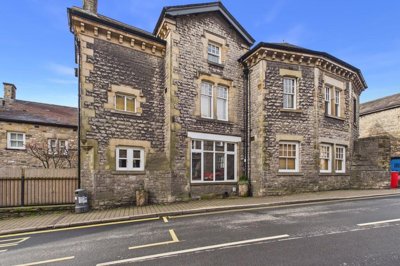
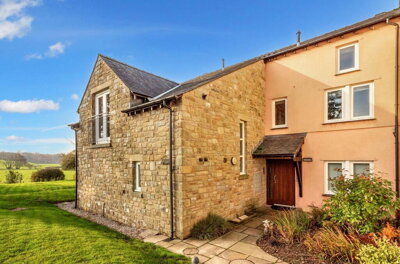
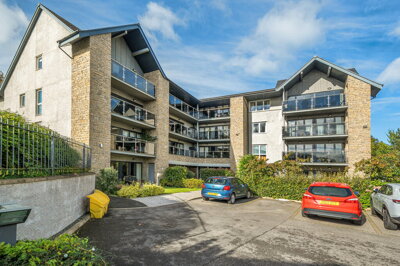
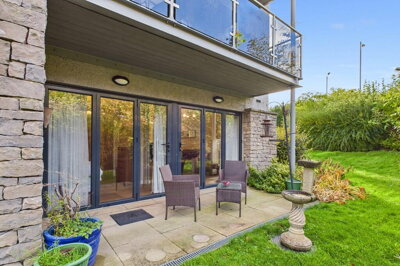
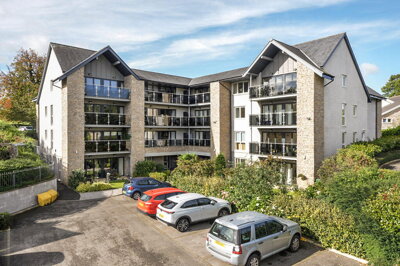
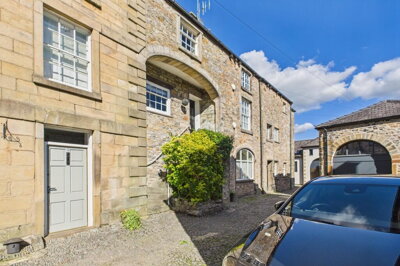
Browse 6 homes for sale in Casterton, Westmorland and Furness from local estate agents.
One bed apartments provide a separate bedroom alongside distinct living space, bathroom, and kitchen areas. Properties in Casterton are available in various building types including mansion blocks, contemporary developments, and house conversions.
£0k
0
0
0
Source: home.co.uk
Showing 0 results for 1 Bedroom Flats for sale in Casterton, Westmorland and Furness.
Casterton’s market covers a broad spread of homes, so buyers are not all looking at the same kind of property or the same budget. Detached houses sit at the top end, with recent sales averaging £1,195,000, a level that reflects the premium for space, privacy and, in many cases, historic character. In practice, these homes often come with generous gardens, multiple reception rooms and traditional Cumbrian stone construction, all of which continue to attract buyers who want authenticity as well as quality. Supply is tight in this sought-after valley setting too, which helps explain why chances to buy a good detached home here do not come up often.
At a lower entry point, semi-detached homes sit at around £290,000, while terraced houses have sold for approximately £367,500. That gives first-time buyers and growing families a more realistic route into village life without stepping straight into the highest price brackets. We also see the semi-detached part of the market generating the most transactions, which points to solid demand at this level despite wider uncertainty. Terraced stock has its own pull, particularly where buyers want character features without the upkeep that can come with a larger period house.
Over the past year, Casterton has seen a marked correction. Overall house prices are down 19% on the previous year and sit 24% below the 2004 peak of £704,667. For buyers, that may open up better value than the market offered in earlier conditions. Even so, we would still advise careful due diligence and the right survey before committing, especially in a village where many homes are older and full of character. Lower prices and lasting demand do not cancel out the need to look closely.
There is not much new build activity within Casterton itself, although nearby towns in the LA6 postcode area do offer newer housing for buyers who prefer modern construction and stronger energy efficiency standards. One current example of the sort of distinctive home that does appear here is the Grade II Listed contemporary barn conversion at Skirden Barn. Homes like this bring their own considerations during a purchase. They often pair traditional exterior character with modern interior specification, which is a combination many buyers find appealing.

Life here is shaped by a quiet pace and a strong sense of community, two reasons Casterton has long been seen as a desirable Lune Valley village. Its position beside the River Lune gives residents access to riverside walks and open views across the valley, and the surrounding Cumbrian countryside adds plenty more for anyone who enjoys hiking, cycling or wildlife observation. The parish recorded a population of 425 in the 2011 census, with estimates suggesting it had settled at around 383 by 2024, so the village has kept the close-knit feel that many newcomers value. Village hall events, local activities and informal social ties all help people get to know one another.
Casterton’s heritage is hard to miss. Listed buildings appear across the parish and do a great deal to define its character. Casterton Hall is Grade II*, and the Church of Holy Trinity, Bee Nest Farmhouse and Casterton Old Hall are among the Grade II listed buildings that shape the area’s architectural identity. There are also limekilns, milestones and historic farm buildings woven into the parish landscape, keeping traditional Cumbrian architecture prominent throughout the residential parts of the village. For buyers, that richness is a real draw, but it also means many homes need to be approached with listed status firmly in mind.
Set in the Lune Valley, the village is well placed for some of England’s most striking countryside. The Yorkshire Dales lie to the east, the Lake District is comfortably reachable to the west, and residents are close to well-used walking routes, scenic drives and the cultural attractions that make Cumbria such a popular county for rural living. The setting changes sharply with the seasons too, from spring meadows and summer walks by the river to autumn colour and winter views of the surrounding fells. It never feels flat.
For day-to-day life, the village covers the basics, and the nearby M6 makes the bigger practicalities much easier. Kirkby Lonsdale and Lancaster are the obvious places for broader retail, services, healthcare and entertainment, which is why Casterton works well for people who want rural calm without cutting themselves off from urban convenience. Journeys are manageable, with Kendal taking approximately 25 minutes and Lancaster or Morecambe around 30-40 minutes. That rhythm suits plenty of households, out for what they need, then back to village life.

Accessibility is one of Casterton’s stronger points for a rural village. It sits approximately 5 miles from Junction 36 of the M6 motorway, giving direct access north and south, including towards Manchester and Carlisle. For buyers who work in larger centres but want to live in the countryside, that matters. We also find the M6 through Cumbria is often less congested than motorway routes serving bigger metropolitan areas, which can make journey times more reliable. By car, Manchester is typically around 90 minutes away, and Carlisle is approximately one hour to the north.
Public transport is not absent here either. Local bus services link Casterton with surrounding towns and villages in the Lune Valley, and rail connections are available from nearby stations on the West Coast Main Line with services to London, Glasgow, Birmingham and other major destinations. Oxenholme, approximately 20 miles north of Casterton, offers direct Virgin Trains services to London Euston in around 2 hours 45 minutes, while Lancaster adds further links across the north and into Scotland. For professionals making only occasional office trips to places such as Manchester or Leeds, those station connections can make the arrangement workable.
Road links around Casterton do more than support commuting. They also make the village a practical base for getting into the Yorkshire Dales to the east and the Lake District to the west. The A65 is the key alternative route towards Leeds and the Dales, while routes towards Morecambe and Arnside give a different direction for day trips and weekends. On regular journeys, Lancaster or Morecambe are usually around 30-40 minutes by car, and Kendal is approximately 25 minutes away. That mix of countryside appeal and usable connections is central to how many buyers weigh Casterton up.

Buying in Casterton calls for attention to the details that come with rural Cumbria and with older housing stock. A high proportion of homes are older properties, many listed, so traditional materials and construction methods are common throughout the village. We would usually recommend a thorough survey that looks closely at issues often found in period homes, including damp penetration, roof condition, timber decay and the state of traditional features that add charm but may need regular upkeep. In a place with this much heritage and this many older buildings, a professional inspection can be particularly useful for uncovering defects before exchange.
Listed status affects a good number of properties across Casterton parish, and that can restrict alterations, extensions and even some apparently minor cosmetic changes. Casterton Hall, several farmhouses and a number of barn conversions are among the homes where listed building consent may be needed from the local planning authority before any work that could affect historic character is carried out. We always suggest allowing for specialist survey costs and taking time to understand what listed building consent means in practical terms before buying here. Our inspectors regularly assess historic properties across Cumbria and can report on traditional features, as well as flag works that may need listed building consent.
Energy efficiency is another point that deserves proper attention, especially in Casterton’s period housing. Older buildings are rarely insulated to modern standards, so while they can be full of charm and often feel very solid, buyers still need to look at heating costs, double-glazing and the scope for future improvement. Solid stone walls behave differently from cavity-walled construction, and our surveyors check for draughts, single-glazed windows and weak loft insulation that could affect comfort and running costs. The River Lune is close by too, so flood risk should not be overlooked, although property-specific flood zone information needs to be checked with the Environment Agency and the local authority before any purchase completes.
Older homes in Casterton can also be affected by movement and settlement, particularly where traditional foundations have responded to changes in the ground over time. We examine walls, floors and door frames carefully for cracking, distortion and other signs that may point to subsidence, heave or continuing structural movement. Given the local geology and the age of much of the stock, finding this out before purchase is important, not just for peace of mind but for pricing and negotiations. We also inspect drainage arrangements, which in rural properties may involve private septic tanks or treatment systems rather than mains sewerage.

We make it easier to start with what is actually on the market in Casterton through Homemove’s search tool. Alongside current listings, it helps to review recent sale prices for similar homes so you can judge where the market sits and whether your budget fits this Lune Valley village. The average property price is £535,625, and detached homes average £1,195,000, so the gap between property types is wide enough that early price research can save time.
Before arranging viewings, we recommend speaking to lenders or brokers and securing a mortgage agreement in principle. It puts you in a stronger position when you make an offer and shows sellers that you are ready to proceed. In Casterton, where values range from terraced homes around £367,500 to detached properties above £1 million, getting mortgage advice matched to your own budget is a sensible step early on.
Once you have narrowed the search, visit the properties that fit your requirements and look closely at construction, condition and any listed building issues. We suggest taking notes and photographs so you can compare homes properly afterwards and keep track of anything that may need specialist advice. In Casterton’s period stock, damp, roof condition and the upkeep of traditional features are all worth close attention during a viewing.
For a conventional property in reasonable condition, a Level 2 survey is often the right choice. It gives a clear view of structural condition, highlights defects and includes repair advice with cost implications where needed. Our inspectors survey homes across Cumbria regularly and know the construction methods commonly used in the local stock. Where a property is older, listed or built in an unusual way, a Level 3 survey is often more suitable.
Legal work matters just as much as the survey, so you will need a conveyancing solicitor to deal with searches, contracts and registration of ownership. We would always want that solicitor to be familiar with rural property and listed buildings if those issues apply to the purchase. As part of the process, they will carry out local authority searches, drainage and water searches, and environmental searches to uncover anything that could affect the transaction.
After searches are back, finance is confirmed and everything is in order, the next step is to exchange contracts and pay the deposit. Completion can then follow within days or weeks, depending on how the parties have arranged matters, and that is when the keys to the new Casterton home are handed over. Buildings insurance needs to be in place from the completion date because the mortgage lender will want proof of cover before funds are released.
Over the past year, the average house price in Casterton is £535,625 according to homedata.co.uk. Broken down by type, detached properties average £1,195,000, semi-detached properties around £290,000 and terraced properties approximately £367,500. The market is 19% down year-on-year and 24% below the 2004 peak of £704,667, which may present opportunities for buyers looking in this sought-after Lune Valley village. home.co.uk also recorded 78 property sales in Casterton over the past twelve months, showing that activity has continued despite wider national shifts.
Administratively, Casterton now falls within Westmorland and Furness Council following the 2023 local government reorganisation that replaced the former South Lakeland District Council. Council tax bands run from A to H according to property value, and many traditional Cumbrian homes in the village are likely to sit somewhere between A and D based on typical local values. Even so, we would want buyers to confirm the exact band directly with the local authority during their checks, because it affects both the upfront sums they may be considering and the long-term running costs of the home.
Schooling is not centred within the parish itself, as Casterton is a small village with limited education provision on its own doorstep. Families generally travel to nearby places for primary schooling, commonly in Kirkby Lonsdale or Lancaster, while secondary options include Dallam School in Milnthorpe, which serves the surrounding rural area and has strong academic records. The nearness of the M6 also widens the choice, giving access to a reasonable range of OFSTED-rated good and outstanding schools within daily travelling distance, including primary schools across the Lune Valley and secondary schools in Cumbria and Lancashire.
Transport links are better than many buyers expect from a village setting. Local bus services connect Casterton with nearby towns and villages in the Lune Valley, although frequency is usually more limited than in urban areas. By road, the village is approximately 5 miles from Junction 36 of the M6 motorway, which gives strong north-south access between Scotland and England. Rail travel is available from West Coast Main Line stations, with Lancaster and Oxenholme both within approximately 30-40 minutes' drive and regular services onwards to Manchester, London, Glasgow and other major cities.
For investment buyers, Casterton does have a few notable strengths. The Lune Valley setting is picturesque, the heritage profile is strong with numerous listed buildings, and links to the M6 and the West Coast Main Line make the area easier to reach than some rural locations. Limited new build supply may also help support demand from buyers who want village living in this part of Cumbria. That said, the small population and modest market size can constrain rental demand, so we would look carefully at likely yield and vacancy rates before committing. Renovation projects may still appeal where the budget and timescale are realistic.
Stamp Duty Land Tax rates from April 2024 are 0% on the first £250,000 of the purchase price, 5% on the portion from £250,001 to £925,000, 10% from £925,001 to £1.5 million, and 12% above £1.5 million. First-time buyers get relief on the first £425,000, with 5% payable from £425,001 to £625,000. On a typical Casterton purchase at the average value of £535,625, the SDLT bill would be £14,281 for a standard buyer and £5,531 for a first-time buyer. A further 3% surcharge applies where the property is being bought as a buy-to-let or second home.
Listed buildings are a major part of Casterton’s identity, and the concentration is notable. Casterton Hall is Grade II*, while the Church of Holy Trinity, Bee Nest Farmhouse, Casterton Old Hall and a barn to the west of Bee Nest Farmhouse are among the Grade II listed buildings and structures in the parish. Grade II listing means a property is of special interest and protected accordingly, so alterations need consent from the local planning authority’s conservation team. Limekilns, milestones and other historic structures are listed as well, adding to the historic character across the parish. Buyers should allow for higher survey costs where specialist expertise is needed and remember that renovation or extension work needs approval before it starts.
In Casterton, a professional survey is not a formality. It is one of the key parts of buying well, especially given the large number of older buildings built with traditional materials and methods. Our inspectors look for the issues we commonly find in period property here, including damp penetration through solid walls, defects in traditional slate roofs, timber decay in structural elements and wear or damage to original features such as fireplaces, staircases and flooring. A good survey gives a detailed picture of condition, likely repair costs and any urgent works, which helps buyers make a properly informed decision and, where appropriate, renegotiate on price.
Competitive rates available for Casterton property purchases
From 4.5%
Expert legal services for your Casterton home purchase
From £499
Comprehensive inspection for conventional properties
From £350
Energy performance certificate for your new home
From £80
Budgeting properly for a purchase in Casterton means looking beyond the agreed price. Stamp Duty Land Tax depends on the amount you pay, whether first-time buyer relief applies and whether you already own another residential property. At the average Casterton price of £535,625, a standard buyer purchasing a main residence would pay 0% on £250,000, which is nil, and then 5% on the remaining £285,625, giving a total SDLT figure of £14,281. It is a substantial outgoing and should be planned for alongside the deposit, survey fees and legal costs.
First-time buyers at the Casterton average price have a lower SDLT bill because nothing is charged on the first £425,000 and 5% applies only to the remaining £110,625, producing tax of £5,531. Buyers of buy-to-let properties or additional residential homes pay the standard rates plus a 3% surcharge across all bands, which on a £535,625 purchase would add £16,069 to the SDLT total. Higher-value transactions move up again once they pass £925,000, so a purchase at the detached average of £1,195,000 would mean SDLT of £47,181 for a standard buyer and £57,069 for an additional property purchase.
There are other costs to plan for as well. Solicitor conveyancing fees will often range from £500 to £1,500 depending on complexity, survey fees tend to fall between £400 and £1,000 for the appropriate inspection, and the fee for registering the transfer of ownership is often around £300 to £500. Searches from the local authority, water authority and drainage provider usually come to £200-400 in total, while mortgage arrangement fees differ widely from lender to lender. We also advise allowing for surveyor fees that reflect the property itself, because larger and higher-value detached homes generally take more time to inspect than terraced houses.
Moving to Casterton can bring its own set of practical costs, including removals, utility connection charges and, in some cases, temporary storage while dates between properties are being coordinated. After the move, there are ongoing outgoings to keep in mind too, such as council tax, with bands varying by property, broadband in a rural area where service may be less extensive than in towns, and heating fuel for older homes that can be more energy-hungry. Buildings Insurance must start from the completion date because lenders require it before releasing mortgage funds. We would also budget for any immediate repairs or renovation work picked up during the survey.

Properties for Sale In London

Properties for Sale In Plymouth

Properties for Sale In Liverpool

Properties for Sale In Glasgow

Properties for Sale In Sheffield

Properties for Sale In Edinburgh

Properties for Sale In Coventry

Properties for Sale In Bradford

Properties for Sale In Manchester

Properties for Sale In Birmingham

Properties for Sale In Bristol

Properties for Sale In Oxford

Properties for Sale In Leicester

Properties for Sale In Newcastle

Properties for Sale In Leeds

Properties for Sale In Southampton

Properties for Sale In Cardiff

Properties for Sale In Nottingham

Properties for Sale In Norwich

Properties for Sale In Brighton

Properties for Sale In Derby

Properties for Sale In Portsmouth

Properties for Sale In Northampton

Properties for Sale In Milton Keynes

Properties for Sale In Bournemouth

Properties for Sale In Bolton

Properties for Sale In Swansea

Properties for Sale In Swindon

Properties for Sale In Peterborough

Properties for Sale In Wolverhampton

Enter your details to see if this property is within your budget.
Loans, cards, car finance
Estimated property budget
Borrowing + deposit
You could borrow between
Typical borrowing
Monthly repayment
Est. at 4.5%
Loan-to-value
This is an estimate only. Your actual budget may vary depending on interest rates, credit history, and personal circumstances. For an accurate affordability assessment, speak to one of our free mortgage advisors.
This calculator provides estimates for illustrative purposes only and does not constitute financial advice. Your home may be repossessed if you do not keep up repayments on your mortgage. Estimates based on 4.5% interest rate, repayment mortgage. Actual rates depend on your circumstances.
Homemove is a trading name of HM Haus Group Ltd (Company No. 13873779, registered in England & Wales). Homemove Mortgages Ltd (Company No. 15947693) is an Appointed Representative of TMG Direct Limited, trading as TMG Mortgage Network, which is authorised and regulated by the Financial Conduct Authority (FRN 786245). Homemove Mortgages Ltd is entered on the FCA Register as an Appointed Representative (FRN 1022429). You can check registrations at NewRegister or by calling 0800 111 6768.

We use cookies to show you personalised content and improve your experience of our website. Find out more in our Privacy policy and Cookie policy.