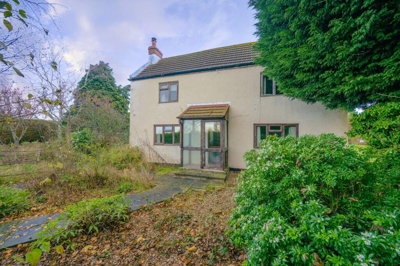
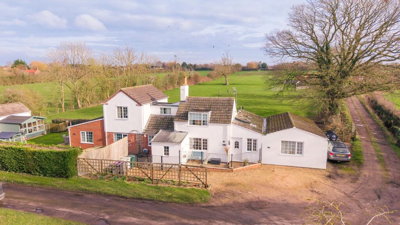
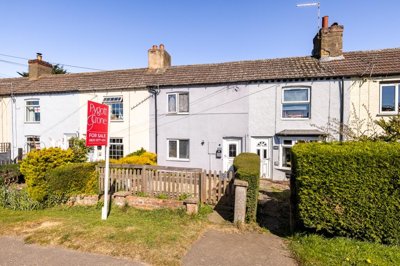
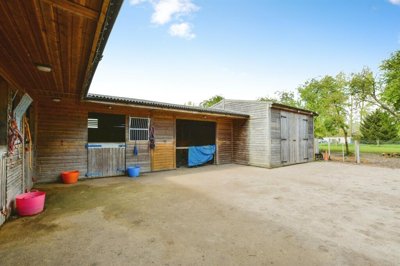
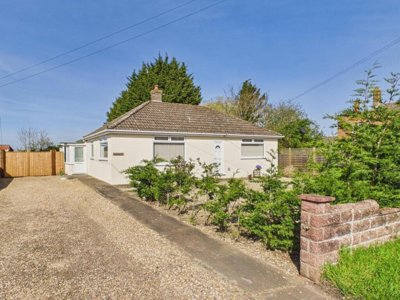
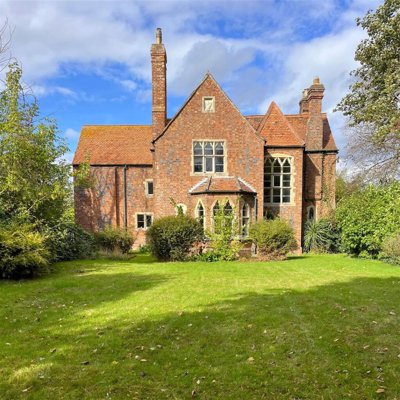
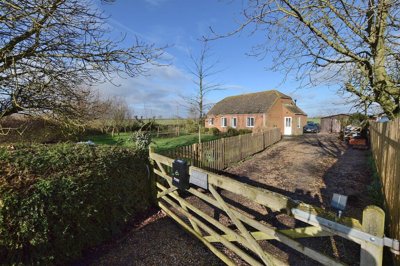
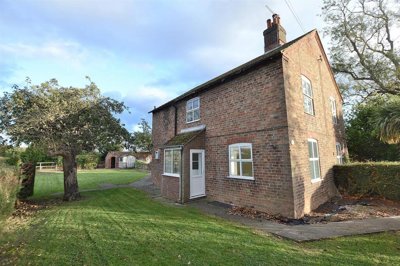
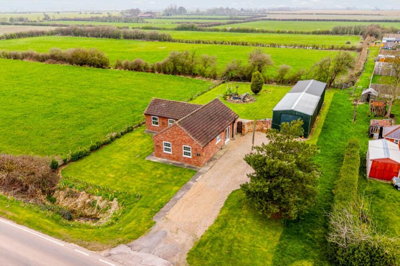
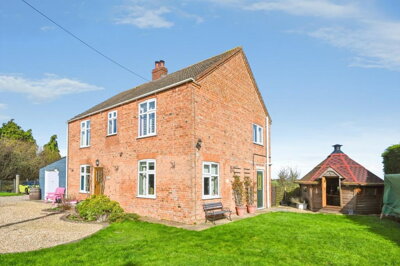
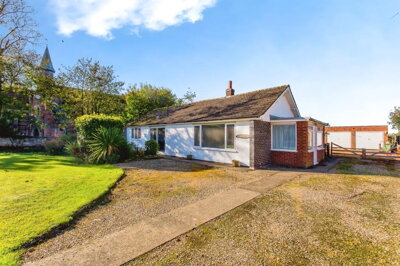
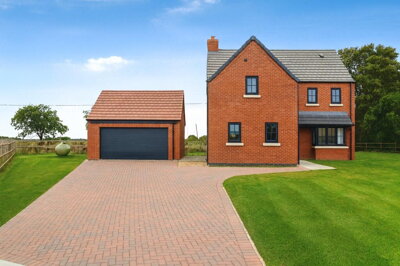
Browse 12 homes for sale in Carrington, East Lindsey from local estate agents.
The Carrington property market offers detached, semi-detached, and terraced houses spanning various price ranges and neighbourhoods. Each listing includes detailed property information, photographs, and direct contact with the marketing agent.
£175k
3
0
32
Source: home.co.uk
Showing 3 results for Houses for sale in Carrington, East Lindsey. The median asking price is £175,000.
Source: home.co.uk
Detached
1 listings
Avg £525,000
Semi-Detached
1 listings
Avg £175,000
Terraced
1 listings
Avg £120,000
Source: home.co.uk
Source: home.co.uk
Carrington, and the wider East Lindsey patch, gives buyers a broad spread of property types and price points. Around the village, the stock is mostly traditional stone and brick cottages, detached family houses, and semi-detached homes that nod to the area’s agricultural past. Detached homes and character cottages often draw interest from people after period features and decent outdoor space, while the village as a whole tends to offer solid value for money. Older homes that need some updating sit alongside newer builds with a more contemporary feel.
Set within East Lindsey, the local market stays steady because many buyers want a rural way of life, and prices shift quite a bit depending on how near a home is to the coast, its condition, and whether it comes with land. Carrington is well placed for day-to-day life too, with Louth approximately 10 miles away, Horncastle approximately 12 miles away, and Skegness around 15 miles away on the coast. Those towns add shopping, healthcare, and education options that sit neatly alongside village living. Across Lincolnshire, buyers from around the UK still come looking for something less costly than many urban markets.

Quiet country living sums up Carrington well. Open fields, winding lanes, and a close community give the village its feel, while the name itself is shared with other Carringtons across England. This East Lindsey version has a character of its own, shaped by farming land and the architecture that comes with it. Red brick homes with pantile or slate roofs are common here, and people can enjoy the rural setting without being cut off from larger towns and their jobs or services.
Beyond the village, East Lindsey stretches from the rolling hills of the Lincolnshire Wolds, a designated Area of Outstanding Natural Beauty, to the North Sea coast. That means Carrington residents have walking routes, cycling, and outdoor space close by without having to travel far. There is also plenty of local history in the district, from medieval churches and manor houses to the grounds of Gunby Hall. In villages like Carrington, parish councils, village halls, and local gatherings often hold community life together through the year. The slower pace and lower cost of living make the area appealing to families and retirees alike.
Day-to-day essentials are available in Carrington, while larger shopping trips, meals out, and leisure time usually mean a visit to one of the nearby market towns. The road network is decent for a rural area too, with the A16 and A158 giving access to Louth, Horncastle, and the coastal resorts. Space is part of the appeal. So is the feeling of being close to nature, with many homes having generous gardens and views over farmland. Buyers who work from home, or who commute only now and then, often find that the quiet and affordability more than make up for the lack of frequent public transport.
For families, schooling is mainly found in the nearby market towns, where primary and secondary schools serve Carrington and the surrounding villages. Younger children usually attend village primaries or schools in the nearest towns, covering Reception through to Year 6. Catchment areas and school performance are worth checking carefully before buying, because admissions often favour children living within set zones. Smaller village primaries can be a real plus, with closer links between teachers, pupils, and families.
At secondary level, East Lindsey offers a number of schools in places such as Louth, Horncastle, and Spilsby, with GCSE and A-Level routes for Carrington pupils and those from nearby villages. Performance varies from school to school, so current Ofsted reports and attainment tables should be part of the decision-making process for families planning a move. Some parents also look to independent schools or further education colleges in larger Lincolnshire towns, especially where vocational or academic options for older students matter.
For post-16 study, colleges in Lincoln, Grimsby, and Boston provide vocational courses, apprenticeships, and academic qualifications. The Lincolnshire Wolds also supports agricultural and countryside management courses, which suit the rural feel of the area. Families moving to Carrington should think carefully about school transport, because many secondary pupils travel by bus to nearby towns. That travel time needs to be built into everyday routines and after-school plans.
Roads do most of the heavy lifting here. Carrington sits within East Lindsey’s rural network, with the A16 acting as the main north-south route through the area, passing Louth and heading towards Grimsby and Boston. The A158 runs east-west between Horncastle and Skegness, giving access to the resorts that stay busy through the year. Being between those routes gives Carrington sensible access to the main roads without bringing heavy traffic into the village itself.
Bus services are the main public transport option for Carrington residents, although they are much thinner on the ground than services in town. Routes through the area tend to run less often, with hourly or two-hourly services linking villages to market towns. Railway stations are found further out, in places such as Grantham, Lincoln, and Boston, where the national rail network can be picked up. Anyone commuting regularly to Nottingham, Lincoln, or Sheffield will usually need a car for at least part of the trip.
A car makes life easier for most people here, especially those travelling to nearby places like Louth or Horncastle, where off-peak journeys are usually straightforward. Even so, rural roads need care, particularly in winter when visibility drops and lanes feel narrower. Cycling is common for shorter trips, helped by Lincolnshire’s flat landscape. For flights, Humberside Airport is the nearest major option, with some seasonal services, while East Midlands Airport and Robin Hood Airport (Doncaster Sheffield) offer a wider choice for international travel. Many residents mix remote working with occasional journeys to regional centres, which suits the balance Carrington strikes between peace and connectivity.
Buying in Carrington means looking closely at issues that are common in rural Lincolnshire and across the East Lindsey housing market. Property ages vary a lot, and many cottages and farmhouses have stood for generations. During viewings, we would pay close attention to any thatched roof where relevant, the condition of the damp-proof course, and the standard of electrics and plumbing, which may need updating. If a home sits in a conservation area, there may also be limits on alterations and improvements that could shape future plans.
In a village setting like Carrington, flood risk, drainage, and access to services do not always look the same as they do in a town. The village is not in a coastal flood zone, but it is still sensible to ask about local drainage patterns and any history of flooding nearby. Homes with private drainage, such as septic tanks or cesspools, bring their own maintenance and ongoing costs. Land and larger gardens can be a strong selling point, though they also mean fencing, landscaping, and general upkeep, all of which need budgeting for.
Energy performance varies sharply across rural Lincolnshire housing, and older cottages are often the ones most affected by heat loss, especially where there are single-glazed windows and solid walls without cavity insulation. Many buyers set aside money for improvements so that older houses come closer to modern standards, and a proper survey is a sensible move. A Level 2 survey, formerly homebuyer report, will assess the property’s condition and flag issues before purchase. In Carrington, where older homes are common, surveys often pick up roofing problems, dampness, and structural movement, all of which may feed into offer negotiations.

Before you make an offer, spend time in Carrington and the surrounding East Lindsey villages at different times of day and on different days of the week. Stop by the local amenities, talk to residents, and look at recent sales so you can get a feel for the market. Road conditions, how easy services are to spot, and the general tone of the neighbourhood all matter when you are visiting.
A mortgage agreement in principle is worth sorting out before you start viewing homes. It shows sellers and estate agents that the finance side is already in hand, which can put your offer in a stronger position. When you are working out the budget, remember SDLT, solicitor fees, and survey costs as well as the purchase price.
Search for homes in Carrington on Homemove and set up alerts so new listings do not slip past you. Local estate agents who know the village and the surrounding area well can be invaluable. It also helps to view a mix of properties, including those needing some modernisation and homes that are ready to move into, so you can see the full spread of what is on offer.
Once you have found a property that fits, arrange a viewing and, if your offer is accepted, instruct a RICS Level 2 survey so the condition can be checked and any matters needing attention can be identified. For older homes, or places that are non-standard in construction, a more detailed Level 3 building survey may suit better.
We would also appoint a conveyancing solicitor to deal with the legal side of the purchase, from searches and contracts to registering the property in your name. It helps if the solicitor knows rural homes and understands the extra points that often come with village purchases.
Once the searches are back and the mortgage funds are in place, contracts are exchanged and a completion date is set. On completion day, the remaining money changes hands and the keys to your new Carrington home are handed over.
Stamp Duty Land Tax (SDLT) applies to all property purchases in England, and the 2024-25 rates are set by purchase price. For residential property, there is no SDLT on the first £250,000 of the price. After that, the bands rise, with 5% on the portion from £250,001 to £925,000, 10% on the portion from £925,001 to £1,500,000, and 12% on anything above £1,500,000. Those thresholds apply to standard residential purchases, so buyers should work out the likely SDLT bill before setting their budget.
First-time buyers get a higher SDLT threshold, with no tax due on the first £425,000 of the purchase. The 5% rate then applies to the portion between £425,001 and £625,000, and there is no first-time buyer relief for homes above £625,000. Properties in Lincolnshire, Carrington included, usually sit comfortably within the lower SDLT bands because the local market is more affordable than that of major cities. For first-time buyers, that can mean a significant saving and a welcome reduction in overall purchase costs.
Alongside SDLT, buyers need to budget for other costs too, including solicitor/conveyancing fees, usually £500-£1,500 depending on how complex the case is, survey costs for a RICS Level 2 survey, usually £390 and £750 depending on property size and value, mortgage arrangement fees, and removal costs. Search fees handled by solicitors normally cover local authority, drainage, and environmental searches, which can reveal useful information about the property and the wider area. We would also set aside a contingency of around 5-10% of the purchase price for any unexpected work or improvements after moving in.

Carrington and the surrounding East Lindsey district are generally more affordable than urban areas, which is reflected in local property prices. The village offers everything from traditional cottages to modern family homes, with prices often starting at around £175,000 for smaller properties and reaching £348,317 or more for larger detached homes with land. Across East Lindsey, the market is usually good value, with median prices well below the national average, so buyers often get more house for their money. That applies to older homes that need work as well as ready-to-live-in properties in decent condition.
For council tax, Carrington falls under East Lindsey District Council, with properties banded from A through to H depending on value. Most homes in the village sit in Bands A to C, which means lower annual charges than higher-band properties. Council tax in East Lindsey is still competitive next to many urban areas, so household running costs can stay manageable. It is still worth checking the exact band on any home you are considering, because that feeds into monthly outgoings alongside everything else.
Schooling for Carrington families is centred on primary schools in nearby villages and towns, with secondary schools in market towns such as Louth and Horncastle. The nearest primaries take children from Reception through to Year 6, and many of them offer smaller classes and close community links. Performance varies across East Lindsey, so current Ofsted ratings and exam results should be part of the research when choosing a school. Because the area is rural, school transport should be thought through as well, since secondary pupils may have to travel a fair distance by bus to schools in neighbouring towns.
Public transport in Carrington is limited, which is what you would expect in a rural village and across East Lindsey more broadly. Bus services do run through the village, but they are less frequent than in towns, often every hour or less through the day. Railway stations are some distance away in larger towns, with Grantham, Lincoln, and Boston offering links to the national rail network for longer journeys. For most residents who commute or need regular access to town-centre services, car ownership is effectively essential, though the A16 and A158 give reasonable road links.
Carrington and the wider East Lindsey area can also appeal to buyers looking at rental income or long-term growth. Prices remain more accessible than in many other parts of England, and there is demand from local workers, families, and people after holiday accommodation near the coast. The Lincolnshire Wolds and the Skegness coastline attract visitors all year, which can create opportunities for holiday lets in the right sort of property. Investors should still think carefully about limited public transport and take time to understand local rental demand before buying.
Most homes in Carrington sit in the lower SDLT bands because prices are generally more affordable here. Under the current relief scheme, first-time buyers paying up to £425,000 pay no SDLT at all, while standard buyers pay nothing on the first £250,000. A typical property priced at £267,475 would have no SDLT liability, while a £300,000 purchase would attract SDLT of £2,500 at current rates. Working out the exact SDLT based on the purchase price is a key part of budgeting so there are no surprises at completion.
From £390
A detailed property-condition inspection for conventional homes in Carrington
From £500
A full building survey for older or unusual properties
From £60
Energy performance certificate for your new home
From £499
Solicitors to handle your property purchase
From 4.5%
Competitive mortgage rates for Carrington buyers
Properties for Sale In London

Properties for Sale In Plymouth

Properties for Sale In Liverpool

Properties for Sale In Glasgow

Properties for Sale In Sheffield

Properties for Sale In Edinburgh

Properties for Sale In Coventry

Properties for Sale In Bradford

Properties for Sale In Manchester

Properties for Sale In Birmingham

Properties for Sale In Bristol

Properties for Sale In Oxford

Properties for Sale In Leicester

Properties for Sale In Newcastle

Properties for Sale In Leeds

Properties for Sale In Southampton

Properties for Sale In Cardiff

Properties for Sale In Nottingham

Properties for Sale In Norwich

Properties for Sale In Brighton

Properties for Sale In Derby

Properties for Sale In Portsmouth

Properties for Sale In Northampton

Properties for Sale In Milton Keynes

Properties for Sale In Bournemouth

Properties for Sale In Bolton

Properties for Sale In Swansea

Properties for Sale In Swindon

Properties for Sale In Peterborough

Properties for Sale In Wolverhampton

Enter your details to see if this property is within your budget.
Loans, cards, car finance
Estimated property budget
Borrowing + deposit
You could borrow between
Typical borrowing
Monthly repayment
Est. at 4.5%
Loan-to-value
This is an estimate only. Your actual budget may vary depending on interest rates, credit history, and personal circumstances. For an accurate affordability assessment, speak to one of our free mortgage advisors.
This calculator provides estimates for illustrative purposes only and does not constitute financial advice. Your home may be repossessed if you do not keep up repayments on your mortgage. Estimates based on 4.5% interest rate, repayment mortgage. Actual rates depend on your circumstances.
Homemove is a trading name of HM Haus Group Ltd (Company No. 13873779, registered in England & Wales). Homemove Mortgages Ltd (Company No. 15947693) is an Appointed Representative of TMG Direct Limited, trading as TMG Mortgage Network, which is authorised and regulated by the Financial Conduct Authority (FRN 786245). Homemove Mortgages Ltd is entered on the FCA Register as an Appointed Representative (FRN 1022429). You can check registrations at NewRegister or by calling 0800 111 6768.

We use cookies to show you personalised content and improve your experience of our website. Find out more in our Privacy policy and Cookie policy.