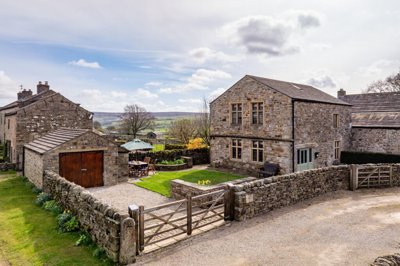
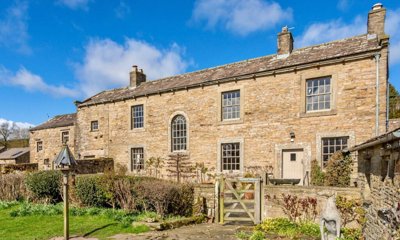
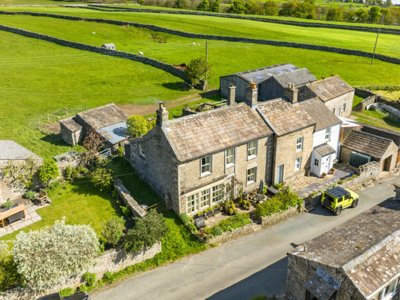
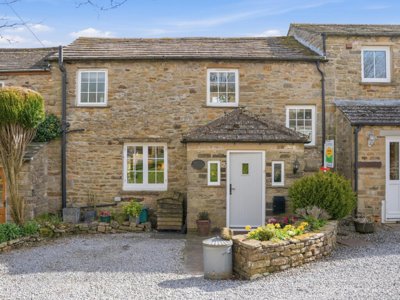
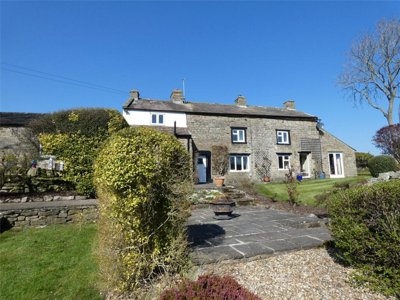
Browse 5 homes for sale in Carlton Town from local estate agents.
The Carlton Town property market offers detached, semi-detached, and terraced houses spanning various price ranges and neighbourhoods. Each listing includes detailed property information, photographs, and direct contact with the marketing agent.
Carlton's property market brings together older family housing and more recent schemes, mirroring the area's growth from inter-war and post-war building through to modern new build projects. Semi-detached homes make up approximately 39.5% of the local stock, so they are the standout option for buyers wanting decent living space and gardens. Terraced houses account for 27.2%, often giving a more affordable route in, while detached properties at 21.6% sit at the more spacious, private end of the market.
Recent pricing points to around 2% growth in Carlton over the past twelve months, with movement across every main property type. Detached homes have been especially strong, with an average of £347,026. Semi-detached properties sit at about £220,186, terraced homes usually change hands at £163,506, and flats and maisonettes, which make up 11.4% of the market, offer a lower entry point at approximately £109,726. Taken together, that steady rise speaks to Carlton's lasting appeal and how close it is to employment centres in Nottingham.
There is also notable new build activity nearby for buyers who want something more modern than Carlton's existing stock. Teal Close by Persimmon Homes, in Gedling off Stoke Lane, has two to five-bedroom homes priced from £219,995 to £409,995. David Wilson Homes' Rivendell scheme includes three and four-bedroom properties from £289,995 to £409,995, and Barratt Homes' Chase Farm in Mapperley adds further choice from £299,995 to £429,995. These sites sit in neighbouring areas rather than Carlton itself, but they remain easy for Carlton residents to reach and are popular with buyers looking for new construction.

Life in Carlton has the feel of a well-established suburb, with practical amenities close by and a residential setting that suits families, professionals, and retirees. Tree-lined roads, tidy gardens, and a real community spirit, seen in local events and neighbourhood projects, shape much of its character. Around 10,039 residents live here across 4,206 households, which gives Carlton a manageable scale without losing the conveniences people expect from a larger urban area.
Much of the local economy is tied to Carlton's closeness to Nottingham city centre. Residents can tap into a broad mix of employment, retail, and leisure across the wider Nottingham urban area, while healthcare, education, retail, and manufacturing remain the main employment sectors. Within Carlton itself, local businesses cover many of the day-to-day basics. It is no surprise that the area has become steadily more popular with commuters, helped by useful transport links and prices that compare favourably with central Nottingham.
The buildings in Carlton tell the story of how the area grew. Red brick homes and render finishes are typical of East Midlands architecture, and many houses from the inter-war and post-war years use traditional masonry construction, either solid brick walls or cavity wall construction depending on age. Older homes often have suspended timber ground floors, which can become prone to damp and rot where ventilation is poor. The Carlton Hill Conservation Area protects the distinct architectural and historic character of parts of the suburb, and listed buildings such as Carlton Hall and period churches add another layer of heritage value.

For families, Carlton offers education provision from nursery right through to further education. There are primary schools serving local catchment areas, and many schools across the wider Gedling borough hold positive Ofsted ratings. Catchments matter here, so we would always suggest checking the details for each school carefully before a move, as admissions policies can have a big effect on the options available. Good primary provision is one of the reasons Carlton continues to appeal to families putting down roots.
At secondary level, Carlton and the surrounding area offer comprehensive schools, and some families also look towards selective grammar schools in Nottinghamshire for academically inclined pupils. Schools nearby provide a mix of curricula and extracurricular activities, giving students preparation for further education and later careers. Sixth form study can be continued locally, while Nottingham's further education colleges open up extra vocational and academic routes for school leavers.
Higher education is easy to reach from Carlton because Nottingham is so close. The city is home to two major universities as well as other higher education institutions, which adds a longer-term draw for families thinking ahead about opportunities for their children. That access also influences the area's demographic mix, while student populations in nearby university districts help give the wider Nottingham region some of its energy.

Getting into Nottingham city centre from Carlton is generally straightforward. Regular bus services run through the area and give residents a dependable public transport option, particularly for anyone who would rather not drive or pay city centre parking charges. By road, Carlton is well placed for access to Nottingham's ring road and onward links to the wider motorway network, including the M1 motorway for regional journeys.
For rail travel, Nottingham station is the key hub, with links to London, Birmingham, Sheffield, and Leicester. East Midlands Railway runs frequent services to London St Pancras in around one hour forty minutes. From Carlton, the station can be reached by public transport or car, and there is parking for those who drive in. Commuters heading into Nottingham city centre have a practical choice between driving and parking or using public transport, and both can offer reasonable journey times.
Cyclists are reasonably well served too. Established routes connect Carlton with Nottingham city centre and nearby suburbs, and some residential roads are quieter, which can suit riders with less confidence in traffic. Across the wider Nottingham area, investment in cycling infrastructure in recent years has made active travel a more realistic option for shorter trips. Parking in Carlton is usually less of a headache than in more central locations, with many homes having off-street parking or driveways.

Different parts of Carlton can feel quite distinct, so it is worth comparing them carefully before you focus your search. We suggest weighing up access to schools, transport links, local amenities, and green spaces as you narrow things down. Our property listings set out the key details for each available home, making it easier to spot the properties that fit what you need.
A good early step is to get a mortgage agreement in principle from a lender before you start arranging viewings. It gives you a clearer idea of your budget and shows sellers that you are serious. We also find that comparing deals from several lenders can make a meaningful difference, potentially saving you thousands over the life of your loan.
Once a property catches your eye, book a viewing and give yourself enough time to look properly. We recommend paying close attention to the age of the building, the construction materials used, and any visible signs of maintenance problems while you are there. A standard viewing will only tell you so much, which is why a RICS Level 2 Survey can be useful for picking up defects that are easy to miss.
Much of Carlton's housing stock is over 50 years old, so we strongly advise a RICS Level 2 Survey for these properties. For a three-bedroom semi-detached home in Carlton, the usual cost is around £400 to £600. That survey can flag issues including damp, subsidence risk linked to clay soils, roof defects, and older electrics or plumbing.
After your offer has been accepted, the next step is to instruct a solicitor to deal with the legal side of the purchase. They will carry out searches, check the contract papers, and handle the transfer of ownership. We can also put you in touch with experienced conveyancing services familiar with Carlton and Nottinghamshire property transactions.
Once the searches are complete and any conditions attached to your mortgage offer have been dealt with, contracts are exchanged and your deposit is paid. Completion usually follows within a few weeks. That is the point when you collect the keys to your new Carlton home.
Buyers in Carlton should pay attention to the local ground conditions. The area sits over Mercia Mudstone geology, with notable clay deposits that bring a moderate to high subsidence risk because of shrink-swell behaviour, especially where there are mature trees and changing moisture levels. Homes close to large trees need careful assessment, and any cracking or signs of structural movement should be investigated thoroughly before a purchase goes ahead.
There is also Nottinghamshire's mining background to think about. Carlton itself is not directly on major coal seams, but the wider region's coal mining legacy means some homes may still fall within areas affected by past shallow mining. Historic mining can create ground instability and lead to subsidence, so we recommend a mining search during conveyancing. Where a property is flagged as potentially affected by mining risk, mortgage lenders may want a specialist assessment before they will approve finance.
River and sea flood risk in Carlton is generally low, but that does not rule out localised surface water flooding. It can occur in certain spots, particularly around drainage systems and in urban depressions. We would always check the flood risk assessment for any specific property, especially where there is a basement or ground floor accommodation. If a home sits in an area with higher surface water flood risk, insurance and drainage may need closer attention.
A large share of Carlton's homes dates from the inter-war and post-war years, so original wiring, plumbing, and insulation are common and may not meet current standards. A detailed survey can reveal older electrics that need rewiring, plumbing that is due for replacement, and insulation gaps that affect energy efficiency. We suggest allowing for those renovation costs in your budget if you are considering an older property. Homes in the Carlton Hill Conservation Area, and listed buildings, may also be subject to tighter rules on alterations and often call for a more specialist survey assessment.

Recent sales data puts the average house price in Carlton at approximately £228,883. Detached homes average around £347,026, semi-detached properties about £220,186, terraced houses roughly £163,506, and flats or maisonettes £109,726. Values have risen by approximately 2% over the past twelve months, pointing to a stable and growing market in this North Yorkshire suburb.
Across Carlton and the wider Gedling borough, buyers will find a solid spread of primary and secondary education options, with several schools holding positive Ofsted ratings. School performance data does change, sometimes quickly, so we recommend checking the latest Ofsted reports and performance tables as part of your research. For families considering selective education, Nottinghamshire grammar schools remain an option, with entry based on the 11-plus examination.
Public transport is one of Carlton's practical strengths. Regular bus services link the area with Nottingham city centre and neighbouring districts, while Nottingham railway station, reached by bus or car, gives access to direct services to London, Birmingham, Sheffield, and other major cities. Drivers are also well placed, with the M1 motorway within easy reach for regional travel.
Carlton has plenty going for it as an investment location. Its closeness to Nottingham, dependable transport links, and property price growth of approximately 2% annually all support that case. Housing demand remains fairly consistent, helped by commuters and families looking for a more affordable alternative to central Nottingham. Rental demand should also stay steady, given the area's amenities and good connectivity.
In council terms, Carlton comes under Gedling Borough Council. Council tax bands run from A to H, and most residential properties sit within bands A through D. The exact band depends on the assessed value of the individual property, and we recommend confirming it through the Gedling Borough Council website or through your solicitor during conveyancing.
Residential stamp duty land tax rates currently stand at 0% on the first £250,000, then 5% on £250,001 to £925,000, 10% on £925,001 to £1.5 million, and 12% on any amount above £1.5 million. First-time buyers have relief up to £625,000, paying 0% on the first £425,000 and 5% on £425,001 to £625,000. Your solicitor will work out the exact SDLT due for your transaction.
Because so much of Carlton's housing stock is older, certain defects come up again and again. Damp is a common one, including rising, penetrating, and condensation issues, and we also regularly see roof deterioration and subsidence linked to clay soils. Original electrics and plumbing can still be present in many homes, and timber problems such as rot and woodworm are not unusual, nor is inadequate insulation. A RICS Level 2 Survey helps identify these points before you commit to the purchase.
Mining risk is worth revisiting in Carlton. The area is not directly on major coal seams, but Nottinghamshire's wider mining history means some properties may still have been affected by past shallow mining activity. That sort of historic ground movement can cause subsidence, so we advise buyers to request a mining search report during conveyancing. If a property is identified as potentially affected, a specialist structural assessment may be needed before a mortgage is approved.
Carlton includes the Carlton Hill Conservation Area, which has been designated because of its special architectural and historic interest. Properties in this area, and listed buildings such as Carlton Hall, come with specific planning restrictions covering alterations and renovation work. In cases like these, a standard RICS Level 2 Survey may not go far enough, and a fuller RICS Level 3 Building Survey is often the better option.
From 4.5% APR
We help buyers compare competitive mortgage rates for a Carlton property purchase
From £499
We work with expert solicitors for your Carlton property transaction
From £400
Thorough property condition survey for Carlton homes
From £85
Energy performance certificate for your property
Buying in Carlton involves more than just the agreed purchase price, and stamp duty land tax is often one of the biggest extra costs. Standard rates are 0% on the first £250,000 of the price, 5% on the portion from £250,001 to £925,000, and 10% on the portion from £925,001 to £1.5 million. If the price goes above £1.5 million, the amount over that threshold is charged at 12%.
First-time buyers get SDLT relief, which lifts the 0% threshold to £425,000. In practice, that means 5% is only paid on the portion from £425,001 to £625,000, with standard rates applying above that band. The relief is available to first-time buyers purchasing their only or main residence, provided they meet the eligibility criteria. Once the purchase price exceeds £625,000, the relief falls away and no first-time buyer treatment applies.
There are several other costs to budget for as well. Solicitor conveyancing fees usually range from £500 to £1,500, depending on the value of the property and how complex the transaction is, and a RICS Level 2 Survey in Carlton is typically £400 to £600 for an average three-bedroom home. Larger or more complex properties can cost more to survey. Land registry fees, mortgage arrangement fees, and removal costs also form part of the usual buying-cost picture, and your solicitor should give you a clear breakdown of the expected expenses before you proceed.

Properties for Sale In London

Properties for Sale In Plymouth

Properties for Sale In Liverpool

Properties for Sale In Glasgow

Properties for Sale In Sheffield

Properties for Sale In Edinburgh

Properties for Sale In Coventry

Properties for Sale In Bradford

Properties for Sale In Manchester

Properties for Sale In Birmingham

Properties for Sale In Bristol

Properties for Sale In Oxford

Properties for Sale In Leicester

Properties for Sale In Newcastle

Properties for Sale In Leeds

Properties for Sale In Southampton

Properties for Sale In Cardiff

Properties for Sale In Nottingham

Properties for Sale In Norwich

Properties for Sale In Brighton

Properties for Sale In Derby

Properties for Sale In Portsmouth

Properties for Sale In Northampton

Properties for Sale In Milton Keynes

Properties for Sale In Bournemouth

Properties for Sale In Bolton

Properties for Sale In Swansea

Properties for Sale In Swindon

Properties for Sale In Peterborough

Properties for Sale In Wolverhampton

Enter your details to see if this property is within your budget.
Loans, cards, car finance
Estimated property budget
Borrowing + deposit
You could borrow between
Typical borrowing
Monthly repayment
Est. at 4.5%
Loan-to-value
This is an estimate only. Your actual budget may vary depending on interest rates, credit history, and personal circumstances. For an accurate affordability assessment, speak to one of our free mortgage advisors.
This calculator provides estimates for illustrative purposes only and does not constitute financial advice. Your home may be repossessed if you do not keep up repayments on your mortgage. Estimates based on 4.5% interest rate, repayment mortgage. Actual rates depend on your circumstances.
Homemove is a trading name of HM Haus Group Ltd (Company No. 13873779, registered in England & Wales). Homemove Mortgages Ltd (Company No. 15947693) is an Appointed Representative of TMG Direct Limited, trading as TMG Mortgage Network, which is authorised and regulated by the Financial Conduct Authority (FRN 786245). Homemove Mortgages Ltd is entered on the FCA Register as an Appointed Representative (FRN 1022429). You can check registrations at NewRegister or by calling 0800 111 6768.

We use cookies to show you personalised content and improve your experience of our website. Find out more in our Privacy policy and Cookie policy.