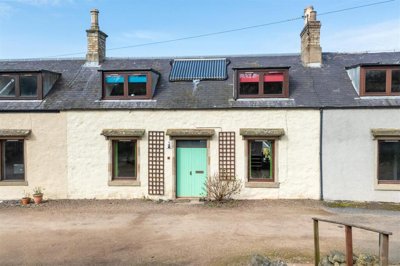
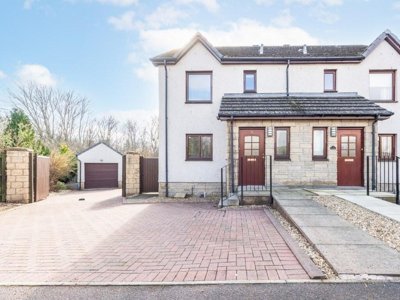
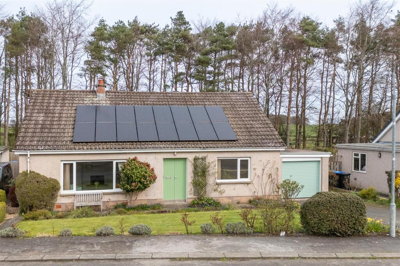
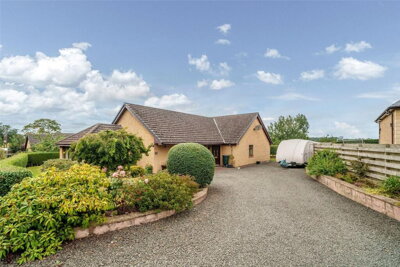
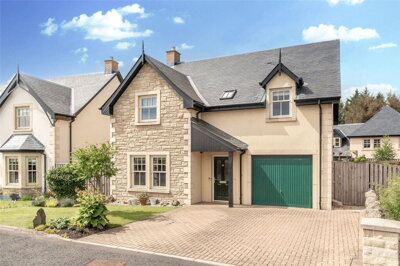
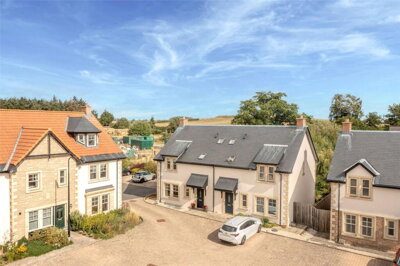
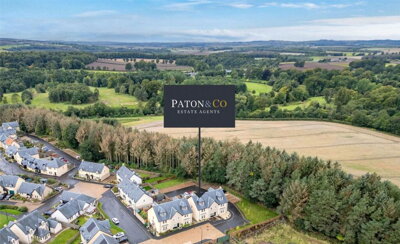
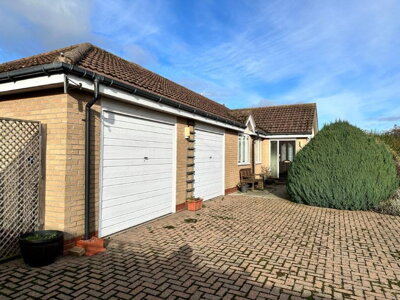
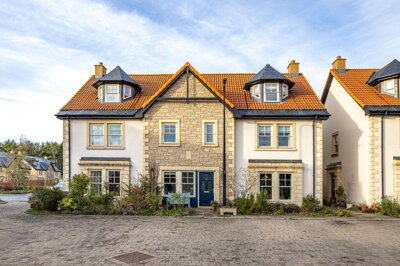
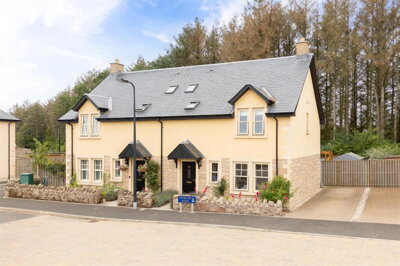
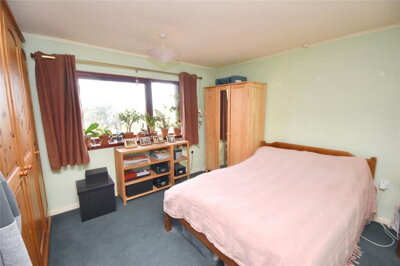
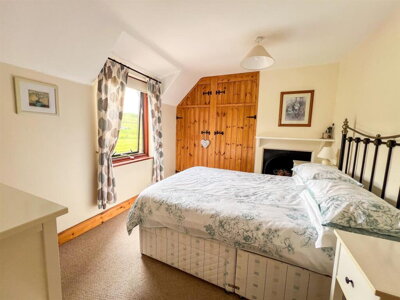
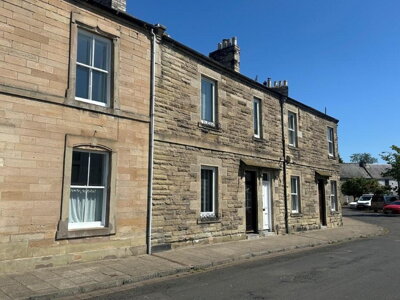
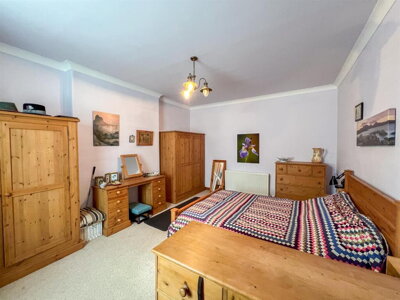
Browse 17 homes for sale in Carham, Northumberland from local estate agents.
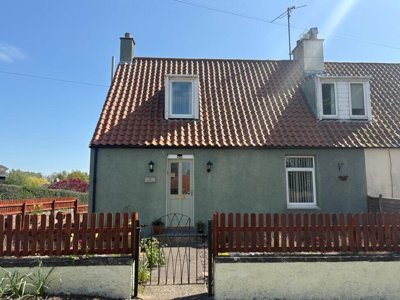
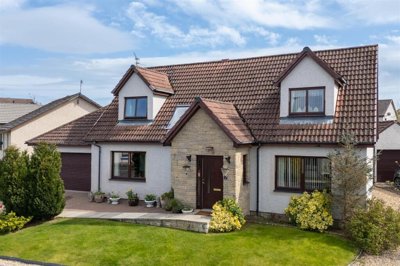
Three bedroom properties represent a significant portion of the Carham housing market, offering space for families with multiple reception rooms and gardens in many cases. Browse detached, semi-detached, and terraced options ranging from period character homes to contemporary developments.
£713k
2
0
141
Source: home.co.uk
Showing 2 results for 3 Bedroom Houses for sale in Carham, Northumberland. The median asking price is £712,500.
Source: home.co.uk
Detached
1 listings
Avg £1.30M
Terraced
1 listings
Avg £125,000
Source: home.co.uk
Source: home.co.uk
Carham’s property market has stayed buoyant over the past year, with sold prices averaging £182,500. That is a 12% rise on the previous year and 13% above the 2023 peak of £230,189, so demand remains solid in this sought-after border village. Detached homes still lead the market at an average of £240,000, which speaks to the value placed on space, privacy, and the stone-built character found across the village. Bigger houses tend to draw families and buyers after a rural way of life, with generous plots and countryside views.
Semi-detached homes in Carham averaged £182,500, which gives buyers a useful middle ground between room to breathe and a more manageable price. Terraced properties, including traditional border cottages with their distinctive stone facades and appealing details, sold for an average of £125,000 and remain the most affordable route into the local market. There are no large-scale new-build developments active in Carham, so buyers are usually looking at established homes with mature surroundings rather than recently built stock. Supply is tight too, and the village’s position on the English-Scottish border helps keep values supported and attracts interest from across the region.
Planning activity has been fairly limited, although recent applications have included retrospective permission for converting two barns at Carham Hall into residential dwellings. Projects like that show how traditional agricultural buildings in the Northumbrian countryside are being brought back into use, giving buyers the chance to pick up character homes with modern comforts. Because new residential development is scarce in Carham, demand for existing properties stays steady, and quality homes can still prompt competitive interest when they come to market.

Carham has the feel of a traditional Northumbrian village, with historic buildings and a quiet countryside setting that suits a slower pace of life. Its name comes from the old English word for "rock settlement", a nod to the local geology and the sandstone formations that have influenced local building for centuries. Carham Hall, a Grade II listed building originally rebuilt in 1870 in the mid-Victorian Tudor Revival style, is the village’s key heritage landmark. Close-jointed, coursed buff sandstone with pink sandstone ashlar dressings, plus a roof of Devonian flagstones or Westmorland slate, make it a fine example of the craftsmanship and materials that define the village.
St Cuthbert’s Church, another Grade II listed building, serves as the centre of village and parish life. Along the northern edge, the River Tweed forms the border with Scotland and gives Carham attractive walking routes into the wider Scottish Borders countryside. The village war memorial, also Grade II listed, is a moving reminder of local history and the village’s link to wider national events. With 159 households making up a close-knit community, Carham gives residents a chance to join in village life while still being well placed for everyday trips to nearby towns and services.
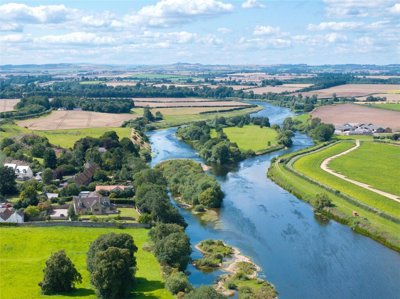
Rolling farmland, river valleys, and the backdrop of the Northumberland National Park to the south define the landscape around Carham. Walkers and outdoor enthusiasts are well served here, with footpaths crossing the farmland and leading on to nearby villages such as West Learmouth, where historic buildings include West Learmouth Cottages and Farmhouse. Scotland is close by, so residents can also reach the amenities of the Scottish Borders with ease, including Kelso and the historic town of Melrose, both within a short drive.

Families thinking about a move to Carham will find schooling within reasonable travelling distance, even though the village itself has no primary or secondary school. Primary places are usually taken in surrounding Northumberland villages and towns, with catchment areas deciding allocations by residence. Parents should speak directly to Northumberland County Council for the latest information on primary school admissions and catchment boundaries for Carham residents, because these can change and may depend on specific street addresses within the parish.
For secondary education, Carham families generally look to schools in nearby market towns that serve the wider rural area. Berwick-upon-Tweed, about 15 miles north of Carham, is a common choice and includes options through to sixth form. Faith-based schooling and independent education are also available in larger Northumberland towns, including Alnwick and Newcastle upon Tyne, while some families travel into the Scottish Borders because of the village’s proximity to Scotland. With such a small population, school transport is usually arranged by the local authority for pupils travelling beyond the village itself.
Older students have further and higher education options in places such as Berwick-upon-Tweed, Alnwick, and Newcastle upon Tyne. Newcastle University and Northumbria University are within reach for undergraduate study, and the region’s colleges offer a good range of vocational and further education courses. Anyone relocating to Carham from elsewhere should think carefully about the effect of longer school runs on family routines and build transport arrangements into their property plans.

Carham sits on the English-Scottish border, which gives it a rather unusual transport position, with access to road networks on both sides. The A698 runs through the village, linking it to Berwick-upon-Tweed to the north and giving routes into the Scottish Borders, including Kelso and Jedburgh. For journeys into England, the A1 trunk road is nearby and connects the area to Newcastle upon Tyne and Edinburgh, though reaching it from Carham means using local roads first. From this spot, residents can tap into the transport infrastructure of two countries, with Edinburgh approximately 60 miles north and Newcastle approximately 75 miles south.
Berwick-upon-Tweed has the nearest railway station, with direct services to Edinburgh Waverley and Newcastle Central, so commuting to either city is possible for those happy to travel. From Berwick, trains to Edinburgh take about 45 minutes, while Newcastle is around an hour away. Bus services in rural Northumberland do link Carham with nearby villages and towns, but the timetable is naturally much thinner than in urban areas. Anyone without a private car will need to look closely at bus times and journey lengths before setting out daily travel plans.
By road, Newcastle International Airport and Edinburgh Airport are both accessible, with Newcastle about 75 miles south of Carham and Edinburgh about 60 miles north. Edinburgh Airport has a broader spread of international flights, while Newcastle gives good links across the UK and into Europe. Cyclists can enjoy scenic routes through the border countryside, although the rural roads call for care because lighting is limited and farm traffic does appear. Parking in the village is usually straightforward because traffic volumes are low, but visitors to Carham Hall or St Cuthbert’s Church should note that parking facilities are limited.

We would begin by looking at current listings in Carham and getting a clear sense of local values. Detached homes average £240,000 and terraced properties sit around £125,000, so matching your budget against those figures should narrow the search quickly. It is also wise to research flood risk areas because of the River Tweed, and to get familiar with listed building rules, which affect many properties in the village. A drive through at different times of day can tell you quite a lot about traffic flow and the feel of the place before you book viewings.
Before viewings are booked, we always suggest speaking to a mortgage broker and getting an agreement in principle. That shows sellers you are serious and already have finance lined up. Carham’s prices vary from cottages to larger detached homes, so knowing your borrowing limit helps focus the search on homes that sit within budget. Rural mortgage specialists can be especially useful here, given the border setting and the number of older, traditional properties in the market.
Once you start visiting homes, look closely at condition, surroundings, and how near each place is to local amenities. A lot of Carham’s stock is older and built in traditional materials, so stone walls, roofs, and period features all deserve careful attention. It is also worth spending time in the village itself and chatting to potential neighbours, as that gives a better sense of daily life. In such a small place, local events, or a visit to the village pub if one exists, can be surprisingly informative.
Before you complete the purchase, our surveyors would usually recommend a RICS Level 2 survey to check the property’s condition. Many Carham homes are older, and some may date from before the mid-20th century, so an independent survey can pick up damp, roof issues, or structural concerns. Survey fees usually range from £400 to £1,000 depending on value and size. Where a property is listed, or built in a non-standard way, a RICS Level 3 Building Survey may be the better option because it looks in more detail at historic construction.
Once the offer is accepted, instruct a solicitor to deal with the legal side of the purchase. They will carry out searches, review the contract, and manage the transfer of ownership. Because Carham sits close to the Scottish border and has a number of listed buildings, it helps if your solicitor already knows rural property work and heritage matters. Searches will typically cover drainage and water authority checks, local land charges, and environmental searches, all of which can flag up issues affecting the property.
When the searches are back and the money is in place, contracts are exchanged and a completion date is agreed. On completion day, the remaining balance is transferred and the keys to your new Carham home are handed over. Your solicitor will then register the change of ownership with the Land Registry and settle any Stamp Duty Land Tax due. It is sensible to leave time for the practical bits afterwards, such as redirecting post, updating utility accounts, and getting to know the property’s maintenance needs.
Buying in Carham means thinking about a few area-specific issues that reflect the village’s location and character. Flood risk matters here because the village sits on the south bank of the River Tweed, which forms the border with Scotland. The riverside setting and views are a real draw, but buyers should check whether any specific property lies in a flood risk zone and think about the effect on insurance premiums and future saleability. The Environment Agency flood risk maps are a useful starting point, and a careful survey may also reveal earlier flooding or water damage that is not obvious at viewing.
Listed buildings are common in Carham, so many homes may come with special rules on alterations, extensions, and even routine maintenance. The village includes Carham Hall, St Cuthbert’s Church, the village war memorial, The Bastle, and properties in nearby West Learmouth, including the farmbuildings and cottages. If you are considering a Grade II listed property, remember that listed building consent may be needed for works that would not require planning permission on an unlisted home. That can shape what you can do later, so it is important to understand your plans and any restrictions before you commit.
Traditional sandstone homes are attractive, but they can ask for more upkeep than modern builds. The buff and pink sandstone, along with flagstone or slate roofs as seen at Carham Hall, shows the quality of local craftsmanship. Even so, buyers should allow for ongoing care, stone walls may need repointing, slate roofs may need individual tiles replaced, and period features can require specialist treatment. In a rural spot so close to the Scottish border, broadband and mobile phone coverage are also worth checking, as they may not be as dependable as in town.
It is also wise to check the condition of septic tanks and private drainage systems, because rural properties are not always linked to mains sewage. Many homes in Carham rely on private drainage, so buyers should arrange a drainage survey or at least ask for full details of the system’s maintenance and condition. Access roads and driveways should be looked at too, especially for any repair obligations, since winter weather and farm traffic can take a toll. Larger gardens or land bring extra maintenance, which should be built into the decision.

Over the past year, the average property price in Carham was £182,500. Detached homes sold for an average of £240,000, semi-detached properties for £182,500, and terraced homes for £125,000. The market has been strong, with prices up 12% year-on-year and 13% above the 2023 peak, which shows continued demand for homes in this appealing border village. With no new-build developments in the village, the homes on offer are existing properties with established character and mature gardens, and that adds to the premium attached to traditional stone-built houses in the area.
Northumberland County Council is the local authority for Carham properties. Council tax bands in Northumberland vary from home to home, and the exact band depends on value and characteristics as assessed by the Valuation Office Agency. You can check the band for any particular property on the Valuation Office Agency website or by speaking to Northumberland County Council directly. As a broad rule, smaller terraced cottages in Carham tend to sit in lower bands, while larger detached homes with substantial gardens are often in higher bands. Council tax helps fund local services such as education, social care, and road maintenance.
Carham is a small village, so it does not have its own primary or secondary school. Primary education is handled in surrounding villages and towns, with catchment area policies set by Northumberland County Council deciding placements. Secondary schools for the area are generally in nearby market towns, including Berwick-upon-Tweed, where schools offer education through to sixth form. Parents should ask the council for the latest catchment details, since boundaries can change. For families looking at faith schools or independent education, there are options in larger towns, including some across the border in the Scottish Borders, such as Melrose and Kelso.
Bus services connect Carham with surrounding areas, although frequencies are limited compared with urban routes and timetables may be reduced at weekends and during school holidays. The nearest railway station is in Berwick-upon-Tweed, with direct trains to Edinburgh Waverley and Newcastle Central. Road links are provided by the A698 to Berwick and into the Scottish Borders, while the A1 trunk road is accessible for travel to Newcastle upon Tyne and Edinburgh. For flights, Newcastle International Airport and Edinburgh Airport are both within road reach, at approximately 75 miles and 60 miles respectively.
Carham’s property market has shown steady growth, with prices rising 12% over the past year and sitting 13% above the previous peak. The village’s position on the English-Scottish border, along with its heritage homes and limited supply of properties, points to the possibility of further appreciation. Still, this is a small rural market and it is less liquid than an urban one, so buyers should think about long-term plans before investing. Listed buildings and traditional construction also bring maintenance costs, which need to be allowed for. Rental demand is likely to stay modest because the location is rural and local employment is limited, though the area could suit a countryside retreat or holiday let.
For standard residential purchases in England, Stamp Duty Land Tax is charged at 0% on the first £250,000, 5% on £250,001 to £925,000, 10% on £925,001 to £1.5 million, and 12% above £1.5 million. First-time buyers get enhanced relief on the first £425,000, then pay 5% between £425,001 and £625,000. With Carham’s average price at £182,500, most buyers paying around the average would have no SDLT to pay, although some higher-value detached homes nearing or exceeding £425,000 may attract a liability. Homes in higher council tax bands can also point to higher SDLT exposure if the value is proportionately greater.
Carham has several listed buildings, including Carham Hall, St Cuthbert’s Church, the village war memorial, The Bastle, which reflects traditional border architecture, and various farmbuildings and cottages across the wider parish. Grade II listed properties face restrictions on alterations and may need listed building consent for works such as extensions, changes to windows and doors, and even some maintenance jobs. That affects the extent to which you can extend, alter, or sometimes even maintain the property in ways that would be fine for an unlisted home. If a listed property is on your shortlist, the restrictions and the cost of specialist maintenance should be part of the decision.
Because Carham lies on the south bank of the River Tweed, some properties face a potential flood risk, especially those near the river or in lower-lying spots close to the watercourse. Check the Environment Agency flood risk maps for the exact property and think about the effect on insurance premiums and future saleability. Homes with gardens running down to the river bank, or those in mapped flood zones, need particular care. A full survey can reveal earlier flooding or water damage that might not show during a viewing, and buildings insurance should be arranged as early as possible once a purchase is agreed.
From 4.5%
Expert mortgage advice and competitive rates for Carham buyers
From £499
Specialist conveyancing solicitors for Carham property purchases
From £350
Comprehensive condition surveys for Carham homes
From £600
Detailed building surveys for older and listed properties
Knowing the full purchase costs in Carham is key to budgeting properly. For residential properties in England, Stamp Duty Land Tax is 0% on the first £250,000 of the purchase price, 5% on the slice between £250,001 and £925,000, 10% on the slice between £925,001 and £1.5 million, and 12% on any amount above £1.5 million. With Carham’s average price at £182,500, many buyers at or near that level would pay no SDLT at all, which makes the village an attractive entry point for first-time buyers and those buying modest family homes. Higher-value detached homes averaging £240,000 may still incur SDLT on any part of the price above £250,000.
First-time buyers benefit from enhanced relief, paying 0% on the first £425,000 and 5% on the portion between £425,001 and £625,000, with no relief above £625,000. That can cut costs quite sharply for first-time buyers purchasing homes up to £625,000, which covers most properties in Carham. Second home buyers and buy-to-let investors should note that a 3% SDLT surcharge applies on top of standard rates, which pushes the total liability up considerably for properties above £40,000. Beyond SDLT, buyers should also budget for solicitor fees, which usually start from around £499 for conveyancing on a standard purchase.
A RICS Level 2 survey usually costs about £400 to £600 depending on property value and size, with larger or more complex homes attracting higher fees. For traditional sandstone properties in Carham, including those of historical significance, a RICS Level 3 Building Survey may be a better choice at extra cost because it gives a more detailed assessment of construction and condition. Removal costs will vary depending on distance and the amount of belongings, while surveys and valuations add further items to the bill. Older homes may also need renovation or repair work, so it is sensible to allow for upgrades to insulation, wiring, or plumbing systems to bring them up to modern standards while keeping their character intact.

Properties for Sale In London

Properties for Sale In Plymouth

Properties for Sale In Liverpool

Properties for Sale In Glasgow

Properties for Sale In Sheffield

Properties for Sale In Edinburgh

Properties for Sale In Coventry

Properties for Sale In Bradford

Properties for Sale In Manchester

Properties for Sale In Birmingham

Properties for Sale In Bristol

Properties for Sale In Oxford

Properties for Sale In Leicester

Properties for Sale In Newcastle

Properties for Sale In Leeds

Properties for Sale In Southampton

Properties for Sale In Cardiff

Properties for Sale In Nottingham

Properties for Sale In Norwich

Properties for Sale In Brighton

Properties for Sale In Derby

Properties for Sale In Portsmouth

Properties for Sale In Northampton

Properties for Sale In Milton Keynes

Properties for Sale In Bournemouth

Properties for Sale In Bolton

Properties for Sale In Swansea

Properties for Sale In Swindon

Properties for Sale In Peterborough

Properties for Sale In Wolverhampton

Enter your details to see if this property is within your budget.
Loans, cards, car finance
Estimated property budget
Borrowing + deposit
You could borrow between
Typical borrowing
Monthly repayment
Est. at 4.5%
Loan-to-value
This is an estimate only. Your actual budget may vary depending on interest rates, credit history, and personal circumstances. For an accurate affordability assessment, speak to one of our free mortgage advisors.
This calculator provides estimates for illustrative purposes only and does not constitute financial advice. Your home may be repossessed if you do not keep up repayments on your mortgage. Estimates based on 4.5% interest rate, repayment mortgage. Actual rates depend on your circumstances.
Homemove is a trading name of HM Haus Group Ltd (Company No. 13873779, registered in England & Wales). Homemove Mortgages Ltd (Company No. 15947693) is an Appointed Representative of TMG Direct Limited, trading as TMG Mortgage Network, which is authorised and regulated by the Financial Conduct Authority (FRN 786245). Homemove Mortgages Ltd is entered on the FCA Register as an Appointed Representative (FRN 1022429). You can check registrations at NewRegister or by calling 0800 111 6768.

We use cookies to show you personalised content and improve your experience of our website. Find out more in our Privacy policy and Cookie policy.