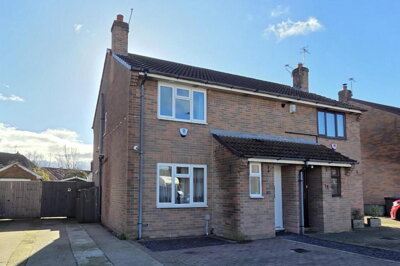
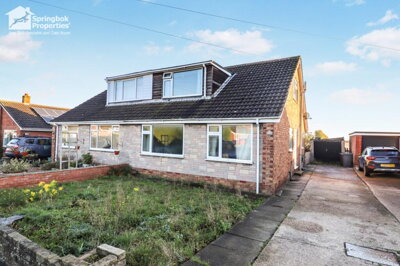
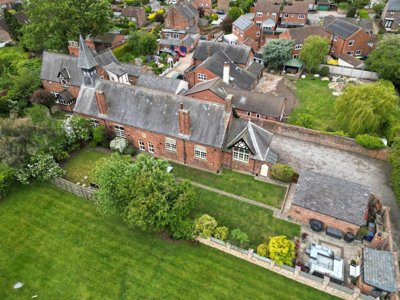
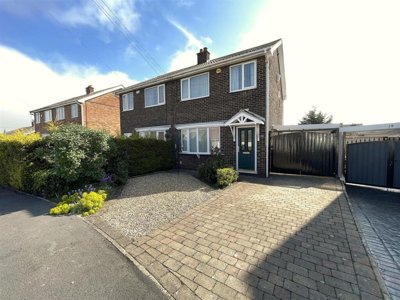
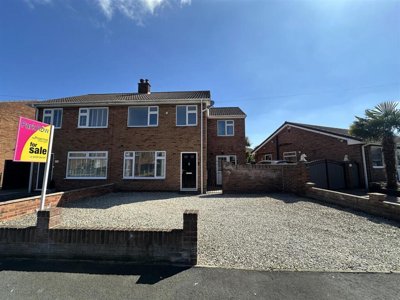
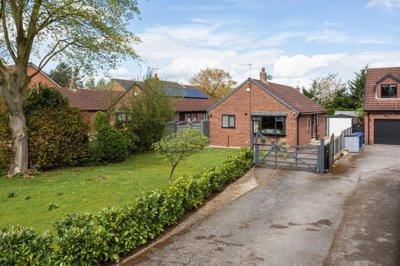
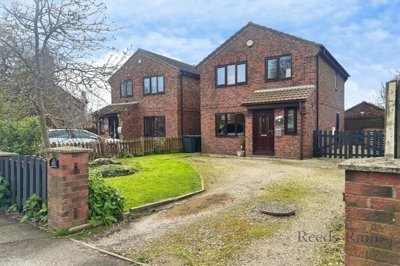
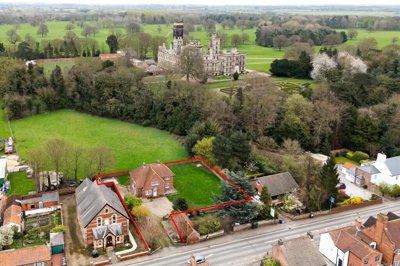
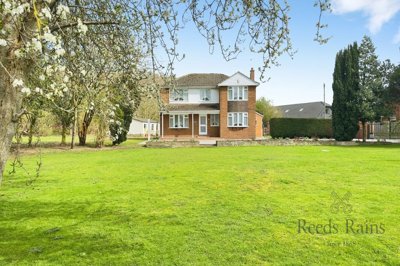
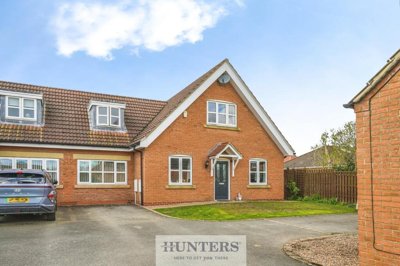
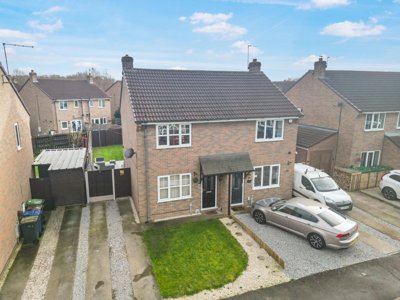
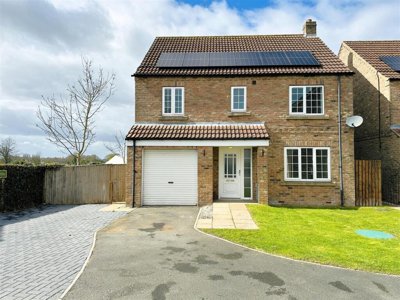
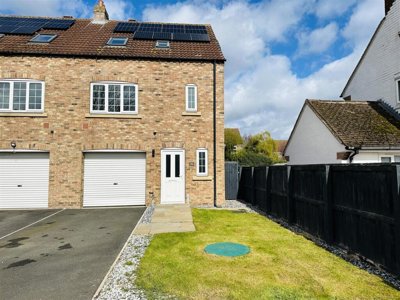
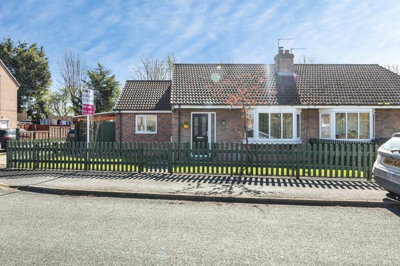
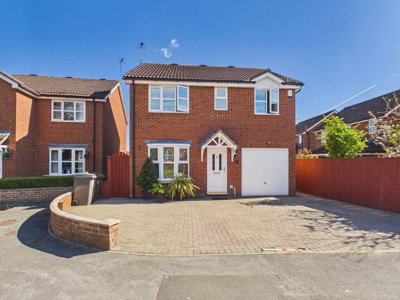
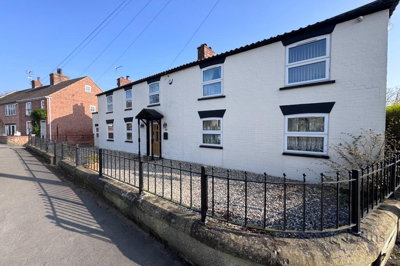
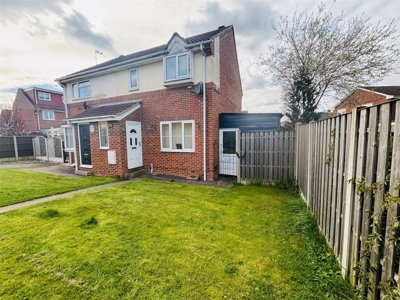
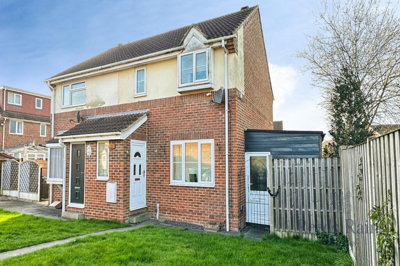
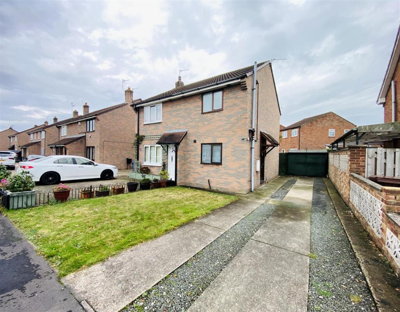
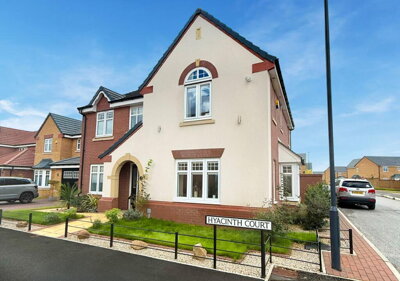
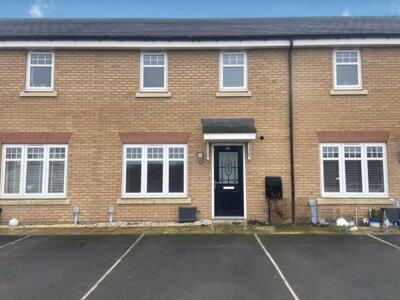
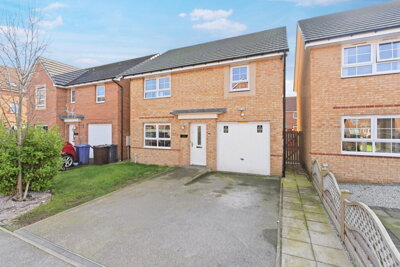
Browse 56 homes for sale in Camblesforth, North Yorkshire from local estate agents.
£200k
11
1
99
Source: home.co.uk
Source: home.co.uk
Semi-Detached
4 listings
Avg £175,000
Detached
2 listings
Avg £504,998
Semi-Detached Bungalow
2 listings
Avg £272,500
Terraced
2 listings
Avg £147,450
detached
1 listings
Avg £515,000
Source: home.co.uk
Source: home.co.uk
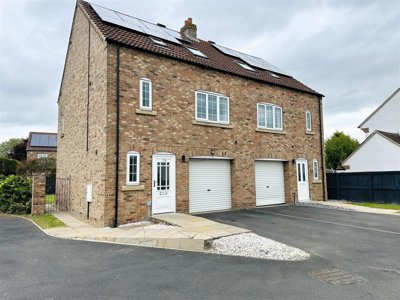
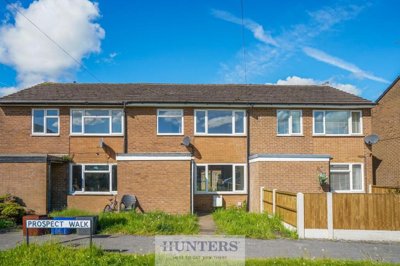
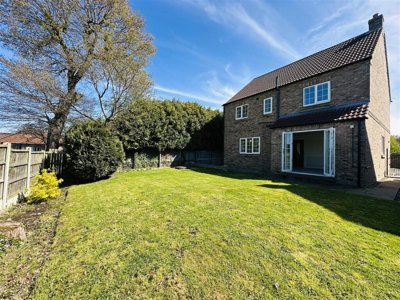
homedata.co.uk records show a market that is still led by detached and family-sized homes, which suits a village with plenty of owner-occupiers and commuter households. Detached properties make up 45.4% of the local housing stock, semi-detached homes account for 33.1%, terraced homes represent 16.5%, and flats or maisonettes make up just 5.0%. That mix explains why buyers often find more choice in houses than in apartments, especially if they want gardens, driveways, or a bit more internal space.
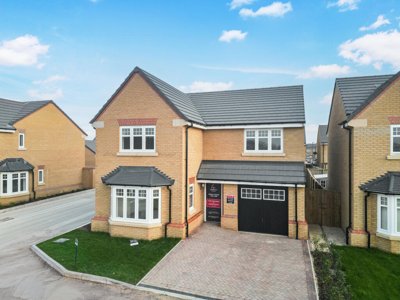
Price movement has been steady rather than sharp, which is useful for buyers who want a market they can plan around. Over the last 12 months, detached homes rose by 1.6%, semis by 1.1%, terraces by 1.2%, and the overall average climbed by 1.4%. With only 30 sales in the last year, supply remains relatively limited, so well presented homes can still attract quick attention. home.co.uk also shows active new-build interest at Camblesforth Manor, where 3, 4 and 5 bedroom detached and semi-detached homes are being marketed from £269,995 to £464,995.

Camblesforth feels like a proper North Yorkshire village rather than a commuter overspill, and that village identity is part of its appeal. The 2021 Census recorded 1,811 residents and 758 households, so the community is small enough for familiar streets and local routines, but large enough to support a settled housing market. Detached homes account for 45.4% of the stock, which tells you that many plots are designed for family living, private parking, and a quieter pace.
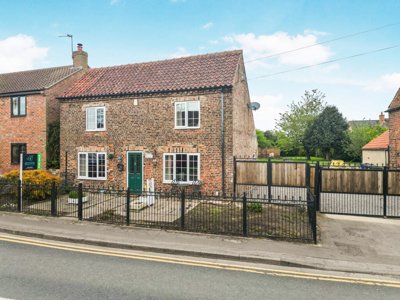
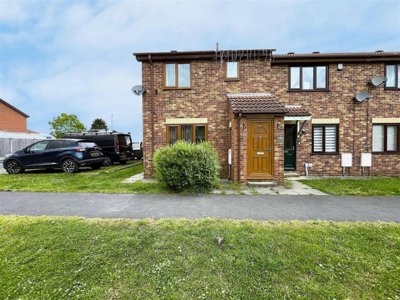
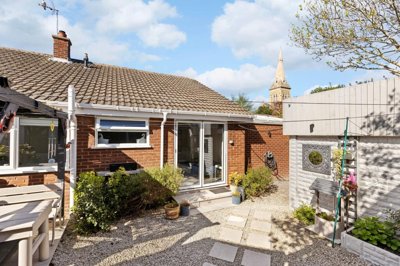
The historic heart of the village centres on Main Street and St. John the Baptist Church, with a Conservation Area that helps preserve the older streetscape. Several listed buildings add character, including St. John the Baptist Church, which is Grade II*, alongside Grade II listed farmhouses and cottages that reflect the village’s agricultural heritage. Predominant red brick appears across much of the area, while some older properties bring in render or stone detailing, so buyers can choose between plain village practicality and more distinctive period style.
Beneath the surface, the local geology matters just as much as the street scene. Camblesforth sits on alluvial deposits associated with the River Ouse flood plain, overlying Sherwood Sandstone Group bedrock, and that combination can create moderate to high shrink-swell risk in clay-rich ground. Parts of the village also sit in flood zones 2 and 3, so location within the parish can affect insurance, maintenance, and how carefully you need to inspect a property before making an offer.
Families moving into a small village like Camblesforth usually need to think a little wider than the parish boundary education. With 1,811 residents and 758 households, the local school picture is shaped by the wider Selby area, so admissions, catchment rules, and transport arrangements should all be checked early. North Yorkshire Council is the right place to confirm current school admissions guidance, especially if you are moving for a specific primary or secondary route.
For buyers with children, the best home is often the one that makes the morning routine simpler. That means looking at journey times, bus availability, after-school care, and whether the property sits on a route that works in winter as well as term time. Rural homes can look ideal on paper, but if the school run becomes complicated, the daily impact is felt very quickly. A mortgage agreement in principle also helps here, because it lets you move faster when a home in the right catchment comes up.
If you are considering a larger family house or a new-build property, think about how the education plan changes as children get older. Some buyers are happy to trade a little convenience for more outdoor space, a newer kitchen, or extra bedrooms, but they still want reliable schooling options nearby. Checking this balance before you offer can save a lot of stress later, particularly if you are moving from a town where schools and transport are more concentrated.

Road connections are one of Camblesforth’s biggest strengths, and they help explain why the village appeals to commuters. The A19 and M62 place Selby, Leeds, York and other Yorkshire employment centres within practical reach, which works well for buyers who want village life without giving up access to major roads. That connection to larger towns also supports the local market, because residents can work further afield while keeping a home base in a quieter place.
Daily travel tends to be more car-led than rail-led in a village of this size, so parking and access are worth checking at every viewing. Rail users usually look to Selby for broader connections, while bus services can be less frequent than in a town centre, especially outside peak times. If you work shifts or travel regularly, it is sensible to test your route during the same hours you would use it once you move. For older streets and homes in the historic core, on-street parking and turning space can matter just as much as the journey itself.
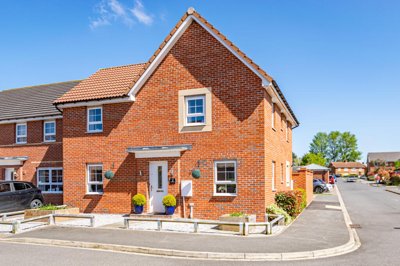
Newer homes at Camblesforth Manor may suit buyers who want easier off-street parking and a more predictable commute routine. Older cottages and farmhouses can offer more charm, but they may also come with narrower approach roads, tighter access, or less room for visitors. That trade-off is part of buying in a village, and it is one reason a proper viewing, rather than a quick drive-by, makes such a difference.
Get a mortgage agreement in principle before you view, so you know your price range and can act quickly when a suitable Camblesforth home appears.
Compare village-core streets, edge-of-settlement plots, and new-build homes against flood risk, parking, garden size, and your commute.
Look closely at access roads, drainage, storage, roof condition, and how much work the property will need after you move in.
Use a RICS Level 2 Survey for many modern and average-condition homes, but consider a fuller survey for older, listed, or altered properties.
Ask your solicitor to check title, searches, flood considerations, planning history, and any conservation or listed-building obligations.
Once the legal and financial checks are complete, agree your completion date, finalise insurance, and prepare for moving day.
Flood risk should be one of the first things you check in Camblesforth, because parts of the village lie within a flood plain linked to the River Ouse. Some locations sit in Flood Zone 2 or 3, and surface water can also be an issue after heavy rain, so ask sellers about past incidents, mitigation measures, and insurance history. Finished floor levels, air bricks, drainage paths, and signs of previous water ingress all deserve close attention during a viewing.
The ground beneath the village can also affect maintenance costs over time. The local geology includes clay-rich alluvium, which brings a moderate to high shrink-swell risk and can lead to movement in foundations during dry spells or after long changes in moisture. Many homes in the area are brick-built, with pitched roofs and older construction details, so look for cracking, damp, slipping tiles, poor repointing, and outdated wiring, especially in properties built before 1945.
Conservation Area rules add another layer of care for buyers in the historic core. If a property is listed or sits close to St. John the Baptist Church, alterations, windows, roofing materials, and external repairs may need more scrutiny, and in some cases Listed Building Consent. That is where a stronger survey pays for itself, because a standard check may not be enough for complex or heritage homes. For newer homes, ask about any estate charges, warranties, and what the developer is responsible for after completion.

homedata.co.uk records show an average house price of £233,267 in Camblesforth. Detached homes average £298,800, semi-detached homes average £194,111, and terraced homes average £165,000. Prices have risen by 1.4% over the last 12 months, with 30 sales completed in the last year, so the market has been active but still relatively small.
Properties in Camblesforth are billed through North Yorkshire Council, and the band depends on the individual home’s assessed value. Because the village has a strong mix of detached and semi-detached houses, bands can vary quite a bit from one street to another. The safest approach is to check the band on the listing, then confirm it with the council before you finalise your budget.
Camblesforth is a small village, so many families compare schools across the wider Selby area rather than relying on a single local option. The right choice usually depends on catchment, travel routes, age group, and wraparound care. North Yorkshire Council can confirm current admissions information, which is essential before you commit to a home purchase.
Camblesforth is better connected by road than by rail, which suits many commuters but means transport planning matters. The A19 and M62 make Selby, Leeds, and York practical destinations, while rail users usually look to Selby for wider services. Bus links are typically more limited than in towns, so check times carefully if you rely on public transport every day.
Camblesforth has several features that appeal to long-term buyers, including village character, commuter access, and steady price growth. homedata.co.uk shows a 1.4% rise over the last 12 months, and the presence of active new-build stock at Camblesforth Manor gives the area a bit more variety. Investment buyers should still factor in flood risk, maintenance, and survey costs, because those local issues can affect yields and resale time.
For 2024-25, standard stamp duty is 0% up to £250,000, 5% from £250,001 to £925,000, 10% from £925,001 to £1.5 million, and 12% above £1.5 million. First-time buyers pay 0% up to £425,000 and 5% from £425,001 to £625,000, with no relief above £625,000. On Camblesforth’s average price of £233,267, many standard buyers pay no stamp duty at all, while a purchase at £269,995 would create a small bill of just under £1,000 for a non-first-time buyer.
A survey is a smart move in Camblesforth, especially because more than 70% of the housing stock was built before 1980 and the village has flood and ground-condition considerations. Local RICS Level 2 Survey pricing typically ranges from £400 to £700, with many 3-bedroom semis falling around £450 to £550. Older, listed, or heavily altered homes may need a fuller RICS Level 3 Building Survey, particularly if you want a detailed view of structure, damp, or heritage constraints.
From 4.5%
Compare mortgage rates and find the best deal
From £499
Expert solicitors to handle your purchase
From £400
Homebuyer report for your new property
From £60
Check energy performance before you buy
At current 2024-25 stamp duty thresholds, many Camblesforth buyers will find the tax bill lower than they first expect. Standard buyers pay 0% up to £250,000, so the village average of £233,267 falls below the main tax threshold. First-time buyers have an even wider 0% band up to £425,000, which means plenty of local homes, including many family houses, sit within the relief range.
Costs still rise quickly once you move above the threshold, so it pays to budget for more than just the deposit. A home priced at £269,995 would create a modest stamp duty bill for a standard buyer, while larger detached homes and new-build family houses can push the figure higher. You should also allow for mortgage fees, legal costs, a survey, searches, insurance, and moving expenses, especially if you are buying an older property in the conservation area or a home that may need immediate repair work.
Properties for Sale In London

Properties for Sale In Plymouth

Properties for Sale In Liverpool

Properties for Sale In Glasgow

Properties for Sale In Sheffield

Properties for Sale In Edinburgh

Properties for Sale In Coventry

Properties for Sale In Bradford

Properties for Sale In Manchester

Properties for Sale In Birmingham

Properties for Sale In Bristol

Properties for Sale In Oxford

Properties for Sale In Leicester

Properties for Sale In Newcastle

Properties for Sale In Leeds

Properties for Sale In Southampton

Properties for Sale In Cardiff

Properties for Sale In Nottingham

Properties for Sale In Norwich

Properties for Sale In Brighton

Properties for Sale In Derby

Properties for Sale In Portsmouth

Properties for Sale In Northampton

Properties for Sale In Milton Keynes

Properties for Sale In Bournemouth

Properties for Sale In Bolton

Properties for Sale In Swansea

Properties for Sale In Swindon

Properties for Sale In Peterborough

Properties for Sale In Wolverhampton

Enter your details to see if this property is within your budget.
Loans, cards, car finance
Estimated property budget
Borrowing + deposit
You could borrow between
Typical borrowing
Monthly repayment
Est. at 4.5%
Loan-to-value
This is an estimate only. Your actual budget may vary depending on interest rates, credit history, and personal circumstances. For an accurate affordability assessment, speak to one of our free mortgage advisors.
This calculator provides estimates for illustrative purposes only and does not constitute financial advice. Your home may be repossessed if you do not keep up repayments on your mortgage. Estimates based on 4.5% interest rate, repayment mortgage. Actual rates depend on your circumstances.
Homemove is a trading name of HM Haus Group Ltd (Company No. 13873779, registered in England & Wales). Homemove Mortgages Ltd (Company No. 15947693) is an Appointed Representative of TMG Direct Limited, trading as TMG Mortgage Network, which is authorised and regulated by the Financial Conduct Authority (FRN 786245). Homemove Mortgages Ltd is entered on the FCA Register as an Appointed Representative (FRN 1022429). You can check registrations at NewRegister or by calling 0800 111 6768.

We use cookies to show you personalised content and improve your experience of our website. Find out more in our Privacy policy and Cookie policy.