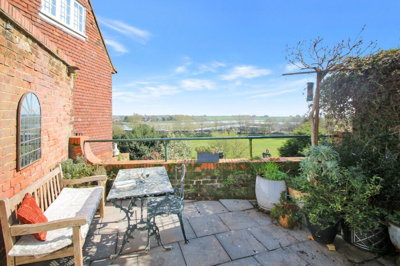
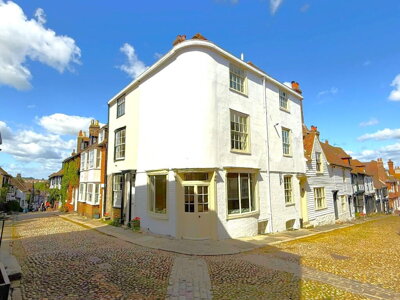
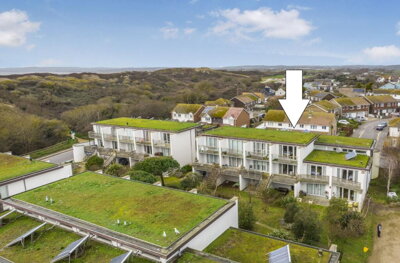
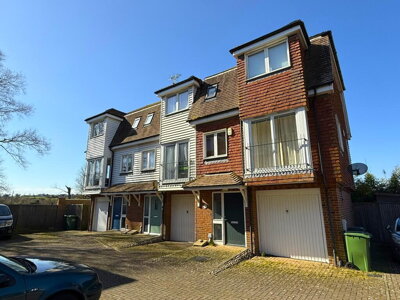
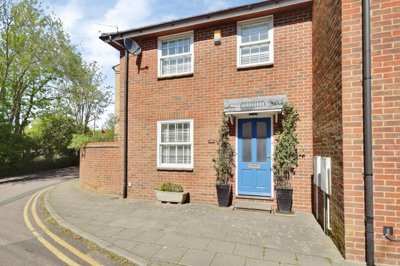
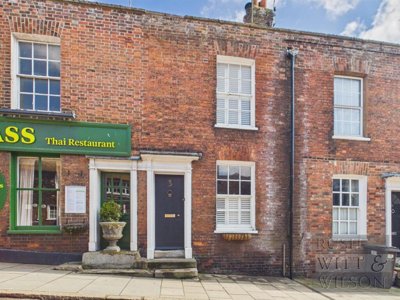
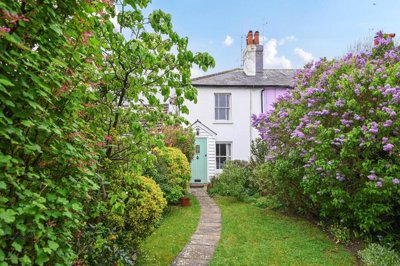
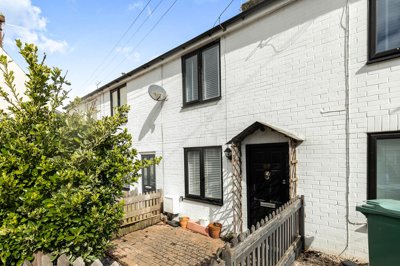
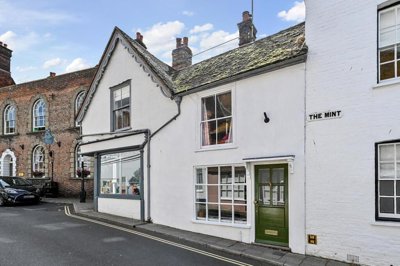
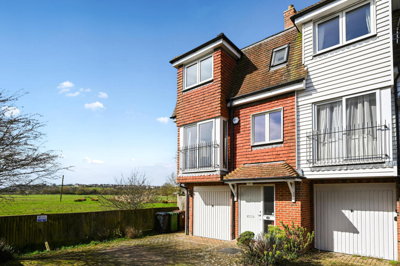
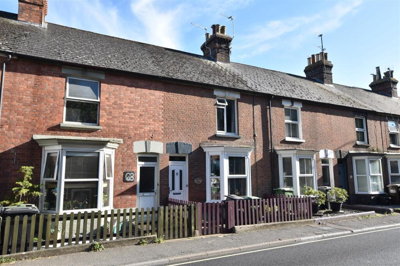
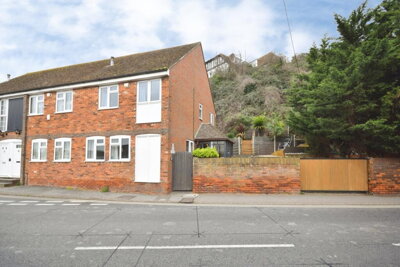
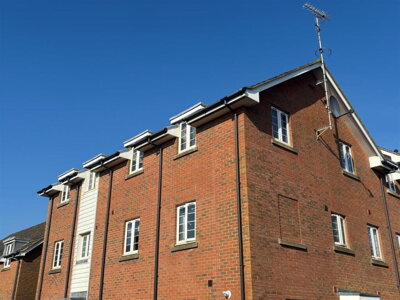
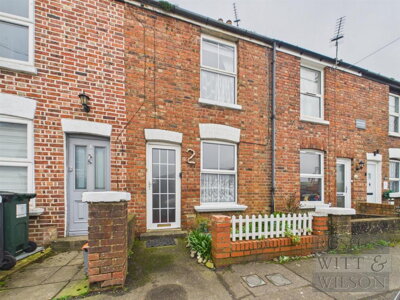
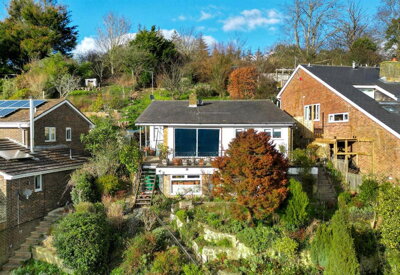
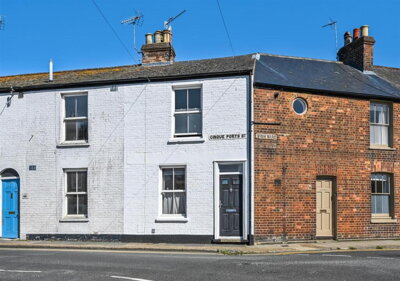
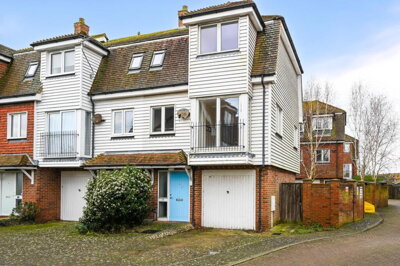
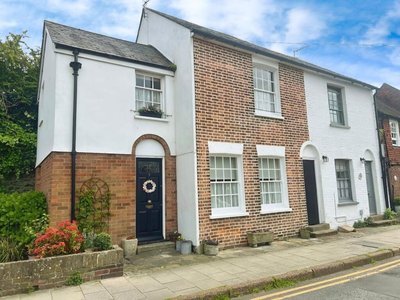
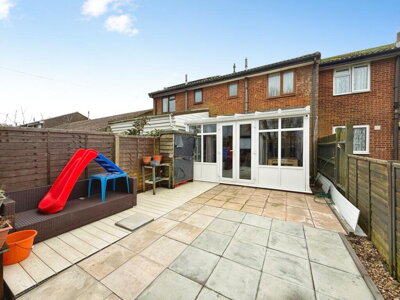
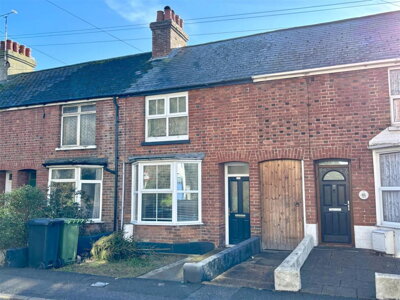
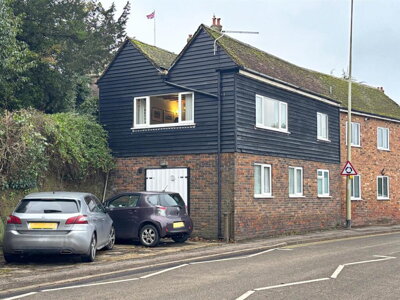
Browse 35 homes for sale in Camber, Rother from local estate agents.
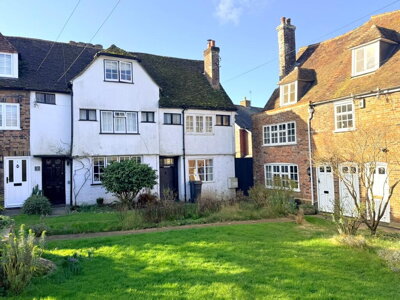
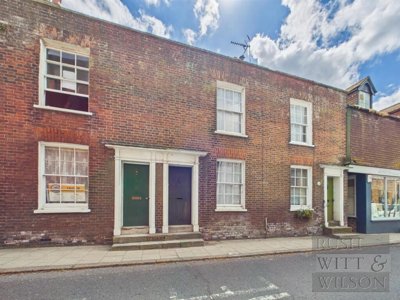
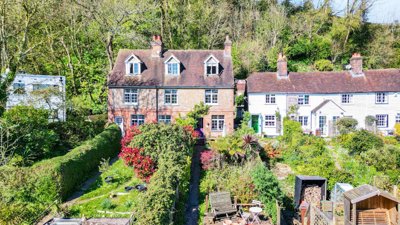
The 2 bed house market features detached, semi-detached, and terraced properties with two separate bedrooms plus living spaces. Properties in Camber range from Victorian and Edwardian period homes to modern new builds, with pricing varying across different neighbourhoods.
£258k
6
0
280
Source: home.co.uk
Showing 6 results for 2 Bedroom Houses for sale in Camber, Rother. The median asking price is £257,500.
Source: home.co.uk
Semi-Detached
4 listings
Avg £148,738
Terraced
2 listings
Avg £322,500
Source: home.co.uk
Source: home.co.uk
Camber’s property market is a mixed bag for buyers. home.co.uk data shows an overall average price of £356,372, while homedata.co.uk records sold prices averaging £306,027 over the past year. home.co.uk also gives an average price paid of £274,000 as of February 2026. Those figures come from different methods and different sales mixes, which is why they do not line up neatly. Detached homes sit at the top end, with home.co.uk reporting averages of £509,056, while semi-detached homes trade around £283,750 and flats at approximately £166,375.
On paper, Camber’s figures look a little flatter here. home.co.uk data shows an overall average price of £312,732, while homedata.co.uk records sold prices averaging £312,732 over the past year. home.co.uk indicates an average price paid of £312,732 as of February 2026. The spread still reflects the way the numbers are compiled, alongside the type of homes that changed hands in each period. Detached properties are the priciest by some distance, with home.co.uk reporting averages of £538,000, while semi-detached homes trade around £280,636 and flats at approximately £199,975.
Prices across Camber have eased over the last year, and the pattern is not uniform. Overall historical sold prices on home.co.uk were 19% down on the previous year and 7% down on the 2021 peak of £382,957. home.co.uk also reports a sharper fall of 27.1% over the last 12 months. Even so, there are pockets that have held up better, with Saunders Way showing a 6% increase on the previous year. Sea Road has seen the steepest adjustment, down 61% on the previous year, which is a reminder of how volatile the premium coastal market can be.
Camber sits close to Rye, the historic town known for its cobbled streets, medieval architecture, and independent shops and restaurants. For day-to-day needs, residents usually make the short trip into Rye, where supermarkets, healthcare facilities, and eateries are easier to come by. Investment in local facilities is still visible too. The redevelopment of the Camber Sands Welcome Centre, completed with planning permission granted in November 2023, added improved public amenities for residents and the large number of visitors who come through the year.

Housing in Camber reflects both its village roots and its holiday appeal. According to the 2021 Census, 84.8% of properties in Camber Parish are whole houses or bungalows, with flats, maisonettes, and apartments making up 14.3% and caravans or mobile structures at 1%. That mix sits outside the wider East Sussex picture, where 75.6% of households live in houses or bungalows, so Camber has a notably higher share of houses compared with flats than the county average.
Local buildings often use materials that suit the East Sussex coast. Flint cobbles and pebbles, gathered historically from beaches and downland fields, are common in older properties and are often set decoratively or laid in courses. Wealden Sandstone, including Ashdown Sandstone, appears as coursed rubble or roughly cut blocks in period homes. Brick is also widely used, sometimes with external render, while newer builds and extensions often bring in oak framing for its durability and traditional look. Roofs usually carry plain clay tiles or Welsh slate, both well matched to the coastal climate.
Street-by-street figures show how much the market shifts. Lydd Road properties averaged £280,636 for semi-detached homes and £199,975 for flats, with both categories down by around 22% on the previous year and roughly 40% below the 2021 peak of £400,188. New build activity is still limited within the TN31 postcode, although planning permission was granted in December 2024 for 10 dwellings on a Rother District Council brownfield site. Any fresh scheme here has to work around flood risk rules, and residential development on ground floors is not recommended in Flood Zone 2 areas.
What stands out most about Camber is the setting and the close-knit feel. The village forms part of the Camber Built-up Area, which had a population of 1,130 according to the 2021 Census, with estimates putting the figure at around 1,045 residents in 2024. The parish covers 518 households, so it remains a small community where people tend to recognise one another. Retired couples are drawn by the quieter coastal pace, while families often look for the healthier outdoor lifestyle and the space away from urban congestion. East Sussex’s older age profile is reflected here too, with Rother district having one of the highest proportions of residents aged 85 and over in the country.
Tourism drives much of the local economy, and Camber Sands brings visitors all year round. Rye Golf Links sits nearby as well, giving residents easy access to sport and recreation. The redevelopment of the Camber Sands Welcome Centre is another sign of investment, with the scheme adding improved commercial space and a much larger toilet provision. For shops, restaurants, and other everyday services, people usually head a few miles inland to Rye. The village also benefits from being so close to that historic town, with its cobbled streets, medieval architecture, and independent retailers.
Several landmarks and designations around Camber shape how the area is managed. Camber Castle, a Grade I listed 16th-century Device Fort under English Heritage care, stands nearby within a nature reserve. The western dunes fall inside a Site of Special Scientific Interest, while nearby Martello towers hold Scheduled Monument status. The Camber Village Supplementary Planning Document sets out how development should protect the area’s natural environment and biodiversity, so the village keeps its character for the long term. That planning framework also reflects the tension between growth and environmental protection, with flood risk rules making new housing particularly tricky.
Families looking at Camber have a workable set of school options within driving distance. The village sits in Rother district, which offers a mix of primary and secondary schools. Nearby primary choices include St Marys Catholic Primary School and Rolvenden Primary School, both serving local communities with the close teacher-pupil relationships often found in small rural primaries. For secondary school, children commonly travel to Rye, Battle, or further afield, with school transport making that practical for most families. It is sensible to check current Ofsted ratings and catchment area boundaries before choosing a property, since both can affect school allocation.
Across East Sussex, educational performance is generally in line with, and in many cases favourable to, national averages. Rye College offers secondary education with a sixth form, giving local students a post-16 option. For older pupils who want further education, colleges and training providers can be found in nearby towns such as Hastings and Ashford. That mix of school access and outdoor living makes Camber especially appealing to families who want a balanced upbringing for their children. Beach access and the natural surroundings add to the appeal without getting in the way of academic provision nearby.
School choice in Camber is not just about attainment, it is also about how far children need to travel. Different parts of the village can fall within different catchment areas, so property location matters more than many buyers expect. School transport runs from Camber to secondary schools in Rye and Battle, which usually keeps the daily routine manageable for students with flexible start times. Younger children are covered too, with nursery and preschool options in surrounding villages, some of them based in village halls and community centres.
Transport from Camber needs a bit of planning, because the village has no railway station of its own. The nearest trains are at Rye, around 4 miles away, where Southeastern Railway runs services to Brighton, London via Ashford, and other destinations across Kent and East Sussex. From Rye station, journeys to London Bridge usually take around 1 hour 45 minutes, so occasional commuting is possible for those with flexible working patterns. Bus links do connect Camber with nearby villages and towns, although the frequency is not as generous as urban routes.
By road, Camber links out through the A268 via Rye, then on to the A259 coastal road and the M20 motorway at Ashford for faster access to London and the channel ports. The drive to Ashford usually takes around 30-40 minutes, while Canterbury can be reached within an hour. For residents who work from home or keep flexible hours, that quieter rural setting is often a strong draw. The coastal road network also gives scenic routes to nearby towns, though summer traffic can become heavy as day trippers head for Camber Sands.
Parking in the village can be tight in the peak summer season, when visitors pour in to Camber Sands. That is mainly a seasonal issue rather than a year-round one, but buyers should still take it into account, especially near Sea Road or close to beach access points. Between Camber and Jury's Gap, the Broomhill Sands coastal defence scheme protects approximately 1,300 homes and businesses, showing how much investment goes into local infrastructure. Cyclists benefit from the flat marshland terrain, although the coastal winds can make riding harder at times.
Sea Road homes sit at the premium end of the market because they are so close to the beach, with detached properties averaging around £538,000. Lydd Road offers a more affordable way in, with semi-detached homes averaging £280,636 and flats available from approximately £199,975. Marsh Way, Farm Lane, and Pelwood Road are other residential pockets in the village, each with their own feel and period of development. Buyers after character cottages near the dunes should also keep in mind that coastal weather and salt air can mean more frequent maintenance.
Before booking viewings, speak with lenders about an agreement in principle. It shows sellers you are serious and gives a clear idea of the budget you can actually work with. With older homes and a coastal setting, it is wise to allow for survey costs and any remediation work that might affect finance. Mortgage brokers who know coastal property can also advise on lender attitudes to homes in flood risk areas.
It helps to see more than one street before settling on a property. Sea Road homes come with premium pricing, but they are the closest to the beach, while Lydd Road can offer better value and good access to local amenities. Take time to look at flood risk issues and any planning limits attached to each property, including conservation area requirements. The details matter here.
After you have found the right home, commission a RICS Level 2 Survey so the property condition is properly checked. In this coastal setting, salt air exposure and ground conditions can create extra maintenance needs. A thorough survey can pick up issues before you are committed, including concerns linked to traditional construction methods such as flint or sandstone walls that need specialist attention.
We recommend choosing a conveyancing specialist with East Sussex experience to deal with the legal side of the purchase. They will carry out local searches, including flood risk and environmental checks, which are especially important in this coastal area. The solicitor will also work with your mortgage lender and handle exchange, including any issues linked to the property’s position within, or next to, conservation designations.
Once the surveys and searches are in order and contracts have been signed, the solicitor will arrange exchange of contracts, usually with a 4-6 week completion period. On completion day, the final balance is transferred and the keys to the new Camber home are handed over. Summer completions can sometimes be affected by the rise in local activity and delays in accessing certain services during the busiest tourist weeks.
Buying in Camber means keeping an eye on a few local issues that do not affect every market. Flood risk is the biggest environmental factor, with the village exposed in the long term to rivers, the sea, surface water, and groundwater. The Broomhill Sands coastal defence scheme protects approximately 1,300 homes and businesses, taking the standard of protection from a 1-in-20-year event to a 1-in-200-year standard. Buyers should still check whether a property sits within affected zones and read any flood risk assessments carefully. Localised flooding has historically happened on Old Lydd Road, and the Camber Village Supplementary Planning Document requires detailed flood risk assessments for new development.
Conservation matters also carry real weight in Camber. The western dunes are within a Site of Special Scientific Interest, and the area around Camber Castle is classed as a nature reserve. Camber Castle itself is a Grade I listed building under English Heritage management. Nearby Martello towers have Scheduled Monument status. Those designations can affect planning permission for renovations or extensions, so buyers should speak with Rother District Council planning department before starting any works they have in mind. Homes close to the beach may also need more regular maintenance because of coastal weather, and service charges and upkeep costs should be allowed for in the budget.
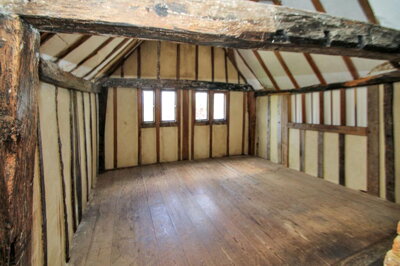
The building materials used locally are worth a close look during a survey. Traditional homes with flint cobbles and pebbles, often arranged decoratively, may need specialist maintenance contractors. Wealden Sandstone is durable, but it can still weather over time. Properties with oak framing should be checked for movement or timber decay. In a coastal environment, salt air can speed up corrosion of metal fixtures and fittings, and the condition of roofing materials, including plain clay tiles and Welsh slate, should be reviewed carefully because they are standard here but may need replacement sooner near the sea.
Start with our listings for Camber properties and get a feel for the local price trend. Current averages sit between £300,000 and £312,732, and prices have corrected recently, which may open up opportunities for buyers. It also helps to visit at different times of year so you can see the seasonal rhythm for yourself, especially the sharp rise in summer tourism when parking and beach access become more congested.
Camber properties fall under Rother District Council. Council tax bands run from A to H according to property value, with most homes in the village sitting in bands A through D. The exact band depends on valuation, so buyers should ask for that information during the conveyancing process. Rother District Council publishes the current band rates on its website, and those figures need to be included when working out the cost of living in Camber. The average band tends to mirror the mix of small cottages, holiday lets, and larger family homes.
Primary education for Camber is mostly found in nearby villages and Rye, with St Marys Catholic Primary School and Rolvenden Primary School among the local options. For secondary education, students usually go to schools in Rye, Battle, or other surrounding towns, with transport arrangements in place. East Sussex schools generally perform well, so parents should look up current Ofsted ratings for specific schools and check catchment area boundaries before choosing which properties to view. Rye College also provides secondary and sixth form education within reasonable travelling distance.
Camber has no railway station of its own, so the nearest trains are in Rye, about 4 miles away. From Rye station, Southeastern Railway runs services to Brighton and London via Ashford, with journeys to London Bridge taking around 1 hour 45 minutes. Bus services link Camber to surrounding villages, though they are less frequent than urban routes. For regular commuters, the coastal setting means car travel to major employment centres needs careful thought, although the M20 at Ashford gives motorway access within 30-40 minutes.
Camber presents a distinctive investment case because of its coastal setting and the limits that come with it. Recent price falls of 19-27% from peak values have made entry points more accessible. Even so, the village falls within the 20% most deprived areas nationally, in part because flood risk regulations restrict new development and weigh on affordability. Tourism keeps the local economy moving, and homes near the beach still fetch premium values. Over the longer term, Camber Sands and the limited supply of new homes may support prices, although the market is volatile and strongly seasonal.
Average house prices in Camber sit between £300,000 and £312,732 depending on the data source and the make-up of the market. home.co.uk reports an overall average of £312,732, while homedata.co.uk indicates sold prices averaging £312,732. Detached properties average around £538,000, semi-detached homes approximately £280,636, and flats from £199,975. Recent market data shows prices have corrected by approximately 19% from previous peaks, which may give buyers the chance to enter at more reachable levels.
Direct new build activity inside Camber village remains limited, although planning permission was granted in December 2024 for 10 dwellings on a Rother District Council brownfield site within the TN31 postcode. The scheme, located approximately at coordinates 0.794293 50.934546, includes 40% affordable housing but is constrained by its position in Flood Zone 2 beside a Site of Special Scientific Interest. Residential development on ground floors is not recommended there because of flood risk. Most other new build activity nearby is taking place in places such as Brookland, Appledore, Winchelsea, and Rye Harbour rather than in Camber itself.
From April 2025, stamp duty rates begin at 0% for properties up to £250,000, then rise to 5% on the portion between £250,001 and £925,000, 10% between £925,001 and £1.5 million, and 12% above £1.5 million. First-time buyers get relief on the first £425,000, then pay 5% on the portion between £425,001 and £625,000, with no relief above that point. On a typical Camber property at current average prices, most buyers would pay stamp duty on the portion above the relevant threshold, although the exact amount depends on the purchase price and buyer status.
The full cost of buying in Camber goes beyond the purchase price itself. Stamp duty land tax applies to all purchases above £250,000 at standard rates, while first-time buyer relief can lift the nil-rate threshold to £425,000 for those who qualify. At a property price of around £312,732, a first-time buyer would pay approximately £0 in stamp duty, while an additional purchaser would pay around £3,137. Those figures are a useful reminder to include government taxes in the overall budget when judging affordability.
There are other costs to allow for as well, including solicitor fees for conveyancing, which usually fall between £500 and £1,500 depending on complexity. A RICS Level 2 Survey typically costs £400 to £1,000 depending on property value and size, with larger or higher-value homes attracting higher fees. For a property in the £300,000-£400,000 range common in Camber, survey costs would usually sit between £500-£600. Coastal homes here may also need extra environmental searches and flood risk assessments, which add only modestly to solicitor costs but matter greatly given the area’s flood risk profile.
Properties for Sale In London

Properties for Sale In Plymouth

Properties for Sale In Liverpool

Properties for Sale In Glasgow

Properties for Sale In Sheffield

Properties for Sale In Edinburgh

Properties for Sale In Coventry

Properties for Sale In Bradford

Properties for Sale In Manchester

Properties for Sale In Birmingham

Properties for Sale In Bristol

Properties for Sale In Oxford

Properties for Sale In Leicester

Properties for Sale In Newcastle

Properties for Sale In Leeds

Properties for Sale In Southampton

Properties for Sale In Cardiff

Properties for Sale In Nottingham

Properties for Sale In Norwich

Properties for Sale In Brighton

Properties for Sale In Derby

Properties for Sale In Portsmouth

Properties for Sale In Northampton

Properties for Sale In Milton Keynes

Properties for Sale In Bournemouth

Properties for Sale In Bolton

Properties for Sale In Swansea

Properties for Sale In Swindon

Properties for Sale In Peterborough

Properties for Sale In Wolverhampton

Enter your details to see if this property is within your budget.
Loans, cards, car finance
Estimated property budget
Borrowing + deposit
You could borrow between
Typical borrowing
Monthly repayment
Est. at 4.5%
Loan-to-value
This is an estimate only. Your actual budget may vary depending on interest rates, credit history, and personal circumstances. For an accurate affordability assessment, speak to one of our free mortgage advisors.
This calculator provides estimates for illustrative purposes only and does not constitute financial advice. Your home may be repossessed if you do not keep up repayments on your mortgage. Estimates based on 4.5% interest rate, repayment mortgage. Actual rates depend on your circumstances.
Homemove is a trading name of HM Haus Group Ltd (Company No. 13873779, registered in England & Wales). Homemove Mortgages Ltd (Company No. 15947693) is an Appointed Representative of TMG Direct Limited, trading as TMG Mortgage Network, which is authorised and regulated by the Financial Conduct Authority (FRN 786245). Homemove Mortgages Ltd is entered on the FCA Register as an Appointed Representative (FRN 1022429). You can check registrations at NewRegister or by calling 0800 111 6768.

We use cookies to show you personalised content and improve your experience of our website. Find out more in our Privacy policy and Cookie policy.