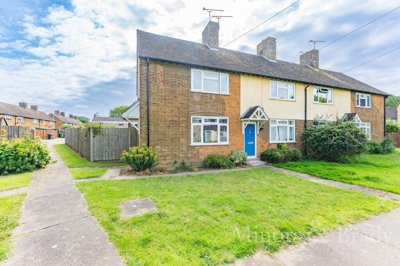
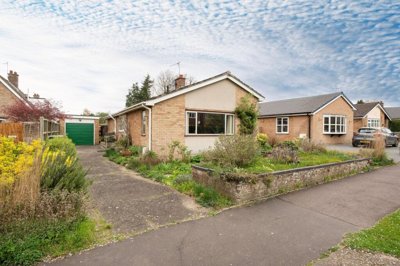
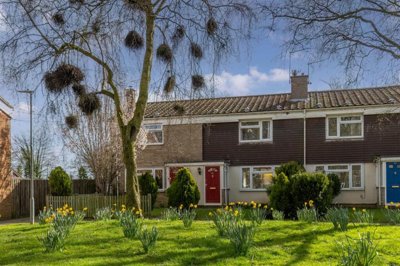
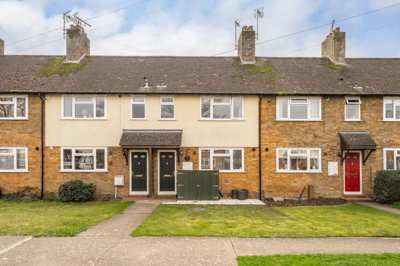
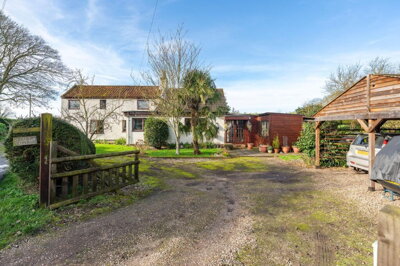
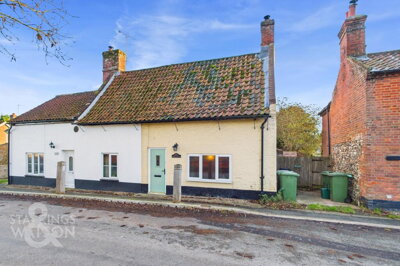
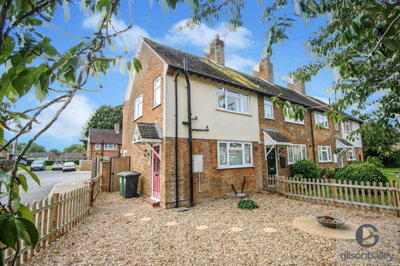
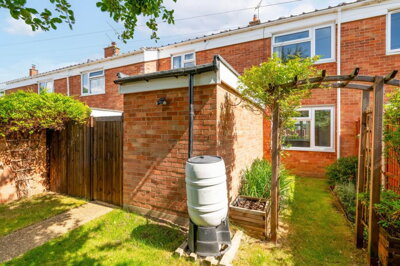
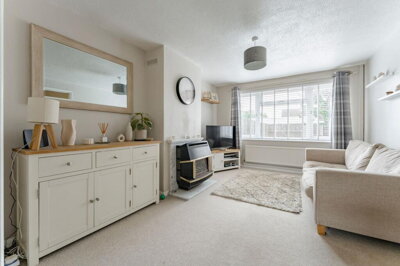
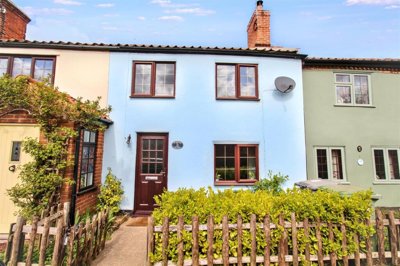
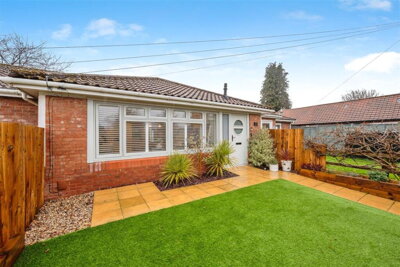
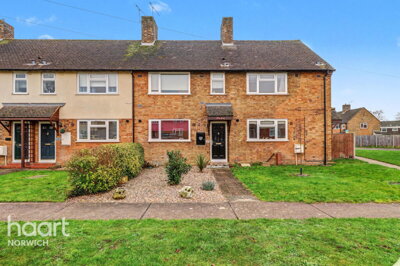
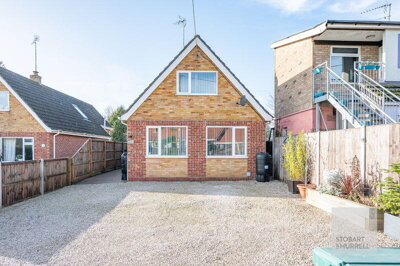
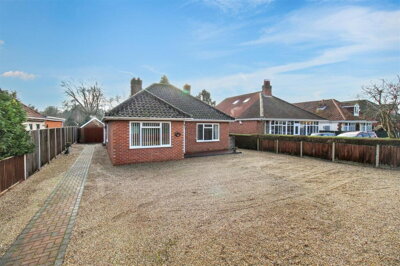
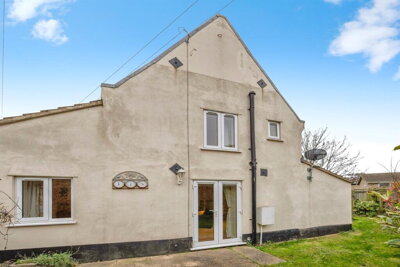
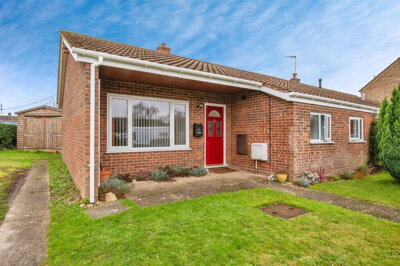
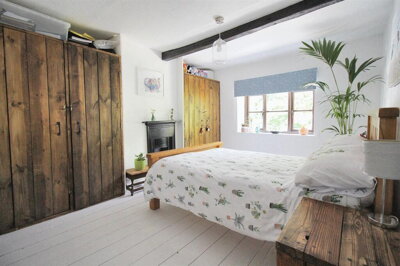
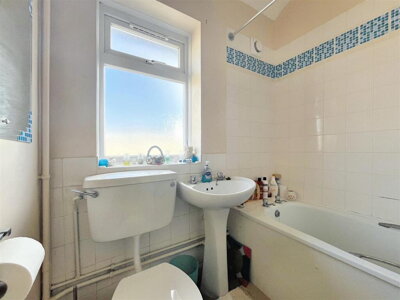
Browse 18 homes for sale in Buxton with Lamas from local estate agents.
The 2 bed house market features detached, semi-detached, and terraced properties with two separate bedrooms plus living spaces. Properties in Buxton With Lamas range from Victorian and Edwardian period homes to modern new builds, with pricing varying across different neighbourhoods.
Buxton with Lamas keeps showing resilience, even with wider national swings in the background. House prices here are up 14% year on year, although they are still about 6% below the 2023 peak of £338,633. The average sold price for properties in Buxton is now £315,708, which is still drawing buyers who want better value outside the big cities. In the NR10 5AF postcode area, which includes The Street in Buxton, average prices are higher at £427,875, a sign of the more premium spots within the parish. Activity is strongest between £250,000 and £400,000, where first-time buyers and growing families are chasing the same limited stock.
Buxton with Lamas has shown the same kind of resilience in a different price bracket. House prices have climbed 14% over the last year, yet they sit roughly 6% below the 2023 peak of £360,758. That also happens to be the current average sold price for Buxton, a level that still appeals to buyers looking beyond the major urban centres. Homes in the NR10 5AF postcode area, including The Street in Buxton, fetch an average of £459,444, which points to the parish's better-located pockets. The busiest part of the market is still the £250,000 to £400,000 range, where demand from first-time buyers and growing families remains intense.
Planning activity is moving too. In January 2026, Broadland Council approved a development of 40 homes on farmland off Aylsham Road, with ten homes for affordable rent and four for affordable home ownership. The Buxton with Lamas and Brampton cluster carries a deliverable housing commitment of 67 homes between 2018-2038, including one carried forward residential allocation for 20 homes east of Lion Road. Adopted in February 2025, the Neighbourhood Plan gives the parish a framework for future growth while keeping a close eye on the character that continues to attract buyers.

Buxton with Lamas is a civil parish that manages to balance historic charm with everyday practicality. According to the 2021 Census, the parish population is about 1,642, and that figure has been fairly steady for two decades, after reaching 1,685 in the 2001 Census. That stability says a lot about the pull of village life in this part of Broadland. The parish is made up of Buxton and Lamas, and each village has its own feel. Lamas, in particular, stands out for older buildings and traditional Norfolk materials, including flint masonry that has been here for centuries. Buxton has developed in stages, while Lamas has held on to a more historic streetscape.
The local economy is helped by its link to Norwich and by Scottow Enterprise Park, around eight miles away near Norwich. The former RAF base now houses 193 businesses, and more than 67% of them operate in STEAM sectors, which gives local residents a wider spread of job opportunities. Norfolk's wider economy is also a strong influence, with tourism supporting over 54,000 jobs and adding about £2.8 billion a year to the regional economy. Clean energy, agri-food, financial services, advanced manufacturing and engineering, and digital technology all play their part, so people in Buxton with Lamas who commute to surrounding towns and cities are not short of options.
Day-to-day living is straightforward. There is a food shop and a public house in the village, and the village hall keeps the calendar busy with regular events and activities. For a bigger shop or a meal out, residents head to Aylsham, where the weekly market still pulls people in, or on to Norwich for retail centres, restaurants and cultural attractions. The Norfolk coastline and Broads National Park are both within a 30-minute drive, which adds a useful recreational side to village life.

Education in Buxton with Lamas centres on Buxton Primary School, which serves families in the parish and nearby villages. The school is an important part of the community, but its current capacity is marked as "red", so it is running close to full and is limited by its landlocked site. That has shaped planning decisions around new homes, with the Neighbourhood Plan for Buxton with Lamas weighing education infrastructure carefully. Parents thinking about a move should check current capacity and enrolment arrangements directly with the school and Norfolk County Council, since catchment boundaries can affect where children place.
Secondary schooling is available in nearby towns, with several well-regarded schools and colleges within commuting range. Norwich, just eleven miles away, opens up access to sixth form colleges and further education providers. Aylsham also gives families more choice, and grammar school provision is available across the wider Norfolk area. We would point parents to Norfolk County Council's school admissions portal for catchment areas, oversubscription criteria and transport arrangements. Eligibility for school transport depends on distance and on the nearest school with capacity.
For younger children, there are nursery and preschool options in the surrounding villages and towns. Aylsham, nearby, offers a range of early years settings, which gives working parents some flexibility. Access via Aylsham Road is reasonable, although bus timetables may need a bit of planning around them. There is also before and after-school club provision at Buxton Primary School, helpful for longer days, although places there may be limited too, given the school's wider capacity pressure.

Transport from Buxton with Lamas benefits from the NR10 postcode area, which links the parish to road and public transport routes. Aylsham Road and Lion Road are the main approaches into Buxton, though buyers should be aware that surface water flooding often affects these roads in heavy rain. The village sits around eleven miles north of Norwich, so the city is a practical commute for people who want rural living without losing easy access to work. Norwich railway station has services to London Liverpool Street, with journeys typically taking around two hours, which keeps the capital within reach for remote workers.
Bus services link Buxton with Lamas to nearby towns including Aylsham and North Walsham, which matters for anyone without a car. The Norfolk road network generally works well for drivers, although some of the parish roads are rural and need a careful touch. Cyclists will find plenty of scenic routes in the countryside, but the Aylsham Road should be treated with caution at busy times. Parking in the village centre is usually fine for residents, although it tightens up during village events and at weekends when visitors come for the pubs and countryside walks.
For people commuting further afield, the A47 trunk road connects to Great Yarmouth and King's Lynn, while the A11 gives access to Cambridge and London via Stansted Airport. Norwich International Airport offers domestic flights and a limited number of European destinations, along with regular services to Amsterdam Schiphol for international travel. Buxton with Lamas sits in a useful spot within the Norfolk road network, so it works for residents who travel regularly for work but still want village life in the evenings and at weekends.

A sensible first step is to look through our property listings for Buxton with Lamas and get a feel for the local market. Recent sales, property types and average prices will help set expectations that are grounded in reality. It also pays to visit the village at different times of day so you can judge traffic, noise and the general atmosphere for yourself. Buxton and Lamas each have a distinct centre, and the contrast between them is part of what makes the parish interesting, so it is worth seeing both before deciding where to focus.
Terraced homes in Buxton have reached an impressive average sold price of £203,333, which shows how steady demand remains for this type of property among first-time buyers and downsizers. Flats are still scarce, with only 17 recorded in the 2011 Census, making up just 2.4% of the housing stock. That shortage, combined with an average asking price of £280,000 for apartments, has made flats increasingly sought after. The stock is dominated by detached and semi-detached homes, which make up around 82% of the 725 dwellings in the parish. That pattern fits the village's appeal to buyers wanting space and the sort of garden that comes with rural Norfolk living.
We always suggest speaking to local estate agents to arrange viewings of homes that match your brief. Buxton with Lamas has a broad mix, from older cottages to modern family houses. Construction materials are worth noting, because many properties use traditional Norfolk finishes such as flint, red brick and pantile roofs, and those need a certain kind of upkeep knowledge. The range runs from the 17th-century Bure House in Lamas to 1990s schemes like Cubitts Meadow, so the maintenance demands can vary quite a bit from one street to the next.
Once an offer has been accepted, a RICS Level 2 Survey is usually a sensible move, especially on properties over 50 years old, which account for a substantial part of the local stock. In this area, our surveyors commonly pick up damp in older homes, roof wear and the risk of groundwater flooding, given the parish's geological setting. Traditional Norfolk building methods are common here, and they need specialist understanding, including lime mortar pointing, flint masonry repair and breathable wall construction in period properties.
The legal work should be handed to a solicitor who can deal with the transfer of ownership. They will run searches with Norfolk County Council and Broadland District Council, check for planning restrictions and review the flood risks that matter in Buxton with Lamas. Because the area has groundwater and river flood risk from the River Bure and Camping Beck, drainage and flood risk searches matter a great deal. Historic sewer flooding incidents also need checking, and those have been recorded in the NR10 5 postcode area.
Once the searches come back clean and the finance is in place, your solicitor can exchange contracts and agree a completion date. On completion day, the keys to your new home in Buxton with Lamas are handed over. Ownership should then be registered with homedata.co.uk, and the address updated with the relevant utilities and services. We would also suggest registering with the local GP surgery and dental practices, because places can be limited in rural areas.
Flood risk is one of the main things buyers need to think about in Buxton with Lamas. Most of the parish is exposed to groundwater emergence, with groundwater levels within 0.5 metres of the surface affecting both village centres, Buxton and Lamas. The River Bure and Camping Beck bring fluvial risk, though small-scale flood defences give Buxton some protection. Historic sewer flooding has also been recorded, mainly in the NR10 5 postcode area. Before committing to a purchase, it is essential to commission the right searches and understand these issues. Properties on higher ground at the eastern, southwestern and northwestern edges of the parish generally face lower groundwater flood risk.
The parish's architectural history means many homes sit within conservation considerations or are listed buildings that need specialist care. Lamas contains ten listed buildings, including the Grade II* listed Church of St Andrew and the 17th-century Bure House, while the Badersfield Conservation Area extends partly into the parish. Anyone buying a listed building must get Listed Building Consent for alterations and follow the relevant conservation guidance for repairs. Materials vary widely, from flint masonry in Lamas to weatherboard cladding on buildings such as Buxton Mill, which dates from 1754. That kind of construction brings its own maintenance bill, so buyers need to budget for ongoing upkeep.
Construction type and age matter a lot here. Traditional Norfolk methods are common across the area, including solid masonry walls without cavity insulation, lime mortar pointing rather than cement, and red pantile roofing. These breathable techniques need different care from modern buildings, and poor repairs using modern materials can do real damage to historic fabric. Properties on The Street in Buxton and throughout Lamas often show these features, while post-war schemes like Mead Close, Levishaw Close and Stracey Road bring different issues from different building eras. Our inspectors know these construction types well and can talk through the right maintenance and repair approach.

Homes in Buxton with Lamas span several building eras, and each one brings its own defects for our inspectors to identify. Older properties in Lamas, many from the 17th to 19th centuries, often show damp because their solid masonry walls do not have modern damp-proof courses. Rising damp is especially common where original lime mortar has been replaced with cement mortar, which traps moisture in the wall. Penetrating damp shows up where traditional flint and brick masonry has broken down, especially on west-facing elevations that take the prevailing wind and rain. We also check lime mortar pointing closely, since it is central to keeping traditional walls breathable and stopping moisture build-up.
Roof condition is another regular concern in local properties, particularly those with traditional pantile coverings. Red pantile roofs across Buxton with Lamas can suffer slipped or broken tiles, tired ridge mortar and failing flashings around chimneys. Homes from the 1960s to 1980s, such as those in Levishaw Close and Manor Close, often have concrete tile or flat roof sections that may be nearing the end of their useful life. Our inspectors look at roof coverings from inside and out, checking for water ingress, timber decay and poor ventilation that could lead to condensation.
Electrical systems in properties of all ages deserve careful inspection. Older homes may still have rubber-insulated, fabric-covered or aluminium wiring that does not suit modern electrical demand. In many period properties, the fuse boards also fall short of current safety standards and need upgrading. Homes that have been empty or poorly maintained may also show rodent damage to wiring or corrosion of electrical parts. We test switches and sockets where we can, and we recommend a qualified electrician's inspection before purchase for any property over 25 years old.
Ground conditions in Buxton with Lamas need particular care because of the parish's geology. Across much of the village, groundwater sits close to the surface, which can affect basement or cellar areas, while surface water drainage problems often show up on the main roads in heavy rain. Homes with gardens on lower ground or near watercourses should be checked for drainage and for damp penetration at ground level. Our inspectors look at gradient, drainage patterns and any sign of water penetration or timber decay at low levels that might point to groundwater issues.
Before arranging viewings, get a mortgage agreement in principle from a lender. It shows estate agents and sellers that you can proceed, which gives your offer more weight. In Norfolk, average RICS Level 2 survey costs run from £375 to £1,425 depending on property size and value, and for the area they are usually around £498.95. You should also allow for solicitor fees for conveyancing, which typically start from £499 plus VAT for a standard transaction. With property values ranging from flats at around £280,000 to premium homes in the NR10 5AF postcode averaging £459,444, it helps to know your mortgage capacity across different types of property.
The average property price in Buxton with Lamas is about £360,758, based on recent market activity. Detached homes average around £459,444, semi-detached properties sell for about £387,500, terraced homes come in at around £203,333, and flats average £280,000. Homes in prime spots such as The Street in the NR10 5AF postcode area command higher prices, averaging £459,444. The market has grown by 14% year on year, though prices are still around 6% below the 2023 peak of £360,758. The highest values tend to sit in the village centre positions in Buxton and across Lamas.
Buxton Primary School serves the village community and has been rated by Ofsted, although it is currently close to full capacity because of its landlocked site. Secondary options are available in nearby towns, with several well-regarded schools within commuting range. Norwich opens the door to more choice, including sixth form colleges and the University of East Anglia. Parents moving in should check catchment areas through Norfolk County Council's admissions portal and take school capacity into account, because the primary school's landlocked status limits any chance of expansion. Grammar school provision is available in the wider Norfolk area and can be reached through transport arrangements.
Buxton with Lamas is served by buses to nearby towns including Aylsham and North Walsham, which gives those without a car a basic public transport link. The village sits about eleven miles north of Norwich, where Norwich railway station runs regular services to London Liverpool Street with journeys of around two hours. Aylsham Road and Lion Road provide the main road links. Bus frequency is not on an urban scale, so anyone relying on public transport should check timetables carefully. Most residents still depend on private vehicles for flexibility, especially with the rural setting and the limited hours of country bus services.
Buxton with Lamas has a few clear positives for anyone looking at property as an investment. House prices have risen 14% over the past year, and the village is close enough to Norwich to appeal to commuters who want something more affordable than city-centre housing. The approval for 40 new homes on Aylsham Road shows that there is still interest in development here. The Neighbourhood Plan, adopted in February 2025, sets out managed growth and should help support property values. Buyers still need to weigh flood risk, especially groundwater emergence, and the more limited local amenities compared with larger towns. A population of around 1,642 suggests a settled community rather than fast expansion.
For council tax, Buxton with Lamas falls under Broadland District Council. The exact band depends on assessed value, and homes in the parish usually sit somewhere between bands A and E. In Broadland, Band D properties currently pay about £1,900 a year, although that can change with property value. Buyers should check the exact band for any specific home through the Valuation Office Agency website, or ask the seller or estate agent during conveyancing. Newer homes such as those in the 1990s Cubitts Meadow development may sit in higher bands than older cottages in Lamas.
Planning approval was granted in January 2026 for 40 new homes on farmland off Aylsham Road in Buxton, within the Buxton with Lamas parish. The scheme will include a mix of one- to five-bedroom homes, with ten properties for affordable rent and four for affordable home ownership. Across the broader Buxton with Lamas and Brampton cluster, the housing commitment is 67 homes between 2018-2038, including a carried forward allocation of 20 homes east of Lion Road. Buyers who want new build stock should keep an eye on these schemes, although completion is likely to be several years away. For anyone looking to move soon, existing homes remain the main option.
Flood risk in Buxton with Lamas needs close attention because several sources are in play. Groundwater emergence is the most widespread issue, with groundwater levels within 0.5 metres of the surface across much of the parish, including both Buxton and Lamas village centres. Fluvial flood risk from the River Bure and Camping Beck affects properties near those watercourses, although small-scale flood defences offer Buxton some protection. Surface water flooding often hits main roads such as Lion Road and Aylsham Road during heavy rainfall. The NR10 5 postcode area has recorded 16 historic sewer flooding incidents over ten years. Properties on higher ground at the parish edges usually face less risk. Searches and surveys are essential before purchase.
From 4.5%
Compare competitive mortgage rates from trusted lenders
From £499
Expert property solicitors to handle your legal work
From £375
Thorough property survey tailored to Norfolk homes
From £60
Energy performance certificate for your new home
For standard purchases, stamp duty is 0% on the first £250,000, 5% between £250,001 and £925,000, 10% between £925,001 and £1.5 million, and 12% above £1.5 million. First-time buyers get relief on the first £425,000 at 0%, with 5% applying between £425,001 and £625,000, although the relief does not stretch above £625,000. At an average price of £360,758, most buyers would pay no stamp duty. Homes in the NR10 5AF postcode averaging £459,444 would attract SDLT at 5% on roughly £209,444 above the threshold, which comes to £10,472 in stamp duty charges.
Buying in Buxton with Lamas brings several costs on top of the purchase price. Stamp Duty Land Tax, or SDLT, is a major one, with standard rates of 0% on the first £250,000 of the price, 5% on amounts between £250,001 and £925,000, 10% from £925,001 to £1.5 million, and 12% above £1.5 million. With the average property price in Buxton with Lamas at £360,758, many buyers at or near that level would pay no SDLT. First-time buyers have higher thresholds, with 0% on the first £425,000 and 5% between £425,001 and £625,000. Premium homes in the NR10 5AF postcode averaging £459,444 would attract about £10,472 in SDLT for standard buyers.
Solicitor conveyancing fees for property purchases in Norfolk typically start from around £499 plus VAT for standard transactions, though the figure rises for leasehold homes, complex titles or cases that need extra searches. Buyers should budget for local authority searches with Broadland District Council, water and drainage searches, and environmental searches that look at flooding and ground stability risk. Because Buxton with Lamas has known groundwater flood risk, flood risk searches should be requested specifically, and a flood risk assessment may be worth including in the survey work. Other useful search categories include planning and building regulation searches where previous works may have been carried out, especially for listed buildings or properties in the Badersfield Conservation Area.

Properties for Sale In London

Properties for Sale In Plymouth

Properties for Sale In Liverpool

Properties for Sale In Glasgow

Properties for Sale In Sheffield

Properties for Sale In Edinburgh

Properties for Sale In Coventry

Properties for Sale In Bradford

Properties for Sale In Manchester

Properties for Sale In Birmingham

Properties for Sale In Bristol

Properties for Sale In Oxford

Properties for Sale In Leicester

Properties for Sale In Newcastle

Properties for Sale In Leeds

Properties for Sale In Southampton

Properties for Sale In Cardiff

Properties for Sale In Nottingham

Properties for Sale In Norwich

Properties for Sale In Brighton

Properties for Sale In Derby

Properties for Sale In Portsmouth

Properties for Sale In Northampton

Properties for Sale In Milton Keynes

Properties for Sale In Bournemouth

Properties for Sale In Bolton

Properties for Sale In Swansea

Properties for Sale In Swindon

Properties for Sale In Peterborough

Properties for Sale In Wolverhampton

Enter your details to see if this property is within your budget.
Loans, cards, car finance
Estimated property budget
Borrowing + deposit
You could borrow between
Typical borrowing
Monthly repayment
Est. at 4.5%
Loan-to-value
This is an estimate only. Your actual budget may vary depending on interest rates, credit history, and personal circumstances. For an accurate affordability assessment, speak to one of our free mortgage advisors.
This calculator provides estimates for illustrative purposes only and does not constitute financial advice. Your home may be repossessed if you do not keep up repayments on your mortgage. Estimates based on 4.5% interest rate, repayment mortgage. Actual rates depend on your circumstances.
Homemove is a trading name of HM Haus Group Ltd (Company No. 13873779, registered in England & Wales). Homemove Mortgages Ltd (Company No. 15947693) is an Appointed Representative of TMG Direct Limited, trading as TMG Mortgage Network, which is authorised and regulated by the Financial Conduct Authority (FRN 786245). Homemove Mortgages Ltd is entered on the FCA Register as an Appointed Representative (FRN 1022429). You can check registrations at NewRegister or by calling 0800 111 6768.

We use cookies to show you personalised content and improve your experience of our website. Find out more in our Privacy policy and Cookie policy.