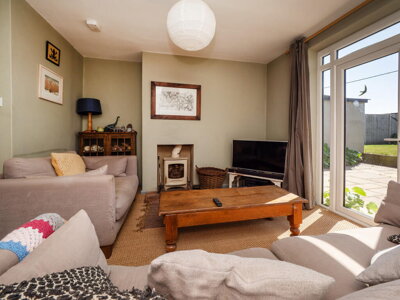
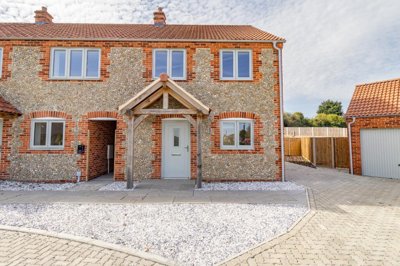
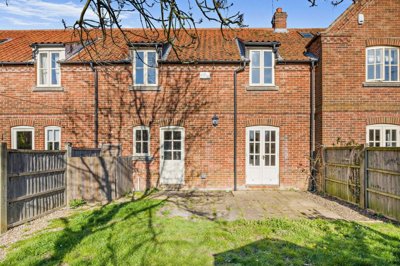
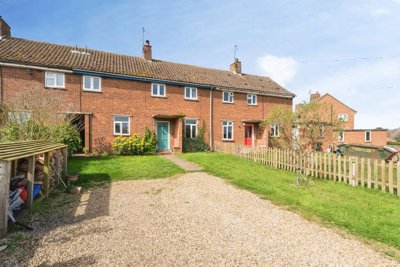
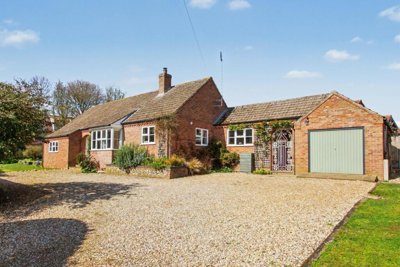
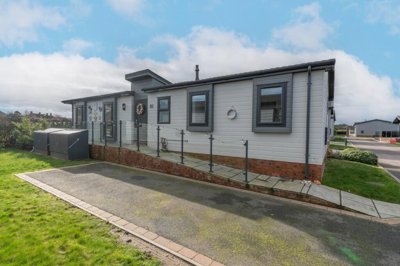
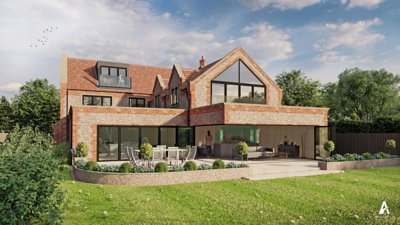
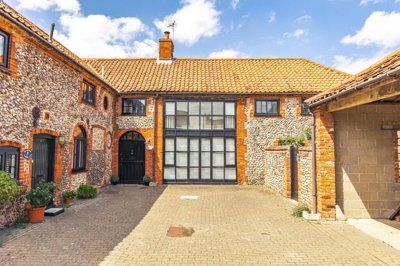
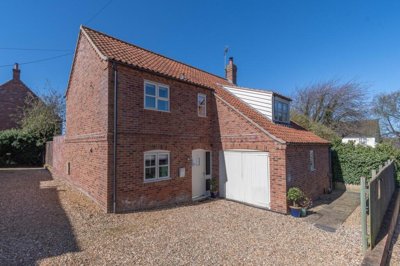
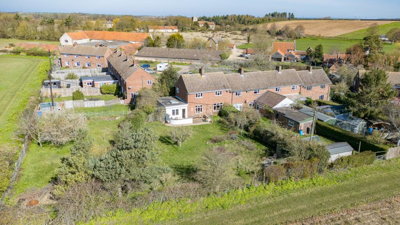
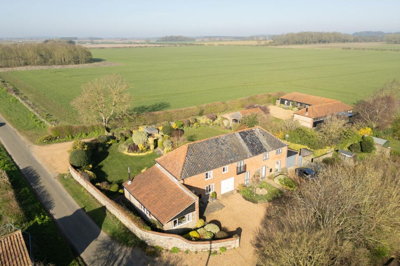
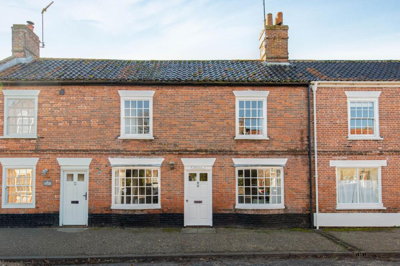
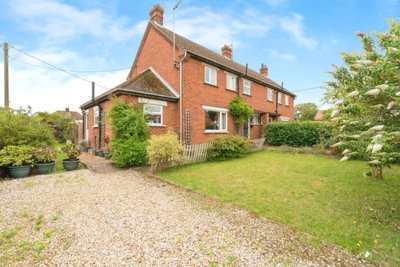
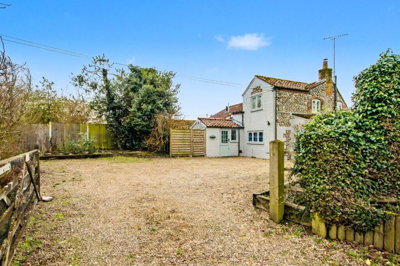
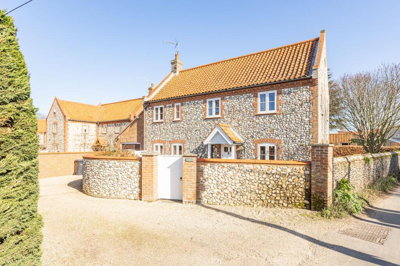
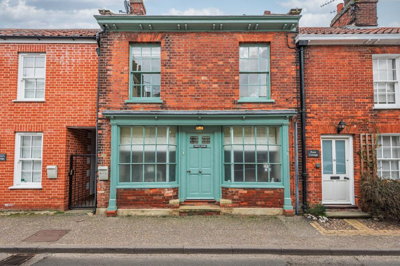
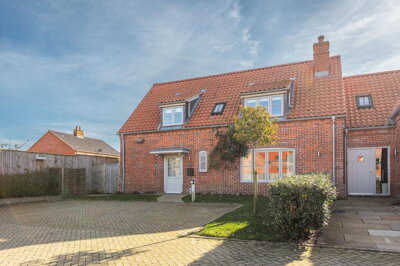
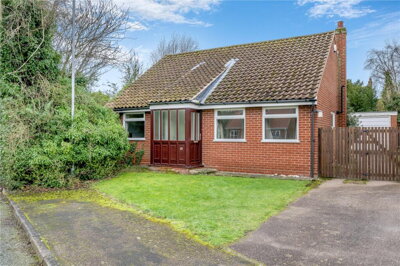
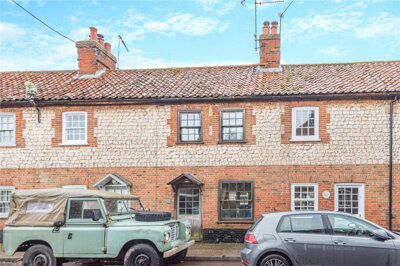
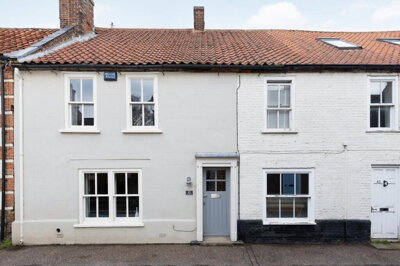
Browse 61 homes for sale in Burnham Market from local estate agents.
Burnham Market’s property market has shifted sharply over the past year, with home.co.uk listings data showing house prices down by approximately 51% on the previous year. That correction came after a striking peak in 2022, when average prices moved beyond £1,000,011. Across the wider PE31 8 postcode, which covers Burnham Market and nearby villages, the annual fall was 12.6%, so the adjustment is clearly broader than one street or one house type. Short term movements aside, we still see a positive long-term picture here, shaped by the village’s position, tight supply, and the lasting draw of a rural coastal lifestyle.
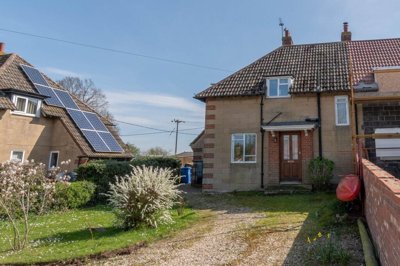
Look at the mix of homes and Burnham Market’s history shows through straight away. Detached properties lead the market at an average of £677,812, with the space and privacy many families want in a substantial home. Semi-detached properties sit lower at around £436,875, while terraced homes average £610,000, which likely reflects the Conservation Area setting and the limited stock of these often Georgian and Victorian buildings. Flats are rare, with most of the residential market made up of houses, although apartment conversions do crop up in older buildings. As a Conservation Area, the village also has a strong number of listed buildings, which adds character, and a fair bit of complexity, to any purchase.
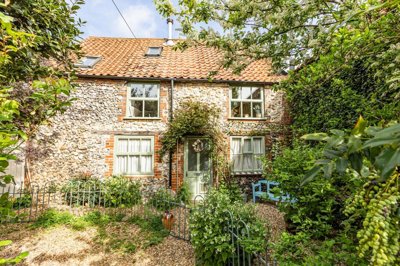
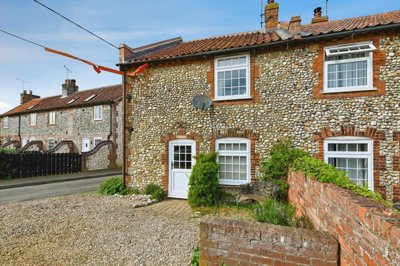
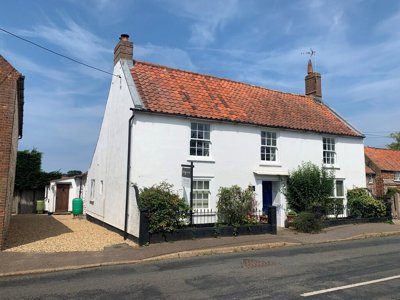
Because Burnham Market is a historic village with Conservation Area status, a large share of its homes are likely to have been built pre-1919. Georgian and Victorian styles are especially common, usually built in traditional Norfolk fashion with local flint, brick, and render. Solid walls, timber floors and roof structures, and lime-based mortars are all familiar features, and they call for specialist knowledge during renovation or routine upkeep. Our inspectors often find original sash windows, decorative cornicing, and period fireplaces, details that give the village its character but also need regular attention.

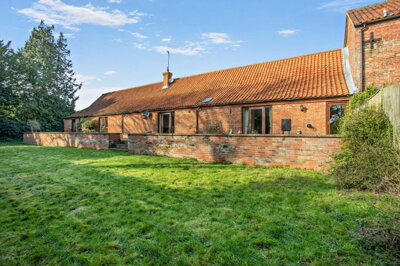
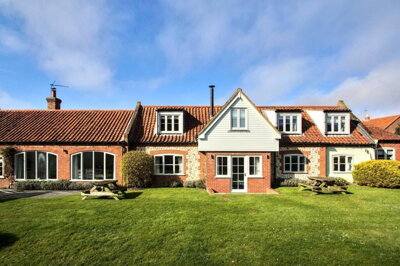
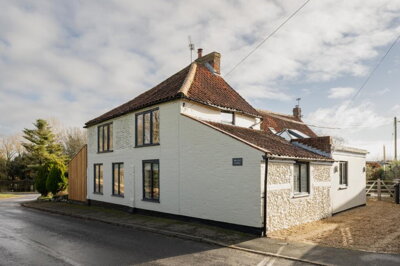
The built form here tells the story of centuries of Norfolk building practice. Throughout Burnham Market, local brick, knapped flint, and render create the colours and textures that give the Conservation Area its distinct look. Red brick detailing around windows and doorways is common, especially on Georgian properties, while flint often appears on boundary walls and the lower storeys of cottages, where its weather-resistant qualities were especially valued.
Solid wall construction is common in Burnham Market, so modern insulation standards are not always easy to reach without specialist guidance. Our surveyors often suggest lime-based renders and breathable insulation materials for older homes, since cement-based products can trap moisture inside solid walls and lead to deterioration over time. Anyone planning renovation work needs to understand these traditional methods, because unsuitable changes can damage historic fabric and trigger expensive remedial work later.
Lime mortar and lime plaster were the standard materials in Norfolk’s historic buildings, and for good reason, they flex and breathe. Cement-based mortars are much harder and far less permeable, so moisture can be pushed into older brick or flint, where it can cause spalling and decay. For Burnham Market properties, we recommend using contractors who know traditional building methods and understand the need to match original materials.
There is a real sense of old English village life in Burnham Market, from the handsome flint and brick cottages to the elegant Georgian facades and the tranquil village green at its centre. It has become one of North Norfolk’s more sophisticated spots, drawing in visitors and residents who like its polished feel and strong mix of independent shops. Art galleries, homeware boutiques, specialist food shops, and several well-regarded restaurants all sit within easy reach, and the local calendar is busy too, with markets, events, and social gatherings through the year.
Set within the North Norfolk Coast Area of Outstanding Natural Beauty, the village gives residents access to one of England’s most prized landscapes. The coastline nearby is ideal for walking, birdwatching, and general exploration, with the Norfolk Coastal Path running for miles past salt marshes and sandy beaches. Sailing, kayaking, and other water sports are close at hand too, while inland routes through farmland and woodland add more ways to get outdoors. Second homes are a noticeable part of the picture in Burnham Market, supporting a lively seasonal economy and shaping local market activity.
Broadband has improved in Burnham Market over recent years, and many homes in the village centre can now get superfast services. Outlying properties can still be slower, though, so we always suggest checking what is available before you commit, especially if you work from home. Mobile coverage is generally good across most networks in the village, although some spots do see weaker signal. Being away from major urban centres also means very low light pollution, which makes the area a favourite for stargazers and anyone after genuine rural calm.

Families moving to Burnham Market will find a number of respected schooling options within reach. Burnham Market Primary School serves younger children in the village, giving them a solid start in a supportive rural setting. It takes pupils from Reception through to Year 6, with close links to the local community, small class sizes, and plenty of individual attention. For secondary education, most families look to King's Lynn or the coast, where several grammar schools and comprehensives serve the wider area.
The wider King's Lynn and West Norfolk area adds further choice, and several schools there have achieved strong Ofsted ratings in recent years. It is worth checking catchment areas and admission rules carefully, since rural school places can be competitive. King Edward VII School in King's Lynn and St Martha's Catholic Primary are among the names families often consider, although transport can vary by provider and by route. For those looking at private education, Norfolk has a number of independent schools, and some run bus services from the Burnham Market area.
Sixth form provision is available in King's Lynn and nearby towns, so older students have access to further education without travelling too far. The closest general hospital with an Accident and Emergency department is Queen Elizabeth Hospital in King's Lynn, about 20 miles from Burnham Market. For more specialist care, Norfolk and Norwich University Hospital in Norwich offers a full range of services and can be reached via the A149 coast road. With good education facilities across the region, Burnham Market works well for families at different stages of their children’s schooling.

Transport from Burnham Market balances rural peace with workable access to cities and major hubs. The village lies about 45 miles north of Norwich, Norfolk’s main city, which has direct rail services to London Liverpool Street in around two hours. King's Lynn and Downham Market are the nearest stations, both with regular trains to Cambridge and London, and Downham Market gives a particularly useful link to the capital. For Norwich commuters, the A149 coast road is the scenic option, though not always the quickest, while the A10 via King's Lynn offers another route towards Cambridge and the north.
For many residents, driving is still the practical day-to-day choice. Norwich can be reached in about one hour, and Cambridge in around 90 minutes. The village also links neatly into the wider Norfolk road network, with access to the A47 trunk road via King's Lynn and good connections to the A14 for Cambridge and the Midlands. Norwich International Airport handles domestic and European flights, while London Stansted gives broader international links in roughly two hours by car. Burnham Market suits people who work from home but still need regular access to larger centres for work or leisure.
The A149 coast road runs through the village and links Burnham Market to Wells-next-the-Sea, Holkham, and Blakeney to the east, and to Holbeach beach to the west. In summer, traffic from visitors can build up quickly, so those making regular trips to King's Lynn for shopping or services need to plan around that. Parking in the village is usually straightforward, with public car parks close to the village green, although spaces can tighten during peak visitor season.

Start with the current listings in Burnham Market, because they give a good feel for what is out there, from traditional flint cottages to Georgian houses. The Conservation Area designation matters too, so it is wise to get to grips with any planning restrictions before making moves. Our team can talk through recent comparable sales and the market trend in the PE31 8 postcode area, which helps set realistic expectations for different property types.
Estate agents active in the Burnham Market area can arrange viewings of homes that match what you are looking for. It is sensible to visit at different times of day and on different days of the week, so you can see the village atmosphere and traffic patterns for yourself, especially in summer when visitor numbers rise. School holidays and weekends bring a marked increase in activity as people head for the North Norfolk coast.
Before you put in an offer, get a mortgage agreement in principle from a lender. It shows sellers that your finances are in good order and can help keep the buying process moving once your offer is accepted. With property values in Burnham Market sitting at a premium, many deals involve sizeable mortgage borrowing, so speaking to a specialist broker with rural property experience can help match you with the right products.
Burnham Market has a strong stock of historic and listed homes, so we strongly recommend booking a RICS Level 2 Survey before you complete. Our inspectors know traditional Norfolk properties well and are used to the defects that often go with solid wall construction, lime-based mortars, and older timber structures. Damp, movement, and maintenance issues can all be easier to spot with a proper survey in hand.
A solicitor with rural and conservation area experience is the right choice for the legal side of the purchase, covering searches, contracts, and listed building matters. Searches should include drainage and water authority checks, local authority planning history, and environmental reports that cover flood risk and ground conditions. Norfolk’s geology, with its chalk and glacial deposits including clay, means the environmental search should also look at shrink-swell risk, particularly where large trees or moisture-sensitive foundations are involved.
Once the searches come back clean and the money is in place, your solicitor will exchange contracts and agree the completion date. On completion day, the remaining funds are transferred and the keys to your Burnham Market home are released. We recommend a final walk-through shortly before completion, just to check the property is in the same condition as when you last viewed it.
Buying in Burnham Market means paying close attention to the village’s particular historic character. Most homes are likely to be more than 50 years old, and many date to the Georgian or Victorian periods, so traditional construction methods and materials are widespread. Solid walls, lime-based mortars, and timber structures are all common, and they need specialist understanding during maintenance or renovation. A thorough RICS Level 2 Survey is essential for spotting damp, roof issues, timber defects, and any signs of movement that may not show up in a standard valuation.
The Conservation Area covering Burnham Market means most properties are subject to planning controls designed to protect the village’s architectural character. Significant external alterations, extensions, or new outbuildings will need planning permission from King's Lynn and West Norfolk Borough Council, and there can be restrictions on windows, doors, roofing materials, and boundary treatments. Listed buildings bring extra obligations too, including possible limits on internal changes and the need for consent from Historic England. These points are worth checking before you commit, as they can affect both cost and what you can realistically do later.
Older Burnham Market homes often show rising damp, penetrating damp, or condensation, especially where walls are solid or ventilation is poor. Our surveyors also regularly find timber defects, including woodworm, dry rot, and wet rot in floor joists, wall plates, and roof timbers. Outdated electrical systems and plumbing that needs updating are common as well. The Norfolk geology, with chalk bedrock overlain by glacial deposits including clay, can create shrink-swell related subsidence, especially where homes sit near large trees or have shallow foundations. Some areas are also exposed to surface water flooding, so it is sensible to check the Environment Agency flood risk maps for individual properties.

According to recent home.co.uk listings data updated in early 2026, the average house price in Burnham Market is approximately £599,286, while homedata.co.uk reports a similar average of £597,727 and home.co.uk shows £619,000. Detached properties average around £677,812, semi-detached homes cost approximately £436,875, and terraced properties are around £610,000. Over the past year the market has corrected sharply, with prices down around 51% from earlier levels after a peak of more than £1,000,011 in 2022. Even with that short-term movement, Burnham Market property still carries a premium, backed by the village’s position and the limited supply of homes in this highly desirable North Norfolk spot.
Properties in Burnham Market fall under King's Lynn and West Norfolk Borough Council for council tax purposes. The band a home is placed in depends on its assessed value, and many traditional cottages and houses are likely to sit in Bands C through E, while larger Georgian properties may fall into higher bands. Buyers should check the exact band for any property through the Valuation Office Agency website or by speaking to the local authority, since council tax will be part of the monthly budget. The borough’s council tax rates are set each year and can be checked through the King's Lynn and West Norfolk Council website.
Burnham Market Primary School serves the village and the surrounding area for primary education, with classes from Reception through Year 6 in a supportive rural environment. For secondary school, families usually look to the wider King's Lynn and West Norfolk area, including several respected grammar schools and comprehensives. Admission rules and catchment areas should be checked carefully, because they can change and places at popular schools can be hard to secure. Norfolk also has independent schools, and some provide transport from the Burnham Market area. The nearest further education college is the College of West Anglia in King's Lynn, which offers a broad mix of vocational and academic courses.
Public transport is limited in Burnham Market, which fits its rural village setting. King's Lynn and Downham Market are the nearest railway stations, both with regular services to Cambridge and London King's Cross respectively. Bus services do run in the area, but they are infrequent, so for most residents car ownership is close to essential. Norwich, with broader rail links and an international airport, is about 45 miles away. For commuters, Norwich is around one hour by car and Cambridge about 90 minutes, so Burnham Market can work for those who work from home or keep commuting flexible. Queen Elizabeth Hospital in King's Lynn, about 20 miles away, is the nearest hospital with an Accident and Emergency department.
Investors have long been drawn to Burnham Market for its lasting appeal and strong rental potential, especially for holiday lets thanks to its location within the North Norfolk Coast Area of Outstanding Natural Beauty. Its popularity with visitors supports both short-term holiday demand and longer-term lets. There is also a significant second-home market, which can affect availability and yield calculations. Conservation Area rules and listed building status may limit some development options. The recent correction in prices has made entry a little more accessible, which may interest investors looking for long-term value in a prestigious location. Holiday let yields can be attractive in the summer months, but the seasonal nature of coastal tourism needs to be built into the numbers.
Stamp duty on Burnham Market purchases follows the current 2024-25 thresholds. There is no stamp duty up to £250,000, then 5% applies to the portion between £250,001 and £925,000, 10% to amounts from £925,001 to £1.5 million, and 12% to anything above £1.5 million. First-time buyers get relief on the first £425,000, with 5% charged between £425,001 and £625,000, although there is no relief above £625,000. Since the average property price in Burnham Market is over £500,000, most purchases will attract some stamp duty, so it needs to be built into the budget. A typical £600,000 property would incur around £17,500 in stamp duty under standard rates.
Broadband speeds in Burnham Market depend on the exact location of the property. Homes in the village centre can usually get superfast services at 30Mbps or more, while some outlying properties and older cottages may be slower or need satellite broadband. We suggest checking availability through the Ofcom broadband checker before you commit, especially if you work from home or need multiple users online at once. Mobile coverage is generally fine for most networks in the village, though some places do see weaker signal.
There are several costs beyond the purchase price that buyers need to factor in from the outset. Stamp Duty Land Tax is usually the biggest extra, with current thresholds starting at 5% on the portion of any purchase between £250,001 and £925,000. As most Burnham Market properties are above £400,000, stamp duty bills of £7,500 or more are common. First-time buyers purchasing under £625,000 may qualify for relief on the first £425,000, which reduces SDLT liability, though that relief does not apply above £625,000.
Conveyancing fees typically sit between £499 and £1,500, depending on how complex the transaction is, and Burnham Market purchases can involve extra work because of Conservation Area restrictions and listed building issues. A RICS Level 2 Survey usually starts at about £350 for a standard property, though larger or historic homes may need a fuller inspection. Mortgage arrangement fees are often between 0% and 2% of the loan amount, and valuation fees vary with the property price. Surveyors working in the Burnham Market area know traditional Norfolk construction well, so it makes sense to use one who understands local historic materials.
There are other costs to plan for too, including search fees, usually £250-£500 for local authority, drainage, and environmental searches, plus Land Registry fees for title registration and bank transfer charges. Buildings insurance should be in place from exchange of contracts, with contents insurance arranged for completion day. Taken together, these expenses often add 2-4% to the purchase price, so a £600,000 property may need another £12,000 to £24,000 to cover buying costs. We always advise allowing a contingency of at least 5% for unexpected expenses that can arise during the process.

From £350
A detailed property condition inspection, well suited to Burnham Market’s historic homes. It picks up defects in traditional construction.
From £500
A fuller building survey, ideal for older or more complex properties, listed buildings, or homes that need extensive renovation.
From £80
An energy performance certificate is needed for all property sales, and it sets out energy efficiency and running costs.
From 4.5% APR
Specialist mortgage advice for rural and premium property purchases, with access to lenders who understand the market.
From £499
Specialist solicitors for rural and conservation area transactions, including the extra considerations that come with listed buildings.
Properties for Sale In London

Properties for Sale In Plymouth

Properties for Sale In Liverpool

Properties for Sale In Glasgow

Properties for Sale In Sheffield

Properties for Sale In Edinburgh

Properties for Sale In Coventry

Properties for Sale In Bradford

Properties for Sale In Manchester

Properties for Sale In Birmingham

Properties for Sale In Bristol

Properties for Sale In Oxford

Properties for Sale In Leicester

Properties for Sale In Newcastle

Properties for Sale In Leeds

Properties for Sale In Southampton

Properties for Sale In Cardiff

Properties for Sale In Nottingham

Properties for Sale In Norwich

Properties for Sale In Brighton

Properties for Sale In Derby

Properties for Sale In Portsmouth

Properties for Sale In Northampton

Properties for Sale In Milton Keynes

Properties for Sale In Bournemouth

Properties for Sale In Bolton

Properties for Sale In Swansea

Properties for Sale In Swindon

Properties for Sale In Peterborough

Properties for Sale In Wolverhampton

Enter your details to see if this property is within your budget.
Loans, cards, car finance
Estimated property budget
Borrowing + deposit
You could borrow between
Typical borrowing
Monthly repayment
Est. at 4.5%
Loan-to-value
This is an estimate only. Your actual budget may vary depending on interest rates, credit history, and personal circumstances. For an accurate affordability assessment, speak to one of our free mortgage advisors.
This calculator provides estimates for illustrative purposes only and does not constitute financial advice. Your home may be repossessed if you do not keep up repayments on your mortgage. Estimates based on 4.5% interest rate, repayment mortgage. Actual rates depend on your circumstances.
Homemove is a trading name of HM Haus Group Ltd (Company No. 13873779, registered in England & Wales). Homemove Mortgages Ltd (Company No. 15947693) is an Appointed Representative of TMG Direct Limited, trading as TMG Mortgage Network, which is authorised and regulated by the Financial Conduct Authority (FRN 786245). Homemove Mortgages Ltd is entered on the FCA Register as an Appointed Representative (FRN 1022429). You can check registrations at NewRegister or by calling 0800 111 6768.

We use cookies to show you personalised content and improve your experience of our website. Find out more in our Privacy policy and Cookie policy.