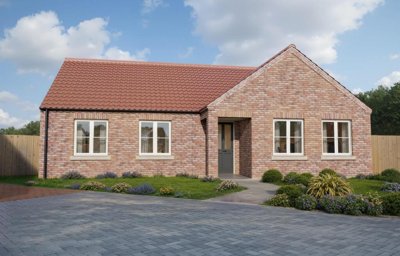
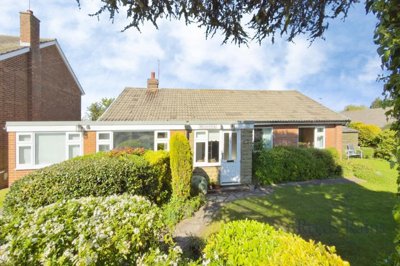
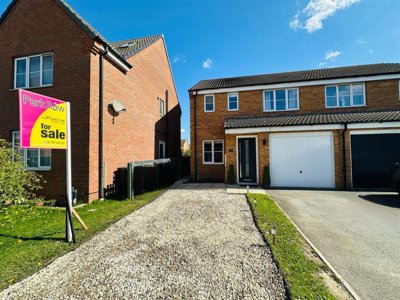
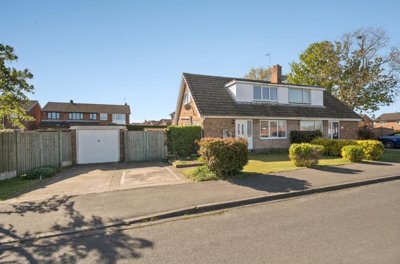
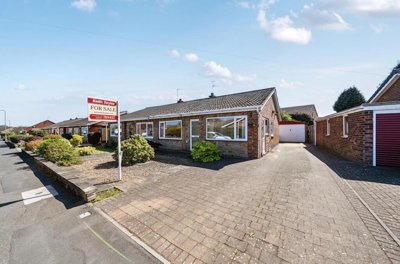
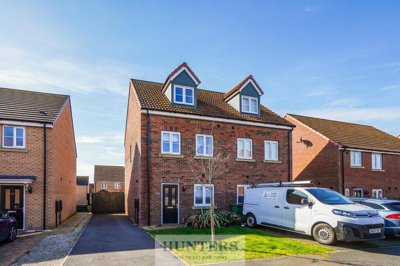
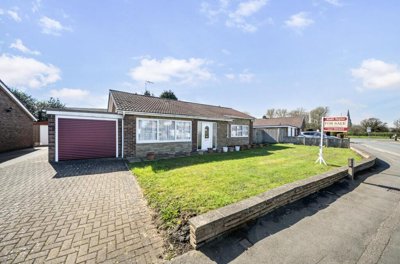
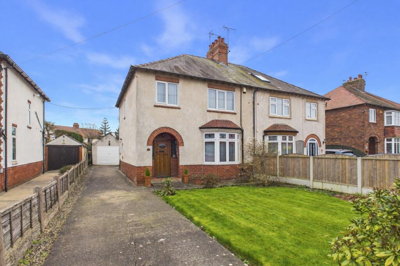
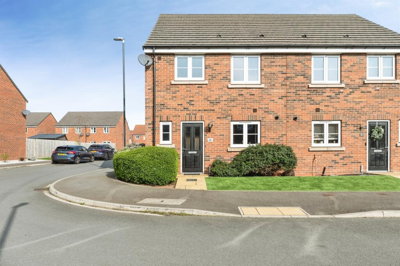
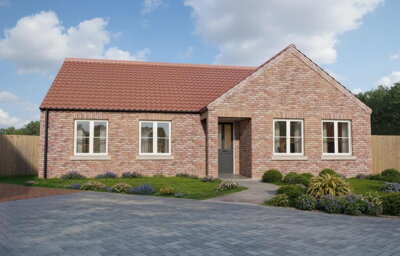
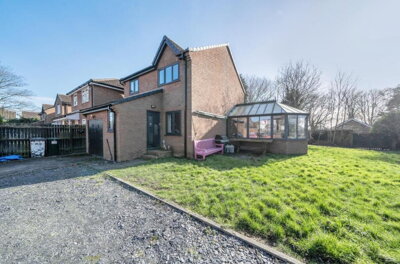
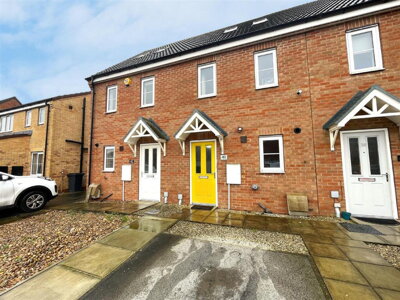
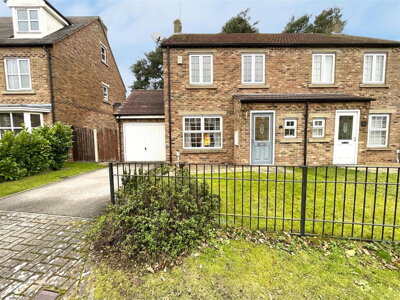
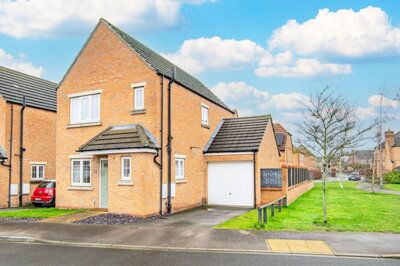
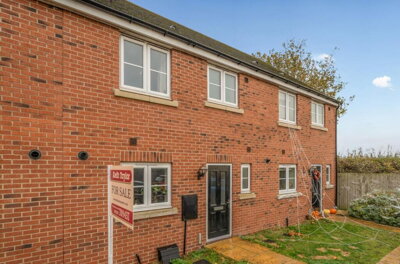
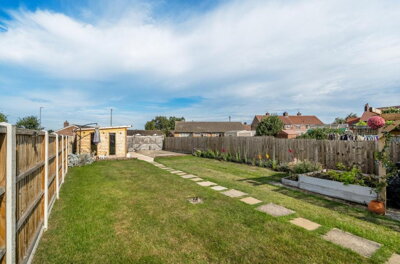
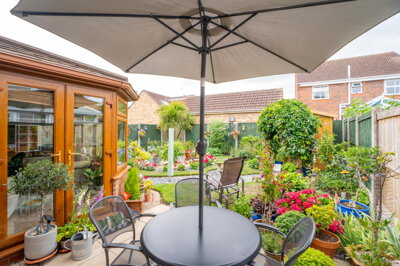
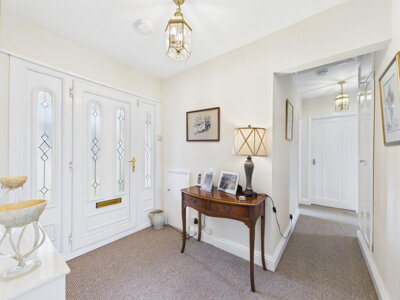
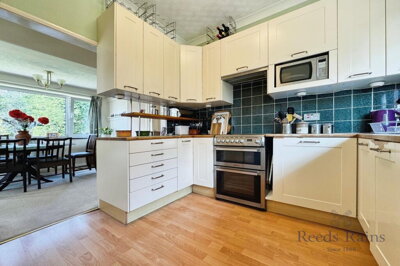
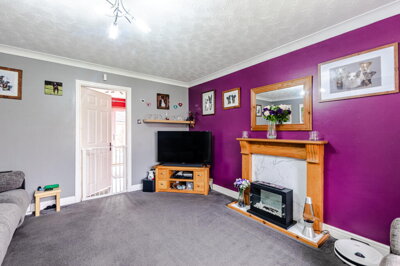
Browse 31 homes for sale in Burn, North Yorkshire from local estate agents.
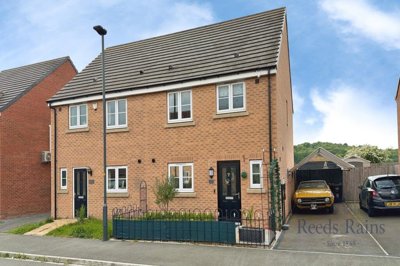
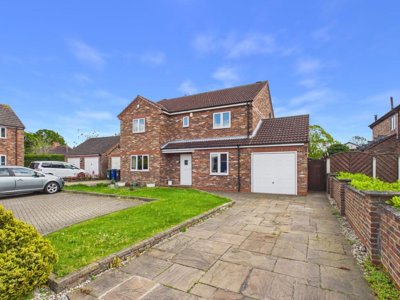
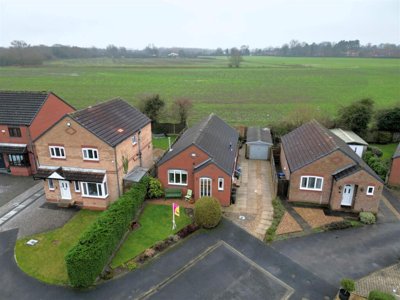
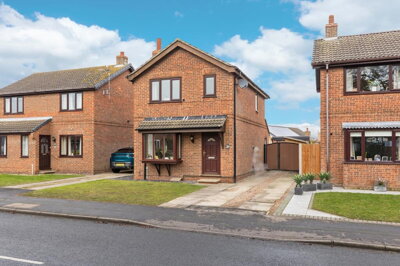
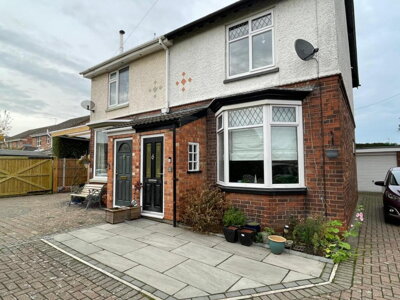
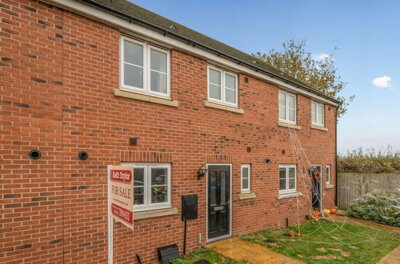
Three bedroom properties represent a significant portion of the Burn housing market, offering space for families with multiple reception rooms and gardens in many cases. Browse detached, semi-detached, and terraced options ranging from period character homes to contemporary developments.
£240k
1
0
278
Source: home.co.uk
Showing 1 results for 3 Bedroom Houses for sale in Burn, North Yorkshire. The median asking price is £240,000.
Source: home.co.uk
Semi-Detached
1 listings
Avg £240,000
Source: home.co.uk
Source: home.co.uk
Burn’s property market mirrors the steadiness seen across North Yorkshire’s wider residential sector, while still pricing more kindly than many nearby urban areas. homedata.co.uk and home.co.uk, alongside Bricks&Logic, put the average sold house price at around £280,384. Over the last twelve months, prices have edged up by approximately 1.1%, with other indicators pointing to a 3% lift on the previous year and a welcome 7% rise above the 2022 peak of £278,992. Even with the national housing picture still feeling uncertain, Burn’s figures suggest buyers have kept faith in the local market.
Detached homes sit at the top of Burn’s price range, averaging around £449,988, while semi-detached properties come in at approximately £243,136. Terraced homes are the most approachable entry point, at around £139,472. Right now, the property most often listed for sale is the four-bedroom detached house, with asking prices averaging £475,998. For families wanting space, and a bit of garden to go with it, the village compares well with similar places nearer Leeds or York, where the same money tends to buy less.
Selby district’s housing stock is heavily weighted towards larger homes. Detached properties make up around 40.1% of the stock, semi-detached homes account for approximately 35%, and flats account for only 7.4%. That leaves Burn and the surrounding villages firmly in house territory rather than apartment country. With 75 properties sold in the past year, the market has clearly been active, and that usually rewards sensible pricing and a property that has been well presented.

Burn has the sort of English village feel that keeps drawing buyers into rural North Yorkshire, quiet streets included, without cutting people off from larger towns and cities. The 2011 census recorded 491 residents in the parish, so it remains a small place where faces become familiar quickly. The village sits in Selby district, which saw population growth of approximately 10.2% between 2011 and 2021, another sign that more buyers are looking towards countryside living without the eye-watering prices seen elsewhere. The district’s median age is 44 years, slightly older than the England average, which points to a settled community of families and long-term residents rather than a transient one.
The landscape around Selby is flat and low-lying, shaped by alluvial deposits from the River Aire, which runs nearby and has influenced the area’s geography and history. Burn lies close to the Selby Canal, and the Grade II listed culvert tunnel is one of the two designated historic structures in the parish, the other being a milestone on the A19 road approximately 100 metres north of Common Lane. Burn itself is not a Conservation Area, but those listed features give the village setting a little extra character and history. Day-to-day life is practical too, with village facilities within easy walking distance and Selby town supplying shopping, healthcare and leisure services.
Burn also benefits from the wider Selby economy, which gives the area a stronger working base than many rural villages. Selby district is described as the most industrial area of North Yorkshire, with approximately 19.2% of employees working in manufacturing sectors. Drax Power Station, a major biomass facility nearby, is one of the largest employers in the region. That mix of jobs helps support local living without forcing everyone into long city commutes, while the village setting keeps the pace of life appealing for families and professionals.

For families planning a move to Burn, there is access to education at all the main stages within a reasonable travelling distance. Primary schooling is available in surrounding villages and in Selby itself, where several schools serve the local community. The Selby area has generally maintained decent educational standards, although we always recommend checking individual Ofsted ratings and catchment boundaries before making plans, because popular schools can be competitive. Many families like to view homes before the academic year starts so they can secure places at their preferred schools.
Secondary provision is centred on Selby, where schools offer coverage from Year 7 through to Sixth Form. Across North Yorkshire, secondary schools provide a broad curriculum alongside extracurricular activities, helping pupils move on to further education or vocational routes. If selective education is a priority, the wider county includes grammar schools in places such as York and Tadcaster, though places can be hard to get. Transport to schools outside the village may need to be part of the plan, so it is sensible to factor that in early when narrowing down a search.
Selby district’s age profile suggests a community that places value on stability, with a higher proportion of residents aged 45-74 than the England average. That often goes hand in hand with steady support for local schools and a habit of investing in education. Buyers moving to Burn from urban areas may notice that admissions work a little differently from city markets, with less pressure for places but possibly longer journeys to preferred schools. We suggest visiting homes in person and asking schools directly about current admissions criteria and year group availability before committing to anything.

Burn’s road links are one of its strongest cards, putting major employment centres within an easy commute. The village sits next to the A19 trunk road, which gives a direct route north to Selby in approximately eight minutes and south towards Doncaster and beyond. Leeds city centre is reachable in around 40 minutes via the M1 motorway, so Burn suits commuters working in Yorkshire’s largest city who would rather come home to a village. York is accessible in 25 to 30 minutes via the A19 and A64, opening up the historic city centre and its wide spread of jobs. Goole is about 18 minutes away as well, and it works as a local employment centre in its own right.
There is more than just road travel on offer. Bus services link Burn with nearby towns and villages, while Selby railway station provides regular services to York, Leeds and London King's Cross, with the capital reachable in approximately two hours. The station also has parking, which suits residents who prefer rail for longer trips. That leaves Burn sitting within a useful multimodal network for commuters and leisure travellers alike. Cycling is more mixed, rural lanes can be pleasant for confident riders, but the A19 needs care at busy times.
What makes Burn stand out for many buyers is its position in the Yorkshire transport network, especially for those working in Leeds but hoping to avoid city-centre prices. The A19 and M1 together give flexibility for people with erratic schedules or multiple work destinations, and Selby station opens up rail commuting for those in professional services, finance and similar sectors. Average commute times to York and Leeds compare well with other commuter villages in the region, and the lower price level than towns closer to those cities gives Burn a clear edge for buyers who want more space for their money.

Before starting a search in Burn, it pays to spend time in the village at different times of day and across different days of the week. Walk around the local amenities, speak to residents about what daily life is really like, and get a feel for what local property prices actually buy in this market. It is also wise to understand flood risk areas, especially around West Lane and the A19, so any decision is based on the specific property rather than the postcode alone.
We would suggest speaking to a mortgage broker or lender early on to secure an Agreement in Principle before viewing homes. It shows how much can be borrowed from the start, based on personal financial circumstances, and it strengthens any offer by showing sellers that the buyer is serious and ready to proceed. With average property prices in Burn around £280,384, most purchasers will need mortgage finance to complete the move.
Homemove can be used to search for available properties in Burn and arrange viewings through the estate agents listed. At each viewing, it helps to keep notes on the property’s condition, ask whether it is freehold or leasehold, and find out about any planned maintenance or improvements to the building. Homes in North Yorkshire can include traditional construction features, so professional assessment is often worthwhile.
Once an offer is accepted, our team recommends booking a RICS Level 2 Survey before exchange of contracts. Our inspectors look for structural issues, defects and maintenance concerns, then provide the detail needed if price negotiations are required because of serious problems. For a typical Burn property, survey costs usually sit between £400 to £500 depending on size and type, with larger detached homes sometimes costing more.
The legal work is best handled by a solicitor, who will deal with searches, contract review and registration with the Land Registry. They will work with the seller’s legal team, move the funds through on completion and check that the paperwork is all in order. Buyers should also allow for local searches, including drainage and water enquiries that matter in a rural area.
After the survey results and legal checks are both satisfactory, the solicitor can arrange exchange of contracts and agree a completion date. On completion day, the remaining balance is transferred and the keys to the new Burn home are handed over. Buildings insurance needs to be in place from the exchange date, because that protects the purchase through the final legal stage.
Across Burn, as in much of rural North Yorkshire, older homes often use traditional construction methods that need closer inspection during the buying process. Many have solid brick or stone walls with lime-based mortars and plasters, which breathe differently from modern cavity wall construction and may call for specific maintenance. Older properties in the region commonly suffer from dampness, roof defects and timber deterioration, so a proper survey is essential before a buyer commits. Selby’s low-lying geology, including possible underlying clay deposits, can also lead to shrink-swell ground movement, which is another reason structural surveys matter.
Flood risk is a particular issue in some parts of Burn. The village is designated as a Flood Warning Area, with properties on West Lane and along the A19 road especially affected because of their closeness to the River Aire. Six flood warnings have been recorded over recent years, and Burn Airfield has historical evidence of serious flooding that reached two metres in depth along Burn Lane in 1947. The Selby Area Internal Drainage Board works to protect people and property from river and surface water flooding in the low-lying catchment areas, but buyers should still obtain flood risk reports for specific homes, check whether the vendor has ever made an insurance claim for flood damage, and think carefully about the effect on buildings insurance premiums and future saleability.
Because the parish includes two Grade II listed structures, some properties may face planning restrictions linked to the historic environment. Burn is not a Conservation Area, but homes near the listed culvert tunnel or milestone can still have issues affecting alterations or extensions. We always advise checking planning history and any listed building consent requirements with Selby District Council before moving ahead with a purchase that involves structural changes or major renovation. Our team can also help arrange the right surveys so any problems are picked up before you commit to buying in Burn.

Recent market data from homedata.co.uk and home.co.uk, together with Bricks&Logic, puts the average sold house price in Burn, North Yorkshire, at approximately £280,384. Prices vary sharply by type, with detached homes averaging around £449,988, semi-detached properties at approximately £243,136, and terraced homes at roughly £139,472. The most common listing is a four-bedroom detached house, with an asking price averaging £475,998. The market has stayed on a steady upward path too, rising by 1.1% over the last twelve months and sitting 7% above the 2022 peak of £278,992, which leaves this YO8 village in a healthy position.
Council tax for Burn properties falls under Selby District Council. Banding runs from Band A through to Band H, based on the property’s assessed value at the time of the 1991 valuation. The exact band depends on the individual home and can be checked through the Valuation Office Agency website using the property address. Buyers can also contact Selby District Council directly for the latest council tax charges, and that information can be requested during conveyancing.
Primary education for Burn is provided by schools in surrounding villages and in nearby Selby, and families are best advised to look at each school’s Ofsted rating and admission catchment area before moving. Several primary schools serve the local community, and parents should check current performance data because it can change between academic years. Secondary education is available in Selby, with schools covering Year 7 through to Sixth Form and offering a broad curriculum plus extracurricular activities. Grammar school provision is available in nearby towns, including York, around 25 minutes away, although selective places can be hard to secure and transport may be needed.
Regular bus services connect Burn with Selby and the surrounding villages, giving practical public transport options for everyday travel within the YO8 postcode area. Selby railway station runs mainline services to York, Leeds and London King's Cross, with Leeds reachable in approximately two hours by train and the capital in around two hours as well. The village’s position beside the A19 gives direct road access to major centres, although car ownership still offers the greatest flexibility. Taken together, those road and rail links make Burn a workable commuter base for people working in Leeds, York or the nearby area.
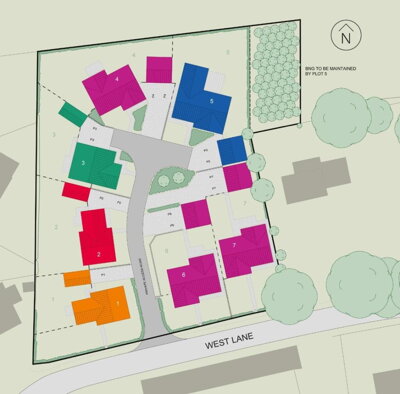
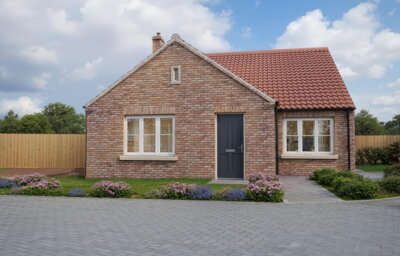
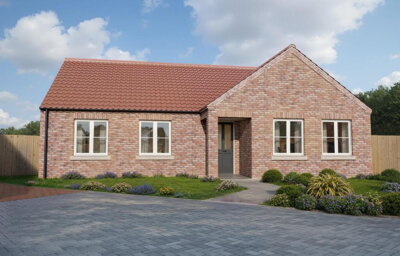
Burn has a number of features that may appeal to property investors, not least steady price growth with values 7% above the 2022 peak, a rural setting within commuting reach of major employment centres, and ongoing new build development in the village, including Henwick Hall Gardens on West Lane. Selby district’s population is projected to grow from 90,620 to nearly 98,696 by 2030, which points to continued housing demand. Even so, investors should weigh up flood risk in places such as West Lane and the A19, along with the rural village character, which can shape rental demand and the type of tenant the area attracts. A local conveyancing solicitor can advise on planning points that may affect an investment plan.
For homes bought in England, Stamp Duty Land Tax rates from April 2025 begin at 0% on the first £250,000 of purchase price, then move to 5% on the slice between £250,001 and £925,000, 10% on the next £575,000, and 12% on anything above £1.5 million. First-time buyers get more generous relief, with 0% on the first £425,000 and 5% between £425,001 and £625,000. At the Burn average price of £280,384, a standard buyer would pay no stamp duty on the first £250,000 and 5% on the remaining £30,384, which comes to approximately £1,519.20.
Secure finance before property viewing
From 4.5% APR
Legal services for your property purchase
From £499
Professional survey of the property condition
From £350
Energy performance certificate for your property
From £85
Buying in Burn means thinking beyond the asking price and allowing for Stamp Duty, solicitor fees, survey costs and moving expenses. From April 2025, the Stamp Duty Land Tax zero-rate threshold for standard buyers sits at £250,000, with higher rates applying to the portion above that level. On a home priced at the Burn average of approximately £280,384, a non-first-time buyer would pay duty on £30,384 at 5%, giving a Stamp Duty bill of around £1,519. This needs to sit alongside the deposit, mortgage fees and legal charges in the overall budget.
First-time buyers in Burn have the benefit of higher thresholds, with no Stamp Duty on the first £425,000 and a reduced 5% rate on the part between £425,001 and £625,000. That means anyone buying at or below the Burn average price of £280,384 would pay zero Stamp Duty, a meaningful saving compared with buyers who have owned property before. Homes above £625,000 do not qualify for first-time buyer relief on any part of the price. The solicitor will calculate the exact liability from the buyer’s circumstances and make sure payment reaches HMRC within the required timescales after completion.
Other costs need to be built into the budget as well, including mortgage arrangement fees that usually range from £500 to £2,000 depending on the lender and the product chosen, survey costs for a RICS Level 2 Survey of between £400 and £500 for a typical Burn property with higher prices for larger four-bedroom detached homes, conveyancing fees from approximately £500 to £1,500 depending on complexity, and local search fees of around £250 to £350 for searches in North Yorkshire. Removal charges will vary with distance and the amount being moved, while buildings insurance should be arranged from contract exchange to protect the investment. Getting a mortgage Agreement in Principle before viewings shows sellers that the buyer is financially prepared and can strengthen any offer made on property in this desirable North Yorkshire village.

Properties for Sale In London

Properties for Sale In Plymouth

Properties for Sale In Liverpool

Properties for Sale In Glasgow

Properties for Sale In Sheffield

Properties for Sale In Edinburgh

Properties for Sale In Coventry

Properties for Sale In Bradford

Properties for Sale In Manchester

Properties for Sale In Birmingham

Properties for Sale In Bristol

Properties for Sale In Oxford

Properties for Sale In Leicester

Properties for Sale In Newcastle

Properties for Sale In Leeds

Properties for Sale In Southampton

Properties for Sale In Cardiff

Properties for Sale In Nottingham

Properties for Sale In Norwich

Properties for Sale In Brighton

Properties for Sale In Derby

Properties for Sale In Portsmouth

Properties for Sale In Northampton

Properties for Sale In Milton Keynes

Properties for Sale In Bournemouth

Properties for Sale In Bolton

Properties for Sale In Swansea

Properties for Sale In Swindon

Properties for Sale In Peterborough

Properties for Sale In Wolverhampton

Enter your details to see if this property is within your budget.
Loans, cards, car finance
Estimated property budget
Borrowing + deposit
You could borrow between
Typical borrowing
Monthly repayment
Est. at 4.5%
Loan-to-value
This is an estimate only. Your actual budget may vary depending on interest rates, credit history, and personal circumstances. For an accurate affordability assessment, speak to one of our free mortgage advisors.
This calculator provides estimates for illustrative purposes only and does not constitute financial advice. Your home may be repossessed if you do not keep up repayments on your mortgage. Estimates based on 4.5% interest rate, repayment mortgage. Actual rates depend on your circumstances.
Homemove is a trading name of HM Haus Group Ltd (Company No. 13873779, registered in England & Wales). Homemove Mortgages Ltd (Company No. 15947693) is an Appointed Representative of TMG Direct Limited, trading as TMG Mortgage Network, which is authorised and regulated by the Financial Conduct Authority (FRN 786245). Homemove Mortgages Ltd is entered on the FCA Register as an Appointed Representative (FRN 1022429). You can check registrations at NewRegister or by calling 0800 111 6768.

We use cookies to show you personalised content and improve your experience of our website. Find out more in our Privacy policy and Cookie policy.