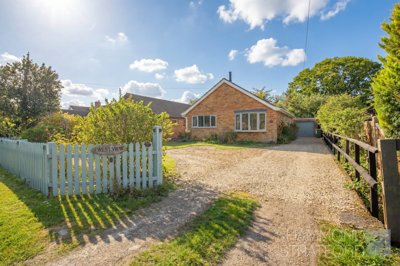
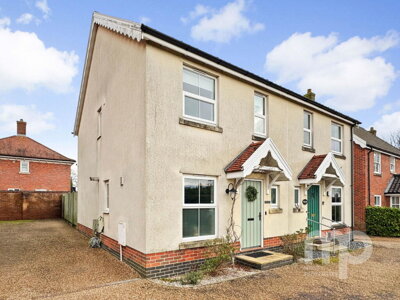
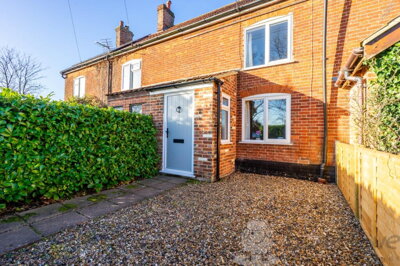
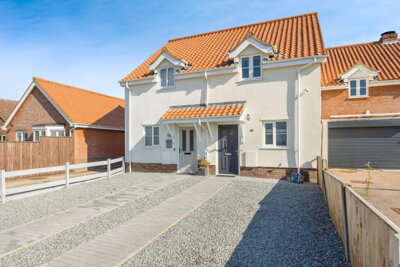
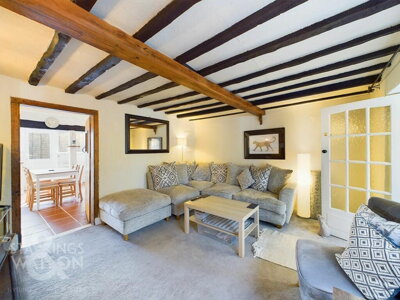
Browse 5 homes for sale in Bunwell, South Norfolk from local estate agents.
The 2 bed house market features detached, semi-detached, and terraced properties with two separate bedrooms plus living spaces. Properties in Bunwell range from Victorian and Edwardian period homes to modern new builds, with pricing varying across different neighbourhoods.
£290k
1
0
130
Source: home.co.uk
Showing 1 results for 2 Bedroom Houses for sale in Bunwell, South Norfolk. The median asking price is £290,000.
Source: home.co.uk
Terraced
1 listings
Avg £290,000
Source: home.co.uk
Source: home.co.uk
Bunwell’s property market feels distinctly rural, and detached homes make up roughly 60-70% of the stock. That pattern comes through in the village’s development history, where generous plots and old farmhouses have shaped the look of the place. For anyone after space, it is a strong fit, with detached properties averaging £484,167. The housing mix runs from pre-1919 cottages and farmhouses to post-1980 detached family homes, so the streetscape varies, but it still hangs together well.
Prices in Bunwell cover a spread that works for different budgets and priorities. Semi-detached homes average £290,000, and terraced properties sit at around £290,000 too, so they remain the more accessible options. Flats are still a rarity in this village setting, with fewer than 5% of homes in that category, and those that do appear usually come in at around £180,000. With little significant new-build activity in the immediate postcode area, most buyers are choosing existing homes, often with sizeable gardens and outbuildings that suit a traditional Norfolk village layout.
There is steady demand here, reflected in the 2.7% annual price rise. That growth suggests buyers value the rural setting and the practical links to nearby employment centres. For long-term owners, or those looking at the market as an investment, that sort of movement points to confidence in Bunwell’s fundamentals. Terraced homes at around £290,000 are still the easiest entry point, while families tend to be drawn towards the detached houses that dominate the village.

Bunwell offers the feel of rural Norfolk at its most settled, with a peaceful village backdrop and a genuine sense of community. It sits in the South Norfolk district, among gentle rolling countryside, farmland, and the village centre built around St Michael and All Angels Church. With a population of 765, it is small enough for neighbours to know one another, local events to matter, and village life to keep its own pace. That atmosphere appeals strongly to families with young children and to retirees who want a supportive setting.
There is still plenty of historical character in the village, not least in the scattered listed buildings, which include period farmhouses and cottages from Bunwell’s agricultural past. The architecture leans heavily on traditional materials, with red and gault brick joined by render and flint details that feel unmistakably Norfolk. Homes range across several eras, from pre-1919 cottages and farmhouses to post-1980 detached family properties, so the scene is varied without feeling disjointed. There is no designated Conservation Area, which means many historic homes are protected as listed buildings, but the wider village fabric is less tightly controlled than in some nearby parishes.
Day-to-day life benefits from Bunwell’s position near neighbouring towns. Attleborough and Wymondham bring supermarkets, independent shops, healthcare, and places to eat, while Norwich is within approximately 30 minutes by car and opens up a fuller range of cultural attractions, shopping centres, and jobs. The local economy remains mostly agricultural, although many residents combine village living with work in the nearby market towns or commute further afield to Norwich and beyond. Amenities within Bunwell itself are limited, which fits the size of the population, though the village hall does host events through the year.

Families thinking about a move should remember that Bunwell itself has no primary school within the village boundaries. Younger children usually go to schools in nearby communities instead. Reasonable daily travel options include schools in Carleton Rode, Attleborough, and the surrounding South Norfolk villages, so catchment areas often play a big part in the search. The A11 corridor through Attleborough gives access to several primary schools, and we would always advise checking current catchment boundaries and admission arrangements directly with schools before committing to a purchase.
Secondary education nearby includes Attleborough High School and Wymondham College, both of which take students from Bunwell and the surrounding villages through to sixth form. Wymondham College, a well-known secondary provider in South Norfolk, offers a wide-ranging education and has long drawn pupils from a broad catchment across several villages. Parents who place school provision high on the list should look closely at school performance data, catchment areas, and transport arrangements, because all three can shape day-to-day routines and have a bearing on property values in specific spots.
For households focused on schooling, it helps to view Bunwell property listings with catchment information close to hand. That makes it easier to balance village life against school transport and the everyday school run. Many families do manage both rural living and practical education arrangements, especially when work is in Norwich or one of the surrounding towns where other schooling options may exist. In most cases, the routine is car journeys or school bus services, so we would advise confirming the exact arrangements for chosen schools before a purchase goes ahead.

Road links are the main transport strength in Bunwell, with the village sitting within easy reach of key routes across South Norfolk and into Norwich. The A11 dual carriageway runs through Attleborough and gives straightforward access to Norwich, approximately 15 miles away, as well as Cambridge and the M11 motorway beyond. For anyone commuting to Norwich but wanting village life outside the city, that road network makes Bunwell a practical base, with typical car journeys to central Norwich taking around 25-35 minutes outside peak hours.
Bus services connect the village with Attleborough, Wymondham, and Norwich, so residents can reach rail services and wider regional destinations without relying entirely on a car. In rural Norfolk, buses tend to run less often than urban routes, so checking the latest timetables matters. Attleborough railway station offers regular services to Norwich, with journey times of approximately 20-30 minutes, and onward links to Cambridge, London Liverpool Street, and further afield through the Great Eastern Main Line. That rail access gives Bunwell extra appeal for commuters who want rural living without giving up professional links to larger centres.
Most daily commuting still tends to happen by car, and many homes reflect that with off-street parking as standard in a village of this kind. Cycling is possible in some directions, and a few residents use bikes for trips to nearby towns when weather and distance are on their side. The surrounding Norfolk countryside does provide scenic routes for driving and cycling, though practical commuting usually depends on private transport. Anyone looking at Bunwell should think through their own journey patterns and, if possible, test travel at different times of day to judge the real commute to work.

We suggest spending time in Bunwell and the neighbouring villages before making a decision, so the local community, amenities, and general pace of life feel clear rather than assumed. Visit at different times of day and on different days of the week, check the commute to work, and speak with people who already live there about what village life is really like. It is also worth looking closely at school access, bus routes, and the drive to the nearest supermarkets in Attleborough or Wymondham.
Speak to lenders or mortgage brokers early on and get an Agreement in Principle before starting viewings. With average prices around £408,750, knowing the borrowing limit up front helps narrow the search to realistic homes. First-time buyers should also look at all the schemes and government support available, including shared ownership options that may be on offer in the wider South Norfolk area.
Local estate agents can help line up viewings of properties that match both budget and requirements. We would always view more than one home, so condition, character, and value can be judged properly side by side. Older village properties bring their own points to check, including construction type, maintenance demands, and any listed building status. In Bunwell, where many homes date from pre-1919, it makes sense to look closely at roof condition, damp-proof course integrity, and the state of timber elements as part of the normal process.
Once an offer has been accepted, a detailed RICS Level 2 Survey is usually the next sensible step. In Bunwell, where many homes are over 50 years old, survey costs typically sit between £450-£750. That report should pick up defects common to the local stock, such as damp, roof condition, timber defects, and possible issues linked to the underlying clay geology. For listed buildings or especially historic homes, a more detailed RICS Level 3 Building Survey may be the better option.
Our solicitors handle the legal side of the purchase. They carry out searches including local authority searches with South Norfolk Council, drainage and water searches, and environmental searches to spot any ground conditions that matter to the property. Familiarity with Norfolk property transactions can help the conveyancing move along more smoothly, especially where the title is unusual or the home sits beside agricultural land.
When the searches come back satisfactorily and the finance is in place, the solicitor arranges exchange of contracts with the seller. Completion usually follows within 2-4 weeks, after which the keys are handed over and the Bunwell home is yours. We would also recommend arranging buildings insurance to start before completion and taking meter readings on moving day.
Buyers should pay close attention to Bunwell’s ground conditions before committing to a purchase. The area has superficial deposits of glacial till, or boulder clay, sitting over chalk bedrock, which creates a moderate to high shrink-swell risk for homes on shallow foundations. In plain terms, the clay soils can expand and contract as moisture levels change, and that can lead to subsidence or heave during prolonged dry spells or periods of heavy rainfall. We would always ask about foundation depth and any history of movement or underpinning.
Surface water flooding is another local issue in some low-lying parts of the village, so flood risk assessments should be checked for each individual property. Bunwell has no significant rivers and is not exposed to coastal flooding, but low-lying ground can still collect surface water after heavy rain. Homes set away from natural drainage channels and lower ground usually carry less flood risk, although changing climate patterns mean the issue deserves attention on every purchase. The survey should pick up any previous flooding or drainage concerns affecting the property.
Because listed buildings are present across Bunwell, some homes come with statutory protections that need specialist thought during a purchase. Listed Building Consent is required for alterations to protected properties, so renovation budgets and plans need to reflect that. Common defects in older homes here include rising or penetrating damp where damp-proof courses are absent or weak, deterioration in roof coverings and lead flashing, timber defects such as woodworm or wet rot in floor and roof timbers, outdated electrical installations that may no longer meet current safety standards, and chimney stack problems, including crumbling mortar and flashing. Older properties built before 2000 may also contain asbestos in materials such as Artex, roof tiles, or insulation.

As of early 2026, the average house price in Bunwell is £408,750, after a 2.7% rise over the previous 12 months. Detached homes average £484,167, semi-detached houses come in at around £290,000, and terraced properties usually sell for approximately £290,000. Flats are still uncommon in this village, and the ones that do appear average around £180,000. That pricing reflects Bunwell’s pull as a rural community with good links to larger employment centres in Norwich and the nearby market towns.
Homes in Bunwell fall under South Norfolk Council’s jurisdiction, and council tax bands are set by the property’s 1991 valuation. Most detached family houses in the village sit in bands D through F, which usually means annual bills of between £1,800 and £2,400 depending on the band and the current rates. Smaller terraced homes and period cottages may fall into bands B through C, where annual costs are lower, at around £1,400-£1,600. Exact council tax charges should be checked with South Norfolk Council closer to the purchase date, since each band is assessed individually at valuation.
Bunwell itself has no primary school within the village, so children usually attend schools in nearby places such as Carleton Rode or primary schools in Attleborough. Schools serving the surrounding South Norfolk villages are within reasonable distance, but catchment areas can change and they can affect admissions. For secondary education, families tend to look to Attleborough High School and Wymondham College in the nearby market towns, both of which provide education through to sixth form. We would advise checking current catchment areas and admission criteria with Norfolk County Council, as school allocations can shape the property search for families with children.
Public transport from Bunwell is based on local bus services linking the village with nearby market towns, and those links give access to railway stations in Attleborough and Wymondham. In a rural setting like this, buses usually run less often, so current timetables need checking for each journey. Attleborough station has regular services to Norwich, taking 20-30 minutes, plus onward connections to Cambridge and London Liverpool Street. Even so, most residents still find private vehicle ownership practical because of the village’s rural position, and anyone depending on buses will need to factor routes and frequencies into the search.
The Bunwell market has shown steady growth, with a 2.7% annual price increase that points to stable demand from buyers looking for rural Norfolk living. Proximity to expanding employment centres in Norwich and the surrounding market towns helps, while the limited supply of homes for sale supports values too. Rental demand is likely to come mainly from professionals working in Norwich or nearby towns who want village life, although the small population and the mainly detached stock keep the rental market more limited than in larger towns. Investors should keep the village’s small scale and modest amenity base in mind when weighing rental demand or long-term capital growth.
Stamp Duty Land Tax, or SDLT, in England applies at standard rates from April 2025, 0% on the first £250,000 of purchase price, 5% between £250,001 and £925,000, 10% between £925,001 and £1.5 million, and 12% above £1.5 million. For a typical Bunwell home at £408,750, that gives SDLT of approximately £7,938, based on 5% on the amount above £250,000. First-time buyers purchasing homes up to £625,000 may qualify for relief that removes SDLT on the first £425,000, which can cut the cost sharply on a qualifying purchase.
Because a substantial share of Bunwell’s housing stock is over 50 years old, we would strongly advise arranging a RICS Level 2 Survey before completion. Older Norfolk village properties often show damp where damp-proof courses are weak, roof wear affecting tiles, slates, and lead flashing, timber defects such as woodworm or wet rot in floor joists and roof structures, and outdated electrical installations. The boulder clay geology also means the survey should look carefully at foundation conditions and any subsidence risk. Survey costs in the Bunwell area usually fall between £450-£750, depending on property size and complexity.
Buying in Bunwell brings extra costs beyond the purchase price, and those should be allowed for from the outset. SDLT is usually the biggest additional item, working on the part of the price that falls within each tax band. At the current average price of £408,750, standard rate buyers would pay about £7,938 in SDLT, while relief may be available for qualifying first-time purchasers, reducing it to £0 on the first £425,000 of a property valued up to £625,000.
Survey fees deserve proper attention in Bunwell because much of the housing stock is older. RICS Level 2 Surveys generally cost between £450 and £750, depending on the size, age, and complexity of the home, with larger detached period properties usually sitting at the higher end. For listed buildings or especially historic properties, a more detailed RICS Level 3 Building Survey may be the better choice despite the extra cost, as it looks more closely at traditional construction and historic fabric. The local boulder clay also means surveys should pay close attention to foundations and any subsidence risk.
Conveyancing costs for South Norfolk transactions usually start from around £499 for standard purchases, with extra charges for local authority searches with South Norfolk Council, drainage and water searches, title registration fees, and disbursements. As a guide, buyers should allow about £1,500 to £2,500 for legal fees and related costs on a typical transaction. Mortgage arrangement fees, valuation costs, and broker charges also need to be built into the budget, especially where larger mortgages are involved and arrangement fees can reach 0.5% or more of the loan amount. Buildings insurance should be in place before completion, and there should also be room in the budget for moving costs and any immediate repairs or improvements highlighted by the survey.

Properties for Sale In London

Properties for Sale In Plymouth

Properties for Sale In Liverpool

Properties for Sale In Glasgow

Properties for Sale In Sheffield

Properties for Sale In Edinburgh

Properties for Sale In Coventry

Properties for Sale In Bradford

Properties for Sale In Manchester

Properties for Sale In Birmingham

Properties for Sale In Bristol

Properties for Sale In Oxford

Properties for Sale In Leicester

Properties for Sale In Newcastle

Properties for Sale In Leeds

Properties for Sale In Southampton

Properties for Sale In Cardiff

Properties for Sale In Nottingham

Properties for Sale In Norwich

Properties for Sale In Brighton

Properties for Sale In Derby

Properties for Sale In Portsmouth

Properties for Sale In Northampton

Properties for Sale In Milton Keynes

Properties for Sale In Bournemouth

Properties for Sale In Bolton

Properties for Sale In Swansea

Properties for Sale In Swindon

Properties for Sale In Peterborough

Properties for Sale In Wolverhampton

Enter your details to see if this property is within your budget.
Loans, cards, car finance
Estimated property budget
Borrowing + deposit
You could borrow between
Typical borrowing
Monthly repayment
Est. at 4.5%
Loan-to-value
This is an estimate only. Your actual budget may vary depending on interest rates, credit history, and personal circumstances. For an accurate affordability assessment, speak to one of our free mortgage advisors.
This calculator provides estimates for illustrative purposes only and does not constitute financial advice. Your home may be repossessed if you do not keep up repayments on your mortgage. Estimates based on 4.5% interest rate, repayment mortgage. Actual rates depend on your circumstances.
Homemove is a trading name of HM Haus Group Ltd (Company No. 13873779, registered in England & Wales). Homemove Mortgages Ltd (Company No. 15947693) is an Appointed Representative of TMG Direct Limited, trading as TMG Mortgage Network, which is authorised and regulated by the Financial Conduct Authority (FRN 786245). Homemove Mortgages Ltd is entered on the FCA Register as an Appointed Representative (FRN 1022429). You can check registrations at NewRegister or by calling 0800 111 6768.

We use cookies to show you personalised content and improve your experience of our website. Find out more in our Privacy policy and Cookie policy.