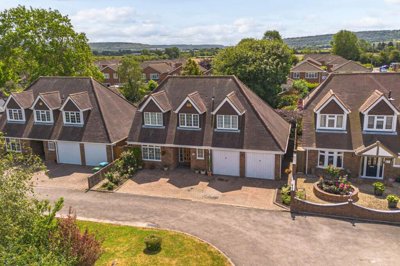
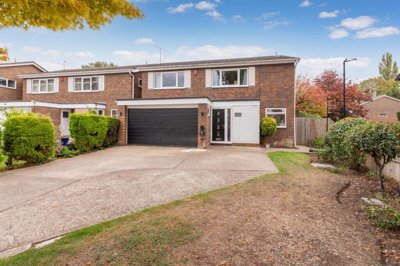
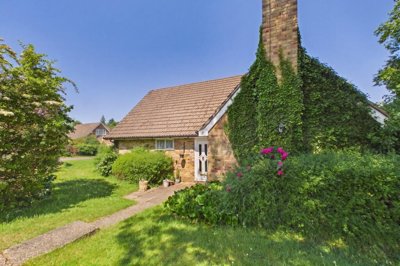
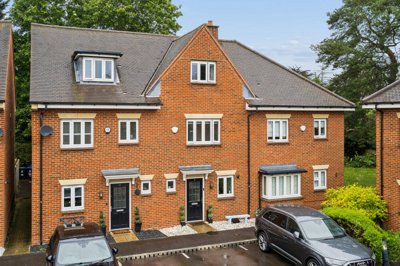
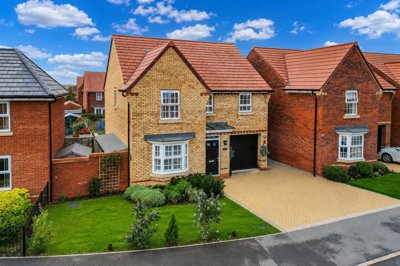
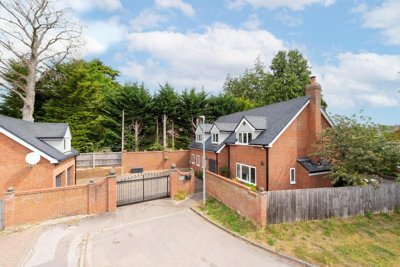
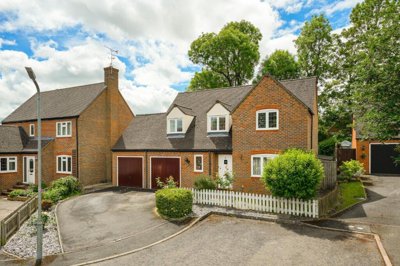
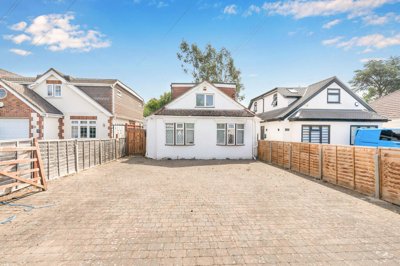
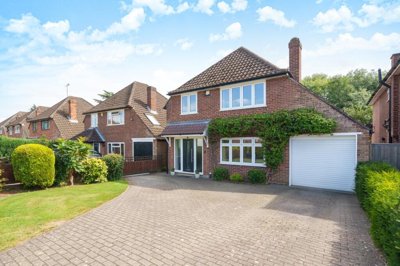
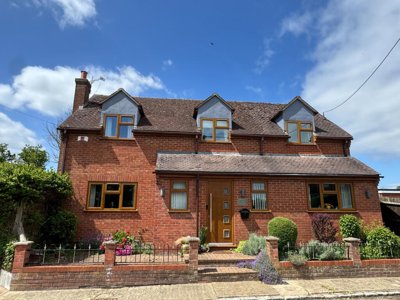
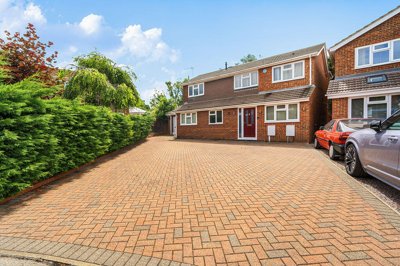
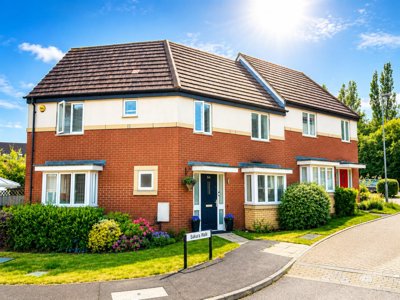
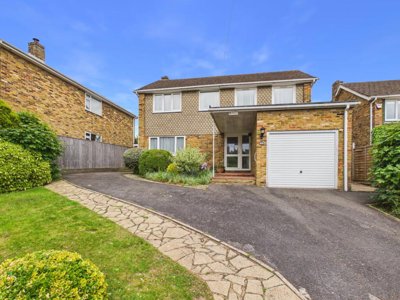
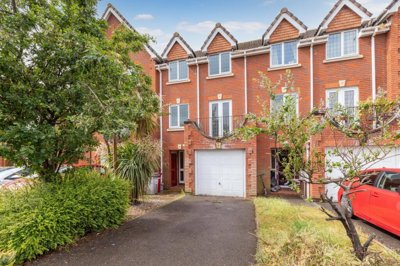
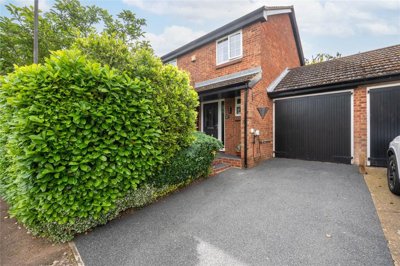
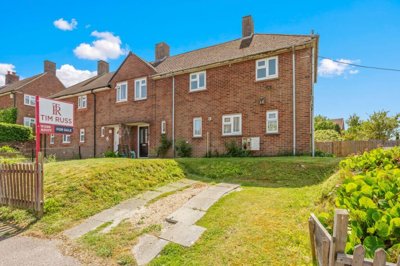
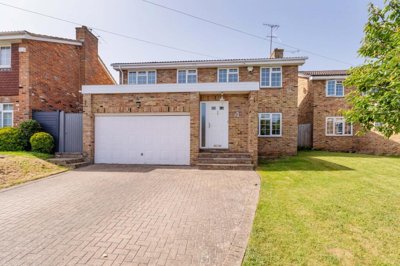
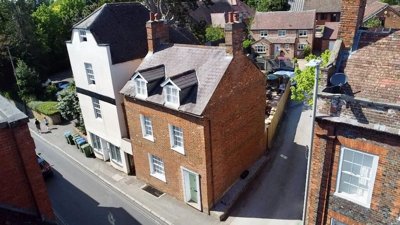
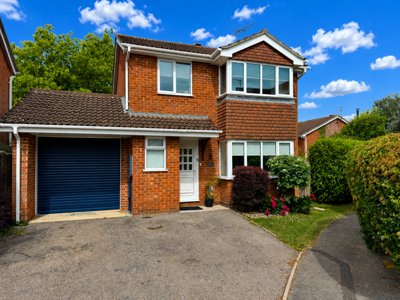
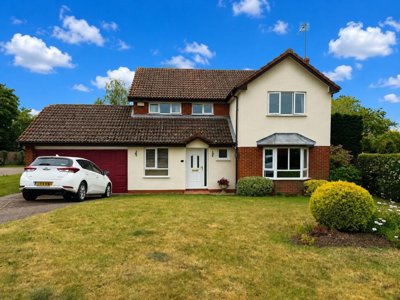
Browse 3,827 homes for sale in Buckinghamshire, England from local estate agents.
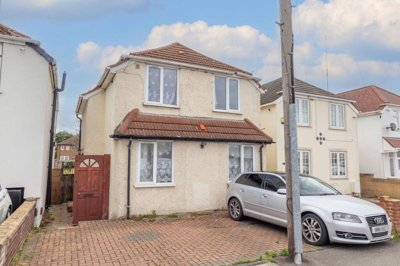
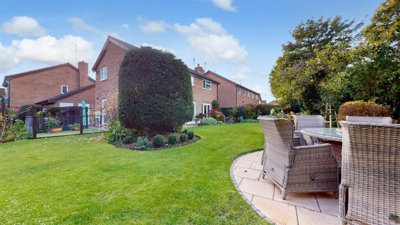
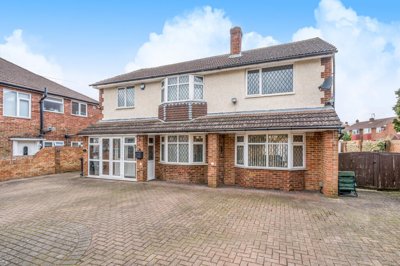
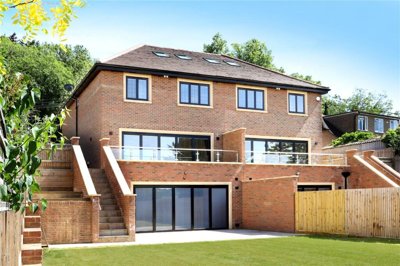
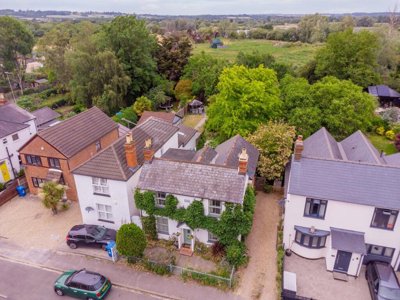
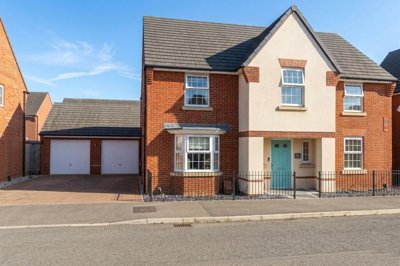
The larger property sector typically features multiple bathrooms, substantial reception space, and private gardens or off-street parking. Four bedroom houses in Buckinghamshire span detached, semi-detached, and occasionally terraced configurations, with styles ranging from period properties to modern executive homes.
£675k
1,605
136
97
Source: home.co.uk
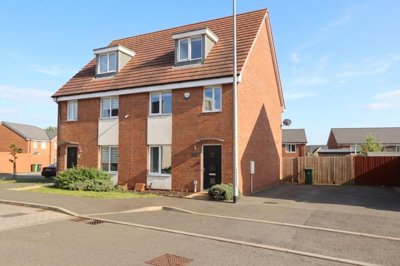
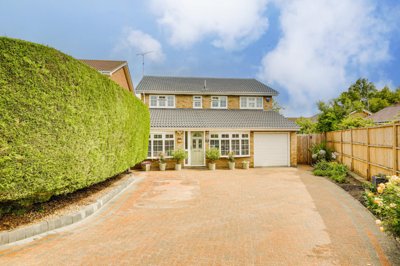
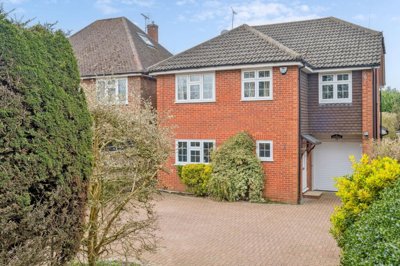
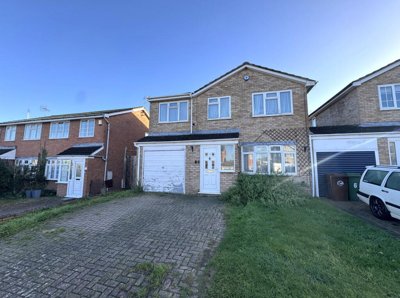
Showing 1,605 results for 4 Bedroom Houses for sale in Buckinghamshire, England. 136 new listings added this week. The median asking price is £675,000.
Source: home.co.uk
Detached
1,185 listings
Avg £832,598
Semi-Detached
332 listings
Avg £638,785
Terraced
88 listings
Avg £517,579
Source: home.co.uk
Source: home.co.uk
Buckinghamshire's property market has real range, with homes to suit different budgets and ways of living. Our current listings show detached homes averaging £929,910, semi-detached properties at £525,057, terraced houses at £424,008, and flats at £273,088. That pricing sits with the county's place in the South East as a premium spot, where being close to London pushes values up, though it still undercuts central London boroughs.
Prices have softened a little over the past 12 months, down by 2.22%, which may open the door for buyers who had been priced out. The move has been fairly even across the board, with detached homes decreasing by 2.31%, semi-detached properties by 2.07%, terraced houses by 2.14%, and flats by 1.97%. Even so, the market has recorded 7,043 property sales over the trailing 12 months, so activity remains healthy.
Buckinghamshire's housing market still gives buyers plenty of choice, with homes across a wide spread of price points. Our current listings show detached homes averaging £1,033,798, semi-detached properties at £487,226, terraced houses at £371,322, and flats at £238,992. It is a premium county in the South East, where London access carries a clear price tag, but values remain better than in central London boroughs.
A good search in Buckinghamshire starts with the split between new build and period homes. New builds bring modern insulation, better energy efficiency, and less maintenance, although leasehold terms and ground rent still need checking. Period properties may ask more of an owner, but they often offer thicker walls, higher ceilings, and detail that modern construction rarely matches. Our listings cover all construction eras, so buyers can weigh those points against budget and preference.

With 553,000 residents across 225,000 households, Buckinghamshire is one of England's most sought-after counties. Its housing stock mirrors that appeal, with detached properties making up 33.6% of homes, semi-detached houses 31.0%, terraced properties 19.3%, and flats and apartments 15.6%. That mix works well for many buyers, from young professionals after low-maintenance flats to families who need the space that detached and semi-detached homes provide.
The Chiltern Hills give Buckinghamshire much of its character, running through the southern half of the county with protected landscapes, walking routes, and that unmistakable sense of open country. The chalk geology shapes the rolling hills, beech woodlands, and villages built from flint and red brick. Marlow, Amersham, and Beaconsfield are regularly counted among the UK's most desirable places to live, and it is not hard to see why.
Buckinghamshire also has a strong economic story, which helps explain its pull. Milton Keynes, one of Britain's fastest-growing cities, brings jobs in technology, finance, logistics, and retail. Pinewood Studios in Iver Heath has helped build a creative industries cluster, while employers such as Aston Martin add to the skilled workforce. Many commuters choose the county for exactly that mix, London access on one side, a more spacious and manageable way of living on the other.
Different parts of Buckinghamshire suit different lifestyles, and that is part of the county's appeal. Families often head for the excellent grammar schools catchments in Beaconsfield, Amersham, and Wycombe, while young professionals are frequently drawn to Milton Keynes for its city feel and transport links. Rural Chiltern villages bring peace and strong community ties, though prices in those sought-after spots can be steep. School quality, commute time, or countryside access, the right focus makes the search far easier.

Buckinghamshire's educational offer is one of the main reasons families look here. The county has a strong network of primary and secondary schools, with many institutions holding outstanding Ofsted ratings. Parents can choose from a wide mix of state and independent schools, so there is usually a setting to suit most children. In some areas, grammar schools add another route to high-quality secondary education for academically strong pupils.
At primary level, Buckinghamshire has a long list of highly rated schools in its towns and villages, and many perform strongly in national assessments year after year. The county's infant and junior schools are generally well-resourced, backed by communities that take education seriously. Catchment areas matter here, so buyers should study them closely, as places are usually allocated on proximity to the school.
Secondary education includes several sought-after grammar schools, especially in the southern towns, alongside strong comprehensive schools and academy converters. Entry to the grammar system depends on the 11-plus examination, and areas such as Beaconsfield, Amersham, and Chesham Bois have a strong record of pupils gaining places. Sixth form provision is also good, with sixth form colleges and school sixth forms offering a broad mix of A-level and vocational courses. Buckinghamshire is close to notable independent schools too, including the prestigious Eton College nearby in Berkshire, which attracts families from across the globe.
Higher education is well covered in and around the county, with the Open University in Milton Keynes and straightforward access to Oxford, Cambridge, and London. For families thinking ahead, that mix of outstanding state schools, selective grammar schools, and proximity to world-renowned independent schools and universities makes Buckinghamshire one of the country's best-served counties for education. Budgeting matters here as well, because homes in sought-after school catchments often carry a premium, though that can pay back through schooling outcomes and longer-term property values.

Buckinghamshire is well connected for London commuting and for travel across the South East. The Chiltern Main Line serves the county, with direct trains from Aylesbury, Beaconsfield, and High Wycombe to London Marylebone, usually taking between 30 and 55 minutes depending on the station. Milton Keynes also has direct services to London Euston on the West Coast Main Line, with journey times of around 35 minutes to the capital.
The road network is another strong point. The M40 runs through the centre of the county, linking Buckinghamshire with Oxford and Birmingham to the north and London to the south. The M1 passes Milton Keynes and gives access to Northampton and the North. The A5 adds a useful north-south route through the county, supporting the logistics and distribution sector that operates here. For drivers, that motorway access from so many towns and villages is one reason the area is so popular with commuters.
People who travel to London airports are also well placed in Buckinghamshire. Luton Airport is easy to reach from the southern and central parts of the county, while Heathrow can usually be reached via the M4 or M40 in around 45 minutes from many towns. Gatwick and Stansted are within a sensible driving distance too, for those who do not rely on public transport. Bus services run across the county's towns, and cycling has improved a great deal in recent years, especially in Milton Keynes, with its extensive redway cycle network.
Buying in Buckinghamshire means thinking carefully about the transport links from a specific address, not just the headline train time. The so-called "last mile", the trip from station to work or home, can make a real difference to daily life. Homes within walking distance of a station tend to command a premium, but that extra cost can still make sense if it removes the need for a second car or takes pressure out of the commute. We suggest checking train frequencies at the intended station, particularly off-peak and at weekends, so the service fits the working pattern.

Different towns and villages suit different priorities, so it pays to compare a few before settling on one. Commute times, school catchment areas, and access to amenities all shape the search, as does budget. From the commuter-friendly towns on the Chiltern Main Line to the quieter rural villages in the Chilterns area of outstanding natural beauty, Buckinghamshire gives buyers plenty of choice.
New build developments continue to add homes across the county. In Aylesbury, Barratt Homes and David Wilson Homes are building at Kingsbrook, with prices from £349,995 to £699,995 for 2 to 5 bedroom homes. Taylor Wimpey has developments at The Hedgerows and Aston Reach, both offering 3 to 5 bedroom homes from £340,000 to over £600,000. In the Milton Keynes area, Persimmon Homes is developing Willow Grove at Newton Leys, with prices from £299,950 to £539,950, and Barratt Homes has Wavendon Chase with 3 and 4 bedroom homes from £399,995 to £559,995.
We use Homemove to browse listings and book viewings of homes that match the brief. During each visit, make notes and ask the agent about the property's history, any recent renovations, and the reason for sale. It also helps to see homes in different conditions, as some may need updating and that can leave room to negotiate on price.
Before viewings begin, sort a mortgage agreement in principle with a lender. Estate agents and sellers tend to take a buyer more seriously when finance has already been considered, and it can give a useful edge in a busy market. With average property prices in Buckinghamshire at £594,577, a mortgage in principle helps clarify the real budget before the search gathers pace.
Bring in a solicitor to handle the legal side of the purchase. They will carry out searches on the property, check for planning restrictions or conservation area requirements, and manage the transfer of funds on completion day. Buckinghamshire has many conservation areas and listed buildings, so any restrictions that might affect future plans need close attention.
Once the legal checks are clear and the mortgage is finalised, contracts are exchanged and the deposit is paid. On completion day, the remaining funds are transferred and the keys to the new Buckinghamshire home are handed over. Our team can recommend conveyancing solicitors with local Buckinghamshire experience to help keep the transaction moving smoothly.
Buying in Buckinghamshire means taking a close look at local factors that can shape the investment. The county's varied geology means some areas, especially those with clay soils in parts of Aylesbury Vale, carry a moderate to high shrink-swell risk that can affect foundations, particularly where mature trees are nearby. Before buying, commission the right surveys to assess ground conditions and work any likely foundation repairs into the budget.
Flood risk is another key point for Buckinghamshire buyers. Several parts of the county are prone to flooding from rivers including the Thames and its tributaries, with Marlow and Bourne End especially affected by fluvial flooding. Surface water flooding can also hit urban areas with poor drainage, and properties in chalk areas may be vulnerable to groundwater flooding in basements and cellars during prolonged rainfall. Always check the Environment Agency's flood risk maps and weigh that alongside buildings insurance costs.
Conservation areas and listed buildings are common throughout Buckinghamshire, especially in Aylesbury, Marlow, Amersham, Beaconsfield, Olney, and Winslow. Anyone buying a listed building or a property inside a conservation area should be aware that planning restrictions may limit alterations, extensions, or changes to appearance. Those rules are there to protect the county's historic character, but they can shape renovation plans and resale value.
Older homes in Buckinghamshire often use construction methods that are very different from modern standards. Pre-1919 properties commonly have solid brick walls, flint construction, or timber framing with wattle and daub infill, all of which need a different maintenance approach from cavity-walled homes. Inter-war houses from 1919 to 1945 usually feature cavity brick construction, which became the norm during that period, while post-war homes from 1945 to 1980 often include concrete elements such as concrete tiled roofs and ground floors. Knowing the construction era helps buyers anticipate the defects and upkeep that usually come with that type of building.
Our team regularly helps buyers work out the sort of defects they may come across in Buckinghamshire. Damp is one of the most common issues in the county's older housing stock. Rising damp is often found in properties with missing or ineffective damp-proof courses, especially solid-floored Victorian and Edwardian homes built before 1919. Penetrating damp tends to appear where roof coverings have worn out, pointing has failed, or chimneys have been left unused without proper capping. Properties in conservation areas with historic brick and flint construction need specialist assessment too, since traditional materials can be harmed by unsuitable modern treatments that stop them breathing properly.
Roof defects are another common concern in Buckinghamshire homes. Deteriorating roof tiles and slates often turn up in pre-war properties, where natural slate or clay tiles may have reached the end of their expected life. Faulty flashings around chimneys, dormers, and valleys can let in water and cause long-term damage to rafters and ceiling timbers. In older homes, sagging rooflines may point to structural movement, often linked to timber shrinkage or problems in the supporting walls below. Our inspectors pay close attention to these areas during surveys, since roof repairs can become expensive quickly.
Timber problems such as woodworm, wet rot, and dry rot often affect floor and roof timbers in Buckinghamshire's older properties. Woodworm is especially common where timber has remained damp, and it is often visible through small flight holes and powdery dust on wooden surfaces. Wet rot tends to develop where timber stays in contact with damp masonry or is exposed to persistent moisture, while dry rot can spread beyond the original source of moisture and cause wider damage to structural timbers. Many homes in the county still have original softwood floorboards and roof structures, so these defects need to be taken seriously when they show up in a survey.
Properties built before the year 2000 may still contain asbestos in a range of materials. In Buckinghamshire, it has been found in roofing sheets, insulation panels, textured wall coatings known as Artex, and pipe lagging in older heating systems. Asbestos-containing materials in good condition may not pose an immediate risk, but any disturbance during renovation work needs specialist handling by licensed contractors. If an older home is on the shortlist, the survey should include an assessment of suspected asbestos-containing materials, and removal costs should sit in the renovation budget.
Once an offer is accepted, book a RICS Level 2 Survey to check the property's condition properly. For Buckinghamshire homes, expect to pay around £500 to £650 for a standard 3-bedroom home. The survey should pick up structural issues, damp, or defects that could affect the decision or the final price. With the county's varied geology, including clay soils that carry shrink-swell risk, a thorough survey matters even more.
Understanding the full cost of buying in Buckinghamshire is vital for good budgeting. Alongside the property price, buyers need to account for Stamp Duty Land Tax (SDLT), which works on a tiered basis. For standard purchases, the rates are 0% on the first £250,000, 5% on the portion between £250,001 and £925,000, 10% on £925,001 to £1.5 million, and 12% on any value above £1.5 million. With the average property price in Buckinghamshire at £594,577, most buyers would pay SDLT on the amount above £250,000, which comes to £16,357 at the standard rates.
First-time buyers in Buckinghamshire benefit from higher SDLT thresholds, which can cut the tax bill sharply. The first-time buyer relief applies to homes up to £625,000, with 0% charged on the first £425,000 and 5% on the amount between £425,001 and £625,000. For a first-time buyer purchasing a typical terraced property at £371,322, no stamp duty would be payable. That relief is a welcome boost for anyone entering the Buckinghamshire market, especially at the more affordable end, such as flats averaging £238,992 or entry-level terraced homes.
Leasehold homes, which are common in Buckinghamshire, especially flats and apartments, can bring extra costs such as service charges, ground rent, and reserve fund contributions. These ongoing charges can vary a lot from one development to another, so we strongly recommend getting a copy of the lease and the latest service charge accounts before committing. Some newer developments have faced criticism for high and escalating service charges, so knowing those figures upfront is essential for monthly budgeting.

Beyond stamp duty, buyers should factor in other costs too, including solicitor conveyancing fees, which usually range from £500 to £1,500 depending on how complex the transaction is. Survey costs for a RICS Level 2 Survey in Buckinghamshire typically sit between £400 and £800, with £500 to £650 being typical for a standard 3-bedroom property. Removal costs, valuation fees if your lender asks for them, and registration fees all add to the total. Buildings insurance needs to be in place from completion day, and buyers should also keep ground rent and service charges in mind if the property is leasehold.
Council tax bands in Buckinghamshire are set by Buckinghamshire Council under the national banding system. Bands run from A, the lowest, to H, the highest, based on the property's assessed value as of April 1991. Most properties in Buckinghamshire sit in bands B to E, while higher-value detached homes and family houses often fall in F to G. The specific band can be checked through the Valuation Office Agency website or on a local council tax bill. Annual charges vary according to the band and any parish or town council supplementary charges, with premium areas like Beaconsfield and the Chilterns villages often seeing higher supplementary charges for additional local services.
Buckinghamshire has strong education options at every stage. At primary level, many schools have achieved outstanding Ofsted ratings across Aylesbury, Milton Keynes, High Wycombe, and the Chilterns villages. The county also has several grammar schools that are highly sought after for secondary education, with the selective intake meaning entry depends on 11-plus performance rather than catchment area. Notable independent schools in and near the county draw families from the UK and overseas, including the prestigious Eton College in Berkshire. Parents should check school catchment areas carefully, since admission policies usually favour proximity to the school, and homes in good catchments often command a premium in the local market.
Buckinghamshire has excellent public transport connections, particularly for people commuting to London. Direct train services run from multiple stations to London Marylebone, including Aylesbury, Beaconsfield, and High Wycombe, and to London Euston from Milton Keynes, with journey times ranging from 30 to 55 minutes. The county is served by Chiltern Railways, West Midlands Trains, and London Overground services, which gives regular links through the day and into the evening. Bus networks cover the main towns, while the proximity to Luton and Heathrow airports gives international connectivity. Milton Keynes also has extensive redway cycle paths for sustainable local travel, making cycling a realistic option for shorter journeys within the city.
Buckinghamshire remains a strong property investment location, combining capital growth potential with rental yields supported by commuter demand. Its proximity to London, excellent schools, and infrastructure improvements such as the East West Rail link continue to underpin values. The modest 2.22% price fall over the past 12 months may create openings for investors, especially in the new build sector, where developments like Kingsbrook and Wavendon Chase offer modern homes at competitive prices. Milton Keynes keeps strengthening the long-term case too, with the city drawing major employers in technology, logistics, and creative industries.
The average house price in Buckinghamshire is currently £594,577 according to the most recent market data. That reflects the county's desirable position between London and Oxford, its strong schools, and its good transport links. Prices vary sharply by property type, with detached homes averaging £1,033,798, semi-detached properties at £487,226, terraced houses at £371,322, and flats at £238,992. Over the past 12 months, prices have fallen by about 2.22%, which may create buying opportunities in a market that still sits firmly in the premium South East bracket.
Surveys in Buckinghamshire often turn up defects that reflect both the housing stock and the local geology. Older homes, especially those built before 1919 with traditional materials such as solid brick, flint, and timber framing, commonly show damp issues including rising damp and penetrating damp. Roof defects are also often reported, with deteriorating tiles, faulty flashings, and sagging roofs seen in pre-war properties. In clay soil areas such as parts of Aylesbury Vale, properties may show signs of subsidence or heave, particularly during dry summers when clay soils shrink. Timber defects, including woodworm and wet or dry rot, affect floor and roof timbers in older homes, and many pre-2000 properties may still contain asbestos in roofing, insulation, or textured coatings, so specialist assessment is needed before any renovation work.
There are several areas in Buckinghamshire where flooding is a real issue and should be checked carefully. The River Thames and its tributaries create a fluvial flood risk, especially around Marlow, Bourne End, and Cookham, where homes close to the river should be checked against the Environment Agency's flood risk maps. Surface water flooding can also affect urban areas with poor drainage during heavy rainfall, which is becoming more frequent as the climate changes. Properties in chalk areas, especially those with basements or cellars, may be vulnerable to groundwater flooding when prolonged rainfall saturates the chalk aquifer. We recommend asking for a flooding search during conveyancing and checking whether the property has any flooding history.
From 4.5% APR
Compare mortgage deals from leading lenders
From £499
Expert solicitors handling your property purchase
From £400
Comprehensive condition survey for your new home
From £80
Energy performance certificate for your property
Properties for Sale In London

Properties for Sale In Plymouth

Properties for Sale In Liverpool

Properties for Sale In Glasgow

Properties for Sale In Sheffield

Properties for Sale In Edinburgh

Properties for Sale In Coventry

Properties for Sale In Bradford

Properties for Sale In Manchester

Properties for Sale In Birmingham

Properties for Sale In Bristol

Properties for Sale In Oxford

Properties for Sale In Leicester

Properties for Sale In Newcastle

Properties for Sale In Leeds

Properties for Sale In Southampton

Properties for Sale In Cardiff

Properties for Sale In Nottingham

Properties for Sale In Norwich

Properties for Sale In Brighton

Properties for Sale In Derby

Properties for Sale In Portsmouth

Properties for Sale In Northampton

Properties for Sale In Milton Keynes

Properties for Sale In Bournemouth

Properties for Sale In Bolton

Properties for Sale In Swansea

Properties for Sale In Swindon

Properties for Sale In Peterborough

Properties for Sale In Wolverhampton

Enter your details to see if this property is within your budget.
Loans, cards, car finance
Estimated property budget
Borrowing + deposit
You could borrow between
Typical borrowing
Monthly repayment
Est. at 4.5%
Loan-to-value
This is an estimate only. Your actual budget may vary depending on interest rates, credit history, and personal circumstances. For an accurate affordability assessment, speak to one of our free mortgage advisors.
This calculator provides estimates for illustrative purposes only and does not constitute financial advice. Your home may be repossessed if you do not keep up repayments on your mortgage. Estimates based on 4.5% interest rate, repayment mortgage. Actual rates depend on your circumstances.
Homemove is a trading name of HM Haus Group Ltd (Company No. 13873779, registered in England & Wales). Homemove Mortgages Ltd (Company No. 15947693) is an Appointed Representative of TMG Direct Limited, trading as TMG Mortgage Network, which is authorised and regulated by the Financial Conduct Authority (FRN 786245). Homemove Mortgages Ltd is entered on the FCA Register as an Appointed Representative (FRN 1022429). You can check registrations at NewRegister or by calling 0800 111 6768.

We use cookies to show you personalised content and improve your experience of our website. Find out more in our Privacy policy and Cookie policy.