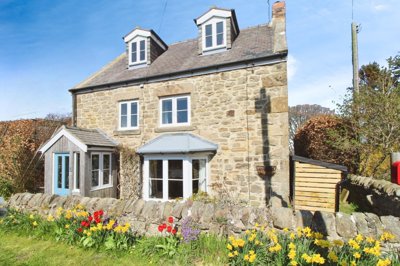
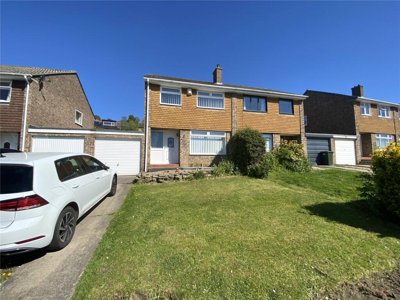
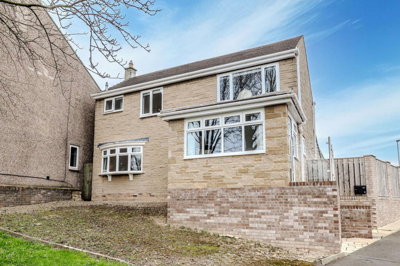
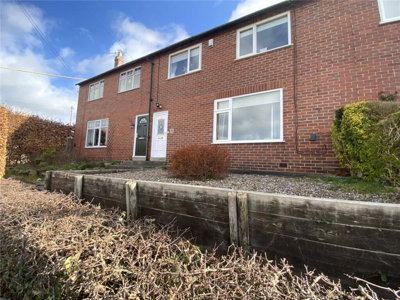
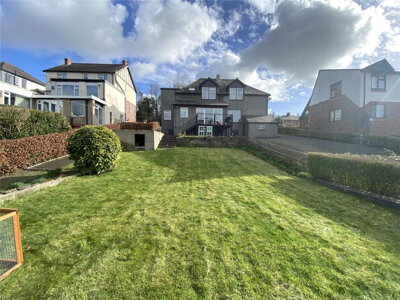
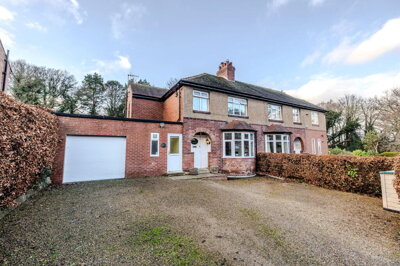
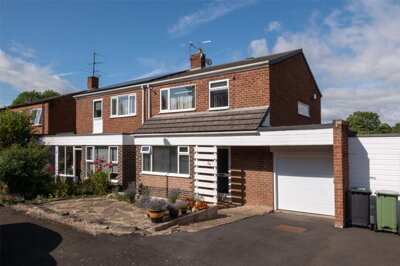
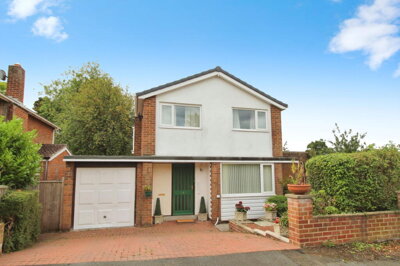
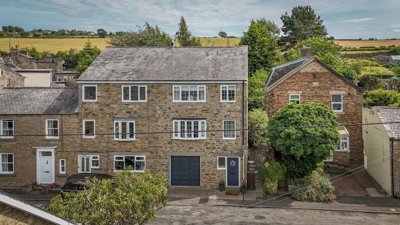
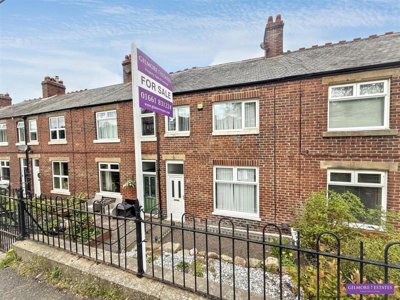
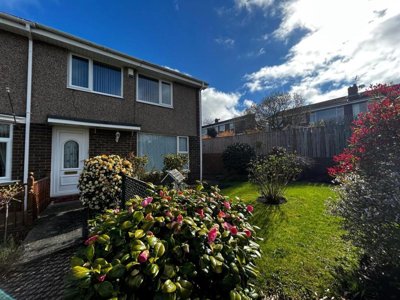
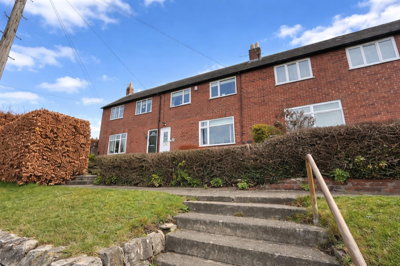
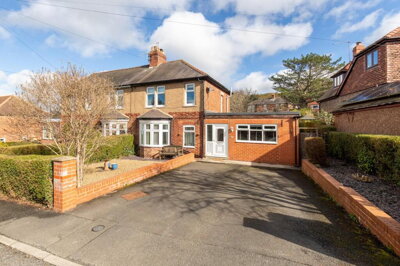
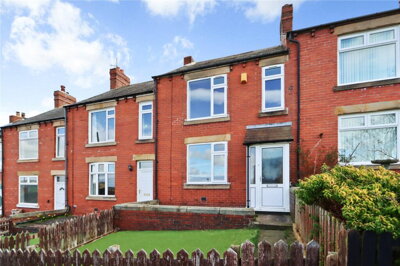
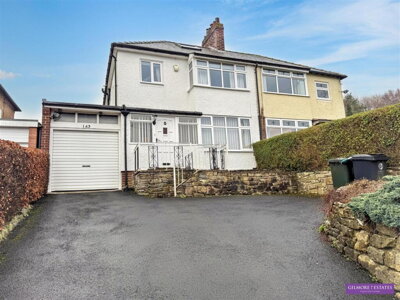
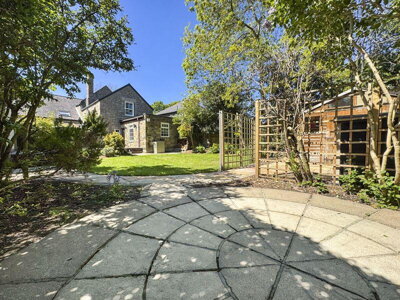
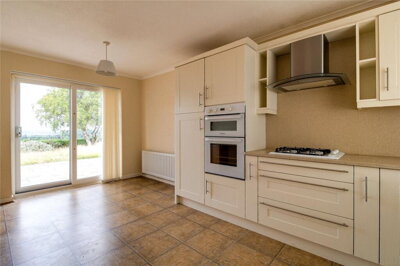
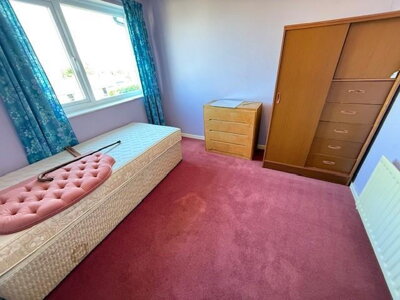
Browse 21 homes for sale in Broomley and Stocksfield from local estate agents.
Three bedroom properties represent a significant portion of the Broomley And Stocksfield housing market, offering space for families with multiple reception rooms and gardens in many cases. Browse detached, semi-detached, and terraced options ranging from period character homes to contemporary developments.
The Broomley and Stocksfield market gives buyers a broad spread of housing types, so there is something for different needs. Recent sold data for Stocksfield, which includes Broomley, shows an average of £296,240 over the past twelve months. Detached homes lead the field at around £619,000, which reflects demand for larger family houses with gardens in this popular spot. Semi-detached properties average £212,375, while terraced homes have sold for about £148,250, keeping them within reach for first-time buyers or anyone after something smaller.
Current listings on home.co.uk point to an average asking price of approximately £1,137,488, so the stock on offer is clearly at the higher end. Broomley and Stocksfield Parish recorded 44 property sales in 2024 with an average price of £325,795, and 16 sales in 2025 averaging £301,313. Over the past decade, 739 properties have changed hands in Stocksfield and Broomhaugh, which suggests a steady level of activity. homedata.co.uk also shows a 20% decrease over the last year compared with the year before, with prices sitting 28% below the 2021 peak of £385,391.
Housing stock in the parish has a strong historic feel, built up over generations rather than laid out in one sweep. Housing needs surveys point to 38% detached homes, 35% semi-detached, and 21% terraced. That spread works for different household sizes and budgets. Families, couples, and retirees are all drawn here, helped by the village atmosphere and the transport links.
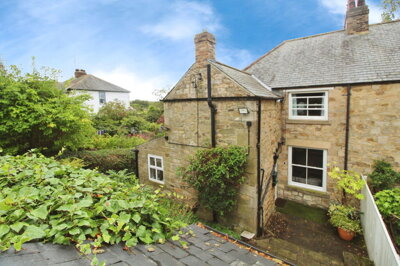
New build activity in the immediate postcode area is still limited, apart from individual premium schemes such as the Silvascape development, which offers detached eco homes from around £1,300,000. Buyers after character will find plenty in Broomley Conservation Area, where stone-built homes often come with Welsh slate roofs, black cast iron gates, and original stonework. Planning applications across the parish show that interest in improvements continues, along with selective new development, including single-storey extensions and the replacement of older bungalows with contemporary detached dwellings.

Properties in Broomley and Stocksfield show the traditional building methods that have shaped the Tyne Valley for centuries. Buff sandstone is the main material, and it typically dates from the early nineteenth century, though some older fabric survives in the oldest buildings. Our inspectors know these stone-built homes well and understand the construction methods used by local builders. Lime mortar was often used for the stonework, so the walls can breathe, but maintenance has to be approached differently from modern cement-based pointing.
From the early nineteenth century onwards, Welsh slate became the roofing material of choice, replacing earlier thatch or stone tiles. Many homes in the conservation area still have their original slate roofs, although some have been replaced with modern alternatives over the years. Our surveyors look closely at roof condition during inspections, checking individual slates for damage, ridge tiles which are usually clay, and chimney stacks that were often built using local brick. It is a distinctive mix of materials, but that also makes upkeep more involved than it is for many newer properties.
The historic properties in Broomley include the four Grade II listed buildings within the conservation area, and they cover a range of architectural periods. The wider parish has more listed buildings too, among them Batt Cottage from the eighteenth century, Stocksfield Hall Farmhouse also from the C18th, Apperley Farmhouse, which is even older from the C17th, and Bywell Bridge, built in 1838. Buildings like these need specialist handling during survey work because alterations and repairs often have to meet conservation requirements. Homes of this age may also have been altered several times, so a close inspection matters if hidden defects or structural compromises are to be picked up.
Broomley and Stocksfield offers a way of life shaped by heritage and the surrounding landscape. The whole village of Broomley sits within a designated Conservation Area, created in April 2002 to protect its historic and architectural importance. Four Grade II listed buildings lie within that boundary, underlining the area’s history. Traditional Northumberland sandstone, mainly buff sandstone from the early nineteenth century, defines the village, while many properties are finished with Welsh slate roofs. Black cast iron gates and railings add to the period look.
The parish covers around 1,275 households and has just under 3,000 residents. The make-up of those homes suits a community popular with couples and families, with 41% of households containing two people and 41% containing three or more. It also has an established older population, with 28% of residents aged 65 and over, compared with the Northumberland average of 20%. Local events, shops, pubs, and recreational facilities all help to keep the community spirit strong.
Geographically, Broomley sits on the gently rising southern slope of the Tyne Valley, looking out over the River Tyne and Stocksfield Burn. The landscape includes a shallow depression between knolls formed by ancient tributaries, with land rising to the south and west towards Broomley Fell. Beneath it lies Carboniferous limestone with thin coal seams, placing the village on the edge of the Great North Coalfield. A layer of boulder clay left by the last ice age sits over the bedrock and has helped create the fertile agricultural land that has long shaped the community. That boulder clay is heavily textured, so it can bring shrink-swell risks for property foundations, especially where older homes have shallow strip foundations.

Families thinking about a move to Broomley and Stocksfield will find a useful spread of educational options nearby. Primary education is covered by schools in the surrounding villages, with Stocksfield Primary School serving younger children in the community. The wider parish also has several primary schools drawing on different catchment zones, each giving children a solid start in a supportive rural setting. Parents should check current catchment boundaries and admissions criteria with Northumberland County Council, because those details can affect school places.
Secondary education in the area includes schools in nearby towns such as Hexham, where pupils can access a wider curriculum and specialist facilities. Hexham has long been a major educational centre for south Northumberland and offers broad secondary provision. For families who want faith-based education or more specialist teaching, private schools in the wider area add further choice. Sixth form provision is available at secondary schools in surrounding towns, while further education colleges can be found in larger settlements for post-16 study.
The Conservation Area and the number of period homes in Broomley mean local schools often have close links with the community’s heritage. Educational outcomes in Northumberland generally compare well with regional benchmarks, and the relatively small class sizes common in rural schools can mean more individual attention for pupils. When buying in Broomley and Stocksfield, families should check current Ofsted ratings and think carefully about catchment boundaries for their own circumstances. The local mix of families and long-term residents helps school communities stay active, with parental involvement and local support playing a big part.

Broomley and Stocksfield has strong transport links despite its rural setting, which makes it a practical choice for commuters and anyone who travels regularly for work. The Tyne Valley Railway runs regular services from Stocksfield station, with direct trains to Newcastle upon Tyne and Carlisle. Journeys to Newcastle usually take about 30 minutes, so the city centre is within easy reach for work or for its cultural attractions. The station also serves people heading to Hexham and further along the scenic Tyne Valley line.
Road connections are just as good, with the A695 giving direct access through Stocksfield and linking to the A69 trunk road. The A69 runs between Newcastle and Carlisle and also connects with the A1(M) motorway at Newcastle, opening up the wider national road network. For international travel, Newcastle International Airport is usually reachable in around 30 minutes by car via the A69 and A1 route. That kind of connectivity makes Broomley and Stocksfield appealing to professionals who want to travel for work while still living in the countryside.
Local bus services run across the parish, linking residents with nearby towns and villages for everyday amenities and services. Cycling is popular in the flat Tyne Valley landscape, with routes suited to leisure rides and commuting alike. Parking in the village centre caters for residents and visitors, while Stocksfield station also has parking for rail commuters. Taken together, those transport options mean that owning a car is helpful, but it is not essential for everyday life in Broomley and Stocksfield.

We can use home.co.uk to see what is available in Broomley and Stocksfield. Review sold price data on homedata.co.uk for Stocksfield and compare the figures, noting that detached homes average £619,000 while terraced properties sell for around £148,250. It also helps to keep mortgage rates in view and have a mortgage agreement in principle before we book viewings. Understanding the 20% price decrease over the past year and the 28% fall from the 2021 peak of £385,391 can help with negotiations.
We would contact estate agents active in the Broomley and Stocksfield area to arrange viewings for homes that match the brief. When looking at period properties inside the Conservation Area, we pay close attention to the state of the traditional sandstone walls, Welsh slate roofs, and any original features. Taking photographs and notes at each viewing makes comparisons much easier afterwards. It also matters whether a property is listed or simply inside the conservation boundary, because that affects what changes can be made.
Given the age of many homes in Broomley and Stocksfield, a RICS Level 2 survey is a sensible step. Typical issues in historic stone-built properties include damp, roof condition, timber defects, and foundation movement linked to the local boulder clay geology. Our inspectors know the traditional local construction methods and can explain how serious any defects are, as well as what repair routes are likely. A proper survey can also give buyers stronger bargaining power if problems turn up.
Once we have found the right property and agreed a price, we would instruct a conveyancing solicitor to deal with the legal side of the purchase. The solicitor will carry out searches, review the contracts, and liaise with the Land Registry. Choosing someone with Northumberland property experience can help with any conservation area requirements and with deciding whether a mining search is needed, given the proximity to the Great North Coalfield.
After the survey results and legal searches come back satisfactorily, contracts are exchanged and a deposit is paid. Completion is usually 4-6 weeks after exchange. On completion day, the remaining funds are transferred and the keys are handed over for the new Broomley and Stocksfield home. Buildings insurance should be in place from exchange, especially where older properties may still hide unexpected defects.
Buying in Broomley and Stocksfield means thinking through some location-specific issues that do not always apply to newer developments elsewhere. The presence of Broomley Conservation Area has a major bearing on what can and cannot be done to a property. Any external alterations, extensions, or major changes to listed buildings need planning permission from Northumberland County Council and have to protect the historic character. Before committing to a purchase, buyers should check whether the property is listed and understand what that means for future home improvements. Our inspectors can talk through conservation requirements and point out features that may be subject to special conditions.
Flood risk needs to be considered for homes near the River Tyne and Stocksfield Burn. Specific flood risk maps were not available in our research, but the proximity to watercourses means buyers should commission the right searches and think about the risk of surface water flooding. Older homes in the conservation area may also have drainage systems that need updating. Our surveyors check drainage patterns, ground levels, and any signs of past water damage during inspections. Where a property has significant exposure to water, a specialist flood risk assessment may be sensible.
The geology beneath Broomley, with boulder clay over limestone and thin coal seams, brings a few important points for buyers. Because the boulder clay is heavily textured, it can create shrink-swell movement that affects foundations, especially in older houses with shallow strip foundations or nearby trees. Our inspectors look at foundations for signs of movement, including cracking patterns and differential settlement. As the village sits close to the edge of the Great North Coalfield, a mining search may be useful for some properties to rule out risks linked to past underground workings.
Homes near the edge of the coalfield may also have elevated radon levels, so buyers should think about whether a radon measurement or search is right for the exact location. Older properties may still rely on traditional drainage systems that need inspection and, in some cases, replacement. Our surveyors can talk through those environmental risks and suggest the right specialist investigations where they are needed.
homedata.co.uk shows that the average sold price in Stocksfield, which includes Broomley, was approximately £296,240 over the past twelve months. Prices vary sharply by property type, with detached homes averaging £619,000, semi-detached homes around £212,375, terraced homes at approximately £148,250, and flats at around £121,125. Current listings on home.co.uk show an average asking price of approximately £1,137,488, which reflects the premium stock on the market. The market has seen a 20% decrease over the past year, so buyers looking for value may find this a useful moment.
Properties in Broomley and Stocksfield fall within Northumberland County Council’s area for council tax. The banding depends on the assessed value of the home, and most residential properties in the area sit between Band B and Band E. Conservation status and the number of period stone houses mean that both values and bandings can vary quite a bit between neighbouring homes. Buyers should check the exact council tax band for any home they are considering, as it is part of the ongoing cost of ownership.
Broomley and Stocksfield is served by local primary schools, with Stocksfield Primary School providing education for younger children in the immediate community. Secondary choices include schools in Hexham and surrounding towns, all of which are reachable thanks to the area’s good transport links. When buying here, families should confirm current school catchment boundaries with Northumberland County Council, because those boundaries can change and may affect eligibility for a place. The relatively small class sizes common in rural Northumberland schools can also mean more individual attention for pupils.
Broomley and Stocksfield also benefits from good public transport links despite its rural setting. Stocksfield railway station offers regular services along the Tyne Valley line, with journey times of about 30 minutes to Newcastle upon Tyne. The A695 runs through Stocksfield and links to the A69 trunk road, which in turn connects with the wider road network. Local bus services operate throughout the parish, taking residents to nearby towns for everyday amenities and services.
For property investment, Broomley and Stocksfield has several points in its favour. The conservation status helps to protect values by holding on to the village’s historic character. Strong transport links to Newcastle make it appealing to commuters who want rural living without losing city access. Over the past decade, 739 properties have sold in Stocksfield and Broomhaugh, which shows a consistent level of market activity. The 28% decrease from the 2021 peak may create buying opportunities for investors who still see long-term value in this Tyne Valley location.
Stamp Duty Land Tax (SDLT) applies to all property purchases in England, including Broomley and Stocksfield. For standard purchases, there is no SDLT on the first £250,000 of the price, 5% on the portion from £250,001 to £925,000, 10% up to £1.5 million, and 12% above that. First-time buyers receive relief on the first £425,000, with 5% applying between £425,001 and £625,000. Given the average prices in the area, many purchases will fall into the 5% bracket, so SDLT is a major part of budget planning.
Broomley sits on the edge of the Great North Coalfield, and the underlying geology includes Carboniferous limestone cut through by thin coal seams. Because of that mining history, some homes, especially in parts of the parish, may need a mining search as part of the conveyancing process. Although specific mining risks were not set out in the available research, our surveyors can spot visible signs of ground movement or subsidence that could relate to past underground workings. We can then advise whether a mining search is suitable for the exact property location.
Period homes in Broomley, many built from traditional Northumberland sandstone with Welsh slate roofs, need careful inspection in several key areas. Our inspectors pay close attention to the stonework and mortar joints, any original windows and joinery, the condition of slate roofs and associated leadwork, and any signs of damp penetration that are common in older construction. Black cast iron gates and railings may also point to older drainage systems that could need attention. Because of the boulder clay geology, we also look at foundations and walls for movement linked to clay shrinkage or tree root activity.
Broomley and Stocksfield has a large amount of housing stock that is over 50 years old, with many properties dating from the early nineteenth century or earlier. Our inspectors have extensive experience surveying historic Tyne Valley homes and understand the construction methods used by local builders. Stone-built properties need a different inspection approach from modern houses, with close attention to lime mortar pointing, the condition of original features, and the risk of hidden defects in walls and roofs.
Typical defects in Broomley and Stocksfield homes include rising damp where damp-proof courses have failed or were never installed, which was not standard practice in older construction. Penetrating damp can affect traditional sandstone where moisture has been absorbed, especially if pointing has deteriorated or rainwater goods need maintenance. Our inspectors also check timber defects, including rot in floor joists, window frames, and door frames, as well as potential woodworm activity in older structural timbers.
Welsh slate roofs need careful assessment because individual slates can become brittle and crack over time, which leads to water penetration. Flashing around chimneys and roof junctions is especially vulnerable and may need renewal. Our surveyors check those areas closely and note any signs of leakage or water damage to ceiling timbers and joists. Homes with original cast iron gutters and downpipes may also need work, as these can corrode and begin to leak over time.
Foundation concerns can arise where homes are built on the boulder clay geology found in the area. Older properties with shallow strip foundations may show movement if the clay has shrunk during dry periods or if nearby trees are causing root activity. Our inspectors look for diagonal cracking, check floor levels for signs of movement, and test whether doors and windows operate properly, as sticking frames can point to structural movement. Where concerns are found, we may recommend further investigation by a structural engineer.
From 4.5% APR
We can compare mortgage rates and find the best deal for a Broomley and Stocksfield purchase.
From £499
Our expert solicitors handle property purchases in Northumberland.
From £350
Our full survey service covers properties in Broomley and Stocksfield.
From £500
Detailed structural survey for older or complex properties
Understanding the full costs of buying in Broomley and Stocksfield is vital for sensible budgeting. Beyond the purchase price, buyers have to account for Stamp Duty Land Tax (SDLT), which applies to all property purchases in England. For homes bought at the current average sold price of around £296,240, a standard buyer would pay no SDLT on the first £250,000 and approximately £2,312 on the balance, giving a total SDLT bill of around £2,312. First-time buyers purchasing below £425,000 may qualify for complete relief under the current thresholds.
For higher-value homes in Broomley and Stocksfield, such as the detached properties averaging £619,000, SDLT figures become much more significant. At that price, a standard buyer would pay £2,500 on the first £250,000, then £18,450 on the portion from £250,001 to £619,000 at 5%, bringing the total to approximately £20,950. Homes above £925,000 move into the 10% bracket, so exact SDLT calculations matter even more at the upper end. A stamp duty calculator matched to the purchase price helps avoid unpleasant surprises during the transaction.
Extra buying costs include solicitor fees for conveyancing, usually between £500 and £1,500 depending on how complex the deal is. Survey costs for a RICS Level 2 home survey average about £455 nationally, with properties above £500,000 averaging £586. Given the age of many homes in Broomley and Stocksfield, especially those in the conservation area, a thorough survey is money well spent. Search fees, Land Registry fees, and removal costs add the remaining pieces to the picture. Buyers should fold those costs into the wider budget alongside the mortgage deposit to create a complete financial plan for a Broomley and Stocksfield purchase. For homes near the River Tyne or in areas with possible environmental concerns, extra searches such as flood risk or mining searches may increase the total, but they provide important protection.

Properties for Sale In London

Properties for Sale In Plymouth

Properties for Sale In Liverpool

Properties for Sale In Glasgow

Properties for Sale In Sheffield

Properties for Sale In Edinburgh

Properties for Sale In Coventry

Properties for Sale In Bradford

Properties for Sale In Manchester

Properties for Sale In Birmingham

Properties for Sale In Bristol

Properties for Sale In Oxford

Properties for Sale In Leicester

Properties for Sale In Newcastle

Properties for Sale In Leeds

Properties for Sale In Southampton

Properties for Sale In Cardiff

Properties for Sale In Nottingham

Properties for Sale In Norwich

Properties for Sale In Brighton

Properties for Sale In Derby

Properties for Sale In Portsmouth

Properties for Sale In Northampton

Properties for Sale In Milton Keynes

Properties for Sale In Bournemouth

Properties for Sale In Bolton

Properties for Sale In Swansea

Properties for Sale In Swindon

Properties for Sale In Peterborough

Properties for Sale In Wolverhampton

Enter your details to see if this property is within your budget.
Loans, cards, car finance
Estimated property budget
Borrowing + deposit
You could borrow between
Typical borrowing
Monthly repayment
Est. at 4.5%
Loan-to-value
This is an estimate only. Your actual budget may vary depending on interest rates, credit history, and personal circumstances. For an accurate affordability assessment, speak to one of our free mortgage advisors.
This calculator provides estimates for illustrative purposes only and does not constitute financial advice. Your home may be repossessed if you do not keep up repayments on your mortgage. Estimates based on 4.5% interest rate, repayment mortgage. Actual rates depend on your circumstances.
Homemove is a trading name of HM Haus Group Ltd (Company No. 13873779, registered in England & Wales). Homemove Mortgages Ltd (Company No. 15947693) is an Appointed Representative of TMG Direct Limited, trading as TMG Mortgage Network, which is authorised and regulated by the Financial Conduct Authority (FRN 786245). Homemove Mortgages Ltd is entered on the FCA Register as an Appointed Representative (FRN 1022429). You can check registrations at NewRegister or by calling 0800 111 6768.

We use cookies to show you personalised content and improve your experience of our website. Find out more in our Privacy policy and Cookie policy.