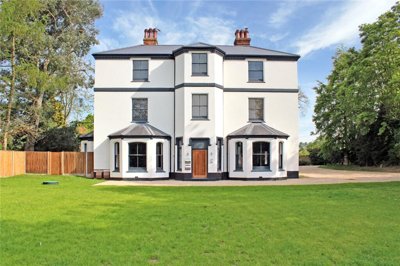
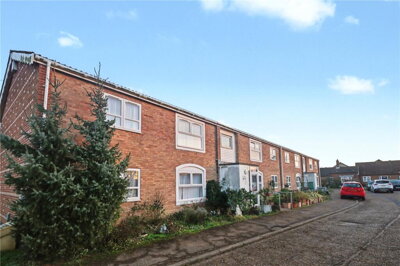
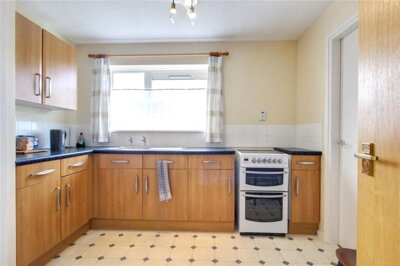
Browse 3 homes for sale in Brooke from local estate agents.
Studio apartments feature open-plan living spaces without separate bedrooms, incorporating sleeping, living, kitchen, and bathroom facilities. The Brooke studio market includes properties in modern apartment complexes, converted Victorian and Georgian buildings, and purpose-built developments.
Brooke’s property market has been impressively resilient over the past year, with the average house price reaching £466,533 according to home.co.uk listings data. homedata.co.uk shows a similar sold figure of £453,786 for village properties over the last twelve months. That puts Brooke well ahead of the wider South Norfolk district average of £313,000, which speaks to the premium attached to this sought-after village setting. Prices are now 2% above the previous peak recorded in 2021, a sign that demand has held firm and buyers still see value here.
Different homes in Brooke sit at very different price points, and the gaps tell their own story. Detached properties average £553,750, which is why they remain the preferred option for families wanting more room and privacy. Semi-detached homes come in at £310,250, giving buyers a useful middle ground between village living and keeping budgets under control. Terraced properties are less common in this mostly detached market, but at around £280,000 they can suit first-time buyers looking for character at a lower entry point. Across South Norfolk, detached homes made up 50.8% of all sales in 2025, a clear sign that outdoor space and a little distance from neighbours still carry real appeal.
South Norfolk as a whole recorded 1,747 property sales in 2025, and price movements were far from uniform. Detached properties rose by 4.0%, semi-detached homes slipped by 1.5%, terraced properties fell 0.9%, and flats saw the steepest decline at 1.2%. Brooke has not followed that mixed picture. The village market has stayed notably steady, with prices continuing to edge up and demand remaining strong for this exact location. For buyers, that usually means moving quickly when the right home appears.

Brooke has the feel of a classic English village, yet Norwich is still close enough for daily life to be practical. The settlement lies within the River Yare catchment area, which helps explain the green setting and agricultural character that shape much of South Norfolk. Beneath the fields sits the chalk bedrock found across Norfolk, covered in glacial sands, gravels and clays that give the landscape its rural texture. Farming has long been part of the picture here, and the village still carries that link while also functioning as a modern place to live.
Architecture in Brooke carries the marks of its long history. You see traditional Norfolk materials all over the place, red brick, flintwork and render finishes among them. Some homes date back around 400 years, while others are 1970s detached houses, so the street scene reads like a timeline of village growth. The Grade I listed St Peter Church rises above the rest and anchors the local skyline. For buyers, that means a spread of building types, from older solid-wall construction to newer cavity-wall homes.
Norwich’s proximity is a major part of Brooke’s appeal, especially for commuters and anyone wanting culture close by without losing the quiet of village life. The community remains active too, with village events, traditional pubs and local facilities giving the place a genuine sense of belonging. That mix of connection and calm keeps demand healthy and supports long-term price growth. Many residents travel into Norwich for work, with opportunities in finance, insurance, advanced engineering and research, including roles connected to Norwich Research Park.

Families looking at Brooke will find schooling options within a sensible distance. The village has its own primary school for younger children, and nearby Hargham and Woodton add to the local primary choice. South Norfolk also has a wider spread of village schools, with many communities keeping their own infant and junior provision. It is worth checking catchment areas and admissions rules carefully, because places can be tight in popular villages.
Secondary schooling is more varied, with comprehensive and grammar options available across the area. Norwich has grammar schools such as Norwich School and Notre Dame High School, both of which draw applications from a wide area. Nearby Wymondham adds further comprehensive choices with strong academic reputations. Parents should look at individual school performance data and Ofsted ratings, which can be checked through the official government performance tables.
For further education and university study, Norwich offers a strong line-up. The University of East Anglia, just outside the city, is one of the UK’s leading universities and sits alongside the Norwich Research Park, a major hub for scientific research and innovation. City College Norwich and East Norfolk Sixth Form College provide vocational courses and A-levels for older students. That breadth of education, from early years through to higher education, is part of Brooke’s family appeal and helps keep long commutes off the table.

Brooke may feel tucked away, but transport links are better than many expect. Norwich city centre is around six miles away, so the city’s wider transport network is within easy reach. By car, the journey usually takes about 20 minutes via the A146, which also links Brooke to Wymondham, Harleston and Diss. For longer trips, the A11 provides a direct northward route towards Cambridge or Suffolk, while the A14 opens up access to the midlands and the north of England.
From Norwich station, mainline rail services run to London Liverpool Street, with journey times of roughly two hours. That makes Brooke a realistic option for professionals who want village living without cutting themselves off from the capital. Norwich also has rail links to Cambridge, Birmingham and Liverpool, so regional travel is well covered too. Bus services connect the village with Norwich and neighbouring settlements, and the 3A gives a regular link between Brooke and the city centre.
For longer journeys, Norwich Airport offers domestic flights and European services, including seasonal routes to destinations across Europe. Cyclists tend to enjoy the area as well, since the local lanes are relatively quiet and the Norfolk landscape is generally flat, which keeps riding accessible for most fitness levels. Route 30 of the National Cycle Network passes through nearby Trowse, giving traffic-free access towards Norwich. Car owners usually find parking simpler here than in urban areas, which is another small but useful advantage of village life.

We would begin with the current listings, because that gives the clearest sense of what Brooke actually offers within budget. The market here ranges from period homes dating back around 400 years to modern detached properties from the 1970s, so it helps to decide early which style suits you best. Our data shows an average of £466,533, while detached homes sit at around £553,750. It also makes sense to register with local estate agents working across Brooke and the surrounding South Norfolk villages.
Before you start booking viewings, get a mortgage agreement in principle from a lender. It gives your offer more weight and shows sellers that the finance side is already in hand. There are lenders offering competitive rates for homes in this price range. Brokers who know Norfolk property values can be useful here, especially where village homes do not fit standard urban comparisons.
Shortlisted homes deserve proper viewings, so take time to judge condition, character and layout rather than rushing through. In Brooke, older properties are common, so pay close attention to roofs, damp-proofing and electrics in period houses. Traditional Norfolk materials such as flint can also mean specialist maintenance down the line. We would also suggest seeing the village at different times of day, since traffic and atmosphere can change quite a bit.
For homes over 50 years old, which make up a large part of Brooke’s housing stock, a Level 2 Survey gives a solid read on condition and likely issues. It looks at structure, damp, roofing and the usual trouble spots found in older buildings. Because the village sits close to the River Yare catchment, the survey should also cover flood risk and drainage. Those are not boxes to tick casually.
Once an offer is accepted, the legal side needs to be handed to a solicitor. They will run searches, including local authority checks through South Norfolk Council, handle contracts and carry the transaction through to completion. They should also check whether the property is listed or inside a conservation area, since either status can bring specific limits on alterations.
Your solicitor will then deal with the last checks and arrange exchange of contracts. On completion day, the balance of funds is sent across and the keys to your new Brooke home are released. Buildings insurance needs to be in place from exchange of contracts, as that is a legal requirement. After that, it is a case of notifying utility providers and registering for council tax with South Norfolk Council.
Anyone buying in Brooke should keep a few local issues in mind from the outset. The village’s age means many homes are likely to be older and may use traditional construction methods, such as solid walls rather than modern cavity wall insulation. That can bring more maintenance and problems like damp, timber decay or outdated electrics, all of which should be budgeted for. A thorough survey is vital for any property over 50 years old, and our recommended RICS Level 2 Survey can pick up issues before you are tied in.
Brooke’s historic character means it is likely to include listed buildings and may also sit within a conservation area designed to protect the village’s traditional appearance. If a property is listed, alterations and modifications are restricted, so buyers need to understand that early on. St Peter Church is the obvious Grade I listed building, while other properties are likely to have Grade II status. Conservation area rules can also narrow permitted development rights, affecting extensions, dormer windows and outbuildings.
Flood risk is another point to check, particularly given the village’s position within the River Yare catchment area. Environment Agency flood maps are worth reviewing, and any history of flooding should be asked about directly. The local geology, with chalk bedrock overlain by glacial deposits including clay deposits, can create shrink-swell risks for foundations, especially where mature trees stand close by. Homes built from local materials such as flint may need specialist repair work, while 1970s properties can bring different concerns, including asbestos in older fittings and original windows that may now need replacing.

According to home.co.uk listings data, the average house price in Brooke over the last year was £466,533, and homedata.co.uk reports £453,786 for sold properties in the same period. Detached homes average £553,750, semi-detached properties about £310,250 and terraced homes roughly £280,000. Over the past year, prices have risen 18% and they now sit 2% above the 2021 peak of £455,655, which underlines the strength of demand in this village. Over the last decade, 338 properties have changed hands in Brooke, so the market has kept moving.
For council tax, Brooke falls under South Norfolk Council. The exact band depends on a property’s value and make-up, but homes usually sit somewhere between Band B and Band F, with larger detached houses sometimes higher. Buyers should check the band for any specific property through the Valuation Office Agency website or ask for it during conveyancing. In South Norfolk, a Band D property currently pays around £1,800 per year, although that will vary with the valuation.
Brooke and the surrounding South Norfolk villages give families a fair spread of primary and secondary school choices. Brooke Primary School serves the village itself, while nearby villages such as Woodton and Hargham add more primary options within the local cluster. It is sensible to check performance data, Ofsted ratings and catchment boundaries individually, using the gov.uk school performance tables and the Ofsted website. Norwich adds grammar schools and the University of East Anglia into the mix. Admissions depend on catchment and oversubscription rules, so families should confirm places before committing to a purchase.
Norwich lies about six miles away, and that opens up a useful range of transport options. Mainline rail services run from the city to London Liverpool Street, taking around two hours, while local buses link Brooke with neighbouring villages and Norwich city centre, including the 3A service. Norwich Airport gives domestic and European flight options too. Inside the village itself, public transport is limited, so most residents depend on cars for everyday travel. The A146 provides direct road access to Norwich and joins the wider national network.
Price growth in Brooke has been steady, with values up 18% over the past year and now above the previous 2021 peak. Buyers are still drawn by the village’s rural feel, historic character and easy access to Norwich. Detached homes dominate the market and tend to hold their value well. Over the last decade, 338 properties have sold here, which points to continued demand. That blend of village charm and city access keeps Brooke appealing to owner-occupiers and investors who are looking for long-term capital growth.
At the village average of £466,533, SDLT works out as follows, 0% on the first £250,000 and 5% on the slice between £250,000 and £466,533, which comes to approximately £10,827. First-time buyers may qualify for relief on the first £425,000, which cuts the bill significantly. Once a purchase goes above £625,000, first-time buyer relief no longer applies and standard rates take over. Buyers should still check their own position with HMRC or a financial adviser, especially if the home is a second property or the buyer lives overseas.
Budgeting properly for a move to Brooke means looking beyond the asking price. Stamp Duty Land Tax is one of the bigger costs for most buyers. At the current average price of £466,533, a standard buyer would pay around £10,827 in SDLT, based on 5% on the amount above £250,000. First-time buyers purchasing up to £425,000 pay no stamp duty on the first £425,000, then 5% on the portion between £425,000 and £466,533, which comes out at about £2,077. Anything above £625,000 falls outside first-time buyer relief, so the standard rates apply across the full purchase price.
After stamp duty, there are the legal and survey costs to think about. Solicitor conveyancing fees usually fall between £499 and £1,500, depending on the property and how complex the transaction is. Local search fees through South Norfolk Council are generally around £250 to £350, covering local authority records, environmental checks and drainage and water enquiries. You may also be advised to order chancel liability searches and grid reference drainage searches. A RICS Level 2 Survey for Brooke homes starts from £350 depending on size, while an Energy Performance Certificate costs extra from around £60. Buildings insurance should begin from exchange of contracts, and mortgage arrangement fees may also apply depending on the lender.
Moving costs should not be overlooked either, since they can range from £500 for a small van hire to several thousand pounds for professional removal services on larger houses. Older period homes in Brooke may also need repairs or improvements picked up by a survey. A contingency fund of at least 10-15% of the purchase price is sensible for unexpected outgoings during the first year. Being financially ready makes completion smoother on your new Brooke home, and it leaves more room to settle into village life without surprises.

Properties for Sale In London

Properties for Sale In Plymouth

Properties for Sale In Liverpool

Properties for Sale In Glasgow

Properties for Sale In Sheffield

Properties for Sale In Edinburgh

Properties for Sale In Coventry

Properties for Sale In Bradford

Properties for Sale In Manchester

Properties for Sale In Birmingham

Properties for Sale In Bristol

Properties for Sale In Oxford

Properties for Sale In Leicester

Properties for Sale In Newcastle

Properties for Sale In Leeds

Properties for Sale In Southampton

Properties for Sale In Cardiff

Properties for Sale In Nottingham

Properties for Sale In Norwich

Properties for Sale In Brighton

Properties for Sale In Derby

Properties for Sale In Portsmouth

Properties for Sale In Northampton

Properties for Sale In Milton Keynes

Properties for Sale In Bournemouth

Properties for Sale In Bolton

Properties for Sale In Swansea

Properties for Sale In Swindon

Properties for Sale In Peterborough

Properties for Sale In Wolverhampton

Enter your details to see if this property is within your budget.
Loans, cards, car finance
Estimated property budget
Borrowing + deposit
You could borrow between
Typical borrowing
Monthly repayment
Est. at 4.5%
Loan-to-value
This is an estimate only. Your actual budget may vary depending on interest rates, credit history, and personal circumstances. For an accurate affordability assessment, speak to one of our free mortgage advisors.
This calculator provides estimates for illustrative purposes only and does not constitute financial advice. Your home may be repossessed if you do not keep up repayments on your mortgage. Estimates based on 4.5% interest rate, repayment mortgage. Actual rates depend on your circumstances.
Homemove is a trading name of HM Haus Group Ltd (Company No. 13873779, registered in England & Wales). Homemove Mortgages Ltd (Company No. 15947693) is an Appointed Representative of TMG Direct Limited, trading as TMG Mortgage Network, which is authorised and regulated by the Financial Conduct Authority (FRN 786245). Homemove Mortgages Ltd is entered on the FCA Register as an Appointed Representative (FRN 1022429). You can check registrations at NewRegister or by calling 0800 111 6768.

We use cookies to show you personalised content and improve your experience of our website. Find out more in our Privacy policy and Cookie policy.