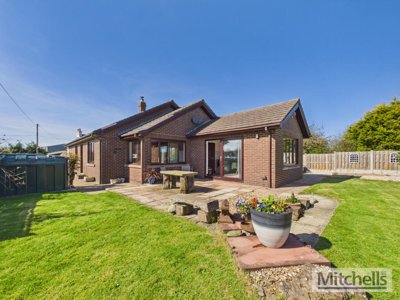
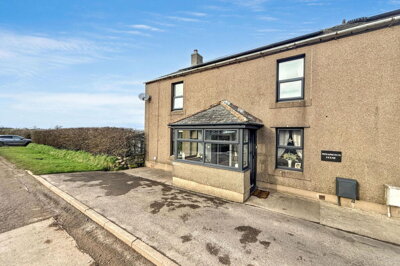
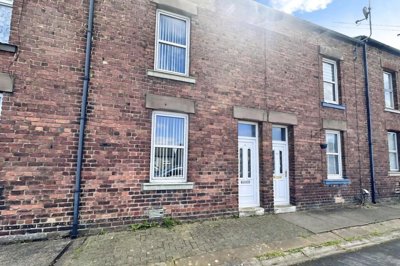
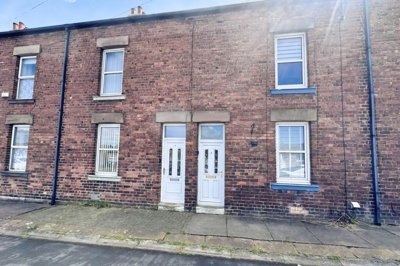
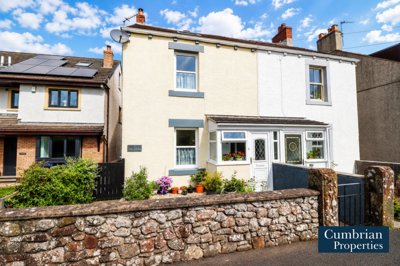
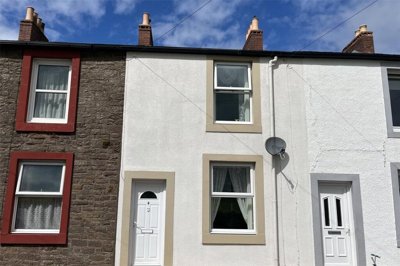
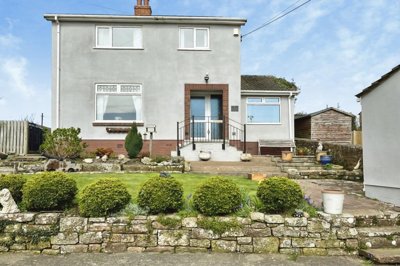
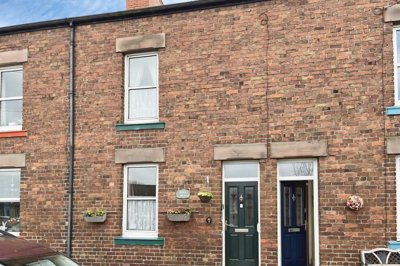
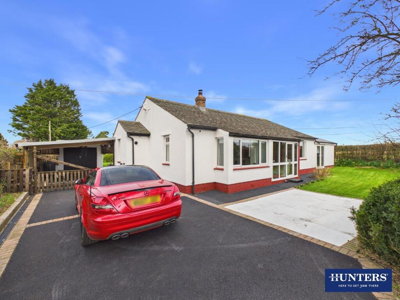
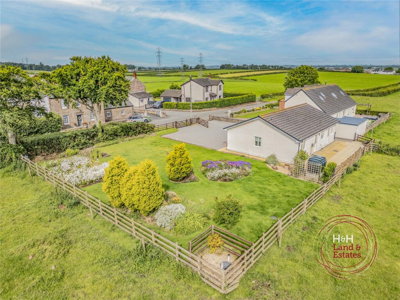
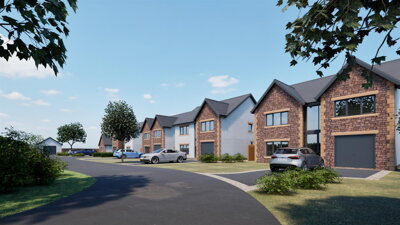
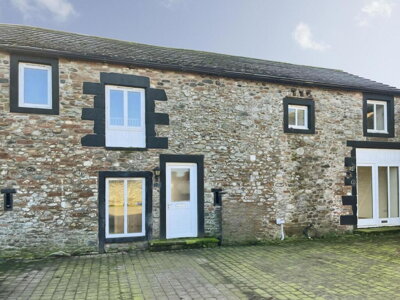
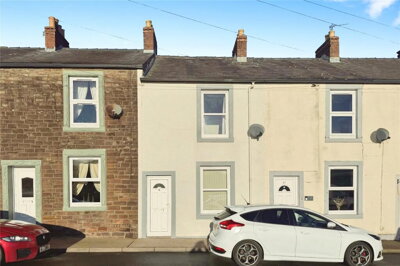
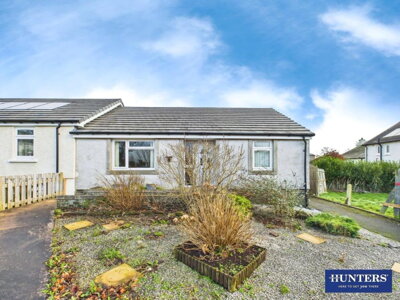
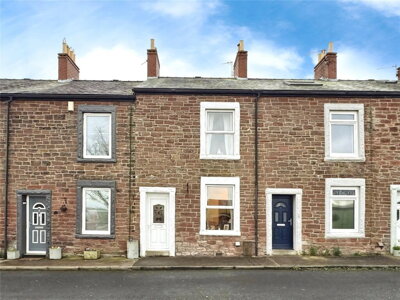
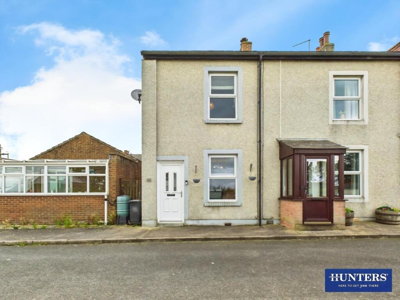
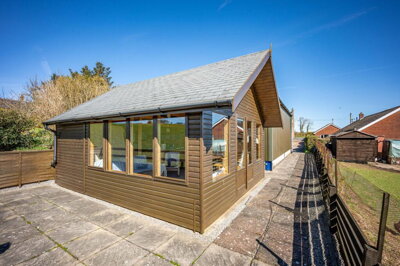
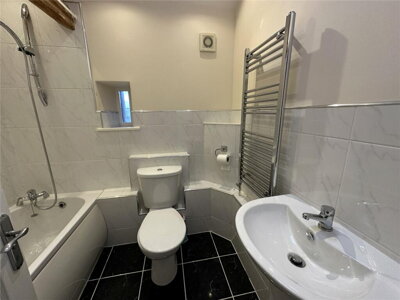
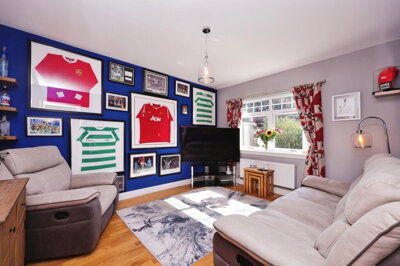
Browse 19 homes for sale in Bromfield, Cumberland from local estate agents.
The Bromfield property market offers detached, semi-detached, and terraced houses spanning various price ranges and neighbourhoods. Each listing includes detailed property information, photographs, and direct contact with the marketing agent.
£318k
2
1
20
Source: home.co.uk
Showing 2 results for Houses for sale in Bromfield, Cumberland. 1 new listing added this week. The median asking price is £317,500.
Source: home.co.uk
Detached
2 listings
Avg £317,500
Source: home.co.uk
Source: home.co.uk
Bromfield’s property market mirrors the village itself, small, characterful, and short on stock, but the homes that do come up are often keenly wanted. Recent figures put the average price at £265,000, with around 10 homes sold in the last twelve months. There has been a 5% correction over that time, which may open a window for committed buyers. Detached houses sit at the top end, averaging £350,000, while semi-detached homes offer a lower entry point at £195,000.
Price movement by type shows a few clear differences. Detached homes have taken the sharpest hit, down 12% over the past year, so buyers looking for space and a decent garden may find better value than before. Semi-detached properties have held up more firmly, edging up by 3%, which points to steady demand for family-sized homes at sensible prices. Terraced houses are down 11% and, at about £160,000, remain the cheapest way in, especially for first-time buyers or investors after a smaller rural property.
Most of Bromfield’s housing stock is detached, making up roughly 40-50% of all homes. Semi-detached properties account for 25-35%, while terraced homes and flats make up the remaining 10-15% and under 5% respectively. In practical terms, that means the best choice is for buyers after detached countryside homes, while those wanting a terrace or a flat may need to widen the search into nearby villages or towns.
New-build supply in Bromfield itself is thin, and there are no large-scale schemes under way in the village. Most building activity is taking place in nearby places such as Aspatria and Wigton, where bigger developments serve a wider local market. That lack of fresh stock in Bromfield helps explain why older homes hold their appeal, particularly those inside the Conservation Area boundary, where planning controls help protect the village’s historic look and feel.

Bromfield sits within a Conservation Area, a label that reflects how much of the village’s character has survived. At the centre are traditional stone buildings, many made from the local red sandstone, with natural slate roofs from regional quarries. Walk around the village and you will see old farmhouses, cottages, and community buildings that have been here for generations. Newer places cannot quite copy that atmosphere.
About 500-600 residents live across 200-250 households, so Bromfield feels small and close-knit, yet still has enough scale for essential services nearby. Farming shapes the surrounding landscape, and agricultural land dominates the area. Some residents work in agriculture or related trades, while others travel out for work each day. That mix of rural employment and commuting is familiar across many Cumbrian villages.
Its position close to the Lake District National Park gives residents quick access to one of Britain’s best-known landscapes for walking, recreation, and tourism. The Sellafield nuclear facility also has an impact on the local economy, with jobs that support the wider housing market across Cumbria. Bigger employers in Carlisle and Workington, including hospitals and manufacturing firms, are within reach for those prepared to travel, so Bromfield can suit local workers and commuters alike.
Geology has a real bearing on both the village and its homes. Bromfield sits on sedimentary rocks, including sandstones and mudstones, with glacial till, often called boulder clay, lying above them. That clay-rich ground helps farmland stay fertile, but it can also bring movement issues for property owners. The River Ellen runs near the village, adding to the scenery and also meaning fluvial flood risk needs checking for homes close to the water. Historic mining across wider Cumbria means buyers should ask for mining search reports during conveyancing, to rule out legacy foundation problems.

Families moving to Bromfield will usually find schooling centred on nearby villages and market towns within a workable drive. Primary provision in the area tends to serve small catchments, which reflects the rural nature of the communities, and there are several village primary schools covering early years and Key Stage 1-2. We would advise checking catchment areas and admissions policies carefully, as these can change quite a bit depending on distance and places available. For some families, the preferred school may be farther away than first expected.
Secondary options are generally based in nearby market towns, with pupils travelling for Key Stage 3 and 4. Across the wider Cumberland area there are several secondary schools, some with sixth form provision for those staying on into further education. Because Bromfield is rural, transport arrangements and journey times matter a great deal when planning a family move. Many schools run dedicated buses for surrounding villages, though families should always confirm routes and timings before buying.
For older children looking at sixth form or further education, larger towns such as Carlisle offer a broader choice of subjects, along with vocational courses and apprenticeships. Access to strong schools and colleges can shape property values in villages like this, so it is worth weighing up carefully if education is a priority. We suggest visiting schools and speaking with providers directly to get a clearer picture of current provision, class sizes, and any planned changes to local school networks.

Bromfield’s transport links reflect its rural Cumbrian setting, with day-to-day travel usually focused on nearby towns and longer trips heading to larger centres. The road network ties the village into surrounding places, and the A595 gives north-south access along the Cumbrian coast. Many residents commute to Carlisle, Workington, or further afield, so for most households a car is effectively part of the deal.
Public transport in rural Cumbria tends to mean bus routes that link villages with town centres, though the service can be patchy compared with urban areas. Anyone thinking about Bromfield as a commuting base should look closely at journey times and timetables before deciding. Rail links are available from nearby stations on main lines, with services towards Carlisle, Lancaster, and the West Coast Main Line opening up longer-distance travel. A visit to test the real transport options is a sensible step before committing to a purchase.
Cycling can work well for local trips when the weather behaves and the distances are manageable, although the hilly Cumbrian landscape can be a challenge. Electric bikes can stretch the practical range for those wanting to commute to nearby towns on two wheels. For leisure, the nearby Lake District offers a huge network of walking and cycling routes that draw visitors from across the country. Many Bromfield residents like the slower pace of rural transport and the lower stress that comes with it, while others simply weigh up whether village life fits their routine.

It pays to spend time in Bromfield at different times of day and on different days of the week, so you get a proper sense of daily life across the seasons. Look at the amenities, speak to residents about what it is really like, and judge the community atmosphere before making an offer. If there is a village pub, call in, or attend a local event to meet neighbours and get a feel for how the place works socially.
We recommend contacting lenders or using Homemove's mortgage comparison tool to secure an Agreement in Principle before viewing homes in Bromfield. It strengthens your hand when you make an offer and shows estate agents that you are serious. In a rural market, where vendors may have more than one interested buyer, that reassurance can matter quite a lot.
Work with estate agents to arrange viewings of suitable homes in Bromfield and the surrounding villages. It helps to see more than one property, so you can compare the range, from traditional stone cottages to post-war semis and period farmhouses. Take notes and photographs while you look round, then return to the most promising homes at different times of day if you can.
Because 60-70% of Bromfield’s homes are over 50 years old and the village sits within a Conservation Area, a proper survey is well worth having before you buy. A RICS Level 2 Survey usually costs £400-£700 for a standard 3-bedroom property in the CA13 area, and it will flag issues such as structural concerns, roof defects, damp, timber problems, and any movement. If a property is Listed or built in an unusual way, we would usually point buyers towards a more detailed RICS Level 3 Building Survey for a fuller picture of condition and repair work.
Use a solicitor who knows rural Cumbrian transactions, especially if the property is Listed or lies within the Conservation Area. They will deal with local authority searches, drainage and environmental checks, mining searches given Cumbria’s extractive history, and the contract and registration process with Land Registry.
Once the surveys, searches, and negotiations are all wrapped up, your solicitor will handle exchange of contracts and then complete the purchase. On completion day, you collect the keys to your Bromfield home and can start settling into village life in this attractive Cumbrian community.
Buying in Bromfield means keeping a few local issues in mind that are not always part of urban purchases. Because the village is in a Conservation Area, permitted development rights are tighter, and planning consent may be needed for extensions, alterations, or major changes to the outside of a property. Anyone thinking about renovation work should speak to Cumberland Council planning department before committing, since restrictions can affect both budget and design. Knowing what needs consent before you buy helps avoid expensive surprises later.
Listed Buildings in Bromfield bring an extra layer of responsibility for buyers. Grade I and Grade II listed homes have plenty of character, but they also need careful upkeep to protect their historic fabric for future generations. Bromfield Church is Grade I Listed, while several farmhouses and cottages are Grade II, each with its own rules for alterations. Any work usually needs consent from the planning authority, and it must respect the building’s special interest. Specialist surveys for historic properties may cost more than standard ones, but they can be vital in showing up condition issues and longer-term maintenance needs.
Flood risk matters in Bromfield because the village lies near the River Ellen. Environment Agency maps show low, medium, and higher risk areas within and around the village, with homes close to the river more exposed. Properties in flood-prone spots may face higher insurance costs and may need measures such as flood barriers or raised electrical sockets. A good survey should look at any flood damage or mitigation already in place, and local neighbours can often add useful context about past flooding and how the community has dealt with it.
The clay ground underneath the village means buyers should stay alert for subsidence or heave, especially in older properties with shallow foundations. Large trees near a house can worsen shrink-swell clay movement in dry weather, which may show up as cracks in walls or doors and windows that no longer sit properly. Surveyors should be asked to look closely at foundations and any sign of movement. In older homes, electrical and plumbing systems can also need upgrading to meet current standards, so those costs should be built into the true purchase price.

The average house price in Bromfield is around £265,000, based on recent sales data from the CA13 postcode area. Detached homes average £350,000, semi-detached homes £195,000, and terraced houses about £160,000. Over the past twelve months, the market has seen a modest 5% correction, which may create openings for buyers in this sought-after Cumbrian village. Detached homes have fallen more sharply, by around 12%, which could bring larger properties within reach for families or anyone wanting more space.
For council tax purposes, properties in Bromfield fall under Cumberland Council. The band will depend on the value and type of the property, ranging from Band A through to Band H, with many of the traditional stone cottages and smaller homes sitting in the lower bands. Buyers should check the Valuation Office Agency website for the band on each individual property, because neighbouring homes of a similar size and age can still sit in different bands depending on construction and past valuations. Council tax in Cumberland is generally competitive when set against urban areas, which helps keep living costs more manageable for village households.
Primary schooling near Bromfield is usually provided by village schools with catchments that cover surrounding rural communities, and the nearest options are generally in nearby villages or market towns. Secondary schools in those towns handle Key Stage 3 and 4, and some also offer sixth form provision for pupils moving on into further education. We would suggest looking carefully at catchments and admissions criteria, as popular rural schools can be competitive because they have smaller intakes. A visit in person gives the best feel for current provision, facilities, and the school’s ethos before any relocation decision is made.
Bromfield’s public transport links match its rural Cumbria setting, with bus services connecting the village to nearby towns, though frequencies may be limited compared with urban areas and may not run on Sundays or public holidays. The A595 links the village to Carlisle, Workington, and the Lake District, while main-line rail stations require travel to nearby towns for broader rail access. For most residents, car ownership is still effectively essential, particularly for standard office hours, family routines, or commuting beyond the immediate area.
For buyers looking for lifestyle value rather than strong rental yields, Bromfield has clear appeal. Its Conservation Area status and tight housing supply suggest steady long-term values for good homes, and demand is supported by the wider popularity of rural living in this part of Cumbria. Buyers from across the UK still look towards Lake District-edge locations for the countryside lifestyle, and that helps underpin the market here. That said, the small rental sector and limited new-build supply mean any capital growth potential should be weighed against personal plans, not just investment returns. For those intending to stay long term, ownership brings the chance to enjoy village life and, perhaps, benefit from future price growth.
From April 2024, Stamp Duty Land Tax starts at 0% on the first £250,000 of residential purchases. It then rises to 5% between £250,001 and £925,000, 10% on the next band, and 12% above £1.5 million. First-time buyers get relief on the first £425,000 at 0%, then 5% between £425,001 and £625,000. At Bromfield’s average price of £265,000, most buyers with a mortgage would pay SDLT of about £750 on the amount above £250,000, while a first-time buyer at the average price would pay no SDLT at all under the current thresholds.
Bromfield’s location near the River Ellen creates fluvial flood risk for homes close to the riverbanks, especially in periods of heavy rain or snowmelt. Environment Agency maps show low, medium, and higher risk zones within and around the village, and some properties may need specific flood resilience measures or insurance considerations. Surface water flooding can also occur during heavy rainfall, particularly where the topography is low-lying or drainage is limited. Buyers should request flood search results as part of conveyancing and think carefully about resilience measures if a property sits in or near identified flood zones.
Because 60-70% of Bromfield’s housing stock is thought to be over 50 years old, and many properties in the Conservation Area pre-date 1919, a RICS Level 2 Survey is the minimum we would advise for most purchases. In the CA13 area, survey costs typically range from £400-£700 for a standard 3-bedroom property, while smaller terraced homes often come in at £350-£550 and larger 4+ bedroom detached homes can run from £600-£900 or more. Listed properties or homes within the Conservation Area may justify a more detailed RICS Level 3 Building Survey, which gives a fuller look at construction, defects, and repair options. Common issues picked up in local surveys include damp, in its rising, penetrating, and condensation forms, roof problems such as slipped slates or failed leadwork, timber decay including woodworm and rot, and older electrics that need bringing up to standard.
From 4.5%
Compare mortgage rates and find the best deal for your Bromfield purchase
From £499
Expert solicitors handling your Bromfield property purchase
From £400
Thorough condition survey for Bromfield properties
From £80
Energy performance certificate for your new home
Knowing the full purchase costs in Bromfield helps buyers budget properly and avoid unwanted surprises during the transaction. The headline stamp duty bill depends on the purchase price and the buyer’s status, with rates starting at zero on the first £250,000 of residential purchases. At Bromfield’s average property price of £265,000, a buyer using a mortgage would usually pay SDLT only on the £15,000 above the £250,000 threshold, which comes to about £750 at current rates.
First-time buyers get more generous relief, with 0% SDLT on the first £425,000 of the purchase and 5% on the portion between £425,001 and £625,000. That means a first-time buyer purchasing at Bromfield’s average price of £265,000 would pay no stamp duty at all, which is a meaningful saving for anyone stepping onto the ladder for the first time. Relief does not apply above £625,000, so higher-value detached homes at £350,000 or more still attract SDLT at the standard rates. Checking that you qualify for first-time buyer relief before you proceed helps avoid errors that could slow the purchase down or complicate it.
Beyond SDLT, buyers should also allow for survey fees, usually £400-£700 for a Level 2 survey on a 3-bedroom property in this area, with larger or historic homes costing more. Conveyancing fees start from £499 for standard transactions, and rise for leasehold properties or titles that are more complicated. Search fees are usually around £250-£350 for local authority, drainage, environmental, and mining searches, reflecting Cumbria’s extractive past. Mortgage arrangement fees vary by lender, though they often sit somewhere between zero and £1,500, and valuation fees may be added on top of your chosen survey. Buildings insurance should be in place from exchange of contracts, removals will depend on volume and distance, and setting aside 3-5% of the purchase price gives most Bromfield buyers a sensible contingency fund.

Properties for Sale In London

Properties for Sale In Plymouth

Properties for Sale In Liverpool

Properties for Sale In Glasgow

Properties for Sale In Sheffield

Properties for Sale In Edinburgh

Properties for Sale In Coventry

Properties for Sale In Bradford

Properties for Sale In Manchester

Properties for Sale In Birmingham

Properties for Sale In Bristol

Properties for Sale In Oxford

Properties for Sale In Leicester

Properties for Sale In Newcastle

Properties for Sale In Leeds

Properties for Sale In Southampton

Properties for Sale In Cardiff

Properties for Sale In Nottingham

Properties for Sale In Norwich

Properties for Sale In Brighton

Properties for Sale In Derby

Properties for Sale In Portsmouth

Properties for Sale In Northampton

Properties for Sale In Milton Keynes

Properties for Sale In Bournemouth

Properties for Sale In Bolton

Properties for Sale In Swansea

Properties for Sale In Swindon

Properties for Sale In Peterborough

Properties for Sale In Wolverhampton

Enter your details to see if this property is within your budget.
Loans, cards, car finance
Estimated property budget
Borrowing + deposit
You could borrow between
Typical borrowing
Monthly repayment
Est. at 4.5%
Loan-to-value
This is an estimate only. Your actual budget may vary depending on interest rates, credit history, and personal circumstances. For an accurate affordability assessment, speak to one of our free mortgage advisors.
This calculator provides estimates for illustrative purposes only and does not constitute financial advice. Your home may be repossessed if you do not keep up repayments on your mortgage. Estimates based on 4.5% interest rate, repayment mortgage. Actual rates depend on your circumstances.
Homemove is a trading name of HM Haus Group Ltd (Company No. 13873779, registered in England & Wales). Homemove Mortgages Ltd (Company No. 15947693) is an Appointed Representative of TMG Direct Limited, trading as TMG Mortgage Network, which is authorised and regulated by the Financial Conduct Authority (FRN 786245). Homemove Mortgages Ltd is entered on the FCA Register as an Appointed Representative (FRN 1022429). You can check registrations at NewRegister or by calling 0800 111 6768.

We use cookies to show you personalised content and improve your experience of our website. Find out more in our Privacy policy and Cookie policy.