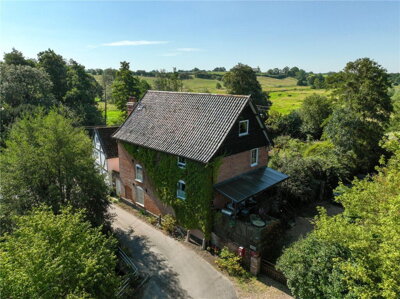
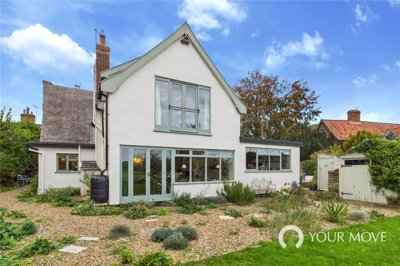
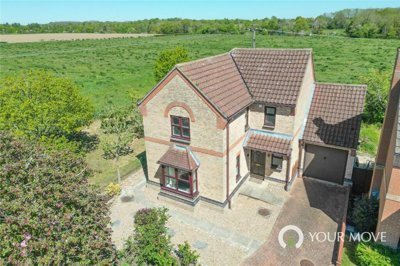
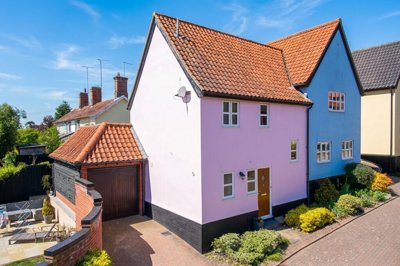
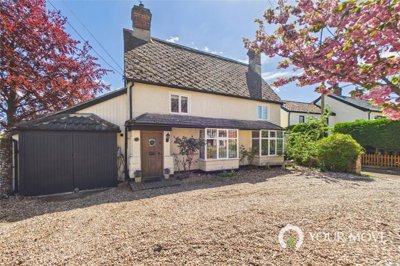
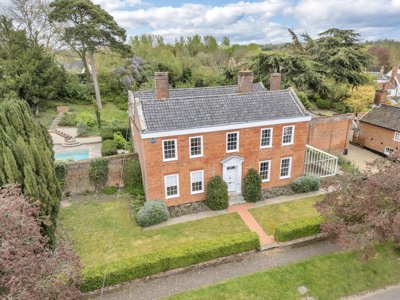
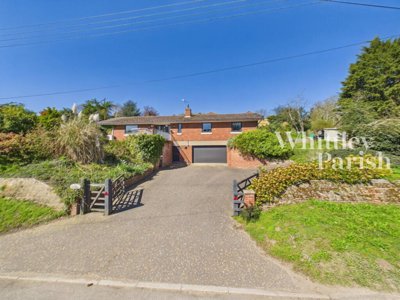
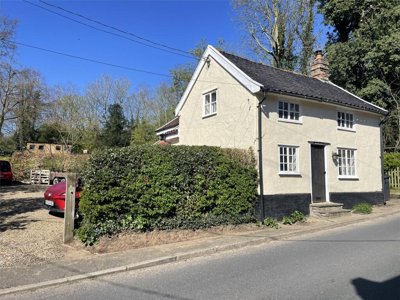
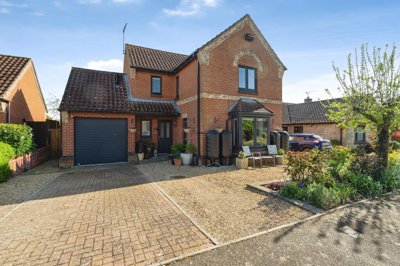
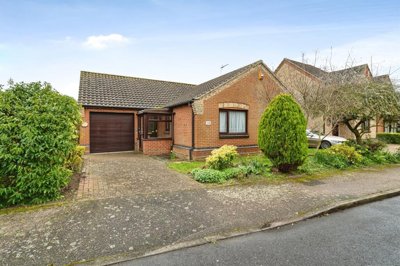
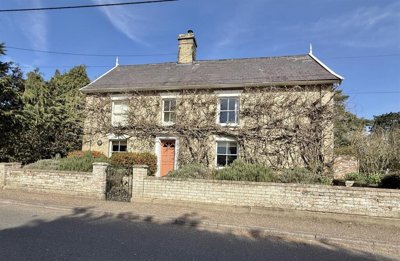
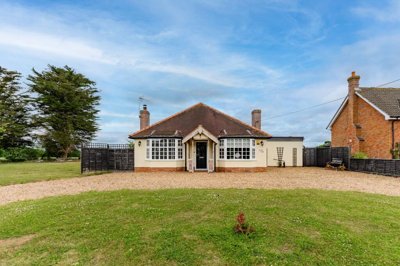
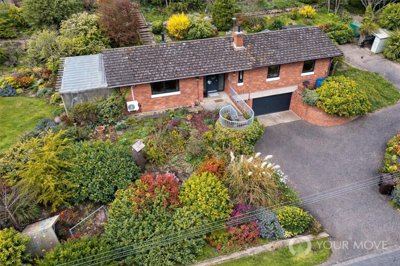
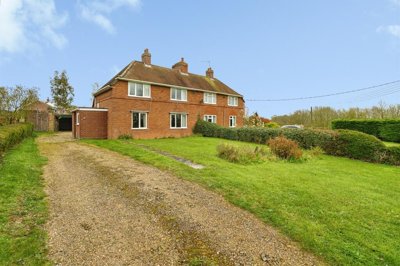
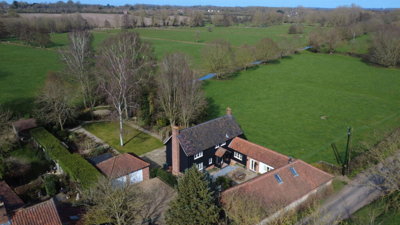
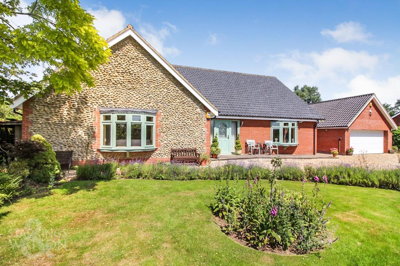
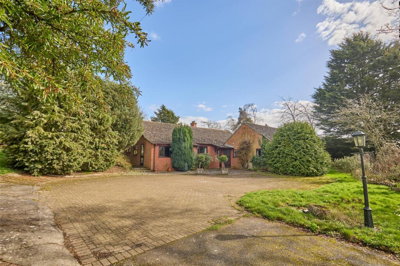
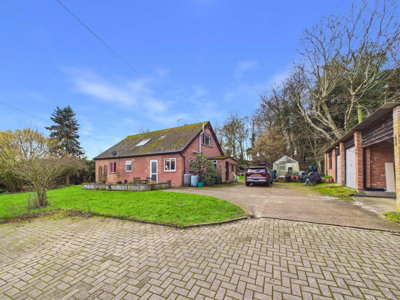
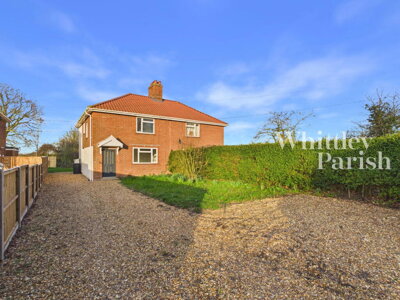
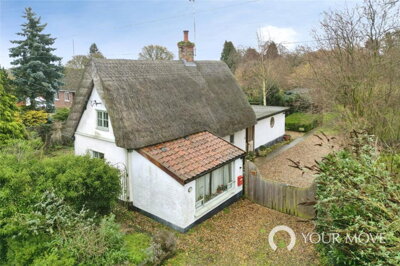
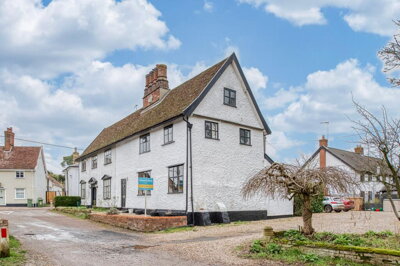
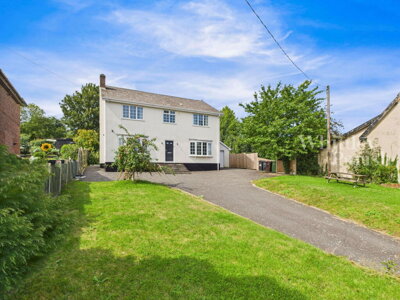
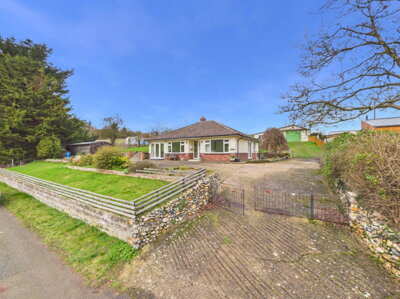
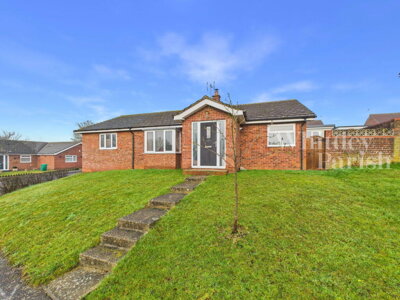
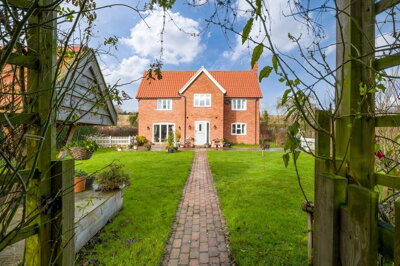
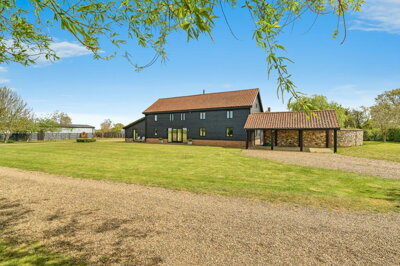
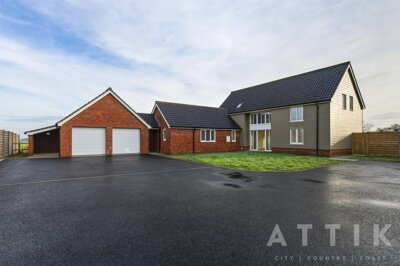
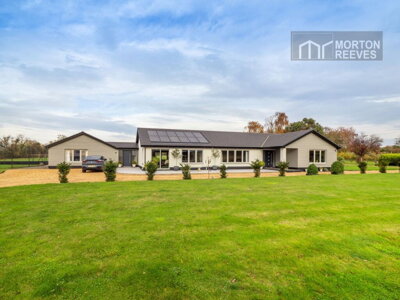
Browse 42 homes for sale in Brockdish, South Norfolk from local estate agents.
£325k
13
0
102
Source: home.co.uk
Source: home.co.uk
Detached
6 listings
Avg £601,667
Semi-Detached
3 listings
Avg £256,667
Detached Bungalow
2 listings
Avg £362,500
Bungalow
1 listings
Avg £325,000
Cottage
1 listings
Avg £270,000
Source: home.co.uk
Source: home.co.uk
Brockdish’s housing market feels much like the village itself, quiet, rural and led by larger individual homes. Detached houses sit at the top of the pricing range, averaging £485,000. Our data shows semi-detached properties at around £280,000, while terraced homes in the village typically sell for approximately £250,000. That keeps Brockdish within reach compared with some South Norfolk villages closer to Norwich and the main commuter pull. Over the past twelve months, prices have moved up rather than surged, with overall values rising by 1.3% and semi-detached homes showing the strongest movement at 3.7%. The demand is still there, especially from buyers looking for space, character and a settled village community.
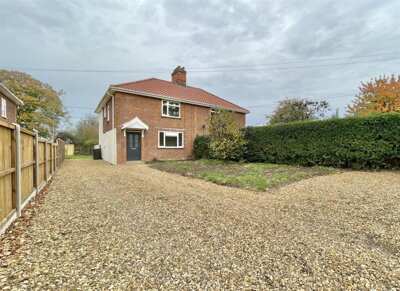
Most homes in Brockdish are houses rather than flats, with detached properties making up an estimated 50-60% of the stock and semi-detached homes another 25-35%. Terraced houses and flats account for less than 15%, which fits the feel of the village, more individual dwellings and small groups of homes than dense development. A noticeable share of the properties were built before 1919, so buyers often see traditional Norfolk details such as red brick in Flemish bond or English bond, clay pantile roofs, timber floors and exposed beams. Later homes, from the post-war years through to the 1980s, add some variety. New build activity in the postcode area is limited, so most purchases involve an existing property rather than a newly built one.
Buyers drawn to older homes tend to focus on the period cottages and farmhouses around The Street, where Brockdish has some of its strongest architectural character. Several village properties are Grade II listed, protected for their architectural interest and part of the streetscape that gives Brockdish its appeal. There is no designated conservation area in the village, but the number of listed buildings near the centre means major works to those homes would need Listed Building Consent from South Norfolk District Council. That heritage is part of the attraction, though it can also limit what owners can alter, repair or extend without formal approval.

Day-to-day life in Brockdish is shaped by the South Norfolk countryside. The village lies in the Waveney Valley, with fertile farmland, hedgerow-lined lanes and the River Waveney forming part of the Norfolk and Suffolk border nearby. Public footpaths and bridleways cross the surrounding fields and meadows, so walkers, cyclists and nature lovers have plenty on the doorstep. Farming still has a visible role in the local economy and landscape, while small local businesses and village pubs provide the practical services and social meeting points that matter in a rural community.
Brockdish has the sort of demographic mix seen in many well-established South Norfolk villages, families, older couples and professionals who travel to larger towns for work. Local identity is still strong, with gatherings often linked to the historic church and village hall. For shops, restaurants and leisure, residents usually head to Diss, or continue to Norwich for a wider cultural and retail choice. The wider Waveney Valley has also become more popular with visitors, helped by its historic villages, countryside, farm shops and country pubs. Tourism gives local businesses a useful lift without turning Brockdish into a busy visitor hotspot.
Living in Brockdish does mean accepting a more rural routine. The village has limited amenities on site, so day-to-day essentials may be covered by a small shop or post office, while larger supermarkets and high street shopping are in Diss, approximately 8 miles away, or Harleston, around 5 miles from the village. Healthcare is similar, with a GP surgery in nearby Harleston and hospitals or specialist services in Norwich. Broadband in rural villages can be patchy from one address to the next, so buyers should check current speeds and provider availability before committing, particularly if working from home is part of the plan.

Families moving to Brockdish have several school options in the surrounding area, rather than a large choice within the village itself. Primary provision is usually linked to nearby towns such as Harleston, with Harleston Primary Academy serving children from the town and surrounding countryside. Diss Infant Academy and Nursery and Diss Junior School offer further options, covering education for children aged 5-11 across those settings. Catchment boundaries can matter street by street, so parents should confirm the current position with Norfolk County Council before relying on a particular school for an address in the Brockdish area.
For secondary education, Sir John Leman High School in nearby Hetton serves pupils from across South Norfolk and has built a strong academic reputation over many years. Students from villages including Brockdish typically travel by school bus, depending on the route and timetable. The school offers GCSE and A-Level courses. Families interested in grammar school education will need to look at selective options in nearby towns, including catchment rules and entrance examinations. Recent GCSE results and Ofsted ratings are worth checking too, as school performance can influence both family choices and longer-term property values.
Older children can reach further education providers in Norwich, where a wide range of academic and vocational courses is available. The University of East Anglia is also in Norwich, putting degree-level study within possible commuting distance from Brockdish for students who want to remain at home. Transport needs careful thought, though. School bus services from Brockdish to secondary schools may be limited, and some families will find that private transport is needed for the daily run.

Roads do most of the heavy lifting for Brockdish. The village sits close to the A143 through nearby Harleston, linking into the wider Norfolk road network. The A140 gives access towards Norwich, while the A14 connects towards Cambridge and the M11 for longer journeys to London and the South East. Stansted Airport is approximately 90 minutes by car via the A14 and M11. Bus services operated by Norfolk Green and other local providers link Brockdish with places including Diss, Harleston and Norwich, but rural South Norfolk timetables are limited, often with just one or two services per day on some routes. For most households, a car is not really optional.
Diss railway station is approximately 8 miles from Brockdish and provides regular services to Norwich, Ipswich and London Liverpool Street on the East Anglian Main Line. Diss to Norwich takes approximately 20-30 minutes, while London Liverpool Street is around 90 minutes, which can work for some capital commuters who want a countryside base. Parking is available at Diss station, although spaces may be tight at peak times. Cycling suits the quieter lanes, but the roads can be narrow, and winter brings shorter daylight hours and wetter surfaces. Brockdish works especially well for people who work from home, have flexible hours or no longer need a daily commute.
Norwich International Airport offers domestic flights and a limited range of international services, including some UK and European connections. For a broader choice of destinations, Stansted Airport is reached via the A14 and M11, as noted above. The transport picture is straightforward: Brockdish suits buyers who are comfortable with rural living and the limited public transport that comes with it. For many residents, the quiet setting, open countryside and village atmosphere more than make up for driving to most appointments, shops and services.

Start by looking closely at online listings and the local pricing pattern before making a commitment. Homes for sale in Brockdish range from traditional cottages to modern detached houses, with prices from £250,000 for terraced properties to £485,000 for detached homes. It is also worth visiting the village at different times of day and talking to residents, as that gives a better sense of the place than a single viewing. Our platform brings together current listings from local estate agents, so you can track what is available and spot properties that fit your brief.
Before offering on a Brockdish home, speak to a mortgage broker or lender and get an agreement in principle in place. Current RICS Level 2 Survey costs in the area typically range from £450-700 for a 3-bedroom semi-detached home and £600-950 for larger detached properties. Having finance organised gives you a stronger hand with sellers, particularly in a village where stock is limited and good homes may not wait around. Brokers used to rural property can also flag lending points linked to older, listed or unusual homes.
Our partner estate agents can arrange viewings for Brockdish properties that match what you are looking for. Because the village market is small, buyers often need to act quickly when the right house appears, especially in this sought-after South Norfolk setting. An offer should reflect the current market, but also any repairs or upgrades you have spotted during the viewing. For older homes, we would usually suggest commissioning a RICS Level 2 Survey before the purchase is finalised, as some defects are not obvious during a short visit.
A RICS Level 2 Survey is a sensible step before completing on any Brockdish property. Many village homes are over 50 years old and use traditional Norfolk construction methods, so professional inspection can reveal damp, roof defects, timber decay or subsidence risks linked to local clay soils. If problems are found, the report can support renegotiation and give you cost estimates for putting matters right. Where a property is Grade II listed, a more detailed RICS Level 3 Building Survey may be the better choice, particularly where historic fabric, consent issues and future maintenance need closer assessment.
Once your offer is accepted, appoint a conveyancing solicitor to deal with the legal work on the Brockdish purchase. The solicitor will order searches from South Norfolk District Council, examine title documents and handle exchange of contracts. Local search fees typically range from £150-300, and environmental searches are especially useful in rural locations close to the River Waveney, where flood risk may be relevant. Stamp Duty Land Tax and search fees both need to sit in your budget from the start.
After searches are clear and finance is ready, your solicitor will agree exchange of contracts with the seller’s legal team. Completion typically follows within 2-4 weeks, at which point the keys to your Brockdish home are released. Buildings insurance should be in place from the first day of ownership, and utility providers need to be told about the change of address. Your solicitor can also deal with registration of your ownership as part of the conveyancing service.
Older Brockdish homes deserve a careful look, particularly as a significant proportion were built before 1919 using traditional Norfolk construction methods. Period properties can show damp, including rising damp where damp-proof courses are missing or have failed, along with roof defects such as slipped clay pantiles, failed leadwork and ageing timber rafters. Timber problems also matter, with wet rot, dry rot and woodworm sometimes affecting floor joists, roof timbers and other structural parts. A detailed RICS Level 2 Survey can identify these issues before exchange and give cost estimates for any remedial work.
The ground conditions around Brockdish also deserve attention. The village sits on deposits including Crag Deposits of sand, gravel and shells from the Pliocene and Pleistocene epochs, with deeper bedrock of Chalk and glacial boulder clay in the wider area. Boulder clay can carry a moderate to high shrink-swell risk, expanding when wet and contracting in dry weather. Homes close to mature trees, or those with shallow foundations, may be vulnerable to subsidence or heave movement over time. Our surveyors look closely at crack patterns, sticking doors and windows, and other signs that could point to foundation movement.
Drainage is another key check in Brockdish, particularly near lower ground and the River Waveney. Some homes close to the river or its flood plain may carry a risk of fluvial flooding or surface water ingress after heavy rain, so flood risk searches should be requested through the conveyancing process. In older village homes, dated electrics and plumbing are also common, including original wiring or lead pipes that may need replacement. Solid brick walls predating 1919 may have no cavity insulation, which can mean higher heating costs for buyers to factor in.

The average house price in Brockdish is approximately £382,500 based on recent sales data, with detached properties averaging £485,000, semi-detached homes around £280,000 and terraced properties typically selling for about £250,000. Prices have risen steadily over the past year, with overall values up by 1.3% and semi-detached homes increasing by 3.7%. This is a stable rural market rather than a high-turnover one. With only around 10-15 property sales recorded in the area over the past year, chances to buy in Brockdish do not come up often.
For council tax, Brockdish properties fall under South Norfolk District Council, with bands running from A to H according to assessed value. Many traditional cottages and smaller homes are likely to sit in bands A-C, while larger detached houses may fall into bands D-F. Buyers should check the exact band for the property they are considering, either through the Valuation Office Agency or the South Norfolk Council website. It is one of the ongoing costs of ownership and can differ between nearby homes because of size, value and assessment history.
Primary education for Brockdish families is generally found in nearby Harleston and Diss, with Harleston Primary Academy and Diss Infant Academy and Nursery among the relevant options for younger children. Secondary pupils can attend Sir John Leman High School in Hetton, which serves a wide South Norfolk area and has a strong academic reputation. Before committing to a purchase, parents should confirm current catchment areas and admissions criteria with Norfolk County Council, as a specific Brockdish address can affect which schools are available.
Public transport in Brockdish is limited, as you would expect in a rural village. Norfolk Green operates bus links to nearby towns including Harleston and Diss, perhaps once or twice daily on some routes. Diss railway station, approximately 8 miles away, has regular trains to Norwich, Ipswich and London Liverpool Street, with London journeys taking around 90 minutes. Most residents rely on private cars for daily life, and that is especially true for families with school-age children who need to reach secondary school.
Brockdish has moderate investment appeal for buyers looking at a long-term hold in South Norfolk. The village benefits from being near growing towns such as Diss and Harleston, while Norwich’s wider economic growth helps support regional demand. Values have moved up over the past year, and the shortage of available homes means well-presented properties rarely linger. Rental demand, though, is likely to be thinner than in urban areas because of the small population and limited local employment, so Brockdish is generally a better fit for owner-occupiers than investors chasing high yields.
Stamp Duty Land Tax on residential purchases in England is charged at 0% on the first £250,000, 5% on the portion from £250,001 to £925,000, 10% on the portion from £925,001 to £1.5 million and 12% on any value above £1.5 million. First-time buyers receive relief on the first £425,000, with 5% charged between £425,001 and £625,000. For a typical Brockdish purchase at the average price of £382,500, a standard buyer would pay nothing on the first £250,000 and 5% on the remaining £132,500, giving a Stamp Duty bill of £6,625.
From £450
A detailed condition inspection, suitable for most homes for sale in Brockdish, including older period properties
From £600
An in-depth building survey, usually recommended for older, larger or listed properties in Brockdish
From £80
Energy Performance Certificate needed for all property sales
From 3.5% APR
Compare mortgage rates from leading lenders for your Brockdish purchase
From £499
Solicitors with experience in South Norfolk property transactions
A proper Brockdish budget needs to include more than the agreed purchase price. Stamp Duty Land Tax is often the largest extra cost, with the standard residential threshold in England currently set at £250,000. For a detached home at the village average of £485,000, a non-first-time buyer would pay SDLT of £11,750, made up of nothing on the first £250,000 and 5% on the remaining £235,000. First-time buyers have higher thresholds, paying nothing on the first £425,000 and 5% on the balance up to £625,000, so a property at or below £425,000 would result in no stamp duty.
Conveyancing fees also need allowing for, typically from £500 to £1,500 depending on the transaction and whether the property is freehold or leasehold. Local search fees with South Norfolk District Council are usually between £150 and £300, while environmental and drainage searches add a further £100-200. For surveys, a RICS Level 2 Survey generally costs £450-700 for a standard 3-bedroom semi-detached property and £600-950 for larger detached homes in the Brockdish area, reflecting the extra inspection time often needed for period construction. Registration fees for your ownership are typically around £200-300.
After completion, allow for removals, buildings insurance from day one and any immediate repairs picked up in the survey. Brockdish properties, particularly older ones, can need steady maintenance and later spending on electrics, plumbing or insulation. As a working guide, add approximately 3-5% of the purchase price for these extra costs. On a home at the village average of £382,500, that means planning for £11,475-£19,125 on top of the purchase price itself.

Properties for Sale In London

Properties for Sale In Plymouth

Properties for Sale In Liverpool

Properties for Sale In Glasgow

Properties for Sale In Sheffield

Properties for Sale In Edinburgh

Properties for Sale In Coventry

Properties for Sale In Bradford

Properties for Sale In Manchester

Properties for Sale In Birmingham

Properties for Sale In Bristol

Properties for Sale In Oxford

Properties for Sale In Leicester

Properties for Sale In Newcastle

Properties for Sale In Leeds

Properties for Sale In Southampton

Properties for Sale In Cardiff

Properties for Sale In Nottingham

Properties for Sale In Norwich

Properties for Sale In Brighton

Properties for Sale In Derby

Properties for Sale In Portsmouth

Properties for Sale In Northampton

Properties for Sale In Milton Keynes

Properties for Sale In Bournemouth

Properties for Sale In Bolton

Properties for Sale In Swansea

Properties for Sale In Swindon

Properties for Sale In Peterborough

Properties for Sale In Wolverhampton

Enter your details to see if this property is within your budget.
Loans, cards, car finance
Estimated property budget
Borrowing + deposit
You could borrow between
Typical borrowing
Monthly repayment
Est. at 4.5%
Loan-to-value
This is an estimate only. Your actual budget may vary depending on interest rates, credit history, and personal circumstances. For an accurate affordability assessment, speak to one of our free mortgage advisors.
This calculator provides estimates for illustrative purposes only and does not constitute financial advice. Your home may be repossessed if you do not keep up repayments on your mortgage. Estimates based on 4.5% interest rate, repayment mortgage. Actual rates depend on your circumstances.
Homemove is a trading name of HM Haus Group Ltd (Company No. 13873779, registered in England & Wales). Homemove Mortgages Ltd (Company No. 15947693) is an Appointed Representative of TMG Direct Limited, trading as TMG Mortgage Network, which is authorised and regulated by the Financial Conduct Authority (FRN 786245). Homemove Mortgages Ltd is entered on the FCA Register as an Appointed Representative (FRN 1022429). You can check registrations at NewRegister or by calling 0800 111 6768.

We use cookies to show you personalised content and improve your experience of our website. Find out more in our Privacy policy and Cookie policy.