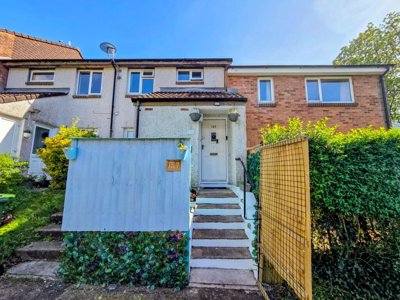
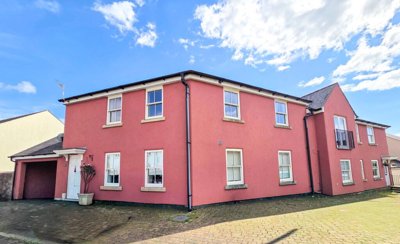
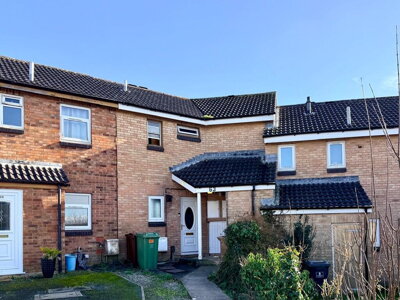
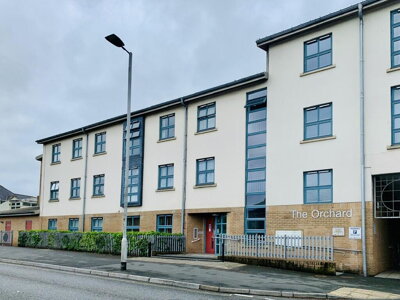
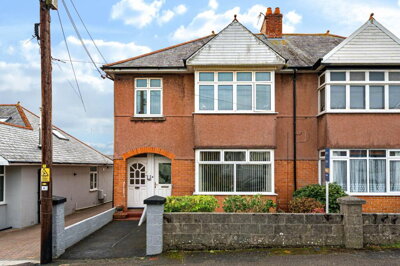
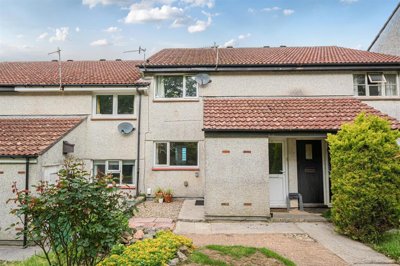
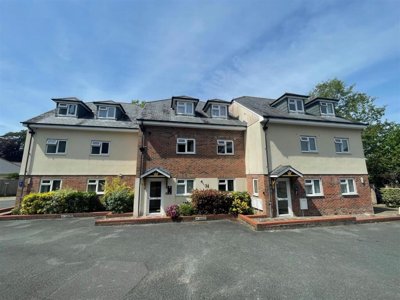
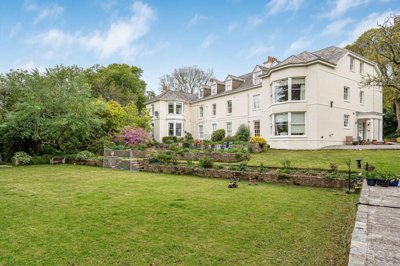
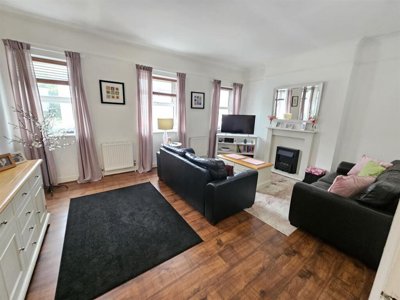
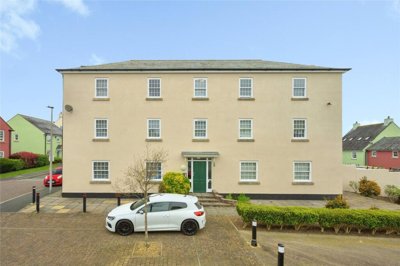
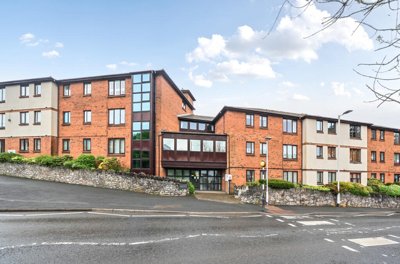
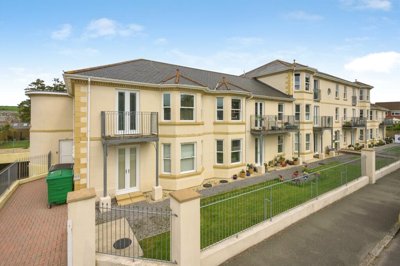
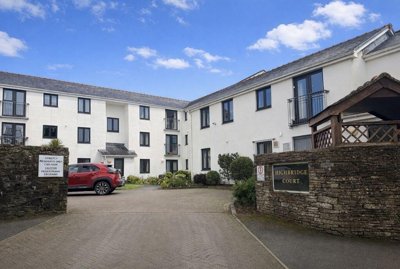
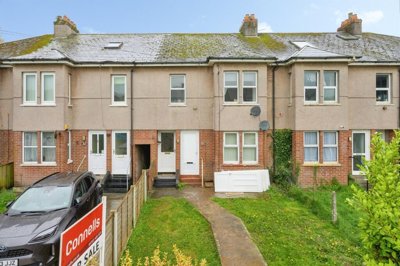
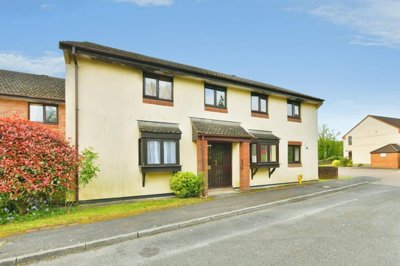
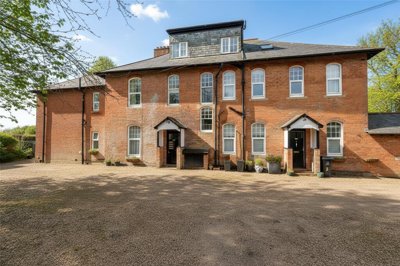
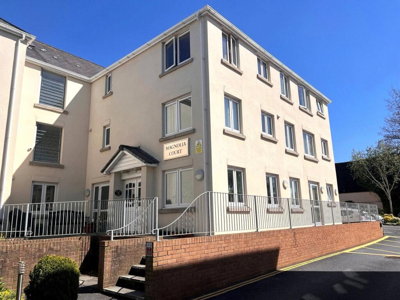
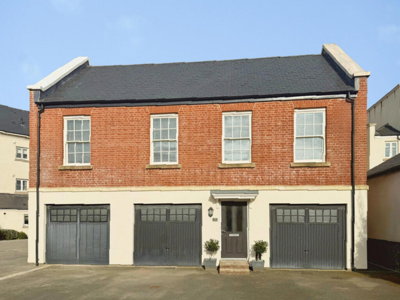
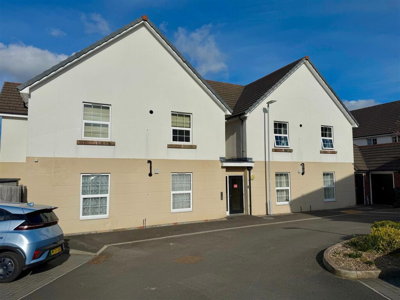
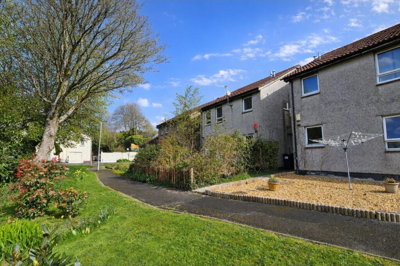
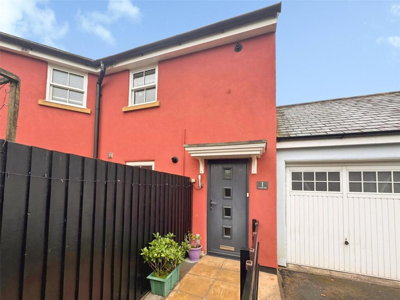
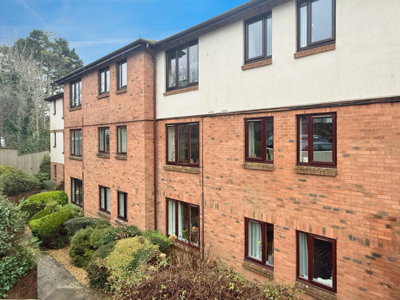
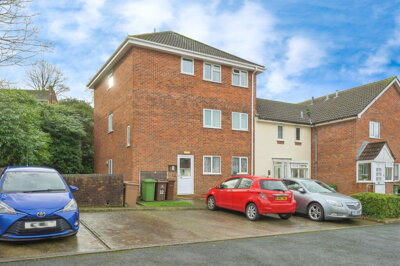
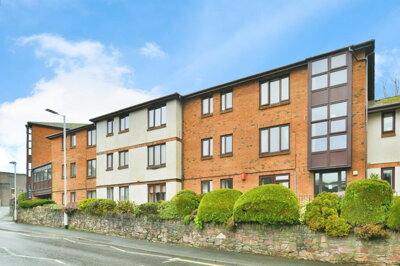
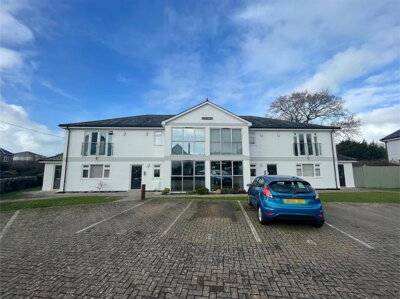
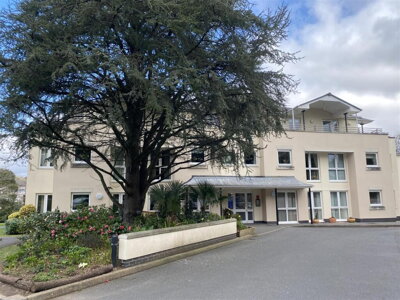
Browse 65 homes for sale in Brixton, South Hams from local estate agents.
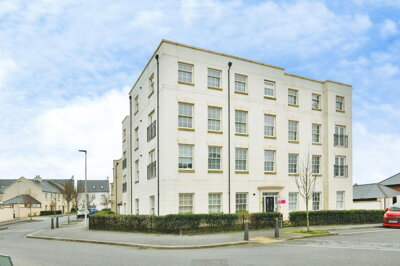
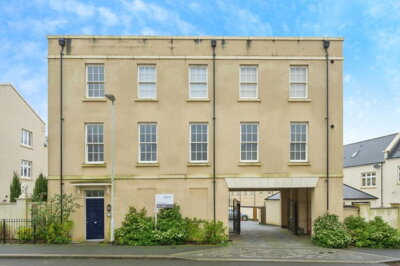
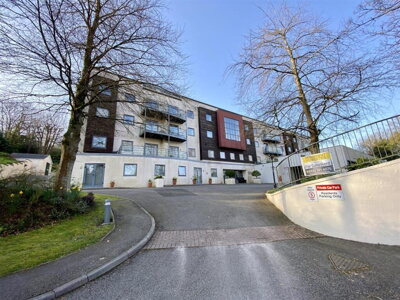
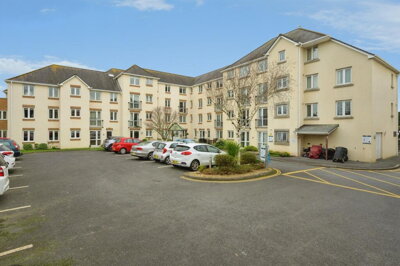
Studio apartments feature open-plan living spaces without separate bedrooms, incorporating sleeping, living, kitchen, and bathroom facilities. The Brixton studio market includes properties in modern apartment complexes, converted Victorian and Georgian buildings, and purpose-built developments.
£64k
1
0
24
Source: home.co.uk
Showing 1 results for Studio Flats for sale in Brixton, South Hams. The median asking price is £64,000.
Source: home.co.uk
Flat
1 listings
Avg £64,000
Source: home.co.uk
Source: home.co.uk
Across the wider South Hams market, current figures point to steady demand, with the average home sitting around £415,871 depending on property type and the exact spot. Flats and apartments are usually lower, at about £229,167, while terraced homes often come in near £321,000. Detached family houses reach around £688,481 in many cases, which reflects the premium buyers place on larger plots and the more rural setting found in Devon villages such as Brixton. Recent sales across South Hams also show ongoing activity in every part of the market, with homes offering gardens and countryside views continuing to draw particularly strong interest.
Across South Devon, prices have moved a little rather than dramatically, and some places have seen slight falls of around 2% over the past twelve months. Even with that pullback from the highs seen in earlier years, demand is still underpinned by the long-term appeal of living in Devon. Transaction levels are lower than they were during the busier 2021 and 2022 period, which can give organised buyers more room to act quickly if their finances are lined up, although the best homes still attract competition from more than one buyer looking for a countryside move. In the broader South Hams market, values have generally held up better than in some national snapshots, which suggests the area remains attractive to people putting lifestyle first rather than viewing a purchase as purely investment-led.
Stock in South Devon villages such as Brixton is still tighter than in most urban markets, and that helps keep well-presented homes in demand. We often see houses in the best village positions gathering serious interest within weeks of being listed, especially where they combine character details, updated interiors or good-sized outside space. Buyers entering the market now are not facing the same intensity seen during the pandemic years, so there is usually more breathing room for checks, surveys and negotiation. That tends to favour purchasers who are mortgage-ready and able to show sellers exactly where they stand.

Brixton, South Hams, sits in the South Hams district, known for its natural beauty, rolling hills, and easy reach of both Dartmoor National Park and the South Devon coast. In the village itself, the feel is quiet and established, with stone cottages, thatched roofs and winding lanes reflecting a long agricultural past and recognisable Devon building traditions. Communities in places like Brixton have stayed close-knit even as more newcomers have arrived for the lifestyle, and that mix often creates a friendly setting for families as well as individuals. Step outside the village and the wider countryside opens up plenty of walking and cycling, with footpaths linking Brixton to nearby villages and into the broader trail network that makes South Devon so popular with outdoor visitors and locals alike.
The character here is very much that of a South Hams village, shaped by farming and by a landscape that still influences the local economy. Residents have countryside walks on the doorstep, traditional pubs serving locally sourced food, and the sort of quiet that comes from a place where community matters more than large-scale development. Buyers arrive from all over the UK for different reasons, some are remote workers taking advantage of stronger rural broadband, some are retired couples after a calmer pace, and some are families wanting children to grow up somewhere safe with plenty of room to explore. Village events and local gatherings help people get to know one another, while larger towns nearby cover the practical side with healthcare, specialist shops and cultural activities.
The food scene across South Hams is one of the area's real draws. Farm shops, artisan makers and farmers markets supply local produce through the year, and that same agricultural strength feeds into nearby pubs and restaurants that increasingly focus on Devon ingredients. For people working remotely, digital infrastructure has improved enough to support regular video calls and cloud-based work, which has made a rural move realistic for many professionals who once needed a daily commute. Put all of that together, natural surroundings, a strong community feel and better connectivity, and villages like Brixton continue to appeal to a broad spread of buyers.

Families looking at Brixton, South Hams, have a range of primary schools within sensible driving distance across the district, and many hold Good or Outstanding Ofsted ratings. Village catchments often feed into smaller local schools serving several surrounding communities, something many parents prefer because class sizes can be more modest than in larger town or city settings. We have helped plenty of families move into South Hams, and a recurring comment is how much they value the individual attention children receive and the stronger day-to-day community involvement that often comes with village schooling. Open days are well worth attending, as they give parents a clearer sense of each school's atmosphere and how it balances academic progress with character development.
For older children, the area offers secondary options through nearby comprehensives and academies, and some families also look at grammar school routes in nearby towns where that is available. Schools across South Hams often make good use of their setting, weaving outdoor learning, environmental study and practical skills into the curriculum alongside the usual academic subjects. Parents moving out from urban areas often find that local secondaries combine solid exam results with extracurricular activities that make the most of Dartmoor and the coast. Journey times matter, though, and many families weigh up bus links and daily travel carefully before deciding which school best fits their children and household routine.
For early years childcare, families in South Hams can look at preschool provision as well as registered childminders serving village communities across the district. Many parents arriving from towns and cities also notice the difference in how outdoor learning is used, with local schools often building nature walks, farm visits and environmental projects into daily life by using Devon's varied landscape as part of the curriculum. Because schools tend to sit close to the life of the village, families are often drawn into the community quite quickly through events, parent groups and school activities across the academic year. We suggest contacting South Hams Education Authority direct for the latest on admissions, catchment areas and any planned changes to local provision.

Getting in and out of Brixton, South Hams, is mainly about the road network, with the nearest railway stations usually being Totnes, Plymouth or Ivybridge depending on the direction of travel. From there, mainline services link through to London Paddington, Bristol and Exeter, which makes occasional commuting workable for people who only need to travel to the capital or other major cities now and then. Totnes generally gives the quickest route to London, at around three hours, whether travelling via Exeter St Davids or on a direct service. That said, the rural setting still shapes day-to-day practicality, and hybrid working has made this sort of location much more realistic than it was under a traditional five-day office pattern.
For shopping and everyday errands, most Brixton residents rely on a car for full flexibility, although major supermarkets and retail areas in nearby towns are usually about a fifteen to thirty minute drive away. Local bus services do connect villages with market towns, but they are less frequent than urban routes and are often geared more towards school transport or market day trips than daily commuting. People tend to adapt by working from home where they can, ordering online and bundling jobs into planned weekly trips to town rather than making short daily journeys. The upside, of course, is that many of those drives run through some very attractive South Devon scenery.
Anyone planning to commute regularly from South Hams should look closely at the practical side, fuel, maintenance and the time taken by longer journeys to major employment centres. For some households, those extra demands are more than balanced by the lifestyle gains of countryside living, especially when compared with the cost of buying a similar home within easier reach of London. Devon's growing electric vehicle network, with charging points now available in many towns, is also making lower-impact rural travel more realistic. We always suggest spending time in the area at different points in the day and on different days of the week, so you can see the transport pattern for yourself and judge what those journeys would actually feel like.

Before booking viewings, it is sensible to speak to mortgage brokers and secure an Agreement in Principle so your budget is clear from the outset. Having a mortgage in principle in place also shows sellers you are a committed buyer, which matters in sought-after villages such as Brixton where more than one party may be chasing the same property.
Take time to get to know Brixton and the surrounding villages properly. Check broadband speeds, try the local amenities and spend enough time there to understand how the different parts of the area feel. We often hear from buyers, once a purchase is underway, that they wish they had visited more often beforehand, so we usually suggest returning in different seasons to see how village life changes through the year.
It helps to register with local estate agents who know the South Hams market well and can line up viewings in Brixton and nearby villages that genuinely fit your brief. In many cases, those agents hear about homes before they appear on the larger portals, which can give buyers a useful head start when the right property is about to come to market.
After your offer is accepted, the next step is to instruct a qualified surveyor for either a RICS Level 2 survey or a full Level 3 building survey, depending on the property's age and type. That choice matters even more with older Devon village houses, where traditional features such as cob walls, stone finishes or thatched roofing are not unusual. A detailed survey can flag issues before completion, rather than after it.
Once the deal is agreed, choose a solicitor with experience of Devon property transactions to deal with the legal work, searches and exchange of contracts while you organise the move itself. Local knowledge can make a real difference in South Hams, particularly where rural purchases involve matters such as septic tank rules, rights of way or agricultural easements that do not come up as often in urban transactions.
From there, it is a case of finalising the mortgage, paying stamp duty and pinning down a move date with your removals company, with all paperwork completed before the keys are released. We can point buyers towards conveyancing solicitors and removal firms with South Hams experience, which often helps the process run more smoothly.
Buying in a rural Devon village such as Brixton brings a set of checks that are different from a straightforward urban purchase. Many homes in South Hams are older and may have been built with cob construction, stone walls or thatched roofs, all of which call for a different approach to upkeep than a modern brick house. Our surveyors regularly pick up points buyers need to understand before they commit, including the state of original windows, the survival of historic building fabric and alterations that may need building regulation sign-off. For that reason, a thorough building survey is not an optional extra, it is the best way to spot structural concerns, earlier damp issues or roofing defects that could become expensive later.
Search results deserve close attention as well, especially anything covering flood risk, drainage and planning applications nearby that could change the property itself or its outlook. Brixton is generally away from the main flood zones, but its setting near farmland means buyers should still understand rights of way, boundary responsibilities and any agricultural easements affecting outside space. Large gardens can bring ongoing maintenance costs, and homes in or close to conservation areas may come with tighter controls on alterations or improvements. We also advise asking for copies of any existing surveys, guarantees and building regulation certificates relating to past work, so you have a fuller picture of both condition and compliance.
In South Hams, rural homes can come with non-standard services, and those need checking carefully. Private water supplies, septic tanks and drainage systems may fall to the owner rather than the local authority, which is why our surveyors give them close attention during inspections. Problems with private drainage or water can be costly to put right and may involve regulatory issues too, so knowing the age and condition of these systems before purchase helps buyers budget properly and shape their offer with open eyes. We also suggest checking broadband and mobile coverage around the village, because service levels can vary sharply even across a small area and matter a great deal for home working and everyday contact.

Homes in South Hams villages such as Brixton regularly include traditional features like cob walls, stone finishes and thatched roofing, and those construction methods need informed assessment. We survey this type of older property regularly and know the kinds of defects that can affect them. A RICS Level 2 or Level 3 survey gives buyers clear information on condition before they commit to purchase, helping them avoid surprise costs and make a properly informed decision.
Detailed figures for a village this small are not always easy to isolate, but across the wider South Hams district average values sit around £415,871 depending on the source and the period measured. Flats are typically around £229,167, terraced homes around £321,000, and detached family houses around £688,481. In villages like Brixton, the shortage of available homes and the pull of rural Devon living tend to shape pricing more strongly than urban convenience does.
Council tax in South Hams is set by South Hams District Council and South Devon and Torbay Combined Authority where applicable. Bands run from A to H and are based on the property's assessed value as of April 1991. In practice, many village cottages fall into bands B to D, while larger detached properties and newer developments may sit in bands E to G. For a specific address, the most reliable route is to ask South Hams District Council directly.
Several primary schools serving the area around Brixton carry Good or Outstanding Ofsted ratings, although the exact choice depends on the village cluster each school covers. For secondary education, nearby towns including Totnes and Kingsbridge provide solid options, and some families are prepared to travel for particular specialist subjects or the exam performance certain schools are known for. Current Ofsted reports are useful, but so is a realistic look at transport arrangements before making a decision.
Public transport in rural Devon villages such as Brixton is more limited than in urban areas, with buses generally running less often and focusing on links to market towns rather than everyday commuter routes. Railway access usually means travelling to Totnes or Ivybridge, where mainline services run towards London, Bristol and Exeter. In day-to-day terms, most residents treat car ownership as essential, even though the wider transport network is usually enough for occasional commuting and leisure journeys.
Over time, property in South Devon villages has generally remained attractive to buyers, helped by consistent demand for countryside living and a restricted supply of homes in the most desirable rural spots. There have been some modest price corrections recently, but the core appeal of Devon, together with stronger remote working patterns and infrastructure improvements, still points to ongoing demand. Houses with character, decent gardens and a good village setting often hold their value particularly well in the longer run.
Stamp Duty Land Tax applies to residential purchases in England, with rates set at 0% on the first £250,000, 5% on £250,001 to £925,000, 10% on £925,001 to £1.5 million, and 12% above £1.5 million. First-time buyers may get relief on the first £425,000, then pay 5% on £425,001 to £625,000, with no relief beyond that point. For a typical South Devon village property priced around £415,871, it makes sense to budget for the tax early and take advice based on your own circumstances.
With many South Devon village properties being older, a proper survey is one of the most important checks you can make. Common points to look at include structural movement, damp penetration, the state of thatched or slate roofs, original windows and doors, and any indication of subsidence or foundation trouble. Where a property sits close to agricultural land, buyers should also ask questions about drainage and about septic tanks or private water supplies if the house is not connected to mains services.
Values in villages such as Brixton are influenced by a mix of practical and lifestyle factors. Buyers often look closely at how near a property is to village amenities, whether it has a garden or countryside views, if there is off-road parking and how reliable the internet connection is. Homes that have been updated without losing original features can command a premium, and flexible internal layouts suited to home working are also popular. Access roads, public transport options and the distance to the nearest railway station all feed into buyer decisions and, in turn, local pricing.
Quite a few properties in South Hams villages such as Brixton sit within conservation areas or under planning controls intended to preserve the character of the countryside. That can affect extensions, replacement windows and alterations to outbuildings, among other changes. Before exchange, we recommend checking with South Hams District Council to see what permissions exist nearby and to understand how any restrictions might affect plans you have for the property later on.
Anyone buying in Brixton, South Hams, should allow for costs beyond the agreed price, because they can make a noticeable difference to the total budget. Stamp Duty Land Tax currently starts at 0% on the first £250,000 of a residential purchase in England, then rises to 5% on the portion from £250,001 to £925,000. On a village home priced around £415,871, that works out at roughly £8,294 in stamp duty, although first-time buyers have a higher threshold of £425,000 before the 5% rate starts. Getting these figures straight before offering is the best way to avoid a funding gap later.
Stamp duty is only part of the picture. Buyers should also plan for solicitor fees, often around £500 to £2,000 depending on how complex the transaction is, plus search costs for items such as local authority searches, drainage searches and environmental reports. Survey fees for a RICS Level 2 survey are commonly about £450 to £600 on a standard property, with higher costs for larger or older homes that need closer inspection. Because so many South Devon village houses are older and built in traditional ways, we often recommend a Level 3 survey instead, as it gives a fuller picture before completion.
Mortgage arrangement fees, valuation charges and broker costs can add a further £1,000 to £3,000 depending on the lender and the deal, and buyers should also leave room in the budget for removals and any immediate repair work. In rural locations, extra checks on septic tanks, drainage or private water supplies can add to upfront spending, but they often provide valuable protection. We usually suggest keeping back a contingency fund of at least 5% of the purchase price, so any unexpected issue uncovered during surveys or in the first stretch of ownership can be dealt with without undue financial pressure.

Properties for Sale In London

Properties for Sale In Plymouth

Properties for Sale In Liverpool

Properties for Sale In Glasgow

Properties for Sale In Sheffield

Properties for Sale In Edinburgh

Properties for Sale In Coventry

Properties for Sale In Bradford

Properties for Sale In Manchester

Properties for Sale In Birmingham

Properties for Sale In Bristol

Properties for Sale In Oxford

Properties for Sale In Leicester

Properties for Sale In Newcastle

Properties for Sale In Leeds

Properties for Sale In Southampton

Properties for Sale In Cardiff

Properties for Sale In Nottingham

Properties for Sale In Norwich

Properties for Sale In Brighton

Properties for Sale In Derby

Properties for Sale In Portsmouth

Properties for Sale In Northampton

Properties for Sale In Milton Keynes

Properties for Sale In Bournemouth

Properties for Sale In Bolton

Properties for Sale In Swansea

Properties for Sale In Swindon

Properties for Sale In Peterborough

Properties for Sale In Wolverhampton

Enter your details to see if this property is within your budget.
Loans, cards, car finance
Estimated property budget
Borrowing + deposit
You could borrow between
Typical borrowing
Monthly repayment
Est. at 4.5%
Loan-to-value
This is an estimate only. Your actual budget may vary depending on interest rates, credit history, and personal circumstances. For an accurate affordability assessment, speak to one of our free mortgage advisors.
This calculator provides estimates for illustrative purposes only and does not constitute financial advice. Your home may be repossessed if you do not keep up repayments on your mortgage. Estimates based on 4.5% interest rate, repayment mortgage. Actual rates depend on your circumstances.
Homemove is a trading name of HM Haus Group Ltd (Company No. 13873779, registered in England & Wales). Homemove Mortgages Ltd (Company No. 15947693) is an Appointed Representative of TMG Direct Limited, trading as TMG Mortgage Network, which is authorised and regulated by the Financial Conduct Authority (FRN 786245). Homemove Mortgages Ltd is entered on the FCA Register as an Appointed Representative (FRN 1022429). You can check registrations at NewRegister or by calling 0800 111 6768.

We use cookies to show you personalised content and improve your experience of our website. Find out more in our Privacy policy and Cookie policy.