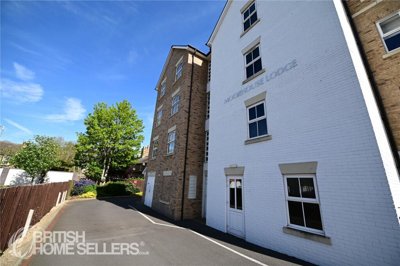
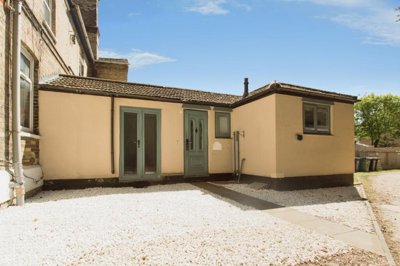
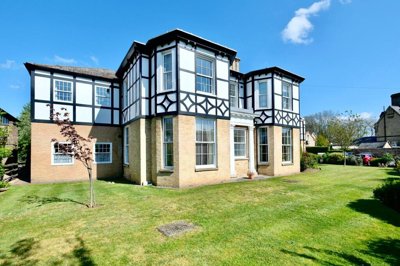
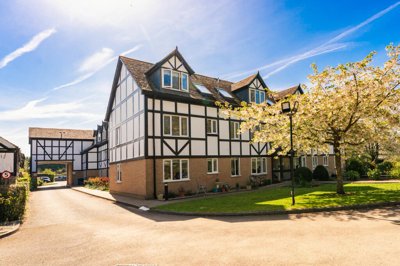
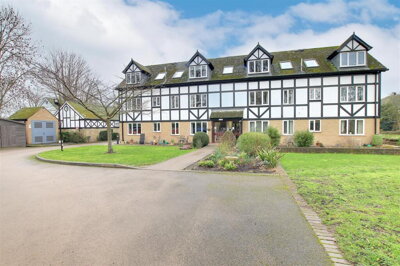
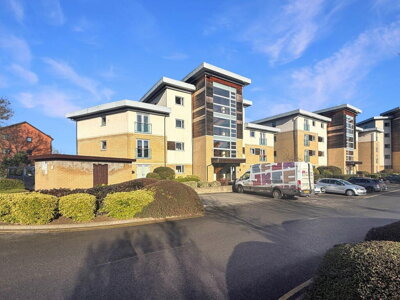
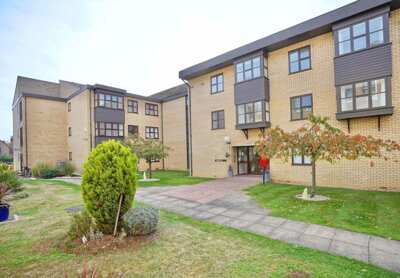
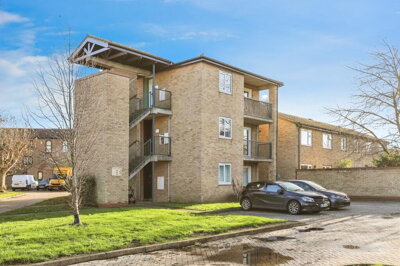
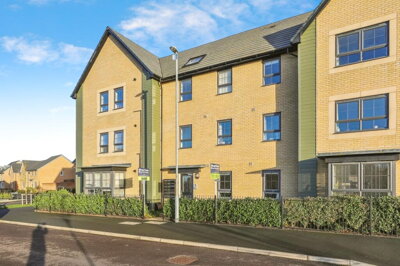
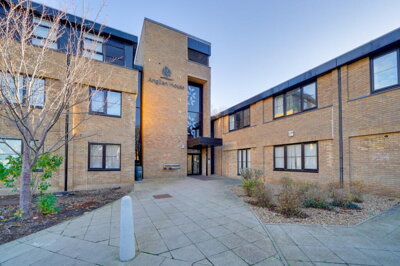
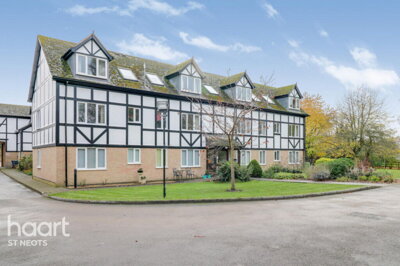
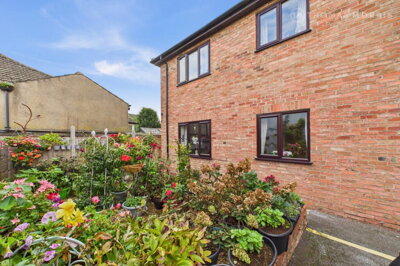
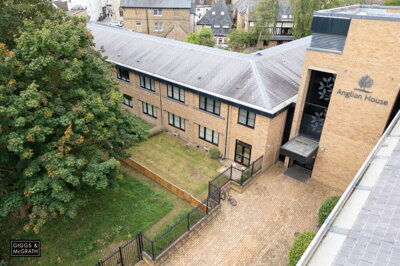
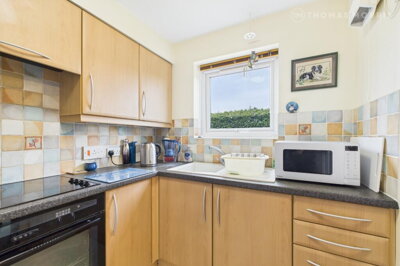
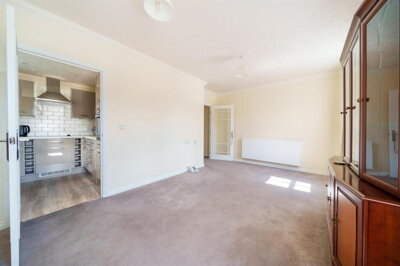
Browse 45 homes for sale in Brampton from local estate agents.
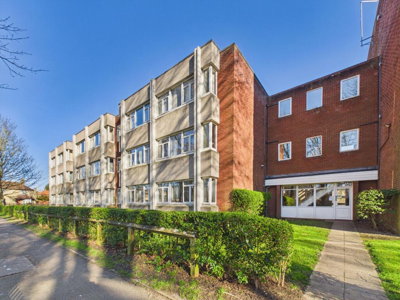
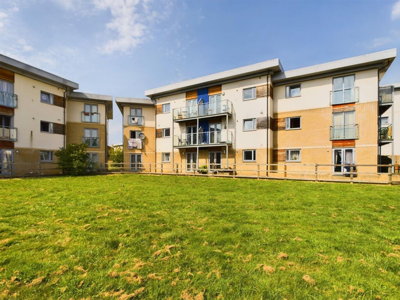
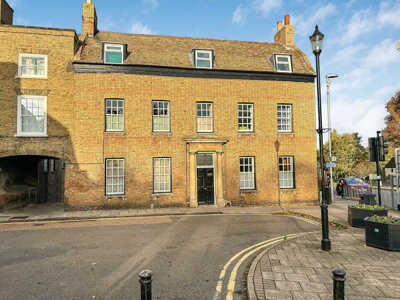
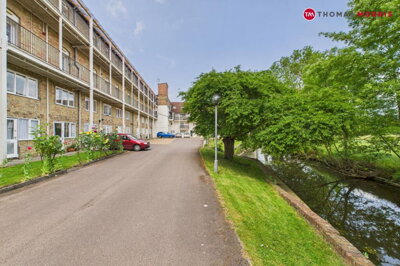
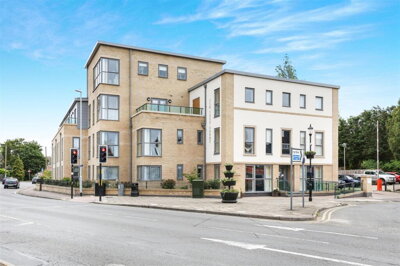
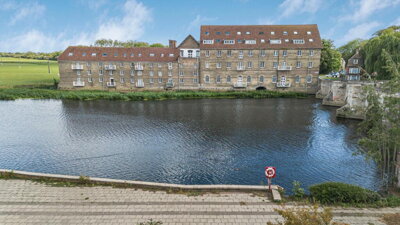
One bed apartments provide a separate bedroom alongside distinct living space, bathroom, and kitchen areas. Properties in Brampton are available in various building types including mansion blocks, contemporary developments, and house conversions.
Across Brampton, the market has something for most budgets, from family houses to homes that suit professionals and investors. Detached properties sit at the top end, averaging £516,143, which reflects the appetite for bigger plots and gardens in the village’s residential streets. Semi-detached homes, at £313,378 on average, offer a good middle ground for families who want space without the detached premium. We also note 119 active listings, a sign of steady movement that gives both buyers and sellers a degree of confidence.
Price movement has been fairly even, though semi-detached homes led the way with 1.9% growth over the past 12 months. Terraced properties followed at 1.5%, detached homes at 1.4%, and flats at 1.1%. That pattern points to demand holding up across the board rather than being focused on one segment. For anyone buying in Brampton, it suggests the market still has momentum, but without the sharp swings seen in some nearby places.
Two new-build schemes are giving buyers a chance to secure a brand new home in Brampton. David Wilson Homes is marketing Brampton Park on Buckden Road, with 3, 4, and 5 bedroom properties priced from £399,995 to £629,995. At the same time, Barratt Homes has The Brambles on the same postcode, offering 3 and 4 bedroom homes from £349,995 to £499,995. Both developments combine modern construction with brick finishes, so they meet current energy standards while still sitting neatly within the local look and feel.

Village life here mixes a close community feel with easy access to the bigger range of amenities in nearby Huntingdon. Around 5,390 people live across 2,240 households, which keeps the atmosphere familiar without leaving residents short of day-to-day services such as shops, pubs, and leisure facilities. Traditional red brick is still a major feature of the housing stock, and that long local history is plain to see in the older streets. Period cottages and newer estates sit side by side without feeling out of place.
The local economy benefits from Brampton’s position near major transport routes, but the village also keeps its own base in retail, services, and light industrial work. The closure of RAF Brampton in 2013 opened the door to redevelopment, and the site has continued to evolve while still respecting the area’s heritage. Once a major employer, it has become a source of brownfield housing and commercial space over the past decade. Infrastructure improved with the change too, including better road access and utility upgrades.
Countryside walks are part of the appeal, and the nearby River Great Ouse gives the area some very pleasant routes for getting outside. Because the river runs to the north of the village, buyers should also think about flood risk in lower-lying spots. Brampton’s heritage buildings add real character, with St Mary Magdalene Church, a Grade I listed landmark, sitting at the centre of the old village. Brampton Manor, Grade II* listed, is another important building. Events through the year help knit the community together, which is one reason families and commuters alike find the village appealing.

Families will find schooling provision in place for children of different ages, with primary education available in the village and secondary choices in nearby Huntingdon. The local primary school gives younger children a solid start, while the wider area includes both state and independent options. School catchments can influence what people pay for homes in particular streets, so some parts of the village sit in noticeably stronger price zones than others. Anyone moving with school-age children will want to check admissions rules and boundaries carefully.
At secondary level, Huntingdon schools offer broad curricula and specialist subjects, and several have built strong reputations for academic results and extracurricular work. Getting there from Brampton is straightforward, usually 10-15 minutes by car or by regular bus services along the A14 corridor. Schools across the area attract pupils from much of Huntingdonshire, especially where results in sciences, humanities, and creative subjects are strong. In Cambridgeshire, admissions are tied to catchment areas, so where a property sits can make a real difference to which schools are available.
For families looking beyond the usual route, grammar school options are available in nearby towns for those who meet the academic entry standards. Sixth form and college courses in Cambridge and Peterborough add another layer of choice for older students, and the transport links make daily travel manageable for those willing to do it. That broader educational landscape is part of Brampton’s appeal to family buyers. Government league tables can help parents compare schools and see which ones match their children’s needs.

Transport is one of Brampton’s strongest cards, and it makes the village a practical base for people working in Cambridge, Peterborough, London, and other nearby centres. The A1 runs close by, giving direct road access north to Peterborough and south towards London and the M25 orbital motorway. The A14 adds another useful route, linking the area with Cambridge to the southeast and the wider eastern England network. For drivers, it means access to major roads without the stop-start grind that comes with city-centre living.
From Huntingdon station, rail services run regularly to London King's Cross, with journey times of around 50 minutes, so daily commuting is realistic for people working in the capital. The station is easy to reach from Brampton, and parking is available for those who prefer to travel by train. Direct services take you into London King's Cross in under an hour, keeping the city within comfortable reach. Regular travellers can often cut costs by booking in advance, which helps make the rail option workable several days a week.
There are bus links into Huntingdon town centre, which means residents can reach shops, healthcare, and leisure facilities without needing to rely on a car. Services run throughout the day, with extra frequency at peak commuting times for people travelling to and from work. Cycling is becoming more practical too, thanks to National Cycle Network routes and local paths that support shorter journeys. The ground around Brampton is fairly flat, which helps, and dedicated routes make it easier to ride into Huntingdon and the nearby villages. Taken together, road, rail, bus, and cycling give the village excellent connections for its size.

We would start by looking through the listings and getting a feel for Brampton’s market. Flood risk near the River Great Ouse, Conservation Area rules for period homes, and distance from schools all matter here. The stock mix is also worth checking, with approximately 40% detached, 30% semi-detached, 18% terraced, and 10% flats, so you can narrow the search to the type of home that fits. Our platform gives detailed property information, including recent sales, price trends, and development activity, which helps ground the research.
Before you book viewings, get an agreement in principle from a lender. It shows sellers that you are serious and that the finance is in place. With the average property price in Brampton sitting at £374,298, many buyers will need borrowing somewhere between £300,000 and £450,000 for a typical purchase. We can compare mortgage deals for you, and it also makes sense to speak with a broker who knows the Cambridgeshire market.
Once you have a shortlist, arrange viewings that match your criteria and take the time to notice the details. The time of day, the weather, and even the season can change how a house feels, especially in relation to light, the garden, and heating performance. Bring notes and photographs so the properties are easier to compare later. In Brampton’s Conservation Area, older homes deserve particular attention, especially original features, damp-proof courses, and any sign of subsidence linked to the Oxford Clay beneath the village.
After an offer is accepted, we would usually arrange a Level 2 Survey to check the property’s condition. In Brampton, that matters more than most places because the Oxford Clay geology carries moderate to high shrink-swell potential, which can lead to subsidence, damp, or structural concerns. For homes over 50 years old, which make up a sizeable share of the local stock, a Level 2 Survey usually costs between £400 and £700, depending on size and complexity.
A solicitor should then take over the legal side of the purchase. They will carry out searches, read through the contracts, and manage registration. Local authority searches from Huntingdonshire District Council are important, because they show planning applications, conservation area restrictions, and any environmental issues affecting the home. We would always suggest using a conveyancer with experience of Cambridgeshire transactions.
As the deal moves forward, your solicitor will work with the seller’s legal team on exchange of contracts, and that is the point at which the deposit becomes liable. Completion usually follows within days or weeks, depending on how the chain is set up, and that is when the keys are handed over and the move can happen. Buildings insurance needs to be in place before completion, since lenders want proof of cover before releasing mortgage funds. It is also wise to allow for removals, utility connections, and any immediate renovation work when setting the budget.
Brampton’s homes reflect the building methods of their own periods, and knowing the differences helps buyers read a survey properly. Pre-1919 properties, which are common in the Conservation Area around The Green, Church Road, and High Street, usually have solid walls rather than cavities. Built from traditional brick or local stone, they often include timber floors, slate or clay tile roofs, and lime mortar instead of modern cement-based materials. Buyers need to remember that solid walls behave differently from cavity wall homes, particularly for insulation and damp proofing.
Between 1919 and 1980, mid-century homes brought cavity wall construction to the village, with a brick outer leaf and a block inner leaf separated by a cavity designed to reduce moisture penetration. Houses from this period often have pitched timber roofs with concrete tiles, suspended timber ground floors, and building regulations that became more standardised over time, improving thermal performance and structural integrity. Even so, insulation levels and older services can be dated, so electrical systems and plumbing may still need updating to meet current safety expectations.
Homes built after 1980, including those on Brampton Park and The Brambles, follow modern building regulations with better insulation, stronger energy efficiency standards, and tighter quality control. Contemporary construction usually includes cavity wall insulation, modern roof coverings, and energy-efficient windows and doors, all of which help keep heating bills lower than in older properties. That said, a survey still matters. Even new builds can have shrinkage cracks, drainage issues, or snagging items that need developer attention.
Before buying in Brampton, we would urge careful checking of a few location-specific risks. The Oxford Clay geology beneath the village creates shrink-swell movement that can affect foundations, especially in older homes built before modern building regulations. Signs such as crack patterns, sticking doors or windows, and any record of foundation work all deserve attention. Trees close to a house can make matters worse, because root systems can increase ground movement in clay soils during dry spells or after heavy rain. British Geological Survey mapping confirms highly plastic Oxford Clay under the village, which points to moderate to high potential for movement when moisture levels change.
Flood risk also needs to be checked, particularly for properties near the River Great Ouse or in lower-lying parts of the village. Environment Agency flood maps are a good starting point, and sellers should be asked directly about any past flooding. Surface water can still be a problem even where fluvial risk seems low, so drainage and the property’s position in relation to watercourses matter. Homes inside the Conservation Area come with extra duties and restrictions, and listed buildings, including Grade I St Mary Magdalene Church and Grade II* Brampton Manor, need listed building consent for works that affect their character or fabric.
Older properties deserve a close look at original features such as damp-proof courses, electrics, and plumbing. A lot of pre-1980 housing still has old systems in place, which can add real cost once you start budgeting properly. Timber elements in traditional buildings may also show woodworm or rot, especially in roof spaces or ground floors where ventilation has been poor. A RICS Level 2 Survey gives a professional view of these issues and can help with price negotiations too. For more complicated historic homes, or those needing major renovation, a RICS Level 3 Building Survey provides a fuller structural assessment and repair advice.

As of February 2026, Brampton’s average house price stands at £374,298. Detached properties average £516,143, semi-detached homes £313,378, terraced properties £263,667, and flats £200,000. Over the past 12 months, prices have risen by 1.6%, which points to a stable market that is still drawing buyers looking for Cambridgeshire village value. Semi-detached homes posted the strongest rise at 1.9%, so demand for that type seems especially firm among families.
Huntingdonshire District Council is the local authority for Brampton. Council tax bands run from A through H, although most homes fall between Bands B through E depending on their assessed value. In broad terms, Band A properties usually sit below £30,000 in valuation, while Band E covers properties valued between £68,001 and £88,000. Specific bands can be checked on the Valuation Office Agency website or by contacting Huntingdonshire District Council, and the band will also be confirmed by your solicitor during conveyancing searches.
Primary schooling is available within the village, and nearby Ofsted-rated good and outstanding schools serve the local catchment. For secondary education, Huntingdon schools are usually 10-15 minutes away by car or bus, and several are known for strong academic results and extracurricular programmes. Catchment areas matter here, because admissions in Cambridgeshire often depend on how close you are to the school gate. Grammar schools in nearby towns give academically selective families another option.
Bus links into Huntingdon give access to mainline rail services, and those trains run regularly to London King's Cross with journey times of about 50 minutes, which makes commuting to the capital very workable. The village is also close to the A1 and A14 trunk roads, so getting to Cambridge, Peterborough, and the wider motorway network, including the M25, is straightforward. For shorter trips, local cycling routes, including sections of the National Cycle Network, offer a practical and lower-carbon way to reach jobs and amenities nearby.
Brampton has several features that make it attractive to property investors. Price growth has been consistent at 1.6% over the past year, and 119 active listings show that the market is busy enough to offer movement. New schemes such as Brampton Park and The Brambles underline developer confidence, with new homes priced from £349,995 to £629,995 continuing to draw interest. Strong transport links via the A1, A14, and rail services from Huntingdon, along with good local amenities and access to major employment centres, support both rental demand and long-term growth.
For 2024-25, Stamp Duty Land Tax is charged at 0% on the first £250,000, 5% on £250,001 to £925,000, 10% on £925,001 to £1.5 million, and 12% on amounts above £1.5 million. First-time buyers get relief on the first £425,000, with 5% applying between £425,001 and £625,000. Because the average Brampton home is £374,298, many first-time buyers would pay no stamp duty at all, while additional purchasers would pay about £6,215 under standard rates.
From £400
A professional survey that checks the condition of a standard home in Brampton
From £600
A fuller structural survey for older homes and listed buildings
From £85
An Energy Performance Certificate is needed for every property sale
From 4.5%
Compare mortgage deals from leading lenders
From £499
Solicitor services for your property transaction
Getting to grips with the full cost of buying in Brampton helps with planning and keeps surprises to a minimum once the transaction starts moving. The property price is the biggest outlay, and the current average across the village is £374,298. First-time buyers purchasing homes up to £425,000 qualify for stamp duty relief, so plenty of properties here sit within that threshold. A typical first-time buyer taking a terraced property at £263,667 would pay no stamp duty, which is a meaningful saving compared with the additional purchaser rates. For standard purchases completed after 1 December 2024, that relief remains in place.
We would also set aside solicitor fees, which usually range from £499 for basic conveyancing to £1,500 or more where the transaction is more complicated, such as with listed buildings or leasehold properties. Homes in Brampton’s Conservation Area, or those that are listed, can bring extra legal work because title matters and planning restrictions need specialist handling. A RICS Level 2 Survey typically costs between £400 and £700 in Brampton, depending on size and complexity, with larger detached houses usually at the higher end. An Energy Performance Certificate starts from £85 and is a legal requirement for all sales, giving buyers a clear picture of energy efficiency and running costs.
Mortgage arrangement fees are often 0% to 2% of the loan amount, though many lenders have fee-free deals that can suit buyers who prefer simplicity over chasing the lowest rate. Surveyors and mortgage brokers may charge extra for their services, so it is sensible to get firm quotes before instructing anyone. Removal costs depend on distance and volume, while storage charges can arise if completion and moving dates do not line up. Buildings insurance should be arranged before completion, as lenders require proof of cover before releasing funds. With the deposit, mortgage, and these added costs all planned for, the Brampton purchase is much easier to manage.

Properties for Sale In London

Properties for Sale In Plymouth

Properties for Sale In Liverpool

Properties for Sale In Glasgow

Properties for Sale In Sheffield

Properties for Sale In Edinburgh

Properties for Sale In Coventry

Properties for Sale In Bradford

Properties for Sale In Manchester

Properties for Sale In Birmingham

Properties for Sale In Bristol

Properties for Sale In Oxford

Properties for Sale In Leicester

Properties for Sale In Newcastle

Properties for Sale In Leeds

Properties for Sale In Southampton

Properties for Sale In Cardiff

Properties for Sale In Nottingham

Properties for Sale In Norwich

Properties for Sale In Brighton

Properties for Sale In Derby

Properties for Sale In Portsmouth

Properties for Sale In Northampton

Properties for Sale In Milton Keynes

Properties for Sale In Bournemouth

Properties for Sale In Bolton

Properties for Sale In Swansea

Properties for Sale In Swindon

Properties for Sale In Peterborough

Properties for Sale In Wolverhampton

Enter your details to see if this property is within your budget.
Loans, cards, car finance
Estimated property budget
Borrowing + deposit
You could borrow between
Typical borrowing
Monthly repayment
Est. at 4.5%
Loan-to-value
This is an estimate only. Your actual budget may vary depending on interest rates, credit history, and personal circumstances. For an accurate affordability assessment, speak to one of our free mortgage advisors.
This calculator provides estimates for illustrative purposes only and does not constitute financial advice. Your home may be repossessed if you do not keep up repayments on your mortgage. Estimates based on 4.5% interest rate, repayment mortgage. Actual rates depend on your circumstances.
Homemove is a trading name of HM Haus Group Ltd (Company No. 13873779, registered in England & Wales). Homemove Mortgages Ltd (Company No. 15947693) is an Appointed Representative of TMG Direct Limited, trading as TMG Mortgage Network, which is authorised and regulated by the Financial Conduct Authority (FRN 786245). Homemove Mortgages Ltd is entered on the FCA Register as an Appointed Representative (FRN 1022429). You can check registrations at NewRegister or by calling 0800 111 6768.

We use cookies to show you personalised content and improve your experience of our website. Find out more in our Privacy policy and Cookie policy.