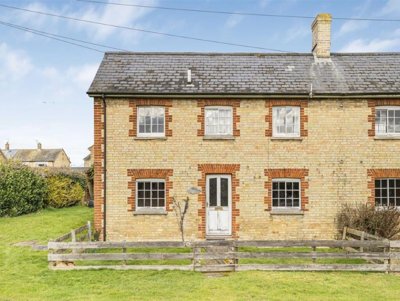
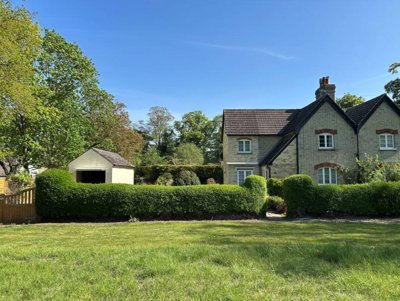
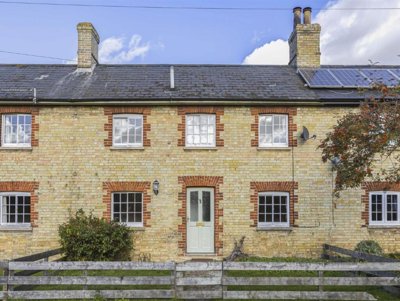
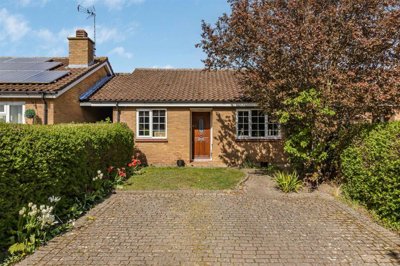
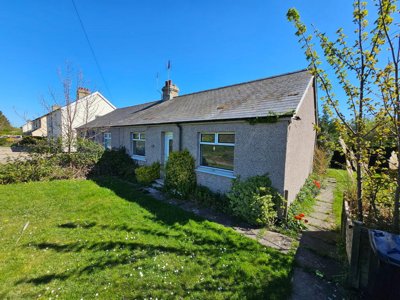
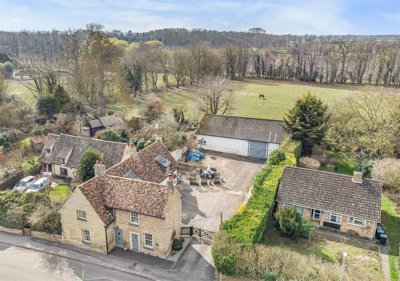
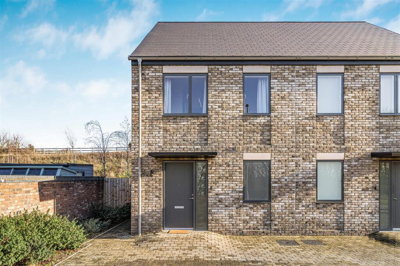
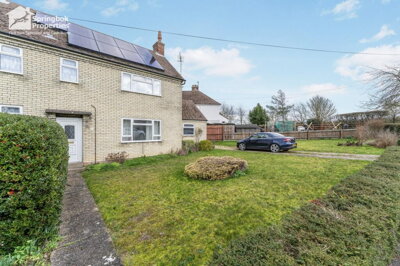
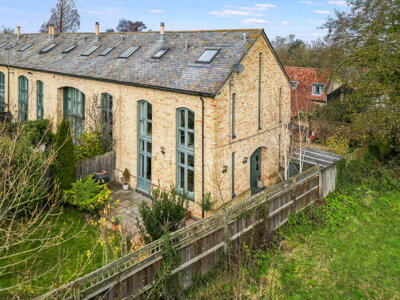
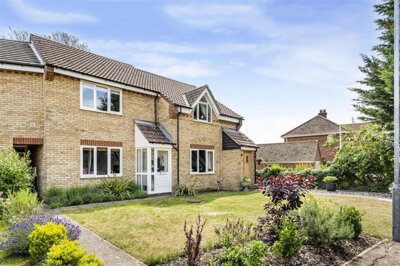
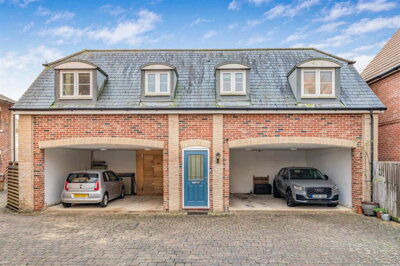
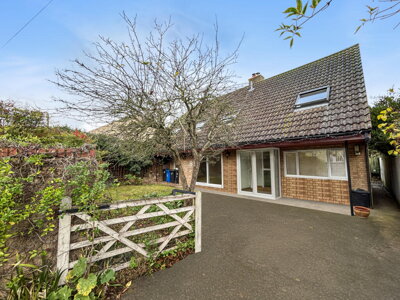
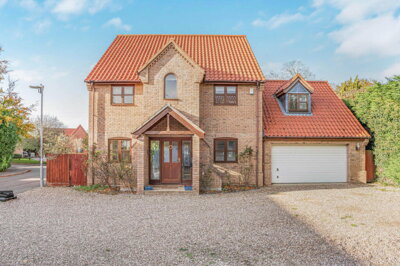
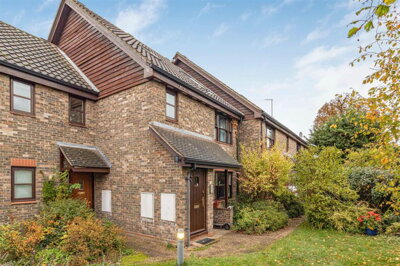
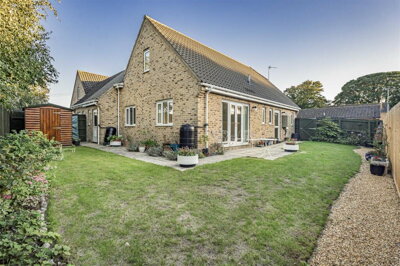
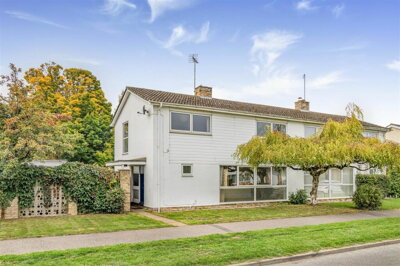
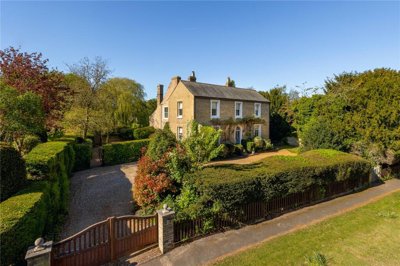
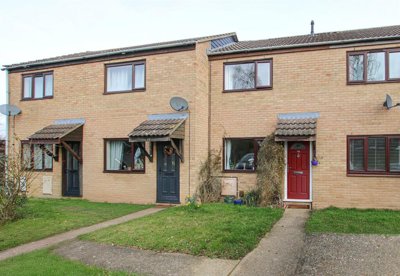
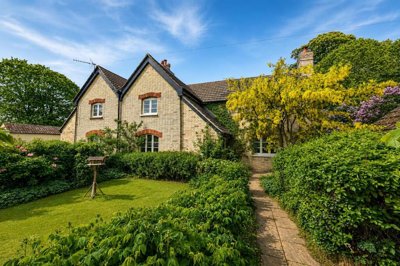
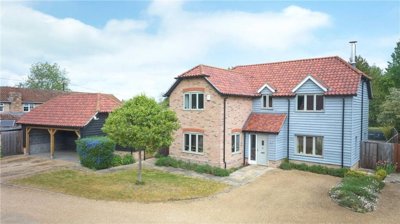
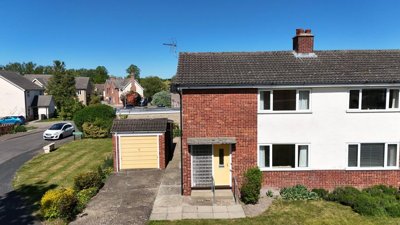
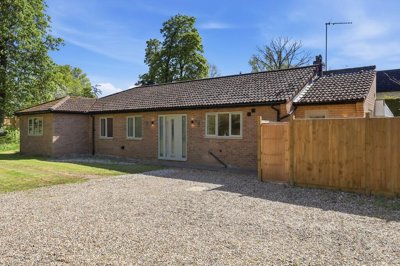
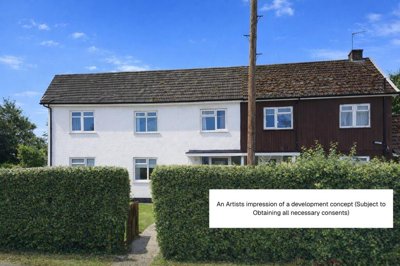
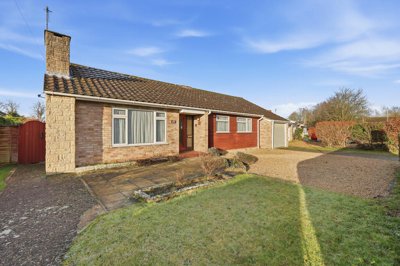
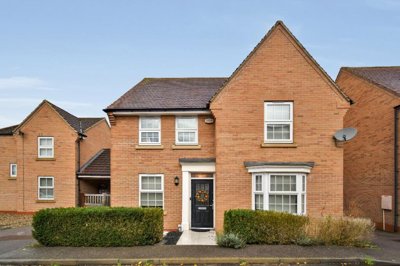
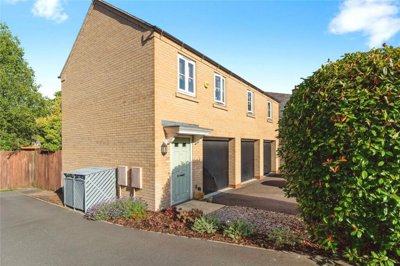
Browse 73 homes for sale in Bottisham, East Cambridgeshire from local estate agents.
£460k
12
1
84
Source: home.co.uk
Source: home.co.uk
Detached
4 listings
Avg £891,250
Flat
2 listings
Avg £173,500
House
2 listings
Avg £250,000
Coach House
1 listings
Avg £250,000
Detached Bungalow
1 listings
Avg £650,000
Equestrian Facility
1 listings
Avg £1.75M
Semi-Detached
1 listings
Avg £400,000
Source: home.co.uk
Source: home.co.uk
Bottisham’s property market has kept moving upwards, with house prices rising by 5.89% over the past twelve months and by 20.23% over the last five years. That pattern points to a village with lasting appeal and a tight supply of homes, which is why it draws both owner-occupiers and investors. The average property price of £528,750 puts Bottisham in the mid-to-upper tier of Cambridgeshire village markets, yet it still compares well against many Cambridge suburbs. In our local market view, demand regularly runs ahead of supply, especially for well-kept family houses in the village centre.
Detached houses make up 45.4% of the housing stock, according to census data, so they shape much of the local market. Those homes command an average of £679,000, which reflects the premium buyers pay for space and privacy in Bottisham. Semi-detached properties sit at £420,000 and give families a more attainable step into the area. Terraced homes average £380,000, while flats average £250,000, so there is a spread of options for different budgets and needs. In practice, the mix means there is usually a property type that fits.
Two new build schemes are currently active in Bottisham. The Paddocks on Tunbridge Lane, by Laragh Homes, offers 2, 3, 4, and 5-bedroom homes, with prices from £475,000 for a three-bedroom semi-detached up to £975,000 for a five-bedroom detached house. Bottisham Gardens, by Hill and also on Tunbridge Lane, adds more 2, 3, 4, and 5-bedroom choices from £475,000. Buyers get the appeal of brand-new construction, modern standards, and stronger energy efficiency. Both sites are within walking distance of the village centre, so they suit local workers and Cambridge commuters alike.

According to the 2021 census, Bottisham has around 2,192 residents living in 879 households. That scale gives it a close community feel, where neighbours tend to recognise one another and village events are well supported. There is a good balance here between rural calm and everyday convenience, with a primary school, convenience store, post office, pharmacy, and several pubs all in the centre. Day-to-day errands are easy without a run into Cambridge. The twice-weekly bus service to Cambridge city centre runs through the day, which makes car-free shopping trips perfectly workable.
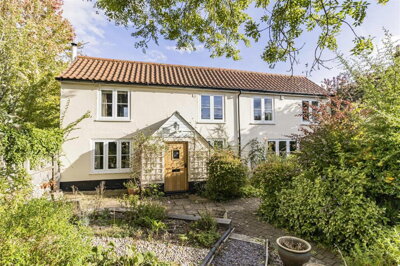
Bottisham’s historic core sits within a Conservation Area, which protects the character of the village centre and its mix of period cottages, manor houses, and old farm buildings. Key listed buildings include Bottisham Hall, St Peter’s Church, and a number of historic houses and cottages that give the place its distinctive look. Many older homes use traditional Cambridge Gault brick, often yellow or buff in colour, creating a pleasing consistency across the village. In the older streets you also find thatched cottages and timber-framed buildings, which add real architectural interest. We often see buyers drawn to these homes for their character, though age-related defects need careful checking.
Residents have plenty of outdoor space to use, with several public rights of way linking Bottisham to the surrounding countryside for dog walks and family strolls. Bottisham Hall grounds open to the public from time to time, and Cambridge is close enough for restaurants, cinemas, shops, and cultural venues by car or bus. There is a lively community too, with regular events, clubs, and societies covering interests from gardening to fitness. Church Lane playing fields give space for informal recreation, while the village hall keeps community activity going all year.

Education in Bottisham works well for families with children at every stage. Bottisham Village College is the village’s secondary school, and it brings in pupils from the surrounding rural area as well as from Bottisham itself. It offers full secondary provision and has its own sixth form, so students can carry on locally rather than travelling into Cambridge or farther afield for A-levels. The college also has a strong presence in village life through staff, events, and wider community links. Parents often point to its academic record and local involvement as major reasons for settling here.
For younger children, Bottisham Primary School covers Reception through to Year 6 and gives families a convenient local option. Its village setting brings smaller class sizes and closer community ties than many larger urban primaries. Parents regularly mention the friendly atmosphere and the quality of teaching as real strengths. Nearby primary schools in places such as Swaffham Prior and Dullingham give further choices for those happy to accept a slightly longer school run. Catchment can affect prices on certain streets, so we always suggest checking the latest boundary before buying if school admission matters.
Further education is close at hand through Cambridge colleges and sixth form centres, with regular bus links between Bottisham and Cambridge schools and colleges. The University of Cambridge and Anglia Ruskin University are both within commuting distance, so older students have clear routes into higher education. Sixth-form pupils from Bottisham Village College often move on to Cambridge colleges or travel to schools such as St Mary’s or The Perse School in Cambridge. For families, that means the education ladder from early years through to university is well covered without travelling too far.

Transport is one of Bottisham’s clear advantages for Cambridge commuters. The village sits near the A14 trunk road, giving direct access west to Cambridge and east to Newmarket. That route also links into the A1/M1 motorway network north of Cambridge and on towards Felixstowe port. In practical terms, Cambridge city centre is about 20 minutes by car, and Cambridge Science Park around 15 minutes. Traffic can be heavy at rush hour, so some residents prefer the quieter country lanes for anything other than the commute.
Public transport is solid as well. Regular buses run between Bottisham and Cambridge, with journey times of roughly 30-40 minutes depending on traffic and the route taken. The Citi 8 bus connects the village to Cambridge city centre and Cambridge railway station, which helps residents without cars. Cambridge North railway station offers direct trains to London Liverpool Street in about 90 minutes, so the village works for people who need a capital commute but still want a quieter base. Off-peak fares can be much cheaper if you book ahead.
Cycling is another common way to get into Cambridge, thanks to dedicated paths that avoid major roads where possible. Many local people cycle to work, especially those employed at the science parks and technology hubs around the city. The village is fairly flat, which makes riding easier for most people. National Cycle Route 11 runs through Bottisham and ties it into the wider Cambridgeshire network. Parking is usually straightforward too, with most homes having off-road space, unlike many parts of Cambridge where permits and availability can be a headache.

Take a look at current Bottisham listings and get a feel for what different property types are commanding. Detached houses average £679,000, while flats average £250,000, so it pays to set a realistic budget from the outset. Our team can talk you through recent sales data and comparable properties, which makes the local market easier to read.
Before you start viewing, speak to a lender or broker and get an Agreement in Principle in place. It puts you in a stronger position when you make an offer and shows sellers that you are serious. We work with mortgage brokers who know the Bottisham market and can help you look at the best rates for your circumstances.
Arrange viewings across a mix of homes, from period properties in the Conservation Area to new builds at schemes like The Paddocks or Bottisham Gardens. Keep a note of condition, where the home sits in the village, and any maintenance points that stand out. We suggest seeing at least three properties before you put forward an offer, so you have something proper to compare.
A Homebuyer Report is the sensible next step before you proceed, particularly with older homes that may have damp, tired electrics, or possible subsidence linked to the local Gault Clay geology. Our RICS-qualified inspectors know Bottisham well and understand the defects that often crop up here, from traditional Gault brickwork to older roof structures.
Appoint a conveyancing solicitor to deal with the legal side of the purchase, from searches and contracts through to registration of title. We can point you towards conveyancers who know East Cambridgeshire transactions and are used to keeping things moving efficiently.
Once the surveys, searches, and negotiations are all in order, you can exchange contracts with the seller and agree a completion date. We keep in touch with everyone involved so the handover runs smoothly, and we help with planning for moving day and anything needed straight after completion.
Bottisham’s Gault Clay bedrock means buyers need to keep an eye on subsidence and heave, particularly in older houses. Clay soils expand and shrink with changes in moisture, and that movement can lead to foundation trouble during extreme weather. Cracking is the main warning sign, especially diagonal cracking around doors and windows, and mature trees need to be considered carefully for root-related issues. River Terrace Deposits sitting above the Gault Clay can create uneven ground conditions, so foundation depths may vary across the village. Our inspectors come across these matters regularly and can advise on repairs or further investigation.
Within the Conservation Area, permitted development rights are more limited and certain alterations need planning approval. So if a period property needs extending, or you are planning significant external changes, check the Conservation Area status with East Cambridgeshire District Council first. Listed buildings need listed building consent for any work that could affect their character, which adds another layer to renovation plans. Homes near St Peter’s Church and along the historic lanes are especially likely to be listed or within the Conservation Area. Those rules should be built into both budget and timescale before you go ahead.
Flood risk in Bottisham is generally low from rivers and the sea, although surface water flooding can happen after heavy rain, particularly around the village centre and near the A14 corridor. It is worth checking Environment Agency flood maps for the exact plot and thinking about whether the home sits in a low-lying spot where water gathers. Basements and ground-floor accommodation deserve extra attention, especially for drainage and any record of past flooding. We suggest asking vendors directly and looking closely at drainage patterns during viewings, particularly after wet weather.

It helps to know the construction types you may come across in Bottisham, because they tell you a lot about maintenance and layout. The village has a wide architectural spread, from medieval timber-framed cottages to modern new builds. Properties built before 1919 in the centre often use traditional timber frames with rendered finishes or local Gault brick, usually beneath steeply pitched slate or clay tile roofs. They have bags of character, though they often need regular upkeep and may still have old services that need replacing.
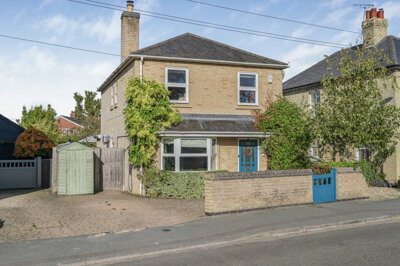
Houses from the interwar and post-war years, 1919-1980, form a significant part of Bottisham’s stock. Most are built in more standard ways, often brick with concrete tile roofs and cavity walls. A fair number date from the 1960s and 1970s growth of the village, especially along roads heading towards Cambridge. Some have solid ground floors rather than suspended timber, and many have picked up extensions over the years that need close checking. Our inspectors look for condensation, single-glazed windows, and original wiring that could need attention.
At the modern end, The Paddocks and Bottisham Gardens show what contemporary new build living looks like in the village. Current building regulations mean good levels of insulation, ventilation, and energy efficiency. These homes usually have brick and render exteriors, uPVC windows, modern heating systems, and fairly light maintenance demands. Even so, a proper inspection still matters, because snagging and workmanship issues do not always show up at first glance. Our surveyors prepare detailed reports covering wall finishes, drainage connections, and the rest, so the home is in the best possible shape when you move in.

The average property price in Bottisham is £528,750, according to homedata.co.uk market data. Detached homes average £679,000, semi-detached properties average £420,000, terraced houses average £380,000, and flats average £250,000. Prices have moved up by 5.89% over the past twelve months and by 20.23% over the last five years, which points to a healthy market. That growth comes from steady demand from buyers who want village life without giving up Cambridge commuting options.
Bottisham sits within East Cambridgeshire District Council for council tax. Most homes in the village fall into Bands C through F, although the exact band depends on the property’s assessed value. Annual council tax typically ranges from about £1,500 to over £2,500 per year. The precise band can be checked on the East Cambridgeshire District Council website or confirmed by your solicitor during conveyancing.
Education in Bottisham is strong from primary years right through to further education. Bottisham Primary School takes children from Reception to Year 6, and Bottisham Village College provides secondary schooling and sixth form facilities within the village. The college is well established and draws pupils from the surrounding area, with transport links that also serve nearby villages. Families can also reach Cambridge schools and colleges by regular bus, with The Perse School and St Mary’s School both within commuting distance.
Bus links to Cambridge city centre are reliable, with journey times of about 30-40 minutes depending on traffic. The Citi 8 route gives regular connections to the city centre and railway station. By car, the village is near the A14, so Cambridge is around 20 minutes away. Cambridge North railway station has direct trains to London Liverpool Street in roughly 90 minutes. Cycling is popular too, thanks to the flat terrain and cycle routes, including National Cycle Route 11 through the village.
Bottisham has delivered price growth of over 20% across five years, helped by its position near Cambridge and the employment hubs in technology, biotech, and education. With limited homes in a village setting and steady demand from commuters and families, the market fundamentals look solid. Schemes like The Paddocks and Bottisham Gardens show that there is still development interest here. Rental demand is strong as well, with tenants who work in Cambridge often preferring village living, which makes Bottisham attractive to buy-to-let investors and owner-occupiers alike.
For standard purchases, stamp duty land tax is 0% on the first £250,000, 5% on £250,001 to £925,000, 10% on £925,001 to £1.5 million, and 12% above £1.5 million. First-time buyers pay 0% on the first £425,000, then 5% on £425,001 to £625,000, with no relief beyond that point. On a typical Bottisham home at £528,750, a first-time buyer would pay about £5,187.50, while a home-mover would pay about £13,937.50 at standard rates. Your solicitor will work out the exact SDLT based on the purchase price and the facts of the deal.
Because of the Gault Clay geology, older homes need close attention for signs of subsidence or heave, especially where foundations are shallow or there are mature trees nearby. Properties built before 1980 may still have outdated electrical wiring and plumbing, including rubber or lead-sheathed cables that can be a concern. Traditional brick houses can suffer from rising damp or penetrating damp where the damp-proof course has failed or solid walls lack enough insulation. Older roofs also deserve a careful look, since slipped tiles, damaged flashing, and worn felt are common across the village.
Parking in Bottisham is generally much easier than in Cambridge, with most properties having off-road parking or garages. On-street parking is available across the village and there are no resident permit schemes. Some older terraced homes in the centre have little or no off-road parking, so that is something to weigh up carefully. Newer schemes like The Paddocks and Bottisham Gardens include allocated parking as standard, usually one or two spaces depending on the size and price of the home.
The full cost of buying in Bottisham goes beyond the asking price. SDLT applies to purchases above £250,000 at standard rates, with first-time buyer relief available up to £625,000 for those who qualify. On a typical home priced at the village average of £528,750, a first-time buyer pays no SDLT on the first £425,000 and 5% on the remaining £103,750, which totals £5,187.50. A home-mover without first-time buyer status would pay £13,937.50 at the standard rate. Those figures show why it pays to budget properly for tax from the outset.
There are also the practical purchase costs to think about. Solicitor fees usually run from £499 for simple transactions to £1,500 or more where leasehold issues or planning complications are involved. Local authority search fees tend to sit around £200-£300 and cover planning history, environmental checks, and drainage searches. Survey costs depend on the property and the level chosen, with RICS Level 2 Surveys ranging from £450 for a two-bedroom flat to £900 or more for larger family homes in Bottisham. We always advise putting money aside for a proper survey rather than relying only on the mortgage valuation.
Mortgage arrangement fees are often 0% to 2% of the loan amount, although some lenders do offer fee-free deals that carry a slightly higher interest rate. A mortgage valuation survey is usually required by the lender and typically costs £300-£600 depending on the property value, though it is sometimes wrapped into the arrangement fee. Buildings insurance needs to be in place from completion day, so it is sensible to get quotes before the mortgage is finalised and avoid any gap in cover. It also helps to budget for moving costs, furniture, and any repairs or decorating planned for the first few months.
From £450
Professional survey for Bottisham properties, covering the major defects that matter most.
From £750
Comprehensive building survey for older or more complex Bottisham homes.
From 4.5% APR
Expert mortgage advice, matched to Bottisham property values.
From £499
Solicitor services for Bottisham property transactions
Properties for Sale In London

Properties for Sale In Plymouth

Properties for Sale In Liverpool

Properties for Sale In Glasgow

Properties for Sale In Sheffield

Properties for Sale In Edinburgh

Properties for Sale In Coventry

Properties for Sale In Bradford

Properties for Sale In Manchester

Properties for Sale In Birmingham

Properties for Sale In Bristol

Properties for Sale In Oxford

Properties for Sale In Leicester

Properties for Sale In Newcastle

Properties for Sale In Leeds

Properties for Sale In Southampton

Properties for Sale In Cardiff

Properties for Sale In Nottingham

Properties for Sale In Norwich

Properties for Sale In Brighton

Properties for Sale In Derby

Properties for Sale In Portsmouth

Properties for Sale In Northampton

Properties for Sale In Milton Keynes

Properties for Sale In Bournemouth

Properties for Sale In Bolton

Properties for Sale In Swansea

Properties for Sale In Swindon

Properties for Sale In Peterborough

Properties for Sale In Wolverhampton

Enter your details to see if this property is within your budget.
Loans, cards, car finance
Estimated property budget
Borrowing + deposit
You could borrow between
Typical borrowing
Monthly repayment
Est. at 4.5%
Loan-to-value
This is an estimate only. Your actual budget may vary depending on interest rates, credit history, and personal circumstances. For an accurate affordability assessment, speak to one of our free mortgage advisors.
This calculator provides estimates for illustrative purposes only and does not constitute financial advice. Your home may be repossessed if you do not keep up repayments on your mortgage. Estimates based on 4.5% interest rate, repayment mortgage. Actual rates depend on your circumstances.
Homemove is a trading name of HM Haus Group Ltd (Company No. 13873779, registered in England & Wales). Homemove Mortgages Ltd (Company No. 15947693) is an Appointed Representative of TMG Direct Limited, trading as TMG Mortgage Network, which is authorised and regulated by the Financial Conduct Authority (FRN 786245). Homemove Mortgages Ltd is entered on the FCA Register as an Appointed Representative (FRN 1022429). You can check registrations at NewRegister or by calling 0800 111 6768.

We use cookies to show you personalised content and improve your experience of our website. Find out more in our Privacy policy and Cookie policy.